UV Filters (Sunscreen Actives)
Products with UV Filters (Sunscreen Actives)
 Mineral Allie SPF
 Mineral UV Gel
Allie's mineral-only variant combines the brand's signature Friction Proof technology with zinc oxide-based UV protection in an OMC-free, fragrance-free formulation. One of the few mineral sunscreens that maintains the durability of chemical-filter alternatives.
 Japanese Drugstore Gel Sunscreen Value
 Parasola Essence-In UV Cut Gel
Gel-format companion to Naris Up Parasola Essence-In UV Cut Milk — same photostable quadruple UV filter system with beauty serum layer at Japanese drugstore pricing. Lightweight gel format suits oilier skin and humid climates.
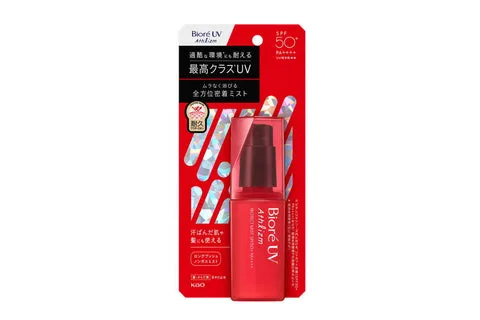 Athlizm Outdoor Sports Body Spray
 UV Athlizm Body Care Spray SPF 50+
Kao's drugstore answer to body sunscreen — the Athlizm Tough Boost film technology delivers genuinely durable SPF coverage through sweat, water, and 80-minute water-resistant claim. Multi-filter advanced UV system at $15 is excellent value. The alcohol and ethylhexyl methoxycinnamate inclusions are the typical drugstore sunscreen trade-offs.
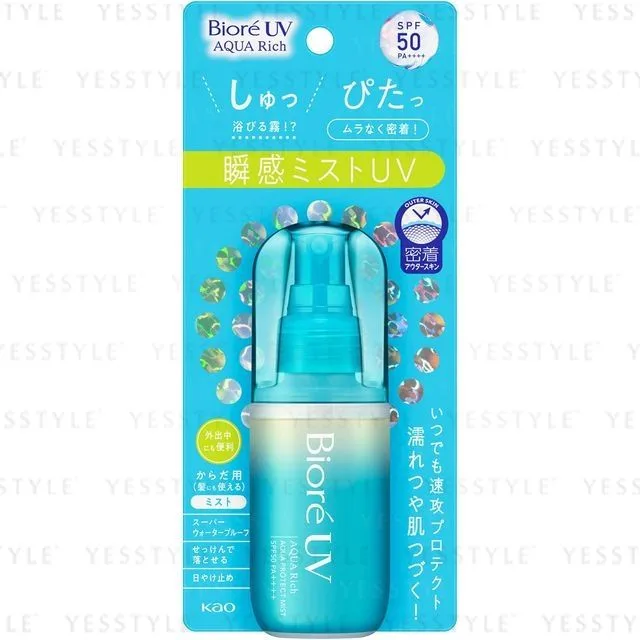 Aqua Rich Non-Aerosol Mist
 UV Aqua Rich Aqua Protect Mist
Bioré's non-aerosol pump-spray sunscreen addressing two practical issues with aerosol alternatives — propellant inhalation concerns and airline carry-on restrictions. Same advanced Aqua Rich multi-filter UV protection at $13 for 60ml. The fragrance, alcohol, paraben, royal jelly are typical Aqua Rich trade-offs.
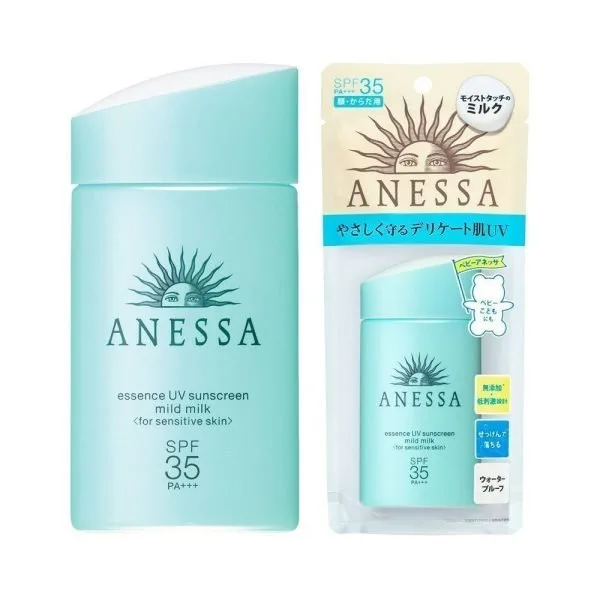 Sensitive-Skin Anessa SPF
 Essence UV Sunscreen Mild Milk SPF 35
Anessa's sensitive-skin variant delivers SPF 35 / PA++++ mineral-focused protection with the signature Aqua Booster technology, in a fragrance-free, alcohol-free, additive-free formulation safe for adults, children, and babies. One of the best baby-safe Japanese sunscreens available.
 Nivea Japan Daily-Driver Drugstore Sunscreen
 Sun Protect Super Water Gel SPF 50
Nivea Japan's flagship daily drugstore sunscreen — joint Nivea-Kao venture means Kao's advanced UV formulation under Nivea's mass-market brand. Triple photo-stable filter system (octinoxate + ethylhexyl triazone + Uvinul A Plus), fragrance-free formulation, and water-based gel feel at $12 for a generous 140g. The non-water-resistant nature limits use to office/desk contexts; the alcohol-methylparaben-octinoxate inclusions are typical drugstore considerations.
 Old-School Chapped-Lip Fixer
 Mentholatum LipCare Medicated Lip Cream XD (2-pack)
A no-nonsense Japanese medicated lip stick that treats chapped, wind-burned lips with a cooling menthol-camphor duo on a heavy petrolatum-lanolin base. The occlusive seal genuinely heals roughness, and the 2-pack is cheap enough to keep one everywhere — just know the tingle and fragrance aren't for sensitive lips.
 3-in-1 Daytime Pick
 Green Labs Canna-B Pore Perfecting Serum Cream SPF 30
A genuinely invisible 3-in-1 serum, moisturizer, and SPF 30 built for oily, large-pore skin. The no-white-cast finish, mattifying feel, and real niacinamide dose make it an easy daily step, with hemp seed oil along for the branding. The SPF 30 ceiling, chemical filters, and limited availability are the caveats.
 K-Beauty Spray-On Reapply
 Cica Sun Spray SPF 50+
A modern-filter Korean spray sunscreen with genuinely better UVA coverage than most US drugstore alternatives, paired with Cica soothing support. Best used as a reapplication layer over a cream sunscreen base, not as your only daily SPF, especially if you have dry or sensitive skin.
 Japanese Drugstore Spray Sunscreen Value
 Parasola UV Cut Mist (Fragrance UV Sun Spray)
Convenient spray-format Japanese drugstore sunscreen with photostable quadruple UV filters and surprisingly deep beauty serum layer (HA, collagen, ceramide, vitamin C, CoQ10, multi-botanical). Best as re-application sunscreen over base SPF throughout the day. Excellent value at affordable Japanese drugstore pricing.
 Lightweight Daily SPF
 Hyaluronic Acid Daily Sun Gel SPF 30
The lightweight, everyday member of Isntree's sun range: a completely invisible SPF 30 chemical gel that feels more like a hydrating essence than a sunscreen, loaded with ten types of hyaluronic acid and soothing centella. Weightless, cast-free, gentle, and affordable — an excellent daily-wear pick, with the lower SPF 30 the only reason to size up to the SPF 50 version for high sun exposure.
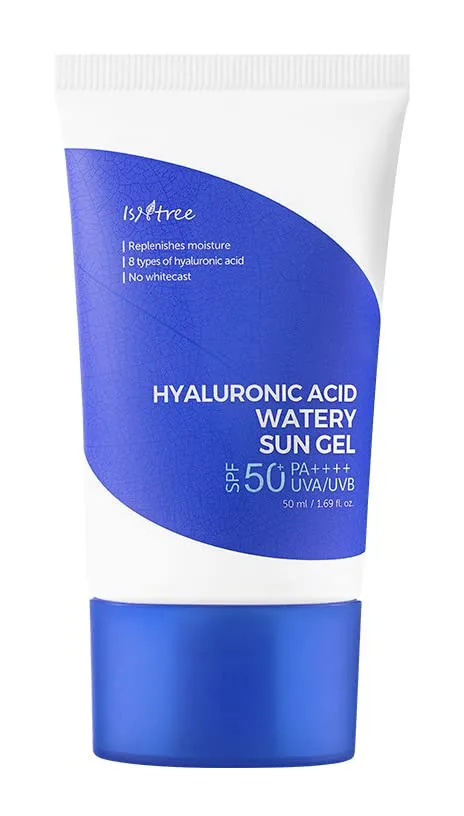 K-Beauty Daily SPF Standout
 Hyaluronic Acid Watery Sun Gel SPF 50+
One of the strongest everyday K-beauty sunscreens in the international market — modern European filters, no white cast, fragrance-free, niacinamide-boosted, and built around the brand's signature six-weight HA complex. At twenty-two dollars for 50ml, it's a case study in how much better a daily sunscreen can be when the formulator cares about both protection and wearability.
 Redness-Correcting Drugstore SPF
 Tone Up UV Essence Mint Green SPF 50+
Rohto's mint green variant of the popular Skin Aqua Tone Up UV Essence delivers SPF 50+ / PA++++ broad-spectrum protection plus visible redness neutralization at outstanding drugstore pricing. Particularly valuable for rosacea-prone or post-inflammatory erythema users seeking accessible redness-correcting daily sunscreen.
 Warming Drugstore SPF
 Tone Up UV Essence Pink SPF 50+
Rohto's pink variant of the Skin Aqua Tone Up UV Essence delivers SPF 50+ / PA++++ broad-spectrum protection plus warm pink color correction at drugstore pricing. Particularly useful for cool-undertone or dull-complexion users seeking accessible warming tone-up sunscreen.
 Japanese Drugstore Primer-Sunscreen Hybrid
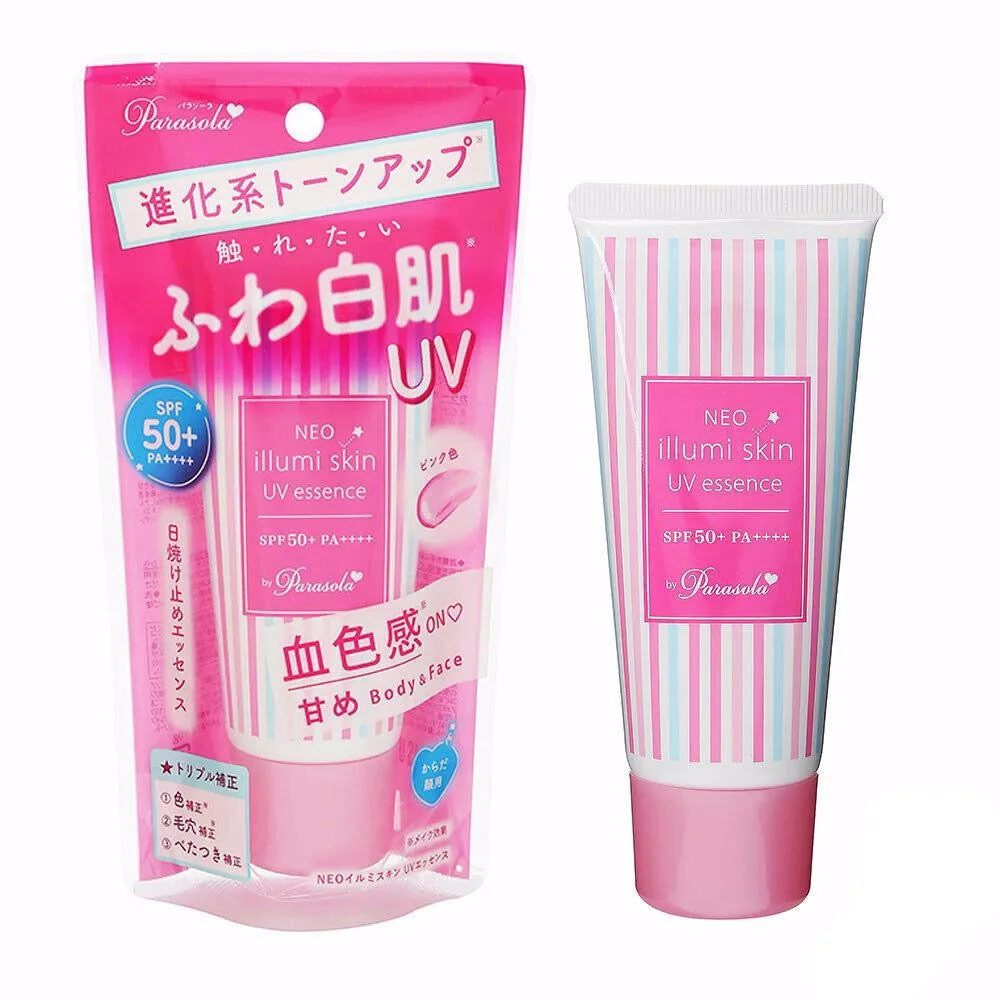
 Parasola Smooth Gel
Combines Naris Up Parasola's photostable UV filter system with pore-blurring primer function via soft-focus mineral and polymer particles. Best for users wanting combined sunscreen and makeup base in one step at affordable Japanese drugstore pricing.
 BGS Inclusive SPF Stick
 BGS Sun Ready Stick SPF 30
Black Girl Sunscreen's BGS Sun Ready Stick SPF 30 combines chemical SPF quartet with multi-botanical oil emollient base in stick format designed specifically to absorb cleanly without white cast across all skin tones. Brand mission addresses historical gap in inclusive SPF at 20-dollar accessible pricing.
 Natural-Coverage Drugstore SPF
 Skin Aqua Tone Up UV Essence SPF 50+ PA++++ (Latte Beige, 80g)
The neutral shade in Rohto's cult Skin Aqua Tone Up lineup, Latte Beige trades color correction for a natural skin-tone veil — a sheer, foundation-like finish with light coverage on top of genuinely strong SPF 50+ / PA++++ protection from a Tinosorb-anchored filter system. At drugstore pricing, it's the most universally wearable shade in the range.
 Fragrance-Free Sun Serum
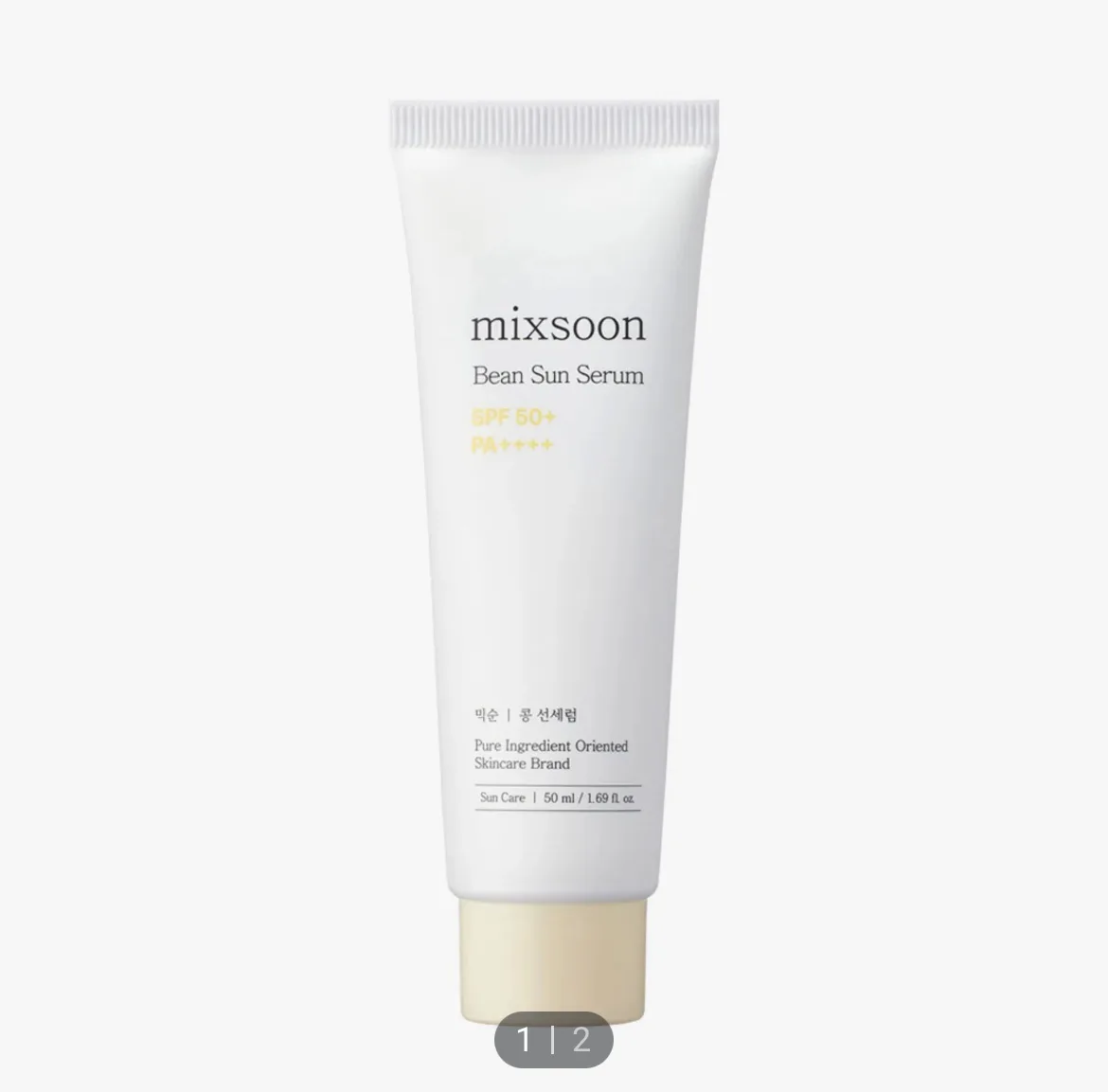
 Bean Sun Serum SPF 50+
mixsoon's Bean Sun Serum is one of the more quietly impressive K-beauty sunscreens around: an unusually comprehensive five-filter next-generation system, including both Mexoryl filters, delivering elegant, lightweight SPF 50+ protection, and, refreshingly, it is fragrance-free. Niacinamide and the brand's fermented soybean actives round it out. The main caveats are coconut oil, which rules it out for fungal-acne-prone skin, and its imported, non-FDA status.
 Aqua Rich Tone Up SPF
 UV Aqua Rich Watery Tone Up Essence
Bioré's tone-up extension of the Aqua Rich line — chemical-plus-mineral hybrid UV system at SPF 50+ PA++++ plus lavender pigment color-correction for yellow-undertone neutralization in light-to-medium Asian complexions. At $16 it dramatically undercuts luxury tone-up sunscreens that often cost 10x more. The fragrance, alcohol, paraben, royal jelly inclusions are typical Aqua Rich trade-offs.
 No-White-Cast Daily SPF
 Daily UV Defense Sunscreen SPF 50+
A genuinely elegant, no-white-cast daily sunscreen at a bargain price, and a useful lesson in how US regulation shapes what's in the bottle. The lightweight finish and photostabilized avobenzone system make it a pleasant, affordable everyday SPF 50+, but its UVA sophistication is capped by the older filter palette the US allows. Fragrance and salicylate filters make it less ideal for very sensitive skin.
 Daily SPF Brightener
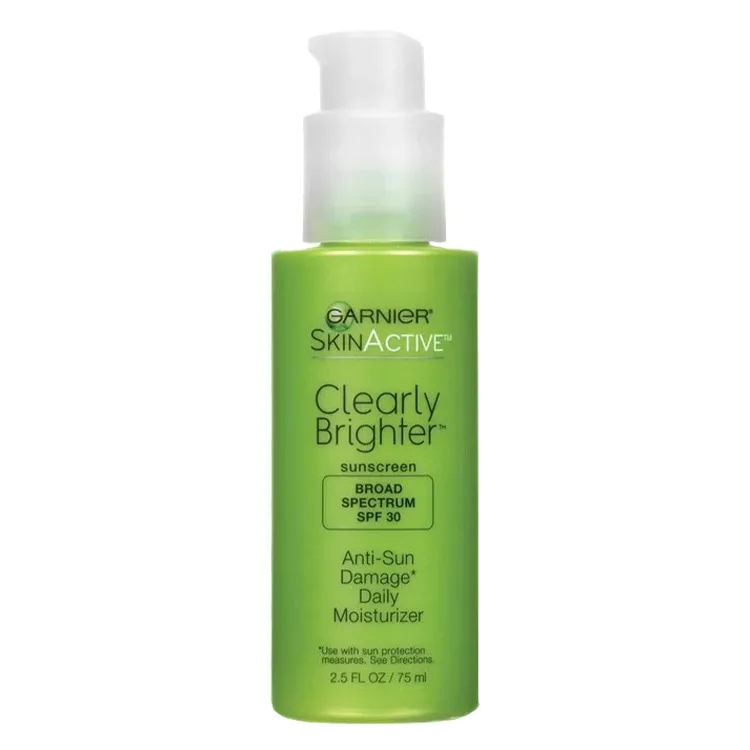
 Clearly Brighter SPF 30 Face Moisturizer with Vitamin C
A sensible two-in-one daytime step: broad-spectrum SPF 30 plus a vitamin C and E antioxidant complex and gentle LHA exfoliation in one lightweight lotion. It protects, brightens, and moisturizes affordably. The heavy fragrance and allergen load, plus the SPF 30 ceiling, are the real drawbacks for sensitive skin.
 Budget Sensitive-Skin Cream
 Kind to Skin Replenishing Rich Moisturizer
The richer counterpart to Simple's Light Moisturizer, with a higher emollient load, functional niacinamide, and the same multi-humectant and soothing system the brand is known for. Under $10 for a fragrance-free cream that competes with mid-tier drugstore options — straightforward good value.
 Melasma Day Cream MVP
 Melascreen Depigmenting Cream SPF 50+
One of the most thoughtful melasma day creams on the European pharmacy market — four brightening mechanisms layered with broad-spectrum SPF 50+ in a single daily product. Specifically built for the patient population most prone to melasma treatment failure: people who skip either the active treatment step or the sunscreen step. Pregnancy-safe, well-tolerated, and clinically credible.
 Melasma Daily Sunscreen
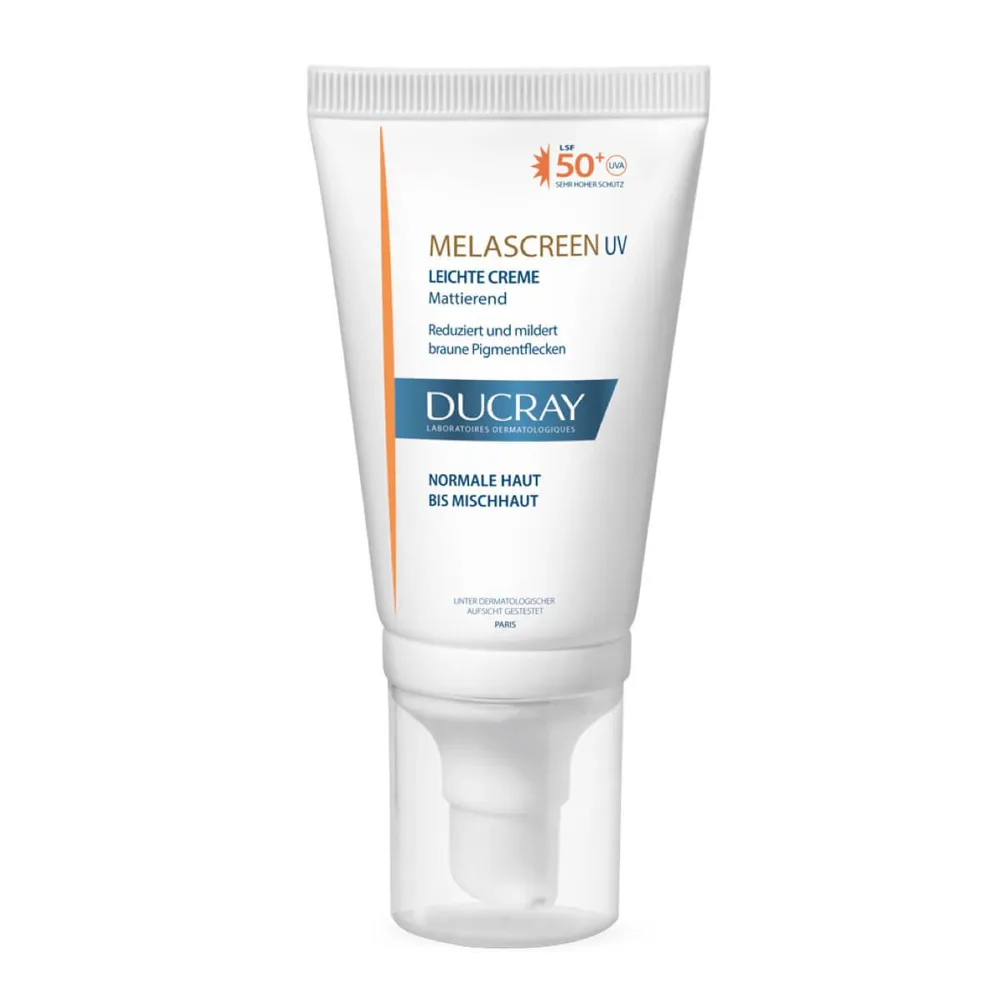
 Melascreen UV Light Cream SPF 50+
The daily-driver companion to Ductray's Melascreen line — a broad-spectrum SPF 50+ with strong UVA coverage and supporting brightening actives, in a formulation gentle enough for indefinite use. The right choice for melasma maintenance, pregnant patients, and anyone who wants daily sun protection that does a little more than just block UV. The lighter sibling to the Depigmenting Cream variant.
 Reapplication Sunscreen Stick
 Daily UV Defense Sunscreen Stick SPF 50+
A convenient, water-resistant SPF 50+ stick that solves sunscreen's hardest problem, reapplying, with a hands-free, no-white-cast swipe and the same photostabilized avobenzone system as the brand's lotion. The catch is the catch with every stick: it's dangerously easy to under-apply, so it works best as a reapplication tool over a properly applied lotion base, not as your only sunscreen. Fragrance limits it for sensitive skin.
 Blemish-Care Tone-Up SPF
 Onion Newpair Sunscreen SPF 40
A likeable daily sunscreen for blemish-prone skin, pairing broad-spectrum SPF 40 with a flattering purple tone-up tint that instantly brightens sallow skin, plus calming onion extract, niacinamide, and houttuynia. Lightweight, soothing, and affordable. Just frame it right: the tint is cosmetic, the onion is supportive rather than a treatment, and the SPF 40 suits daily wear more than intense sun.
 Lightweight High-SPF Sunscreen
 Red Pearlsation UV Protection City Defencer SPF50+
A lightweight, high-protection Korean daily sunscreen that nails the no-white-cast finish, carries a top SPF50+ PA++++ rating, and throws in soothing cica and brightening niacinamide. Comfortable under makeup and well-priced; the chemical filters and fragrance make it less ideal for very sensitive skin, and it's not vegan.
 Morning Glow Multitasker
 GinZing SPF 40 Energy-Boosting Tinted Moisturizer
A convenient three-in-one product (moisturizer, SPF, tint) with genuine caffeine and ginseng energy — but the heavy essential oil load and limited shade range hold it back from its full potential. Best for light-to-medium skin tones who love a citrus morning ritual and aren't fragrance-sensitive.
 K-Beauty Reapplication Hero
 Hyaluronic Acid Airy Sun Stick SPF 50+
A modern hybrid-filter sun stick that actually solves the two biggest problems with the format — chalkiness and reapplication compliance — by building the formula around hyaluronic acid, centella, and a filter system that includes Tinosorb S and DHHB. At twenty-two dollars for 22g, it's one of the more thoughtfully engineered reapplication tools in the K-beauty sunscreen category.
 Fragrance-Free Touch-Up SPF
 Bean Sun Stick SPF 50+
mixsoon's Bean Sun Stick is a well-judged take on the sun-stick format: a modern next-generation filter system, a smooth non-greasy glide, and, unusually for the category, a fragrance-free formula with a soothing cast of bisabolol and carnosine. As a gentle way to reapply sunscreen over makeup and on the go, it is genuinely good. But like every sun stick, it is easy to under-apply, so it belongs alongside a lotion sunscreen, not instead of one.
 Color-Correcting SPF
 Chrono Beauty Color Tuning UV
Allie's Color Tuning UV delivers SPF 50+ / PA++++ multi-filter protection with shade-specific color correction and Friction Proof durability technology. The combination of serious UV protection, visible-light-protection iron oxides, and natural-finish tinted coverage makes this one of the more interesting tinted sunscreens in the Japanese premium category.
 Luxury Tone-Up SPF
 Gongjinhyang Seol Radiant White Tone-Up Sunscreen SPF 50+
The one product in this luxury line whose price is genuinely easier to justify, because it does the single most valuable thing in skincare: real SPF 50+/PA++++ sun protection. Add an instant, white-cast-free tone-up and a niacinamide brightening bonus, and it's a legitimately functional, elegant daily sunscreen. The catches are the small 50ml size that makes generous use costly, the fragrance, and that you can get equivalent protection for less.
 Pharmacy SPF + Vitamin C
 Anthelios AOX Daily Antioxidant Serum SPF 50
A two-in-one that genuinely earns its place: SPF 50 protection plus a stabilized vitamin C and E antioxidant complex, so your morning sunscreen and antioxidant serum become a single step. The chemical filter system is effective and the texture is light. The catch is oxybenzone in the formula, which carries reef-ban and fragrance-free skin politics that some users will want to weigh.
 Next-Gen Filter SPF
 Pine Calming Cica Sunscreen SPF 50+
ROUND LAB's Pine Calming Cica Sunscreen has a genuinely excellent core: a four-filter, next-generation UV system that delivers light, elegant, strong broad-spectrum SPF 50+ protection, supported by niacinamide and cica. The catch is the name. For a product themed around calming sensitive skin, it is heavily fragranced with bergamot, geranium and rosemary oils. The filters are first-rate; the essential-oil load is the real reservation.
 Herbal SPF Lotion (Don't Rely On It for Sun)
 Bio Morning Nectar Sun Protect Moisturizer SPF 30+
As a hydrating honey-and-herb lotion, this is pleasant and cheap. As a sunscreen — which is its entire reason for existing — it fails the most basic test of trust: it does not disclose its UV filters, their concentrations or its SPF testing, so its claimed SPF 30 cannot be verified. Sun protection is the one product you cannot afford to get wrong, so the honest advice is not to rely on this for it. Use a transparently-tested sunscreen instead.
 Two-in-One Day Cream
 Benefiance Wrinkle Smoothing Day Cream SPF 23
A convenient, cosmetically elegant day cream that bundles hydration and broad-spectrum SPF 23 into one low-scent step, with caffeine and antioxidants for a daytime anti-aging angle. The catches are real: SPF 23 is modest, the filter set leans on older oxybenzone and octinoxate, and there's fragrance and alcohol — all at $78 for 50ml. Good for convenience-seekers, not for those wanting strong, modern sun protection.
 Brightening SPF Day Cream
 Vital Perfection Uplifting and Firming Advanced Day Cream SPF 30
A smart three-in-one: hydration, broad-spectrum SPF 30, and Shiseido's patented 4MSK brightening, so it fades dark spots while shielding against the UV that causes them — a genuinely synergistic pairing. It's also more modern than the brand's older SPF cream, skipping oxybenzone. The catches are the $140/50ml price, octinoxate, high alcohol, and lavender oil. A worthwhile splurge for dark-spot-focused, non-sensitive skin.
 Tinted SPF for Fair Skin
 Anthelios UVAir Tinted Serum Sunscreen SPF 50+ Light
Here is La Roche-Posay's UVAir line, tinted and dosed for fair-to-light skin. The Light shade carries the same air-weight serum texture and the same next-generation European filter system as the rest of the family, with iron oxides added to even tone and shield against visible light. Niacinamide and hyaluronic acid round it out. Denatured alcohol and fragrance are the caveats; the filter quality and the sheer, natural finish are the draws.
 Tinted SPF for Medium Skin
 Anthelios UVAir Tinted Serum Sunscreen SPF 50+ Medium
The Medium shade is the one the broadest swath of people will reach for, and it carries everything that makes the UVAir Tinted Serum worth knowing: a next-generation European filter system, an iron oxide tint that defends against visible light, and a weightless serum feel. Niacinamide and hyaluronic acid support the skin underneath. The denatured alcohol and fragrance are the reasons sensitive skin should think twice.
 Tinted SPF for Deep Skin
 Anthelios UVAir Tinted Serum Sunscreen SPF 50+ Deep
For deep skin, sunscreen has been a decades-long compromise — a chalky cast as the price of protection. The Deep shade of the UVAir Tinted Serum is part of a small, welcome shift: a tinted formula built to actually blend into deep complexions, carrying a next-generation European filter system and visible-light defense from its iron oxides. Niacinamide and hyaluronic acid help; denatured alcohol and fragrance are the trade-offs.
 Under-Protective Day Cream
 Advanced Protective Day Cream SPF 25
A pleasant daytime hydrator with antioxidant botanicals and partial sun protection — undercut by the one number that matters most for a 'protective' day cream: SPF 25, below the SPF 30+ dermatologists recommend. So it can't be your sole daily protection; you'll layer more sunscreen anyway, which defeats the point. Add an alcohol-forward base, 'circadian' marketing, and a $190 price, and it's a luxury day moisturizer that fails at its headline job.
 Pola Luxury Brightening Day Cream SPF 50+
 White Shot Day Cream
The day cream step in Pola's flagship White Shot brightening line — combining SPF 50+ PA++++ advanced multi-filter UV protection with quasi-drug brightening actives (tranexamic acid and dipotassium glycyrrhizate). Smart formulation pairing UV defense with brightening delivery; premium pricing reflects the luxury brand positioning. The fragrance, paraben, and royal jelly inclusions are the typical Pola luxury trade-offs.
 Anti-Aging SPF Multitasker
 LiftActiv Peptide-C Face Sunscreen Moisturizer SPF 30
A smart daytime multitasker that builds broad-spectrum SPF 30 into an anti-aging moisturizer with vitamin C, pea peptides, and a potent dark-spot brightener. It closes the loop that most brightening routines miss — fading pigment while blocking the UV that causes it — in one soft, powder-finish step. Fragrance and a chemical-filter base are its main drawbacks.
 On-The-Go Touch-Up SPF
 Pine Calming Cica Airy Sun Stick SPF 50+
ROUND LAB's Airy Sun Stick brings the Pine Calming Cica line into a portable twist-up format, with a genuinely modern filter system and a smooth, airy, non-greasy glide. As a way to reapply sunscreen over makeup and on the go, it is convenient and effective. But like every sun stick, it is far too easy to under-apply, so it works best alongside a lotion sunscreen, not instead of one, and it carries the line's familiar essential-oil fragrance.
 Luxury Serum Sunscreen
 Sun Drops SPF 50
A genuinely innovative serum-format chemical sunscreen with modern European UV filters, a lightweight feel, and zero white cast — all of which make it one of the more technically interesting Sturm products. The 160-dollar price is the fatal flaw, because sunscreen is the one category where cost directly undermines effectiveness by discouraging the generous application that real protection requires.
 Oily-Skin SPF MVP
 Anthelios UVAir Invisible Oil-Control Fluid SPF 50+
The oil-control member of La Roche-Posay's UVAir family takes aim at the specific misery of wearing sunscreen on oily skin. A modern, photostable European filter system sits inside a triple-layer structure topped with a mattifying air cushion, with niacinamide and hyaluronic acid below. The filter quality is genuinely excellent. The trade-off is denatured alcohol and fragrance fairly high in the formula, which sensitive skin should weigh.
The full uv filters (sunscreen actives) guide
Of every active you can put on your skin, the ones with the deepest evidence base aren't peptides or retinoids — they're the filters sitting in your sunscreen's active ingredients box.
Daily broad-spectrum protection is the single most validated intervention for limiting photoaging, squamous cell carcinoma, and cumulative solar damage, and the only randomized trial of sunscreen for melanoma prevention pointed in the same direction. Knowing which filters a formula actually uses tells you far more about its real-world performance than the SPF number printed on the front.
Where the evidence stands, by concern
Evidence for an ingredient is not one grade — it differs concern by concern. Each row below was researched separately against regulatory approvals, clinical guidelines, and trials our team opened and verified; the band and dots rank how central uv filters (sunscreen actives) is to treating that concern, from first-line therapy down to supportive care, at treatment-level doses and vehicles. A product's own grade weighs its actual formula.
How it's regulated in the US
FDA does not classify ingredients — it classifies products, by what they are sold to do. The same molecule can be a drug active in one product and a cosmetic ingredient in the next, and only the claim on the label decides which. What follows is a statement about that legal standing, not about whether it works — the evidence question is answered separately above.
Mixed Sixteen UV filters hold US monograph standing and several of the best modern ones do not. Whether a given filter is a drug active here depends entirely on which filter it is — see the individual pages.
UV filters carry one of the strongest evidence bases of any skincare category, though it is worth being precise about what the data show. The Nambour Skin Cancer Trial in Queensland, Australia — the only randomized controlled trial of sunscreen for melanoma prevention — recorded 11 melanomas in the daily-sunscreen group versus 22 in the discretionary group at long-term follow-up (HR 0.50), a roughly 50% lower incidence that was borderline on statistical significance (P=.051); the reduction in invasive melanoma was clearer (HR 0.27). The same trial showed regular sunscreen use cut invasive squamous cell carcinoma by close to 40%. In a large Norwegian cohort (Ghiasvand et al., 2016), women using SPF>15 had about 30% lower melanoma risk than those using lower-SPF products. For photoaging, the Hughes 2013 randomized trial in Annals of Internal Medicine found daily users showed roughly 24% less skin aging by micro-topography over 4.5 years than discretionary users. Mineral filters (zinc oxide, titanium dioxide) hold FDA GRASE status; most organic filters are currently non-GRASE because the FDA's 2019 proposed rule requested additional systemic-absorption data — a pending-information status, not a finding of harm. EU- and Korea-approved filters such as Tinosorb S/M, Mexoryl XL/SX, and Uvinul A Plus offer improved photostability and broader UVA1 coverage but remain unapproved in the US.
How it works
Two broad families do the work, and they intercept ultraviolet radiation in different ways. Organic (chemical) filters — avobenzone, octinoxate, homosalate, octisalate, octocrylene, and newer molecules like Tinosorb and Mexoryl — carry aromatic ring systems tied to carbonyl groups. When a UV photon strikes that chromophore, the molecule absorbs the energy, jumps to an excited electronic state, and then sheds that energy as harmless heat as it relaxes, rather than letting it fracture DNA or collagen. The weakness is photodegradation: avobenzone in particular can shift its molecular structure under sustained UV (photoisomerization) and lose protective capacity, which is why photostabilizers such as octocrylene or ethylhexyl triazone are paired with it, and why two-hour reapplication is a real chemical necessity, not just legal cover. Inorganic (mineral) filters — zinc oxide and titanium dioxide — are semiconductor compounds that protect mostly through absorption (on the order of 85–95% of their action), with reflection and scattering doing the rest. Zinc oxide reaches further into the UVA range, while titanium dioxide is stronger in UVB and UVA-II but tapers off in deep UVA-I (340–400 nm). Because their mechanism doesn't rely on a degradable excited state, they hold up better over time. High-SPF products usually stack several filters to close spectral gaps, since no single US-approved filter covers the full range well alone — one reason many imported Korean and European formulas, built around newer filters, can feel lighter while protecting as broadly.
Key benefits
- Associated with roughly 50% lower melanoma incidence with daily use in the Nambour trial (a borderline-significant result, but the only RCT of its kind)
- Cut invasive squamous cell carcinoma by close to 40% with regular use in long-term trial data
- Slows measurable photoaging — about 24% less over 4.5 years for daily versus discretionary users
- Broad-spectrum UVA coverage blunts the wavelengths most responsible for collagen breakdown
- Shields photosensitive actives like retinoids and vitamin C from UV-driven degradation
- Limits the UV trigger that drives excess melanin, helping keep hyperpigmentation from worsening
Concentration & usage
Unlike most actives, UV filter concentrations are regulated rather than left to the formulator. In the US, the FDA caps each filter: zinc oxide and titanium dioxide up to 25% each, avobenzone at 3%, homosalate at 15%, octinoxate at 7.5%, octisalate at 5%, and octocrylene at 10%. An SPF 30 mineral formula typically needs around 12–15% titanium dioxide or zinc oxide; higher SPFs often blend both minerals or fold in organic filters. On US labels, active filters appear under a separate "Active Ingredients" header with their percentages — the one product category where concentration disclosure is mandatory. European and Korean products list filters within the standard INCI list instead; to spot next-generation filters unavailable in US formulas, look for Bis-Ethylhexyloxyphenol Methoxyphenyl Triazine (Tinosorb S), Drometrizole Trisiloxane (Mexoryl XL), Diethylamino Hydroxybenzoyl Hexyl Benzoate (Uvinul A Plus), or Ecamsule (Mexoryl SX). Remember that the SPF figure reflects UVB protection under standardized lab testing and says nothing about UVA — rely on "broad spectrum" labeling or a PA+++ rating to gauge UVA coverage.
Who it's for & who should be cautious
Who it's for
Effectively everyone. UV filters are the rare category where the benefit-to-risk balance is settled enough that every major dermatology body recommends universal daily use. People with hyperpigmentation, melasma, or post-inflammatory marks see the most visible payoff, because UV exposure is the main driver of the melanin production that deepens those conditions. Anyone leaning on retinoids, AHAs, or other photosensitizing actives also has the most to lose by skipping sunscreen — and the most to gain from a well-formulated broad-spectrum option layered over them.
Who should be cautious
No skin type should skip UV protection altogether, but sensitivity to specific formulas is real. People with rosacea or reactive skin sometimes find that certain chemical filters — oxybenzone especially, or fragranced bases — set off flares, and often do better with a fragrance-free, predominantly mineral formula. Anyone with a confirmed benzophenone allergy should specifically steer clear of oxybenzone and sulisobenzone. Pregnant individuals uneasy about chemical filter absorption may reasonably opt for mineral-only formulas, though no teratogenic harm from topical sunscreen has been demonstrated in humans — the FDA's open questions concern systemic absorption thresholds, not established toxicity.
Pairs with & conflicts
Pairs well with: Vitamin C (L-Ascorbic Acid), Vitamin E (Tocopherol), Ferulic Acid, Niacinamide (Vitamin B3), Antioxidants, Iron Oxides, Tinosorb (Photostable UV Filters), Mexoryl SX (Ecamsule), Mexoryl XL (Drometrizole Trisiloxane), Uvinul A Plus (DHHB), Zinc Oxide, Titanium Dioxide, Polypodium Leucotomos (Fernblock)
Myths & facts
Myth: Mineral sunscreens work by sitting on top of the skin and physically reflecting UV rays like a mirror
Reality: Despite the 'physical' label, zinc oxide and titanium dioxide protect mainly through absorption — on the order of 85–95% of their UV interception is absorptive, with reflection and scattering making up only a small share. The 'physical shield' story is a simplification the formulation science doesn't actually support.
Myth: A higher SPF means you can apply less or wait longer between reapplications
Reality: SPF is measured under standardized conditions at 2mg/cm² — about a teaspoon for the face. Most people apply roughly a quarter of that, which sharply cuts real-world protection no matter the number. Reapplying every two hours still matters even at SPF 100, because organic filters photodegrade and films thin with sweat and contact.
Myth: Chemical UV filters are proven unsafe, so you should switch to mineral-only formulas
Reality: The FDA's 2019 position was that most organic filters lack sufficient pharmacokinetic data — not that they cause harm. These ingredients are genuinely detectable in blood and urine, but 'detected' isn't 'dangerous'; the safety question is unresolved rather than answered against them. For most people, the documented risk of inadequate sun protection outweighs any theoretical risk from filter absorption.
Frequently asked questions
In day-to-day use, does broad-spectrum SPF 50 really beat SPF 30?
SPF 30 blocks about 97% of UVB; SPF 50 blocks about 98%. That 1% gap sounds trivial but counts for more if you're fair-skinned or outdoors for long stretches. The bigger distinction is UVA: since SPF only rates UVB, a broad-spectrum SPF 30 with strong UVA filters can out-protect an SPF 50 that's weak across the UVA range.
Why do so many Korean and European sunscreens feel lighter and perform better than US ones?
It comes down to the approved filter list. The US hasn't approved a new UV filter since the 1990s, while the EU recognizes more than 25, including newer options like Tinosorb S and Mexoryl XL that bring better photostability and broader UVA1 coverage. Working from an older, smaller toolkit, US formulators often lean on higher filter loads to hit the same protection, which tends toward heavier, greasier textures.
Do I really need to reapply every two hours indoors or on overcast days?
Near windows, UVA passes through glass and adds up over a workday, so a single morning application still gives meaningful coverage for typical indoor exposure. For prolonged time outside — even under clouds, which block only about 20% of UV — the two-hour rule applies because organic filters degrade under sustained light. If you're mostly indoors and not sweating, one morning application of SPF 30+ is generally enough.
Will UV filters clash with the vitamin C or retinol already in my routine?
With vitamin C, there's no clash — antioxidants like vitamin C, E, and ferulic acid actually boost photoprotection under sunscreen, and one study found ferulic acid raised in-vivo SPF by around 37% alongside UV filters. With retinol, the relationship is sequential, not antagonistic: retinoids are photosensitizing and break down in UV light, so use them at night and apply broad-spectrum SPF the next morning to cover the heightened sensitivity they create.
Are mineral UV filters a safe choice for babies and very young children?
Yes — zinc oxide and titanium dioxide are the usual recommendation for infants and young children, which is why most pediatric sunscreens are built on mineral actives. Their largely surface-level behavior and GRASE status make them the American Academy of Pediatrics' default for the rare cases where children under six months need sun protection.
What is the PA+++ rating on Asian-market sunscreens actually telling me?
PA stands for Protection Grade of UVA, a Japanese-origin system based on the persistent pigment darkening (PPD) method, which gauges how much a formula delays UVA-induced tanning. PA+ corresponds to a UVA protection factor of 2–4, PA++ to 4–8, PA+++ to 8–16, and PA++++ to 16 or higher. It's a more granular UVA readout than the US 'broad spectrum' designation, which is part of why Asian packaging communicates UVA performance so clearly.
- Sun ProtectionOctocrylene and Homosalate: The Filters America Is Stuck WithThe critics are right about the data gap, and they are right that it took two decades to move. What follows from that is not the conclusion most people draw.
- C-BeautyChina Approves UV Filters America Won't. That Cuts Both Ways.The gap finally narrowed in June 2026 — and the first filter through the door had been legal in China for about two decades, at a higher concentration than the US just permitted.
- Sun ProtectionThe First US Bemotrizinol Sunscreens: What to Look For on a LabelThe first new American sunscreen filter since the 1990s became legal to sell yesterday. Whether any given bottle uses it well is a separate question, and the Drug Facts panel answers it.
- Sensitive & Reactive SkinLa Roche-Posay Earns the Sensitive-Skin Claim. The Range Is What Trips People Up.Four sub-brands, a spring in central France, and sunscreens whose best chemistry Americans still can't buy — a working map of which parts of the lineup are worth the premium and which are a commodity.