Mexoryl XL (Drometrizole Trisiloxane)
Products with Mexoryl XL (Drometrizole Trisiloxane)
 Matte Barrier-Friendly Pick
 Beta-Glucan Barrier Sunscreen SPF 50+
IUNIK's Beta-Glucan Barrier Sunscreen is a genuinely strong, gentle daily sunscreen: a modern all-chemical five-filter system, fragrance-free and alcohol-free, in a comfortable matte, no-cast lotion. It suits oily and combination skin especially well and is fairly priced. The named beta-glucan is present at only a modest level, but the formula's overall gentleness and protection are what make it barrier-friendly.
 Active-Day Sunscreen MVP
 Chrono Beauty Gel UV EX SPF 50+
Allie's Chrono Beauty Gel UV EX is a standout daily sunscreen: a fragrance-free, octinoxate-free hybrid of zinc oxide and three modern photostable filters, in a watery gel that disappears into the skin with no cast. Its friction- and sweat-resistant technology makes it genuinely reliable for active days. The only real caveat is a high alcohol content that drier skin should weigh.
 Invisible Protection Pioneer
 Ultra-Light Invisible Sunscreen SPF 50
A genuinely modern sunscreen with a premium four-filter UV system that has no business being this good at sixteen dollars. Zero white cast, weightless texture, aloe-cooled application — this is the sunscreen for people who hate wearing sunscreen. The only compromise is that dry skin will want a moisturizer underneath.
 Hydrating Daily Sunscreen
 Hyaluron Hydrating Sunscreen SPF 50+
Ma:nyo's Hyaluron Hydrating Sunscreen is a well-protected, genuinely hydrating Korean chemical sunscreen, a modern four-filter system, no white cast, multiple forms of hyaluronic acid, and a generous antioxidant botanical cast. It does almost everything right. The one avoidable misstep is fragrance: in a daily-wear sunscreen, where its fragrance-free rivals abound, adding scent is an unnecessary irritation risk.
 No-Cast Advanced-Filter Body SPF
 Hydra Shield Body Sun Lotion SPF 50+
The body sunscreen skincare obsessives actually want: a lineup of next-generation UV filters the US still can't buy — Uvinul A Plus, Tinosorb M, Mexoryl XL — in an invisible, no-white-cast, fragrance-free lotion with ceramide and fermented rice. SPF 50+ PA++++, genuinely elegant on the body, and flattering on every skin tone. If you found mineral body SPF chalky, this is the fix. Only real catch: US pricing isn't confirmed yet.
 No-Cast Blemish-Care SPF
 Zinc Teca Phyto Sun Gel
A genuinely good everyday sun gel: four photostable filters with strong UVA coverage, niacinamide high in the formula, no fragrance and no white cast. The 'zinc' in the name is a trace skincare ingredient, not zinc oxide, and the finish leans dewy, so very oily skin may need to blot. At its regular price it is fair value for a modern formula.
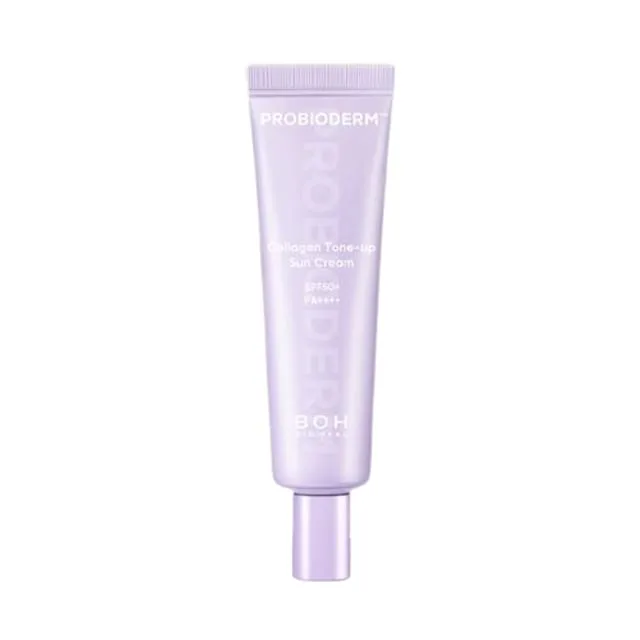 Hybrid Tone-Up SPF
 Probioderm Collagen Tone Up Sun Cream SPF 50+ PA++++
A properly engineered hybrid tone-up: four photostable organic filters including Mexoryl XL, coated titanium dioxide and iron oxides for brightening and a little visible-light cover, niacinamide high enough to matter, and no fragrance. It brightens fair to medium skin convincingly and primes like a silicone base. The one shade limits who it flatters, the collagen and peptides are decoration, and a firm US price could not be pinned down.
 UV Filter Technology Powerhouse
 Ultra Light Daily UV Defense SPF 50
A genuinely impressive UV filter cocktail housed in one of the lightest SPF 50 textures you'll find — Kiehl's leverages L'Oréal's Mexoryl technology to deliver photostable broad-spectrum protection that oily skin types will love. The alcohol-driven formula achieves its weightless finish at a cost that dry and sensitive skin will want to avoid.
 The UVA Benchmark
 Anthelios UVMune 400 Hydrating Cream SPF 50+
The most technically significant sunscreen launch of the last decade — Mexoryl 400 genuinely closes the 380-400 nm UVA gap that every other filter system leaves open. The Hydrating Cream variant keeps that chemistry comfortable on normal-to-dry skin, with the only meaningful complaint being its fragrance and the fact that you can't easily buy it in the US.
 Sweat-Proof Modern-Filter SPF
 Aqua Shield Sun Lotion
A genuinely modern sunscreen: four photostable filters — Uvinul A Plus, Uvinul T 150, Tinosorb M and Mexoryl XL — in a light, sweat-resistant lotion with niacinamide. It is a strong choice for oily and combination skin in hot weather. The downsides are added fragrance, a premium price, and the fact that none of its main filters is permitted in US-marketed sunscreens, so buyers are importing it.
 Urban Shield SPF
 Capital Soleil UV Protect SPF 50
A six-filter hybrid sunscreen with a genuine differentiator — Baicalin anti-pollution protection that addresses urban environmental damage beyond UV. The Mexoryl-powered filter system is excellent, but a heavy fragrance load and several potential irritants make this a product that works best for normal-to-combination skin in high-pollution environments. Limited global availability narrows the audience further.
 Invisible Protection Pioneer
 Capital Soleil Invisible Fluid SPF 50
A genuinely invisible SPF 50 fluid powered by L'Oréal's proprietary eight-filter system including Mexoryl XL and SX — UV protection technology you literally cannot get from any other manufacturer. The tradeoff is alcohol denat. and fragrance, which means sensitive skin types need to weigh cutting-edge photoprotection against potential irritation.
 Anti-Aging SPF Innovator
 Capital Soleil UV Age Daily SPF 50
Vichy's most ambitious sunscreen yet — a fluid that doesn't just block UV radiation but fights the damage it's already caused. Niacinamide and Vitreoscilla Ferment turn this into a genuine treatment product rather than passive protection. The Isopropyl Myristate and alcohol denat. limit its audience, but for normal and combination skin concerned about aging, it's a smart daily driver.
 Sport Sunscreen Specialist
 Anthelios UVsport Pro Resistance Stick SPF 50+
A genuinely advanced sunscreen in an unglamorous format. The Anthelios UVsport stick packs La Roche-Posay's newest Mexoryl 400 filter — best-in-class ultra-long UVA defense — into a sweat-proof, no-mess stick built for reapplication on the move. It runs rich for oily skin and the 10ml tube is small, but for athletes and outdoor types who actually reapply, it's excellent.
 Best US Anti-Aging SPF
 Capital Soleil UV-Age Daily Sunscreen SPF 60
Among the very best sunscreens currently sold on US shelves for combined sun protection and anti-aging — Mexoryl XL plus Tinosorb S in a US-available formula is rare, and the working-concentration niacinamide takes this beyond a filter delivery vehicle. Held back from a top score by the fragrance and alcohol-denat that disqualify it for sensitive routines.
 Reapplication MVP
 UV Athlizm Protect Stick SPF 50+
Biore's UV Athlizm Protect Stick solves skincare's most-skipped step, reapplication, with a portable, mess-free stick carrying a genuinely advanced hybrid filter system. It is durable, cooling, and convenient for swiping over makeup on hot, active days. The catches: the menthol cooling agents can sting sensitive skin, the 10 g size is small, and a stick makes it easy to apply too thin a layer.
The full mexoryl xl (drometrizole trisiloxane) guide
Patented by L'Oréal and trademarked as Mexoryl XL, drometrizole trisiloxane is one of the relatively few organic UV filters that absorbs meaningfully across both the UVA and UVB ranges while staying photostable under sunlight — the property that increasingly separates modern sunscreens from older-generation chemistry.
It anchors La Roche-Posay's Anthelios line and shows up almost exclusively in European, Canadian, and Asian formulas; it has never cleared the FDA's pathway for over-the-counter sunscreens in the United States. On an INCI list it is named Drometrizole Trisiloxane.
Where the evidence stands, by concern
Evidence for an ingredient is not one grade — it differs concern by concern. Each row below was researched separately against regulatory approvals, clinical guidelines, and trials our team opened and verified; the band and dots rank how central mexoryl xl (drometrizole trisiloxane) is to treating that concern, from first-line therapy down to supportive care, at treatment-level doses and vehicles. A product's own grade weighs its actual formula.
How it's regulated in the US
FDA does not classify ingredients — it classifies products, by what they are sold to do. The same molecule can be a drug active in one product and a cosmetic ingredient in the next, and only the claim on the label decides which. What follows is a statement about that legal standing, not about whether it works — the evidence question is answered separately above.
No US standing Drometrizole trisiloxane (Mexoryl XL) is a widely used UV filter in Europe and much of Asia and holds no US drug standing at all — it is neither a Monograph M020 active nor an ingredient in any approved US drug. A sunscreen containing it cannot legally be sold as a sunscreen in the US, which is why imported formulas are so often better than domestic ones on paper.
Checked against the US list, and not on it
Absence verified against the § M020.10 active list, which is the authority for what is and is not a US sunscreen active. OTC Monograph M020: Sunscreen Drug Products for Over-the-Counter Human Use
Drometrizole trisiloxane is a well-characterized photostable UV filter with a long regulatory and formulation track record. It carries two absorption peaks — one near 303 nm in the UVB range and one near 344 nm in the UVA-I range — and, unlike avobenzone, it does not measurably degrade under UV exposure. It is most often paired with Mexoryl SX (ecamsule); the two filters are reported to act synergistically, broadening UVA coverage beyond what either contributes alone. Documented adverse reactions are uncommon: published reports describe occasional allergic and photoallergic contact dermatitis, but only a small number of cases exist in the literature. The filter is approved in the EU, Canada, Australia, and Japan at up to 15%; the FDA has not granted it general OTC GRASE status, citing insufficient submitted data rather than a finding of harm.
How it works
The molecule pairs a benzotriazole chromophore — the part that actually captures UV photons — with a trisiloxane (silicone) backbone. That silicone tail is functional, not filler: it makes the filter oil-soluble and gives it film-forming behavior that improves a formula's water resistance, which is why products built around it tend to survive sweat and swimming better than those leaning on water-soluble filters alone. When UV light strikes the chromophore, the absorbed energy is dissipated as a small amount of heat through a reversible excited-state cycle, and the molecule returns to its ground state intact. Because it does not break apart or spin off reactive byproducts the way avobenzone can under UV stress, the protection a formula starts with does not quietly erode over the first hour in the sun. Its two absorption peaks — roughly 303 nm in the UVB band and 344 nm in the UVA-I band — make it a genuine broad-spectrum contributor rather than a single-band filter. Paired with Mexoryl SX (ecamsule), which covers a slightly different UVA window, the combination is reported to absorb more than the sum of its parts. The oil-phase solubility also lets formulators slot it alongside water-soluble filters in an emulsion, building coverage across the full spectrum without making the texture heavy or greasy.
Key benefits
- Photostable absorption — protection holds up rather than degrading during wear
- Dual peaks near 303 nm (UVB) and 344 nm (UVA-I) for broad-spectrum coverage
- Oil-soluble silicone backbone that improves a formula's water resistance
- Reported synergistic UVA boost when combined with Mexoryl SX (ecamsule)
- Low rate of reported skin reactions in published literature
- Enables lightweight, cosmetically elegant textures without losing UV performance
Concentration & usage
In the EU, the maximum permitted level is 15% under Annex VI of the Cosmetics Regulation (EC) No. 1223/2009. Real-world sunscreens typically use it well below that ceiling and almost never as a solo active — Anthelios-style formulas combine it with Mexoryl SX and other filters rather than loading a single high dose. Exact percentages are rarely printed on labels, so the practical signal is the INCI name itself: if you see DROMETRIZOLE TRISILOXANE, the formula contains Mexoryl XL. No standalone minimum effective concentration is publicly established, because it is designed to work as part of a multi-filter system.
Who it's for & who should be cautious
Who it's for
People who want dependable, stable UVA defense get the most out of it — especially anyone managing photosensitivity, existing sun damage, or hyperpigmentation, where consistent long-wave protection matters most. It is also a smart pick for swimmers and heavy sweaters, since the silicone structure contributes real water resistance. And for anyone outside the US with access to European or Canadian Anthelios formulas, it remains one of the more thoroughly vetted organic filters on the market.
Who should be cautious
Anyone with a confirmed allergic or photoallergic reaction to drometrizole trisiloxane — or to an Anthelios sunscreen that contained it — should steer clear; such reactions are uncommon but have been confirmed in patch testing. If you have reacted to other benzotriazole-type sunscreen filters, patch-test before committing to daily use. And US shoppers simply cannot buy it in OTC sunscreens at all, since it has not received FDA GRASE clearance for that use.
Pairs with & conflicts
Myths & facts
Myth: Mexoryl XL and Mexoryl SX are the same ingredient
Reality: They share a brand name but are chemically distinct. Mexoryl SX (ecamsule) is water-soluble and centers its UVA-I absorption around 345 nm; Mexoryl XL (drometrizole trisiloxane) is oil-soluble with a silicone backbone and absorbs at both roughly 303 nm (UVB) and 344 nm (UVA). Their combination in Anthelios formulas is reported as synergistic precisely because their coverage and solubility profiles complement each other.
Myth: If the FDA hasn't approved it, Mexoryl XL must be unsafe
Reality: The FDA's OTC GRASE process requires a specific data package that a manufacturer has to submit and see through; most newer non-US filters are stuck in regulatory limbo rather than flagged as hazardous. Drometrizole trisiloxane has been approved and used in the EU, Canada, Australia, and Japan for years. The FDA's stated position is that the data on file is insufficient for a monograph decision — not that the ingredient failed a safety review.
Myth: A photostable filter like Mexoryl XL means you never have to reapply
Reality: Photostability only means the UV-absorbing molecule itself doesn't break down in sunlight. The applied film still gets removed by sweat, rubbing, and water, and it thins over time. Reapplying every two hours, and after swimming or toweling off, remains necessary no matter how stable the actives are.
Frequently asked questions
Why don't US sunscreens contain Mexoryl XL?
Drometrizole trisiloxane has not been granted GRASE (generally recognized as safe and effective) status by the FDA under its OTC sunscreen process. That is a regulatory bottleneck, not a safety verdict — the filter is approved in the EU, Canada, Australia, and Japan. Until the necessary data is submitted and reviewed, it won't appear in US over-the-counter sunscreens.
How does Mexoryl XL differ from Mexoryl SX when both are in a formula?
Mexoryl SX (ecamsule) is water-soluble and absorbs mainly in the UVA-I range near 345 nm. Mexoryl XL is oil-soluble with a silicone backbone, absorbs in both UVB (around 303 nm) and UVA (around 344 nm), and helps with water resistance. With both present, as in many Anthelios products, their different absorption windows and solubilities combine for broader coverage than either delivers alone.
Is drometrizole trisiloxane a good option for reactive or sensitive skin?
Most people, including those with sensitive skin, tolerate it well — reactions are uncommon in the published literature. That said, allergic and photoallergic contact dermatitis to it have been documented in a small number of cases, so if you've reacted to sunscreen chemicals before, patch-test a Mexoryl XL formula before applying it across your whole face.
Does Mexoryl XL cover UVA as well as UVB?
Yes. Its two absorption peaks fall near 303 nm (UVB) and 344 nm (UVA-I), so it contributes genuine broad-spectrum protection rather than targeting UVA alone. In practice it is always blended with other filters to round out full UVA-II and UVB coverage across the solar spectrum.
Can I use a Mexoryl XL sunscreen over a vitamin C serum?
There's no established practical instability between drometrizole trisiloxane and topical vitamin C at the levels used in skincare. The more useful tip is general: a low-pH L-ascorbic acid serum is best applied first and given a few minutes to absorb before any sunscreen goes on, which holds true regardless of which UV filters the sunscreen uses.