




You Can Mix L-Ascorbic Acid at Home. Keeping It Alive Is the Hard Part.
The one home formulation with a genuinely coherent case, taken apart on its own terms: the pH window, the oxidation clock, and what a browning serum has actually become.
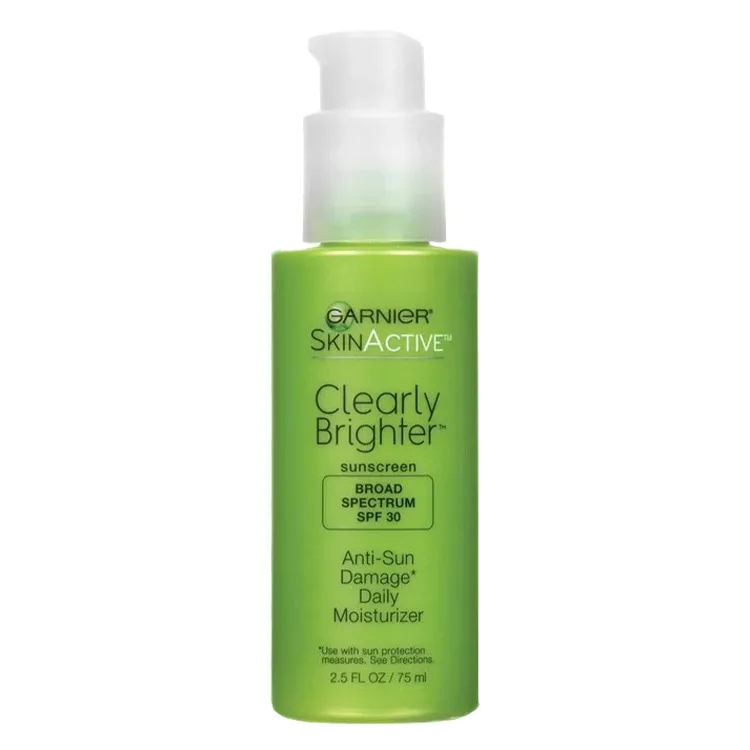
It bundles broad-spectrum SPF 30 with a vitamin C and E antioxidant complex and gentle LHA exfoliation in one lightweight daytime lotion aimed at sun damage and dullness. The combination of daily sun protection plus tone-brightening actives in a single drugstore step is its main appeal over a plain SPF.
A sensible two-in-one daytime step: broad-spectrum SPF 30 plus a vitamin C and E antioxidant complex and gentle LHA exfoliation in one lightweight lotion. It protects, brightens, and moisturizes affordably. The heavy fragrance and allergen load, plus the SPF 30 ceiling, are the real drawbacks for sensitive skin.
The case for it
Same rule for everyone. “Full protection” is the verdict on 2,288 of 45,024 concern verdicts across the catalog; rule P1 decided 2,232 of them. Unchanged since September 5, 2026, engine 5.1.1.
Brand or formulator? Disclose a concentration or correct a fact →
The studies behind the evidence row
The case for it
What would change this: A declared concentration would move this to a firmer reading of the dose.
Same rule for everyone. “Full protection” is the verdict on 2,288 of 45,024 concern verdicts across the catalog; rule P1 decided 2,232 of them. Unchanged since September 5, 2026, engine 5.1.1.
Brand or formulator? Disclose a concentration or correct a fact →
The studies behind the evidence row
The case for it
Cautions: known irritants.
What would change this: A declared concentration would move this to a firmer reading of the dose.
Same rule for everyone. “Full protection” is the verdict on 2,288 of 45,024 concern verdicts across the catalog; rule P1 decided 2,232 of them. Unchanged since September 5, 2026, engine 5.1.1.
Brand or formulator? Disclose a concentration or correct a fact →
The studies behind the evidence row
Also listed for Dullness — the actives here (Vitamin C, Salicylic Acid, UV Filters, Vitamin E) are in our research queue for that concern; there is no verdict until their evidence rows are written. That is a gap in our table, not a mark against the product.
Does the jobDoes what a SPF moisturizer is for: UVA coverage, holds up in sunlight. Not measured from the label: wearable all day.
A verdict is DermApproved’s assessment of how well a product’s ingredients fit a concern — never a claim about what the product treats. Evidence dots and collected reviews sit beside it and are never blended in. Rules 0.5.1 · evidence table ev-2026.09-r228 · how we decide
Most people think of their dark-spot treatment as a nighttime job — slather on the actives, go to sleep, wake up brighter. But there's a compelling logic to fighting sun damage in the morning instead, and that's the whole premise of this Garnier Clearly Brighter moisturizer. Sun damage happens in daylight, when UV radiation is busy creating the very dark spots and dullness you're trying to fade. So a product that combines daytime sun protection (to prevent new damage) with brightening antioxidants (to chip away at existing damage) is attacking the problem at the exact moment it's being made. It's a genuinely smart framing, and it makes this more thoughtful than a generic tinted day cream.
The protection half is a standard, perfectly respectable chemical sunscreen system: avobenzone for UVA, with homosalate, octisalate, and octocrylene handling UVB and stabilizing the avobenzone, landing at broad-spectrum SPF 30. The brightening half is the vitamin C and E antioxidant complex — here, ascorbyl glucoside, a stable vitamin C derivative, paired with tocopherol (vitamin E), a classic combination where the two antioxidants reinforce each other against free-radical damage. There's also LHA, a gentle lipophilic salicylic acid derivative, doing light surface exfoliation to speed the turnover of sun-dulled cells, plus phenylethyl resorcinol, another tyrosinase-inhibiting brightener, and a touch of white water lily extract and hyaluronic acid. For a sub-sixteen-dollar drugstore SPF moisturizer, that's a genuinely well-considered active stack — it's not just SPF with a vitamin C name slapped on.
The texture is where it earns its daily-driver status. It's a lightweight lotion that spreads easily and absorbs to a smooth, non-greasy, faintly matte finish without the heavy white cast that makes people skip sunscreen. It plays nicely under makeup and disappears fast enough to be a no-fuss single morning step. For normal, combination, and oily skin especially, that lightness is exactly what makes a daily SPF something you'll actually use rather than dread.
Now the honest problems, and the biggest one is fragrance. This formula is heavily scented — fragrance is listed, along with a long roll-call of fragrance allergens: citral, geraniol, limonene, linalool, and benzyl salicylate. That's a lot of fragrance chemistry for a product you're meant to apply to your whole face every single day, and it's the main reason I'd steer sensitive, reactive, or rosacea-prone skin away from it. Daily fragrance exposure is precisely the scenario where allergens have the best chance of sensitizing skin over time, and a treatment-positioned SPF really didn't need to smell this floral. If your skin is robust and you don't mind scent, it's a non-issue; if it's not, it's close to a dealbreaker.
The second caveat is the SPF number. Thirty is adequate for everyday incidental exposure — your commute, errands, a walk — but it's a notch below the SPF 50 many dermatologists prefer for real outdoor time, and there's no higher-SPF version of this. And as with every SPF moisturizer, the protection you actually get hinges entirely on applying enough. The light, pleasant texture practically invites a stingy thin layer, which would leave you with far less than SPF 30. Apply a genuinely generous amount, and treat it as a base layer (not your only defense) for long days outside, reapplying a dedicated sunscreen as needed.
A few smaller notes round it out. The chemical filters can sting if they migrate into the eyes, so apply carefully around the orbital area. It's not fungal-acne safe, given the fatty acids and esters in the formula. And the 2.5-ounce tube is on the small side for a sunscreen you should be applying liberally, so it empties faster than a moisturizer would — factor that into the value math. The vitamin C, being a gentle derivative rather than pure ascorbic acid, is a slow, supportive brightener, not a powerhouse; pair it with a dedicated vitamin C serum underneath if you want stronger tone correction.
Where it lands is as a practical, affordable daytime multitasker for resilient skin. If you have normal, combination, or oily skin, want to fold sun protection and antioxidant brightening into one quick morning step, and aren't sensitive to fragrance, this is an easy, sensible buy that's earned its years of popularity. The dual-action logic is sound, the texture is genuinely wearable, and the price is fair. But sensitive, reactive, or rosacea-prone skin should walk past it for a fragrance-free SPF, and anyone needing higher protection for serious sun should look beyond SPF 30. Judged for what it is — a pleasant, lightweight, brightening daily sunscreen with a fragrance problem — it does its job well and at a price that's hard to complain about. Step back and the appeal is really about habit-building. The single biggest reason people fail at sun protection isn't ignorance, it's friction — too many steps, textures they dislike, products that pill under makeup. Folding antioxidant brightening into a lightweight daily sunscreen removes a step and makes the protective habit easier to keep, which over years matters far more than any individual ingredient. That's the quiet case for a product like this: not that it's the most advanced sunscreen on the shelf, but that it's pleasant enough to actually wear every single morning. For resilient skin that can shrug off the fragrance, that consistency is worth more than a fancier formula gathering dust in a drawer.
The hero actives that drive this product's performance.
| Ingredient | Function | Evidence |
|---|---|---|
| Chemical Sunscreen Filters (Avobenzone, Homosalate, Octisalate, Octocrylene) (Avobenzone 3%, Homosalate 5%, Octisalate 5%, Octocrylene 7%) | The broad-spectrum SPF 30 filter system that's the core of this daytime product. Avobenzone covers UVA, with the salicylates and octocrylene adding UVB protection and stabilizing the avobenzone — the daily sun defense that does the heavy lifting against the sun damage the product targets. | Regulator-approved for Sun Damage · limited certainty |
| Ascorbyl Glucoside (Vitamin C) | The stable vitamin C derivative behind the 'Brighter' name, paired with vitamin E for antioxidant support. In a daytime SPF moisturizer it complements sun protection, helping defend against free radicals and gradually even tone alongside the filters rather than acting as a standalone brightener. | Limited for Sun Damage |
| LHA (Capryloyl Salicylic Acid) | A gentle, lipophilic salicylic acid derivative for mild surface exfoliation, speeding the turnover of sun-dulled, pigmented cells. It works with the vitamin C to make tone look fresher and smoother, giving the moisturizer a light resurfacing edge beyond hydration and SPF. | Not yet assessed |
| Vitamin E (Tocopherol) | The antioxidant partner to the vitamin C, a classic pairing that stabilizes and reinforces free-radical defense. In this sun-focused formula the vitamin C and E complex backs up the SPF, adding a layer of antioxidant protection against daytime environmental and UV stress. | Limited for Sun Damage |
Ingredient standings describe the active at treatment-level doses and vehicles; this product's own condition grades weigh its actual formula.
Active Ingredients: Avobenzone 3%, Homosalate 5%, Octisalate 5%, Octocrylene 7%. Inactive Ingredients: Water, Glycerin, Silica, Dimethicone, PEG-100 Stearate, Glyceryl Stearate, Ammonium Polyacryloyldimethyl Taurate, Ascorbyl Glucoside, Benzyl Alcohol, Benzyl Salicylate, Butylene Glycol, Capryloyl Salicylic Acid, Caprylyl Glycol, Citral, Dicaprylyl Carbonate, Dimethicone/Vinyl Dimethicone Crosspolymer, Dipropylene Glycol, Disodium EDTA, Fragrance, Geraniol, Limonene, Linalool, Myristic Acid, Nymphaea Alba Flower Extract, Palmitic Acid, Phenoxyethanol, Phenylethyl Resorcinol, Sodium Hyaluronate, Sodium Hydroxide, Sodium Palmitoyl Proline, Steareth-100, Stearic Acid, T-Butyl Alcohol, Tocopherol, Xanthan Gum
moisturizer
AM
Make this the last skincare step before makeup in the morning, layering it over any serums and applying a generous, even amount so you actually get the labeled SPF 30 rather than a thin moisturizer pass. Let it set before makeup, and reapply sun protection through the day if you'll be outdoors for long stretches.
Sun protection is immediate when applied properly. The antioxidant brightening and gentle LHA exfoliation evens tone and improves the look of sun damage gradually, typically over four to eight weeks of consistent daily use.
This product layers a conventional broad-spectrum filter system with well-supported antioxidant and brightening actives. The sunscreen chemistry is standard and effective: avobenzone is the primary US-approved UVA absorber, but it photodegrades alone, so it's paired with octocrylene — a recognized stabilizer — while homosalate and octisalate add UVB absorption, together delivering the labeled SPF 30. The antioxidant rationale is sound. The combination of a vitamin C source with vitamin E (tocopherol) is one of the better-studied antioxidant pairings in skincare; the two regenerate one another and provide complementary free-radical protection, with evidence that topical vitamin C and E together enhance photoprotection beyond sunscreen alone. The vitamin C here is ascorbyl glucoside, a stable derivative that converts to ascorbic acid in skin and brightens more gradually than L-ascorbic acid. Capryloyl salicylic acid (LHA) is a lipophilic salicylic acid derivative with gentle keratolytic activity that promotes even, controlled desquamation, improving the look of dull, photodamaged surface skin, and phenylethyl resorcinol adds tyrosinase-inhibiting brightening. The dual-action logic — preventing new photodamage with SPF while addressing existing damage with antioxidants and gentle exfoliation — is biologically coherent. The notable detractors from a formulation standpoint are the substantial fragrance and fragrance-allergen load, which adds sensitization potential without therapeutic benefit, and the dependence of real-world SPF on adequate application amount.
Daily broad-spectrum sunscreen is the most evidence-backed step for preventing photoaging and the dark spots associated with sun damage, and combining it with a vitamin C and E antioxidant complex is a well-regarded strategy, since topical antioxidants are shown to augment photoprotection. For everyday convenience, an SPF moisturizer that folds these together is reasonable, with the standard caveats that SPF 30 suits incidental exposure while SPF 50 is preferred for prolonged sun, and that adequate application amount is critical. Gentle exfoliating acids like LHA are commonly suggested for improving the look of dull, photodamaged skin. The element most likely to draw clinical caution here is the heavy fragrance and fragrance-allergen content, which is generally advised against for daily-use products on sensitive, reactive, or rosacea-prone skin, where fragrance-free sunscreens are preferred to reduce sensitization risk over time.
Apply it as the final step of your morning routine, after any water-based serums and before makeup. Use a generous, even amount — about a nickel-sized dollop for face and neck — to actually reach the labeled SPF 30, rather than a thin moisturizer-style layer. Smooth it in, taking care around the eyes since the chemical filters can sting, and let it set for a minute before makeup. For extended outdoor time, treat it as a base and reapply a dedicated sunscreen every two hours. It's a daytime-only product; use a separate moisturizer at night.
At roughly sixteen dollars for 2.5 ounces, this is a fair price for a daily SPF that also delivers antioxidant brightening and gentle exfoliation, undercutting most antioxidant-spiked sunscreens from prestige lines. The catch common to all sunscreens applies: applying enough for genuine SPF 30 protection means the small tube empties faster than a plain moisturizer, raising the effective monthly cost. As a long-established mass brand, Garnier isn't charging a trend premium, and the multi-active formula adds real value for resilient skin. The fragrance load is the main thing keeping it from being a universal value pick, since it narrows who can comfortably use it daily.
Buy this if you have normal, combination, or oily skin and want an affordable, lightweight daytime moisturizer that folds in broad-spectrum SPF 30 plus antioxidant brightening and gentle exfoliation, and you're not sensitive to fragrance. It's ideal for anyone wanting to protect against and gradually improve sun-induced dullness and dark spots in one quick morning step.
Look elsewhere for a fragrance-free SPF if your skin is sensitive, reactive, or rosacea-prone, since the heavy fragrance and allergen load make daily facial use risky. It's also not the right call if you need higher than SPF 30 for prolonged sun, want a fragrance-free sunscreen, or are managing fungal acne, given the fatty acids in the formula.
Ready to try Garnier SkinActive Clearly Brighter SPF 30 Face Moisturizer with Vitamin C?
Buy at Amazon ♥A lightweight lotion that spreads easily and absorbs to a smooth, non-greasy, slightly matte finish.
Noticeably fragranced, with a soft floral-fresh scent — more present than you'd expect from a treatment-focused daily SPF.
Squeeze tube, hygienic and travel-friendly, typical of the Clearly Brighter line.
It goes on light and absorbs without grease or heavy white cast, doubling as moisturizer and sunscreen in one quick morning step. The fragrance is immediately noticeable; there's no purge, but those who dislike scented sunscreens or are prone to stinging near the eyes should be aware before daily use.
Roughly six to eight weeks if used daily at the proper generous sunscreen amount, given the small 2.5 oz tube.
All Year
Garnier's Clearly Brighter line was built around the idea that sun damage and dark spots are best fought during the day, when UV exposure happens. This SPF moisturizer pairs the protection that prevents new damage with antioxidants and LHA that work on existing dullness, packaging prevention and correction into one daily product.
Garnier, the L'Oréal-owned mass-market brand founded in 1904, has sold its Clearly Brighter daytime SPF moisturizer for years as a long-standing US drugstore staple. The brand's strength is consistent, accessible formulas rather than clinical dermatology, and this product's longevity reflects steady, broad popularity.
An SPF 30 moisturizer with vitamin C replaces a separate sunscreen and serum.
It can cover everyday incidental sun and add antioxidant support, but most people under-apply SPF moisturizers and get less than the labeled protection. The vitamin C derivative is also gentler than a dedicated serum, so for serious sun or strong brightening, separate products still help.
Brightening means the product bleaches or lightens your natural skin tone.
Brightening here refers to improving radiance and evening out sun-induced dark spots and dullness, not lightening overall complexion. The vitamin C, vitamin E, and LHA target uneven tone and dull surface cells, not your baseline skin color.
Yes, heavily. The INCI lists fragrance along with several fragrance allergens including citral, geraniol, limonene, and linalool. It's a noticeable scent, so sensitive, reactive, or rosacea-prone skin should consider a fragrance-free SPF moisturizer instead.
For everyday incidental sun and light antioxidant support, it can serve as both — if you apply enough. Most people under-apply SPF moisturizers, though, and the vitamin C is a gentle derivative, so a dedicated sunscreen and serum still help for strong sun or brightening.
No. Brightening here means improving radiance and evening out sun-induced dark spots and dullness, not lightening your natural complexion. The vitamin C, vitamin E, and LHA target uneven tone and dull surface cells rather than your baseline skin color.
Yes. It's an oil-free, lightweight lotion that absorbs to a non-greasy, slightly matte finish, which suits combination and oily skin well. Note it isn't fungal-acne safe, since the formula contains fatty acids and esters.
It's fine for everyday incidental exposure if you apply a generous amount, since the light texture tempts under-application. For extended time outdoors, use it as a base and reapply a dedicated sunscreen, ideally SPF 50, every couple of hours.
It contains a salicylic acid derivative, chemical filters, and fragrance, so it's best to check with your doctor during pregnancy. Some people prefer a fragrance-free mineral sunscreen while pregnant to keep their routine simple and gentle.
Recurring themes our editors read across retailer reviews of this product — summaries in our words, not quotations, and not a substitute for your own patch test.
Combines daily SPF and moisturizer in one step
Lightweight, non-greasy finish
Affordable for an SPF 30 with antioxidants
Brightens dull, sun-stressed skin over time
Strong fragrance for a daily SPF
Can sting if it gets near the eyes
SPF 30 rather than higher
Small 2.5 oz size for a sunscreen
Verified answers from our questions library — the nuance a product page cannot carry.