China Approves UV Filters America Won't. That Cuts Both Ways.
The gap finally narrowed in June 2026 — and the first filter through the door had been legal in China for about two decades, at a higher concentration than the US just permitted.
Read the preview
From the DermApproved blog, in C-Beauty: the sunscreen filter gap. America just approved its first new filter in about twenty years — one China has permitted for most of that time, at a higher concentration. The molecule never changed. The paperwork did. But run the comparison honestly and China turns out stricter where it matters most. For the full breakdown, visit dermapproved.com/blog.
The gap closed by one filter, and the timing is the story
On 10 June 2026 the Federal Register carried notice of FDA final order OTC000039, amending Over-the-Counter Monograph M020 to add bemotrizinol as a sunscreen active ingredient at concentrations up to 6 percent. A sunscreen containing it is now generally recognised as safe and effective in the United States, provided the finished product meets the monograph's conditions.
That is the first new sunscreen active to enter the American monograph in roughly twenty years, and it is worth pausing on how it happened. DSM submitted a Tier 1 monograph order request in September 2024. FDA issued a proposed order in December 2025, took comments through January 2026, and finalised in June. Under twenty months, start to finish.
Bemotrizinol has been permitted in China at up to 10 percent for about two decades. The molecule did not change. The toxicology did not suddenly resolve. What changed was the administrative route — the CARES Act of 2020 replaced the old rulemaking process for OTC monographs with an order-based system, and the first sponsor to use it got an answer in under two years rather than in a generation.
That is the single most important thing to understand about the filter gap, and it applies in every direction: this is a regulatory throughput problem wearing the costume of a safety disagreement.
Two lists, built on opposite architectures
China regulates UV filters through a positive list. The Safety and Technical Standards for Cosmetics carries 27 permitted filters with their INCI names, maximum allowable concentrations, scope of use and required label warnings. Anything not on that list may not be used at all until it has been through new cosmetic ingredient registration — and UV filters sit in the highest-risk tier, meaning registration and approval rather than the lighter notification route available to ordinary ingredients.
The United States runs a monograph. Monograph M020 sets out the conditions under which an OTC sunscreen is generally recognised as safe and effective, and a product meeting those conditions needs no individual approval. The catch is what is in it. FDA's 2021 proposed order concluded that only two actives — zinc oxide and titanium dioxide, at up to 25 percent — had sufficient safety data to be proposed GRASE; a dozen widely used organic filters were flagged as needing more data; and two older ones, PABA and trolamine salicylate, were designated not GRASE.
The filters on China's list and absent from the American monograph are, disproportionately, the ones built for UVA. Bisoctrizole is permitted in China at up to 10 percent. So are diethylamino hydroxybenzoyl hexyl benzoate and, at their own limits, ethylhexyl triazone and drometrizole trisiloxane. These are the photostable, high-molecular-weight filters that let a formulator hit strong long-wave UVA protection without a heavy mineral load or a texture nobody wants to reapply.
One honest complication: the monograph is not the only American route. Ecamsule reached the US through an approved new drug application rather than the monograph, which is why it appears in a small number of products and nowhere else. So 'not approved in America' more precisely means 'not available to any formulator who wants it' — which for a shopper amounts to the same thing. Our UV filters overview maps which molecule covers which part of the spectrum, and the Tinosorb page covers the two filters most often named in this argument.
Where China is markedly stricter, and it is not a small thing
The comfortable version of this story is that foreign regulators are simply more modern than the FDA. Run the Chinese case properly and that story does not survive.
In China, sunscreen is a special cosmetic. It cannot be manufactured or imported until it has been registered with the NMPA, and the registration certificate is valid for five years, after which it must be renewed. That is genuine pre-market approval of the individual product, not merely of its ingredients.
The United States requires nothing of the kind. A manufacturer whose formula meets the monograph's conditions may put it on sale without any agency reviewing that specific product first. The monograph is a recipe you must follow; nobody checks your cooking before service.
China also governs what the label may claim, in ways an American shopper would find unfamiliar. Displayed SPF is capped: measured values above 50 must be labelled SPF 50+ rather than as measured, which removes the incentive to chase a bigger number that means very little in practice. UVA protection is graded PA+ through PA++++, keyed to measured PFA values of 2–3, 4–7, 8–15 and 16 or above — a graded disclosure the US does not require, since American broad-spectrum labelling is a pass-or-fail critical wavelength test with no scale attached.
And under CSAR, efficacy claims generally require substantiation on file. Whatever else one thinks about the Chinese framework, a regime that demands pre-market registration, caps label inflation, grades UVA on a published scale and requires claim substantiation is not the loose one in this comparison.
The honest summary is that the two systems are strict about different things. America is permissive about market entry and restrictive about the ingredient list. China is restrictive about market entry and, through a positive list that also gates new entrants, restrictive about the ingredient list too — just with a longer list. Neither is simply ahead.
Why a filter gap is never a chemistry gap
It is tempting to read an approval difference as a scientific disagreement — as though American regulators had seen something alarming that European and Asian ones missed, or vice versa. That reading is almost always wrong, and bemotrizinol just demonstrated why in public.
The FDA's 2021 finding on the twelve organic filters was that data were insufficient to support a GRASE determination, not that the filters were unsafe. Those are different conclusions and the distinction is load-bearing. Insufficient data is a statement about the size of the dossier relative to a modern evidentiary standard — particularly around systemic absorption, which FDA's own maximal-usage trials had shown to be greater than previously assumed for several actives. The correct response to insufficient data is to generate data, which requires a sponsor willing to fund it and a route through which submitting it produces a decision in a commercially meaningful timeframe.
For decades the American route failed that second test, so nobody funded the first. That is the whole mechanism. When the order-based pathway arrived and a manufacturer finally had a route worth using, one filter moved in under two years.
The same logic constrains China, incidentally, which is why its positive list is not a story about permissiveness either. A filter that is not on the STSC list requires new cosmetic ingredient registration in the highest-risk tier before anyone can formulate with it. That is a real gate, and it is the reason China's list is long but not open-ended.
So the practical inference for a reader is narrow and useful. A filter's absence from your market's list tells you about that market's administrative history. It tells you very little about the molecule. Judge a sunscreen by what its filter combination covers across the spectrum and by whether you will actually reapply it — our answer on the newer filters sets out what each one buys you, and the mechanism answer explains why the mineral-versus-chemical framing obscures more than it reveals.
Reading the label, wherever the bottle came from
The practical skill is identifying filters by INCI name, because marketing language is useless here and country of origin only tells you which list was available to the formulator.
On an Asian or European panel, the modern UVA filters appear under names most people have never had to learn: bis-ethylhexyloxyphenol methoxyphenyl triazine is bemotrizinol; methylene bis-benzotriazolyl tetramethylbutylphenol is bisoctrizole; diethylamino hydroxybenzoyl hexyl benzoate is the filter usually sold as Uvinul A Plus. None of those names appears on the front of a box. Our answer on identifying filters on labels is the reference to keep open while you read one, and our ingredient decoder will do it for you if you would rather paste the list in.
A Korean formula like Beauty of Joseon Relief Sun: Rice + Probiotics is built around exactly this toolkit, which is why its texture is achievable at that level of UVA protection; our Korean sunscreen ranking and the Japanese one set out how we assess the category. European formulas draw on the same list — Bioderma Photoderm Aquafluid is a straightforward example — and Japanese ones such as Shiseido Expert Sun Protector Face Cream have had the option for years.
Two cautions before anyone concludes the answer is simply to import. First, a bottle bought outside its intended market has no verified supply chain, and SPF labelling has been caught out by independent testing before — including a well-publicised case where a labelled value failed on retest, found by an outside laboratory rather than by a brand. That episode is a reason to take third-party verification seriously in every market, not a reason to trust one region's labels over another's. Second, the filter list is not the only variable: zinc oxide and titanium dioxide remain the two actives with the strongest US safety position, they are available everywhere, and a mineral formula you will reapply beats an imported organic one you will not.
The most useful conclusion is unromantic. The filter gap is real, it is regulatory rather than chemical, it is now narrowing for the first time in twenty years, and the single largest determinant of how protected you are remains how much you apply and how often — a variable no list in any country has ever governed. Our sunscreen finder will filter by filter system and texture if you want to start from what is actually available to you.
Products mentioned
Independently reviewed and scored — the real products behind this piece.
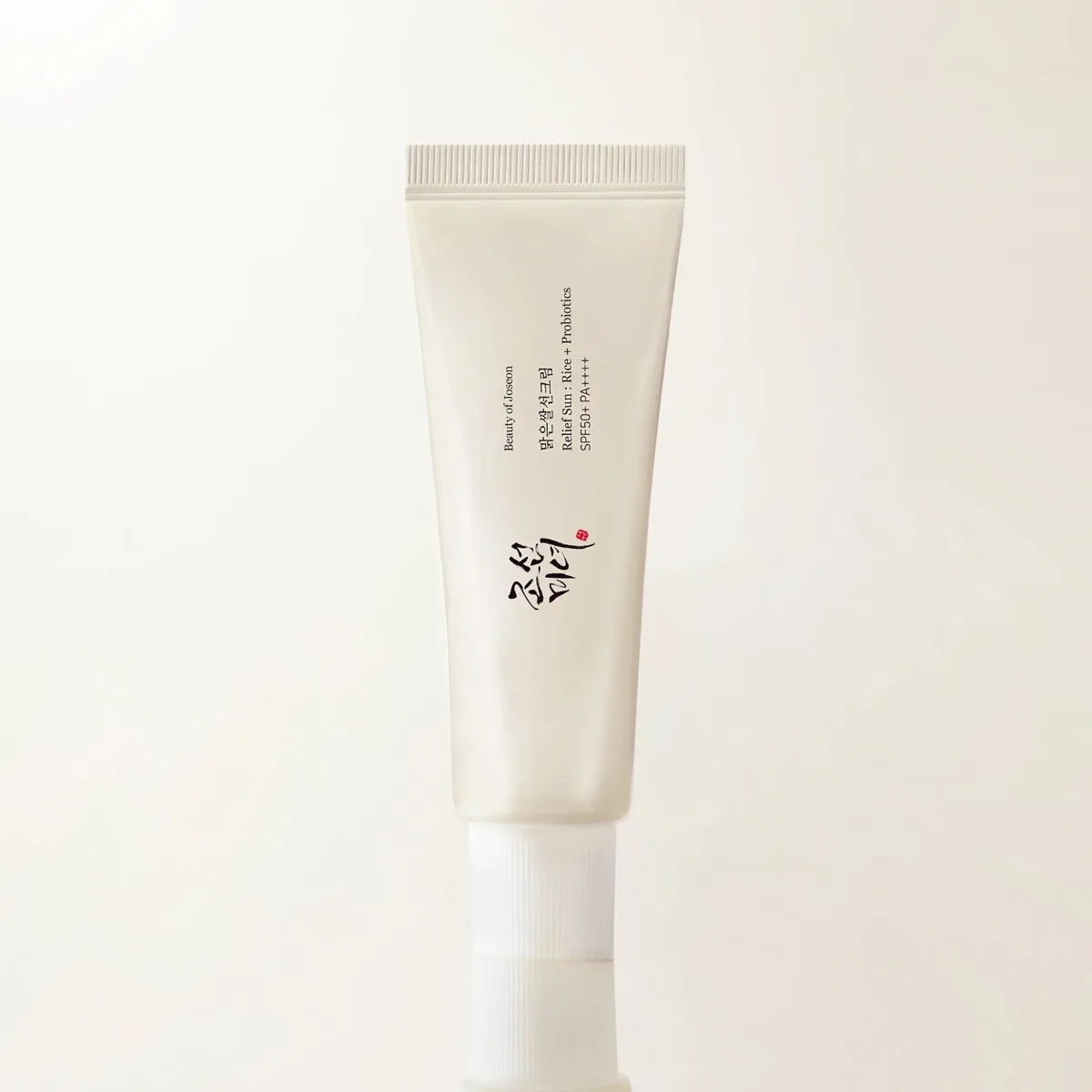


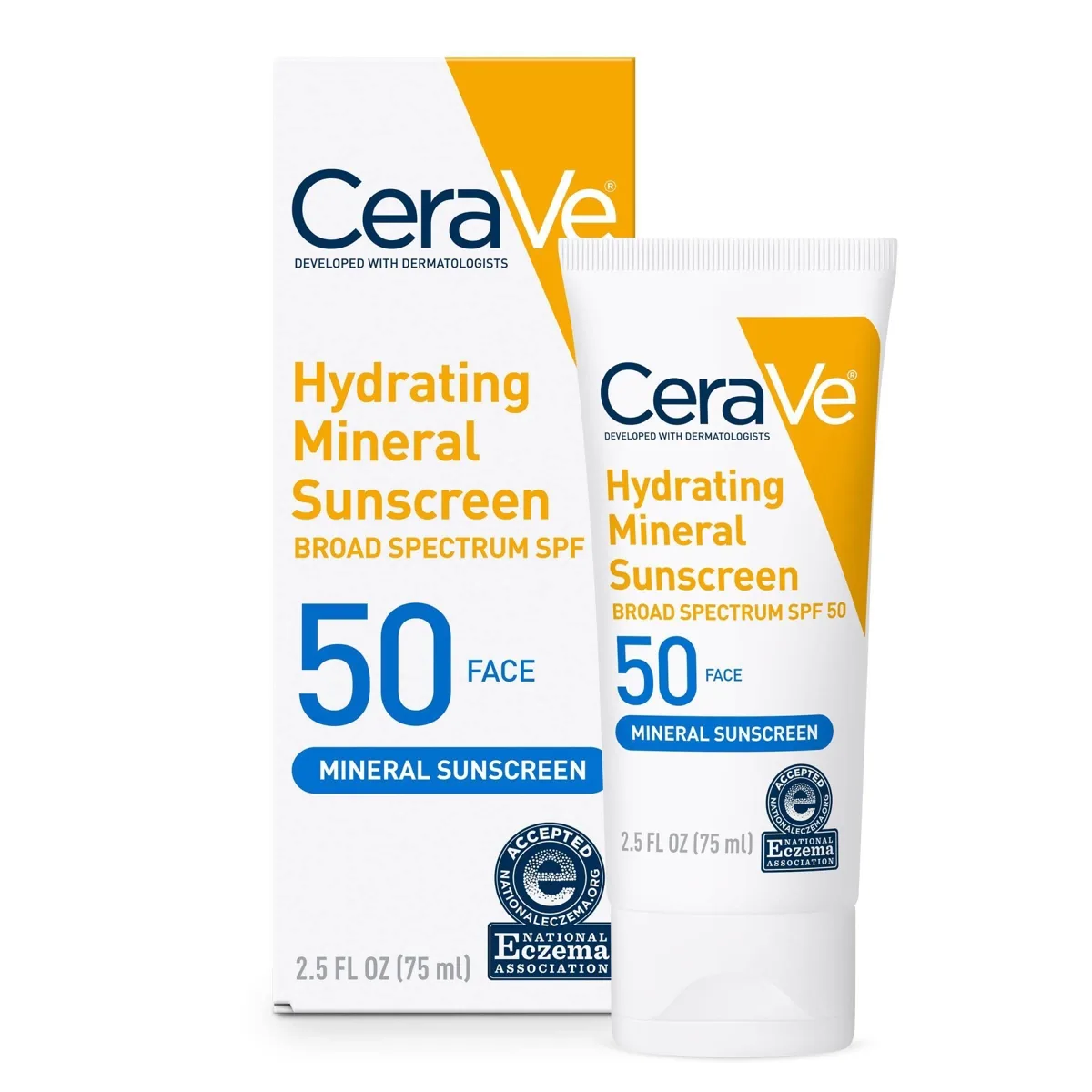
- Ranked list Best Korean Sunscreens How we assess the category that has had the modern filter list longest.
- Ranked list Best Japanese Sunscreens The parallel ranking for the other market with early access to these filters.
- Ingredient UV Filters (Sunscreen Actives) Which molecule covers which part of the spectrum, across all three regulatory lists.
- Ingredient Tinosorb (Photostable UV Filters) The two filters most often named in the approval-gap argument.
- Ingredient Zinc Oxide One of two actives FDA proposed as GRASE on current data, available in every market.
- Ingredient Titanium Dioxide The other, and the reason a mineral formula is never the compromise it is made out to be.
- Question Do mineral and chemical sunscreens work in different ways? Why the mineral-versus-chemical framing obscures how filters actually work.
- Question Where do the actual UV filters hide in an ingredient list? The reference for reading INCI filter names on an imported panel.
- Question What do the newest UV filters add over the old ones? What each of the newer filters actually buys you across the spectrum.
Frequently asked
Did the US just approve a new sunscreen filter?
Yes. FDA final order OTC000039, announced in the Federal Register on 10 June 2026, amended Monograph M020 to add bemotrizinol at concentrations up to 6 percent, making a sunscreen containing it generally recognised as safe and effective under the monograph's conditions. It is the first sunscreen active added in roughly two decades.
Which UV filters does China permit that the US does not?
China's Safety and Technical Standards for Cosmetics carries a positive list of 27 permitted filters. Those on it and absent from the US monograph include bisoctrizole, diethylamino hydroxybenzoyl hexyl benzoate, ethylhexyl triazone and drometrizole trisiloxane — disproportionately the photostable, high-molecular-weight filters built for long-wave UVA.
Does a longer filter list mean China regulates sunscreen more loosely?
No, and this is where the easy narrative breaks. Sunscreen is a special cosmetic in China, requiring NMPA registration before manufacture or import, with a certificate valid five years. The US requires no pre-market approval of an individual monograph-compliant product at all. China is stricter on market entry and America is stricter on the ingredient list.
What do PA+ and PA++++ mean on an Asian sunscreen?
They are graded UVA disclosures keyed to measured protection factor values: PA+ corresponds to 2–3, PA++ to 4–7, PA+++ to 8–15, and PA++++ to 16 or above. US labelling has no equivalent scale — broad spectrum is a pass-or-fail critical wavelength test, so an American label tells you a product passed but not by how much.
Should I import sunscreen to get the better filters?
It is defensible but not automatic. A bottle bought outside its intended market has no verified supply chain, and independent testing has previously caught labelled SPF values failing on retest — a reason to value third-party verification everywhere rather than to trust one region wholesale. Applying enough of a product you will reapply still outweighs the filter list.