Best Fragrance-Free Sunscreens
Updated September 2026 · independently researched, no sponsored placements
Our top 40 picks, ranked from 421 reviewed products — ordered by how well each product does its category’s job.
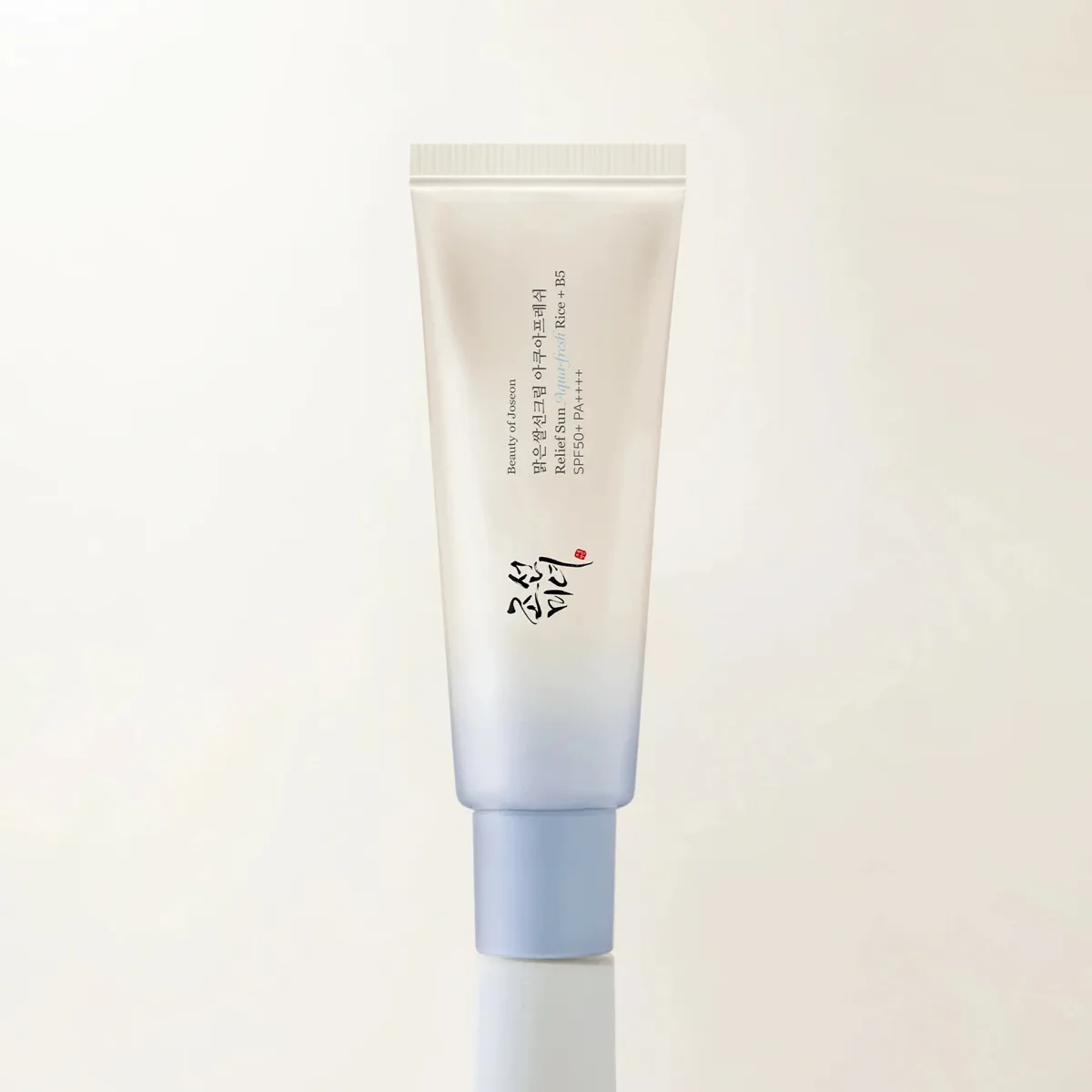


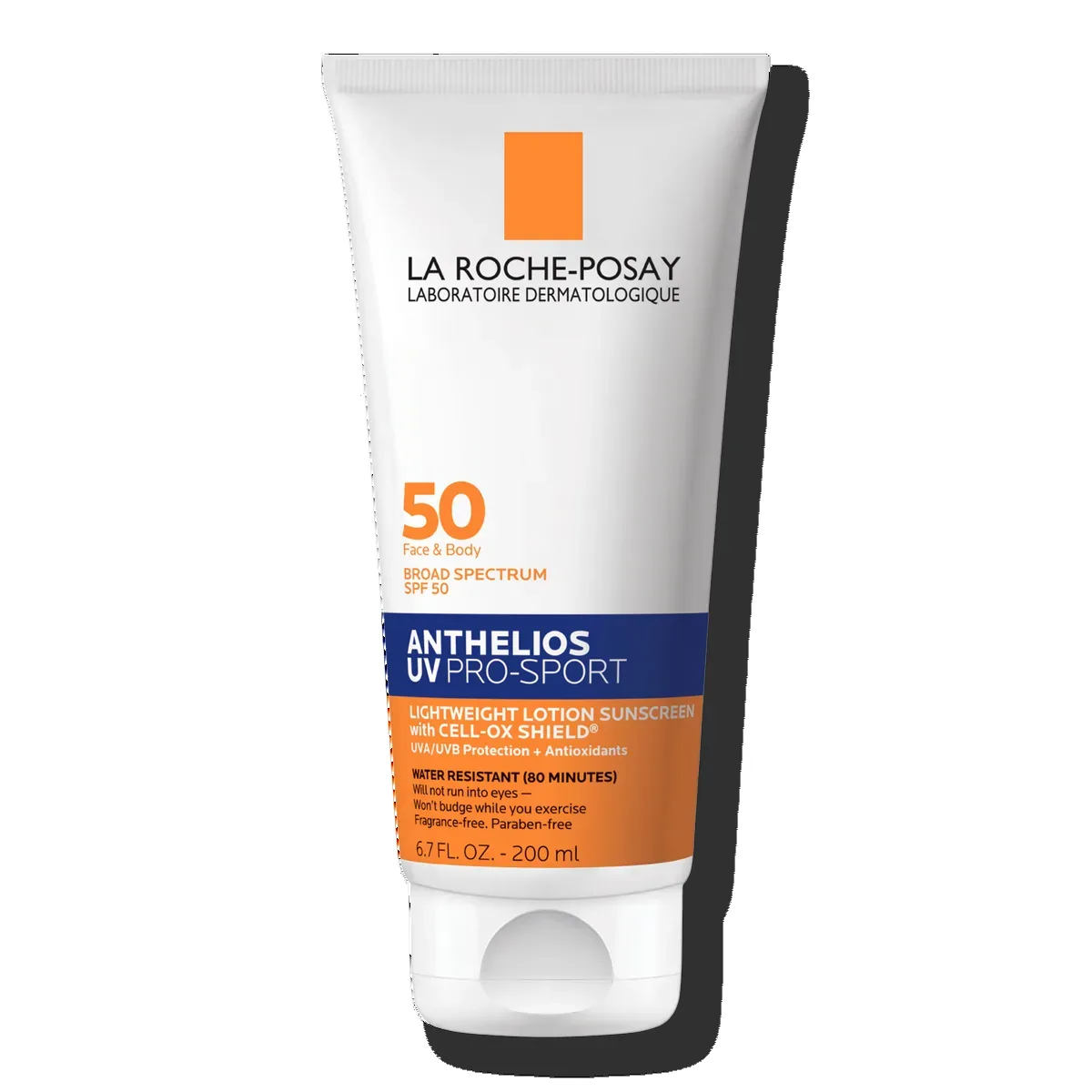




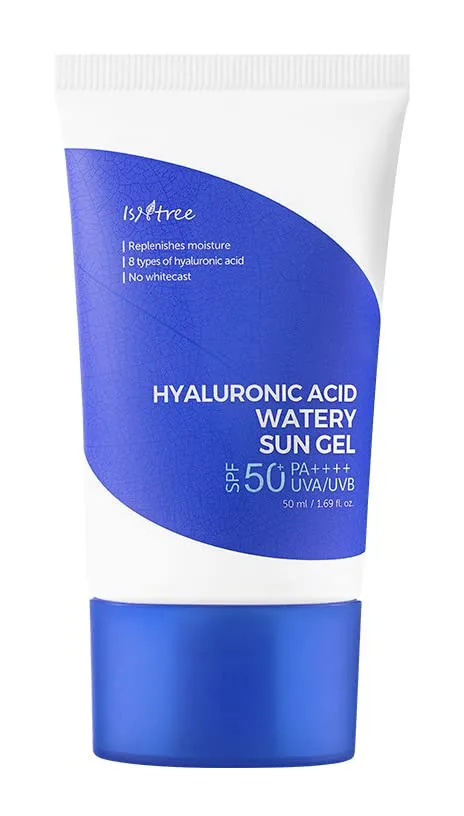












How to Choose
A fragrance-free sunscreen removes the single most common allergen in skincare from the one product you're supposed to reapply all day, every day. Fragrance — whether synthetic perfume or 'natural' essential oils — sits at the top of every dermatology contact-allergen list, and sunscreen is uniquely bad place to hide it: you slather it over your whole face, you layer it on under heat and sweat, and you reapply before the last coat has worn off.
That's a lot of exposure for an ingredient that does nothing for your skin and exists only to mask the slightly waxy, sometimes sulfurous smell of UV filters. The good news is you no longer sacrifice elegance to skip it. The picks that score highest here prove it: Isntree's Hyaluronic Acid Watery Sun Gel ($22) feels like an essence, La Roche-Posay's Anthelios UV Clear ($40) is the formula dermatologists hand out by the case, and EltaMD UV Clear SPF 46 ($45) pairs zinc with niacinamide to calm reactive skin while it protects. Read labels carefully, though — 'unscented' is not the same as fragrance-free, and some 'unscented' products add a masking fragrance to cover a base odor. Look for no 'fragrance,' 'parfum,' or botanical oils in the INCI list. One honest note: fragrance-free says nothing about how a sunscreen feels or how white it casts, so still choose by texture and finish for your skin type. Get those two things right and there's no reason your daily SPF should smell like anything at all.
Buying Guide
First, learn the label trick: 'fragrance-free' means no scent compounds were added, while 'unscented' often means a masking fragrance was used to neutralize a base smell — so verify by scanning the ingredient list for 'fragrance,' 'parfum,' and essential oils like lavender or citrus. Decide between mineral and chemical filters next: zinc-oxide formulas (EltaMD, Bubble's mineral sticks) suit the most reactive skin, while modern chemical or hybrid filters (Isntree, the Anthelios range) tend to feel lighter and disappear more cleanly. Prioritize a texture and finish that match your skin — gel-essences for oily and combination, cream or hydrating bases for dry — because a fragrance-free SPF you dislike wearing won't get reapplied. If you're covering redness or melasma, a tinted iron-oxide version adds visible-light defense plus a bit of color correction. Excellent options start near $15–$22, so a higher price should buy a nicer finish or added niacinamide, not just the absence of scent.
Frequently Asked Questions
Is 'unscented' sunscreen the same as fragrance-free?
No, and this trips people up constantly. 'Fragrance-free' means no fragrance was added, while 'unscented' frequently means a masking fragrance was used to hide the smell of the raw ingredients — which defeats the purpose if you're avoiding allergens. The only reliable check is the ingredient list: it should contain no 'fragrance,' 'parfum,' or scented botanical oils.
Why does fragrance in sunscreen matter more than in other products?
Because you apply sunscreen over your entire face, reapply it throughout the day, and wear it in heat and sweat — all of which increase how much fragrance your skin absorbs and how likely it is to react. Fragrance is the most common cause of cosmetic contact dermatitis, so removing it from a high-exposure, everyday product meaningfully lowers your irritation risk.
Do fragrance-free sunscreens still smell like anything?
Most have a faint, neutral scent from the UV filters themselves — a slightly waxy or 'sunscreen-y' note for mineral formulas, or almost nothing for the lightest chemical gels like Isntree's. That base smell is mild and dissipates as the product absorbs. What you won't get is added perfume layered on top to mask it.
Are fragrance-free sunscreens only for sensitive skin?
Not at all. They're the smart default for everyone, since fragrance offers no skin benefit and only adds allergy and irritation risk. People with eczema, rosacea, or perioral dermatitis need them most, but anyone reapplying SPF daily reduces their cumulative exposure by going fragrance-free — there's simply no downside to skipping it.
- Sun ProtectionReapplying Sunscreen Over Makeup: Every Option, Ranked by HonestyAt one o'clock the morning's protection has degraded and there is a full face on top of it. The available answers run from genuinely useful to ritual with a label, and the ranking is not the one the marketing suggests.
- Baby & Kids SkincareThe Word 'Kids' on a Sunscreen Predicts More Oxybenzone, Not LessPaediatric sun protection has a short real rulebook. The aisle built around it sells reassurance — and when researchers catalogued 410 sunscreens, the products aimed at children turned out to be the ordinary market with a cartoon on the front.