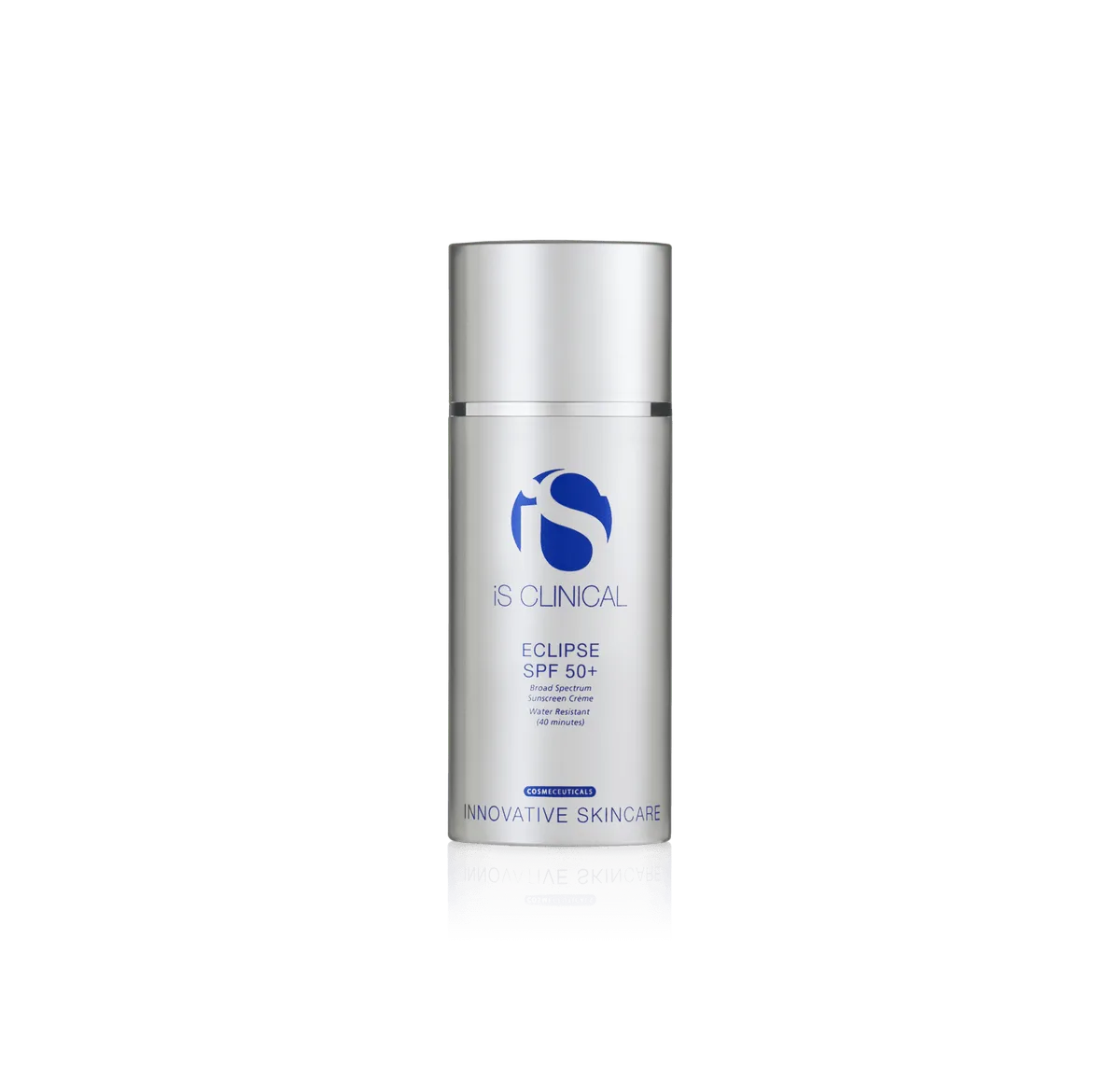
Most mineral sunscreens stop at zinc oxide alone. This formula stacks 24% zinc oxide with iron oxides for HEVIS/visible light protection (critical for melasma), plus a five-antioxidant defense network (the 5 AOX Shield) including licochalcone A, glycyrrhetinic acid, vitamins C and E, and Oxynex ST. The result is a single product that addresses UV, visible light, and oxidative stress simultaneously — the three-pronged approach modern dermatology recommends for melasma and hyperpigmentation management.
A sophisticated tinted mineral facial sunscreen pairing 24% zinc oxide with iron oxides for visible-light protection and a five-antioxidant defense shield — addressing UV, HEVIS, and oxidative stress in a single drugstore product. The standout pick for melasma and hyperpigmentation photoprotection at the drugstore tier.
Note: This lotion has a moderate track record, so our assessment combines detailed ingredient analysis with the real-world feedback available so far. Scores reflect both formulation quality and early user sentiment, and we'll revisit this review as more long-term data accumulates.
Verdicts
How well it fits each concern
Verdict by concern tap a concern for the case
Full protectionfor Sun DamageIn your profileYou chose · Broad-spectrum SPF 35 with zinc oxide: the protection sun damage calls for.Moderate evidenceGentleNo reviews collected yet
The case for it
Zinc Oxide is a first-line active — approved, monograph-listed or named in current guidelines — for this concern.
It is present at an effective concentration, declared or high in the ingredient list.
The formula carries none of the triggers this concern is sensitive to.
Same rule for everyone. “Full protection” is the verdict on 2,288 of 45,024 concern verdicts across the catalog; rule P1 decided 2,232 of them.
Unchanged since September 5, 2026, engine 5.1.1.
P1 — Photoprotection standing is regulatory (M020 / Annex VI filters; 21 CFR 201.327 attaches the early-skin-aging claim to tested broad-spectrum SPF 15+). SPF 30 is the AAD daily-use bar. · the full register
Full protectionfor HyperpigmentationIn your profileYou chose · Broad-spectrum SPF 35 with zinc oxide: the protection hyperpigmentation calls for.Limited evidenceGentleNo reviews collected yet
The case for it
Licochalcone A has early or mechanistic evidence for this concern, not trial-backed standing.
It is plausibly present at a working level, though the concentration is not declared.
The formula carries none of the triggers this concern is sensitive to.
What would change this: A declared concentration would move this to a firmer reading of the dose.
Same rule for everyone. “Full protection” is the verdict on 2,288 of 45,024 concern verdicts across the catalog; rule P1 decided 2,232 of them.
Unchanged since September 5, 2026, engine 5.1.1.
P1 — Photoprotection standing is regulatory (M020 / Annex VI filters; 21 CFR 201.327 attaches the early-skin-aging claim to tested broad-spectrum SPF 15+). SPF 30 is the AAD daily-use bar. · the full register
Carrying active
Licochalcone A
Standing
plausible — trials support it
Form
plausible — studied range 4–20%, from the OTC monograph or label; needs leave-on contact
Tolerability
gentle
Row checked
against its sources on July 17, 2026 (evidence table ev-2026.09-r228)
Full protectionfor MelasmaIn your profileYou chose · Broad-spectrum SPF 35 with iron oxides for visible light — what melasma needs from a sunscreen.Moderate evidenceGentleNo reviews collected yet
The case for it
Licochalcone A has early or mechanistic evidence for this concern, not trial-backed standing.
It is plausibly present at a working level, though the concentration is not declared.
The formula carries none of the triggers this concern is sensitive to.
What would change this: A declared concentration would move this to a firmer reading of the dose.
Same rule for everyone. “Full protection” is the verdict on 2,288 of 45,024 concern verdicts across the catalog; rule P2 decided 56 of them.
Unchanged since September 5, 2026, engine 5.1.1.
Good choicefor SensitivityIn your profileYou chose · No fragrance, drying alcohol, declarable allergens or sensitising preservatives in this lotion — the profile sensitive skin looks for.Not yet assessedGentleNo reviews collected yet
The case for it
Zinc Oxide has no evidence row yet for this concern — it is in the research queue.
The formula carries none of the triggers this concern is sensitive to.
What would change this: A researched evidence row for the lead active would replace this with a verdict.
Same rule for everyone. “Good choice” is the verdict on 1,938 of 45,024 concern verdicts across the catalog; rule F2 decided 1,938 of them.
Unchanged since September 5, 2026, engine 5.1.1.
Supporting rolefor RosaceaIn your profileYou chose · Licorice Root Extract has early evidence for rosacea, and photoprotection against a known trigger is the recognised companion to treating it — a reasonable supporting choice, short of a recommendation.Moderate evidenceGentleNo reviews collected yet
The case for it
Licochalcone A has early or mechanistic evidence for this concern, not trial-backed standing.
It is plausibly present at a working level, though the concentration is not declared.
The formula carries none of the triggers this concern is sensitive to.
What would change this: A declared concentration would move this to a firmer reading of the dose.
Same rule for everyone. “Supporting role” is the verdict on 8,197 of 45,024 concern verdicts across the catalog; rule R8a decided 1,489 of them.
Unchanged since September 5, 2026, engine 5.1.1.
R8a — A plausible-tier active in a category with a supportive job: the sentence names the active instead of saying nothing targets the concern (the AmLactin / CeraVe SA case for keratosis pilaris, where no guideline and single trials leave the keratolytics at early evidence). · the full register
Carrying active
Licochalcone A
Standing
plausible — trials support it
Form
plausible
Tolerability
gentle
Row checked
against its sources on July 17, 2026 (evidence table ev-2026.09-r228)
Does the jobDoes what a sunscreen is for: UVA coverage, kind to the skin wearing it. Not measured from the label: pleasant enough to actually use.
A verdict is DermApproved’s assessment of how well a product’s ingredients fit a concern — never a claim about what the product treats. Evidence dots and collected reviews sit beside it and are never blended in.
Rules 0.5.1 · evidence table ev-2026.09-r228 · how we decide
Assessment
Pros & Cons
Pros
✓ 24% zinc oxide — one of the highest mineral filter concentrations in OTC
✓ Iron oxides provide critical HEVIS/visible light protection for melasma
✓ 5-antioxidant shield (5 AOX) including licochalcone A and vitamin C+E synergy
✓ Matte finish wears well under makeup without pilling
✓ Pregnancy-safe and dermatologist-recommended for melasma management
✓ Drugstore pricing for prestige-tier formulation sophistication
✓ Tint blurs zinc white cast effectively on light-to-medium skin tones
Cons
✗ Universal tint runs ashy or chalky on deeper skin tones
✗ 1.7 oz size limits practical body use
✗ Matte finish may read flat without hydration underneath
✗ Slightly heavier texture than chemical sunscreens
Review
Full Review
If you've followed dermatology research over the last decade, you've watched the model of photoprotection evolve into something more sophisticated than simply blocking UV. Three threats are now well established. UV — both UVA and UVB — causes the bulk of visible photoaging and burns. Visible light, particularly the high-energy visible wavelengths at the blue end, has been shown to worsen melasma and post-inflammatory hyperpigmentation in melanin-rich skin. And the reactive oxygen species generated by both drive a cellular damage cascade that accumulates into long-term photoaging. Clinical guidance shifted accordingly: complete photoprotection for a pigmentation patient should address all three. This Eucerin tinted mineral lotion is one of the very few drugstore products that genuinely does.
The foundation is 24% zinc oxide, which is a high load by any standard — most mineral sunscreens top out somewhere between 15 and 20%, and reaching SPF 35 on mineral filtration alone requires exactly this kind of commitment. What makes it interesting is that Beiersdorf's formulators got there without the chalky, ghostly cast that high zinc usually delivers, by dispersing the particles finely and letting the iron oxides handle the optics.
Those iron oxides are the second mechanism, and the reason this product matters. They extend protection into the visible spectrum, which is what makes the formula specifically valuable for melasma and post-inflammatory hyperpigmentation. Block UV all day with an untinted sunscreen and pigmentation can still deepen from visible light — indoors, through windows, from screens and overheads. The tint isn't cosmetic garnish here; it's a filter.
The third layer is the 5 AOX Shield: licochalcone A from licorice root, glycyrrhetinic acid from the same source, tocopherol, sodium ascorbyl phosphate as a stabilized vitamin C, and Oxynex ST. The licorice-derived compounds bring anti-inflammatory and free-radical-quenching activity that overlaps neatly with the anti-pigmentation goal. The vitamin C and vitamin E pairing is one of the best-documented synergies in topical antioxidant work — C regenerates oxidized E, extending how long both remain useful against the reactive species that UV generates even through good filtration.
Read further down the INCI and the engineering shows. Butyloctyl salicylate and ethylhexyl methoxycrylene are solubilizers and photostabilizers that help the zinc disperse evenly and stay put; diethylhexyl syringylidenemalonate does antioxidant duty of its own; polyglyceryl-6 polyricinoleate keeps the iron oxide pigment suspended so the tint doesn't separate in the tube; silica mattifies. This is a genuinely well-constructed formula, not a mineral filter with a marketing complex bolted on top.
The experience is good but not effortless. It's a medium-weight tinted lotion that spreads with a slight cushion and settles into a matte finish across three to five minutes — heavier than a chemical sunscreen, lighter than most other high-zinc options. The universal tint blends well on light-to-medium skin, visibly blurring underlying pigmentation within the first minute and leaving a soft, natural base. On deeper skin tones it runs ashy, which is the perennial limitation of any single-shade tinted sunscreen. Layering it under a tinted moisturizer or foundation is the practical workaround if the standalone tint doesn't suit you.
That matte finish flatters oily and combination skin and reads flat on dry or mature skin without hydration underneath. A moisturizer or hydrating serum first restores the luminance without compromising the filter. Give it five minutes before makeup and pilling is minimal; rush it and foundation will flake.
For melasma specifically, this earns its clinical reputation. Iron-oxide-tinted mineral sunscreens are now treated as the photoprotection standard for the condition, because sunscreens without visible-light coverage have repeatedly been shown to permit continued worsening despite faithful daily use. Layer the licorice-derived antioxidants on top of that, with their own modest depigmenting activity, and you have a daily photoprotection step that actually makes prescription treatments — tranexamic acid, hydroquinone, azelaic acid — able to hold their gains rather than lose them every afternoon.
One persistent belief worth correcting: SPF 35 is not a compromise. SPF 35 blocks roughly 97% of UVB, SPF 50 roughly 98%. The gap is small, and it is dwarfed by the difference between a sunscreen you reapply and one you don't. A well-built SPF 35 with visible-light coverage does more real-world protective work for a pigmentation-prone face than a higher number without it.
Value is moderate rather than spectacular. Around $18 for 1.7 oz makes the per-ounce cost higher than untinted alternatives, but it is dramatically cheaper than the prestige tinted minerals with comparable — or thinner — formulations. The bottle lasts most people six to eight weeks with daily face application, so the per-day figure is reasonable for what amounts to an antioxidant-fortified treatment product that happens to be a sunscreen. Apply a quarter teaspoon to the face; anything less and the SPF on the label becomes a number rather than a fact.
The limitations are narrow and honest. The small tube rules out body use. The universal tint doesn't serve deeper skin tones. The matte finish wants hydration beneath it. There's beeswax in there, which rules it out for vegans and anyone with a bee allergy. None of these are formulation failures — they're the appropriate boundaries of what this product is. For sensitive, hyperpigmentation-prone, or melasma-affected skin looking for genuinely modern photoprotection at a drugstore price, it remains one of the strongest options on the shelf.
Formula
Key Ingredients
The hero actives that drive this product's performance.
The sole active ingredient and the primary photoprotective component, providing broad-spectrum coverage across UVA and UVB at one of the highest concentrations available in OTC tinted mineral sunscreens. At 24%, the formula reaches SPF 35 with mineral-only filtration — a meaningful achievement given how challenging it typically is to get above SPF 30 with zinc as the only filter without producing a heavy white cast.
Regulator-approvedfor Sun Damage · limited certainty
The tinting pigments serve two purposes simultaneously: they cosmetically blur the white cast that 24% zinc oxide would otherwise produce, and they extend the formula's protection into the visible light spectrum — including blue light and HEVIS — which has been shown to worsen melasma and post-inflammatory hyperpigmentation. For melasma patients, iron oxide-tinted mineral sunscreens are considered the photoprotection gold standard.
Two licorice-derived antioxidants that form part of Eucerin's proprietary 5 AOX Shield. Both compounds have anti-inflammatory and free-radical-quenching activity, providing a secondary antioxidant defense layer on top of the mineral UV blocking. In this tinted formula, they specifically support the anti-pigmentation positioning by addressing the inflammatory cascade that drives melasma.
A vitamin E and stabilized vitamin C combination contributing to the formula's antioxidant defense network. The synergy between these two vitamins is well-documented — vitamin C regenerates oxidized vitamin E, extending its functional lifetime against UV-generated reactive oxygen species. Their inclusion in a mineral sunscreen converts it into something closer to a hybrid daytime treatment product.
Limitedfor Sun Damage
Ingredient standings describe the active at treatment-level doses and
vehicles; this product's own condition grades weigh its actual formula.
Apply as the closing step of morning skincare, 15 minutes before sun exposure. The universal tint works as a light coverage base for most light-to-medium skin tones but can look ashy or chalky on deeper skin tones — patch test before committing. Layers well under makeup or worn alone as a one-step daytime base. Reapply every 2 hours during sun exposure.
Results Timeline
Immediate UV protection and cosmetic tint coverage on application. Long-term photoprotection benefits — reduced melasma flares, less post-inflammatory hyperpigmentation, slower photoaging — accumulate over months of consistent daily use. Most users notice an immediate reduction in pigmentation visibility from the tint alone.
Pairs Well With
Vitamin C serums for layered antioxidant defenseHydrating serums underneathActive treatments for melasma (tranexamic acid, hydroquinone, azelaic acid)
Eucerin Sun Mineral Tinted Sunscreen Lotion SPF 35
Sample PM Routine
Gentle cleanser
Treatment serum (retinoid or pigmentation)
Night moisturizer
Evidence
Science & Expert Perspective
The Science
The dermatology consensus on photoprotection for hyperpigmentation has evolved meaningfully over the last decade. A study reported in the British Journal of Dermatology and the Journal of the American Academy of Dermatology has established that visible light — particularly high-energy visible (HEVIS) blue light — contributes to melasma and post-inflammatory hyperpigmentation, especially in skin of color (Fitzpatrick III-VI). Iron oxide-tinted sunscreens have been shown to provide meaningful visible-light protection that standard mineral and chemical sunscreens lack. A study by Castanedo-Cazares and colleagues, published in 2014, demonstrated that iron-oxide-containing tinted sunscreens significantly outperformed non-tinted equivalents for melasma management when used alongside hydroquinone. The high zinc oxide concentration (24%) in this formula provides robust broad-spectrum UV coverage with strong photostability — zinc oxide is among the most photostable filters available and does not degrade meaningfully under UV exposure. The antioxidant complex addresses the oxidative cascade that drives both photoaging and pigmentation worsening — research on licochalcone A in the Journal of Investigative Dermatology has shown anti-inflammatory activity in UV-stressed skin, while the vitamin C-vitamin E synergy is well-documented in topical antioxidant research as providing greater protection than either antioxidant alone. The combination of broad-spectrum UV protection, visible light coverage, and a multi-antioxidant defense layer represents the current evidence-based standard for photoprotection in patients managing melasma or hyperpigmentation.
Visible light and skin pigmentation — Photochemistry and Photobiology (2008)
Dermatologist Perspective
Dermatologists frequently recommend Eucerin Sun Mineral Tinted SPF 35 specifically for patients managing melasma, post-inflammatory hyperpigmentation, and rosacea who need iron-oxide-tinted mineral photoprotection at an accessible price point. Within dermatology, the 24% zinc oxide load combined with iron oxides addresses both UV and visible light, which is the current evidence-based standard for hyperpigmentation patients. Dermatologists commonly recommend pairing this sunscreen with active depigmenting treatments (tranexamic acid, hydroquinone, azelaic acid) — the photoprotection is what makes those active treatments effective long-term, since unprotected UV and visible light exposure rapidly undoes treatment progress. For patients with deeper skin tones who don't tolerate the universal tint, dermatologists may recommend shade-ranged tinted mineral alternatives or hybrid chemical-mineral options that integrate with foundation. The formula is also frequently recommended for pregnant patients managing pregnancy-induced melasma, since both zinc oxide and the antioxidant complex are pregnancy-compatible.
Guidance
Usage & Recommendations
How to Use
Apply liberally to face, neck, and decollete as the final step of morning skincare, 15 minutes before sun exposure. For best photoprotection, apply at least 1/4 teaspoon to the face alone. Allow 3-5 minutes to fully set before makeup application to prevent pilling. Reapply every 2 hours during sustained sun exposure and after swimming or heavy sweating — for makeup wearers, an SPF setting powder over the day is a practical reapplication method. The matte finish suits oily and combination skin; for dry skin, layer a hydrating serum or moisturizer underneath for additional luminance.
Value Assessment
At around $18 for 1.7 oz, this lands as solid value among tinted mineral facial sunscreens — significantly cheaper than EltaMD UV Clear Tinted (~$39 for 1.7 oz), Tower 28 SunnyDays Tinted SPF (~$32), and most prestige tinted minerals charging $50-90 for equivalent or weaker formulations. The 1.7 oz size lasts 6-8 weeks with daily face application, making the per-day cost roughly competitive with non-tinted mineral options. The premium over a basic mineral sunscreen is earned by the iron oxide visible-light protection, the 5-antioxidant shield, and the high zinc oxide concentration — features that prestige brands often charge significantly more for. For users who need this specific feature set (melasma, hyperpigmentation, sensitivity), the value is strong; for users who only need basic UV protection, a non-tinted SPF will cost less.
Who Should Buy
Anyone with melasma, post-inflammatory hyperpigmentation, rosacea, or sensitive skin who needs sophisticated daily photoprotection with visible-light coverage. Particularly valuable for users actively managing melasma with prescription treatments — the iron-oxide-tinted mineral filter is the photoprotection that makes those treatments work. Also a strong choice for pregnancy-induced melasma during and after pregnancy.
Who Should Skip
Users with deeper skin tones who don't tolerate the universal tint should consider shade-ranged tinted alternatives. Skip if you only need basic UV protection without visible-light or antioxidant defense layers — a non-tinted mineral or chemical SPF will serve at lower cost. This one is also wrong for you if you need a larger body sunscreen or have a beeswax allergy.
Ready to try Eucerin Sun Mineral Tinted Sunscreen Lotion SPF 35?
Medium-weight tinted lotion that spreads evenly with a slight cushion. Dries down to a matte finish over 3-5 minutes. Heavier than a chemical sunscreen but lighter than most 20%+ zinc oxide mineral sunscreens.
Scent
Fragrance-free with a faint neutral base scent typical of mineral sunscreens.
Packaging
Small white plastic tube with the signature Eucerin blue branding and sun-protection orange accents. Standard 1.7 oz facial sunscreen tube with a flip cap. Travel-friendly size but limited duration with daily use.
Finish
mattenon-greasy
What to Expect on First Use
Smooth application with a slight cushion as the formula spreads. The universal tint blends in over 30-60 seconds, blurring the underlying skin tone with a soft natural finish. Most users will notice an immediate cosmetic improvement — pigmentation visibility decreases, redness softens. The mineral matte finish settles within 5 minutes; some users prefer a hydrating serum underneath for additional luminance.
How Long It Lasts
6-8 weeks with daily face application; less if used on neck and decollete as well.
Eucerin's US division launched the tinted mineral facial sunscreen line in 2022 in response to growing dermatology demand for iron-oxide-containing mineral sunscreens after research published in the mid-2010s established the importance of visible light protection for melasma patients. The formula represents one of the more sophisticated drugstore mineral facial sunscreen options, sitting between basic mineral SPF and prestige sun care from brands like EltaMD and SkinCeuticals.
About Eucerin Legacy Brand (20+ years)
Eucerin was founded in 1900 in Germany and has been sold through pharmacies for over a century. Owned by Beiersdorf AG, the brand is developed in collaboration with dermatologists and backed by extensive clinical testing. The US Sun line includes proprietary antioxidant complexes from Beiersdorf research.
Brand founded: 1900 · Product launched: 2022
Myth vs. Reality
Common Myths
Myth
All mineral sunscreens leave a white cast — there's no way around it.
Reality
Iron oxide tinting and modern dispersion technology can largely eliminate the white cast on most light-to-medium skin tones, which is exactly what this formula does. The challenge is greater for deeper skin tones, where universal tints often run ashy. For melanin-rich skin, tinted mineral sunscreens with shade ranges (or hybrid chemical-mineral options) typically work better than universal tints.
Myth
SPF 35 isn't enough — you need SPF 50.
Reality
SPF 35 blocks approximately 97% of UVB, while SPF 50 blocks approximately 98%. The clinical difference is modest, and what matters more is consistent reapplication every 2 hours during sun exposure. For most daily use scenarios, SPF 35 with broad-spectrum coverage and visible-light protection (as this formula provides) offers better real-world photoprotection than a higher SPF without the visible light layer.
FAQ
Frequently Asked Questions
Why are iron oxides important in a sunscreen?
Iron oxides extend a sunscreen's protection into the visible light spectrum — including blue light and HEVIS — which has been shown in research to worsen melasma and post-inflammatory hyperpigmentation. For users with these conditions, an iron-oxide-tinted mineral sunscreen provides meaningful protection that non-tinted sunscreens (mineral or chemical) cannot. This is why iron-oxide-tinted formulations are considered the photoprotection gold standard for melasma patients.
Will the universal tint match my skin tone?
The single tint shade works well as a sheer coverage base on most light-to-medium skin tones, blurring slightly to a neutral finish. On deeper skin tones, the universal tint typically runs ashy or chalky and may require either patch testing first, layering under a tinted moisturizer or foundation, or choosing a shade-ranged tinted mineral sunscreen instead. The tint here is for cast-blurring and visible-light protection, not full coverage.
Can I wear it under makeup?
Yes — most users find it wears comfortably under makeup without pilling, particularly once it has fully set (5 minutes after application). The matte finish provides a slightly grippy base for foundation. For users who prefer a more luminous finish, a hydrating serum or moisturizer underneath adds glow before the mineral layer settles.
Is it safe for sensitive skin and rosacea?
Yes — the formula is hypoallergenic, fragrance-free, paraben-free, and uses zinc oxide as the sole filter. Mineral-only sunscreens are generally better tolerated by rosacea and sensitive skin than chemical sunscreens, and the licochalcone A in the antioxidant blend has additional calming activity. This is one of the more sensitive-skin-appropriate options in the mineral sunscreen category.
How does it compare to EltaMD UV Clear Tinted?
EltaMD UV Clear Tinted uses a chemical-mineral hybrid filter system at lower zinc oxide concentration with niacinamide, and is positioned more for acne-prone skin. This Eucerin formula is mineral-only at higher zinc concentration with a broader antioxidant shield and iron oxide-driven visible light protection — better suited for melasma and hyperpigmentation specifically. Both are dermatology-recommended; choose based on which use case matches your needs.
Can I use it on my body?
Yes, technically, but the 1.7 oz size and price-per-ounce make this impractical for body use. It's designed and priced as a facial sunscreen — for body coverage, a larger mineral or chemical body sunscreen is more economical. Save this formula for the face, neck, and chest where the visible light protection benefits matter most.
Is Sun Mineral Tinted Sunscreen Lotion SPF 35 safe to use during pregnancy?
Yes — zinc oxide is one of the safest UV filters during pregnancy, and the antioxidant ingredients in this formula are also pregnancy-compatible. This is frequently recommended by dermatologists for pregnant patients managing melasma (which often appears or worsens during pregnancy as 'mask of pregnancy').
Reviews
What Reviewers Tend to Say
Recurring themes our editors read across retailer reviews of this product — summaries in our words, not quotations, and not a substitute for your own patch test.
Common Praise
24% zinc oxide is meaningfully higher than most mineral sunscreens
Iron oxides provide HEVIS/visible light protection critical for melasma
Light tint blurs zinc white cast on light-to-medium skin tones
Wears comfortably under makeup without pilling
Comprehensive antioxidant network (5 AOX Shield) beyond mineral filtration alone
Common Complaints
Universal tint runs ashy or chalky on deeper skin tones
1.7 oz size is small for the price compared to non-tinted alternatives
Texture is slightly heavier than chemical sunscreens
Some users find the matte finish too flat without additional skincare luminance underneath
Contains beeswax — not vegan and may not work for users with bee allergies
Notable Endorsements
Gaining recommendations from dermatologists for melasma photoprotectionCited in dermatology content for iron-oxide-tinted mineral sunscreens for hyperpigmentation
Every pigment-fading active runs against a re-pigmenting stimulus, and for melasma part of that stimulus is visible light — which broad-spectrum sunscreen does essentially nothing about unless you can see it on your face.
The famous 15/1/0.5 trio isn't marketing folklore — it traces to a specific Duke experiment. But 'the studied combination' and 'any serum with all three names on the label' are not the same thing.
The one home formulation with a genuinely coherent case, taken apart on its own terms: the pH window, the oxidation clock, and what a browning serum has actually become.
Aug 28, 2026· 9 min
Questions people ask about Hyperpigmentation
Verified answers from our questions library — the nuance a product page cannot carry.
Products, answers, therapy guides, tools and articles in one search. Brand names,
slang and abbreviations all work — accutane finds isotretinoin, bacne finds truncal acne.