Best Pregnancy-Safe Sunscreens
Updated September 2026 · independently researched, no sponsored placements
Our top 40 picks, ranked from 498 reviewed products — ordered by how well each product does its category’s job.



















How to Choose
The safest bet for a pregnancy-safe sunscreen is a mineral formula built on zinc oxide or titanium dioxide, because those filters sit on the skin's surface and aren't absorbed into the bloodstream the way some chemical filters can be. That distinction is the whole reason this list exists.
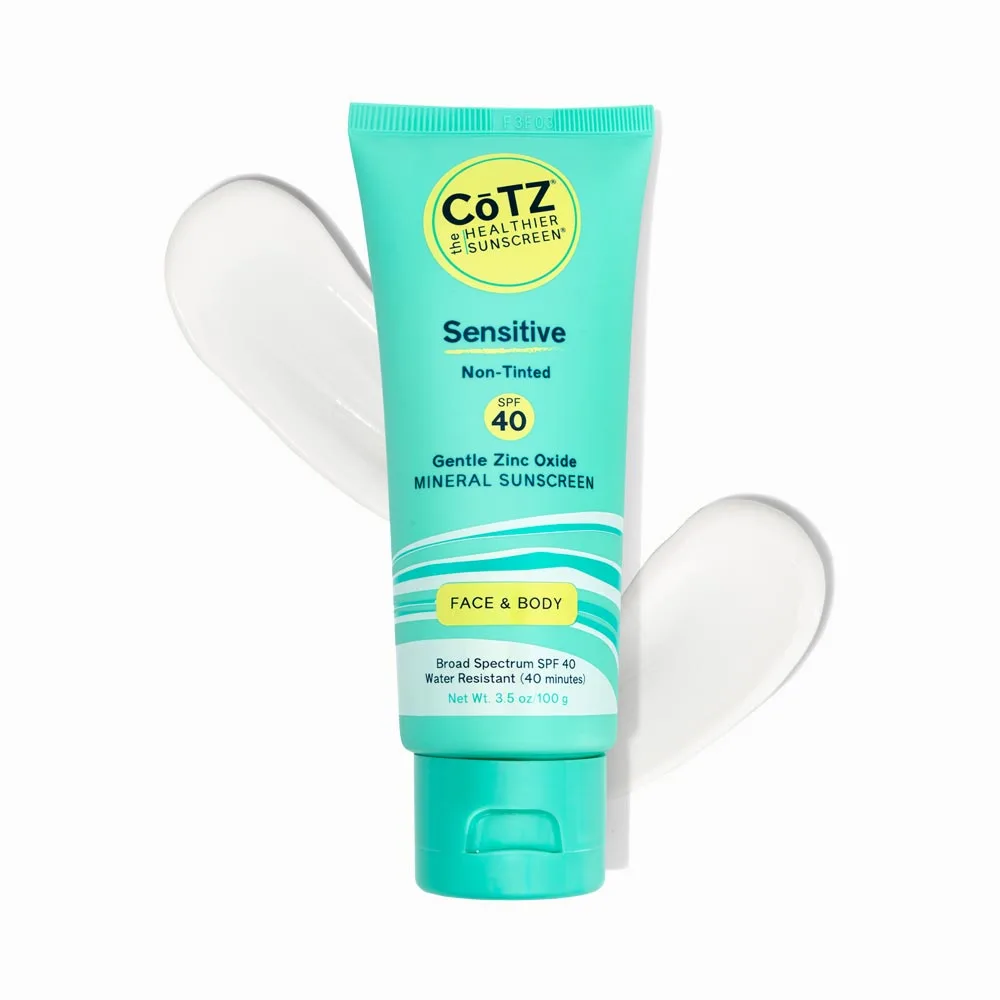
A few chemical UV filters — oxybenzone in particular — have been shown to absorb systemically and show up in blood and breast milk, and while there's no proof they harm a pregnancy, most OB-GYNs and dermatologists take the cautious route and steer expecting parents toward mineral options. There's a more urgent reason to care, too: pregnancy hormones trigger melasma, the blotchy "mask of pregnancy," and UV exposure is its single biggest aggravator. Daily broad-spectrum SPF is genuinely the most effective thing you can do to keep it from setting in. When choosing, look for zinc oxide or titanium dioxide high on the ingredient list and broad-spectrum SPF 30 or higher — EltaMD's UV Clear and Bubble's high-zinc mineral stick are clean, reliable picks. If a chemical formula is your only option, scan for and skip oxybenzone specifically. The honest caveat: pure mineral sunscreens can leave a white cast, and that's where a tinted version earns its place — the iron oxides in EltaMD's tinted UV Clear both blur the cast and add visible-light protection that's especially useful against melasma. You don't need to spend $45, though; a $15–$22 mineral formula applied generously and often beats a pricier one you ration.
Buying Guide
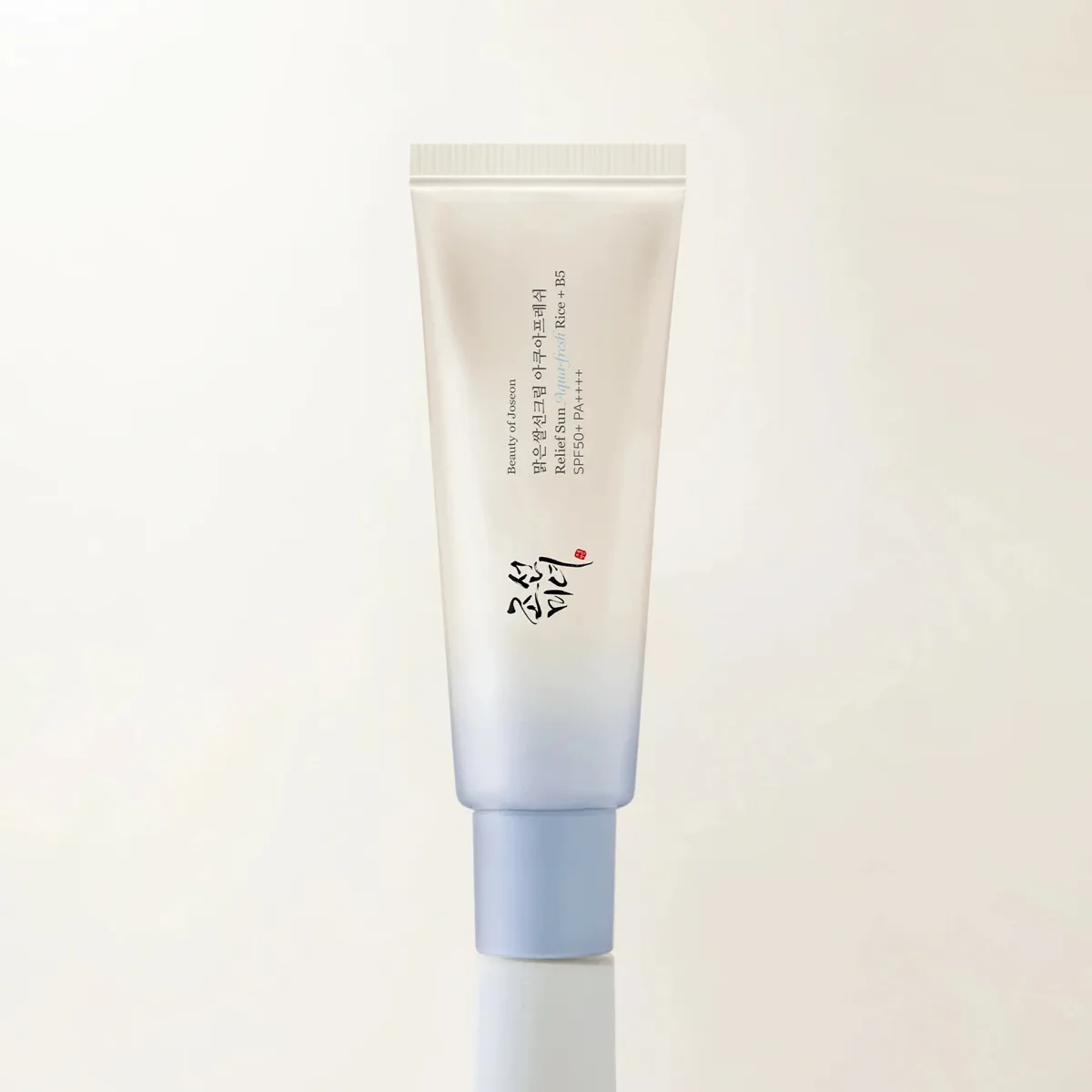
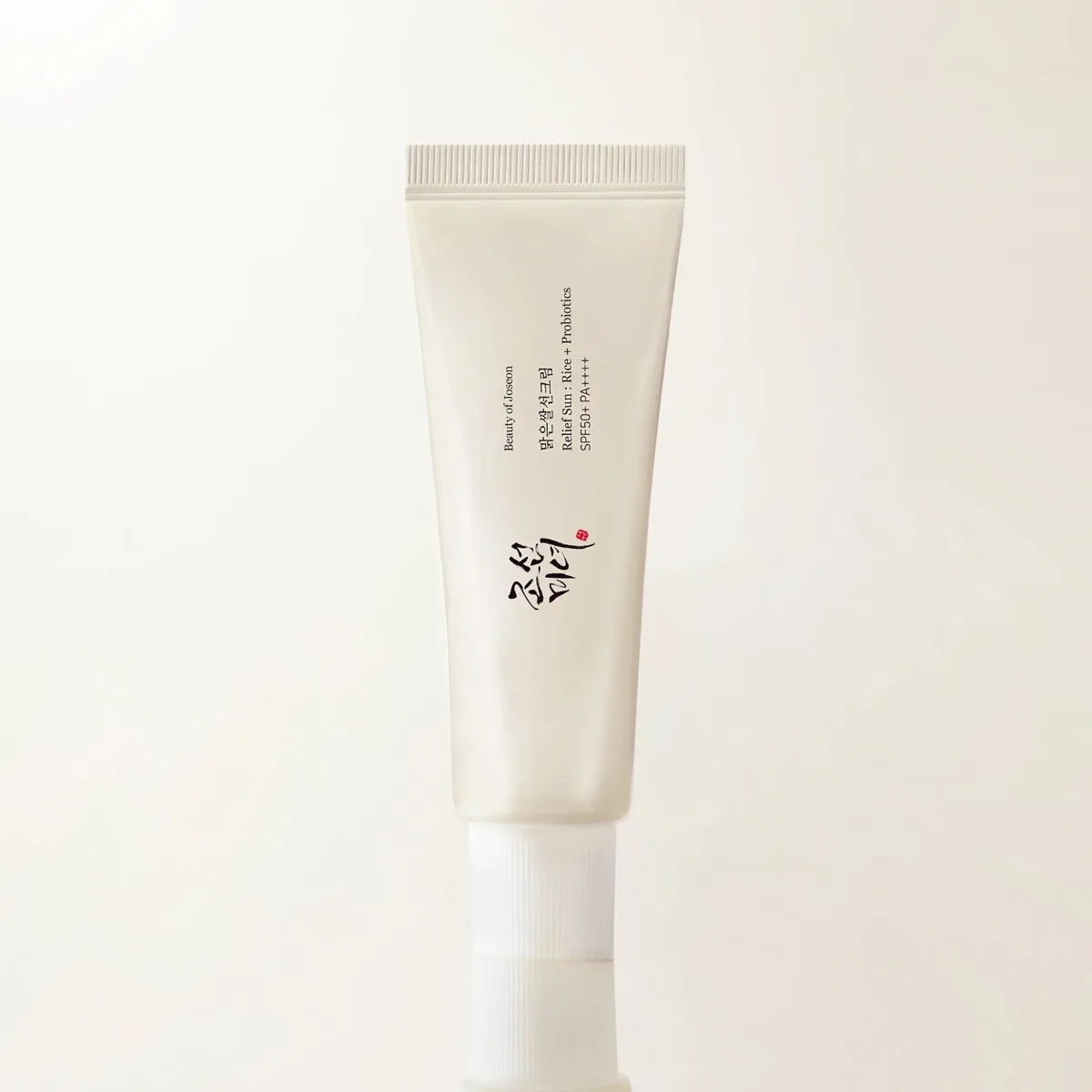
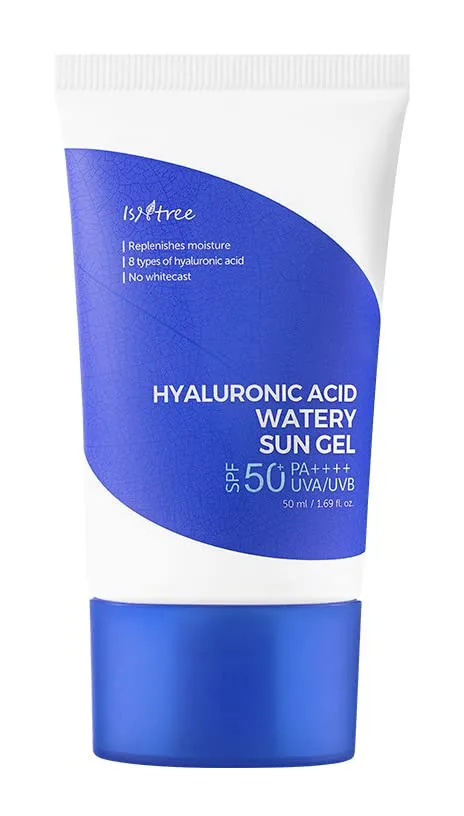
Lead with the filter type: a mineral sunscreen using zinc oxide or titanium dioxide is the consensus pregnancy-safe choice, so check that one of those appears prominently in the actives. If you prefer the lighter feel of a chemical or hybrid formula, the practical rule is to avoid oxybenzone, the filter with the clearest systemic-absorption data. Demand broad-spectrum SPF 30+ — UVA protection is what guards against melasma, not just sunburn. Texture decides whether you'll actually reapply: dry or sensitive skin does well with hydrating mineral creams (Isntree, KAINE), while a stick like Bubble's is the easiest to reapply over the day. If you're prone to or already developing the mask of pregnancy, a tinted mineral formula with iron oxides (EltaMD UV Clear Tinted) adds visible-light defense and erases the white cast. Price isn't the differentiator here — $15 to $45 all buys effective protection — so prioritize a finish you'll wear daily without skipping.
Frequently Asked Questions
Which sunscreen ingredients should I avoid while pregnant?
The main one flagged by dermatologists is oxybenzone, a chemical filter shown to absorb into the bloodstream and appear in breast milk; while harm to a pregnancy hasn't been proven, most clinicians recommend avoiding it out of caution. Mineral filters — zinc oxide and titanium dioxide — sit on the skin's surface and aren't meaningfully absorbed, making them the reassuring default. If you read only one part of the label, check that oxybenzone isn't in it.
Why is sunscreen so important during pregnancy specifically?
Pregnancy hormones increase melanin activity, which triggers melasma — the patchy brown discoloration on the cheeks and forehead known as the mask of pregnancy. UV and visible light are the strongest drivers of melasma, so daily broad-spectrum sunscreen is the single most effective way to prevent it from developing or worsening. A tinted mineral formula adds iron oxides that block the visible light melasma also responds to.
Do I have to use mineral sunscreen, or is chemical okay?
Mineral sunscreen is the safest, most-recommended option because its filters aren't absorbed systemically, but a chemical formula that excludes oxybenzone is generally considered acceptable by many practitioners. The most important thing is wearing a broad-spectrum SPF 30+ daily and reapplying it — an effective sunscreen you'll actually use beats a theoretically purer one you skip. When in doubt, confirm with your own OB-GYN.
How do I avoid the white cast from mineral sunscreens?
Choose a tinted mineral formula — the iron oxides that provide the tint neutralize the white residue zinc oxide leaves on the skin, and they double as visible-light protection. Newer K-beauty mineral formulas like KAINE's also micronize the filters for a sheerer finish. Applying in thin, fully rubbed-in layers rather than one thick coat helps the cast settle and disappear.