You Can Read Why Korean Sunscreen Is Better. You Still Can't Buy It at Target.
The blocker isn't chemistry — it's a classification. In the US a sunscreen is a drug, and that single word explains the empty shelf, the relabelled bottles, and what finally changed in June 2026.
Read the preview
From the DermApproved blog, in K-Beauty: why you can't buy Korean sunscreen at Target. Everyone knows the filters are better. Almost nobody explains the actual blocker — which isn't chemistry, it's a category. In America sunscreen is a drug. That one word explains the empty shelf, the relabelled bottles, and something that finally changed in June. For the full breakdown, visit dermapproved.com/blog.
Two regulators, two categories, one empty shelf
The comparison everyone has read goes like this: Korean and European sunscreens have access to modern ultraviolet filters that Americans do not, so they achieve better balanced protection in lighter textures. That is true and it is not the interesting part, because it does not tell you what to do about it.
The mechanism is a classification difference, and it is worth stating precisely.
In the United States, a sunscreen is an over-the-counter drug. It is governed by an OTC monograph — currently M020 — which specifies which active ingredients may be used, at what concentrations, with what labelling. Everything about a sunscreen sold in America, from the formula to the label to the manufacturing facility, follows drug rules.
In Korea, a sunscreen is a functional cosmetic: a category that has no American equivalent, defined around products that protect skin from ultraviolet radiation. It requires pre-market approval from the Ministry of Food and Drug Safety, with SPF and PA values established by testing in certified domestic laboratories — historically on human subjects, though the MFDS published draft amendments in August 2026 that would permit certain in vitro methods.
Neither system is unregulated. Both require testing and approval. But one treats the product as a medicine and the other treats it as a cosmetic with a proven function, and every downstream consequence — the filters available, what a label may claim, what a retailer may stock — falls out of that one difference.
Why 'drug' means the filter list stopped moving
Under the American system, an ultraviolet filter cannot simply be used because it is safe and works elsewhere. It has to be found generally recognised as safe and effective — GRASE — for the monograph.
For a filter already sold abroad, the route is a Time and Extent Application, and the entry requirements alone are demanding: the ingredient must have been marketed over the counter outside the US for at least five continuous years, to a material extent, which in practice means tens of millions of dosage units sold. Clearing that threshold only earns the right to submit data.
Then comes the part that stalled everything. FDA sought safety data including a Maximum Usage Trial, plus animal testing requirements, on standards not harmonised with the European or Asian frameworks under which these filters had already been evaluated. The result was a category with an economic problem: an inexpensive, non-patentable ingredient sold in a low-margin product, facing a years-long bespoke data package. Congress recognised this and passed the Sunscreen Innovation Act in 2014 to create an expedited pathway with a five-year review clock. A decade later, no new chemical filter had come through it.
That is the impasse most articles end on. It is now out of date, and the update is genuinely good news.
On 10 June 2026, the FDA issued a final administrative order adding bemotrizinol to the over-the-counter sunscreen monograph with GRASE status — the first new sunscreen active in more than twenty years. Bemotrizinol is the filter Europeans and Koreans have been formulating with for a generation, and it is a broad-spectrum, photostable workhorse.
Temper the celebration with one practical fact. A monograph listing is not a bottle on a shelf. American manufacturers now have to reformulate, stability-test, run their own SPF testing and launch, and that pipeline is measured in years rather than months. The shelf you shop from in 2026 is still the old shelf.
So why does some Korean SPF turn up in American stores?
It does appear, and understanding which of three routes a given bottle took is the single most useful thing a reader can learn here — because the version reviewers tested and the version in your hand may not be the same product.
Route one: reformulated for the US. The brand makes a separate American formula using only monograph-approved filters, keeps the name and the packaging design, and sells it legally with an SPF claim. This is above board and it is also, usually, a downgrade — the same product identity built on a smaller and older filter set. Anyone comparing an American bottle against an enthusiastic review of the Korean original is comparing two different formulas.
Route two: the claim comes off. A brand imports the original formula but strips or reworks the sun protection claim, marketing it as a moisturiser, a 'tone-up cream', a base or a daily lotion. Making an SPF claim would render it an unapproved new drug; not making one keeps it a cosmetic. The filters may still be in there. The legal permission to tell you what they do is not.
Route three: grey-market import. A reseller ships the Korean domestic product as-is, SPF claim intact, which is technically the importation of an unapproved drug. This is where most of the well-reviewed Korean sunscreens actually reach American buyers — through marketplace sellers, import specialists and direct shipping.
Our sunscreen finder filters by the filters themselves rather than by marketing, which is the fastest way to work out which of the three you are looking at.
The grey-market risks nobody itemises
'Grey market' sounds like a technicality about paperwork. The real risks are physical and specific.
Heat. Sunscreen is a drug product whose expiry date rests on stability data — how long the actives remain within specification under defined storage conditions. Organic ultraviolet filters degrade with heat and light, and photostability is a formulation achievement rather than an inherent property. A product that crossed the Pacific in an unventilated container in summer, sat in an unconditioned warehouse, and then travelled in the back of a delivery van has no cold-chain accountability whatsoever. Nobody is checking, and there is no test you can run at home.
Dating you cannot read. Korean domestic packaging uses Korean date conventions and manufacturing batch codes rather than an English 'expires' line. A product can look fine and be two years past its useful life. Our shelf life tool will convert what you can decipher into a realistic disposal date, and our answer on whether sunscreen expires covers what degradation actually costs you.
Counterfeits. High-demand, high-margin SKUs with limited legitimate distribution are exactly the conditions counterfeiters look for, and sunscreen is uniquely bad to counterfeit because the failure is invisible until it is a burn.
No recall path. If a formula turns out to be mislabelled or contaminated, a legitimate importer has obligations. A marketplace reseller has a delisted product page.
None of this makes importing unreasonable. It makes it a decision with real terms, and the terms are rarely stated.
The Purito result, reported straight
In late 2020 the case for trusting Korean sunscreen took a serious hit, and how that story went is more instructive than the headline.
Judit Rácz, who runs the ingredient-analysis site INCIDecoder, looked at a Korean sunscreen labelled SPF 50+ and did arithmetic. The formula contained roughly 3% of one filter and 2% of another — low concentrations for the protection being claimed. She questioned publicly whether that formula could deliver it, and then paid for testing.
The results: a Polish laboratory measured in vitro SPF 15.8, and in vivo, under the ISO 24444 standard with ten subjects, a mean SPF of 19. A German laboratory's in vivo screening in five subjects returned 19.2. Against a labelled SPF 50+.
Purito halted sales of that sunscreen and two others in the range, and commissioned testing outside its contract manufacturer. The brand's public position was that it had not independently questioned the SPF figure supplied to it by the third-party manufacturer that made the product.
Give the criticism its full weight, because it earned it. An independent website with no laboratory of its own forced verification that neither the manufacturer nor the regulator had performed. That is a critic win, and it belongs in the record alongside the reasons to like Korean sunscreen rather than in a footnote.
Then read it accurately in both directions. It does not show that Korean sunscreen is fake — it shows that pre-market approval resting on a manufacturer's submitted test is only as good as that test, which is true in every market that operates this way, including the ones people hold up as the gold standard. And the American system has its own version of the same problem: FDA's own review concluded that most of the chemical filters already on the US monograph lack sufficient data to be classified GRASE. Neither regulator comes out of this looking rigorous. Purito reformulated, and Purito Daily Go-To Sunscreen SPF 50+ is a product from the other side of that reckoning — which is what accountability is supposed to look like.
How to buy sensibly if you import anyway
Assume you have read all of the above and still want the better formula, which is a defensible position. Six practical rules.
Prefer brands with a post-2020 verification habit. The scandal changed behaviour. Brands that now publish third-party SPF testing, or that have a clean multi-year record since, are a different proposition from ones relying on a manufacturer's certificate. Beauty of Joseon Day Dew Sunscreen SPF 50, ROUND LAB Birch Juice Moisturizing Sunscreen SPF 50+ and SKIN1004 Madagascar Centella Air-Fit Suncream Plus SPF 50+ all sit in that group.
Buy from sellers who show batch codes and manufacturing dates on the actual unit, not the listing photo. Ask before buying if the listing does not show them.
Buy small and buy often. A single tube used within a season is a better bet than a bulk order that will spend a year in your bathroom after spending months in transit.
Check whether the US version is the same product. If a brand sells domestically here, compare the ingredient lists before assuming. COSRX Ultra-Light Invisible Sunscreen SPF 50 and Beauty of Joseon Daily Tinted Fluid Sunscreen SPF 40 are worth checking this way, and it takes thirty seconds.
Consider Japanese alternatives. The same filter advantage largely applies, and the supply chain into Western retail is more established. Our Japanese sunscreen ranking covers that side, the Korean list the other, and the Korean routine shows where the step sits in a full sequence.
And hold onto the fallback. A monograph-legal American sunscreen applied generously every single morning outperforms an imported one you ration because it was expensive and hard to replace. Adherence beats formulation, every time, by a margin that no filter gap comes close to. If a favourite disappears — which happens more often with imports than with domestic products — our answer on replacing a discontinued sunscreen covers how to match on filters rather than on brand.
Products mentioned
Independently reviewed and scored — the real products behind this piece.


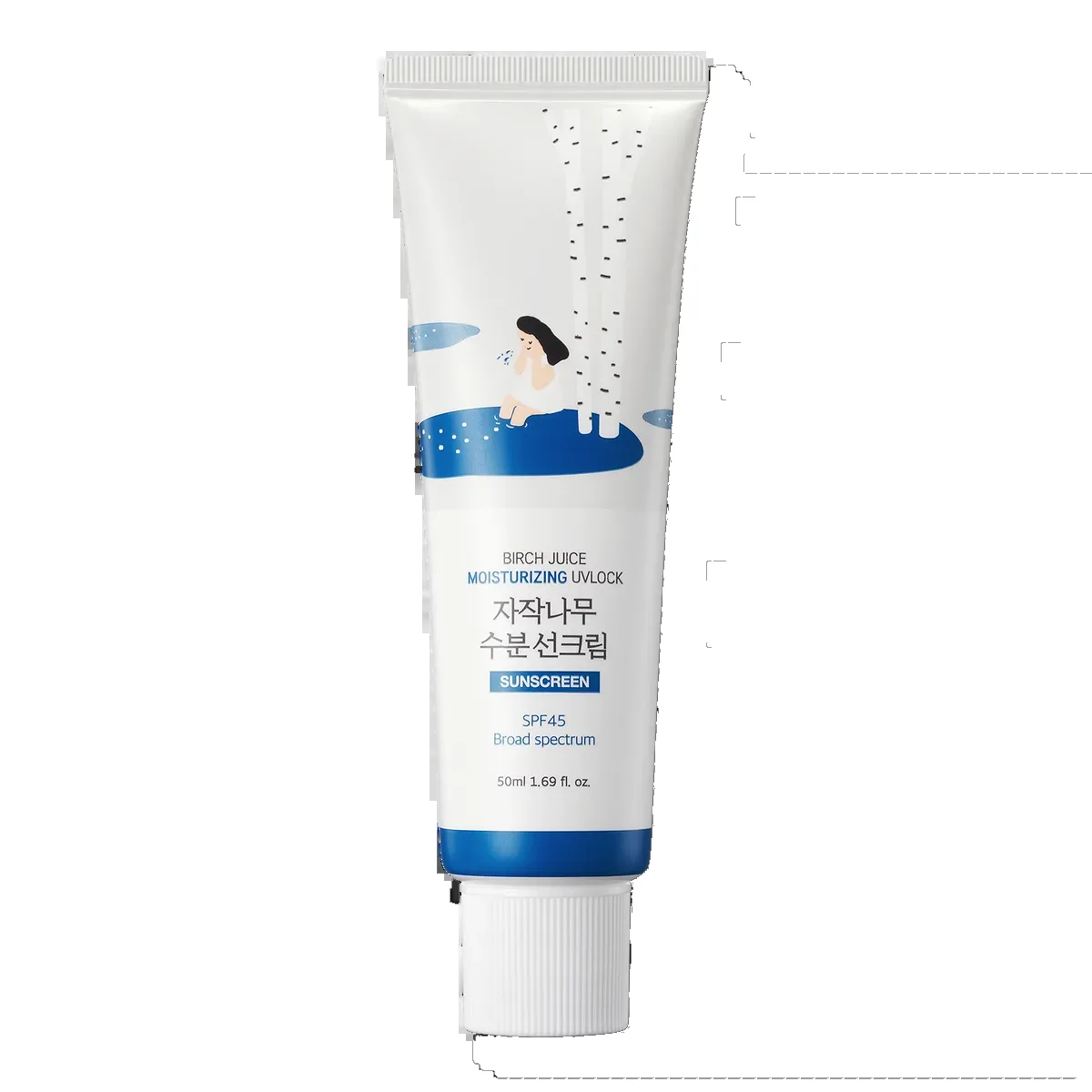


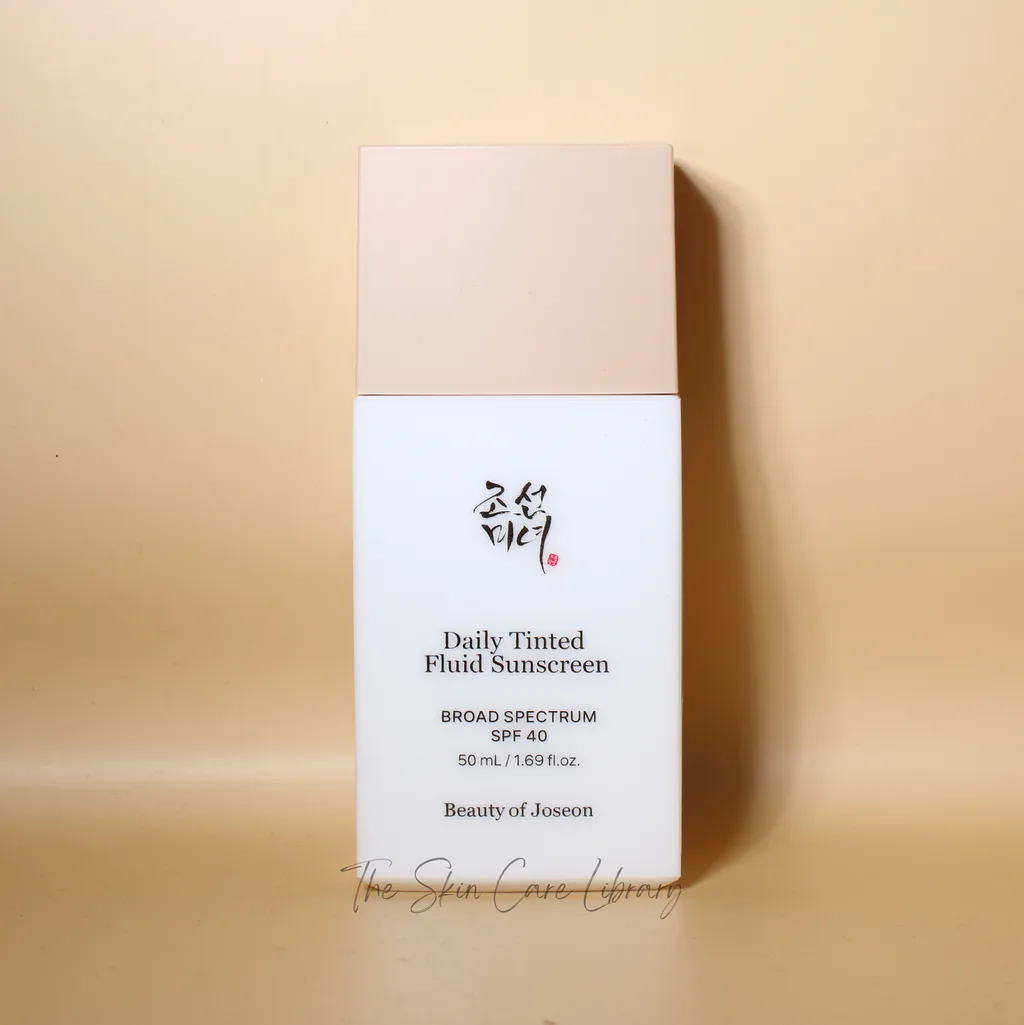
- Routine Korean Skincare Routine, Done Sensibly (Not All 10 Steps) Where the sunscreen step sits in a full Korean sequence
- Ranked list Best Korean Sunscreens The Korean shortlist, sorted on formulation
- Ranked list Best Japanese Sunscreens Same filter advantage with a more established Western supply chain
- Question Is last summer's bottle still working? What degradation actually costs, which matters most for imports
- Question My sunscreen was discontinued — how do I replace it? How to match a replacement on filters rather than on brand
Frequently asked
Why can't I just buy Korean sunscreen at a US drugstore?
Because a sunscreen is legally an over-the-counter drug in the United States, governed by a monograph that specifies which active ingredients may be used. Korean formulas built on filters not on that list cannot carry an SPF claim on an American shelf. In Korea the same product is a functional cosmetic — pre-market approved, but as a cosmetic rather than a medicine.
Has anything actually changed with the FDA filter list?
Yes, recently. On 10 June 2026 the FDA issued a final administrative order adding bemotrizinol to the over-the-counter sunscreen monograph with GRASE status — the first new active in over twenty years. But a monograph listing is not a shelf. Manufacturers still have to reformulate, stability-test and launch, and that pipeline runs in years.
Is the Korean version of a sunscreen the same as the US version?
Often not. Brands routinely make a separate American formula using only monograph-approved filters while keeping the name and packaging. Others import the original but strip the SPF claim and market it as a moisturiser or tone-up cream. Compare ingredient lists rather than assuming — it takes thirty seconds and it is the difference between the reviewed product and a different one.
What's the actual risk of a grey-market imported sunscreen?
Heat exposure with no accountability. Organic UV filters degrade with heat and light, and an import that crossed the Pacific in an unventilated container and sat in an unconditioned warehouse has no cold-chain record. Add batch codes in Korean date conventions, counterfeits in high-demand SKUs, and no recall path from a marketplace reseller.
After the 2020 SPF testing scandal, can Korean sunscreens be trusted?
With the same scepticism you should apply anywhere. Independent testing found a product labelled SPF 50+ measuring around SPF 19 in vivo, and the brand halted sales and commissioned outside testing. The lesson is that approval resting on a manufacturer's submitted test is only as good as that test — and FDA's own review found most filters already on the US monograph lack sufficient data for GRASE classification.