After Bemotrizinol: What's Next for U.S. Sunscreen Reform
The FDA just approved its first new sunscreen filter in a quarter-century — but it's exactly one filter, and the rest of the modern palette is still stuck at the door.
Read the preview
From the DermApproved blog, in Industry & Trends: the U.S. just approved its first new sunscreen filter in twenty-five years — so why are dermatologists only half-celebrating? Bemotrizinol finally cleared the FDA, a filter the rest of the world has used since the nineties. A genuine milestone. But read that sentence again — twenty-five years, for one ingredient — and you start to see the catch. Because 'approved' doesn't mean 'on your shelf,' and the reason the logjam broke isn't the reason you'd think. Meanwhile, a whole lineup of even better filters is still stuck outside the door, waiting. When does the American sunscreen aisle actually catch up to Seoul? The answer is closer, and further away, than the headline suggests — at dermapproved.com/blog.
One filter, twenty-five years in the making
For most of this century, the American sunscreen aisle has been frozen in the 1990s. While shoppers in Seoul, Sydney, and Paris reached for lightweight formulas built on filters invented in the 2000s, U.S. brands were stuck reformulating the same short list of aging ingredients. That changed, narrowly, on June 9, 2026, when the FDA issued a final administrative order adding bemotrizinol to the over-the-counter sunscreen monograph — permitted at concentrations up to 6%, with companies cleared to start using it in August.
Bemotrizinol is not new to the world; it's new only to the United States. Sold as Tinosorb S by BASF and Parsol Shield by DSM-Firmenich, it has protected European and Asian skin since around 1999 — a broad-spectrum filter that absorbs across both UVA and UVB, is photostable, and plays well in elegant textures. Its arrival is the first genuine expansion of the American filter toolkit in roughly a quarter-century. That's worth celebrating. It's also worth reading the fine print, because 'the first new filter in 25 years' is a sentence that reveals the problem even as it announces the fix.
The gridlock that finally broke — and how
The reason nothing moved for so long is structural. The U.S. regulates sunscreens as over-the-counter drugs, not cosmetics, so any new active requires a full 'generally recognized as safe and effective' determination — a high, data-heavy bar. Under the old Time and Extent Application system, several modern filters submitted in the early 2000s simply stalled; some had been waiting for a definitive answer since 2002, with the FDA requesting more safety data and the process grinding to a halt.
What actually broke the logjam wasn't a new opinion about bemotrizinol's safety — it was a new procedure. The 2020 CARES Act quietly reformed how the OTC monograph can be amended, replacing the clogged TEA route with an administrative order process and a mechanism called an OTC Monograph Order Request. DSM-Firmenich filed one for bemotrizinol in October 2024, and the FDA moved from proposed order to final order in about seven months — glacial by tech standards, lightning by sunscreen-regulation standards. The lesson matters for everything that follows: the barrier was never really the science. It was the plumbing, and the plumbing is only now being replaced.
Why your bottle won't change tomorrow
It's tempting to read 'FDA approves new filter' as 'better sunscreen next week.' It isn't, and the distinction between approval, availability, and reformulation is the whole story. Approval means bemotrizinol is now legal to use as of August 2026. Availability means a brand has to actually build it into a formula — and a UV filter isn't a drop-in swap. It has to be balanced with the other actives, stabilized, tested for SPF and broad-spectrum performance, checked for stability and packaging compatibility, and manufactured at scale. That pipeline runs in years, not weeks.
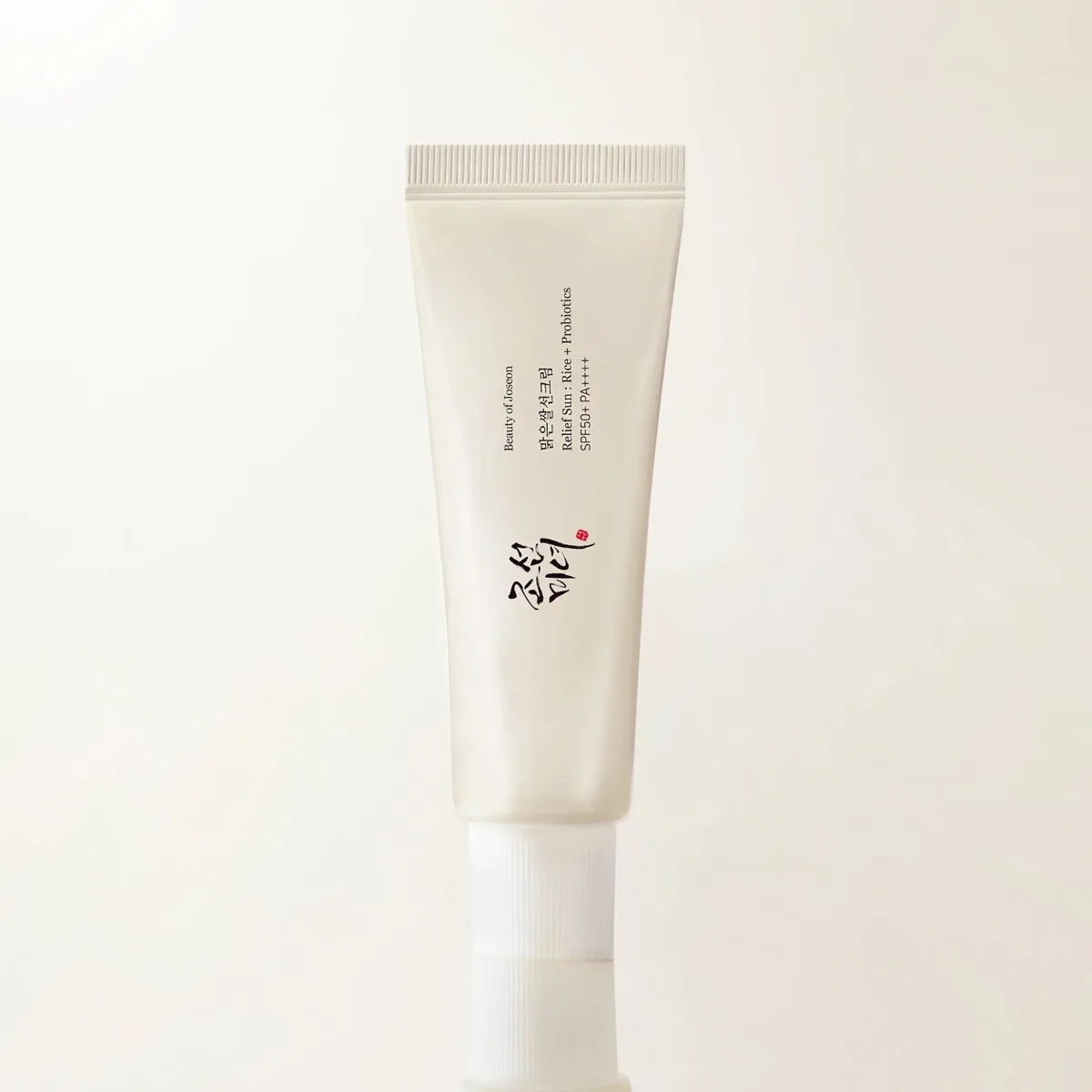
So the near-term reality is patience. Expect the first U.S. bemotrizinol products to trickle out over the next year or two, likely from brands already fluent in the ingredient abroad, before it becomes common. In the meantime, the filters quietly doing this job in imported formulas are worth knowing. A next-generation UVA workhorse like the Mexoryl 400 in La Roche-Posay Anthelios UVMune 400 covers a stretch of long-UVA that older U.S. filters miss; a cult K-beauty option such as Beauty of Joseon Relief Sun leans on Uvinul A Plus for cosmetically-elegant UVA coverage; and a formula like Benton Air Fit UV Defense is built around Tinosorb. Our sunscreen finder lets you filter by exactly these modern actives.
The filters still stuck outside
Bemotrizinol got through the door; its relatives are still in line. Bisoctrizole (Tinosorb M), a broad-spectrum filter that's also a mild physical scatterer, remains unapproved in the U.S. So do the Uvinuls — including octyl triazone, sold as Uvinul T 150 — and the various Mexoryls that make so many European and Korean sunscreens feel weightless. Each of these needs its own OMOR: its own sponsor willing to fund the safety dossier, its own trip through the FDA's review. One approval doesn't create a shortcut for the next; it creates a template.
That's the honest ceiling on the celebration. Even counting bemotrizinol, U.S. formulators now have roughly 16 approved filters, while their European counterparts work with around 30. The gap narrowed by one. Whether it keeps narrowing depends on unglamorous questions of who pays for the data and how quickly the FDA works through the queue — a 2025 review in Photodermatology, Photoimmunology & Photomedicine argued that modernizing this list could meaningfully reduce skin cancer incidence, which raises the stakes on the pace. For consumers, the practical takeaway is unchanged and slightly deflating: bemotrizinol is real progress, but the best-formulated sunscreens in the world will remain easier to buy in Seoul than in Chicago for a while yet. Until the shelf catches up, the filter you'll actually reapply beats the theoretical one you're waiting on — check the label, and use our ingredient decoder if you're unsure what's inside.
Products mentioned
Independently reviewed and scored — the real products behind this piece.


References
- Modernizing U.S. Sunscreen Regulations: How Newer Filters Can Improve Public Health — Photodermatology, Photoimmunology & Photomedicine, 2025
Every cited link is verified to resolve to the paper named. Where a source could not be independently confirmed, it is listed without a link rather than pointing you somewhere wrong.
Frequently asked
What is bemotrizinol and what does it protect against?
Bemotrizinol is a broad-spectrum chemical UV filter — sold internationally as Tinosorb S or Parsol Shield — that absorbs across both UVA and UVB and is highly photostable. It's been used in European and Asian sunscreens since around 1999 and was approved for U.S. use in June 2026 at concentrations up to 6%.
Why did it take 25 years to approve a new sunscreen filter in the U.S.?
Because the U.S. regulates sunscreens as over-the-counter drugs requiring a full safety-and-efficacy determination, and the old Time and Extent Application process stalled — some filters had been waiting since 2002. The logjam broke not because of new science but because the 2020 CARES Act created a streamlined order-request pathway that let bemotrizinol move from proposal to approval in about seven months.
When will I actually be able to buy bemotrizinol sunscreen in the U.S.?
Companies were cleared to begin using it in August 2026, but building it into a finished, stability-tested, mass-produced formula takes time. Expect the first U.S. products over the next year or two — likely from brands already using it abroad — before it becomes widely available.
Which modern sunscreen filters are still not approved in the U.S.?
Several — including bisoctrizole (Tinosorb M), the Uvinul filters such as Uvinul T 150, and the various Mexoryls common in European and Korean sunscreens. Each needs its own funded application and FDA review, so bemotrizinol's approval is a template rather than a shortcut for the rest. The U.S. still has roughly 16 approved filters to Europe's 30.