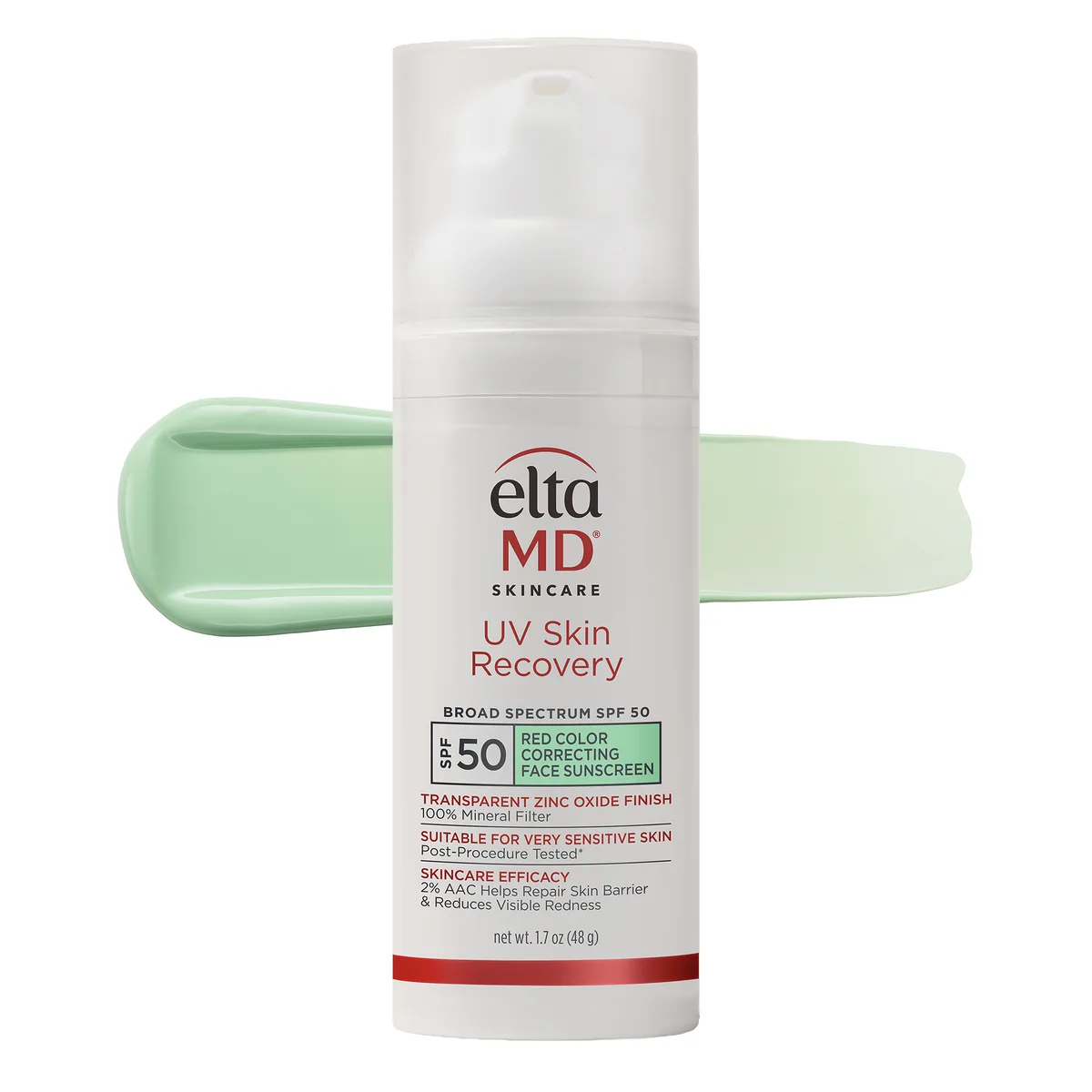
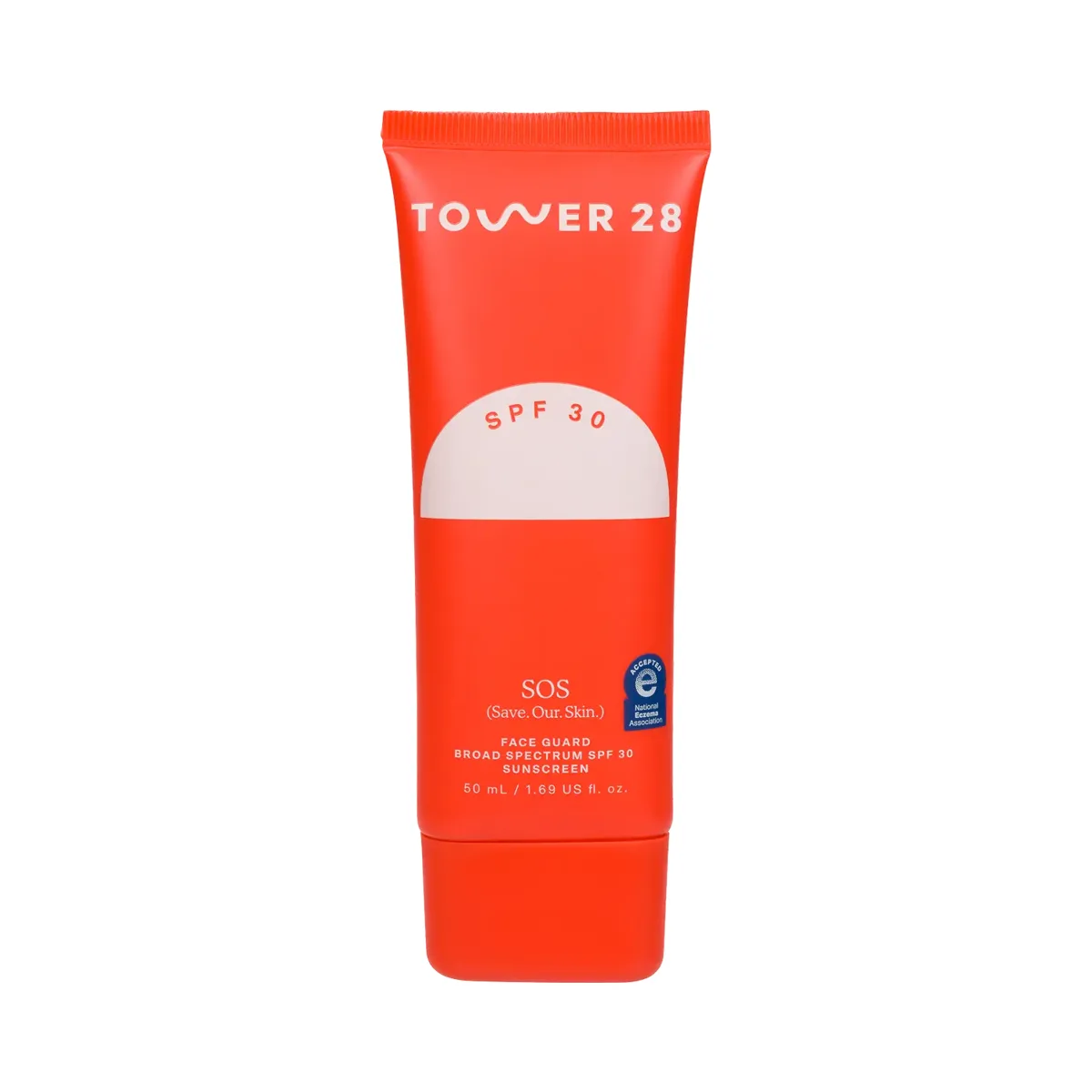
The high 15.35% zinc oxide load combined with ceramides and niacinamide is unusually thoughtful for a drugstore mineral sunscreen — most budget mineral SPFs are bare-bones zinc and silicones. This formula treats sun protection and barrier support as a single system, which is rare under $20.
CeraVe quietly built one of the better drugstore mineral sunscreens on the market by stacking 15.35% zinc with their ceramide-niacinamide barrier system. It's not totally invisible on deep skin tones, but for sensitive faces and post-procedure recovery, it's hard to beat at this price.
Note: This lotion was released in 2024 and our assessment is based on a moderate amount of real-world data. The score here leans on ingredient analysis, formulation quality, and early user feedback. The picture should sharpen as the product builds a longer history.
Verdicts
How well it fits each concern
Verdict by concern tap a concern for the case
Full protectionfor Sun DamageIn your profileYou chose · Broad-spectrum SPF 50 with titanium dioxide, zinc oxide: the protection sun damage calls for.Moderate evidenceGentle250 reviews collected
The case for it
Titanium Dioxide is a first-line active — approved, monograph-listed or named in current guidelines — for this concern.
It is present at an effective concentration, declared or high in the ingredient list.
The formula carries none of the triggers this concern is sensitive to.
Same rule for everyone. “Full protection” is the verdict on 2,288 of 45,024 concern verdicts across the catalog; rule P1 decided 2,232 of them.
Unchanged since September 5, 2026, engine 5.1.1.
P1 — Photoprotection standing is regulatory (M020 / Annex VI filters; 21 CFR 201.327 attaches the early-skin-aging claim to tested broad-spectrum SPF 15+). SPF 30 is the AAD daily-use bar. · the full register
Carrying active
Titanium Dioxide
Standing
first line — a regulator recognises it for this use; trials support it · per § 352.10 Sunscreen active ingredients. (U.S. Food and Drug Administration — 21 CFR Part 352 (Sunscreen Drug Products for Over-the-Counter Human Use), Code of Federal Regulations via GovInfo), opened July 27, 2026
Form
adequate (declared 2.66%) — studied range up to 25%, from the OTC monograph or label; needs leave-on contact
Tolerability
gentle
Row checked
against its sources on July 27, 2026 (evidence table ev-2026.09-r228)
21 CFR 352.10 — Sunscreen active ingredients — US Food and Drug Administration / Electronic Code of Federal Regulations (retrieved 2026-07-16; note stayed effective date), opened July 16, 2026
Supporting rolefor RosaceaIn your profileYou chose · Niacinamide has early evidence for rosacea, and photoprotection against a known trigger is the recognised companion to treating it — a reasonable supporting choice, short of a recommendation.Limited evidenceGentle250 reviews collected
The case for it
Niacinamide has early or mechanistic evidence for this concern, not trial-backed standing.
It is plausibly present at a working level, though the concentration is not declared.
The formula carries none of the triggers this concern is sensitive to.
What would change this: A declared concentration would move this to a firmer reading of the dose.
Same rule for everyone. “Supporting role” is the verdict on 8,197 of 45,024 concern verdicts across the catalog; rule R8a decided 1,489 of them.
Unchanged since September 5, 2026, engine 5.1.1.
R8a — A plausible-tier active in a category with a supportive job: the sentence names the active instead of saying nothing targets the concern (the AmLactin / CeraVe SA case for keratosis pilaris, where no guideline and single trials leave the keratolytics at early evidence). · the full register
Carrying active
Niacinamide
Standing
plausible — trials support it
Form
plausible — studied range 2%, from the OTC monograph or label; needs leave-on contact; judge it after ~8 weeks
Tolerability
gentle
Row checked
against its sources on July 17, 2026 (evidence table ev-2026.09-r228)
Full protectionfor Post-ProcedureIn your profileYou chose · Broad-spectrum SPF 50 with titanium dioxide, zinc oxide: the protection post procedure calls for.Moderate evidenceGentle250 reviews collected
The case for it
Ceramides NP, AP, EOP has early or mechanistic evidence for this concern, not trial-backed standing.
It is plausibly present at a working level, though the concentration is not declared.
The formula carries none of the triggers this concern is sensitive to.
What would change this: A declared concentration would move this to a firmer reading of the dose.
Same rule for everyone. “Full protection” is the verdict on 2,288 of 45,024 concern verdicts across the catalog; rule P1 decided 2,232 of them.
Unchanged since September 5, 2026, engine 5.1.1.
P1 — Photoprotection standing is regulatory (M020 / Annex VI filters; 21 CFR 201.327 attaches the early-skin-aging claim to tested broad-spectrum SPF 15+). SPF 30 is the AAD daily-use bar. · the full register
Carrying active
Ceramides NP, AP, EOP
Standing
plausible — trials support it
Form
plausible
Tolerability
gentle
Row checked
against its sources on July 17, 2026 (evidence table ev-2026.09-r228)
Good choicefor Compromised Skin BarrierIn your profileYou chose · Niacinamide is a reference standard by mechanism for compromised skin barrier; this lotion carries it high in the ingredient list.Moderate evidenceGentle250 reviews collected
The case for it
Niacinamide has trial-supported standing for this concern.
It is present at an effective concentration, declared or high in the ingredient list.
The formula carries none of the triggers this concern is sensitive to.
Same rule for everyone. “Good choice” is the verdict on 9,564 of 45,024 concern verdicts across the catalog; rule R5 decided 9,072 of them.
Unchanged since September 5, 2026, engine 5.1.1.
Good choicefor SensitivityIn your profileYou chose · No fragrance, drying alcohol, declarable allergens or sensitising preservatives in this lotion — the profile sensitive skin looks for.Not yet assessedGentle250 reviews collected
The case for it
Titanium Dioxide has no evidence row yet for this concern — it is in the research queue.
The formula carries none of the triggers this concern is sensitive to.
What would change this: A researched evidence row for the lead active would replace this with a verdict.
Same rule for everyone. “Good choice” is the verdict on 1,938 of 45,024 concern verdicts across the catalog; rule F2 decided 1,938 of them.
Unchanged since September 5, 2026, engine 5.1.1.
Does the jobDoes what a sunscreen is for: UVA coverage, kind to the skin wearing it. Not measured from the label: pleasant enough to actually use.
A verdict is DermApproved’s assessment of how well a product’s ingredients fit a concern — never a claim about what the product treats. Evidence dots and collected reviews sit beside it and are never blended in.
Rules 0.5.1 · evidence table ev-2026.09-r228 · how we decide
Assessment
Pros & Cons
Pros
✓ High 15.35% zinc oxide content for genuine SPF 50 protection
✓ Ceramides and niacinamide support sensitive and compromised skin
✓ Significantly less white cast than older mineral formulas
✓ Lightweight satin finish blends into a natural look
✓ Fragrance-free and pregnancy-safe
✓ Excellent value compared to premium mineral SPFs
✓ Works well for post-procedure and rosacea-prone skin
Cons
✗ Still leaves a slight cast on the deepest skin tones
✗ Small 1.75 oz tube doesn't last long with proper use
✗ Can pill under silicone-heavy primers or makeup
✗ Slightly thicker initial texture than chemical sunscreens
Review
Full Review
Mineral sunscreens have a reputation problem that's mostly earned. For decades, the choice in the drugstore aisle was a thick white paste in an unattractive squeeze tube, and the only way to get an SPF rating that mattered was to commit to a ghostly cast that lasted until you washed your face. The newer wave of mineral SPFs — Australian imports, Korean innovations, and a few American outliers — has fixed most of those problems, but at $30-$50 a bottle. CeraVe's contribution to the category is to take what those higher-end formulas figured out and deliver it under $16.
The formula's center of gravity is the active ingredient ratio: 15.35% zinc oxide and 2.66% titanium dioxide. That zinc concentration is unusually high for a drugstore mineral sunscreen — most competitors stop around 10-12% because going higher tends to amplify the white cast and the chalky drag. CeraVe gets away with the higher load through a silicone-rich base (cetyl PEG/PPG-10/1 dimethicone, isohexadecane, polyhydroxystearic acid) that disperses the mineral particles into a slip system that blends down dramatically with thirty seconds of working it in. It's not literally invisible — the marketing claim oversells slightly on darker skin tones — but it's notably better than most American mineral SPFs in the same price range, and it's a different category from the white wall of older zinc sunscreens.
More interesting than the cosmetic engineering is the supporting ingredient list. Most cheap mineral sunscreens treat the inactive ingredients as filler — silicones, water, a preservative, done. CeraVe loaded this one with niacinamide, three ceramides delivered through their MVE technology, glycerin, sodium hyaluronate, and tocopherol. None of those are technically necessary for sun protection, but they fix the three real-world complaints that drive people away from mineral SPFs: dryness, tightness, and irritation on already-compromised skin. If you've ever tried a basic zinc sunscreen and felt your face get tight by lunchtime, that's the experience this formula was specifically designed to avoid.
The fine print of the inactive list rewards attention, because the barrier story runs deeper than the marquee ceramides. Cholesterol and phytosphingosine sit farther down — completing the skin-identical lipid trio CeraVe builds its whole brand on — alongside sodium lauroyl lactylate, the fatty-acid component the MVE delivery system uses elsewhere. Functionally, there's a complete barrier-repair moisturizer folded inside this sunscreen, which is exactly the redundancy compromised skin wants.
The texture is a lightweight white lotion that pumps out thicker than it looks but blends down to a satin finish. It's not the dewy, glow-pushing finish of some Korean chemical SPFs, but it's also not powdery or matte in a flat way. Skin looks like skin. There's no scent beyond a faint zinc-mineral note that fades within a minute. Under makeup, most users report it works fine with one caveat: silicone-heavy primers can cause pilling. The fix is to wait a couple of minutes after application before layering anything else, and to skip the primer altogether on days you wear this.
For sensitive skin specifically — and that includes rosacea, eczema-prone skin, post-procedure recovery, and the kind of reactive skin that flares from chemical filters — this is one of the easiest recommendations in the drugstore aisle. Mineral filters sit on the skin's surface rather than absorbing, which avoids the systemic irritation pathways some people react to with avobenzone or octocrylene. The added ceramides and niacinamide aren't decorative; they actively soothe the kind of low-grade inflammation that sensitive skin lives with daily. Dermatologists routinely recommend this category of product for patients in their first weeks after a chemical peel, microneedling, or laser treatment, and this CeraVe formula is well-positioned for that role.
Two reassurances belong on the record. Mineral filters are the standard recommendation during pregnancy, and this formula is flagged pregnancy-safe — zinc and titanium sit on the surface rather than absorbing, which is the whole appeal. And the persistent suspicion that mineral means weaker protection doesn't survive the label: SPF 50 is the highest standard claim the FDA allows any sunscreen to print, chemical or mineral, and this one earned it with mineral filters alone.
The weak points are mostly about size and skin tone reach. The 1.75 oz tube is small for daily use — at proper application amounts (two finger-lengths for face and neck), it lasts about six to eight weeks. Travelers will appreciate the 1.62 oz travel size, but a larger primary size would be welcome. And while the white cast is meaningfully reduced, it's not gone on the deepest skin tones. People with very deep complexions will still see a faint lightening that requires either careful blending, mixing with a tinted moisturizer, or simply choosing a tinted mineral SPF instead.
In sequence it comes last in the morning: give moisturizer a minute or two to settle first, then apply the full two-finger dose — under-application is the quiet failure mode of every elegant sunscreen. It stacks cleanly over a vitamin C serum, and it's the sensible daytime partner to a retinol evening routine, where sun protection is what makes the retinoid worthwhile. Protection is immediate, but the cosmetic payoff compounds: eight to twelve weeks of daily use is when prevented pigmentation starts reading as brighter, more even skin. Early reception — several hundred reviews plus steady word-of-mouth in mineral-SPF threads on skincare Reddit — has settled on the same verdict: genuinely less white than the category average, kind to reactive skin, and priced like a repurchase rather than a splurge.
Value is the easy win. Comparable mineral sunscreens with high zinc content and barrier-support ingredients usually start around $35. At $16, this is the rare drugstore product that doesn't feel like a compromise — it feels like a deliberate choice, regardless of budget. For people who've been buying premium mineral SPFs out of frustration with drugstore options, this is genuinely worth swapping in. For people who've never tried mineral sunscreen because they assumed it would be white and chalky and uncomfortable, this is a reasonable place to find out you were wrong.
Formula
Key Ingredients
The hero actives that drive this product's performance.
The primary mineral filter in this formula, providing broad-spectrum UVA and UVB protection by sitting on the skin surface and reflecting and absorbing UV radiation. At 15.35%, it's a high concentration for a face sunscreen, which is what enables the SPF 50 rating without relying on chemical filters.
Regulator-approvedfor Sun Damage · limited certainty
Layered with zinc oxide to broaden UVB coverage and improve cosmetic finish. The combination is what gives this product its 'invisible' claim — neither filter alone could deliver SPF 50 without ghosting on most skin tones.
Regulator-approvedfor Sun Damage · limited certainty
Included to calm the inflammatory response from daily sun exposure and to support barrier function alongside the ceramides. In a mineral sunscreen this is particularly useful because it helps offset any dryness from the high zinc load.
Established mechanismfor Compromised Skin Barrier · established mechanism
CeraVe's signature ceramide blend, delivered via MVE technology, offsets the slight occlusivity of mineral filters by reinforcing the barrier from beneath. This is what allows daily wear without the tightness common to other zinc-based sunscreens.
Established mechanismfor Compromised Skin Barrier · established mechanism
Adds antioxidant protection that complements the mineral filters by neutralizing free radicals from UVA and visible light exposure that physical blockers don't fully prevent.
Limitedfor Sun Damage
Ingredient standings describe the active at treatment-level doses and
vehicles; this product's own condition grades weigh its actual formula.
Save this for the last step in your morning routine after moisturizer. Wait 1-2 minutes for the moisturizer to absorb before applying. Use two finger-lengths for face and neck — most users under-apply mineral sunscreens and lose protection.
Results Timeline
Sun protection is immediate upon proper application. Daily use over 8-12 weeks helps prevent new pigmentation and supports gradual fading of existing sun damage when paired with brightening actives.
The protective claim of any sunscreen rests on its UV filter system, and this formula uses two of the most extensively studied filters in the FDA monograph. Zinc oxide at 15.35% provides the primary broad-spectrum coverage — zinc is unique among approved US filters in that it covers the full UVA range (320-400 nm) and most of the UVB range from a single ingredient, which is why high-zinc formulas can achieve SPF 50 without chemical filters. Titanium dioxide at 2.66% adds additional UVB coverage and improves cosmetic finish through its higher refractive index. Both filters work primarily by absorbing UV radiation, with a small reflective component, contrary to the older 'physical sunblock' framing that's now considered inaccurate. The supporting ingredient list is where this formula does work that pure-filter sunscreens skip. Niacinamide has been studied for its photoprotective and barrier-supporting effects: a 2010 study in the British Journal of Dermatology found that 4% niacinamide reduced UV-induced inflammation and supported DNA repair in irradiated skin. The three-ceramide blend (NP, AP, EOP) targets the stratum corneum lipid matrix, and a 2019 study in the Journal of Clinical and Aesthetic Dermatology demonstrated that ceramide-containing products significantly improved barrier function in patients with sensitive and compromised skin. The combination of high-zinc protection plus barrier-supporting actives is what makes this formula appropriate for post-procedure use, where the skin needs both UV defense and active recovery support. MVE delivery technology, used throughout CeraVe's line, was originally developed for sustained pharmaceutical release and was adapted for cosmetic ceramide delivery to extend lipid availability beyond initial application.
Dermatologists routinely recommend mineral sunscreens for patients with sensitive skin, rosacea, melasma, and post-procedure recovery, and this CeraVe formula is increasingly cited as a budget-friendly option that doesn't sacrifice formulation quality. Clinical dermatologists commonly highlight that the 15.35% zinc oxide concentration is in the higher range for drugstore mineral SPFs, which translates to genuine SPF 50 protection rather than the borderline ratings some lower-zinc products carry. The inclusion of niacinamide and ceramides is also frequently cited as appropriate for the post-procedure window, when the skin barrier is still recovering and chemical filters may cause stinging or irritation. For pregnant patients, dermatologists generally favor mineral filters as the most well-studied option for systemic safety, and this formula's lack of chemical UV filters and fragrance makes it a common recommendation in that context as well.
Guidance
Usage & Recommendations
How to Use
Apply as the final step in your morning skincare routine, after moisturizer and before makeup. Use two finger-lengths' worth for face and neck — under-application is the single biggest reason mineral sunscreens underperform. Squeeze the product onto your fingertips, dot it across your face, and gently work it in with circular motions for 30-60 seconds until the white cast blends down. Wait 2-3 minutes before applying makeup to avoid pilling. Reapply every two hours during direct sun exposure, after swimming, or after sweating heavily. Don't forget the ears, neck, and tops of the hands.
Value Assessment
At about $16 for the 1.75 oz tube, this delivers genuine premium-tier formulation at drugstore pricing. Comparable mineral sunscreens with this level of zinc content, barrier support, and cosmetic refinement typically start at $30-$40. The travel size at $11-$13 is also a fair value for testing tolerance before committing. The honest caveat is the size — at proper application amounts, the 1.75 oz tube only lasts six to eight weeks, so annualized cost is higher than the sticker price suggests. Even accounting for that, it's still less expensive per ounce than most premium mineral SPFs and carries a more thoughtful ingredient deck. For sensitive skin types who need a daily mineral SPF without compromising on either price or formula quality, this is currently one of the best value plays in the category.
Who Should Buy
Sensitive skin types, anyone with rosacea or eczema, people in post-procedure recovery, pregnant or breastfeeding women, and budget-conscious shoppers who want a high-quality mineral SPF without paying premium prices. Particularly good for those who react to chemical filters or want a mineral option that doesn't ghost as badly as older formulas.
Who Should Skip
Very deep skin tones who need a fully cast-free sunscreen — consider a tinted mineral version instead. It is similarly a skip if you prefer the dewy, glowy finish of Korean chemical sunscreens, or if you need a larger size for body application. Heavy makeup wearers prone to pilling may want a chemical SPF instead.
Ready to try CeraVe Invisible Mineral Sunscreen SPF 50?
Lightweight white lotion that blends to a near-invisible satin finish
Scent
Fragrance-free with a faint zinc-mineral note
Packaging
1.75 oz squeeze tube, also available in 1.62 oz travel size
Finish
satinlightweightnon-greasy
What to Expect on First Use
Goes on white but blends down significantly with 30-60 seconds of working it in. Skin feels comfortable, not tight or greasy. First-time mineral sunscreen users may be surprised by how light it feels compared to older zinc-only formulas.
How Long It Lasts
Daily use makes one last about 6-8 weeks to face and neck
CeraVe expanded its mineral sunscreen lineup in 2024 in response to growing dermatologist demand for high-zinc options that wouldn't ghost on darker tones. The formulation borrows the brand's MVE ceramide delivery system to offset the dryness that high-zinc sunscreens typically cause, addressing one of the longest-standing complaints about mineral SPF.
About CeraVe Legacy Brand (20+ years)
CeraVe was developed with dermatologists in 2005 and is one of the most clinically referenced drugstore skincare brands. Its sunscreen line is widely recommended in dermatology offices for patients with sensitive or compromised skin.
Brand founded: 2005 · Product launched: 2024
Myth vs. Reality
Common Myths
Myth
Mineral sunscreens always leave a white cast.
Reality
This formula uses microfine zinc and titanium dispersed in a silicone-rich base specifically engineered to reduce ghosting. It still shows slightly on the deepest skin tones but is dramatically better than older mineral formulas.
Myth
Mineral SPF is less effective than chemical SPF.
Reality
At 15.35% zinc plus 2.66% titanium dioxide, this product carries an FDA-approved SPF 50 rating, which is the highest standard SPF claim allowed in the US. It is fully effective broad-spectrum protection.
FAQ
Frequently Asked Questions
Does it leave a white cast?
Less than most mineral sunscreens, but it's not invisible on every skin tone. Light to medium tones see almost no cast after blending. Deeper skin tones will still notice some lightening, though the high silicone content helps it disappear better than older zinc formulas.
Is it safe for sensitive skin and rosacea?
Yes — this is one of the better choices for reactive skin. Mineral filters don't penetrate the skin like chemical filters, the formula is fragrance-free, and the included ceramides and niacinamide actively support compromised barriers.
Can I wear it under makeup?
Yes, though some users report pilling under heavy foundation. Let it set for 2-3 minutes after application before applying makeup, and avoid layering with silicone-heavy primers.
Is it reef safe?
Yes. Both zinc oxide and titanium dioxide are considered reef-safer than oxybenzone and octinoxate, and this formula contains neither chemical filter.
How does it compare to CeraVe Hydrating Mineral Sunscreen?
The Invisible Mineral version is lighter, less moisturizing, and designed to wear under makeup. The Hydrating version is creamier and better for dry skin without makeup. Both use similar mineral filters.
Is Invisible Mineral Sunscreen SPF 50 safe to use during pregnancy?
Yes. Mineral filters are generally considered the safest sunscreen option during pregnancy because they don't absorb systemically. There are no chemical UV filters, retinoids, or essential oils in this formula.
Reviews
What Reviewers Tend to Say
Recurring themes our editors read across retailer reviews of this product — summaries in our words, not quotations, and not a substitute for your own patch test.
Common Praise
Genuinely less white than most mineral SPFs
Doesn't break out sensitive skin
Lightweight texture
Good value for SPF 50 mineral
Common Complaints
Still leaves a slight cast on deep skin tones
Small tube size
Can pill under heavy makeup
Notable Endorsements
Frequently mentioned in r/30PlusSkinCare mineral SPF threads
The barrier-lipid science underneath the brand is real and older than the brand itself. The range built on top of it is flatter and stronger than its reputation suggests — with one clear weak spot and two categories it simply doesn't make.
Western sensitive skincare works by subtraction — remove the fragrance, remove the alcohol, shorten the list. Japan's answer adds a designed molecule back in, and one of the two bets has a trial literature.
A wrecked barrier is the most common self-inflicted skin condition and the one with the clearest fix — the difficulty is that the routine which caused it feels productive and the one that repairs it feels like giving up.
Aug 5, 2026· 8 min
Questions people ask about Rosacea
Verified answers from our questions library — the nuance a product page cannot carry.
Products, answers, therapy guides, tools and articles in one search. Brand names,
slang and abbreviations all work — accutane finds isotretinoin, bacne finds truncal acne.