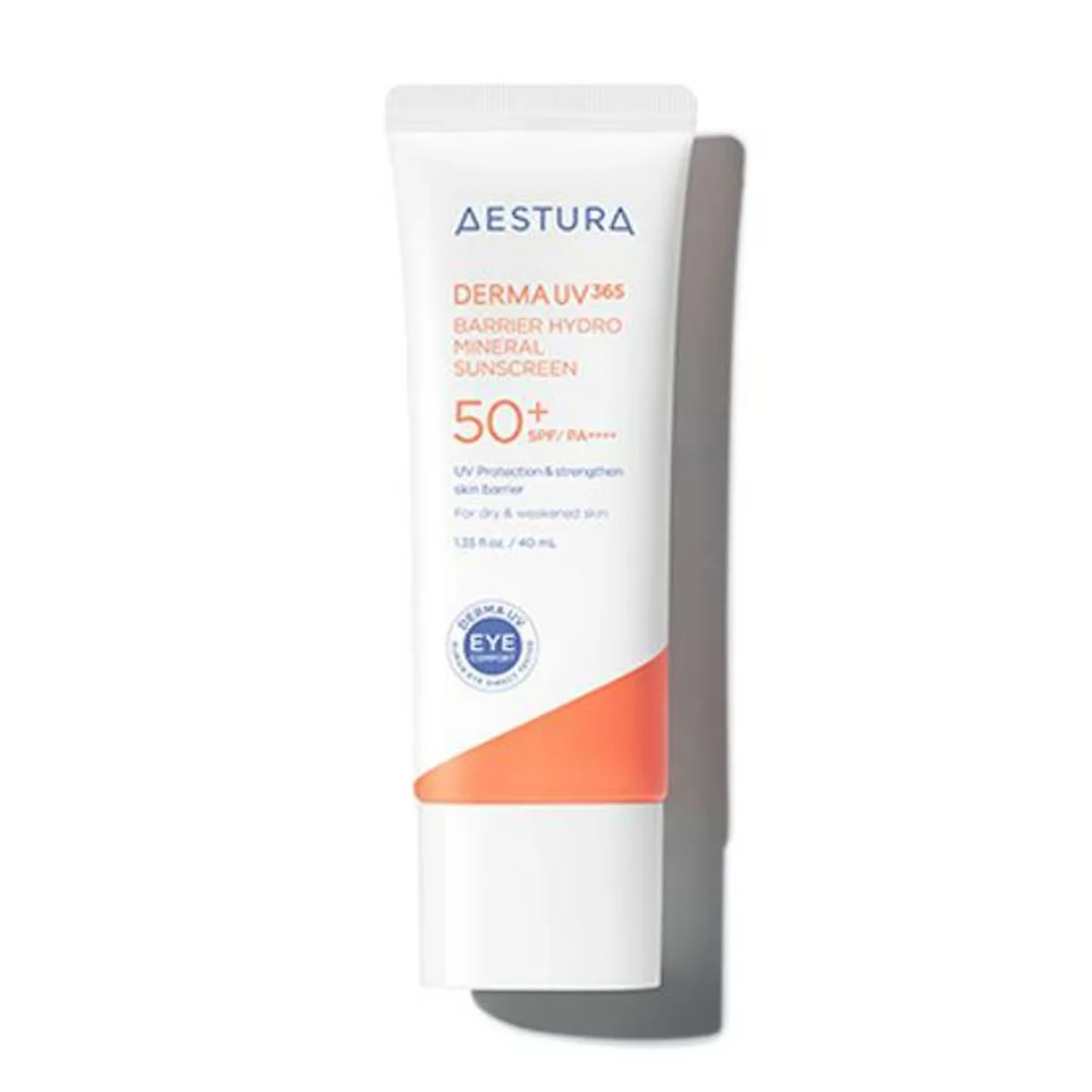
Mineral sunscreens are widely dismissed as drying and chalky — this one's entire design is to fix the dryness half of that complaint. It pairs zinc oxide's strong, photostable, PA++++ protection with the barrier and hydration ingredients Aestura built its name on: ceramide NP and a three-form hyaluronic acid complex, so the sunscreen doubles as a barrier-care step.
An excellent mineral sunscreen that pairs zinc oxide's top-tier PA++++ UVA protection with the barrier and hydration ingredients Aestura built its name on — ceramide NP and a three-form hyaluronic acid complex. Fragrance-free, gentle, and pregnancy-safe, it directly fixes mineral sunscreen's usual dryness problem.
Note: This sunscreen has a solid body of reviews since its 2023 release, and our assessment blends ingredient and filter analysis with that real-world feedback. The brand does not publish independent UVA-protection testing. Treat the score as provisional until independent data catches up.
Verdicts
How well it fits each concern
Verdict by concern tap a concern for the case
Full protectionfor Sun DamageIn your profileYou chose · Broad-spectrum SPF 50 with zinc oxide: the protection sun damage calls for.Moderate evidenceGentleNo reviews collected yet
The case for it
Zinc Oxide is a first-line active — approved, monograph-listed or named in current guidelines — for this concern.
It is present at an effective concentration, declared or high in the ingredient list.
The formula carries none of the triggers this concern is sensitive to.
Same rule for everyone. “Full protection” is the verdict on 2,288 of 45,024 concern verdicts across the catalog; rule P1 decided 2,232 of them.
Unchanged since September 5, 2026, engine 5.1.1.
P1 — Photoprotection standing is regulatory (M020 / Annex VI filters; 21 CFR 201.327 attaches the early-skin-aging claim to tested broad-spectrum SPF 15+). SPF 30 is the AAD daily-use bar. · the full register
Full protectionfor AgingIn your profileYou chose · Broad-spectrum SPF 50 with zinc oxide: the protection aging calls for.Limited evidenceGentleNo reviews collected yet
The case for it
Vitamin E has early or mechanistic evidence for this concern, not trial-backed standing.
It is plausibly present at a working level, though the concentration is not declared.
The formula carries none of the triggers this concern is sensitive to.
What would change this: A declared concentration would move this to a firmer reading of the dose.
Same rule for everyone. “Full protection” is the verdict on 2,288 of 45,024 concern verdicts across the catalog; rule P1 decided 2,232 of them.
Unchanged since September 5, 2026, engine 5.1.1.
P1 — Photoprotection standing is regulatory (M020 / Annex VI filters; 21 CFR 201.327 attaches the early-skin-aging claim to tested broad-spectrum SPF 15+). SPF 30 is the AAD daily-use bar. · the full register
Carrying active
Vitamin E
Standing
plausible — trials support it
Form
plausible — studied range 1%, from the OTC monograph or label; needs leave-on contact
Tolerability
gentle
Row checked
against its sources on July 17, 2026 (evidence table ev-2026.09-r228)
Good choicefor SensitivityIn your profileYou chose · No fragrance, drying alcohol, declarable allergens or sensitising preservatives in this lotion — the profile sensitive skin looks for.Not yet assessedGentleNo reviews collected yet
The case for it
Zinc Oxide has no evidence row yet for this concern — it is in the research queue.
The formula carries none of the triggers this concern is sensitive to.
What would change this: A researched evidence row for the lead active would replace this with a verdict.
Same rule for everyone. “Good choice” is the verdict on 1,938 of 45,024 concern verdicts across the catalog; rule F2 decided 1,938 of them.
Unchanged since September 5, 2026, engine 5.1.1.
Supporting rolefor RosaceaIn your profileYou chose · Nothing here targets rosacea directly; photoprotection against a known trigger is the recognised companion to treating it, and this lotion does that without known triggers.Not yet assessedGentleNo reviews collected yet
The case for it
Allantoin has been researched for this concern and the evidence does not support it.
It is plausibly present at a working level, though the concentration is not declared.
The formula carries none of the triggers this concern is sensitive to.
What would change this: A declared concentration would move this to a firmer reading of the dose.
Same rule for everyone. “Supporting role” is the verdict on 8,197 of 45,024 concern verdicts across the catalog; rule R8 decided 4,250 of them.
Unchanged since September 5, 2026, engine 5.1.1.
R8 — The category's job (barrier care, humectant hydration, gentle cleansing, photoprotection) is the documented supportive role for this concern. This is the honest verdict for a moisturizer on an acne page. · the full register
Carrying active
Allantoin
Standing
none
Form
plausible — studied range 0.5–2%, from the OTC monograph or label; needs leave-on contact
Does the jobDoes what a sunscreen is for: UVA coverage, kind to the skin wearing it. Not measured from the label: pleasant enough to actually use.
A verdict is DermApproved’s assessment of how well a product’s ingredients fit a concern — never a claim about what the product treats. Evidence dots and collected reviews sit beside it and are never blended in.
Rules 0.5.1 · evidence table ev-2026.09-r228 · how we decide
Assessment
Pros & Cons
Pros
✓ Top-tier PA++++ UVA protection from zinc oxide alone
✓ Ceramide NP and a three-form hyaluronic acid complex hydrate and support the barrier
✓ Genuinely fixes mineral sunscreen's dry, tight, chalky feel
✓ Minimal white cast on light and medium skin tones
✓ Fragrance-free and gentle on sensitive, reactive, rosacea-prone skin
✓ Pregnancy-safe mineral formula
✓ Doubles as a barrier-care step within a routine
Cons
✗ A faint white cast can still show on deeper skin tones
✗ 40ml size depletes quickly with adequate daily application
✗ Silicone-heavy base is a drawback for silicone-avoiders
✗ Satin finish is not fully matte for very oily skin
✗ Not fungal-acne safe, and not certified cruelty-free
Review
Full Review
Mineral sunscreen has a two-part bad reputation — drying and chalky — and this one set out to fix the drying half. The complaints are familiar to anyone who has tried to make zinc oxide work in a daily routine. The first is the white cast: the ghostly, faintly violet film that a zinc-based formula can leave behind, especially on deeper skin. The second is the feel: mineral sunscreens are widely described as tight, dry and faintly uncomfortable, the sensible-but-unpleasant option you tolerate because the protection is good and the ingredient list is short. Aestura's Derma UV365 Barrier Hydro Mineral Sunscreen does not claim to have solved the cast problem entirely — no zinc formula honestly has — but its whole design is aimed squarely at the dryness, and the name itself spells out the strategy: Barrier, Hydro.
The protection comes from a single filter, zinc oxide, sitting second on the ingredient list. That position matters, because zinc oxide delivers genuine broad-spectrum coverage — across both UVB and the full UVA range — from one photostable ingredient, and it is what earns this sunscreen the top PA++++ UVA rating. It is also inherently gentle, which forms the basis of the formula's low-irritation positioning. The interesting part is what Aestura chose to build around the zinc. The skin-identical barrier lipid ceramide NP — the same one anchoring the brand's Atobarrier face range — lets the sunscreen reinforce the barrier as it sits on the skin through the day. A three-form hyaluronic acid complex — sodium hyaluronate, sodium acetylhyaluronate and hydrolyzed hyaluronic acid, at different molecular weights — hydrates the skin beneath the zinc layer, directly targeting the tight, chalky feeling that puts people off. Allantoin soothes, and vitamin E adds antioxidant backup against the free radicals UV exposure inevitably generates. Every addition is there to address a known weakness of the category.
In practice it spreads more easily than a typical zinc sunscreen, with little to no white cast as it blends in, and it sets to a comfortable satin finish. The key sensory difference is exactly the one the formula was designed for: skin feels hydrated rather than tight and papery. Fragrance-free and non-stinging, it asks for no break-in window and is gentle from the first application. Users consistently single out how genuinely hydrating it feels for a mineral sunscreen, how comfortable it stays on sensitive and reactive skin over a full day, and how the barrier ingredients make it read almost like a skincare step rather than a chore to be endured.
One thing worth understanding is why a hydrating mineral sunscreen is harder to formulate than it sounds. Zinc oxide is a powder, and a sunscreen needs a lot of it to hit a high SPF, which means the base has to carry a heavy mineral load while still spreading evenly and not drying down to a tight, dusty finish. Adding humectants and barrier lipids into that crowded base without making the whole thing pill, separate or refuse to blend is a genuine formulation challenge — it is the reason most mineral sunscreens stay minimal and accept the dryness as a cost of doing business. Aestura's willingness to engineer around that problem, rather than shrug at it, is the most interesting thing about the product. The result is a sunscreen that asks you to give up very little of the comfort of a chemical filter in exchange for the gentleness and pregnancy-safety of a mineral one.
A handful of compromises come with the territory, the ones every mineral sunscreen has to own up to. A faint cast can still show on deeper skin tones — reduced here, but not eliminated, and worth knowing before you buy. The 40ml tube does not last especially long once you apply the full amount needed for real protection, which is simply part of the running cost of using it properly. The base is silicone-heavy, which makes it smooth and elegant for most people but is a drawback for committed silicone-avoiders. And the finish leans satin rather than fully matte, so very oily skin chasing a completely shine-free look may want something else. None of that reads as a formulation failure so much as the realistic edges of a mineral sunscreen, even a well-built one.
At twenty-eight dollars for 40ml it is not a budget sunscreen, and the small size means frequent repurchases if you wear it daily. But the price reflects a real, well-considered formula from Amorepacific's dermocosmetic brand: top-tier zinc protection plus genuine barrier and hydration ingredients, not a bare-bones zinc base dressed up with a marketing story. Larger sizes are available, which improves the per-millilitre maths for regular users. One caveat belongs in any fair assessment: Aestura does not publish independent UVA testing data, so the PA++++ claim rests on the brand's own evaluation rather than a third party's. For dry, sensitive, reactive or rosacea-prone skin — and for anyone pregnant or breastfeeding who wants a mineral filter — this is one of the more comfortable ways to wear zinc every day, and a sunscreen genuinely worth seeking out if mineral formulas have always felt like a small daily punishment.
Formula
Key Ingredients
The hero actives that drive this product's performance.
The sole UV filter, sitting second on the INCI. Zinc oxide provides genuine broad-spectrum protection across UVA and UVB from a single ingredient, which is what allows this sunscreen to earn the top PA++++ UVA rating. It is also highly photostable and inherently gentle, the basis of the formula's low-irritation positioning.
Regulator-approvedfor Sun Damage · limited certainty
A skin-identical barrier lipid, the same kind Aestura builds its Atobarrier face range around. Its inclusion is the heart of the 'Barrier' in the name — it lets the sunscreen reinforce the skin barrier as it sits on the skin, rather than only shielding it from UV.
Three forms of hyaluronic acid at different molecular weights, included to address mineral sunscreen's traditional weak point — dryness. They hydrate the skin beneath the zinc layer, which is what earns the 'Hydro' in the name and keeps the formula from feeling tight or chalky.
A gentle, well-tolerated soothing agent that calms the skin. In a sunscreen built for sensitive and reactive skin, it reinforces the low-irritation intent and keeps the formula comfortable through a full day of wear.
An antioxidant that helps neutralize the free radicals generated by UV exposure. It adds a secondary line of defense behind the zinc oxide, addressing the oxidative damage that any sunscreen inevitably lets through.
Limitedfor Sun Damage
Ingredient standings describe the active at treatment-level doses and
vehicles; this product's own condition grades weigh its actual formula.
Make this the final step of your morning skincare routine, after moisturizer. Use a generous, even amount — about a quarter teaspoon for the face — and allow a minute to settle before makeup. Mineral sunscreens benefit from being patted and gently spread rather than over-rubbed, which keeps the zinc layer even. Reapply every two hours of sun exposure.
Results Timeline
Sun protection is immediate on application when used at an adequate amount. The hydrated, comfortable finish is apparent right away. The long-term payoff — preventing sun damage, photoaging, and pigmentation — depends on daily, consistent, generous use.
Aestura Derma UV365 Barrier Hydro Mineral Sunscreen
Makeup (optional)
Sample PM Routine
Gentle cleanser
Treatment serum
Moisturizer
Evidence
Science & Expert Perspective
The Science
The protection here rests on zinc oxide, one of the most thoroughly characterized UV filters available. Unlike most organic filters, which absorb a defined slice of the UV spectrum, zinc oxide provides genuine broad-spectrum coverage from a single ingredient — attenuating both UVB and the full UVA range, including the deep UVA1 wavelengths most associated with photoaging. It is also highly photostable, so it does not degrade in sunlight and protection holds steady over hours of wear. The PA++++ rating, the highest grade in the widely used Asian UVA classification, reflects this strong long-wave UVA performance and directly counters the misconception that mineral filters are weak against UVA.
Mineral sunscreens face two cosmetic challenges. White cast arises because zinc particles scatter visible light as well as UV; modern formulas reduce it through optimized particle dispersion and smoothing agents, though no formula fully erases it on the deepest skin tones. The dry, tight feel comes from minimally formulated bases, and addressing it is a matter of building in humectants and barrier ingredients — which is precisely what this formula does. Hyaluronic acid in multiple molecular-weight forms is well established as a humectant that hydrates at varying depths of the upper skin, and ceramide NP is a skin-identical barrier lipid with strong supporting evidence for reducing transepidermal water loss. The silicone-based vehicle contributes the smooth slip and even film.
Allantoin has documented soothing and skin-conditioning properties, and tocopherol is a well-studied lipid-soluble antioxidant that helps neutralize UV-generated free radicals — a meaningful adjunct, since no sunscreen blocks every photon. As with every sunscreen, the science also underscores that adequate application, roughly 2 mg/cm2 or about a quarter teaspoon for the face, is essential to reach the labeled protection. This is a well-formulated mineral sunscreen whose protective and hydration claims are both well grounded.
Dermatologist Perspective
Mineral sunscreens are frequently recommended by dermatologists for sensitive, reactive, and rosacea-prone skin, and during pregnancy, because zinc oxide is well tolerated and not associated with the absorption questions raised about some organic filters. Clinical commentary often notes that zinc oxide's broad, photostable UVA coverage is a genuine strength rather than a weakness. A common practical barrier to mineral-sunscreen adherence, however, is the dry, heavy feel of older formulas — and dermatologists generally welcome modern formulations that improve cosmetic elegance and hydration, since the best sunscreen is the one a patient will actually wear daily. The barrier-supporting ingredients here, ceramide NP and hyaluronic acid, align with what clinicians favor for dry and compromised skin. The consistent clinical caveat with any sunscreen is application: adequate, even coverage is what determines real-world protection, and reapplication through the day remains necessary.
Guidance
Usage & Recommendations
How to Use
Make it the closing step of your morning skincare, applied after moisturizer. Use a generous, even amount — roughly a quarter teaspoon for the face alone — because under-application is the single most common reason sunscreens fall short of their labeled SPF 50+. Pat and gently spread rather than over-rubbing, which keeps the zinc layer even and minimizes any cast, then give it a minute to settle before makeup. Top up every two hours of sun exposure, and again after sweating or swimming. Pairing it over a hydrating moisturizer makes the most of its barrier ingredients.
Value Assessment
At around $28 for 40ml, this sunscreen is fairly priced for a well-formulated mineral SPF 50+ PA++++ from a credible dermocosmetic brand, and a 25ml size is also available. The honest practical point is dosing: sunscreen must be applied generously — about a quarter teaspoon for the face — to reach its labeled protection, and at that honest amount a 40ml tube lasts roughly four to six weeks, so the running cost is real. The value case is nonetheless strong, because the formula does two jobs: it provides top-grade sun protection and it delivers genuine barrier and hydration benefits, reducing the need to fight the dryness a lesser mineral sunscreen would cause. For dry, sensitive, or pregnant skin, that combination justifies the price.
Who Should Buy
Anyone who wants a mineral sunscreen without the dry, chalky penalty — particularly dry, sensitive, reactive or rosacea-prone skin, and those who are pregnant or breastfeeding — is the natural buyer here. It is a strong pick for people who have been put off mineral formulas by how they feel, and for anyone who wants a gentle daily SPF that also supports the skin barrier.
Who Should Skip
Those with very deep skin tones may still notice a faint cast and might prefer a tinted mineral or a well-formulated chemical sunscreen. Very oily skin chasing a fully matte finish may find the satin finish too dewy. Silicone-avoiders should note the silicone-heavy base, and fungal-acne-prone users should patch test.
Ready to try Aestura Derma UV365 Barrier Hydro Mineral Sunscreen?
A lightweight mineral lotion with a smooth, slightly silicone-slip glide that sets to a comfortable satin finish — hydrating underneath rather than the dry, chalky feel mineral sunscreens are known for
Scent
Effectively scentless — labeled fragrance and essential-oil free
Packaging
A 40ml tube in Aestura's clean, clinical styling, with a 25ml size also available. The tube is hygienic and practical; the standard 40ml is the better everyday value.
Finish
satinlightweightnon-greasy
What to Expect on First Use
Expect a smooth mineral lotion that spreads more easily than a typical zinc sunscreen, with little to no white cast as it blends in. It sets to a comfortable satin finish — notably, skin feels hydrated rather than tight. There is no scent and no sting; the formula is gentle from the first use.
How Long It Lasts
About 4-6 weeks with daily facial use at the recommended amount
Aestura made its name on barrier-lipid skincare for sensitive skin, and the Derma UV365 line applies that expertise to sun protection. The Barrier Hydro Mineral Sunscreen targets a specific, real frustration: mineral sunscreens protect well and suit sensitive skin, but their zinc-heavy formulas often feel dry and chalky. Aestura's answer was to formulate a mineral sunscreen around hydration and barrier lipids from the start.
About Aestura Established Brand (5–20 years)
Aestura is the dermocosmetic brand of Korean beauty conglomerate Amorepacific, developed for sensitive and barrier-compromised skin. Its Derma UV365 line applies the brand's barrier-care expertise to sun protection, and Aestura is positioned on dermatological credibility, though it does not publish independent UVA-protection testing data.
Brand founded: 2011 · Product launched: 2023
Myth vs. Reality
Common Myths
Myth
Mineral sunscreens are weaker than chemical ones, especially against UVA.
Reality
Zinc oxide is one of the few single filters covering the full UVA and UVB range, and this sunscreen's PA++++ rating — the highest UVA grade — demonstrates it. Well-formulated mineral sunscreens provide broad, photostable protection; they are not the weaker option.
Myth
Mineral sunscreens always feel dry and chalky.
Reality
That reputation comes from older or minimally formulated zinc sunscreens. A modern formula like this one, built with hyaluronic acid and barrier lipids and a smooth silicone-assisted base, can feel hydrating and comfortable. The dry, chalky feel is a formulation choice, not an unavoidable property of mineral filters.
FAQ
Frequently Asked Questions
What makes the Aestura Derma UV365 sunscreen 'Barrier Hydro'?
The 'Barrier' refers to its ceramide NP content, a skin-identical barrier lipid, and 'Hydro' to its three-form hyaluronic acid complex. Together they make this a mineral sunscreen that also hydrates and supports the skin barrier, directly addressing the dry, tight feel mineral sunscreens are known for.
Does this mineral sunscreen leave a white cast?
It leaves minimal to no white cast on light and medium skin tones, which is good for a zinc-based formula, helped by a smooth silicone-assisted base. As with most mineral sunscreens, a faint cast can still appear on deeper skin tones — applying thin, even layers and patting it in helps reduce it.
Is the Derma UV365 sunscreen safe to use during pregnancy?
Yes. As a mineral sunscreen it relies on zinc oxide, the filter type most commonly recommended during pregnancy. It is also fragrance-free and contains no retinoids or other ingredients of concern, making it a sensible, low-risk choice — though confirming with your doctor is always wise.
Is this sunscreen good for dry and sensitive skin?
Yes, it is one of its core strengths. Zinc oxide is well tolerated, the formula is fragrance-free, and it is reinforced with ceramide NP, hyaluronic acid, and soothing allantoin. It is a strong choice for dry, sensitive, reactive, or rosacea-prone skin that finds typical mineral sunscreens drying.
What does the PA++++ rating mean?
PA++++ is the highest UVA-protection grade in the widely used Asian rating system, indicating very strong defense against the deeper, aging-related UVA rays. Combined with the SPF 50+ UVB rating, it means this sunscreen offers strong broad-spectrum protection.
How much sunscreen should I apply?
Use a generous, even amount — about a quarter teaspoon for the face — to reach the labeled SPF 50+. Under-application is the most common reason sunscreens underperform. Reapply every two hours of sun exposure, and after sweating or swimming.
Reviews
What Reviewers Tend to Say
Recurring themes our editors read across retailer reviews of this product — summaries in our words, not quotations, and not a substitute for your own patch test.
Common Praise
Genuinely hydrating for a mineral sunscreen — no tight, dry feel
Comfortable on sensitive and reactive skin
Minimal white cast for a zinc-based formula
Fragrance-free and gentle enough for daily use
Barrier ingredients make it feel like a skincare step too
Common Complaints
A faint cast can still show on deeper skin tones
40ml size depletes quickly with adequate daily application
Silicone-heavy base is a drawback for silicone-avoiders
Finish leans satin rather than fully matte for very oily skin
Western sensitive skincare works by subtraction — remove the fragrance, remove the alcohol, shorten the list. Japan's answer adds a designed molecule back in, and one of the two bets has a trial literature.
A wrecked barrier is the most common self-inflicted skin condition and the one with the clearest fix — the difficulty is that the routine which caused it feels productive and the one that repairs it feels like giving up.
'Barrier damage' has become the internet's all-purpose diagnosis. It's also a real, specific condition with a specific and slightly boring cure: mostly, stop doing things.
May 15, 2026· 5 min
Questions people ask about sensitive skin
Verified answers from our questions library — the nuance a product page cannot carry.
Products, answers, therapy guides, tools and articles in one search. Brand names,
slang and abbreviations all work — accutane finds isotretinoin, bacne finds truncal acne.