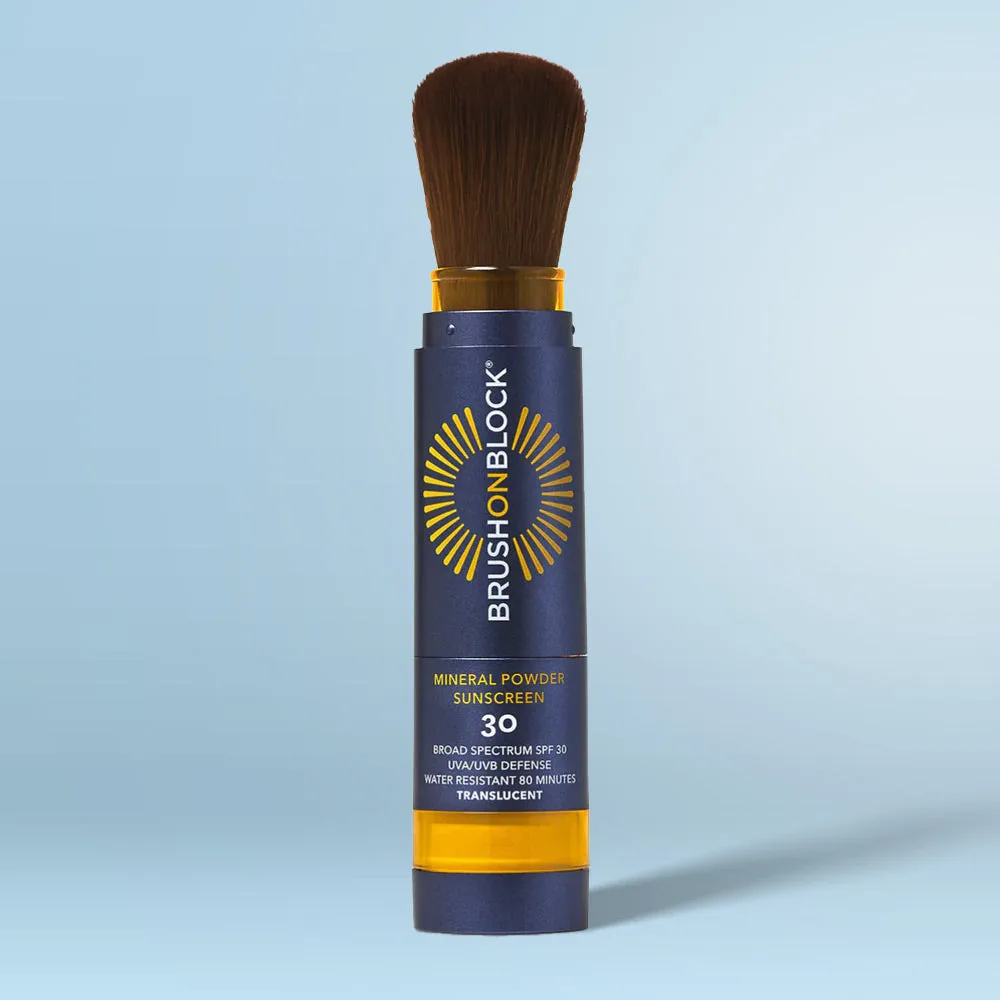
This was one of the first sunscreens engineered specifically as a powder reapplication tool rather than as a multi-tasking setting powder that incidentally contained SPF. The brush-applicator design and 24% total mineral filter load were built around the problem of reapplying sunscreen over makeup without disturbing the foundation underneath.
The specialty tool that solved the SPF reapplication problem. For anyone who wears makeup and wants to actually reapply sunscreen during the day, this powder is one of the rare products that does exactly what it claims. The price is the main catch, but the decade-plus track record and Skin Cancer Foundation endorsement back the investment.
Full protectionfor Sun DamageIn your profileYou chose · Broad-spectrum SPF 30 with titanium dioxide, zinc oxide: the protection sun damage calls for.Moderate evidenceGentleNo reviews collected yet
The case for it
Titanium Dioxide 12% is a first-line active — approved, monograph-listed or named in current guidelines — for this concern.
It is present at an effective concentration, declared or high in the ingredient list.
The formula carries none of the triggers this concern is sensitive to.
Same rule for everyone. “Full protection” is the verdict on 2,288 of 45,024 concern verdicts across the catalog; rule P1 decided 2,232 of them.
Unchanged since September 5, 2026, engine 5.1.1.
P1 — Photoprotection standing is regulatory (M020 / Annex VI filters; 21 CFR 201.327 attaches the early-skin-aging claim to tested broad-spectrum SPF 15+). SPF 30 is the AAD daily-use bar. · the full register
Carrying active
Titanium Dioxide 12%
Standing
first line — a regulator recognises it for this use; trials support it · per § 352.10 Sunscreen active ingredients. (U.S. Food and Drug Administration — 21 CFR Part 352 (Sunscreen Drug Products for Over-the-Counter Human Use), Code of Federal Regulations via GovInfo), opened July 27, 2026
Form
adequate (declared 12%) — studied range up to 25%, from the OTC monograph or label; needs leave-on contact
Tolerability
gentle
Row checked
against its sources on July 27, 2026 (evidence table ev-2026.09-r228)
21 CFR 352.10 — Sunscreen active ingredients — US Food and Drug Administration / Electronic Code of Federal Regulations (retrieved 2026-07-16; note stayed effective date), opened July 16, 2026
Full protectionfor MelasmaIn your profileYou chose · Broad-spectrum SPF 30 with iron oxides for visible light — what melasma needs from a sunscreen.Not yet assessedGentleNo reviews collected yet
The case for it
Titanium Dioxide 12% has no evidence row yet for this concern — it is in the research queue.
The formula carries none of the triggers this concern is sensitive to.
What would change this: A researched evidence row for the lead active would replace this with a verdict.
Same rule for everyone. “Full protection” is the verdict on 2,288 of 45,024 concern verdicts across the catalog; rule P2 decided 56 of them.
Unchanged since September 5, 2026, engine 5.1.1.
Full protectionfor HyperpigmentationIn your profileYou chose · Broad-spectrum SPF 30 with titanium dioxide, zinc oxide: the protection hyperpigmentation calls for.Not yet assessedGentleNo reviews collected yet
The case for it
Titanium Dioxide 12% has no evidence row yet for this concern — it is in the research queue.
The formula carries none of the triggers this concern is sensitive to.
What would change this: A researched evidence row for the lead active would replace this with a verdict.
Same rule for everyone. “Full protection” is the verdict on 2,288 of 45,024 concern verdicts across the catalog; rule P1 decided 2,232 of them.
Unchanged since September 5, 2026, engine 5.1.1.
P1 — Photoprotection standing is regulatory (M020 / Annex VI filters; 21 CFR 201.327 attaches the early-skin-aging claim to tested broad-spectrum SPF 15+). SPF 30 is the AAD daily-use bar. · the full register
Good choicefor SensitivityIn your profileYou chose · No fragrance, drying alcohol, declarable allergens or sensitising preservatives in this powder — the profile sensitive skin looks for.Not yet assessedGentleNo reviews collected yet
The case for it
Titanium Dioxide 12% has no evidence row yet for this concern — it is in the research queue.
The formula carries none of the triggers this concern is sensitive to.
What would change this: A researched evidence row for the lead active would replace this with a verdict.
Same rule for everyone. “Good choice” is the verdict on 1,938 of 45,024 concern verdicts across the catalog; rule F2 decided 1,938 of them.
Unchanged since September 5, 2026, engine 5.1.1.
Supporting rolefor RosaceaIn your profileYou chose · Nothing here targets rosacea directly; photoprotection against a known trigger is the recognised companion to treating it, and this powder does that without known triggers.Not yet assessedGentleNo reviews collected yet
The case for it
Titanium Dioxide 12% has no evidence row yet for this concern — it is in the research queue.
The formula carries none of the triggers this concern is sensitive to.
What would change this: A researched evidence row for the lead active would replace this with a verdict.
Same rule for everyone. “Supporting role” is the verdict on 8,197 of 45,024 concern verdicts across the catalog; rule R8 decided 4,250 of them.
Unchanged since September 5, 2026, engine 5.1.1.
R8 — The category's job (barrier care, humectant hydration, gentle cleansing, photoprotection) is the documented supportive role for this concern. This is the honest verdict for a moisturizer on an acne page. · the full register
Does the jobDoes what a sunscreen is for: UVA coverage, kind to the skin wearing it. Not measured from the label: pleasant enough to actually use.
A verdict is DermApproved’s assessment of how well a product’s ingredients fit a concern — never a claim about what the product treats. Evidence dots and collected reviews sit beside it and are never blended in.
Rules 0.5.1 · evidence table ev-2026.09-r228 · how we decide
Assessment
Pros & Cons
Pros
✓ 24% total mineral filter load for genuine SPF 30
✓ Self-contained brush applicator is purse-friendly and elegant
✓ Iron oxide tint adds visible-light protection for melasma
✗ Under-applied powder may not deliver full SPF 30
✗ Brush sheds hairs over extended use
✗ Best used as a reapplication tool, not a primary sunscreen
✗ Powder can drift on windy days before it sets
Review
Full Review
Here's a depressing fact about sunscreen compliance: most people who apply SPF in the morning never reapply it during the day. Dermatologists know this. Sunscreen companies know this. The whole industry quietly accepts it as a reality, and the honest explanation is simple — most sunscreens are liquids or creams that disturb makeup, leave greasy residues, or require you to wash your face and start over. If you're in an office at 2pm wearing foundation and mascara, you're not going to rinse your face and reapply SPF. So you don't. And over years of that compromise, your face accumulates the UV damage your morning routine was supposed to prevent.
Brush On Block was built specifically to solve that gap. Founded in 2012 by makeup artist Susan Posnick, the entire product exists because she wanted a way to reapply SPF during outdoor film shoots without ruining her models' carefully applied makeup. The brand never diversified into creams or liquids — it stayed focused on one thing: making a powder mineral sunscreen elegant enough to use over makeup and strong enough to actually protect. That decade-plus of specialization shows in the way this powder is engineered.
Inside the brush applicator is 24% total mineral filters — 12% titanium dioxide and 12% zinc oxide, which together provide broad-spectrum UVA and UVB coverage. Those are legitimate SPF 30 numbers, not a marketing approximation. The mineral filters are suspended in a base of mica, kaolin, boron nitride, silica, and iron oxides, which handle the texture and color-matching. Boron nitride is the ingredient responsible for the soft-focus finish — it's the same silky blurring powder used in high-end setting powders — and the iron oxides give the tint that helps the powder disappear on a wider range of skin tones and offers additional visible-light protection relevant for melasma management. The inactive list runs to seven ingredients total, closing with corn starch for slip and tocopheryl acetate as an antioxidant. No talc, no fragrance, nothing that would give a reactive complexion a reason to argue.
The brush applicator itself is a clever piece of design. A self-contained twist mechanism dispenses a small amount of powder into the brush head, and you tap off excess before applying. This prevents the oversaturated, cakey deposit that happens when you press a dense powder brush into a compact. Applied in circular motions over makeup — circular, not back-and-forth, which is the difference between a smooth layer and a streaky one — it deposits a light, even coat that sets the underlying foundation while adding SPF coverage. It doesn't disturb eye makeup, it doesn't require mirror time, and it packs down into a purse without leaking.
On actual performance, this powder does what it promises — but with one honest caveat. FDA sunscreen testing is done at 2mg per square centimeter, and most users don't apply anywhere near that amount of powder. This is the heart of the "powders can't really give you SPF" objection, and the truth sits in the middle: the filter load is real and the SPF 30 rating is earned in testing, but the amount that actually lands on your face in ordinary use is the variable nobody can control for you. In practice, the powder is best thought of as a reapplication tool over a liquid sunscreen base, not as your only SPF for the day. If you apply your morning liquid sunscreen at the recommended amount and then use this powder to reapply midday, you're getting the benefit the product was designed to deliver. If you're trying to use this as your only sunscreen on a beach day, you're under-protected.
The powder shines as a workday reapplication tool, a travel SPF, and a makeup-friendly option for anyone with oily or combination skin who can't tolerate reapplying liquid sunscreens — the matte, oil-absorbing finish is a genuine bonus at hour six of a long day. It's also an excellent pick for sensitive and rosacea-prone skin because the filter system is pure mineral with no added chemical UV absorbers or fragrances, and it's one of the few sunscreens that raises no fungal-acne concerns at all. For melasma users, the iron oxide tint adds visible-light protection that pure clear sunscreens lack, and it keeps the white cast well below what an untinted mineral powder would leave — though the deepest skin tones will still see it.
The main limitations are the price and the application learning curve. At thirty-five dollars for 12 grams, this is not a cheap sunscreen by per-gram measure. The refill options bring down long-term costs, but the initial investment is real. The brush also sheds a few hairs over extended use, and the powder can drift on windy days before it settles into makeup. None of these are deal-breakers for the use case the product serves, but they're real tradeoffs for anyone considering whether it fits their routine. In its favor: a 24-month shelf life and four to six months per unit at daily midday use mean nothing goes to waste.
Value is the subjective part. If you currently don't reapply SPF during the day, buying this to start doing so is a high-value move — you're trading thirty-five dollars for actual sun protection you weren't getting before. If you already reapply a liquid sunscreen diligently and don't wear makeup, the powder doesn't add much beyond what you're already doing. The Skin Cancer Foundation seal of recommendation and decade-plus of dermatologist endorsement put this in the category of specialty tools worth paying for — but only if the specialty it addresses is one you actually need.
Formula
Key Ingredients
The hero actives that drive this product's performance.
Provides the broad-spectrum UVA and UVB defense that makes this powder function as a legitimate sunscreen rather than just a setting powder. Physical UV scatterer that's also non-sensitizing, making it well-suited for the reapplication-over-makeup use case the powder format enables.
Regulator-approvedfor Sun Damage · limited certainty
Partners with zinc oxide to cover the full UV spectrum, with titanium dioxide handling more of the UVB burden while zinc oxide anchors UVA protection. The combined 24% mineral filter load is what allows the powder to meet SPF 30 claims without a liquid vehicle.
Regulator-approvedfor Sun Damage · limited certainty
Oil-absorbing and skin-smoothing powders that function as the delivery vehicle for the mineral filters while also blurring skin texture. The boron nitride in particular is responsible for the soft-focus finish that makes this powder more elegant on bare skin than a pure mineral setting powder.
Provide the tinted, skin-matching pigment that helps the powder blend into a wider range of skin tones. Iron oxides also offer documented protection against visible light, which matters for melasma and post-inflammatory hyperpigmentation beyond UV concerns.
Not yet assessed
Ingredient standings describe the active at treatment-level doses and
vehicles; this product's own condition grades weigh its actual formula.
Use over your primary liquid sunscreen and makeup for reapplication throughout the day. Not intended as a primary-only SPF — the coverage depends on application thickness.
Results Timeline
Immediate UV protection upon application. Long-term benefits include easier SPF reapplication compliance and reduced sun damage from consistent use.
Mineral sunscreens based on zinc oxide and titanium dioxide are among the most thoroughly studied and consistently recommended SPF actives in dermatology. A 2020 review in the Journal of the American Academy of Dermatology documented the safety and efficacy of mineral filters, particularly for patients with sensitive skin, rosacea, and melasma. The specific value of iron oxides for visible light protection has been a growing topic in recent years, with research showing that iron oxides offer meaningful defense against the 400-500nm blue light range that contributes to melasma pigmentation — a protection that pure transparent zinc oxide formulations cannot match. This is why tinted mineral sunscreens are increasingly recommended for melasma patients over untinted alternatives. The powder format itself presents a well-documented compliance advantage: studies on sunscreen reapplication behavior show that users are much more likely to reapply SPF during the day when the reapplication method doesn't disturb makeup or require mirror time. What powder formats cannot reliably deliver is primary SPF protection at labeled values, because the applied amount in real-world use typically falls below the 2mg/cm² testing standard. The formulation science here is solid; the honest caveat is in user behavior, not the product itself.
References
Visible light and skin: roles and protection — Journal of the American Academy of Dermatology (2020)
Dermatologist Perspective
Dermatologists frequently recommend powder mineral sunscreens as reapplication tools for patients who wear makeup and struggle with midday SPF reapplication. A widely shared clinical view is that compliance with reapplication recommendations is one of the biggest gaps in sun protection behavior, and that powder formats meaningfully improve real-world reapplication rates. Brush On Block specifically holds the Skin Cancer Foundation seal of recommendation, which is not easily granted and reflects the brand's decade-plus track record and third-party testing. Dermatologists typically caution patients that powder sunscreens work best as a layered reapplication tool rather than as a primary SPF, and that a liquid or cream sunscreen should still be applied in the morning before layering the powder.
Guidance
Usage & Recommendations
How to Use
Twist the base of the brush to dispense a small amount of powder into the bristles. Tap off excess on the back of your hand or a tissue. Apply in small circular motions over clean skin or over makeup, focusing on high-exposure areas like the forehead, nose, cheeks, and tops of ears. Reapply every two hours during sun exposure. For everyday office use, reapply at least once midday. Not intended as a primary standalone sunscreen — pair with a liquid SPF in the morning for reliable coverage.
Value Assessment
At thirty-five dollars for 12 grams, this is a premium-priced specialty product, not a budget SPF. Comparable powder sunscreens run twenty to forty-five dollars depending on brand and formulation. The Brush On Block price reflects a decade of brand specialization, the Skin Cancer Foundation endorsement, and the refillable applicator design. Refill cartridges bring down long-term ownership costs, which improves the value proposition for consistent users. The honest assessment is that this is worth the money if you actually use it as designed — daily midday reapplication over makeup — and overpriced if you already reapply liquid sunscreen diligently. Think of it as a compliance tool more than a protection tool, and value it accordingly.
Who Should Buy
Anyone who wears makeup and wants a genuinely elegant way to reapply SPF throughout the day. Also ideal for oily and combination skin, sensitive users who can't tolerate reapplying liquid sunscreens, melasma patients who benefit from iron oxide visible-light protection, and anyone who travels frequently and needs a purse-friendly SPF.
Who Should Skip
Budget-conscious shoppers who need a primary sunscreen rather than a reapplication tool, people who don't wear makeup and already reapply liquid SPF diligently, and those with very dry skin who find powders drying or accentuating of texture.
Ready to try Brush On Block Mineral Sunscreen Powder SPF 30?
Ultra-fine powder that deposits a light layer without cakey buildup
Scent
None
Packaging
Self-contained brush applicator with twist-lock and clear cap, 12g
Finish
mattesatin
What to Expect on First Use
First use feels like any setting powder. No tingling or discomfort. Most users find it easiest to apply in circular motions over makeup rather than back-and-forth strokes.
Brush On Block was founded in 2012 by Susan Posnick, a makeup artist who wanted an elegant way to reapply sunscreen during outdoor filming without ruining her models' makeup. The brand never expanded beyond the powder sunscreen category — a rare example of a single-product specialty brand that earned dermatologist recommendations through decade-plus consistency.
About Brush On Block Established Brand (5–20 years)
Brush On Block launched in 2012 focused exclusively on powder sunscreen delivery. The brand has been recommended by dermatologists for over a decade as a reapplication tool and has built a reputation around a single-format specialization rather than a broad skincare line.
Brand founded: 2012 · Product launched: 2012
Myth vs. Reality
Common Myths
Myth
A powder can't give real SPF protection
Reality
When applied evenly and in the right amount, a 24% mineral filter powder does provide measurable SPF 30 protection. The catch is that most users under-apply relative to the FDA testing amount, so in practice it's best used for reapplication over a liquid SPF.
Myth
Mineral powder sunscreens leave a white cast
Reality
This specific product uses iron oxides to color-match a wider range of skin tones, which minimizes white cast on medium and deep skin. It's not invisible on the deepest skin tones, but it's far less visible than untinted mineral powders.
FAQ
Frequently Asked Questions
Can I use Brush On Block as my only sunscreen?
It's better used as a reapplication tool over a liquid sunscreen rather than as your only SPF. Most users don't apply enough powder to reach the FDA testing thickness needed for full SPF 30 protection, so pairing it with a liquid base ensures reliable coverage.
How often should I reapply?
Every two hours during sun exposure, or whenever you feel your makeup needs a touch-up. The brush applicator makes it easy to do quick reapplication throughout a workday or outdoor event.
Does it work over makeup?
Yes — this is exactly what it was designed for. The powder deposits over foundation without disturbing it, and the tinted version color-matches better than untinted setting powders.
Is Mineral Sunscreen Powder SPF 30 gentle enough for reactive skin?
Yes — the formula is fragrance-free, talc-free, and uses only mineral filters that are well-tolerated by sensitive and rosacea-prone skin. No chemical UV filters to sensitize reactive users.
How long does one brush last?
With daily midday reapplication, roughly 4-6 months per 12g brush. Refills are available if you want to keep the original brush handle.
Does it help with melasma?
The iron oxide tint provides documented protection against visible light, which is relevant for melasma management in addition to the UV protection from the mineral filters. It's a useful add-on in a melasma routine, not a replacement for a dedicated tinted liquid SPF.
Reviews
What Reviewers Tend to Say
Recurring themes our editors read across retailer reviews of this product — summaries in our words, not quotations, and not a substitute for your own patch test.
Common Praise
Easy to reapply over makeup
No white cast in iron oxide tints
Sets makeup nicely
Common Complaints
Expensive for the amount of product
Brush can shed hairs over time
Powder can travel on windy days
Notable Endorsements
Dermatologist-recommended for reapplicationSkin Cancer Foundation seal of recommendation
At one o'clock the morning's protection has degraded and there is a full face on top of it. The available answers run from genuinely useful to ritual with a label, and the ranking is not the one the marketing suggests.
Men arrive at scalp care through flaking and stop there, which leaves the two bigger problems — sun dose and misdiagnosed folliculitis — running quietly for years.
The part in your hair is a bare strip of sun-exposed scalp that almost never sees SPF — and scalp melanoma is diagnosed later and kills more often than melanoma almost anywhere else on the body.
Every pigment-fading active runs against a re-pigmenting stimulus, and for melasma part of that stimulus is visible light — which broad-spectrum sunscreen does essentially nothing about unless you can see it on your face.
Aug 7, 2026· 8 min
Questions people ask about Melasma
Verified answers from our questions library — the nuance a product page cannot carry.
Products, answers, therapy guides, tools and articles in one search. Brand names,
slang and abbreviations all work — accutane finds isotretinoin, bacne finds truncal acne.