Best Affordable Retinol
Updated September 2026 · independently researched, no sponsored placements
Our top 40 picks, ranked from 85 reviewed products — ordered by how well each product does its category’s job.












How to Choose
The best affordable retinols prove that this is one ingredient where price and results genuinely part ways — retinol is retinol, and a $12 formula delivers the same molecule as a $120 one. What actually determines whether a cheap retinol works isn't the price tag; it's the concentration, the stability of the packaging, and whether you can tolerate it consistently.
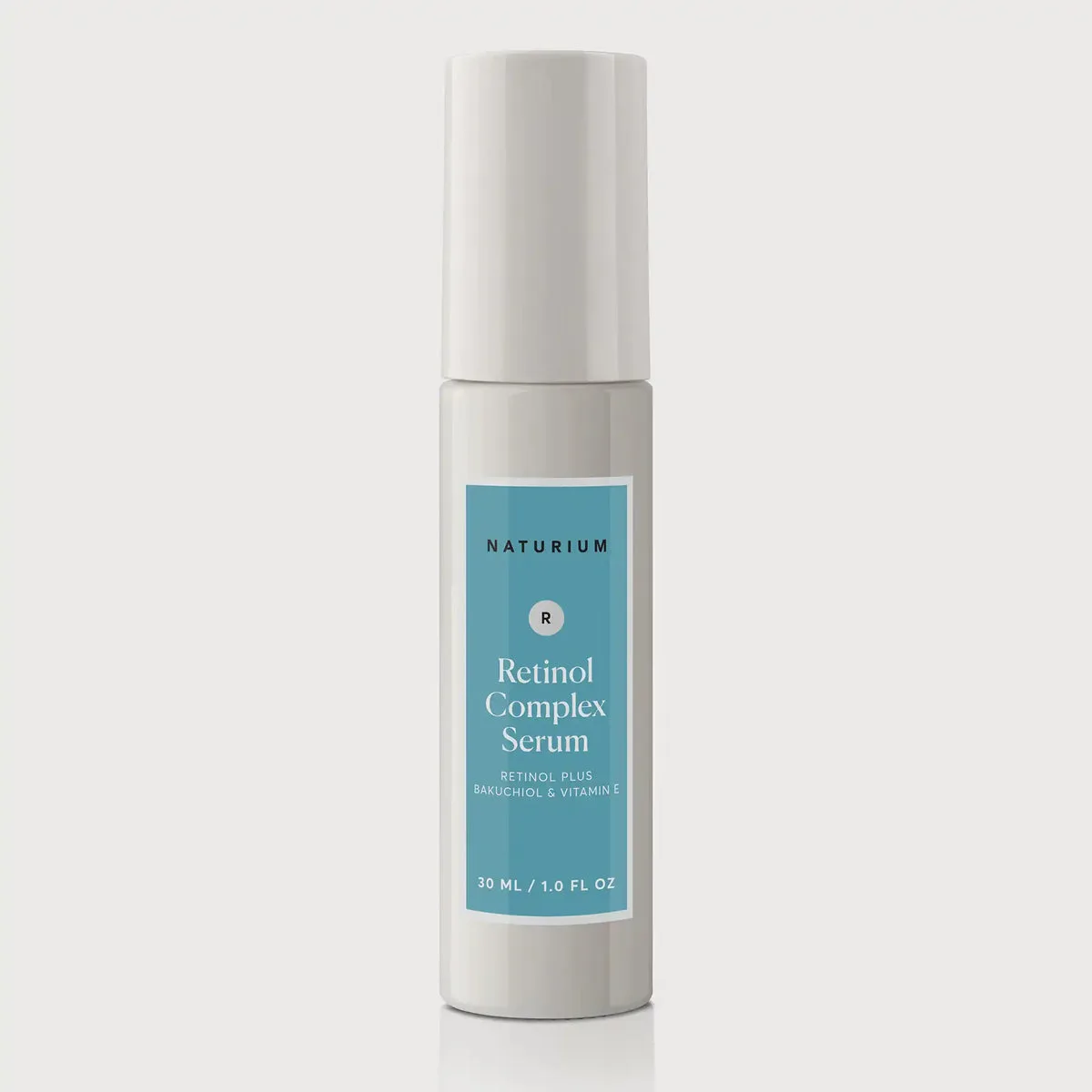
Retinol oxidizes in light and air, so the formulas worth buying come in opaque, air-restrictive tubes or pumps regardless of cost. 2% in Squalane ($8) are the textbook budget entry points, while CeraVe's Skin Renewing Retinol Serum ($25) and Naturium's Retinol Complex ($21) cushion the active with ceramides and niacinamide to blunt the irritation that derails most beginners. That cushioning is the real value play: a buffered low-strength retinol you'll actually keep using beats a high-strength one that drives you to quit in week two. Start at the lowest concentration, two nights a week, always at night, always with SPF the next morning. The trap is chasing percentages — going straight to a strong formula doesn't speed results, it just speeds the peeling. One honest caveat: retinol is a months-long commitment, not a quick fix; expect smoother texture by 8–12 weeks, not overnight. At $8 to $25, there's no reason to overpay to get started.
Buying Guide
Concentration and packaging matter far more than price with retinol. Beginners should start low — around 0.2% to 0.3% retinol, or a gentler granactive retinoid — and only step up once skin tolerates it, since a buffered low-strength formula you use consistently outperforms a potent one you abandon. Insist on opaque, air-restrictive packaging (a tube or pump, never a clear jar), because retinol degrades fast when exposed to light and air, and that's true at every price point. Look for supporting ingredients that reduce irritation: ceramides, niacinamide, squalane, or bakuchiol help buffer the active and keep the barrier intact through the adjustment period. Decide between a serum and a cream by your skin's dryness — creams suit drier or more reactive skin, lighter serums suit oilier types. Set price expectations low, since the best affordable options run $8 to $25 and match pricier ones molecule for molecule; spend up only for a texture or buffering blend you'll genuinely stick with. And budget for sunscreen, because daily SPF isn't optional once retinol is in your routine.
Frequently Asked Questions
Does cheap retinol work as well as expensive retinol?
Yes — at the same concentration and with comparable packaging, an affordable retinol delivers the identical active molecule as a luxury one. What determines results is the percentage, stable air-restrictive packaging, and consistent use, not the price, so a well-formulated $12 retinol can match a $100 product.
What strength of retinol should a beginner start with?
Start low, around 0.2% to 0.3% retinol or a gentle granactive retinoid, used just two nights a week. Building tolerance slowly prevents the peeling and irritation that cause most beginners to quit, and you can step up the strength or frequency once your skin adjusts.
How long does affordable retinol take to show results?
Retinol is a slow burn — expect smoother texture and a more even tone around 8 to 12 weeks of consistent use, not overnight. Higher concentrations don't speed up results; they mainly increase irritation, so patience beats potency here.
Why does retinol packaging matter so much?
Retinol breaks down quickly when exposed to light and air, losing potency, so it needs opaque, air-restrictive packaging like an aluminum tube or airless pump. A retinol sold in a clear glass jar is likely to degrade before you finish it, regardless of how much it costs.
Can I use affordable retinol around my eyes?
The under-eye area is thin and sensitive, so use retinol there cautiously — a lower-strength formula or a dedicated retinol eye product reduces the risk of irritation. Buffering with a moisturizer first, or choosing a gentle option like a granactive retinoid, helps the delicate skin adjust.