Best Sunscreens for Anti-Aging
Updated September 2026 · independently researched, no sponsored placements
Our top 20 picks, ranked from 336 reviewed products — ordered by each product's aging verdict, then evidence strength.
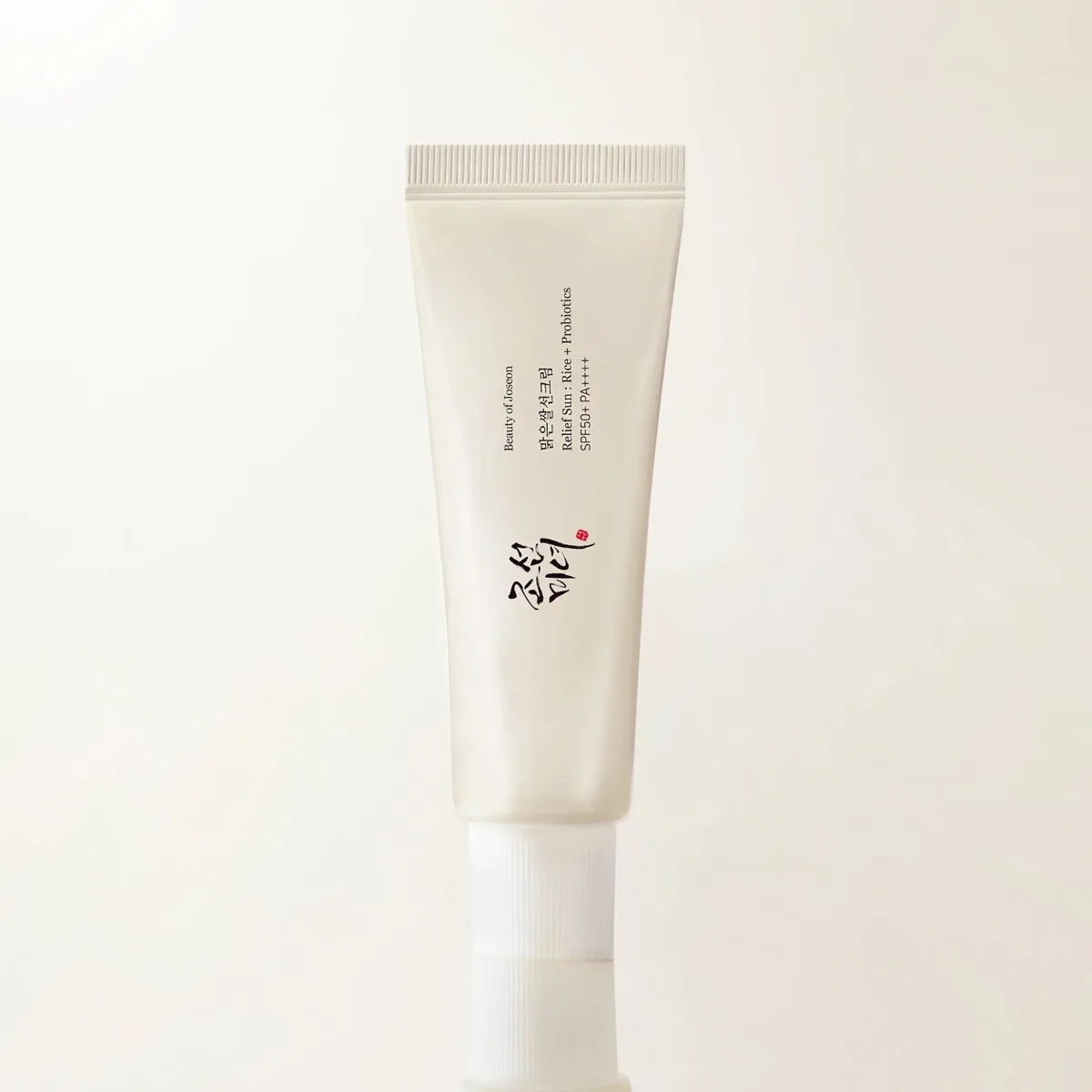


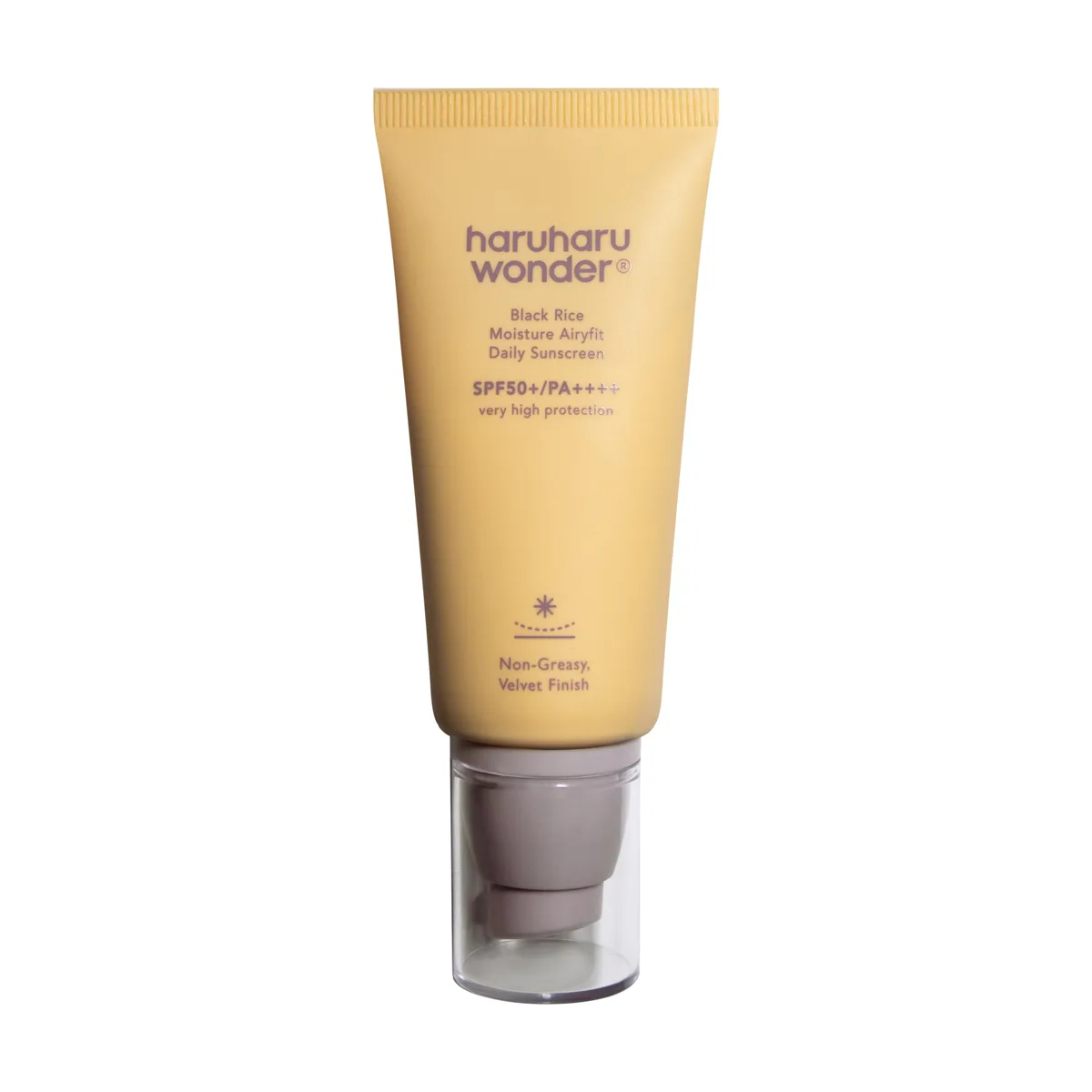
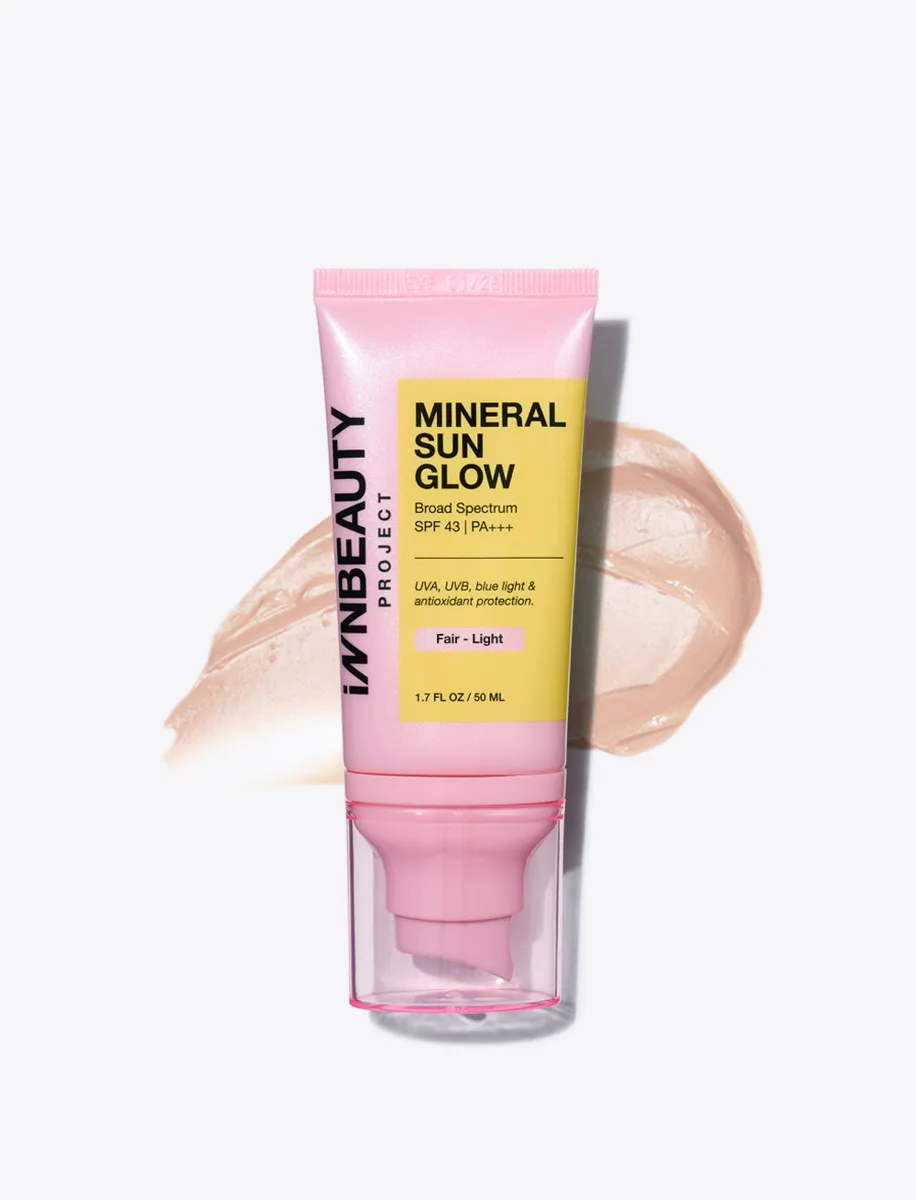
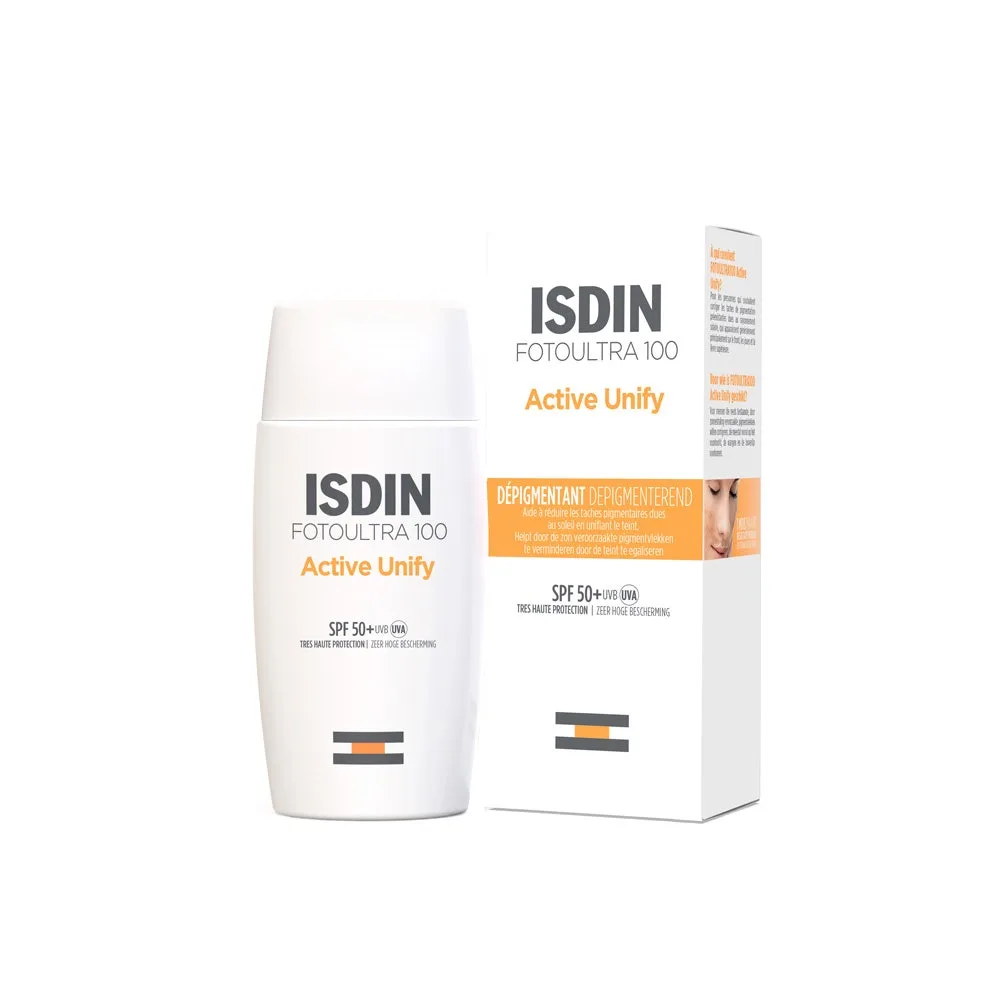
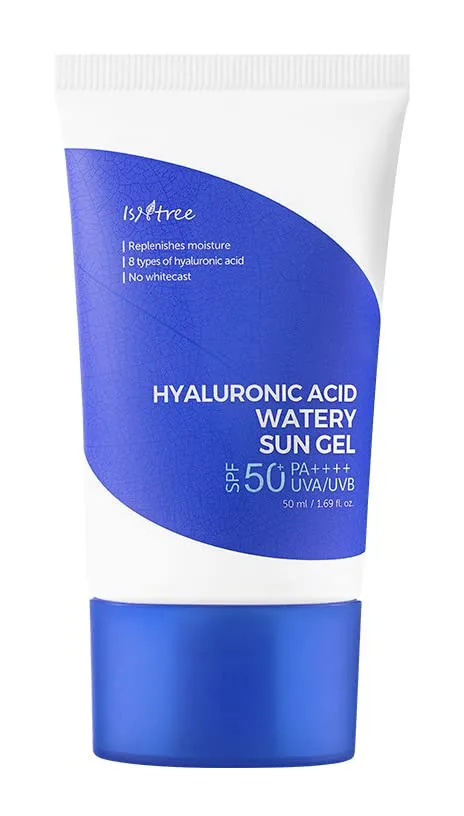


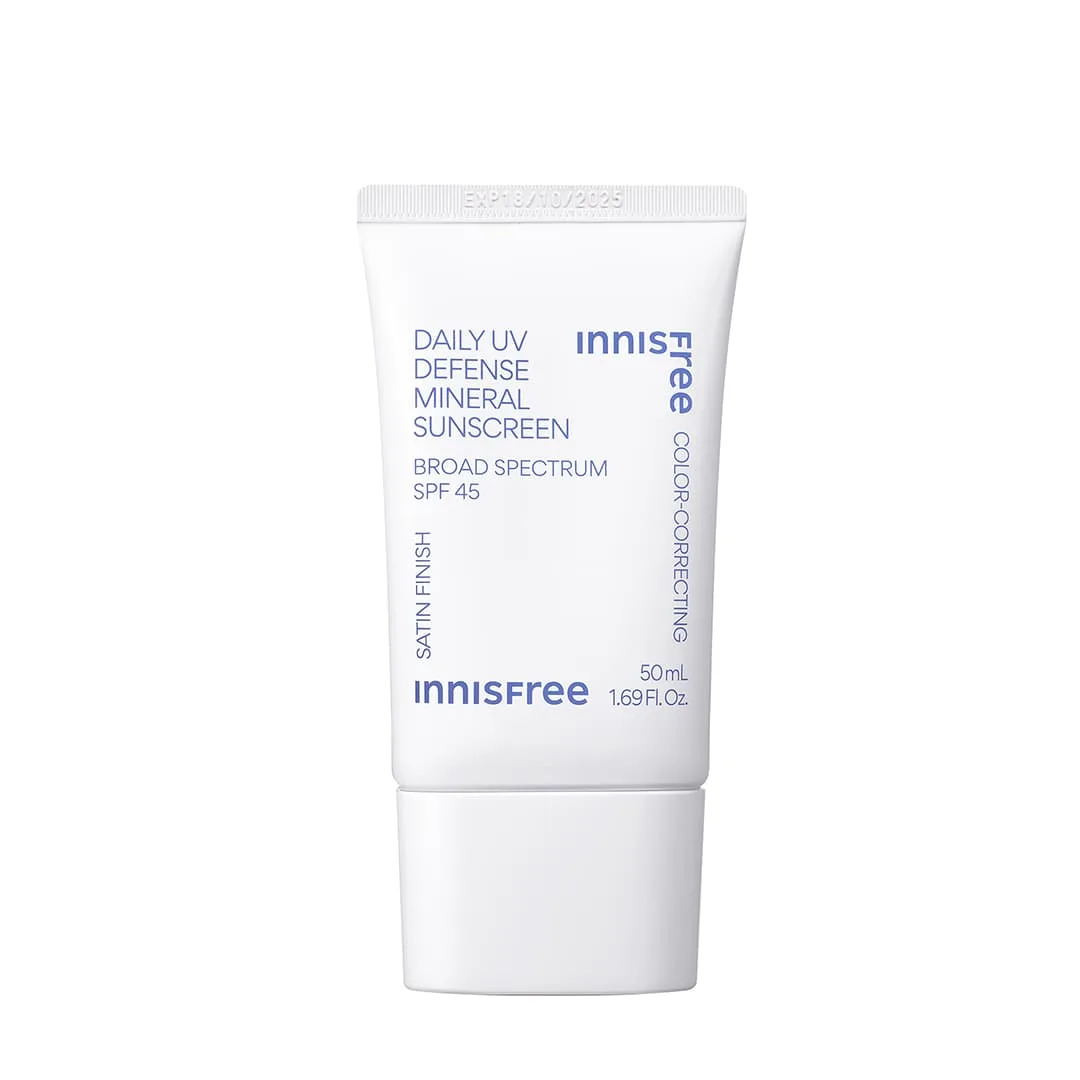


How to Choose
If you buy one anti-aging product, make it sunscreen — UV exposure drives the overwhelming majority of visible facial aging, so daily SPF prevents more wrinkles, sagging, and dark spots than any serum on your shelf. Researchers estimate that up to roughly 80–90% of how 'aged' a face looks comes from sun exposure (photoaging) rather than the calendar; UVA rays in particular penetrate deep to degrade collagen and elastin, the proteins that keep skin firm and smooth.
No retinol or vitamin C can outrun damage you keep accumulating, which is why dermatologists treat sunscreen as the foundation of every anti-aging routine, not the optional last step. The best anti-aging sunscreens earn that title with strong, stable UVA protection — look for modern filters like Tinosorb (Benton Air Fit, $21; Aestura Vita-C, $27) or a robust mineral base of zinc oxide — plus antioxidants like vitamin C, vitamin E, and niacinamide that mop up the free radicals UV generates. A daily moisturizing or tinted SPF also doubles your routine, and the iron oxides in tinted formulas (TiZO 3, La Roche-Posay) shield against visible light that worsens pigmentation. The honest caveat: sunscreen is preventive, not corrective — it protects the collagen you have rather than rebuilding what's lost, so pair it with a retinoid at night for the repair side. At $4–$75, with standouts at $14–$22, this is the highest-return anti-aging dollar you'll ever spend.
Buying Guide
Prioritize UVA protection, because UVA is the wavelength that drives deep collagen breakdown and long-term aging — not just the surface burn UVB causes. Look for the word 'broad-spectrum' plus modern, photostable filters: Tinosorb and Uvinul A Plus in chemical formulas (Benton, Aestura), or a solid zinc-oxide mineral base (MDSolarSciences, Naturium) for sensitive skin. Treat antioxidants as a meaningful bonus rather than decoration — vitamin C, vitamin E, and niacinamide neutralize the free radicals UV creates and support the skin's defenses, so a sunscreen carrying them does double duty. Consider a tinted formula with iron oxides if pigmentation and uneven tone are part of your aging concern, since they block visible light too. Choose a texture elegant enough to wear and reapply every single day, because consistency is the entire mechanism here — an SPF 30+ you apply daily beats an SPF 50 you skip. Finally, set expectations: sunscreen prevents future damage but won't reverse existing wrinkles, so pair it with a nighttime retinoid for the corrective half of an anti-aging routine.
Frequently Asked Questions
Is sunscreen really the best anti-aging product?
Yes — most dermatologists agree daily sunscreen is the single most effective anti-aging step, because UV exposure causes the large majority of visible facial aging. It prevents the collagen and elastin breakdown that leads to wrinkles and sagging, damage no serum can fully undo once it's happened. For best results, use it alongside a retinoid, which addresses the repair side.
What SPF should I use to prevent wrinkles and aging?
Use at least SPF 30, broad-spectrum, every day — the broad-spectrum label is crucial because UVA rays, which drive deep collagen damage, aren't reflected in the SPF number alone. Higher SPF like 50 adds a small safety margin, useful if you tend to under-apply. Daily, consistent use matters far more than the exact number.
Do antioxidants in sunscreen actually help with aging?
They provide a genuine secondary benefit. Antioxidants like vitamin C, vitamin E, and niacinamide neutralize free radicals generated by UV exposure, which is part of how sun accelerates aging. They don't replace the filters' protection, but a sunscreen that includes them, such as Aestura's Vita-C or Naturium's Dew-Glow, offers extra defense in a single step.
Can sunscreen reverse existing sun damage and fine lines?
Sunscreen is preventive rather than corrective — it protects the collagen you still have but won't rebuild what's already lost or erase established wrinkles. That said, consistent daily use lets your skin's natural repair processes catch up and prevents new damage from compounding. To actively improve existing fine lines and tone, pair sunscreen with a nighttime retinoid and antioxidants.
- Skin Longevity'Longevity' Is Both a Real Field and a Legally Convenient WordThe vocabulary swap is doing two jobs at once — pointing at genuine senescence research, and letting the same formulas make claims that are much harder to disprove.
- Skincare in Your 20sNothing Falls Off a Cliff in Your Thirties. That's Exactly Why the Panic Sells.The decade is marketed as an emergency requiring a whole new regimen, when the measurable biology is a shallow slope and most of what people suddenly notice was banked years earlier.