
Building a Vitamin C Skincare Routine That Actually Works
Updated September 2026 · picks refresh with our database
Morning is when vitamin C earns its keep. UV and pollution generate free radicals all day, sunscreen intercepts most of the assault, and a vitamin C serum underneath mops up what gets through — research has repeatedly shown the antioxidant-plus-SPF combination protects better than sunscreen alone. That synergy is the whole architecture of this routine: cleanse, apply vitamin C to dry skin, moisturize, then seal it under sunscreen. Over weeks, the same serum also chips away at dullness and uneven tone by interrupting the enzyme that drives excess pigment production.
A word on formats, because the label matters here more than with most actives. L-ascorbic acid is the form with the deepest evidence — it's what the landmark studies used, ideally at 10-20% with a low pH — but it's also unstable and can sting reactive skin. Derivatives like tetrahexyldecyl ascorbate or ethylated forms trade some of that proven punch for stability and gentleness, and for many people that's a fair deal, because the best vitamin C is the one you use daily rather than the strongest one on paper.
The unglamorous truth nobody prints on the box: vitamin C oxidizes. If your serum has turned amber-orange or smells metallic, the ascorbic acid has largely degraded and you're applying expensive water. Buy small sizes, keep the bottle capped and out of light, and expect to replace it every three to four months. Brightening results follow the same timeline — noticeably fresher tone within four to eight weeks, with stubborn dark spots needing a full three months of daily use.
Building a Vitamin C Skincare Routine That Actually Works
dermapproved.com/routines/vitamin-c/ · September 2026
Morning Routine

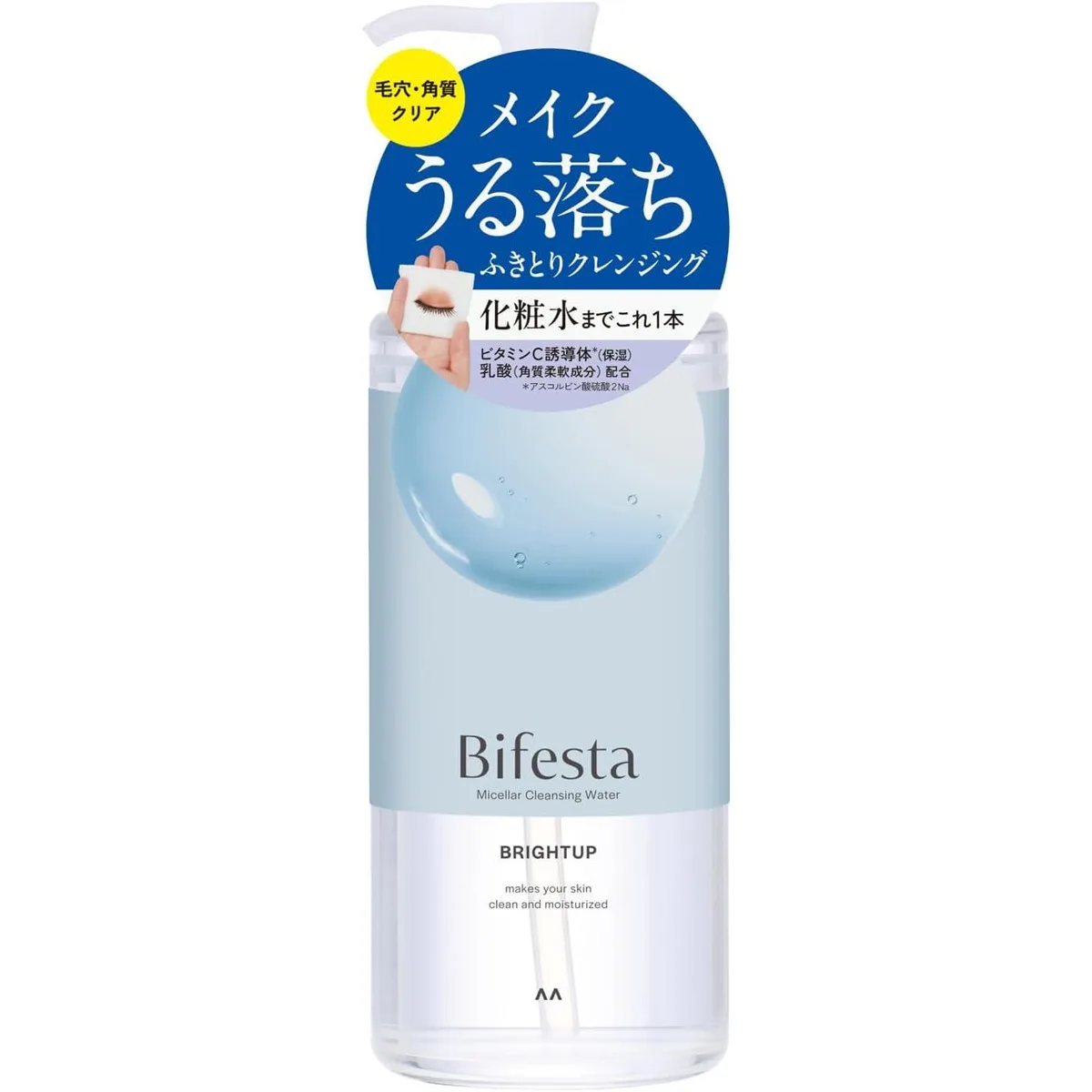

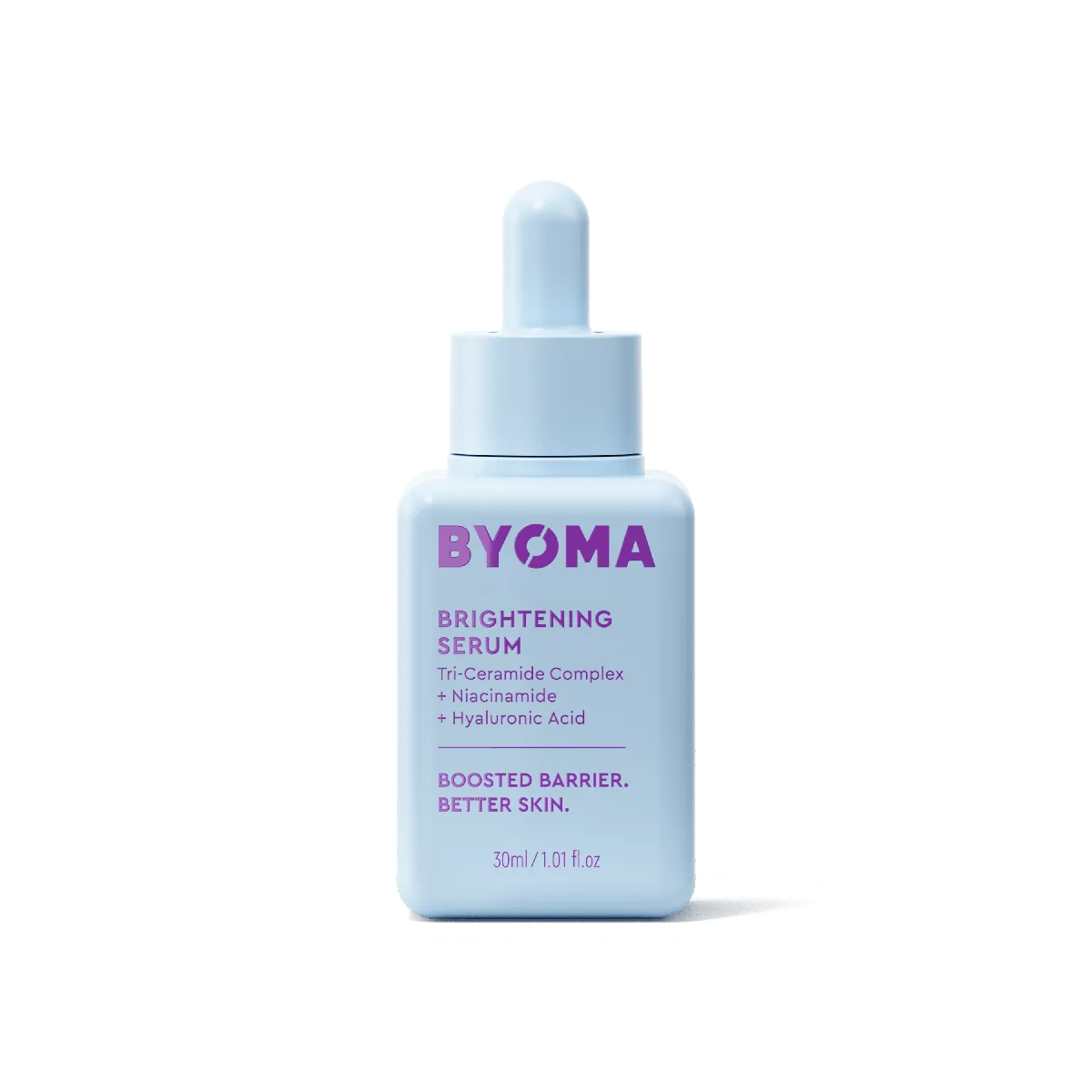




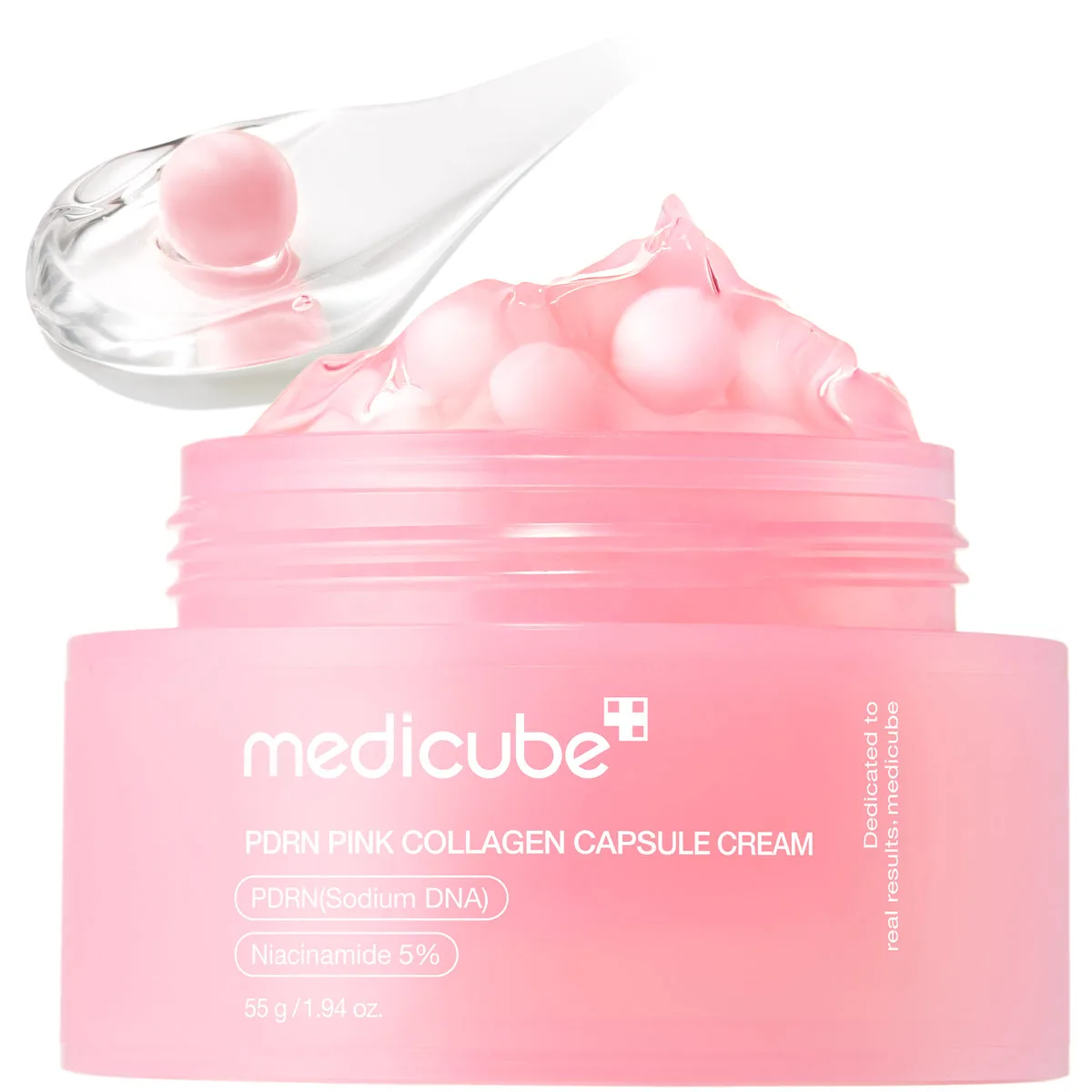

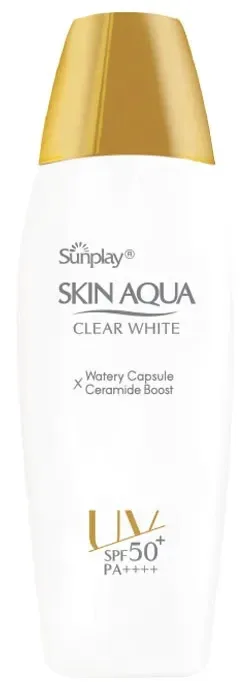
Sunscreen
Dr. Sheth's
Dr. Sheth's Ceramide & Vitamin C Sunscreen SPF 50
Final morning step — apply generously and reapply every two hours in direct sun.


Evening Routine
Cleanser CeraVe Brightening Vitamin C Facial Cleanser — same as your morning cleanser
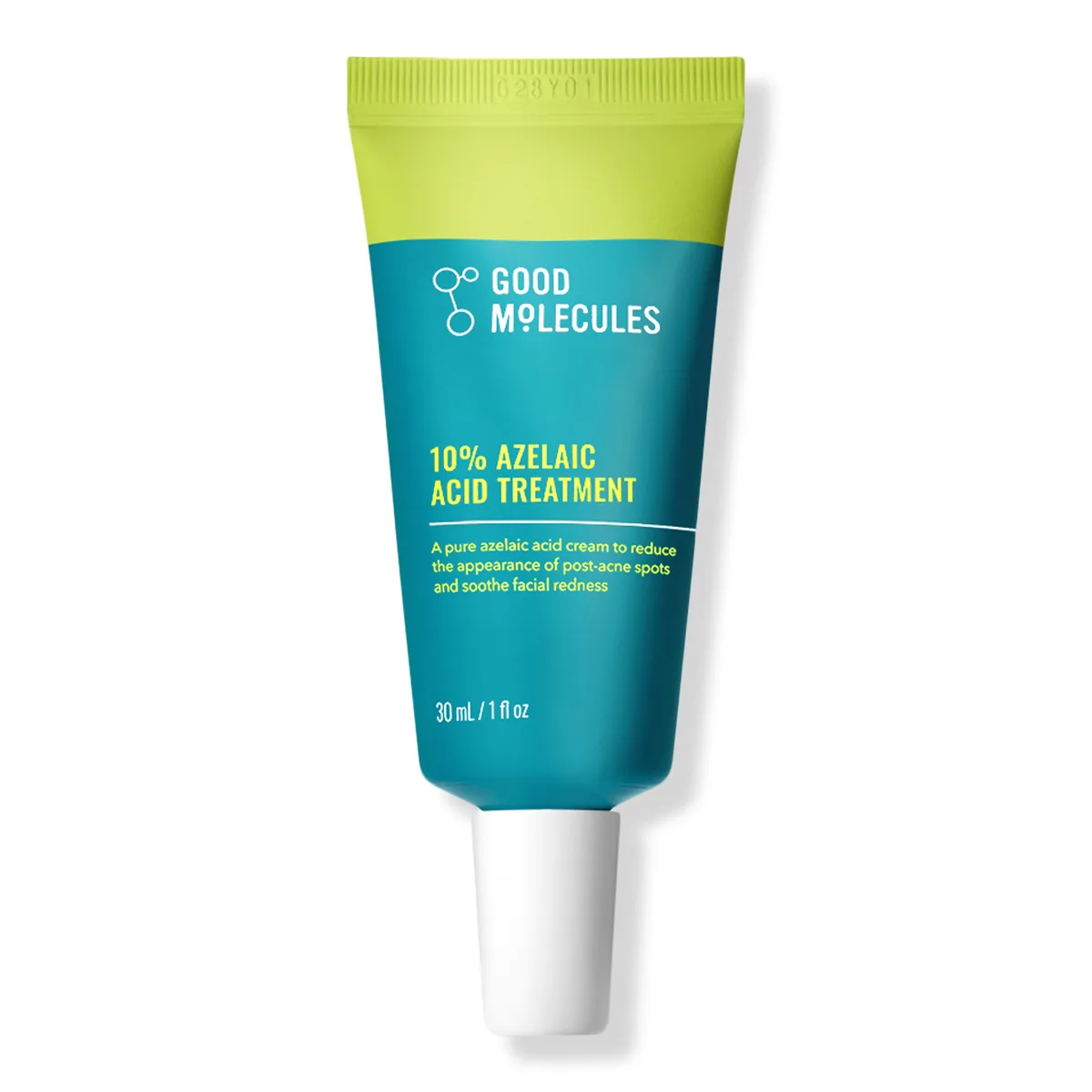


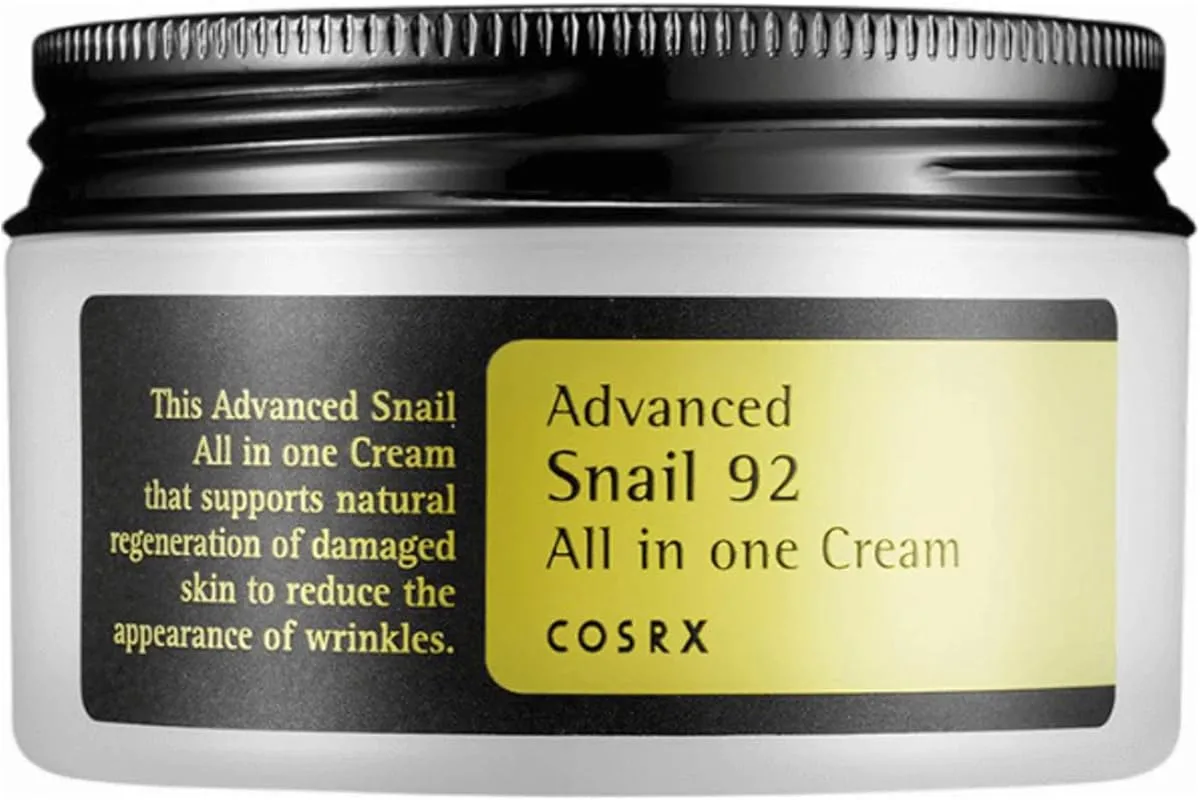
Moisturizer COSRX Advanced Snail 92 All in One Cream — same as your morning moisturizer
Independently scored, no sponsored placements — dermapproved.com
Not quite your skin?
This routine is one profile. Answer six quick questions and our engine rebuilds it around your exact skin type, concerns, budget, and experience with actives.
Frequently Asked Questions
Should vitamin C go on before or after moisturizer?
Before. Apply it to clean, dry skin as your first layer in the morning so the low-pH serum reaches skin directly, wait a minute or two, then follow with moisturizer and sunscreen. Layering it over creams dilutes penetration, especially for L-ascorbic acid formulas.
How can I tell if my vitamin C serum has gone bad?
Color is the giveaway: fresh L-ascorbic acid formulas are clear to pale champagne, and deep yellow, orange, or brown means significant oxidation. A metallic or sour smell confirms it. Oxidized vitamin C isn't dangerous, but it has lost most of its antioxidant value and occasionally leaves a faint tint on skin.
Is L-ascorbic acid better than vitamin C derivatives?
It has the strongest research record — the classic photoprotection and collagen studies used it at 10-20%. But it stings some skin and degrades quickly. Derivatives are more stable and gentler with a thinner evidence base. If pure ascorbic acid makes you red and reactive, a derivative you tolerate daily beats a stronger formula you avoid.
Can vitamin C and niacinamide be used in the same routine?
Yes. The old claim that they cancel each other out came from 1960s experiments on unstabilized ingredients at high heat — conditions no modern formula experiences. Plenty of current products combine them deliberately, and the pair covers brightening from two different mechanisms.
How long does vitamin C take to fade dark spots?
Plan on eight to twelve weeks of daily morning use for visible fading of sun spots and post-acne marks, with general brightness improving sooner, around week four. It works by slowing new pigment production, so protecting the spot from UV with daily sunscreen is half the result.
Products are selected by our matching engine from independently scored reviews — no sponsored placements. Recommendations are not a substitute for professional dermatological advice; if you have a diagnosed skin condition, consult your dermatologist before starting a new routine.
The reading behind this
- DIY & At-HomeYou Can Mix L-Ascorbic Acid at Home. Keeping It Alive Is the Hard Part.The one home formulation with a genuinely coherent case, taken apart on its own terms: the pH window, the oxidation clock, and what a browning serum has actually become.
- Vitamin C & AntioxidantsMost Vitamin C Rules Are Folklore. Four Are Chemistry.The pH threshold is real, the niacinamide feud is not, and the thing most likely to kill your serum is the shelf you keep it on.