How to Build a Glycolic Acid Routine (Without Wrecking Your Barrier)
Updated September 2026 · picks refresh with our database
Glycolic acid is the smallest molecule in the AHA family, which is both its superpower and its catch. That tiny size lets it slip between dead surface cells and dissolve the bonds holding them on, revealing the smoother, more light-reflective skin underneath faster than any other over-the-counter acid — and it's why glycolic delivers more sting and more potential for overdoing it than its gentler cousins. The single most important decision in this routine isn't which product you use; it's how often.
Here's the counterintuitive part: two to three nights a week beats nightly use for almost everyone. Exfoliation removes cells your skin then spends days replacing, and lapping that renewal cycle just accumulates irritation while the glow plateaus. On acid nights, the treatment goes on clean, dry skin, followed by a plain moisturizer to reseal the barrier. Off nights are recovery nights — hydration only, no other exfoliants, no retinoids layered on top the same evening. Resist the urge to add a scrub, a peel pad, and an acid toner into the same week; stacking exfoliants is the fastest route from glowing to raw.
One obligation comes bundled with every AHA: sun protection. Glycolic acid measurably increases UV sensitivity, and the effect lingers for days after each use, not just the next morning. Daily broad-spectrum sunscreen isn't optional here — without it you're trading fresh skin for new sun damage at a loss. Handled with that discipline, expect noticeably smoother texture within two to three weeks and a more even, brighter tone by week six.
How to Build a Glycolic Acid Routine (Without Wrecking Your Barrier)
dermapproved.com/routines/glycolic-acid/ · September 2026
Morning Routine


Serum
Mediheal
Mediheal Vitamin C Brightening Serum
Works best in the morning, layered under sunscreen.




Sunscreen
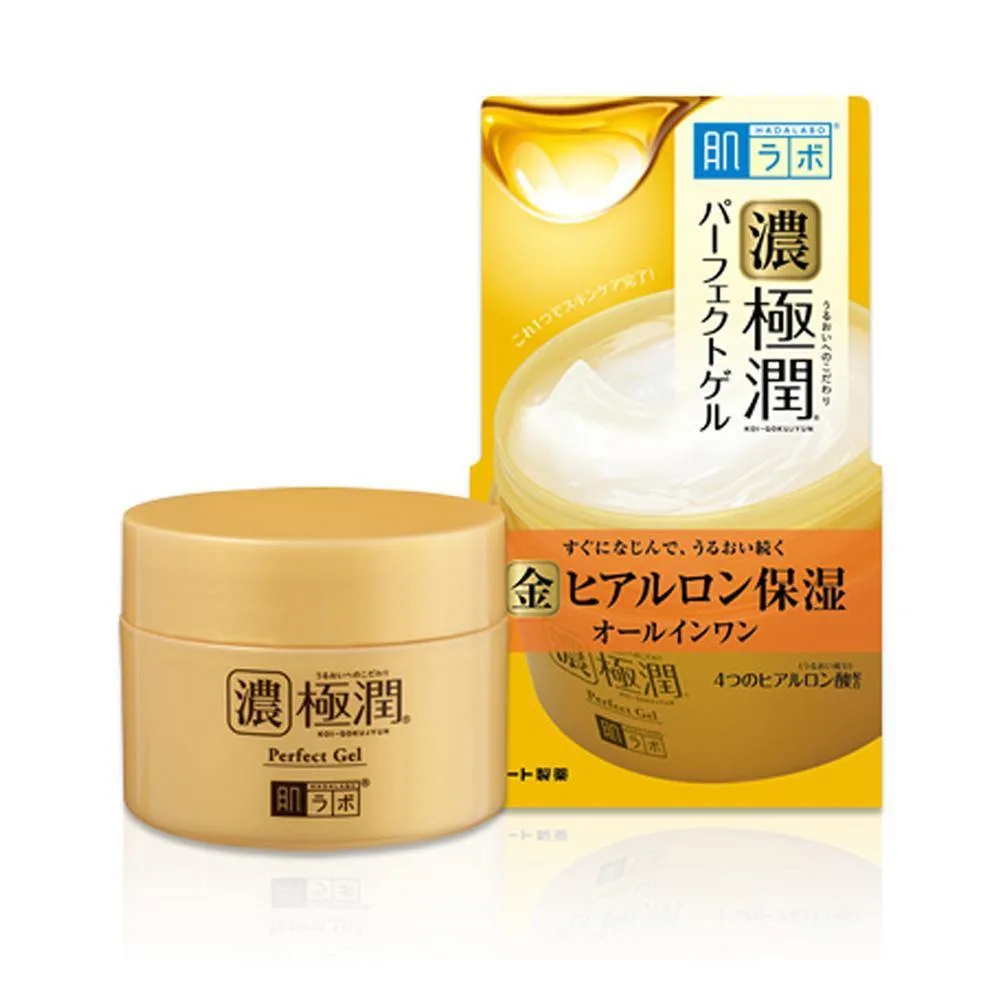
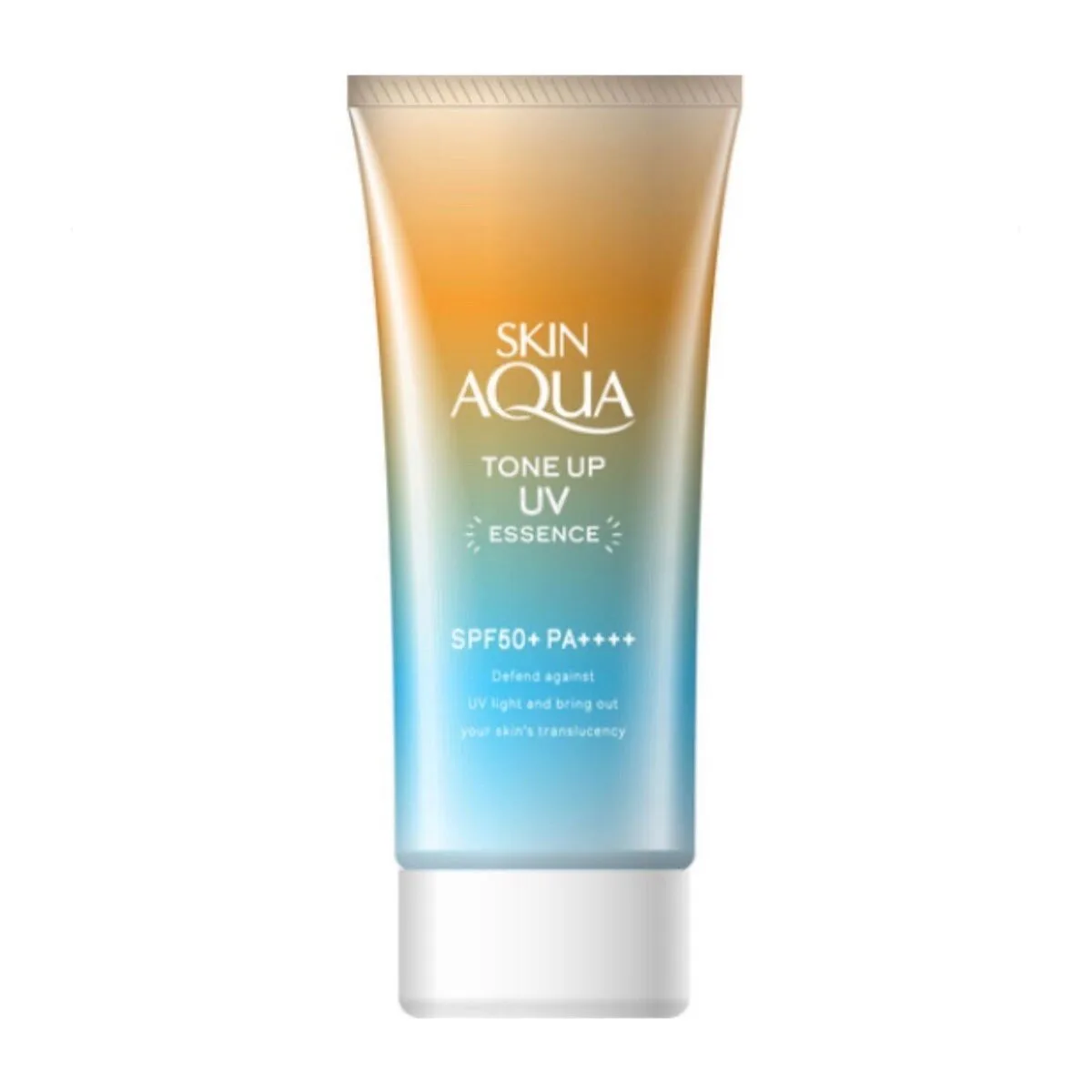
Rohto Mentholatum
Rohto Mentholatum Skin Aqua Tone Up UV Essence SPF 50+ PA++++ (Latte Beige, 80g)
Final morning step — apply generously and reapply every two hours in direct sun.


Evening Routine
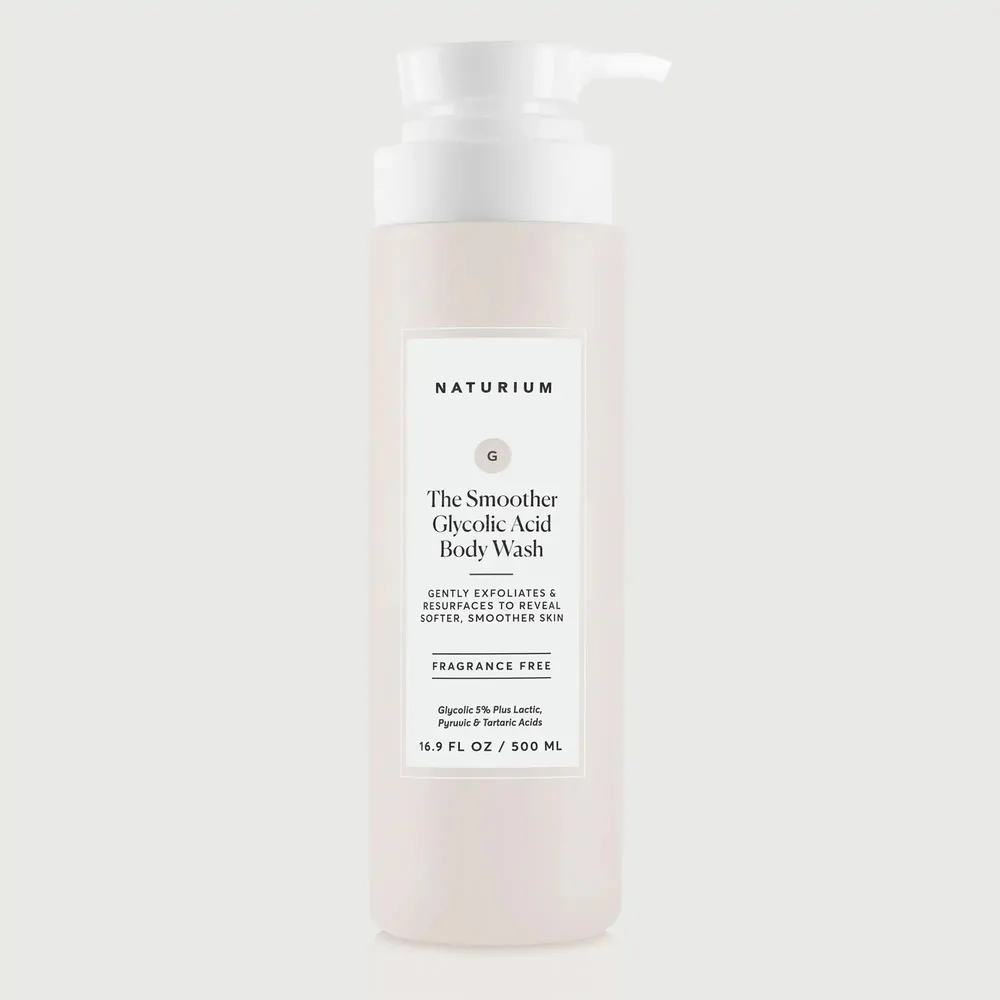
Cleanser Naturium The Smoother Glycolic Acid Exfoliating Body Wash — same as your morning cleanser
Treatment
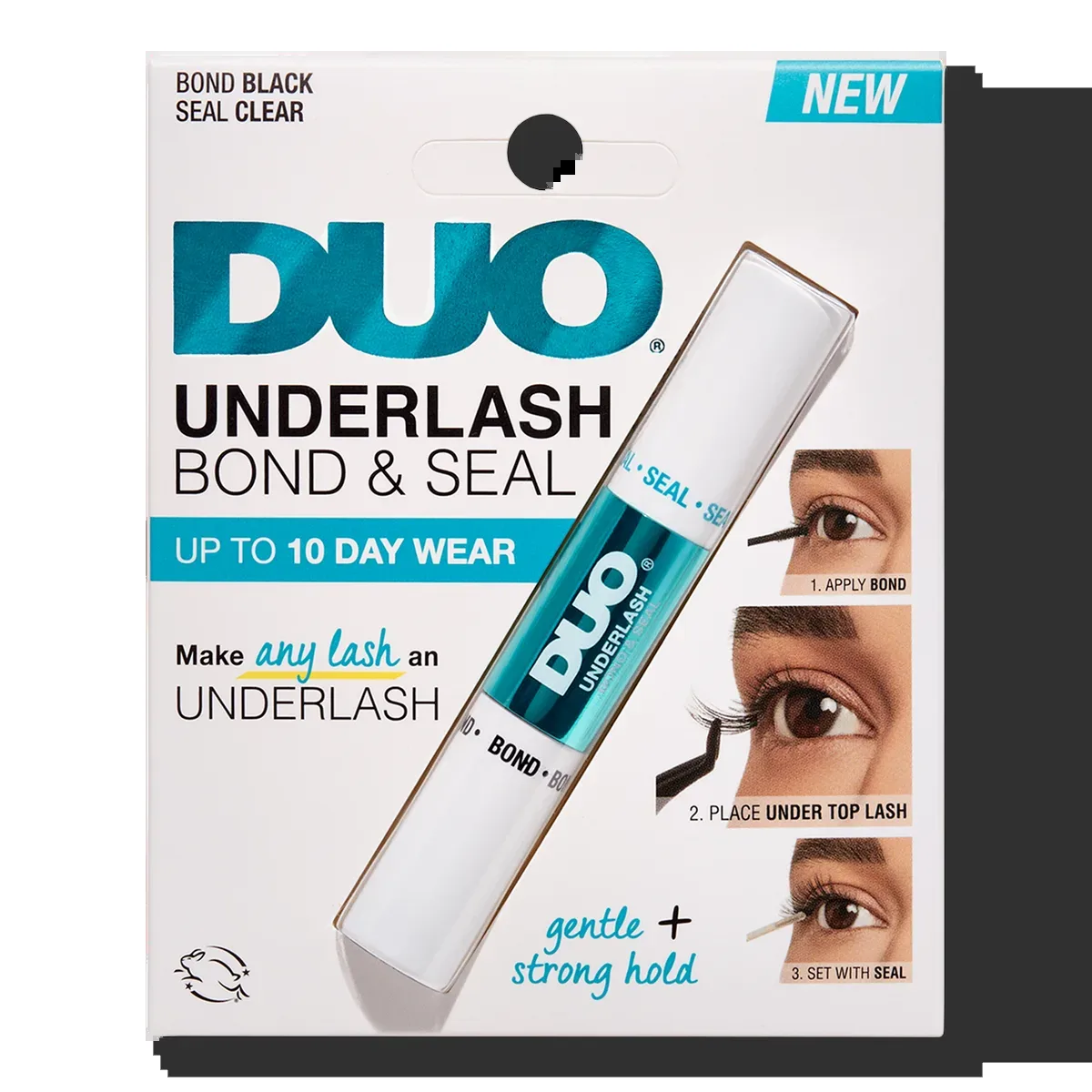
Krave Beauty
Krave Beauty Kale-Lalu-yAHA
Exfoliating acids — 2–3 nights a week is plenty; skip on retinoid nights.


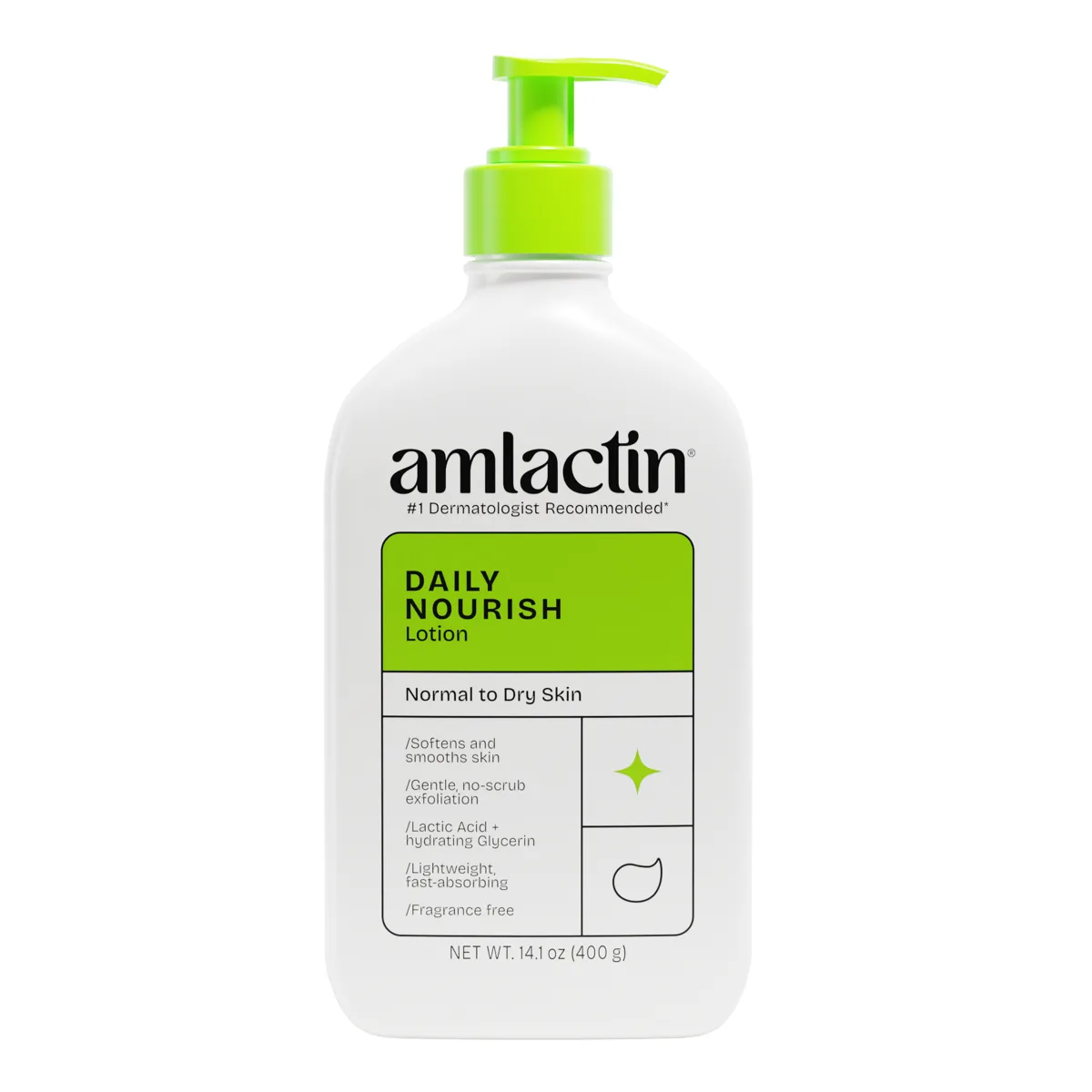
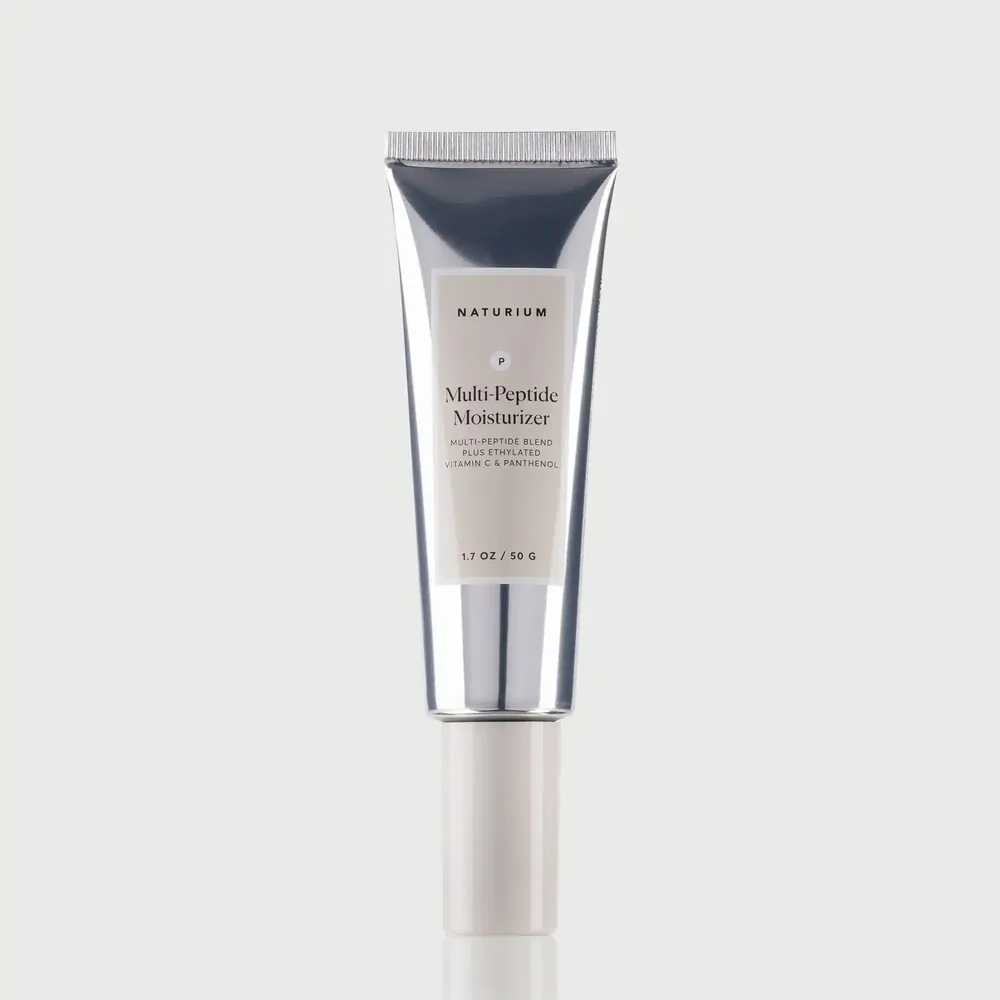
Moisturizer AmLactin Daily Moisturizing Lotion — same as your morning moisturizer
Your Week at a Glance
| Evening active | Mon | Tue | Wed | Thu | Fri | Sat | Sun |
|---|---|---|---|---|---|---|---|
| Exfoliating acid Krave Beauty Kale-Lalu-yAHA | ✓ | ✓ |
Everything else in the evening routine runs nightly, and the full morning routine runs every day. On unscheduled nights, just cleanse and moisturize.
Independently scored, no sponsored placements — dermapproved.com
Not quite your skin?
This routine is one profile. Answer six quick questions and our engine rebuilds it around your exact skin type, concerns, budget, and experience with actives.
Frequently Asked Questions
How often should you use glycolic acid on your face?
Two to three non-consecutive nights per week is the sweet spot for most skin. Daily use rarely adds benefit and commonly adds irritation, because you're exfoliating faster than skin can rebuild. If you're new to AHAs, start with once a week and add nights only after two calm weeks.
Can I use glycolic acid and retinol in the same routine?
In the same week, yes — on the same night, don't. Alternate them: acid on two nights, retinoid on two or three others, recovery nights in between. They target overlapping goals through different mechanisms, but layered together they multiply irritation without multiplying results.
Does glycolic acid make you more sensitive to the sun?
Yes, and it's well documented — AHA use increases UV sensitivity, and the FDA requires sun-alert labeling on these products for that reason. The heightened sensitivity persists up to a week after you stop. Daily SPF 30+ is a fixed part of any glycolic routine, even on days you skip the acid.
Why does glycolic acid tingle when I apply it?
A brief, mild tingle for a minute or two is normal — glycolic's low pH and small molecule register on nerve endings as it works. Sustained burning, stinging that builds, or redness that lasts past an hour is your barrier objecting; rinse it off, and next time use a lower strength or shorter contact time.
What strength of glycolic acid actually works?
For leave-on home products, 5-10% covers most goals — enough for real texture and tone change with a manageable irritation profile. Higher percentages give diminishing returns and rising risk outside a professional setting. Consistency at a moderate strength outperforms occasional heroics at a high one.
Products are selected by our matching engine from independently scored reviews — no sponsored placements. Recommendations are not a substitute for professional dermatological advice; if you have a diagnosed skin condition, consult your dermatologist before starting a new routine.
The reading behind this
- How We RateConcentration Isn't Potency: pH, Vehicle, and Why 10% Can Underperform 5%The percentage on the front of the bottle is the number readers most want us to rank on, and the one number our scoring system deliberately refuses to treat as a measure of strength.
- Exfoliating AcidsGlycolic Is the Fastest Acid. That's Its Design Flaw.The smallest AHA gets deepest and shows results soonest — which is precisely why routines built around it overshoot, and why the people who do best with it use it least.