Best Serums for Texture
Updated September 2026 · independently researched, no sponsored placements
Our top 40 picks, ranked from 350 reviewed products — ordered by each product's rough texture verdict, then evidence strength.









How to Choose
The best serums for texture work by dissolving the buildup of dead cells that make skin feel rough and look uneven — not by scrubbing it away, which is the mistake that keeps rough skin rough. That bumpy, grainy surface is usually a layer of cells your skin failed to shed on schedule, sometimes paired with congestion or sun damage.
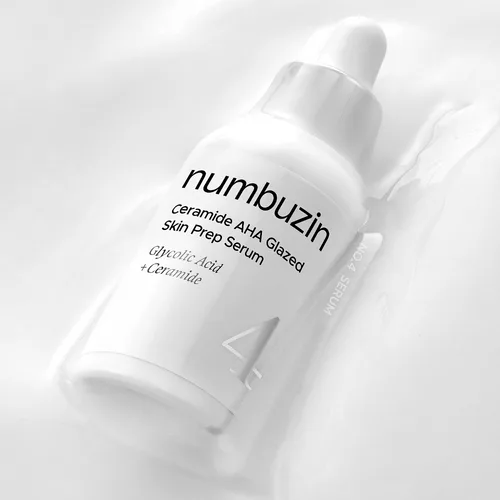
Physical scrubs offer a temporary smoothness while microscopically irritating the barrier, which can backfire. Chemical exfoliation is the smarter route: alpha hydroxy acids like glycolic and lactic loosen the glue between surface cells so they slough naturally, while salicylic acid (a BHA) clears the pore-level grit, and gentle PHAs like gluconolactone do similar work with less sting. Retinoids smooth from a different angle, speeding cell turnover over weeks. The standouts here mix these intelligently: Numbuzin's No. 4 Ceramide AHA serum ($20) pairs glycolic acid with barrier-protecting ceramides, and Torriden's CELLMAZING ampoule ($24) leans on salicylic acid plus PHA and niacinamide for a low-irritation refine. Look for one exfoliating acid or a retinoid, supportive niacinamide and hydration, and a frequency of just two or three nights a week. The trap is stacking acids and retinoids every night chasing faster results — that's how you trade rough skin for raw skin. One honest caveat: texture improves gradually, over four to eight weeks of consistent, restrained use. At $11 to $94, the cheaper exfoliating serums often work as well as the splurges.
Buying Guide
Choose your exfoliating mechanism first. Alpha hydroxy acids (glycolic, lactic) work on the surface to smooth rough, dull texture; salicylic acid penetrates pores to clear congestion-related bumpiness; and PHAs like gluconolactone offer gentler exfoliation for sensitive skin. A retinoid is an alternative that smooths via cell turnover over time, and some serums combine a low level of acid with barrier support. Whichever you pick, prioritize formulas that pair the active with soothing, hydrating ingredients — niacinamide, panthenol, hyaluronic acid, or ceramides — so you exfoliate without compromising the barrier. Frequency is a key part of the decision: most exfoliating serums are meant for two or three nights a week, not nightly, and overuse causes irritation that worsens texture. Avoid gritty physical scrubs and resist layering multiple acids or an acid plus retinoid in the same routine unless your skin is well accustomed. Price spans widely, from about $11 to $94, but effective exfoliating serums exist at the low end, so let the active and the supporting formula guide you rather than the cost. And always pair exfoliation with daytime sunscreen.
Frequently Asked Questions
What's the best ingredient for smoothing rough skin texture?
Chemical exfoliants are the most effective — glycolic and lactic acid (AHAs) smooth the surface, salicylic acid (a BHA) clears pore congestion, and PHAs offer a gentler option. Retinoids also improve texture over time by speeding cell turnover, so the best choice depends on your skin's tolerance and the type of roughness.
Should I use a scrub or a serum for uneven texture?
A chemical exfoliating serum generally beats a physical scrub, because acids dissolve the bonds between dead cells evenly while scrubs can micro-tear and irritate the skin. If you like the immediate smoothness of a scrub, a gentle PHA serum gives a similar refined feel with far less risk to the barrier.
How often should I use a texture-smoothing serum?
Two or three nights a week is right for most exfoliating serums, with hydration and sunscreen filling in the other days. Using acids or retinoids every night often causes irritation that makes texture worse, so restraint produces smoother skin than overuse.
How long until I see smoother skin from an exfoliating serum?
Expect gradual improvement over four to eight weeks of consistent, measured use, with subtle smoothness sometimes visible sooner. Texture is built up over time, so it also takes time to resolve, and patience prevents the over-exfoliation that derails progress.
Can exfoliating serums help with bumpy, congested skin?
Yes — salicylic acid is especially useful for bumpiness tied to clogged pores, since it's oil-soluble and clears the congestion underneath. For roughness from dead-cell buildup or sun damage, AHAs like glycolic and lactic are the better fit, and many serums combine both approaches.