Best Serums for Anti-Aging
Updated September 2026 · independently researched, no sponsored placements
Our top 28 picks, ranked from 716 reviewed products — ordered by each product's aging verdict, then evidence strength.











How to Choose
The best anti-aging serums work on only three proven mechanisms — cell turnover, collagen support, and antioxidant defense — and everything else on the label is decoration. That distinction matters because the category is where skincare marketing gets most ambitious, promising "lifting" and "plumping" from ingredients that, at best, hydrate the surface.
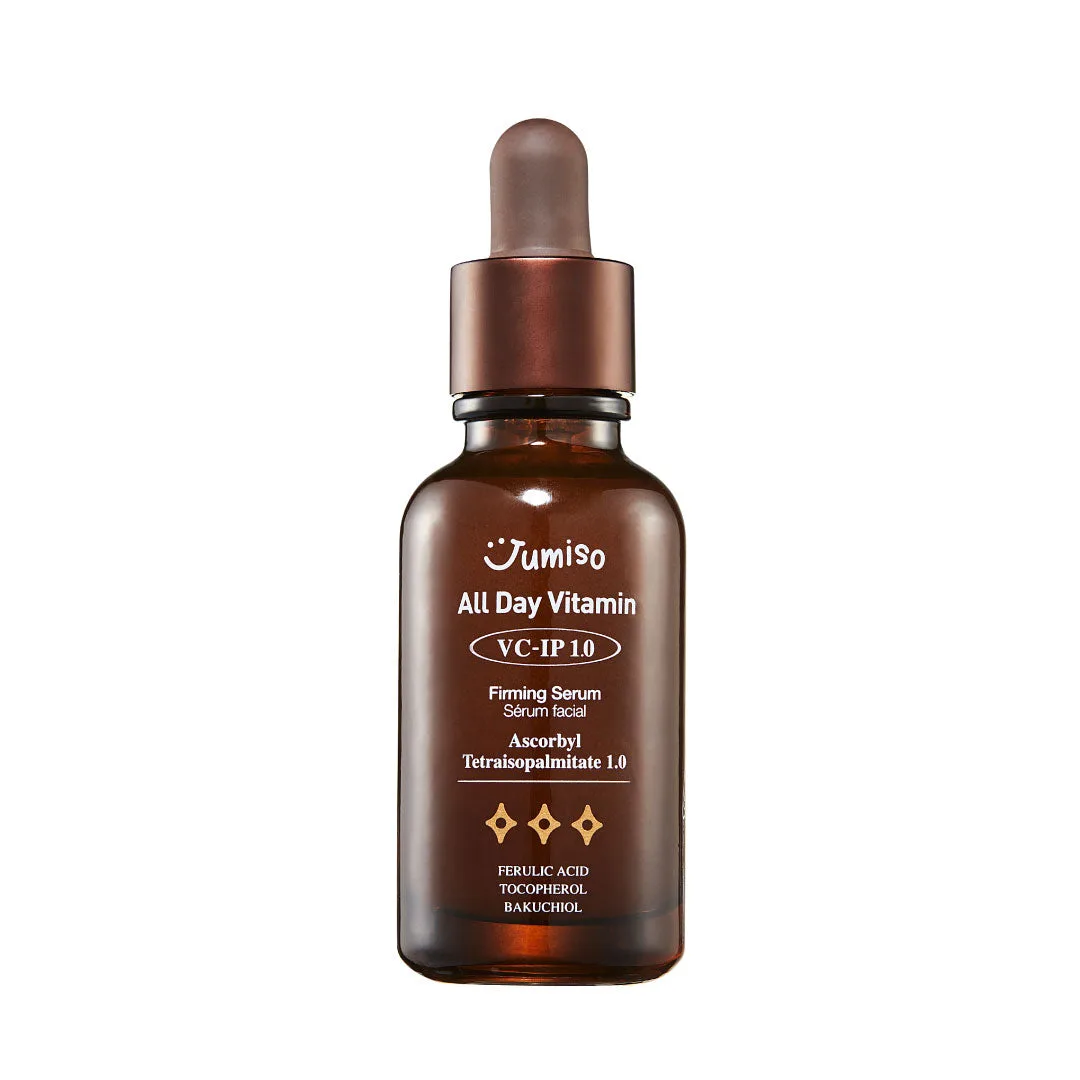
What actually moves the needle on lines and laxity is a retinoid (the most studied active for rebuilding collagen), vitamin C (a daytime antioxidant that also nudges collagen synthesis), or a well-dosed peptide stack like the matrixyl in Geek & Gorgeous 101 ($18) or The Ordinary Buffet ($20). Look for one of those doing the heavy lifting, backed by hydrators like hyaluronic acid and a real antioxidant — vitamin E, ferulic acid, ergothioneine. The traps: serums that lead with botanical "elixirs" and bury the active at a token dose, or vitamin C in an unstable formula that oxidizes orange before it earns its keep (Jumiso's stable VC-IP at $24 sidesteps that). 's Bright Icon C+E+ferulic ($22) borrows the famous CE Ferulic blueprint for drugstore money, and Skinfix Brighten + Firm ($69) earns its price with a 15% vitamin C plus peptides. The honest caveat: anti-aging is a long game. Give any of these 8 to 12 weeks of nightly consistency before you judge, and pair it with daily sunscreen — without that, you're repairing damage you keep re-inflicting every morning.
Buying Guide
Start by deciding which engine you want driving the formula. A retinoid delivers the most dramatic long-term collagen results but comes with an adjustment period; vitamin C is the gentler daytime play that doubles as antioxidant protection; peptides are the lowest-irritation option and stack well with everything, which is why budget multi-peptide serums have become so popular. Whichever you pick, check that the hero active is actually dosed to work — a 10–15% vitamin C, a named peptide complex like Matrixyl 3000, or a retinoid with a recognizable percentage, not a fairy-dusted afterthought. Texture should suit layering: a lightweight, fast-absorbing serum slots under moisturizer and (in the morning) sunscreen without pilling. Watch the stability question with vitamin C specifically — look for L-ascorbic acid buffered with ferulic acid and vitamin E, or a stable derivative like THD ascorbate. On price, the ceiling here is steep ($166 in this lineup) but the floor is genuinely good: several sub-$25 picks score in the high 80s, so spend up only if a formula offers something a cheaper one can't.
Frequently Asked Questions
At what age should I start using an anti-aging serum?
There's no magic birthday, but the most useful preventive step — a daytime antioxidant like vitamin C plus diligent sunscreen — pays off if you start in your 20s, since the majority of visible aging is UV-driven. Retinoids and peptides become more worthwhile once you're actually seeing fine lines or loss of firmness, typically in the late 20s to 30s. The Ordinary's Multi-Antioxidant Radiance Serum ($14) is a low-stakes way to begin early.
Can I use vitamin C and a retinol serum together?
Yes, but stagger them rather than layering both at once: vitamin C in the morning for antioxidant protection, your retinoid at night when cell turnover does its work. Using both simultaneously raises irritation risk for little extra benefit and can destabilize the vitamin C. If your skin is sensitive, start by alternating nights with the retinoid until your barrier adjusts.
Are expensive anti-aging serums actually better than drugstore ones?
Not reliably. Price often reflects packaging, brand, and marketing more than active dosing — e.l.f.'s Bright Icon C+E+ferulic ($22) and Geek & Gorgeous 101 ($18) score as well as serums several times their price. What you're paying for at the high end is sometimes better texture, more elegant stabilization, or a fuller antioxidant blend, but a well-formulated budget serum used consistently beats a luxury one used sporadically.
How long until an anti-aging serum shows results?
Surface hydration and a smoother feel can show up within days, but genuine improvement in fine lines and firmness takes 8 to 12 weeks of consistent use, because that's how long collagen remodeling actually requires. Retinoids may even make skin look slightly worse for the first few weeks during the adjustment period. Judge any serum on the three-month mark, not the three-day one.