Best Serums for Fine Lines
Updated September 2026 · independently researched, no sponsored placements
Our top 28 picks, ranked from 716 reviewed products — ordered by each product's aging verdict, then evidence strength.


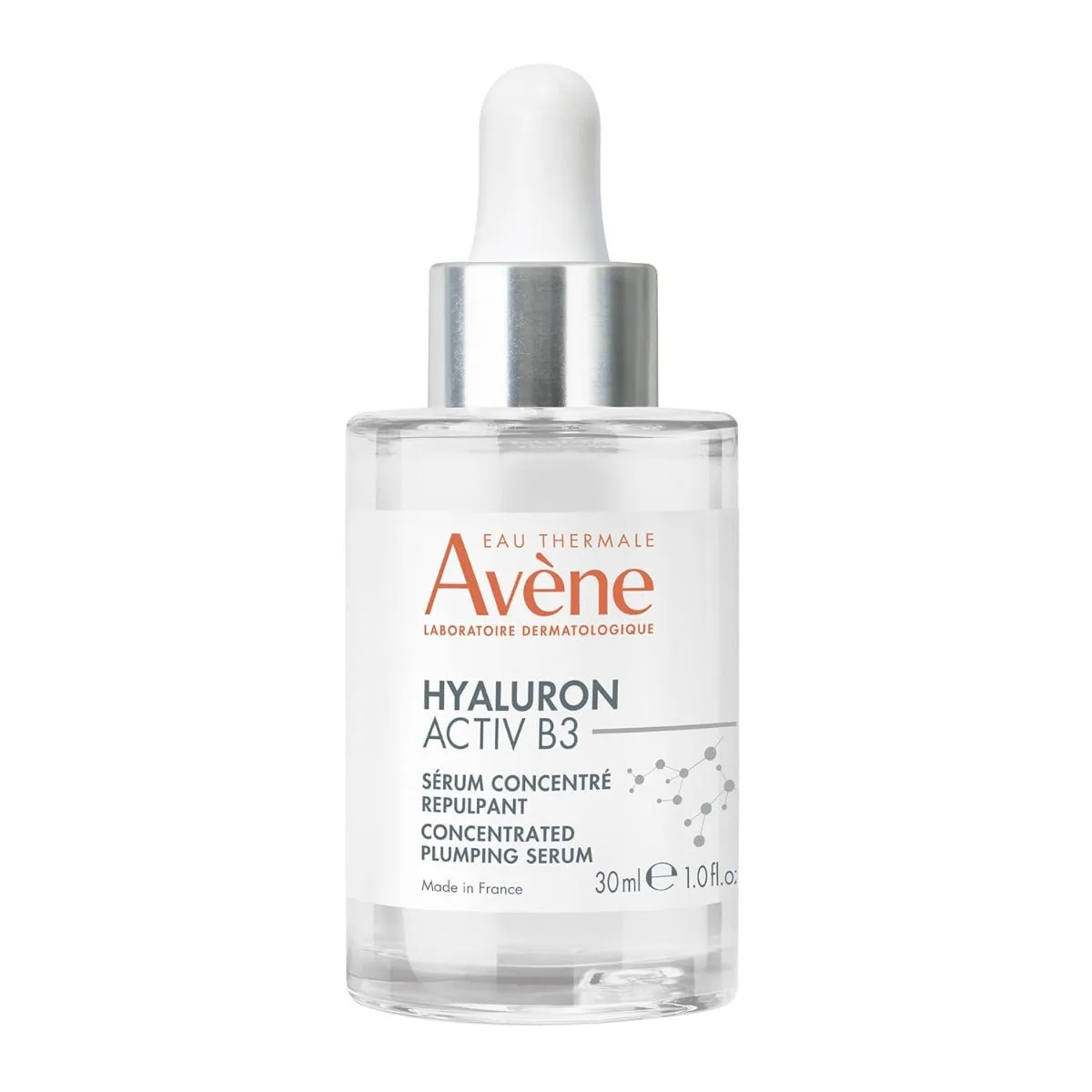


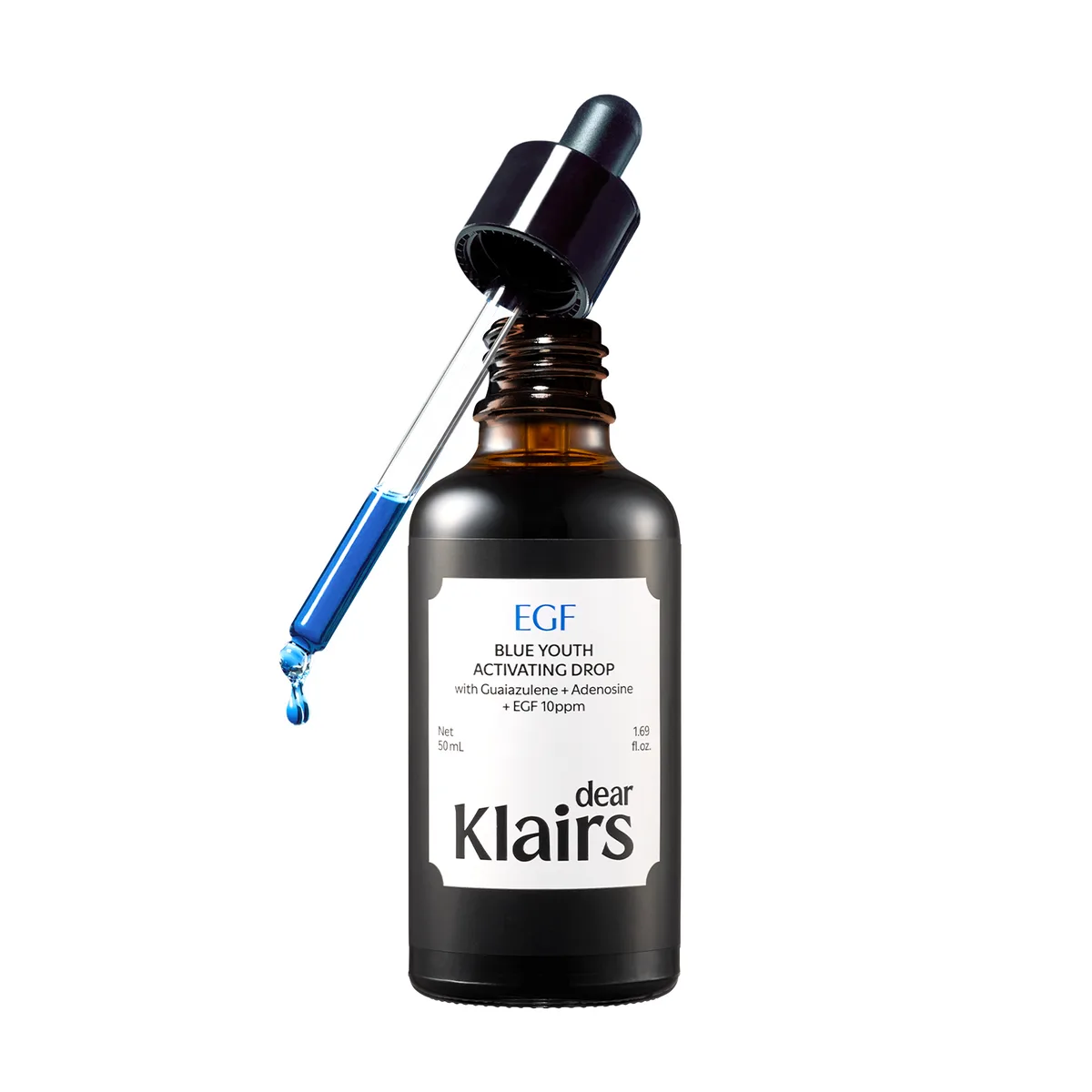


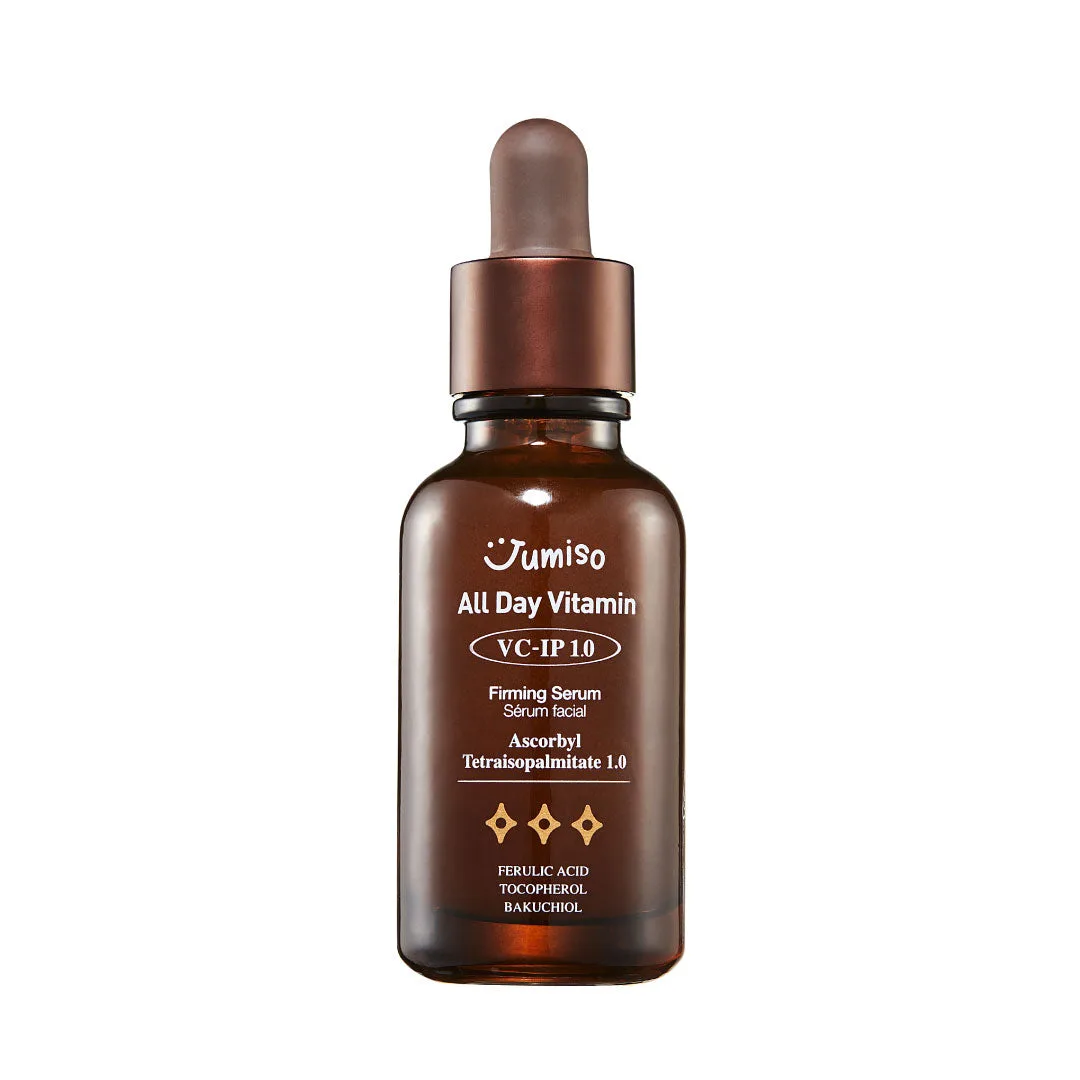

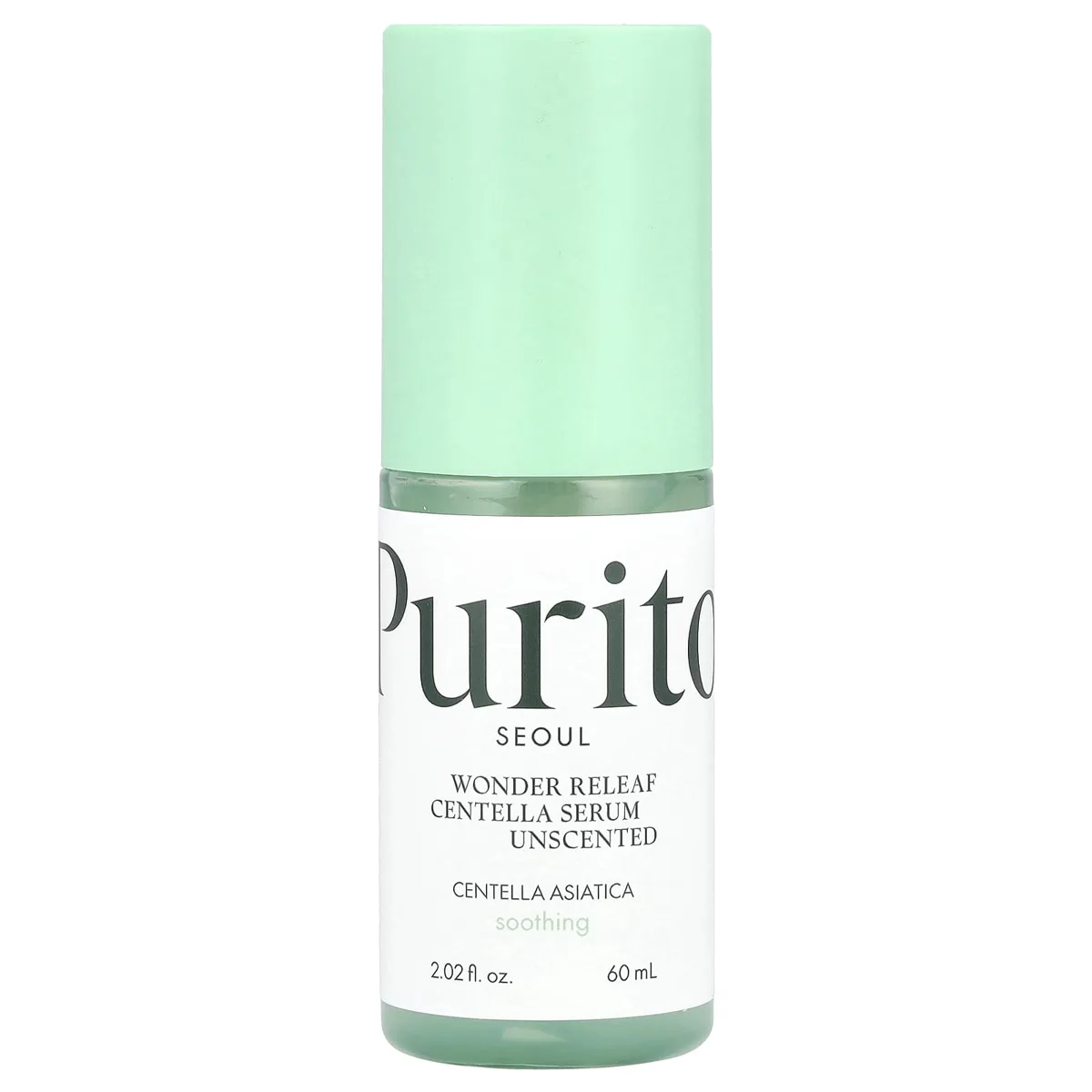




How to Choose
The best serum for fine lines is the one that treats two different problems wearing the same disguise: lines etched by dehydration, which plump away in days, and lines forming from collagen loss, which take months. 5% Pure HA Serum ($33) will keep it at bay.
The lines that don't budge are the ones worth a real active. Here, the evidence points in three directions: a retinoid to nudge collagen synthesis, vitamin C to defend against the UV and pollution that drive most early aging, and peptides as the gentler supporting cast. 's Bright Icon ($22) borrows the famous C+E+ferulic architecture for drugstore money. What to sidestep: serums leaning entirely on 'firming botanicals' with no measurable active, and anything promising you'll see a difference in a week. You won't. Newly formed lines respond over 8 to 12 weeks of consistent use, and only if sunscreen is doing the unglamorous work every morning — no serum outpaces the damage of going without it. Start with hydration to rule out the easy wins, then add one collagen-targeting active and give it a full season before you judge.
Buying Guide
Begin by identifying which lines you actually have. Dehydration lines disappear when skin is well-moisturized, so a humectant serum with hyaluronic acid or glycerin solves them outright; structural lines need an active that influences collagen. For that engine, choose one of three proven routes: a retinoid (the gold standard, but with an adjustment period), vitamin C (best for the antioxidant defense that prevents new lines), or peptides like Matrixyl (the lowest-irritation option, ideal for beginners or sensitive types). Look for a realistic concentration stated on the label rather than a proprietary 'complex' with no numbers. Texture matters for daily adherence — a lightweight, fast-absorbing serum gets used; a sticky one gets abandoned. On price, the field is unusually flat: drugstore options at $18–$33 routinely outscore $100+ luxury serums, so spend on the active you'll actually apply nightly, not on packaging.
Frequently Asked Questions
What ingredient works fastest on fine lines?
Hyaluronic acid shows the quickest visible change because it plumps dehydration-related creases within a day or two, but that effect is temporary and cosmetic. For lines tied to collagen loss, retinoids produce the most durable improvement, though they need 8–12 weeks of nightly use before results are obvious.
Can I use a retinol and a vitamin C serum together for fine lines?
Yes, and they complement each other well — most dermatologists suggest vitamin C in the morning for antioxidant UV defense and a retinoid at night for collagen support. Layering both at once can increase irritation, so separating them by time of day lets you get the benefit of each without overwhelming the skin.
Do peptide serums actually reduce fine lines?
Peptides like Matrixyl signal the skin to produce more collagen and have modest clinical support for softening fine lines over time. They are gentler than retinoids, which makes options like Geek & Gorgeous 101 a sensible choice for sensitive skin, but the effect is supportive rather than transformative.
Will an expensive serum erase fine lines faster than a cheap one?
No — price tracks branding far more than performance in this category. Several drugstore serums under $35 score as well as or better than luxury options because the active ingredients that matter, like retinol, vitamin C, and peptides, are inexpensive to formulate well.