
Beginner Anti-Aging Routine
Updated September 2026 · picks refresh with our database
Most first anti-aging routines fail the same way: enthusiasm buys a strong retinol, the first week goes fine, week three brings the flaking and stinging nobody warned about, and the bottle retires to a drawer. The ingredient wasn't wrong — the on-ramp was. This routine is that on-ramp done properly. The structure is simple enough to stick with, the treatment step starts at a strength a retinoid newcomer can actually tolerate, and the usage notes below spell out the ramp-up schedule dermatologists give their own patients: once or twice a week to start, building over a month or two as skin adapts. Meanwhile the unglamorous hero, daily sunscreen, quietly does more anti-aging work than everything else combined — skipping it while using a retinoid is genuinely counterproductive, since retinized skin burns faster. Give the full routine three months before judging. Skin remodels on biology's schedule, not marketing's.
Beginner Anti-Aging Routine
dermapproved.com/routines/anti-aging-beginner/ · September 2026
Morning Routine


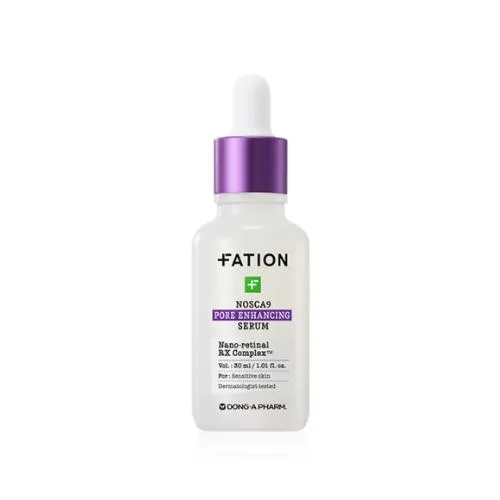

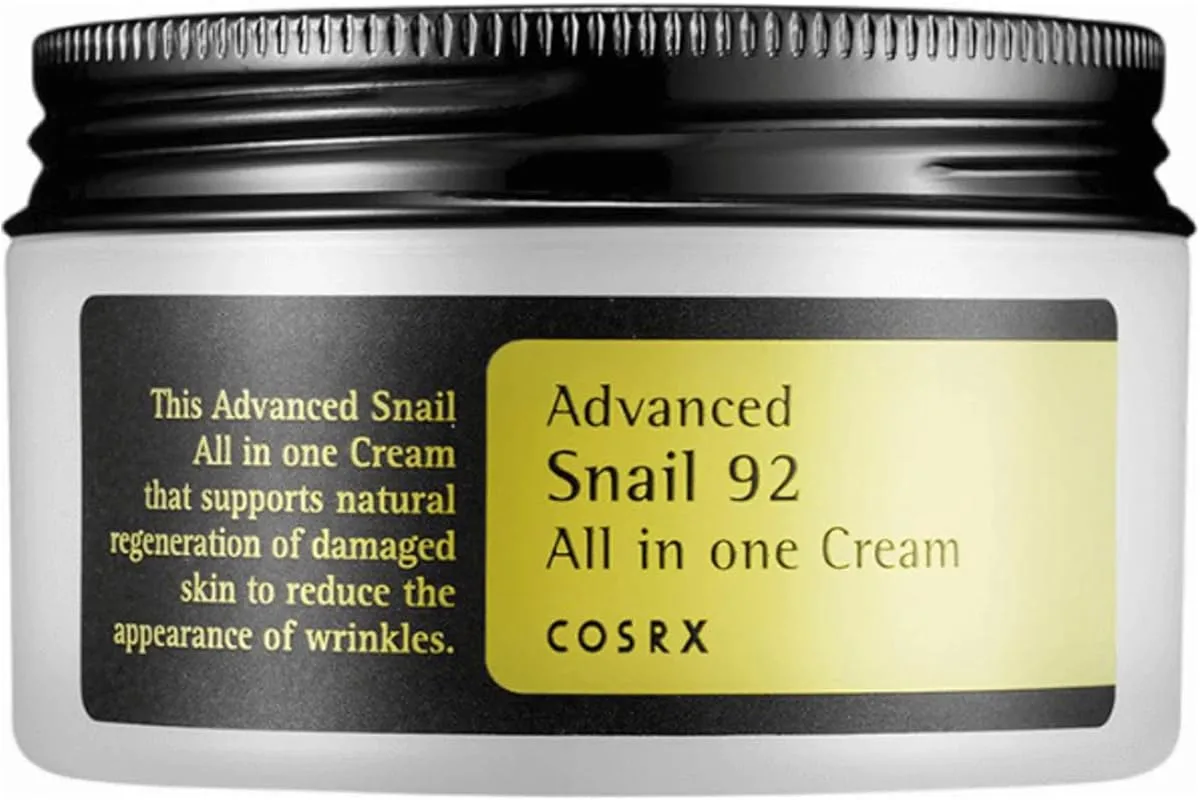
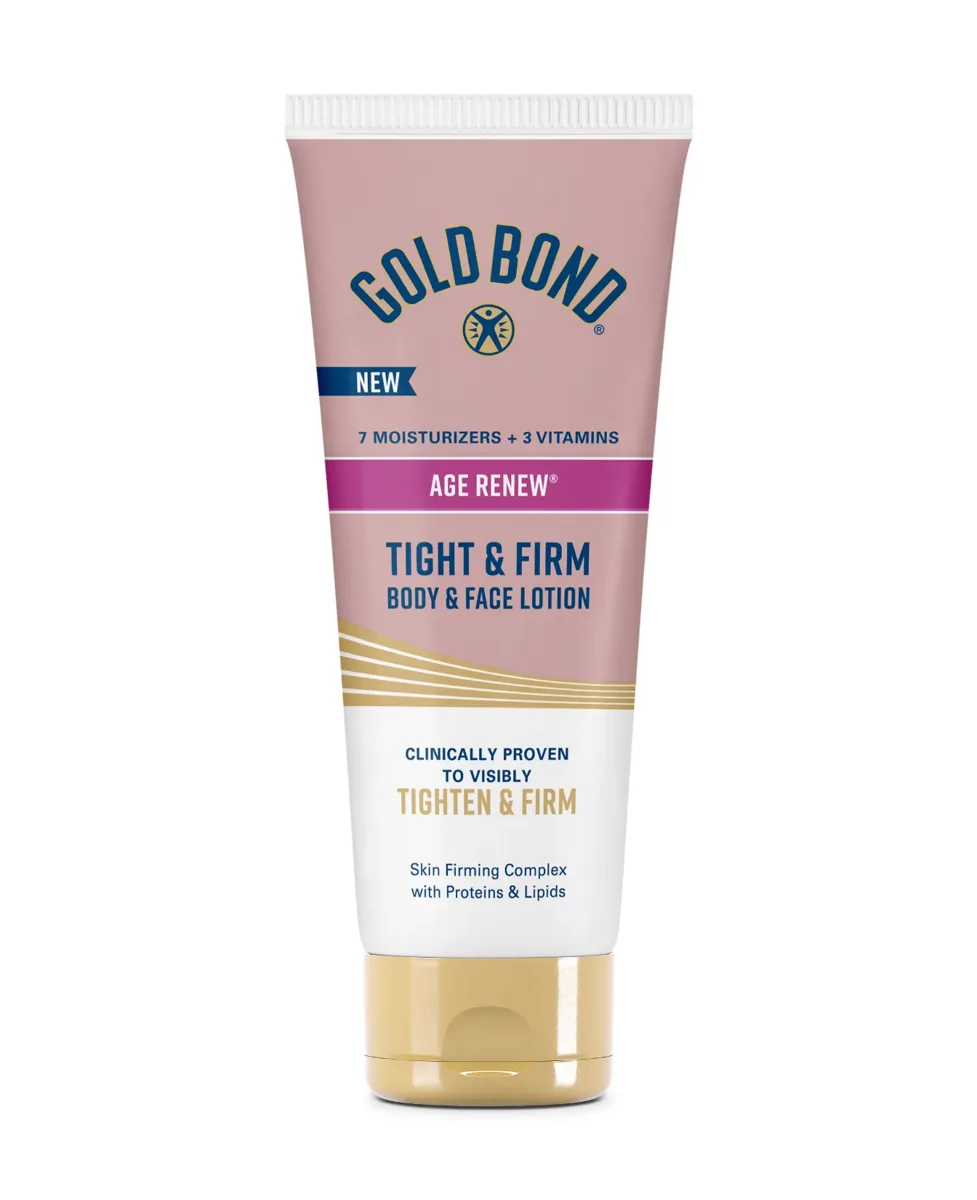
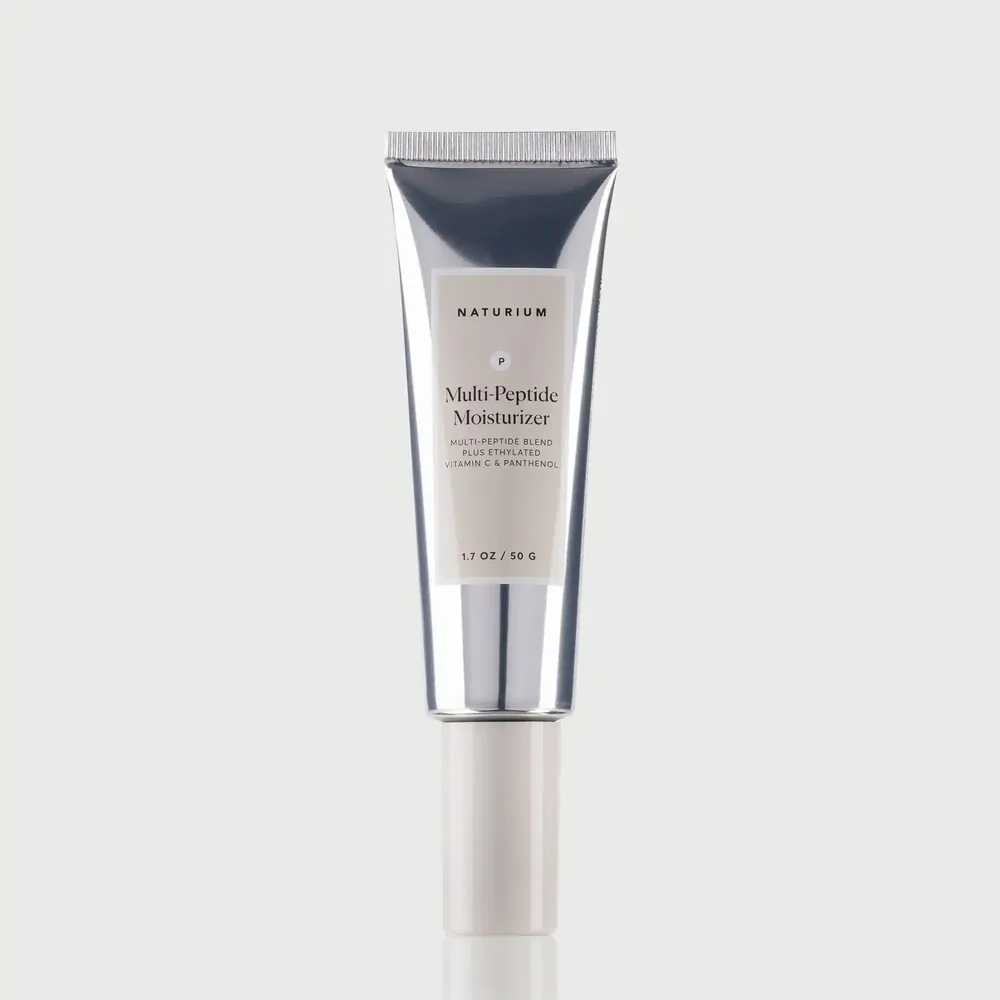
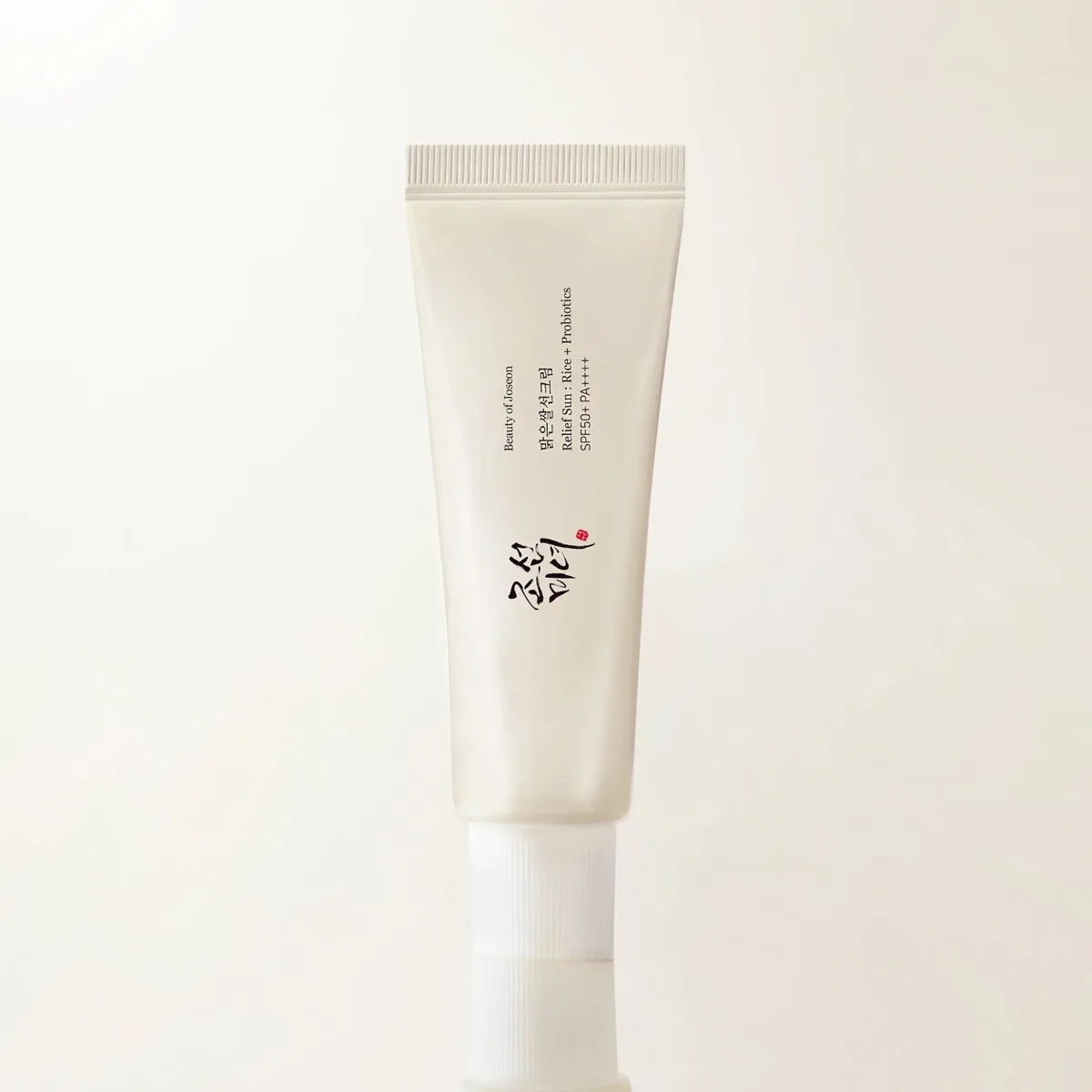
Sunscreen
Beauty of Joseon
Beauty of Joseon Relief Sun: Rice + Probiotics SPF 50+
Final morning step — apply generously and reapply every two hours in direct sun.

Evening Routine
Cleanser The INKEY List Glycerin Gentle Purifying Cleanser — same as your morning cleanser

Treatment
Proactiv
Proactiv Adapalene Gel 0.1%
Contains a retinoid — start with 1–2 nights a week and build up slowly over a month.


Moisturizer Prequel Half & Half Fluid Moisturizer — same as your morning moisturizer
Your Week at a Glance
| Evening active | Mon | Tue | Wed | Thu | Fri | Sat | Sun |
|---|---|---|---|---|---|---|---|
| Retinoid Proactiv Adapalene Gel 0.1% | ✓ | ✓ |
Everything else in the evening routine runs nightly, and the full morning routine runs every day. On unscheduled nights, just cleanse and moisturize.
Independently scored, no sponsored placements — dermapproved.com
Not quite your skin?
This routine is one profile. Answer six quick questions and our engine rebuilds it around your exact skin type, concerns, budget, and experience with actives.
Frequently Asked Questions
How do I start retinol without my face peeling off?
Start low and slow: a beginner-strength product one or two nights a week, applied to dry skin over moisturizer if needed. Hold that pace for two to three weeks before adding a night. Mild dryness is expected; persistent burning or cracking means back off the frequency, not necessarily the product.
Is starting an anti-aging routine in your 20s overkill?
Sunscreen in your 20s is the single highest-return skincare decision you can make, since UV damage is cumulative and mostly invisible until later. A retinoid in your mid-to-late 20s is reasonable but optional. What's genuinely unnecessary is a ten-product regimen — the pillars matter, the extras mostly don't.
What results should I realistically expect in the first three months?
Weeks one to four: possibly some adjustment dryness, then smoother texture. Months two to three: more even tone and early softening of fine lines. Deeper wrinkles and firmness shift over six to twelve months. Anyone promising dramatic wrinkle reversal in weeks is selling something.
Products are selected by our matching engine from independently scored reviews — no sponsored placements. Recommendations are not a substitute for professional dermatological advice; if you have a diagnosed skin condition, consult your dermatologist before starting a new routine.
The reading behind this
- Anti-AgingAdenosine Is in 800 Products and Almost Nobody Can Say What It DoesIt turns up at the same concentration, in the same position, across an entire national industry. That is not a coincidence about biology — it is a regulation.
- Industry & Trends'Prevention' Is Doing Heavy Lifting in the Prejuvenation PitchTwo interventions genuinely prevent skin ageing, with randomised evidence behind them. Neither is the one being sold to twenty-five-year-olds — and one half of the prejuvenation pitch has no mechanism at all.
- Skin Longevity'Longevity' Is Both a Real Field and a Legally Convenient WordThe vocabulary swap is doing two jobs at once — pointing at genuine senescence research, and letting the same formulas make claims that are much harder to disprove.
- Skincare in Your 20sNothing Falls Off a Cliff in Your Thirties. That's Exactly Why the Panic Sells.The decade is marketed as an emergency requiring a whole new regimen, when the measurable biology is a shallow slope and most of what people suddenly notice was banked years earlier.