Best Eye Creams for Anti-Aging
Updated September 2026 · independently researched, no sponsored placements
Our top 17 picks, ranked from 333 reviewed products — ordered by each product's aging verdict, then evidence strength.


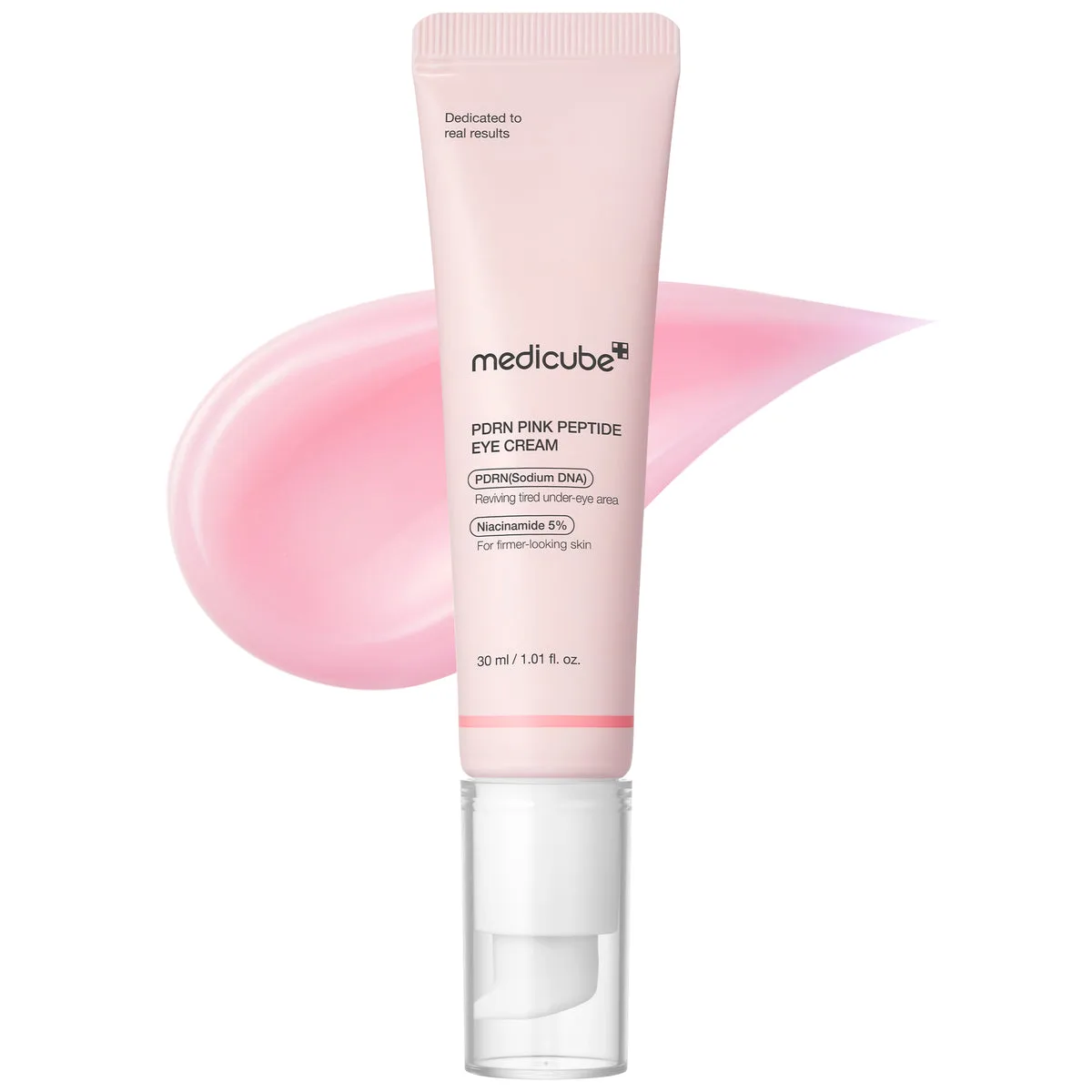


How to Choose
The best anti-aging eye creams earn their place because the skin around your eyes is the thinnest on your body — up to ten times thinner than your cheeks — which is exactly why it shows age first and why it needs a gentler hand than your face. That thinness, combined with constant blinking and squinting, means the eye area loses firmness and develops crepiness early.
The active engines of anti-aging are well established: retinoids, vitamin C, and sunscreen, with peptides as a reliable support. An eye cream's job is to deliver those at concentrations and in textures the delicate under-eye can tolerate without stinging or irritation. That's the real argument for a dedicated product over just dabbing your face serum nearby — though if your facial retinoid is gentle and you have no sensitivity, extending it to the orbital bone is often fine too. Among the smart picks: Numbuzin's No. 9 NAD+ Retinol eye cream ($21) brings a buffered retinol with ceramides, while bakuchiol options like Avène's DermAbsolu ($56) suit those who can't tolerate retinoids. Derma E's Vitamin C Brightening Eye Cream ($24) covers the antioxidant angle affordably. Look for one proven active, antioxidants, and barrier support. The trap is a $130 cream whose actives you could get for a quarter of the price. One honest caveat — results build over 8 to 12 weeks, and no cream substitutes for the daily sunscreen that prevents the damage in the first place.
Buying Guide
Anchor your choice on one proven active rather than a long ingredient wishlist. A retinoid is the most effective anti-aging engine, but the eye area is sensitive, so look for a buffered or lower-strength retinol, or a gentler alternative like bakuchiol if retinoids irritate you. Vitamin C and antioxidants add protective and brightening benefits, and peptides provide gentle, non-irritating support for firmness. Texture and barrier support matter more here than on the face — ceramides, hyaluronic acid, and a cushioning base keep the thin under-eye comfortable and prevent the dryness that makes lines look worse. Consider whether you genuinely need a separate eye product: if your facial active is gentle and your eyes aren't reactive, you can often extend it to the orbital bone, but a dedicated eye cream is worthwhile when your face routine is too strong for the delicate area. Don't equate price with potency, since effective options exist around $20 to $25, and a premium formula should justify itself with texture or a thoughtful active blend. Finally, daily sunscreen is the non-negotiable partner, because UV drives most visible eye-area aging.
Frequently Asked Questions
Do I really need a separate eye cream for anti-aging?
Not always — if your facial anti-aging active is gentle and your under-eye skin isn't sensitive, you can often extend it carefully to the orbital bone. A dedicated eye cream becomes worthwhile when your face routine is too strong for the thin, delicate eye area, since it delivers actives at tolerable concentrations and in cushioning textures.
What's the most effective anti-aging ingredient for the eye area?
Retinoids have the strongest evidence for improving firmness and texture, but because the under-eye is delicate, a buffered or lower-strength retinol is best. If retinoids irritate you, bakuchiol is a gentler alternative, and vitamin C plus peptides round out a well-built anti-aging eye routine.
Why does skin around the eyes age faster?
The skin around the eyes is among the thinnest on the body and has fewer oil glands, so it loses moisture and firmness sooner. Constant movement from blinking and squinting, plus sun exposure, accelerates the loss of collagen and elasticity, which is why crepiness and lines often appear there first.
How long until an anti-aging eye cream shows results?
Expect gradual improvement over 8 to 12 weeks of consistent use, particularly with retinoids and peptides that work by stimulating collagen over time. Hydrating ingredients can make the area look smoother almost immediately, but structural firming is a slower process that rewards patience.
Can an eye cream replace sunscreen for preventing aging?
No — daily sunscreen is the single most important step for preventing eye-area aging, since UV exposure causes most visible wrinkling and loss of elasticity. An anti-aging eye cream complements sun protection by treating existing concerns, but it can't undo or prevent the damage that unprotected sun exposure creates.