Best Eye Creams for Oily Skin
Updated September 2026 · independently researched, no sponsored placements
Our top 40 picks, ranked from 300 reviewed products — ordered by how well each product does its category’s job.


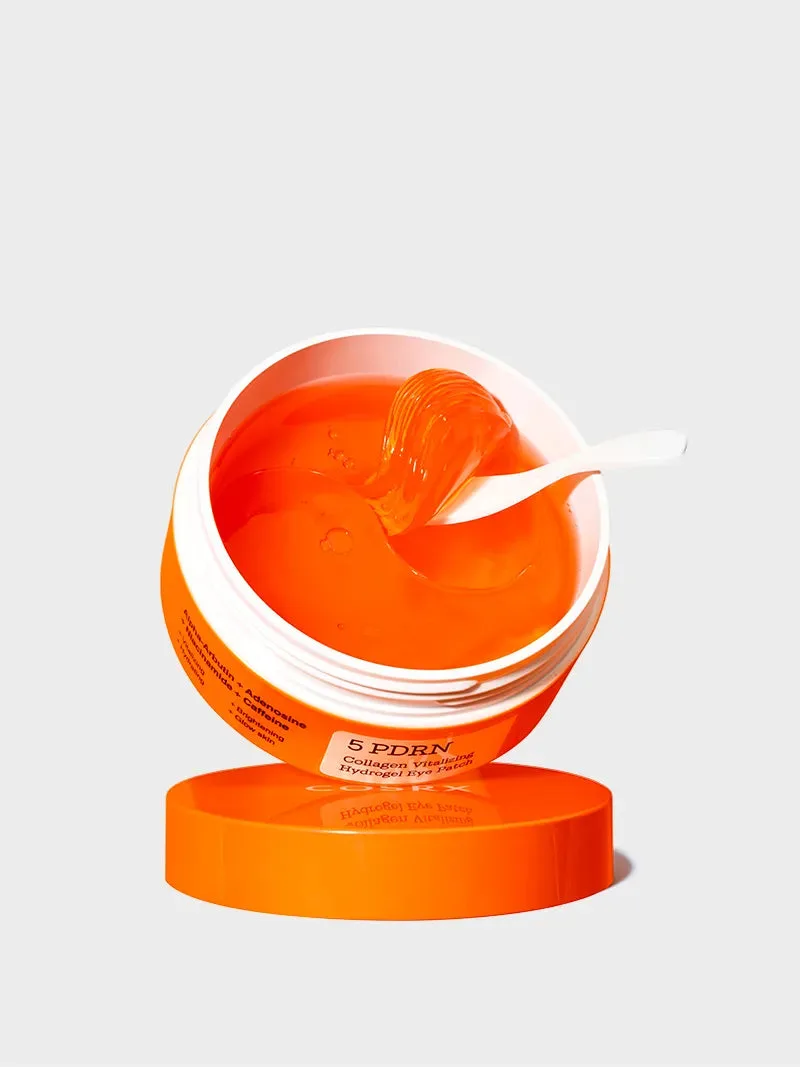


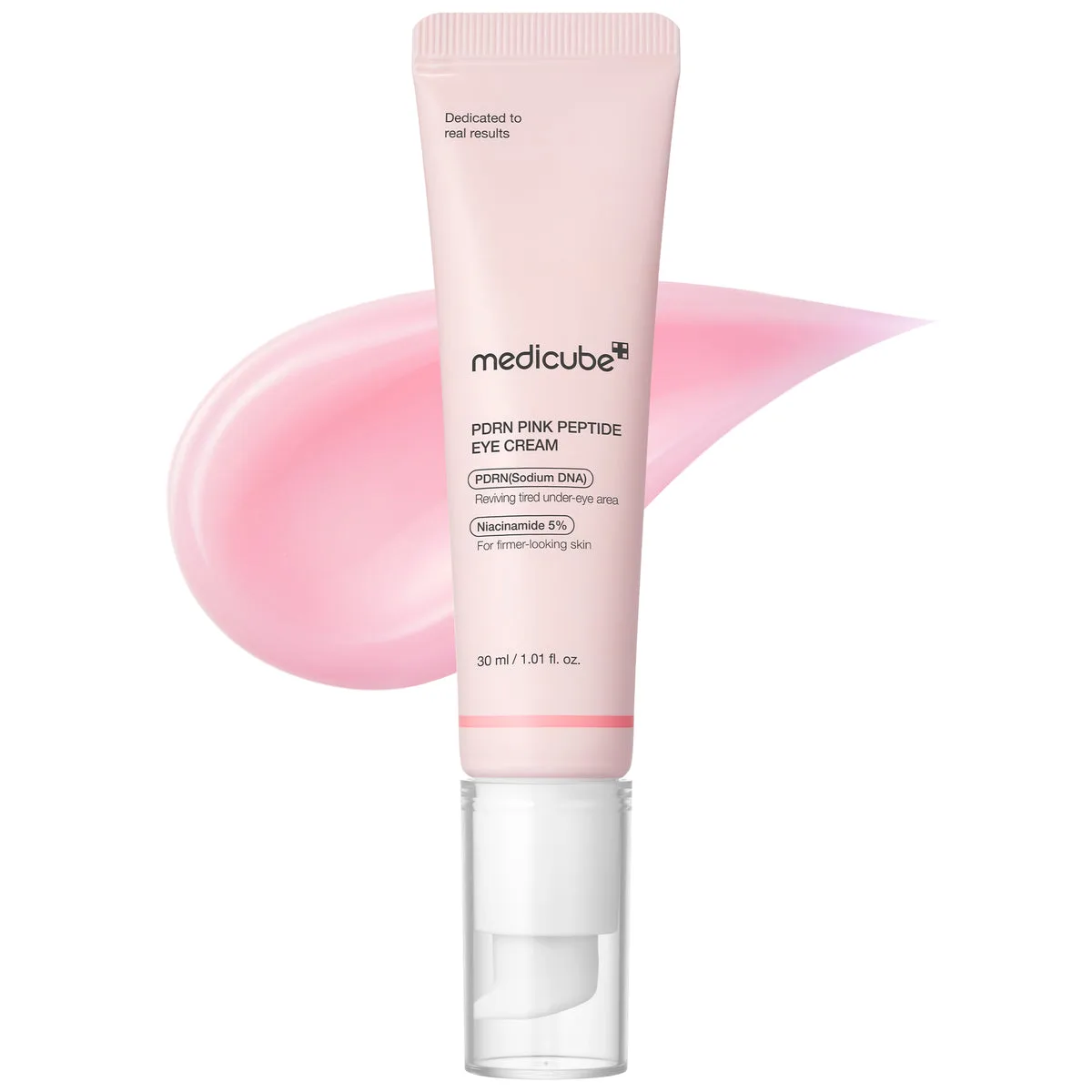


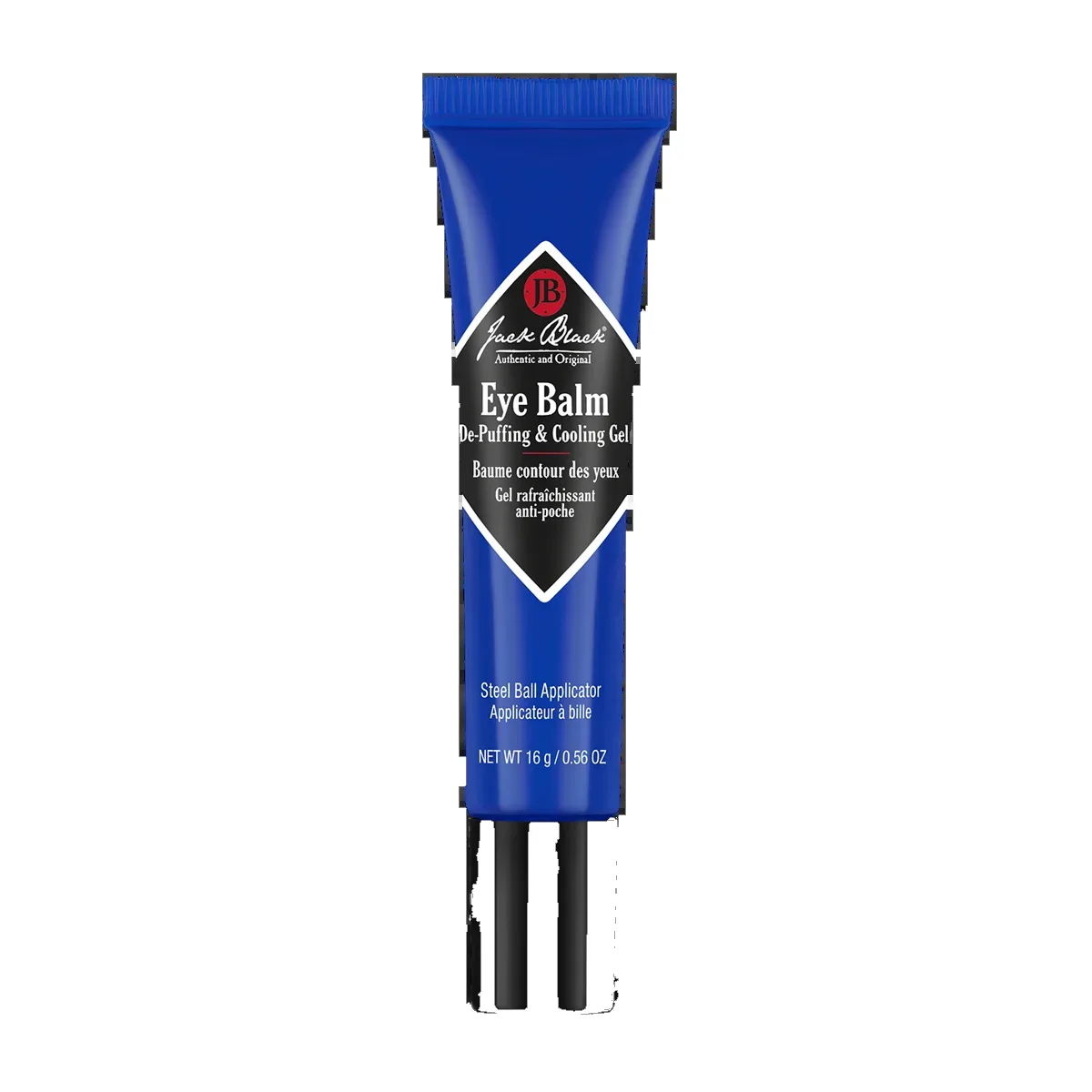


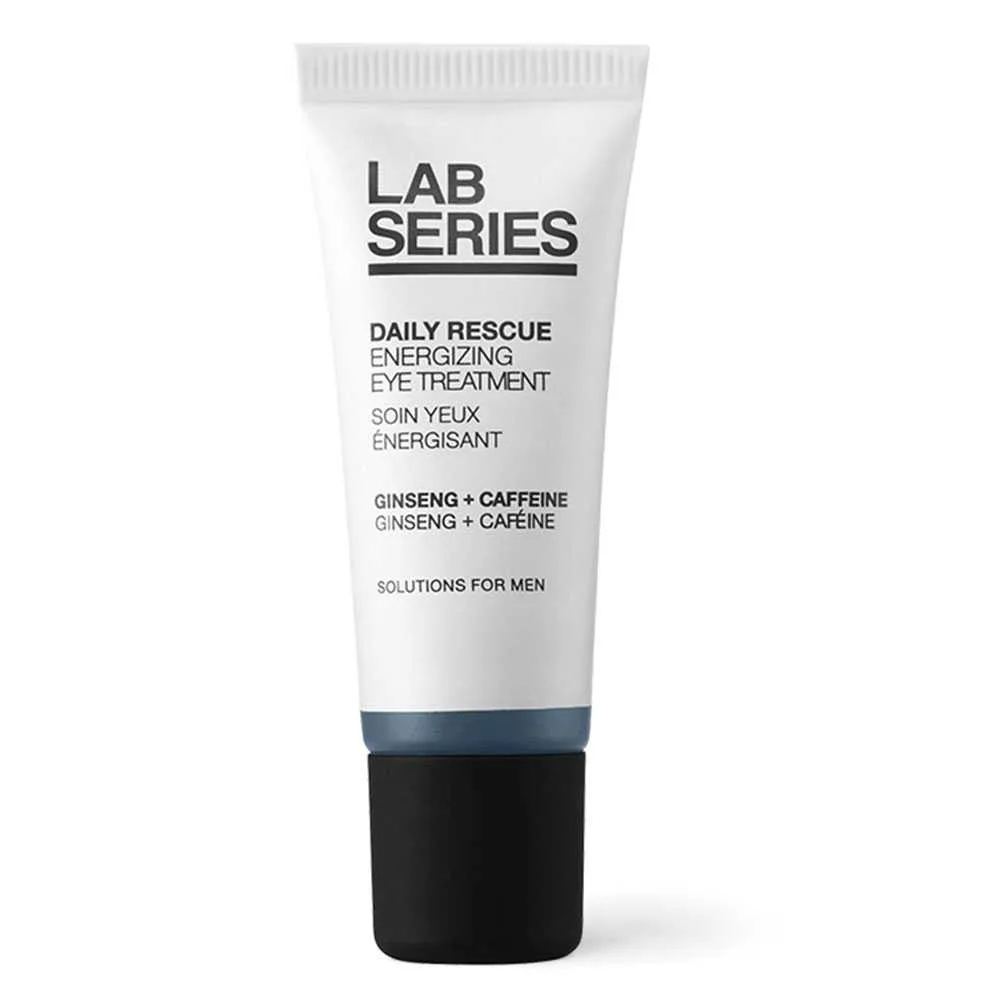


How to Choose
The best eye cream for oily skin is almost always not a cream at all — it's a gel or a serum, because the rich balms that flatter dry skin are exactly what leave oily types with milia and a greasy sheen by mid-morning. There's a small irony here worth naming: the under-eye area has very few oil glands of its own, so the skin there can be drier than the rest of an oily face.
The problem isn't that the eye area produces too much oil; it's that people with oily skin reach for whatever's nearby, and heavy occlusive eye balms sit on top of skin that can't absorb them, sometimes seeding the tiny white bumps called milia. So the move is a featherweight texture that hydrates and treats without occluding: water-gel and serum formats that vanish on contact. Look for niacinamide to support the barrier and tone, caffeine to de-puff, and hyaluronic acid for weightless hydration — the combination in Innisfree's Vitamin C Niacinamide eye serum ($23) or the cooling gels from Jack Black ($26) and Dr. Dennis Gross ($72). What to avoid: thick balms, heavy plant butters, and anything that lists an occlusive like petrolatum near the top. The honest caveat is that an eye cream's job is modest — it hydrates, de-puffs, and softly brightens, but it won't drain genuine under-eye bags or erase dark circles that are really shadow or pigment. Keep it light, keep it oil-free, and the area stays comfortable all day.
Buying Guide
Texture is the single most important variable for oily skin, so prioritize lightweight gel, water-gel, or serum formats over creams and balms. Scan for an oil-free, non-comedogenic label and avoid heavy occlusives such as petrolatum, lanolin, or rich plant butters, which can clog the delicate eye area and contribute to milia. For active ingredients, niacinamide supports the barrier without heaviness, caffeine temporarily reduces puffiness, and hyaluronic acid hydrates without residue — peptides are a worthwhile bonus for firmness. Cooling metal-tip or gel applicators add a de-puffing perk that oily-skin users tend to appreciate in the morning. Apply only a small amount, since the eye area absorbs slowly and excess product just sits on the surface. On price, this category spans $17 to $150, but lightweight K-beauty serums in the $23–$30 range consistently match the pricier clinical gels for daily oily-skin needs.
Frequently Asked Questions
Does oily skin even need an eye cream?
The under-eye area has few oil glands and can be drier than the rest of an oily face, so a lightweight eye product still has a role in hydrating, de-puffing, and brightening. The key is choosing a gel or serum rather than a rich cream, so you treat the area without adding unwanted grease or clogging.
Why do I get little white bumps after using eye cream?
Those bumps are often milia, tiny keratin-filled cysts that can form when heavy, occlusive products sit on the thin under-eye skin. Switching to a lightweight, oil-free gel or serum and avoiding rich balms around the eyes usually prevents them from forming.
What ingredients should oily skin look for in an eye product?
Niacinamide for barrier support and tone, caffeine for de-puffing, and hyaluronic acid for weightless hydration are the core trio, with peptides as a useful addition for firmness. Just as important is what to avoid — petrolatum, lanolin, and heavy butters that can clog the area.
Can a gel eye product still help with dark circles and puffiness?
Yes — gel formats with caffeine temporarily reduce puffiness, and niacinamide or vitamin C can gradually soften pigment-related darkness. However, dark circles caused by shadowing or under-eye structure won't respond to any topical, so set expectations based on what's actually causing yours.