Industry & Trends News
Skin Flooding and the Great Barrier Obsession of 2026
Half a genuine correction to the acid-everything era, half a new excuse to sell you five products where two would do.
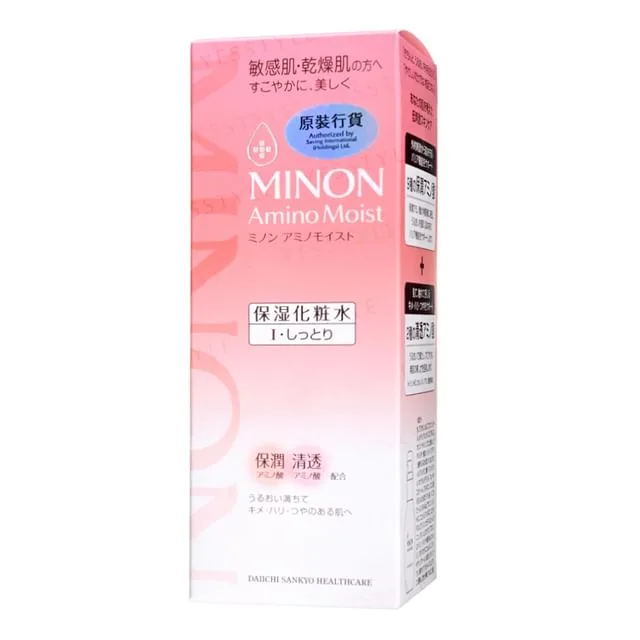
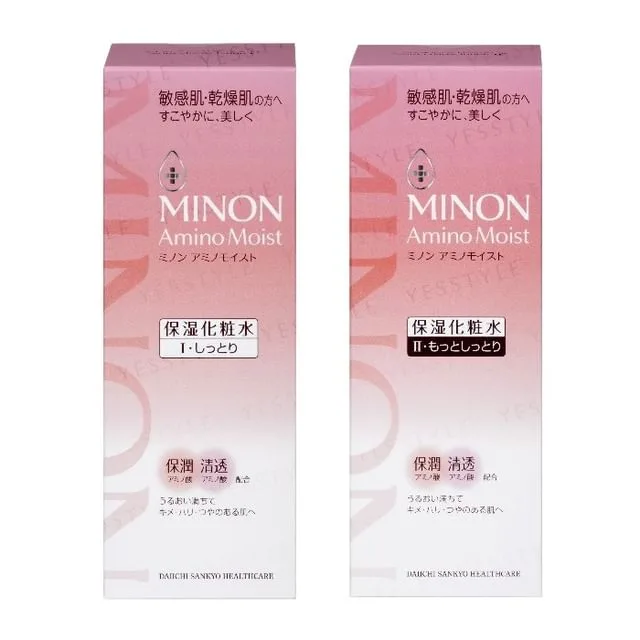
It's the lightest of Minon's Charge Lotion options (Lotion I), designed for combination-to-normal skin types where the richer Lotion II would feel like too much. The genuine NMF amino-acid complex plus carnosine plus dual-molecular-weight hyaluronic acid is a more thoughtful hydrating-toner ingredient stack than the broader sensitive-skin pharmacy-brand market offers at this tier, and the genuine fragrance-free positioning is non-negotiable in a way many 'fragrance-free' competitors quietly violate.
The light-texture entry in Minon's Charge Lotion lineup — a hydrating toner that's actually built around a genuine NMF amino-acid complex rather than just claiming one. Dual-molecular-weight hyaluronic acid, carnosine, and a phytosteryl emollient ester round out a notably thoughtful formulation that earns its premium price for sensitive-skin users who've struggled to find a tolerable hydrating lotion. Combination-to-normal complexions get the most out of Lotion I; truly dry skin should consider the Lotion II Moist instead.
The case for it
Same rule for everyone. “Good choice” is the verdict on 9,564 of 45,024 concern verdicts across the catalog; rule R5 decided 9,072 of them. Unchanged since September 5, 2026, engine 5.1.1.
Brand or formulator? Disclose a concentration or correct a fact →
The studies behind the evidence row
The case for it
What would change this: A researched evidence row for the lead active would replace this with a verdict.
Same rule for everyone. “Good choice” is the verdict on 1,938 of 45,024 concern verdicts across the catalog; rule F2 decided 1,938 of them. Unchanged since September 5, 2026, engine 5.1.1.
Brand or formulator? Disclose a concentration or correct a fact →
Also listed for Compromised Skin Barrier — the actives here (Glycerin, Hyaluronic Acid, Cleansing Surfactants, Carnosine) are in our research queue for that concern; there is no verdict until their evidence rows are written. That is a gap in our table, not a mark against the product.
Does the jobDoes what a toner is for: not alcohol-driven, adds something real. Not measured from the label: restores skin pH, plays well with what follows.
A verdict is DermApproved’s assessment of how well a product’s ingredients fit a concern — never a claim about what the product treats. Evidence dots and collected reviews sit beside it and are never blended in. Rules 0.5.1 · evidence table ev-2026.09-r228 · how we decide
Minon's Charge Lotion I is what happens when a pharmaceutical company decides to make a hydrating toner. Daiichi Sankyo Healthcare designed it as the leave-on counterpart to the brand's Gentle Wash cleansers — same formulation philosophy (NMF amino-acid lead, fragrance-free, pharmaceutical-grade rigor), now in a format where the ingredients have actual dwell time on skin instead of washing off in 30 seconds. The result is one of the most genuinely well-formulated hydrating toners available in the Japanese pharmacy tier, with the price tag to match.
The ingredient architecture starts where you'd want it to start: glycerin at second position, methyl gluceth-20 at fifth, and a comprehensive NMF amino-acid complex (serine, alanine, arginine, glycine, threonine, valine, histidine, proline, leucine) distributed through the formula at meaningful concentrations. This isn't an amino-acid pixie-dust inclusion. The amounts are sufficient to make the lotion function as a genuine NMF-replenishment treatment, which is the clinical mechanism behind sensitive-skin lotions actually working rather than just sitting on the skin.
The carnosine inclusion is the second flex worth flagging. Carnosine is a dipeptide of beta-alanine and histidine with extensive published evidence supporting topical antioxidant and anti-glycation activity. It's typically found in $40+ treatment serums and rarely in a hydrating lotion at this price point. Daiichi Sankyo included it as part of their 'two clarifying amino acids' marketing — along with lysine HCl — and the actual concentration and dwell time in a leave-on lotion is enough for it to deliver meaningful antioxidant character to the formula.
The hyaluronic acid system uses both sodium hyaluronate (standard molecular weight) and hydrolyzed hyaluronan (lower molecular weight). This dual-MW approach is the more thoughtful alternative to single-form HA inclusions — the higher MW provides surface plumping and water retention at the stratum corneum surface, while the lower MW penetrates slightly deeper and provides more sustained hydration. The combination is what gives this lotion its workday-holding plumping effect that single-MW hyaluronic acid products often can't match.
The phytosteryl/octyldodecyl lauroyl glutamate further down the list is the same skin-mimetic emollient ester that Minon uses across the Amino Moist range as a barrier-supportive component. In a watery lotion format it contributes a subtle cushioned finish that distinguishes the Charge Lotion from purely-aqueous competitors like the Hada Labo Gokujyun line.
In practical use the lotion performs reliably. Pour 3-5 drops into clean damp palms, warm briefly between hands, then press and pat into damp skin. The watery lotion absorbs within 20 seconds without tackiness, leaving a soft dewy finish that holds the next layer (serum or moisturizer) without pilling. The texture is light enough for the Japanese 'seven skin method' — layering 2-3 applications for cumulative hydration — which is particularly useful for combination skin in dry winter air or for post-procedure recovery contexts.
The fragrance-free claim is genuinely fragrance-free in a way that some 'fragrance-free' competitors quietly violate. No masking perfumes, no 'natural' aromatic extracts, no botanical fragrances hiding under other ingredient names. The product has only the faint inherent note of a clean amino-acid formulation, which fades immediately on application. For sensitive-skin users who've been frustrated by fragrance creeping back into supposedly-fragrance-free formulations, this matters.
Value is the genuine question with this product. At about $22 for 150ml at Japanese pharmacy pricing, the per-ml cost is significantly above Hada Labo Gokujyun and mainstream Japanese hydrating toners (Senka, Naturie), roughly at parity with sensitive-skin specialist Western brands (La Roche-Posay, CeraVe), and below true prestige Japanese options (SK-II, Albion). What you pay extra for is the comprehensive NMF amino-acid complex, the carnosine inclusion, the dual-MW HA system, and Daiichi Sankyo's pharmaceutical-grade formulation rigor. For sensitive-skin users who tolerate few alternatives, the premium is reasonable. For everyone else, Hada Labo Gokujyun delivers 70-80% of the basic hydration function at a quarter of the price.
Who this is for: combination, normal, and sensitive complexions building or completing a Minon Amino Moist routine, anyone who has tried mainstream Japanese hydrating toners without finding one that didn't trigger fragrance reactions, post-procedure recovery users needing a maximally-tolerable hydrating lotion in the days after professional treatments, and routine builders who want a pharmaceutical-grade leave-on hydration step.
Who should skip: very dry skin types who need the richer Lotion II Moist version instead, budget-conscious shoppers for whom Hada Labo Gokujyun delivers sufficient hydration at a quarter of the price, cruelty-free purchasers ruled out by Daiichi Sankyo's mainland China distribution, and anyone whose hydrating-toner priority is delivering specific actives (vitamin C, niacinamide, BHA) rather than barrier-supportive hydration.
The broader take: this is the toner Minon users default to once they've committed to the brand's Gentle Wash cleansers, and the Amino Moist routine works best when the products are layered together as designed. The Charge Lotion I is the second step in that routine, and it does what the brand intends — delivers comprehensive amino-acid and hyaluronic-acid hydration in a format engineered specifically for sensitive-skin tolerance. The price is a real consideration; the formulation quality is genuine. For the right user, it earns its place. For the wrong user, simpler hydrating toners will serve adequately at lower cost.
The hero actives that drive this product's performance.
| Ingredient | Function | Evidence |
|---|---|---|
| Nine-Amino-Acid NMF Complex | Serine, alanine, arginine, glycine, threonine, valine, histidine, proline, and leucine — the same amino acids that compose natural moisturizing factor in the stratum corneum. In a leave-on lotion these amino acids have meaningful contact time and contribute to actual NMF replenishment, which is the structural mechanism for the brand's sensitive-skin claims. Serine in particular is positioned high in the INCI as the lead amino acid. | Not yet assessed |
| Carnosine + Lysine HCl | Minon's two 'clarifying' amino-acid additions to the standard NMF lineup. Carnosine is a dipeptide with documented antioxidant and anti-glycation activity; lysine HCl provides additional barrier-supportive amino acid character. Together they're what distinguishes the Charge Lotion from a basic amino-acid toner. | Not yet assessed |
| Glycerin + Methyl Gluceth-20 | The dual-humectant backbone of the formula — glycerin for immediate osmotic water draw, methyl gluceth-20 as a longer-chain humectant that provides more sustained hydration. The high positions in the INCI (second and fifth respectively) signal a heavy hydration load that makes this lotion function as a treatment-tier hydrator rather than just a balancing toner. | Established mechanism for Dehydration · established mechanism |
| Sodium Hyaluronate + Hydrolyzed Hyaluronan | Two molecular-weight forms of hyaluronic acid working together — sodium hyaluronate (the standard cosmetic form) and hydrolyzed hyaluronan (lower molecular weight, deeper penetration). The pairing delivers both surface plumping and slightly deeper hydration support, which is part of why this lotion holds plumping effect through a workday. | Established mechanism for Dehydration · established mechanism |
| Phytosteryl/Octyldodecyl Lauroyl Glutamate | A skin-mimetic emollient ester that Minon uses across the Amino Moist range as a barrier-supportive component. In a watery lotion format it contributes a subtle cushioned finish and supports the formula's positioning as suitable for compromised barriers. | Not yet assessed |
Ingredient standings describe the active at treatment-level doses and vehicles; this product's own condition grades weigh its actual formula.
Water, Glycerin, Butylene Glycol, Propanediol, Methyl Gluceth-20, PEG-75, Serine, Betaine, Sodium Citrate, Dipotassium Glycyrrhizate, PEG-50 Hydrogenated Castor Oil Triisostearate, Phytosteryl/Octyldodecyl Lauroyl Glutamate, Phenoxyethanol, Arginine, Citric Acid, PEG-60 Hydrogenated Castor Oil, Tocopherol, Sodium PCA, Alanine, Lysine HCl, PCA Ethyl Cocoyl Arginate, Glycine, Ceteth-20, Threonine, Valine, Histidine, Proline, Leucine, Pentasodium Pentetate, Carnosine, Polyquaternium-61, 1,2-Hexanediol, Hydrogenated Lecithin, Polyglyceryl-10 Laurate, Sodium Hyaluronate, Hydrolyzed Hyaluronan
toner
AM & PM
Apply after cleansing and before serum or moisturizer. The lotion is light enough to layer twice (Japanese 'seven skin method' style) on very dehydrated skin without feeling heavy. Pat in with palms rather than wiping with a cotton pad to avoid wasting product on the pad.
Immediate plumping and dewy finish on first use. Sustained dehydration improvement and reduced reactivity from twice-daily use typically becomes noticeable within 2-3 weeks, especially in combination with the rest of the Amino Moist routine.
The relevant chemistry here is the dual-mechanism hydration approach. Humectants — glycerin and methyl gluceth-20 in the top of the INCI — work by osmotic water draw into the upper stratum corneum, pulling water both from the dermis below and from ambient humidity above. Hyaluronic acid (sodium hyaluronate and hydrolyzed hyaluronan) functions as a water-binding polymer that holds many times its weight in water on and within the stratum corneum. The combination provides both immediate plumping (from the humectants) and sustained surface retention (from the hyaluronic acid). This dual-mechanism approach is well-validated in cosmetic chemistry and dermatology literature.
The NMF amino acid complex is the more interesting formulation choice. Natural moisturizing factor is the hygroscopic mixture of amino acids, urea, lactate, and salts naturally present in the stratum corneum that maintains hydration; its depletion is a structural problem in atopic dermatitis and chronic dry skin. The published research on topically applied NMF amino acids in leave-on products supports modest barrier-recovery effects at meaningful concentrations, primarily through replenishment of the depleted amino-acid pool in compromised stratum corneum. The Minon formula's comprehensive amino-acid lineup (matching NMF composition rather than featuring one or two amino acids cosmetically) suggests Daiichi Sankyo's formulators understood the research and built around it.
The carnosine inclusion deserves a brief mechanistic note. Carnosine has documented activity as both a topical antioxidant (via free-radical scavenging and metal-chelation mechanisms) and as an anti-glycation agent (preventing advanced glycation end-product formation that contributes to skin aging). In leave-on formulations at concentrations from 0.5-2%, carnosine has shown measurable effects on skin tolerance to oxidative and glycative stress. The dwell time in a hydrating lotion is sufficient for these mechanisms to operate to some degree.
The phytosteryl/octyldodecyl lauroyl glutamate is a skin-mimetic emollient ester that's part of a small category of cosmetic ingredients designed to support the stratum corneum lipid lamellae structure. Its inclusion in a watery lotion provides a subtle barrier-supportive component that adds to the overall sensitive-skin tolerance profile.
The formulation's pH is reportedly slightly acidic (around 5.5), which matches the skin's natural pH range and supports the formula's positioning as compatible with compromised stratum corneum barriers that are particularly sensitive to pH-shifting products.
The inclusion of dipotassium glycyrrhizate (licorice-derived anti-inflammatory) and tocopherol (vitamin E antioxidant) provides additional supportive character — neither is the headline active here, but both contribute to the formula's broad sensitive-skin compatibility.
Minon Amino Moist Charge Lotion I occupies a specific position in Japanese clinical dermatology — it is among the hydrating toners most frequently suggested for sensitive-skin patients, post-procedure recovery, and chronic compromised-barrier presentations where simpler hydrating toners haven't provided sufficient barrier support or have triggered fragrance reactivity. Clinically the appealing characteristics are the comprehensive NMF amino-acid complex (genuinely formulated rather than cosmetically claimed), the dual-molecular-weight hyaluronic acid system, the genuine fragrance-free formulation, and the absence of common contact sensitizers across the ingredient list. The flag clinicians sometimes raise is the price relative to simpler hydrating toners like Hada Labo Gokujyun, which delivers basic hydration function adequately for many patients at a quarter of the cost. For patients with diagnosed atopic dermatitis, rosacea, or chronic sensitive skin, dermatologists frequently consider the Minon Charge Lotion worth the premium for the more comprehensive formulation; for patients with simpler hydration needs, simpler products typically work fine.
After cleansing, pour 3-5 drops of the lotion into clean damp palms. Warm briefly between your hands. Press and pat into damp skin, allowing the lotion to absorb without rubbing or wiping. For very dehydrated or winter skin, apply 2-3 thin layers ('seven skin method') with each layer absorbing before the next is added. Follow with serum, then moisturizer, then sunscreen in the AM. Avoid cotton-pad application, which wastes lotion and adds unnecessary friction. Safe for use morning and evening.
At approximately $22 for 150ml at Japanese pharmacy pricing, this sits in the mid-premium sensitive-skin hydrating-toner bracket — meaningfully above Japanese drugstore competitors like Hada Labo Gokujyun (around $6-8 for similar volume) and roughly at parity with Western sensitive-skin pharmacy brands. The premium reflects the cost of the comprehensive NMF amino-acid complex, the carnosine inclusion, the dual-MW HA system, and Daiichi Sankyo's pharmaceutical-grade formulation overhead. The 150ml bottle lasts about 2-3 months of twice-daily face use, putting monthly cost at about $8-10 — reasonable for a specialty sensitive-skin product. International markup at non-Japanese retailers can push this product to $30-$36, which weakens the value proposition; at that pricing, La Roche-Posay or Avène hydrating tonics may serve similar functional needs for less spend. The honest value verdict: worth the premium for sensitive-skin patients with active barrier concerns; overkill for everyday hydration needs that simpler products can address.
Combination, normal, and sensitive complexions building or completing a Minon Amino Moist routine, anyone who has tried mainstream Japanese hydrating toners without finding one that didn't trigger fragrance reactions, post-procedure recovery users needing maximally-tolerable hydration in the days after professional treatments, and routine builders who want a pharmaceutical-grade leave-on hydration step.
Very dry skin types should use Charge Lotion II Moist instead for richer hydration. Budget-conscious shoppers for whom Hada Labo Gokujyun delivers sufficient function at a quarter of the price should pass. Cruelty-free purchasers ruled out by Daiichi Sankyo's mainland China distribution. Anyone whose hydrating-toner priority is delivering specific actives (vitamin C, niacinamide, BHA) rather than barrier-supportive hydration should choose a treatment toner instead.
Ready to try Minon Amino Moist Charge Lotion I?
Buy at Amazon ♥A thin, watery lotion that pours easily and absorbs almost immediately on patting in; slightly more viscous than pure water but distinctly not a serum.
Genuinely fragrance-free — only the faint inherent ingredient note of a clean amino-acid formulation.
Standard plastic bottle with a flip-top cap or pump (varies by retailer); the wide-mouth flip-top dispenses generously but lacks the precise pour control of a pump.
First application is sensorially light — the watery lotion warms quickly against skin and absorbs within 20 seconds. Skin feels immediately plumped and slightly dewy without any tackiness. Within the first week, reactive complexions typically report noticeably less mid-day tightness and a more consistent dewy finish that holds through the AM routine.
About 2-3 months at twice a day face use; closer to 1.5 months if used as a layered seven-skin-method hydration step.
All Year
Minon was developed by Daiichi Sankyo Healthcare in 1973 specifically for sensitive and easily-irritated complexions, and the Amino Moist sub-line emerged in the 2000s around natural-moisturizing-factor amino acid composition. The Charge Lotion series — Lotion I for lighter texture, Lotion II for richer — was added to give users a hydration toner that matched the gentleness of the Gentle Wash cleansers, completing the line's claim to provide a full routine for reactive complexions without needing to mix brands.
Minon was founded in 1973 by Daiichi Sankyo Healthcare — the OTC arm of one of Japan's largest pharmaceutical companies — and built its sensitive-skin reputation over five decades. The Amino Moist sub-line is anchored on natural-moisturizing-factor amino acid composition, with proprietary clinical formulation work behind it and broad familiarity in Japanese dermatology offices for chronic atopic and barrier-compromised patients.
Amino acid toners are just glorified water with marketing.
Some are. This isn't one. The Minon formula includes a comprehensive NMF amino-acid lineup at meaningful concentrations, dual-molecular-weight hyaluronic acid, and a phytosteryl emollient ester for barrier support. The published research on topical NMF amino acids in leave-on formulations supports modest barrier-recovery effects — this lotion delivers that at the cost of a premium pharmacy-brand price.
If a product is gentle enough for atopic skin, it must be too weak to actually do anything.
Gentleness and efficacy are not always in tension. This lotion uses well-validated ingredients (glycerin, hyaluronic acid, NMF amino acids) at meaningful concentrations in a vehicle that's been engineered for tolerance rather than for actives-loading. The result is genuine hydration delivery without irritation risk — the right framing for sensitive-skin formulation rather than a compromise.
Same brand, two different richness levels. Charge Lotion I is the lighter texture — better for combination, normal, and oily-leaning skin types. Charge Lotion II Moist is the richer version with a more viscous, more cushioned feel — designed for genuinely dry skin or for use during winter when extra hydration support is needed. Many Minon users keep both and switch seasonally.
Hands. The cotton-pad method wastes a meaningful percentage of the lotion in the pad itself, and the friction can be unnecessarily irritating for sensitive skin. Pour 3-5 drops into clean palms, warm briefly, then press into damp skin. This delivers the full product to your face without the absorption loss of a pad.
Yes — this lotion is specifically light enough for layered application. For very dehydrated complexions or winter use, applying 2-3 thin layers (allowing each to absorb before adding the next) delivers meaningfully more sustained hydration than a single heavy application. The texture won't pill or feel sticky in multiple layers.
Yes. The formula contains humectants, amino acids, hyaluronic acid, and a single licorice-derived anti-inflammatory — none of which carry pregnancy contraindications. The phenoxyethanol preservative is well within standard cosmetic-safety thresholds for pregnancy. As always, anyone with specific ingredient concerns during pregnancy should run it past their OB.
No conflicts — the lotion's job is to set up the skin's hydration baseline before a treatment serum, not to interact with it. Apply the Lotion first, allow to absorb, then layer your retinol or acid serum on top. The amino-acid and hyaluronic-acid hydration actually buffers some of the dryness retinol can cause, which is a useful combination.
No. Daiichi Sankyo Healthcare distributes through mainland China retail channels where animal testing is required by local regulation, so Minon cannot claim cruelty-free certification. For shoppers where that's a hard purchase requirement, the entire Minon line would be ruled out regardless of formulation merits.
Different approaches, both legitimate. Hada Labo Gokujyun is built around multiple molecular weights of hyaluronic acid as the primary actives, with a simpler overall formula and dramatically lower price. Minon Charge Lotion I includes a more comprehensive NMF amino-acid complex, dual hyaluronic acid forms, and additional pharmaceutical-grade barrier-supportive ingredients — at roughly 4x the price. Choose Hada Labo for value-focused basic hydration; choose Minon for sensitive-skin patients who need the more thoughtful formulation.
Recurring themes our editors read across retailer reviews of this product — summaries in our words, not quotations, and not a substitute for your own patch test.
Genuine fragrance-free formulation with no masking notes
Light, watery texture absorbs without tackiness
Sustained hydration through a workday
Tolerated by chronically reactive complexions
Pairs cleanly with the rest of the Amino Moist routine
Premium price for a hydrating lotion format
Tube/bottle is functional rather than aesthetic
150ml goes faster than expected with twice-daily use
Limited availability outside Japan and select retailers
Verified answers from our questions library — the nuance a product page cannot carry.