Best Toners for Dehydrated Skin
Updated September 2026 · independently researched, no sponsored placements
Our top 40 picks, ranked from 500 reviewed products — ordered by each product's dehydration verdict, then evidence strength.




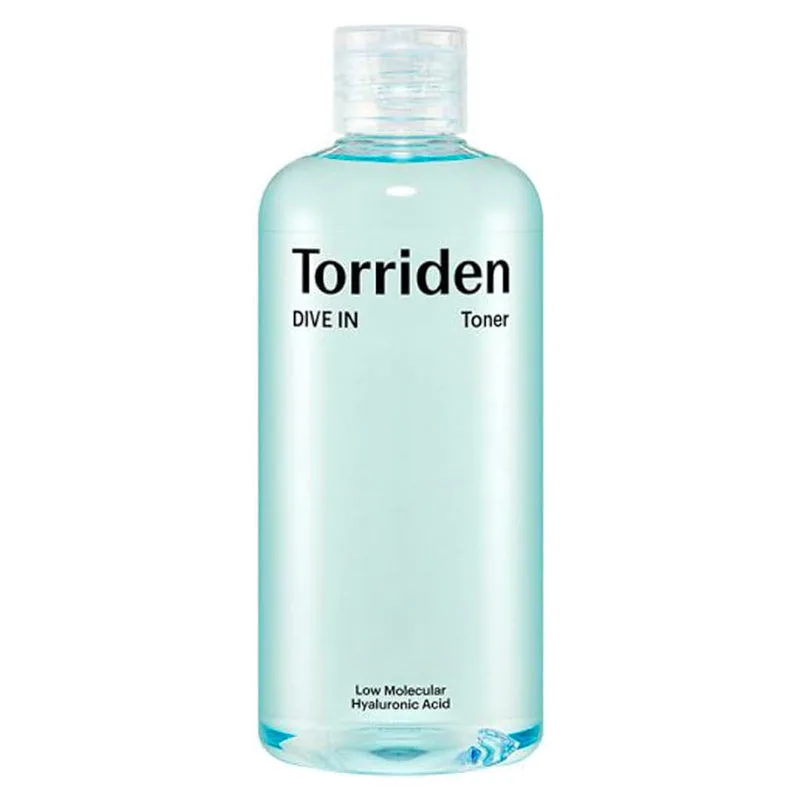
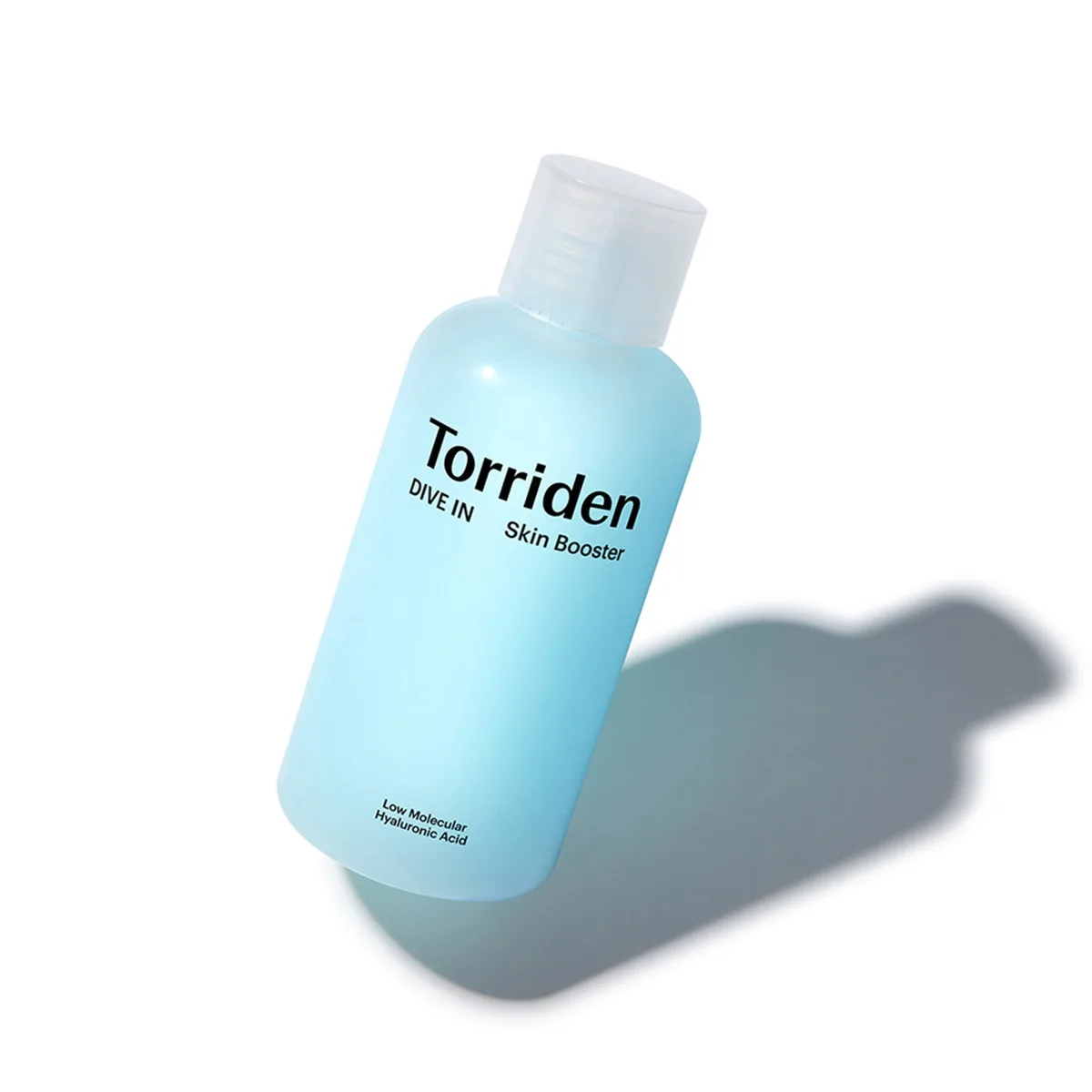



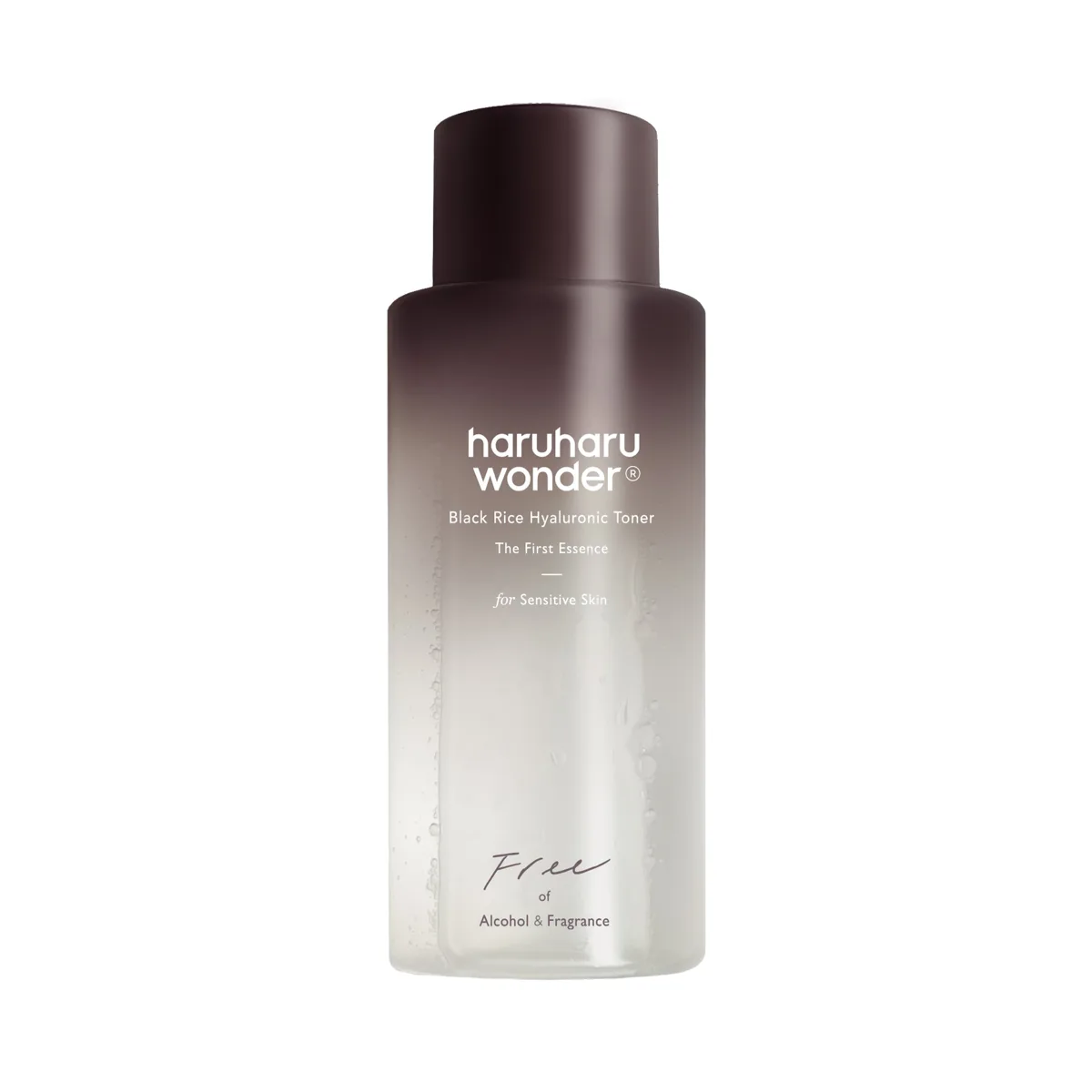






How to Choose
The best toners for dehydrated skin have nothing to do with the stinging, astringent toners of the past — they're hydrating prep layers that flood thirsty skin with water before the rest of your routine goes on. Dehydration is a water problem, not an oil one, which means it can hit any skin type, including oily skin that's shiny on the surface but tight and crepey underneath.
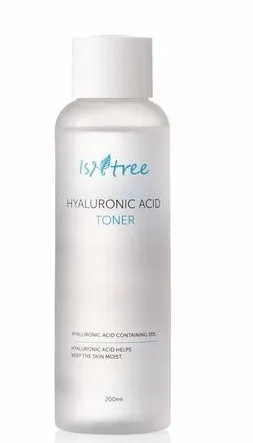
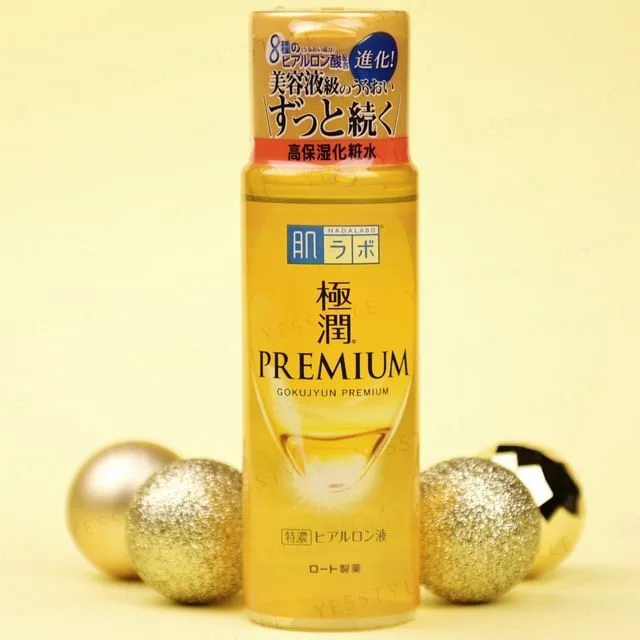
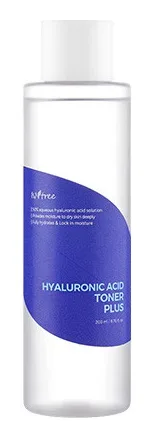
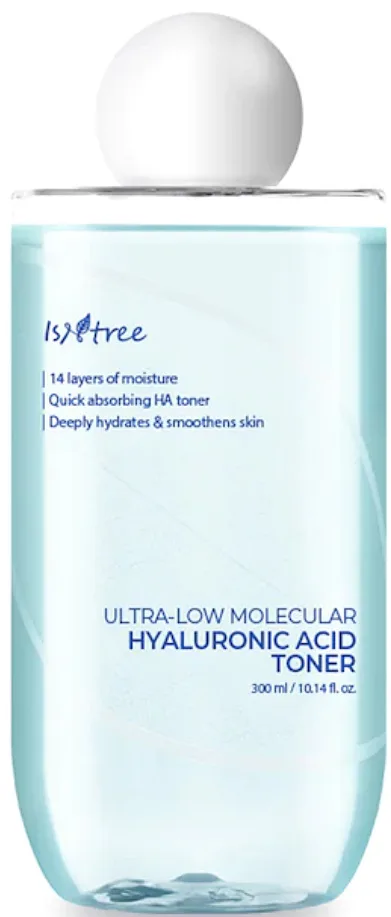
The signs are dullness, fine "dehydration lines" that vanish when you hydrate, and makeup that clings to dry patches. A modern hydrating toner fixes this by delivering humectants — hyaluronic acid, glycerin, panthenol, amino acids — in a thin, watery format your skin drinks up fast. The K- and J-beauty entries here are the benchmark: Isntree's Hyaluronic Acid Toner ($20) layers multiple HA weights with tremella mushroom, and Hada Labo's Gokujyun Premium Lotion ($15) is a cult classic for a reason. A trick worth knowing is layering several thin coats (the "7-skin" idea) to build hydration gradually rather than one heavy slap. What to look for: humectants high on the list, soothing centella or beta-glucan, and a fragrance-free base if you're reactive. The trap is an old-style toner with alcohol or witch hazel high up, which strips and worsens dehydration. One honest caveat — a toner adds water but doesn't lock it in, so always follow with a moisturizer to seal the gains. At $13 to $38, it's a low-cost, high-impact upgrade.
Buying Guide
Read the toner as a hydration step, and judge it on its humectants. Hyaluronic acid (ideally in more than one molecular weight), glycerin, panthenol, and amino acids are the ingredients that pull water into dehydrated skin, so they should sit high on the list. Soothing additions like centella asiatica, beta-glucan, or snail mucin add comfort and a touch of barrier support, which helps dehydrated skin hold onto moisture better. Texture should be genuinely watery to lightly viscous so you can apply it in thin layers — building hydration in a few light passes works better than one heavy application. Crucially, avoid anything with denatured alcohol, witch hazel, or fragrance near the top of the list, since those astringent, stripping ingredients defeat the entire purpose and can deepen dehydration. Because a humectant toner attracts water without sealing it, plan to follow it with a moisturizer that locks the hydration in, especially in dry or low-humidity conditions. Prices are friendly, roughly $13 to $38, so prioritize a humectant-rich, irritant-free formula over a premium label.
Frequently Asked Questions
What does a hydrating toner do for dehydrated skin?
A hydrating toner delivers humectants like hyaluronic acid and glycerin in a lightweight, watery format that dehydrated skin absorbs quickly, acting as the first hydration layer in your routine. It preps the skin so the products that follow work better, but it adds water rather than sealing it, so a moisturizer afterward is essential.
Can oily skin be dehydrated and need a hydrating toner?
Absolutely — dehydration is a lack of water, not oil, so oily skin can be shiny on top yet dehydrated underneath. A lightweight, oil-free hydrating toner adds the water that oily skin is missing, which can actually help reduce the overproduction of oil that comes from a parched surface.
What's the 7-skin method, and does it help dehydration?
The 7-skin method involves layering several thin applications of a hydrating toner to build up moisture gradually rather than applying one heavy layer. It can meaningfully boost hydration for dehydrated skin, though most people see good results with two or three thin layers followed by a moisturizer.
Should I avoid alcohol in a toner for dehydrated skin?
Yes — denatured alcohol and witch hazel high in the ingredient list are stripping and can worsen dehydration, which is the opposite of what you want. Choose a humectant-rich toner without those astringents, and look for soothing ingredients like centella or beta-glucan instead.
How is dehydrated skin different from dry skin?
Dehydrated skin lacks water and is a temporary condition that any skin type can experience, while dry skin lacks oil and is a long-term skin type. A humectant toner addresses dehydration directly, whereas dry skin also needs lipid-rich ingredients like ceramides to rebuild its barrier.