Best Toners for Sensitive Skin
Updated September 2026 · independently researched, no sponsored placements
Our top 40 picks, ranked from 390 reviewed products — ordered by how well each product does its category’s job.





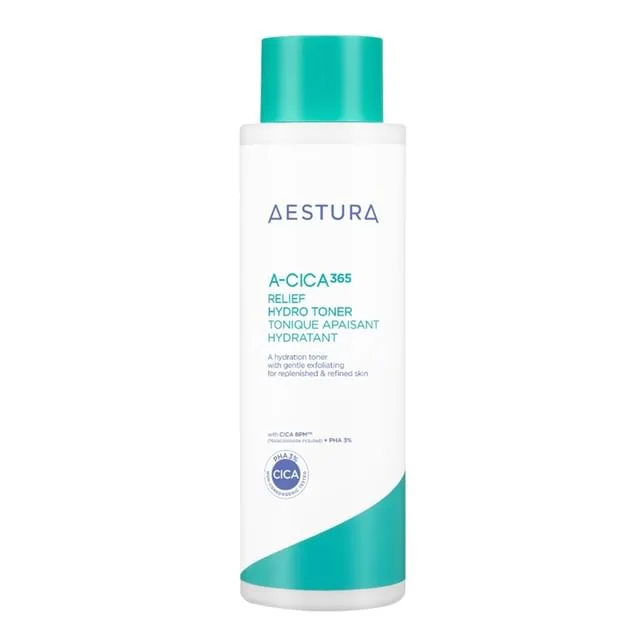


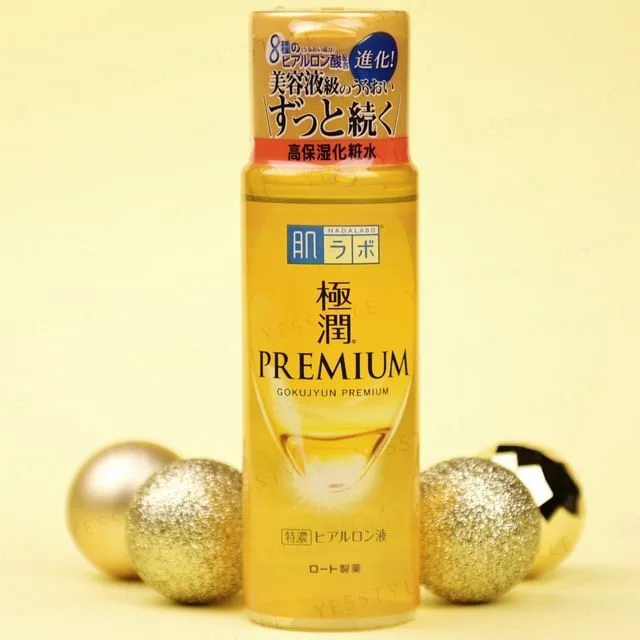

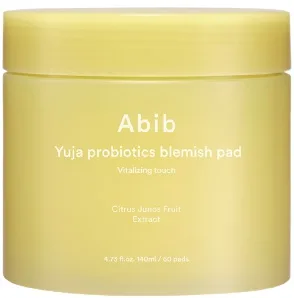

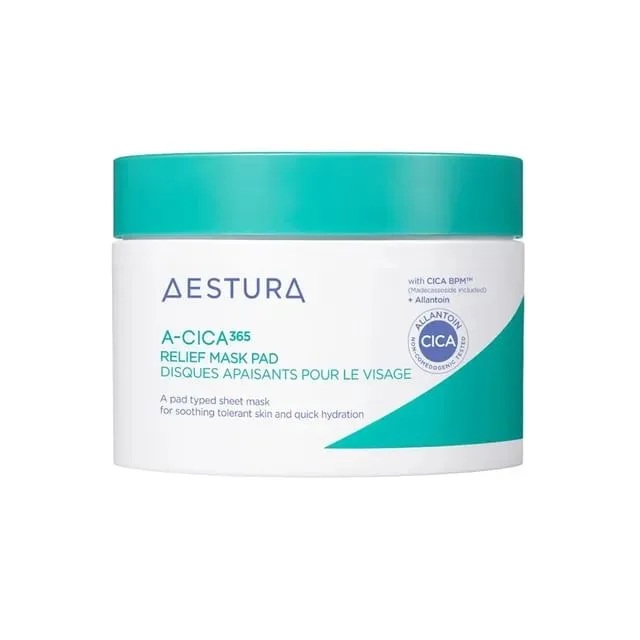

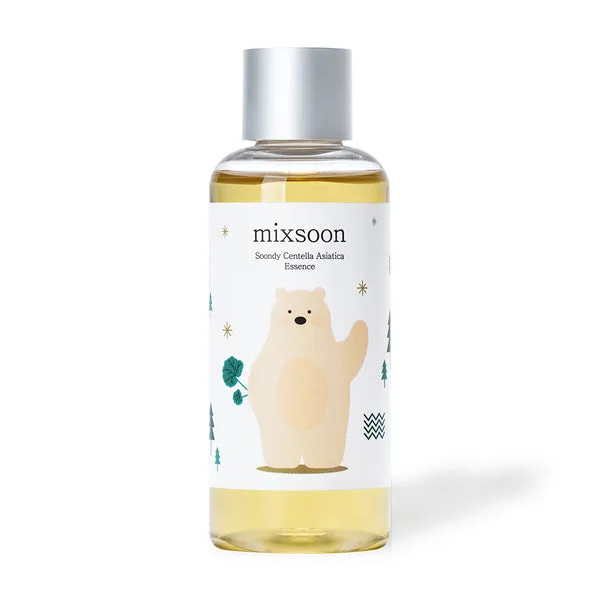

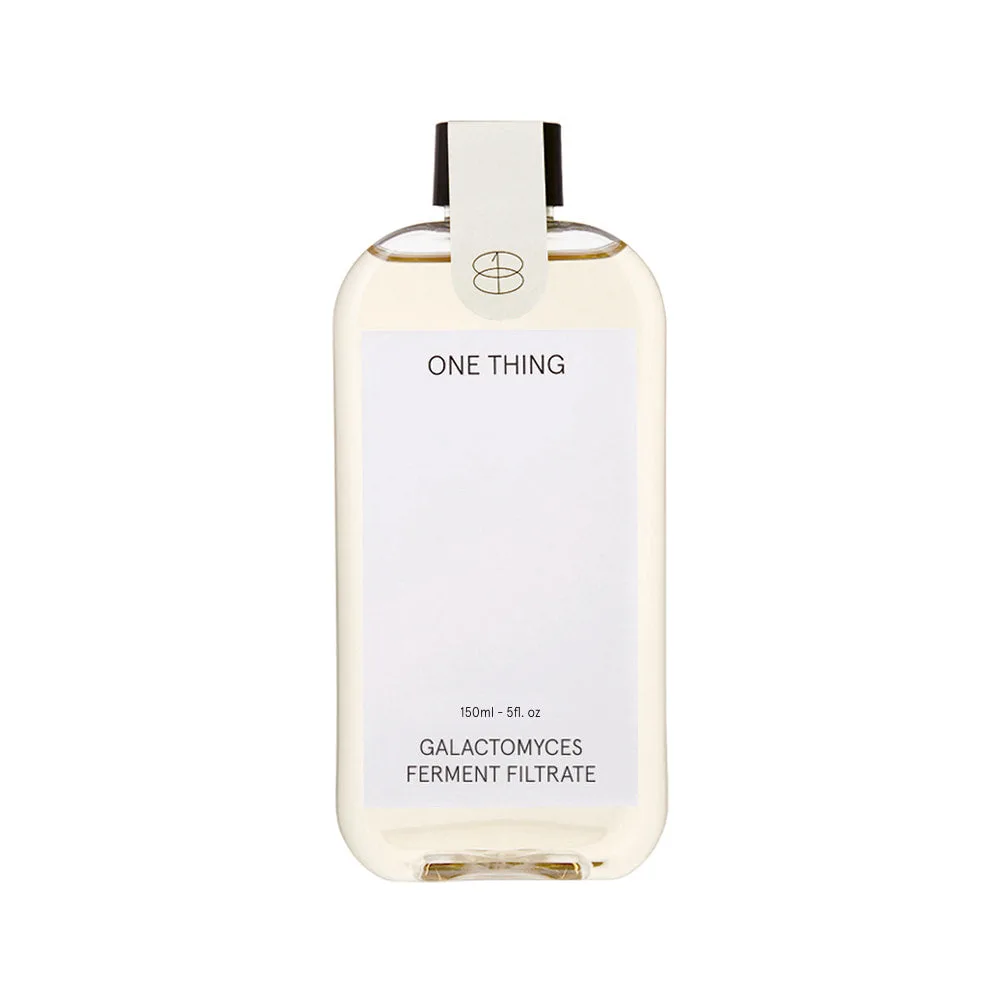
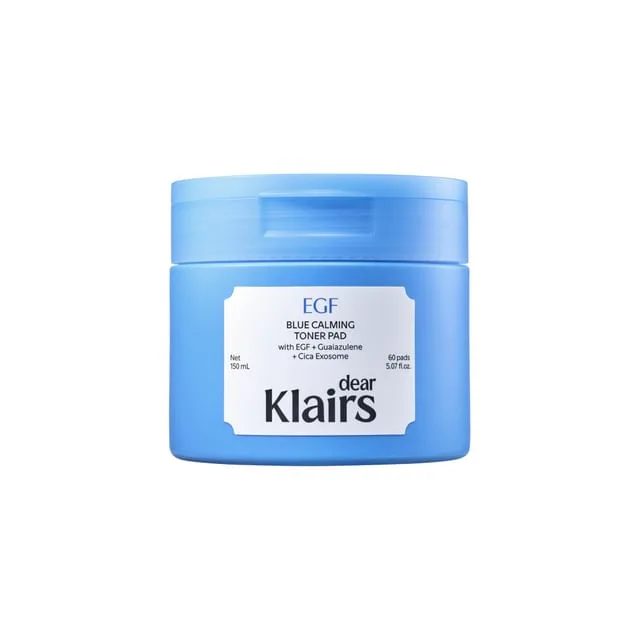

How to Choose
The best toners for sensitive skin are the ones that soothe and prep rather than tone in the old-fashioned, astringent sense — and the first honest thing to say is that sensitive skin doesn't strictly need a toner at all. " The toner step is a common ambush point for reactive skin, because two popular categories are exactly wrong for it: alcohol-forward astringents and trendy exfoliating acid toners (glycolic, high-strength salicylic).
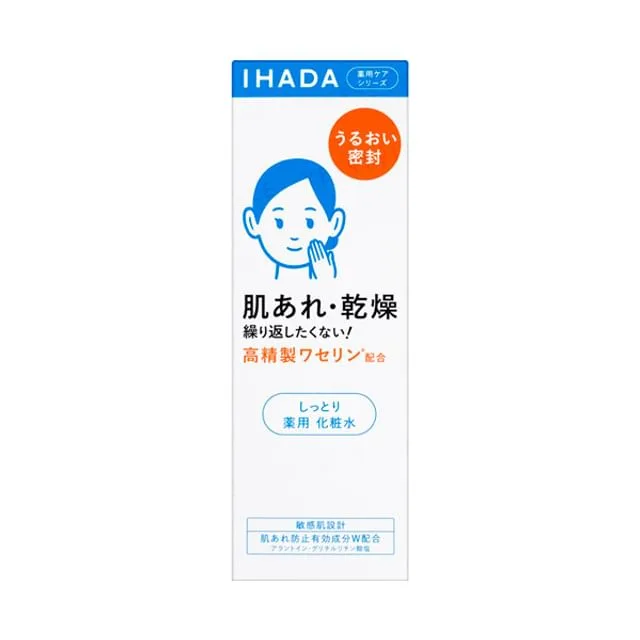
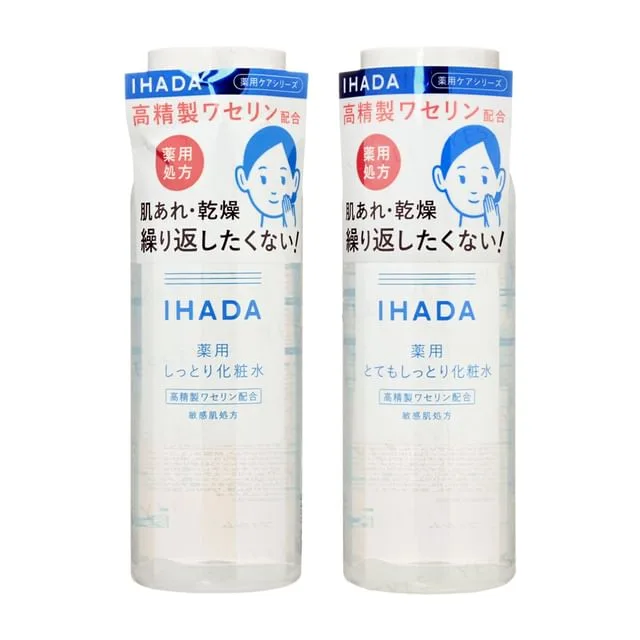
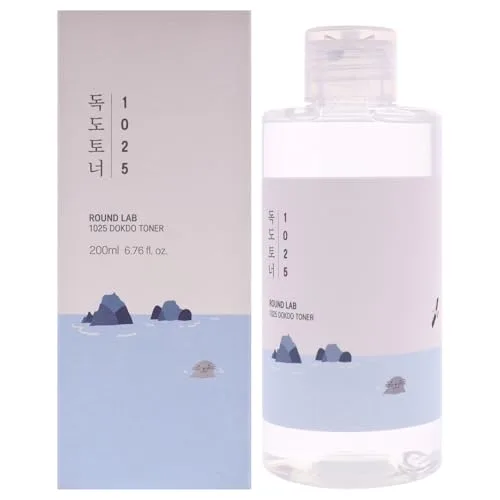
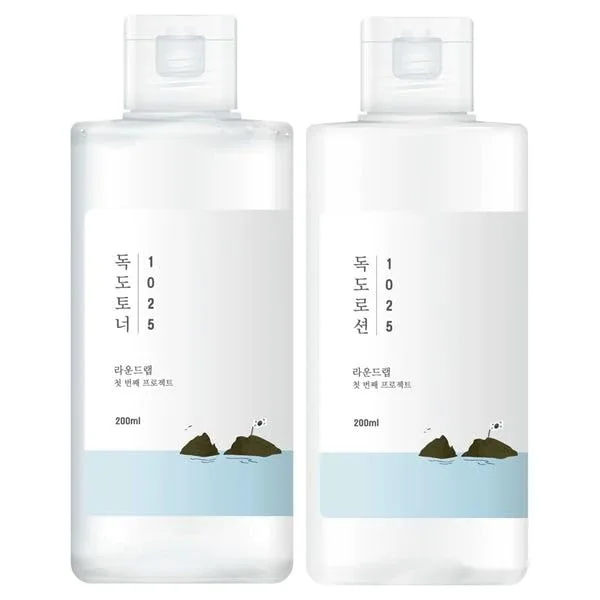
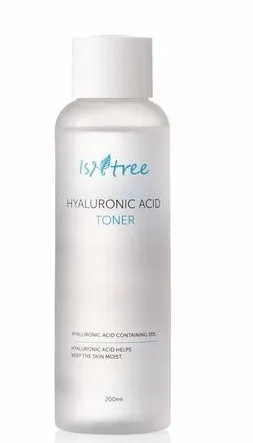
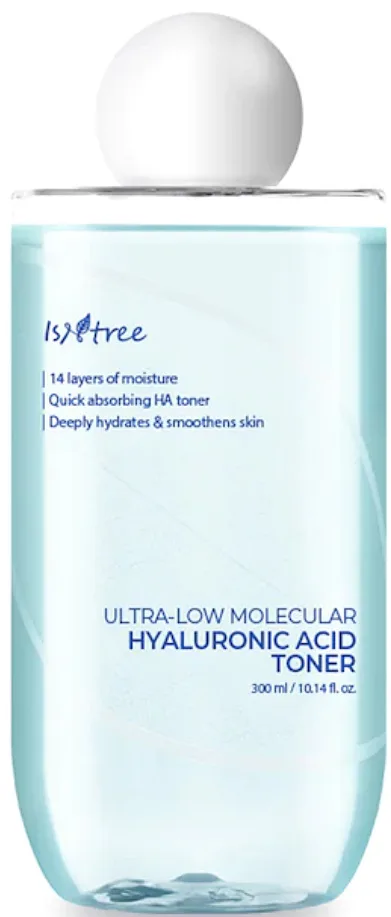
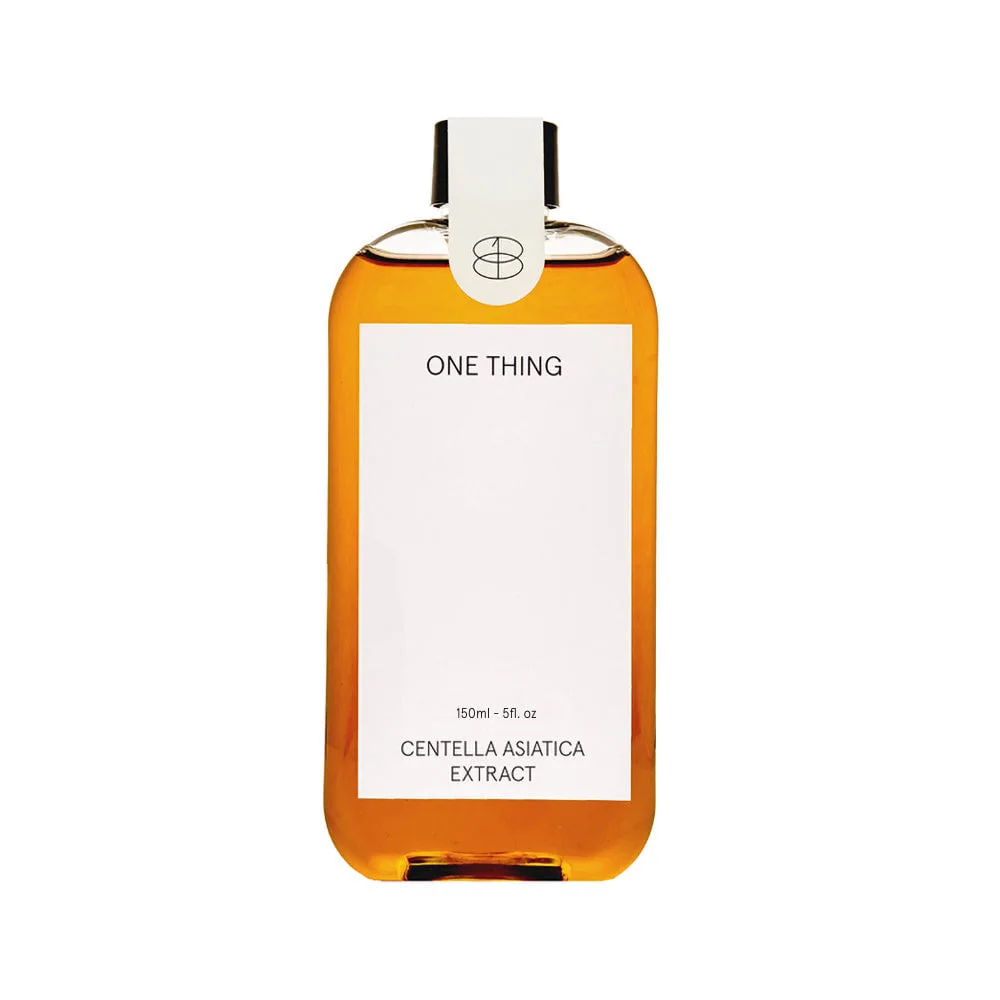
Both can sting, flush, and erode an already-fragile barrier. What sensitive skin wants instead is a short, fragrance-free formula built around soothing actives — centella asiatica is the gold standard, which is why One Thing's beautifully minimal Centella Asiatica Extract ($14) and ROUND LAB's 1025 Dokdo Toner ($19) are such reliable picks. Hydrating, barrier-friendly options like Isntree's Hyaluronic Acid Toner ($20) and the cult J-beauty IHADA Medicated Lotion ($16) calm and cushion in one step. Look for a tight ingredient list, centella, panthenol, allantoin, or beta-glucan, and an unscented base. The trap is a toner marketed as a gentle "daily exfoliator" — for sensitive skin, daily acid is rarely gentle. One honest caveat: introduce any new toner slowly and patch test, since even soothing botanicals can occasionally provoke reactive skin. At $13 to $78, the calmest options are also among the cheapest.
Buying Guide
Decide first whether you even want a toner, since sensitive skin does fine without one — but if you do, choose it as a soothing, hydrating step rather than an astringent one. Favor a short ingredient list, because every added component is another potential trigger, and a minimalist centella or hyaluronic acid toner is often safer than a complex multi-active blend. The soothing actives to seek out are centella asiatica, panthenol, allantoin, beta-glucan, and madecassoside, ideally in a fragrance-free, unscented base. Steer firmly clear of two categories that ambush reactive skin: alcohol-heavy astringent toners and exfoliating acid toners marketed for daily use, since regular acid exposure is rarely as gentle as the label suggests. Texture should feel watery and comfortable, absorbing without any tingle or sting — that sensation signals irritation, not efficacy. Price is reassuringly low for the best soothing toners, roughly $13 to $78 with many excellent options under $25, so there's no need to overspend. Whatever you choose, patch test it for a few days before regular use, since even calming botanicals can occasionally trigger sensitive skin.
Frequently Asked Questions
Does sensitive skin need a toner?
No — a toner is optional for sensitive skin, and you can have a complete routine without one. If you choose to use a toner, pick a soothing, hydrating formula that calms and preps the skin rather than an astringent one, so it adds comfort instead of another potential trigger.
Should I avoid exfoliating toners if my skin is sensitive?
Generally yes — toners marketed as daily exfoliators with glycolic or strong salicylic acid can sting and compromise a fragile barrier, even when labeled gentle. If you want to exfoliate, do it occasionally with a low-strength product rather than relying on a daily acid toner, and prioritize soothing, hydrating toners for everyday use.
What ingredients make a toner gentle for reactive skin?
Centella asiatica, panthenol, allantoin, beta-glucan, and hyaluronic acid are well-tolerated ingredients that soothe and hydrate without irritation. A short, fragrance-free ingredient list is just as important, since fewer components mean fewer chances for a reaction.
Can a toner calm redness or irritation?
A well-chosen soothing toner with centella or panthenol can help comfort mild redness and support the barrier as part of a gentle routine. It won't treat an underlying condition like rosacea, but as a calming hydrating step it can make reactive skin feel less tight and irritated.
Is an alcohol-free toner better for sensitive skin?
Yes — toners with denatured alcohol high on the list can be drying and irritating for reactive skin, so an alcohol-free, fragrance-free formula is the safer choice. Look instead for hydrating and soothing ingredients that leave skin comfortable rather than tight after application.