
Skincare Routine for Rosacea-Prone Skin
Updated September 2026 · picks refresh with our database
First, the disclaimer that matters: rosacea is a medical condition, and if you have persistent flushing, visible vessels, or papules, a dermatologist's prescription options will do more than any skincare aisle can. What a routine can do — and it's not nothing — is stop making things worse and support whatever treatment you're on. Rosacea skin almost always has a weakened barrier and a hair-trigger vascular response, so this routine is stripped to fragrance-free essentials with soothing, anti-redness track records. The sunscreen is mineral-filter by design: UV is the most consistently reported rosacea trigger in clinical surveys, and zinc-based formulas are less likely to sting reactive skin than some chemical filters. Everything here avoids the usual suspects — alcohol-heavy toners, fragrant botanicals, hot-then-cold sensations. Introduce one product at a time and keep notes; rosacea triggers are personal, and your skin's data beats anyone's ingredient list.
Skincare Routine for Rosacea-Prone Skin
dermapproved.com/routines/rosacea/ · September 2026
Morning Routine


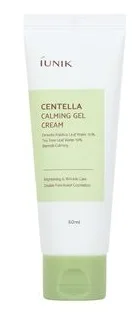
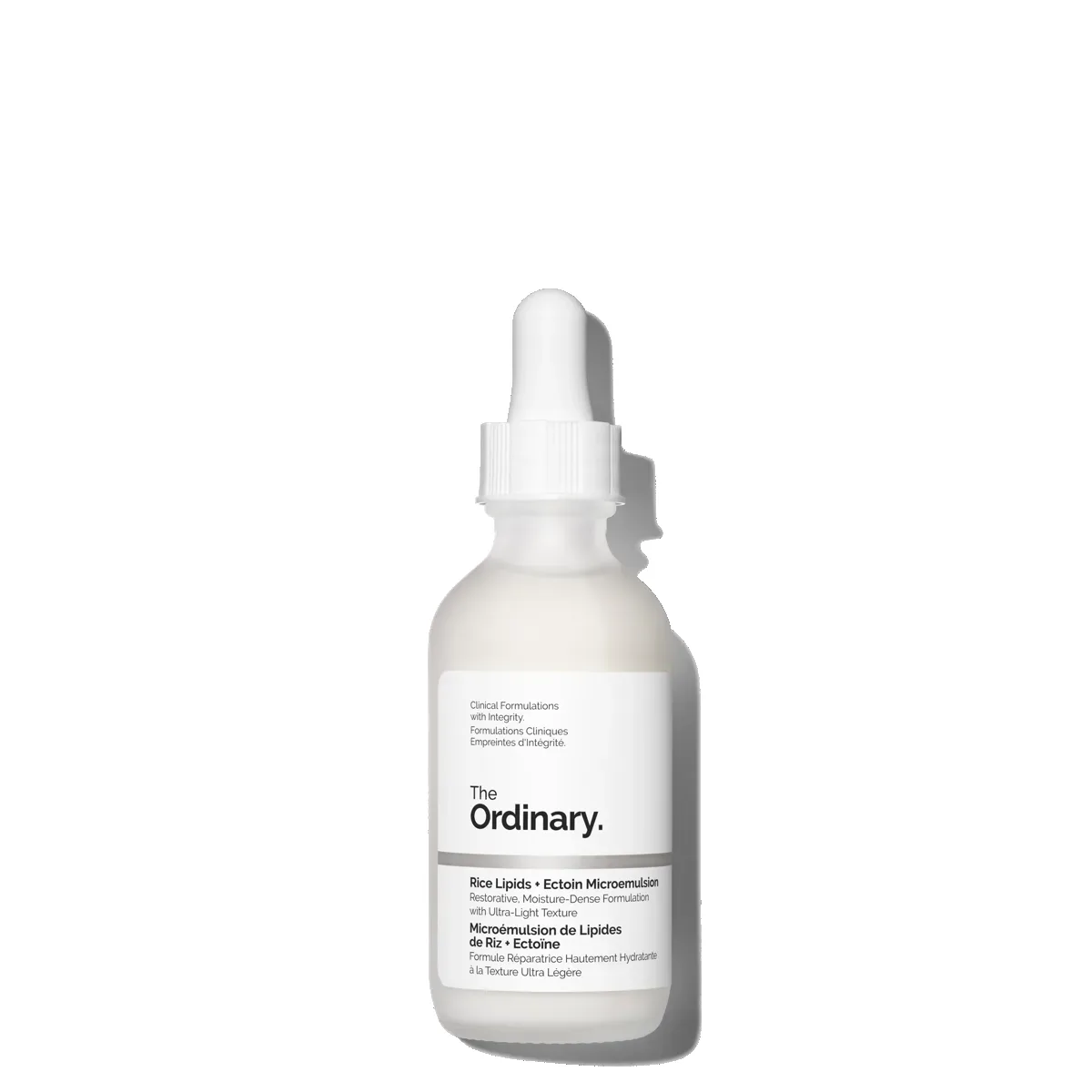
Sunscreen
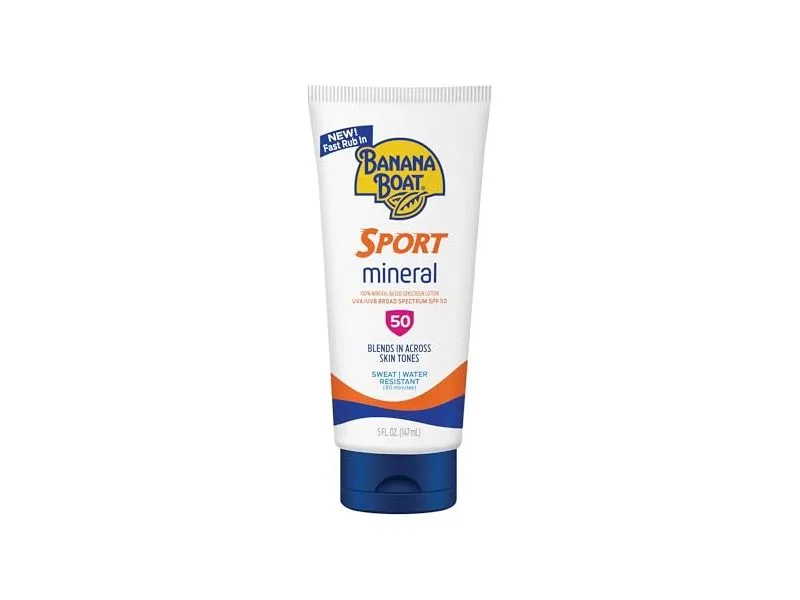
Banana Boat
Banana Boat Sport Mineral Sunscreen Lotion SPF 50
Final morning step — apply generously and reapply every two hours in direct sun.
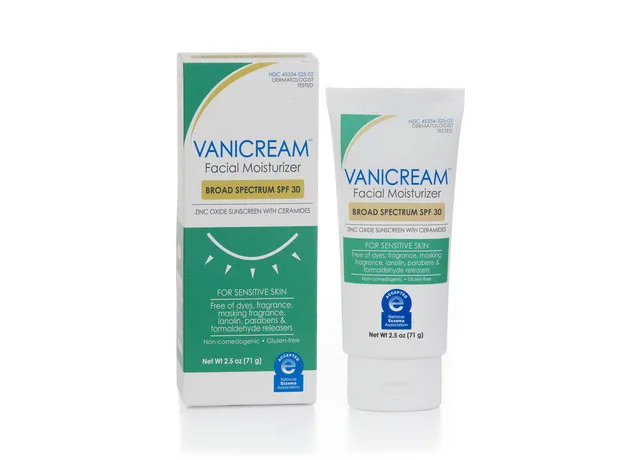


Evening Routine
Cleanser Cetaphil Gentle Skin Cleanser — same as your morning cleanser
Moisturizer Tower 28 SOS Daily Barrier Recovery Cream — same as your morning moisturizer
Independently scored, no sponsored placements — dermapproved.com
Not quite your skin?
This routine is one profile. Answer six quick questions and our engine rebuilds it around your exact skin type, concerns, budget, and experience with actives.
Frequently Asked Questions
What ingredients should rosacea-prone skin avoid?
The most commonly reported irritants are added fragrance, denatured alcohol in high concentrations, menthol and other cooling agents, witch hazel, and strong exfoliating acids. Individual triggers vary a lot, so an ingredient that's fine for most rosacea sufferers may still bother you — track your own reactions.
Why is mineral sunscreen usually recommended for rosacea?
Zinc oxide and titanium dioxide sit on the skin's surface rather than absorbing UV through a chemical reaction, and they're less likely to cause the stinging some chemical filters trigger on reactive skin. Since sun exposure is a top rosacea trigger, a sunscreen you'll actually tolerate daily is critical.
Can skincare alone clear up rosacea?
It can reduce flushing frequency and calm the background redness by strengthening the barrier and removing triggers, but it can't treat the underlying vascular condition. For persistent or papular rosacea, prescription options like azelaic acid, metronidazole, or ivermectin are the evidence-backed path — this routine is designed to work alongside them.
Products are selected by our matching engine from independently scored reviews — no sponsored placements. Recommendations are not a substitute for professional dermatological advice; if you have a diagnosed skin condition, consult your dermatologist before starting a new routine.
The reading behind this
- Men's SkincareRosacea Is More Common in Women and More Destructive in Men. The Nose Explains Both.The bulbous nose everyone thinks they can read is a late structural stage of an inflammatory disease — and the reading itself is why men arrive years too late to prevent it.
- Rosacea & RednessRosacea That Doesn't Respond: What the Second Line Looks LikePublic rosacea advice ends at azelaic acid and trigger avoidance, which leaves everyone it didn't work for with nowhere to go. The second line is well mapped — it just forks by phenotype.