
The Complete La Roche-Posay Routine for Sensitive Skin
Updated September 2026 · picks refresh with our database
About La Roche-Posay All La Roche-Posay reviews →
La Roche-Posay was founded in 1975 by pharmacist René Levayer around the selenium-rich thermal spring water of its namesake French town, and has been part of L'Oréal's Active Cosmetics Division since 1989. It is one of the most dermatologist-recommended skincare brands, with well-researched, clinically tested formulas, though its signature thermal water functions more as a soothing heritage element than a proven active.
Ask around a dermatology clinic which brand comes up most and La Roche-Posay usually lands in the first breath. Founded in 1975 by pharmacist René Levayer around the selenium-rich thermal spring of its namesake French town, and part of L'Oréal's Active Cosmetics Division since 1989, the brand has spent five decades formulating specifically for reactive skin — short ingredient lists, extensive clinical testing, and a reputation among dermatologists few labels can match. For sensitive, rosacea-prone skin, that track record is the entire argument for staying inside one brand: every step is built to the same tolerance standard, so adding a new product rarely means gambling.
The catalog is lopsided in revealing ways. Sunscreen is its deepest bench on this site — nearly thirty options, which matters because UV exposure is a primary rosacea trigger — and the cleanser and barrier-repair shelves are similarly strong, built around minimal formulas and panthenol-heavy recovery textures. Serums are the thin spot, with only a couple in the catalog, and there is no toner at all; wherever the brand can't cover a step, this page automatically swaps in a compatible outside pick rather than forcing a weak in-brand match. One honest note: the famous thermal water is best read as a soothing heritage signature, not a proven active. The formulation discipline surrounding it is what earns the recommendations.
Stay single-brand here if your skin punishes experimentation. If your goals shift toward brightening or serious exfoliation, mixing brands for those steps will serve you better.
The Complete La Roche-Posay Routine for Sensitive Skin
dermapproved.com/routines/la-roche-posay/ · September 2026
Morning Routine


The honest swap
This step is done meaningfully better outside the brand:
ROUND LAB Pine Tree Calming Cica Ampoule (Good choice for sensitivity)




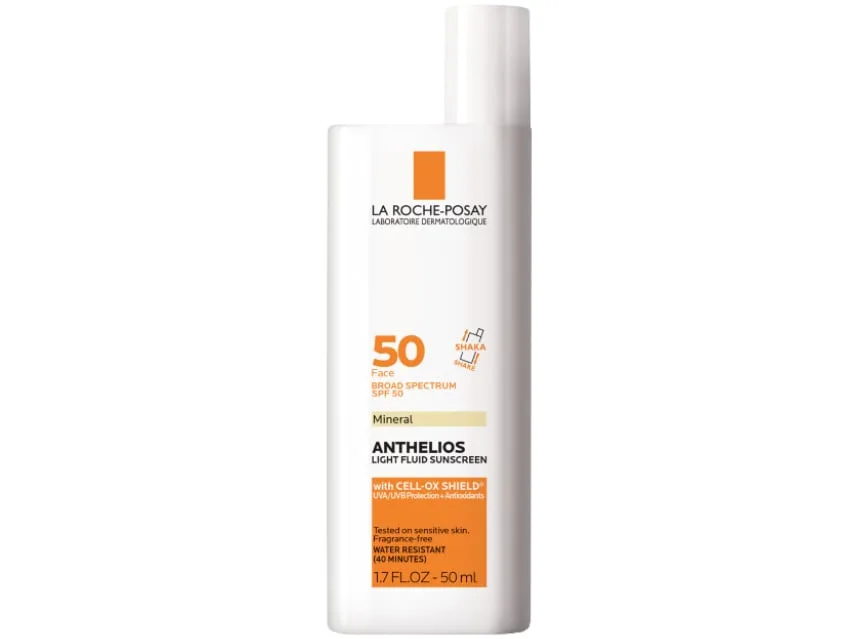
Sunscreen
La Roche-Posay
La Roche-Posay Anthelios Light Fluid Face Sunscreen SPF 50
Final morning step — apply generously and reapply every two hours in direct sun.


Evening Routine
Cleanser La Roche-Posay Toleriane Hydrating Gentle Cleanser — same as your morning cleanser
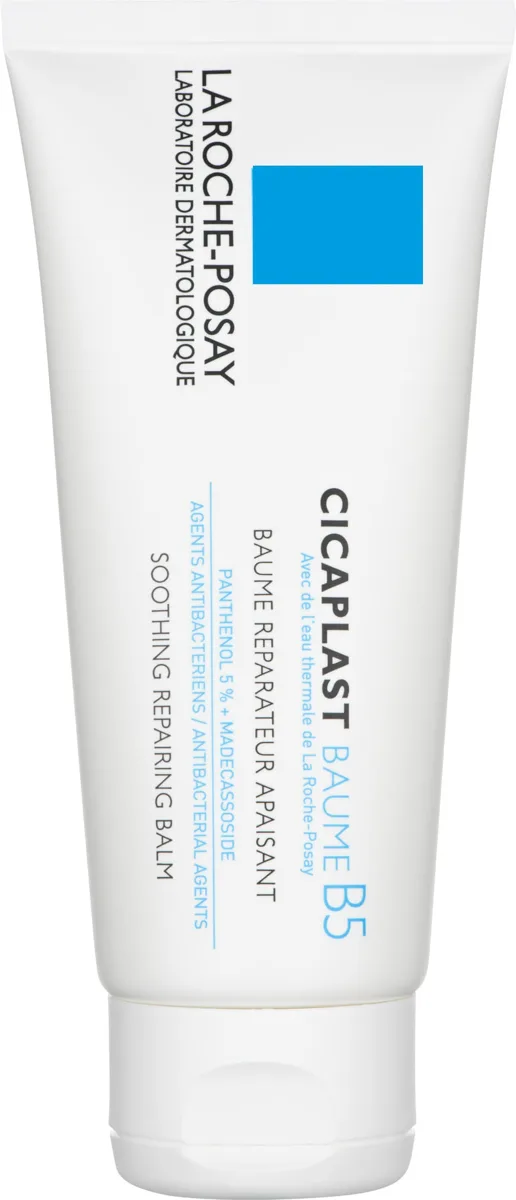

Moisturizer La Roche-Posay Lipikar Eczema Cream — same as your morning moisturizer
Independently scored, no sponsored placements — dermapproved.com
Not quite your skin?
This routine is one profile. Answer six quick questions and our engine rebuilds it around your exact skin type, concerns, budget, and experience with actives.
Frequently Asked Questions
Is La Roche-Posay a good choice for rosacea-prone skin?
It's one of the most commonly suggested brands for exactly this, and for structural reasons: fragrance-free core lines, short ingredient lists, and a deep bench of high-SPF sunscreens — relevant because sun exposure is among the most cited rosacea triggers. It manages and calms; it doesn't replace prescription rosacea therapy when that's warranted.
Does the thermal spring water in these products do anything?
Its selenium-rich, low-mineral profile has a long soothing reputation and the brand leans on it heavily, but honest reading of the evidence puts it in a supporting role. The real reason these formulas work for reactive skin is what's left out — fragrance, unnecessary extracts, harsh surfactants — not the water itself.
Why does my La Roche-Posay routine include an outside product?
Because the catalog has genuine gaps: only a couple of serums and no toners at all. Rather than force a mediocre match, the routine engine fills any step the brand can't cover with a compatible pick screened for the same sensitive-skin criteria, so the routine stays coherent.
Can highly reactive skin use every step daily?
The core routine — gentle cleanser, moisturizer, sunscreen — is designed for twice-daily use even on skin that stings easily. Introduce products one at a time a week apart anyway; that habit isn't about this brand specifically, it's how you identify a culprit if anything ever flares.
Is everything La Roche-Posay makes fragrance-free?
No, and it's worth knowing the split: the sensitive-skin core lines are strictly fragrance-free and minimalist, while some sunscreens and body products do contain fragrance. If fragrance is a personal trigger, scan each INCI list rather than trusting the brand name alone.
Products are selected by our matching engine from independently scored reviews — no sponsored placements. Recommendations are not a substitute for professional dermatological advice; if you have a diagnosed skin condition, consult your dermatologist before starting a new routine.