
Hyaluronic Acid Can Actually Dehydrate Your Skin (Here's When)
The internet's favorite hydrator has a counterintuitive dark side — in dry air, a humectant with nothing to seal it can pull water out of your skin instead of into it.
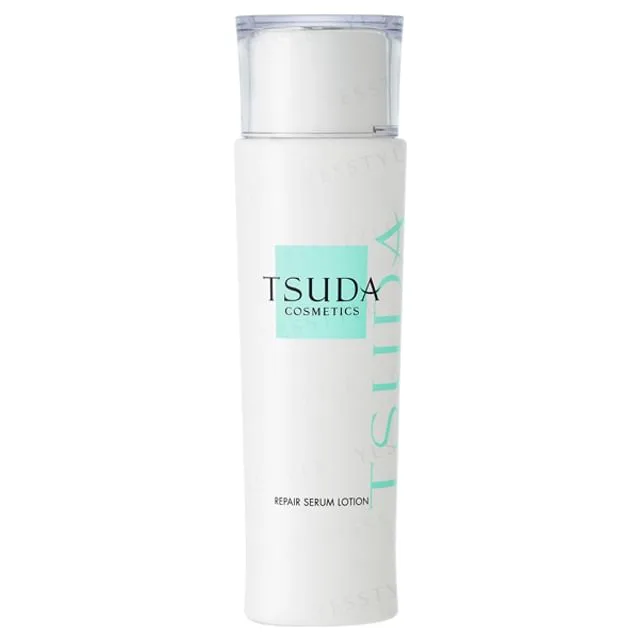
Combines three human-identical ceramides (NP, NG, AP), multi-molecular-weight hyaluronic acid, niacinamide, sphingoglycolipids, peptide-formed black soybean, and three soothing botanicals in a single dermatologist-developed lotion. The barrier repair focus and the dermatology-led formulation philosophy distinguish this product from marketing-led J-beauty alternatives. The three-ceramide combination is the gold standard for compromised-barrier work.
A genuinely well-formulated dermatologist-developed lotion combining three human-identical ceramides, multi-weight HA, niacinamide, sphingoglycolipids, and soothing botanicals in a barrier-repair-focused formulation. The dermatology-led approach delivers serious clinical formulation chemistry for sensitive-reactive skin. The $78 price for 130ml is the main caveat — substantial but defensible for the formulation depth and dermatologist development behind it.
TSUDA COSMETICS launched in 2018 with the Skin Repair Serum Lotion as the brand's flagship product. Scoring blends formulation analysis, the dermatologist-developed positioning behind the brand, accumulated J-beauty enthusiast community reviews, and the clinical-dermatology context for the formulation choices. Long-term real-world outcomes at the 5-year-plus mark are accumulating but not as extensive as for older established brands.
The case for it
What would change this: Removing the trigger named above would let the actives be judged on their own.
Same rule for everyone. “Avoid” is the verdict on 1,909 of 45,024 concern verdicts across the catalog; rule R1 decided 1,304 of them. Unchanged since September 5, 2026, engine 5.1.1.
Brand or formulator? Disclose a concentration or correct a fact →
The studies behind the evidence row
The case for it
What would change this: Removing the trigger named above would let the actives be judged on their own.
Same rule for everyone. “Avoid” is the verdict on 1,909 of 45,024 concern verdicts across the catalog; rule F1 decided 605 of them. Unchanged since September 5, 2026, engine 5.1.1.
Brand or formulator? Disclose a concentration or correct a fact →
The case for it
What would change this: Removing the trigger named above would let the actives be judged on their own.
Same rule for everyone. “Avoid” is the verdict on 1,909 of 45,024 concern verdicts across the catalog; rule R1 decided 1,304 of them. Unchanged since September 5, 2026, engine 5.1.1.
Brand or formulator? Disclose a concentration or correct a fact →
The studies behind the evidence row
The case for it
What would change this: Removing the trigger named above would let the actives be judged on their own.
Same rule for everyone. “Avoid” is the verdict on 1,909 of 45,024 concern verdicts across the catalog; rule R1 decided 1,304 of them. Unchanged since September 5, 2026, engine 5.1.1.
Brand or formulator? Disclose a concentration or correct a fact →
The studies behind the evidence row
The case for it
What would change this: Removing the trigger named above would let the actives be judged on their own.
Same rule for everyone. “Avoid” is the verdict on 1,909 of 45,024 concern verdicts across the catalog; rule R1 decided 1,304 of them. Unchanged since September 5, 2026, engine 5.1.1.
Brand or formulator? Disclose a concentration or correct a fact →
The studies behind the evidence row
The case for it
What would change this: Removing the trigger named above would let the actives be judged on their own.
Same rule for everyone. “Avoid” is the verdict on 1,909 of 45,024 concern verdicts across the catalog; rule R1 decided 1,304 of them. Unchanged since September 5, 2026, engine 5.1.1.
Brand or formulator? Disclose a concentration or correct a fact →
The studies behind the evidence row
Does the jobDoes what a toner is for: not alcohol-driven, adds something real. Not measured from the label: restores skin pH, plays well with what follows.
A verdict is DermApproved’s assessment of how well a product’s ingredients fit a concern — never a claim about what the product treats. Evidence dots and collected reviews sit beside it and are never blended in. Rules 0.5.1 · evidence table ev-2026.09-r228 · how we decide
Most J-beauty brands are marketing-led organizations that contract with cosmetic chemistry labs for formulation. The model produces some excellent products — Shiseido's Pitera platform, Aqualabel's 4MSK system, and many drugstore-tier formulations show this approach can work well. But the model also produces a lot of products where the formulation reflects market trends rather than clinical priorities — fragrance because consumers expect it, complex ingredient lists because they look impressive on the back of the bottle, and active concentrations calibrated for the sensory experience rather than the documented research support.
TSUDA COSMETICS represents the opposite approach. The brand was founded in 2018 by Dr. Setsuko Tsuda, a Tokyo-based dermatologist with three decades of clinical practice managing sensitive-skin and barrier-compromised patients. The brand's formulations emerged from her clinical observation that the available J-beauty products didn't deliver the barrier-repair chemistry her patients actually needed. The Skin Repair Serum Lotion is the brand's flagship product and the clearest expression of this dermatology-led philosophy.
The formulation chemistry shows the clinical priorities throughout. Three human-identical ceramides (NP, NG, AP) at meaningful concentrations — the gold standard for barrier-repair work in dermatology-led products. Most J-beauty and Western drugstore products with ceramide claims include only ceramide NP, the most common form. The three-ceramide combination matches the broader skin barrier lipid composition more completely, addressing barrier compromise from multiple complementary directions.
The hyaluronic acid architecture is similarly serious. Sodium carboxymethyl hyaluronate, hydrolyzed alkyl glyceryl hyaluronate, and sodium hyaluronate together deliver three different HA forms at different molecular weights — surface humectant film, deeper-penetration fragments, and the standard humectant form. The multi-weight approach extends hydration delivery beyond single-form HA alternatives.
Niacinamide at the mid-INCI position supports barrier function and inflammation modulation alongside the ceramide work. Sphingoglycolipids extend the barrier lipid architecture beyond ceramides alone. The soothing botanical cast (allantoin, chamomile flower extract, licorice root extract) addresses the inflammatory component of sensitive-skin biology that compromises barrier function in many users. Peptide-formed black soybean extract from the Tanba region — a Japanese botanical with documented effects on collagen synthesis support — extends the formula into anti-aging supporting work without compromising the barrier-repair focus.
The humectant architecture is unusually thoughtful for the price tier. Glycerin, betaine, trehalose, glycosyl trehalose, glyceryl glucoside, methyl gluceth-10, PEG-32, and the multiple HA forms together create a layered humectant system that buffers the ethanol earlier in the INCI and supports the ceramide work with substantive hydration architecture.
The sensory experience reflects the clinical positioning. Lightweight watery lotion that absorbs in about 45 seconds with the J-beauty pressing technique. Truly fragrance-free composition. Comfortable hydration without heaviness. The lotion plays cleanly with subsequent skincare layers and works particularly well as a post-procedure recovery product or daily care for sensitive-reactive skin.
The honest evaluation of the price is direct. $78 USD via J-beauty retailers for 130ml is substantial — above La Roche-Posay or Avène alternatives at $40-60 per equivalent product, comparable to Western dermatologist brands like SkinCeuticals or Drunk Elephant at similar price points, below ultra-luxury prestige brands like SK-II or La Mer at multiple times this price. The pricing reflects the dermatology development cost, the small-brand operations, and the J-beauty retailer import margin. For users specifically wanting dermatologist-developed J-beauty formulation chemistry, the price represents the cost of that specific niche; for users wanting equivalent barrier-repair efficacy at lower cost, French pharmacy alternatives serve.
The formulation tradeoffs are minor but worth noting. Ethanol third on the INCI may concern very reactive users, though the extensive humectant buffering mitigates the typical drying concerns. Soybean extracts are a flag for soy-allergic users. PEG-100 hydrogenated castor oil and the polyglyceryl laurates have comedogenic potential that makes this not fungal-acne-safe. The 130ml size is reasonable but smaller than some Japanese drugstore competitors at lower cost per mL.
The demographic this product serves is sensitive-reactive, barrier-compromised, or post-procedure recovery skin where standard products don't deliver adequate barrier support. Users committed to the J-beauty layering philosophy with the financial resources to sustain prestige skincare investment. Users who specifically value dermatologist-led formulation chemistry over marketing-led product development. The Repair Serum Lotion's flagship status in the TSUDA line makes it the natural entry point for users exploring the brand.
For sensitive-skin care, this lotion is currently among the most thoughtfully formulated J-beauty options globally. The dermatologist development is real (Dr. Tsuda is an actual practicing dermatologist rather than a brand-marketing figurehead). The three-ceramide combination represents serious commitment to barrier work. The multi-weight HA and supporting cast extend the formulation beyond minimum-effective ceramide delivery. The fragrance-free composition makes it accessible to the broadest sensitive-skin demographic.
Where this lands: the answer to 'I want dermatologist-developed J-beauty barrier-repair formulation chemistry, and I'm willing to pay prestige-tier pricing for that specific niche.' Not the answer to 'I want maximum barrier-repair efficacy per dollar' (French pharmacy alternatives serve that question better) or 'I want recognizable prestige brand experience' (SK-II, La Mer, and others serve that question). For users in the specific TSUDA demographic, the formulation chemistry delivers honestly on what the dermatologist-developed positioning represents.
The hero actives that drive this product's performance.
| Ingredient | Function | Evidence |
|---|---|---|
| Three Human-Identical Ceramides (NP, NG, AP) | Three ceramide forms matching the lipid composition of human skin barrier — NP for the primary barrier work, NG for cellular signaling, AP for sphingolipid metabolism support. The three-ceramide combination is the gold standard for barrier repair work and represents Dr. Tsuda's dermatology-developed formulation approach to compromised-barrier conditions characteristic of sensitive skin. | Established mechanism for Compromised Skin Barrier · established mechanism |
| Multi-Molecular-Weight Hyaluronic Acid (Sodium Carboxymethyl Hyaluronate + Hydrolyzed Glyceryl Hyaluronate + Sodium Hyaluronate) | Three forms of HA delivering layered hydration architecture — sodium carboxymethyl hyaluronate for surface humectant work, hydrolyzed glyceryl hyaluronate for deeper penetration, sodium hyaluronate for the standard humectant film. The multi-weight approach extends hydration delivery beyond single-form HA alternatives. | Established mechanism for Dehydration · established mechanism |
| Niacinamide | Mid-position niacinamide supports barrier function, tone evening, and inflammation modulation alongside the ceramide work. In a barrier-repair-focused product, niacinamide's documented effects on TEWL reduction compound with the ceramide architecture for comprehensive barrier support. | Established mechanism for Compromised Skin Barrier · established mechanism |
| Sphingoglycolipids | Skin-mimetic lipid molecules that support the broader skin barrier architecture alongside the ceramides. The inclusion reflects Dr. Tsuda's dermatology-led approach of using multiple complementary barrier lipid forms rather than relying on ceramides alone. | Not yet assessed |
| Hydrolyzed Soybean Extract + Soybean Sprout Extract (Black Soybean) | Peptide-formed black soybean extract from Tanba region — the brand's signature anti-aging botanical with documented effects on collagen synthesis support and antioxidant defense. The soybean components extend the formula beyond pure barrier repair into anti-aging supporting work. | Not yet assessed |
| Allantoin + Chamomile + Licorice Root Extracts | Three skin-soothing botanicals with documented anti-inflammatory effects. The combination addresses the inflammatory component of sensitive-skin biology that compromises barrier function in many users, supporting the ceramide and HA work through reduced underlying inflammation. | Limited for Post-Procedure |
Ingredient standings describe the active at treatment-level doses and vehicles; this product's own condition grades weigh its actual formula.
Water, BG, Ethanol, Methyl Gluceth-10, PEG-32, Betaine, Glycosyl Trehalose, Hydrolyzed Hydrogenated Starch, Glyceryl Glucoside, Trehalose, Glycerin, Phenoxyethanol, PEG-100 Hydrogenated Castor Oil, Allantoin, Xanthan Gum, Citric Acid, Ethylhexylglycerin, Polyglyceryl-2 Laurate, Glyceryl Caprate, Sphingoglycolipids, Polyglyceryl-10 Laurate, Sodium Carboxymethyl Hyaluronate, Niacinamide, Hydrolyzed Alkyl (C12-13) Glyceryl Hyaluronate, Sodium Citrate, Sodium Hyaluronate, Di(Phytosteryl/Octyldodecyl) Lauroyl Glutamate, Tocopherol, Hydrogenated Lecithin, Soybean Sprout Extract, Phytosterols, Chamomile Flower Extract, Hydrolyzed Soybean Extract, Ceramide NP, Ceramide NG, Ceramide AP, Licorice Root Extract.
toner
AM & PM
Apply via J-beauty palm-pressing in 2-3 light layers after cleansing. The barrier-repair focus makes this an excellent post-procedure recovery product or daily care for sensitive-reactive skin. Layer cleanly with retinoids underneath to buffer dryness, or use as the primary hydration step in simpler routines.
Immediate hydration and skin comfort within minutes. Barrier repair effects develop over 2-4 weeks of consistent twice-daily use, with sensitive-skin presentations typically showing reduced reactivity at the 4-week mark. The anti-aging supporting work from the soybean components develops cumulatively over 8-12 weeks.
The formulation case for this lotion rests on multi-mechanism barrier-repair architecture. The three-ceramide combination (NP, NG, AP) represents the gold standard in dermatology-led barrier formulations. Research published in journals including the Journal of Investigative Dermatology has demonstrated that the skin barrier's lipid architecture includes multiple ceramide forms with different roles — NP for primary barrier function, NG for cellular signaling and barrier maintenance, AP for sphingolipid metabolism support. Topical formulations including multiple ceramide forms support barrier repair more completely than single-ceramide alternatives. The three forms in this product match clinical formulation conventions for serious barrier-compromised conditions.
The multi-molecular-weight hyaluronic acid approach extends hydration delivery through complementary mechanisms. Sodium carboxymethyl hyaluronate provides modified HA with extended substantivity. Hydrolyzed alkyl glyceryl hyaluronate represents a smaller HA fragment with deeper-layer penetration. Sodium hyaluronate provides the standard humectant film. Together the three forms address surface, upper-layer, and deeper-layer hydration needs simultaneously.
Niacinamide at the position suggested by its INCI placement has well-established support for barrier function (transepidermal water loss reduction), melanosome transfer modulation (tone evening), and inflammatory marker reduction at concentrations of 2-5%.
Sphingoglycolipids represent skin-mimetic lipid molecules that support the broader barrier architecture alongside ceramides. The inclusion reflects clinical dermatology priorities — barrier repair benefits from multiple complementary lipid forms rather than single-component approaches.
The soothing botanical cast contributes well-documented anti-inflammatory effects. Allantoin has established support for wound healing and barrier soothing. Chamomile (Matricaria recutita) extract delivers active components including bisabolol and chamazulene with documented anti-inflammatory activity. Licorice root extract provides glycyrrhizin and glabridin with documented effects on inflammation reduction and tyrosinase modulation.
The peptide-formed black soybean extract represents the brand's signature anti-aging botanical, with documented effects on collagen synthesis support through isoflavone-derived signaling.
The overall formulation design represents a deliberate dermatology-led approach addressing compromised barrier and sensitive-skin biology through multiple converging mechanisms. The active loading reflects clinical formulation priorities rather than marketing-driven ingredient selection.
Within J-beauty dermatological practice, TSUDA COSMETICS is generally recommended for patients wanting Japanese dermatology-developed formulation chemistry, particularly for sensitive-skin and barrier-compromised conditions where the three-ceramide approach delivers more comprehensive barrier support than single-ceramide alternatives. Dr. Setsuko Tsuda's brand has accumulated credibility within Japanese dermatology circles since its 2018 launch, with the Repair Serum Lotion being the brand's most commonly recommended flagship product. Clinicians often suggest the lotion as a post-procedure recovery product, as daily care for sensitive-reactive patients, and as the J-beauty parallel to Western dermatologist-developed brands like SkinCeuticals or Avène. The price tier and J-beauty retailer availability are noted as practical considerations but not formulation limitations.
Dispense 2-3 pumps into the palms after morning and evening cleansing. Warm slightly by pressing palms together. Press the lotion gently into face and neck in a light layer. Allow about 30 seconds for absorption, then apply a second light layer. Follow with serum (optional), then moisturizer or the matching TSUDA Skin Barrier Cream. In the morning, finish with broad-spectrum sunscreen. The pressing technique matters and using this in a splash-and-go fashion misses what makes the J-beauty active loading work. Particularly useful as a post-procedure recovery product or daily care for sensitive-reactive skin.
$78 USD via J-beauty retailers for 130ml is substantial — above French pharmacy dermatologist-developed alternatives (La Roche-Posay Toleriane Sensitive Fluide at $35, Avène Tolerance Control Soothing Skin Recovery Cream at $42), comparable to Western dermatologist brands at similar price tiers (SkinCeuticals Phyto Corrective Gel at $75, Drunk Elephant Protini Polypeptide Cream at $68), below ultra-luxury prestige brands at multiple times this price. The pricing reflects the dermatology development cost, small-brand operations, and J-beauty retailer import margin. For users specifically wanting dermatologist-developed J-beauty formulation, the price represents the cost of that specific niche. The 130ml size lasts approximately two months at twice-daily use, putting the per-day cost around $1.30. For users committed to the TSUDA platform, the math works within the niche.
Sensitive-reactive, barrier-compromised, or post-procedure recovery skin where standard products don't deliver adequate barrier support. Users committed to the J-beauty layering philosophy who specifically value dermatologist-led formulation chemistry. Users in their 30s+ wanting integrated barrier-repair-plus-mild-anti-aging support. Rosacea-prone users wanting the multi-ceramide and soothing botanical combination.
Users wanting maximum barrier-repair efficacy per dollar should look at French pharmacy alternatives (La Roche-Posay, Avène). Soy-allergic users should patch test or avoid. Fungal-acne-prone users should pass. Users for whom $78 represents inappropriate skincare investment should choose sustainable price-tier alternatives. Very alcohol-reactive users may want ethanol-free alternatives despite the extensive humectant buffering.
Ready to try TSUDA COSMETICS Skin Repair Serum Lotion?
Buy at Amazon ♥Lightweight watery lotion with slightly more body than typical Western toners. Absorbs in about 45 seconds with the J-beauty pressing technique, leaving a comfortable hydrated finish.
Truly fragrance-free per Dr. Tsuda's dermatologist-led formulation philosophy.
130ml clear glass bottle with white-and-clinical labeling characteristic of dermatologist-developed brands. The bottle format protects active stability for the ceramide and HA combination.
First application feels noticeably soothing on sensitive-reactive skin — the multi-ceramide and botanical soothing combination produces immediate comfort. The J-beauty pressing technique delivers the layered hydration that defines premium Japanese skincare. No tingling, no warming, no stinging expected on intact skin.
Approximately two months applied morning and night face use at the recommended 2-3 layer J-beauty technique.
All Year
TSUDA COSMETICS was founded in 2018 by Dr. Setsuko Tsuda, a Tokyo dermatologist with three decades of clinical practice managing sensitive-skin and barrier-compromised patients. The brand emerged from Dr. Tsuda's clinical observation that the J-beauty drugstore tier lacked adequate barrier-repair products for the kinds of compromised-skin presentations she saw daily — leading to her own product development with formulation chemistry reflecting clinical priorities rather than market trends.
TSUDA COSMETICS was founded in 2018 by Dr. Setsuko Tsuda, a Tokyo-based dermatologist with three decades of clinical practice; the brand's formulations reflect dermatology-developed cosmetic chemistry with emphasis on barrier repair and sensitive-skin compatibility, accumulating reputation in J-beauty enthusiast communities for clinical credibility.
Dermatologist-developed brands are just marketing — the formulations aren't really different.
Some are marketing, but the TSUDA formulations reflect specific clinical priorities visible in the ingredient choices. Three human-identical ceramides at meaningful concentrations, multi-weight HA, sphingoglycolipids, and a soothing botanical cast represent deliberate dermatology-led formulation rather than marketing-driven ingredient selection. The brand's positioning is honest and the formula supports it.
If a product contains ethanol, it must be drying and harsh.
Ethanol position and supporting cast matter. The ethanol in this formula is buffered by extensive humectants (multiple HA forms, glycerin, betaine, trehalose, glyceryl glucoside) and ceramides. For most users including many sensitive-skin presentations, this composition is well-tolerated. For genuinely alcohol-reactive users, ethanol-free alternatives serve.
Dr. Setsuko Tsuda is a Tokyo-based dermatologist with three decades of clinical practice, particularly focused on sensitive-skin and barrier-compromised conditions. She founded TSUDA COSMETICS in 2018 specifically to address the gap she observed clinically between available J-beauty drugstore products and the formulation chemistry needed for genuine barrier-repair work in her patients. The brand reflects her clinical priorities rather than marketing-driven product development.
Ceramides NP, NG, and AP represent three different ceramide structural forms found in human skin barrier. Single-ceramide products (typically ceramide NP only) deliver one component of the barrier lipid profile; three-ceramide combinations match the broader skin barrier composition more completely. The combination is the gold standard in dermatology-led barrier-repair formulations and represents serious commitment to barrier work beyond minimum-effective ceramide inclusion.
Yes — this is the specific demographic the brand was designed for. The dermatologist-developed formulation, fragrance-free composition, multi-ceramide barrier work, and soothing botanical cast all serve compromised sensitive skin specifically. The ethanol content may bother very reactive users, but for most sensitive presentations the formula is exceptionally well-tolerated.
Generally yes — and the barrier-repair focus makes this an appropriate post-procedure recovery product. The ceramide work supports the disrupted barrier that procedures temporarily create. Consult your dermatologist for specific post-procedure guidance, particularly after intensive treatments like laser resurfacing or chemical peels where specific product restrictions apply.
Yes. The formula contains no retinoids, hydroquinone, salicylic acid above rinse-off levels, or other restricted pregnancy actives. The ceramides, HA, niacinamide, botanical extracts, and supporting cast are all considered acceptable during pregnancy and breastfeeding. The fragrance-free composition is also relevant for pregnancy-related fragrance sensitivities.
TSUDA occupies a J-beauty dermatologist-developed niche. Compared to French dermatologist brands (La Roche-Posay, Avène, Bioderma), TSUDA brings the J-beauty layering philosophy and Asian-skin-focused formulation chemistry. Compared to Western dermatologist brands (SkinCeuticals, Drunk Elephant, Paula's Choice), TSUDA's price tier is in the prestige but not ultra-luxury range. For users specifically wanting Japanese dermatology-led formulation, TSUDA is the available choice.
Recurring themes our editors read across retailer reviews of this product — summaries in our words, not quotations, and not a substitute for your own patch test.
Users consistently note dramatic skin barrier improvement within weeks
Effective on compromised sensitive-skin presentations where other products fail
Comfortable hydration without heaviness
Dermatologist development provides credibility versus marketing-led brands
$78 price for 130ml is high for a non-prestige-positioned product
Ethanol content may concern very reactive users
Limited US availability requires J-beauty retailers
Soybean content is a flag for soy-allergic users
Verified answers from our questions library — the nuance a product page cannot carry.