Best Dermatologist-Recommended Toners
Updated September 2026 · independently researched, no sponsored placements
Our top 25 picks — ordered by how well each product does its category’s job.




How to Choose
The best dermatologist-recommended toners share a defining trait: they earn their place as a leave-on treatment rather than coasting on the old myths about what a toner is for. Dermatologists are historically toner skeptics, and for good reason — the category was built on misleading promises about 'removing leftover dirt' and 'rebalancing pH,' usually delivered by stripping, alcohol-heavy astringents that did more harm than good.
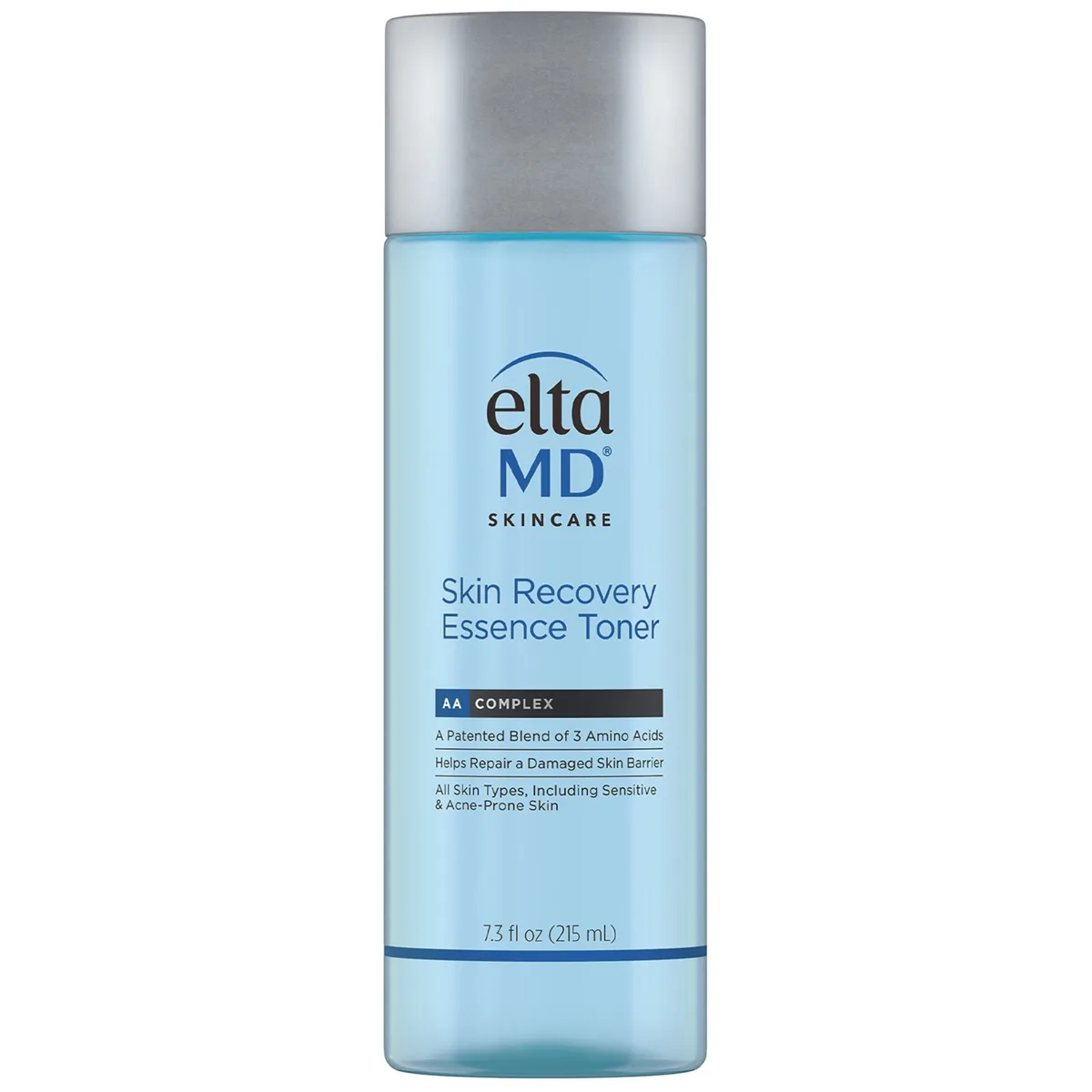
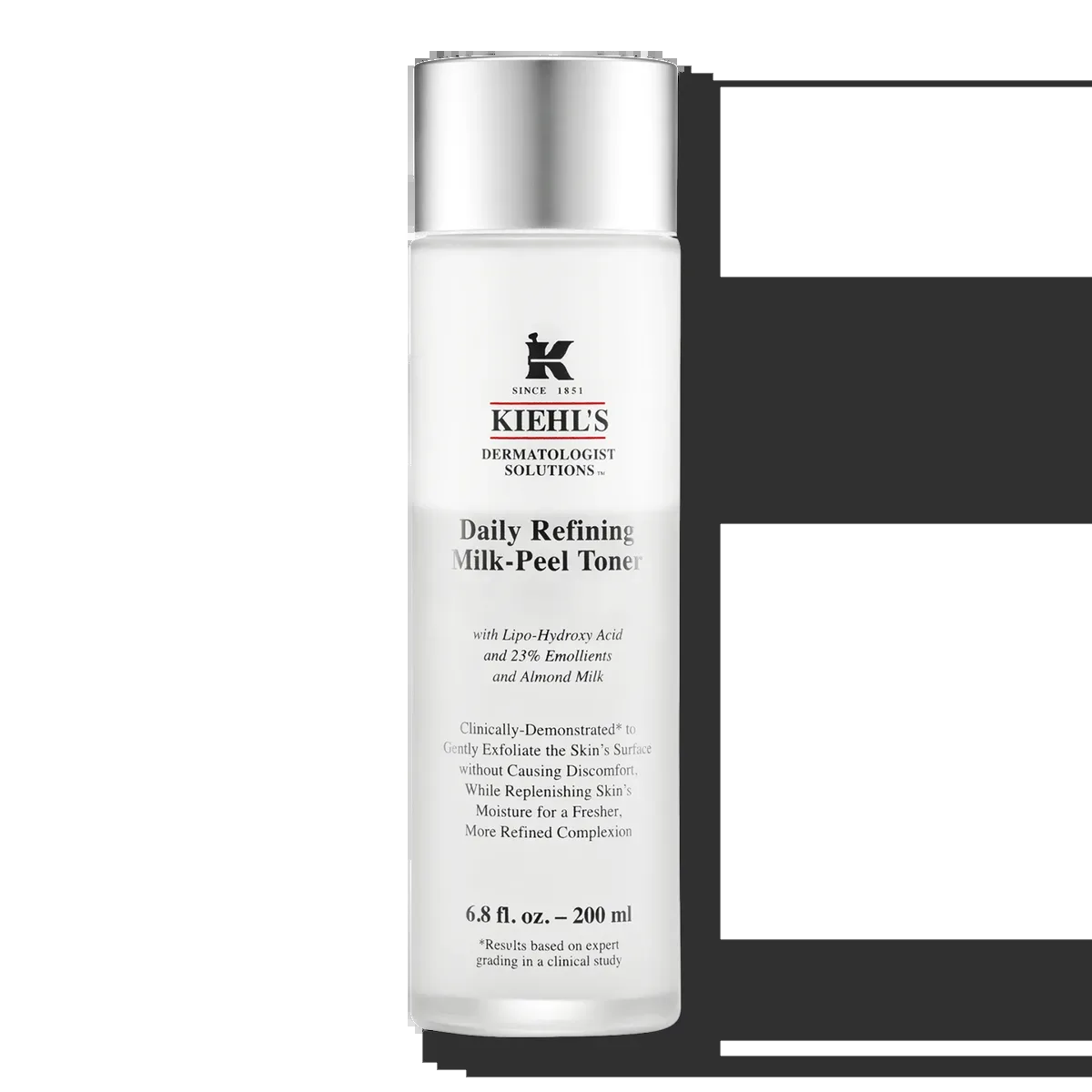
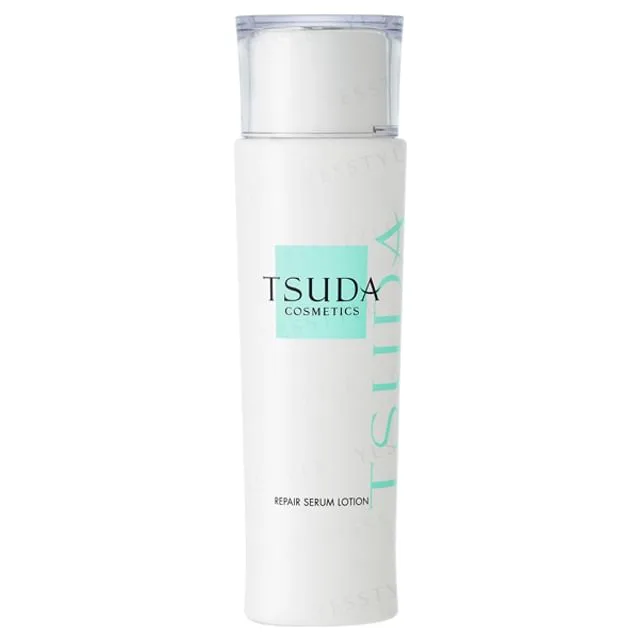
A toner a derm actually endorses flips that script: it's a thin, well-tolerated layer that delivers a genuine benefit your skin couldn't get from cleansing alone. That means low-irritation actives at sensible levels — hyaluronic acid and panthenol for hydration, niacinamide for tone and barrier support, soothing allantoin or probiotics, or a gentle dose of salicylic acid for congestion. EltaMD's Skin Recovery Essence at $44 and the ceramide-rich, derm-developed TSUDA Skin Repair Lotion lean fully into barrier care, while Kiehl's Milk-Peel toner folds in mild lactic and salicylic acids for gradual smoothing. What unites them is restraint: no stinging, no tightness, nothing that compromises the barrier. The honest caveat is the same one that applies to anything wearing a white-coat halo — 'dermatologist-recommended' describes a formulation philosophy, not a guarantee of superiority, and a $78 derm-brand toner isn't automatically better than the $20 Genabelle PDRN toner doing similar work. Buy for the gentle, genuinely useful active and the barrier-respecting formula, not the prestige positioning. If a toner makes your skin calmer and better hydrated without irritation, it's earned its spot, whatever the price on the box.
Buying Guide
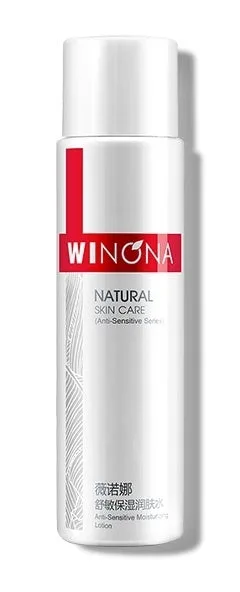
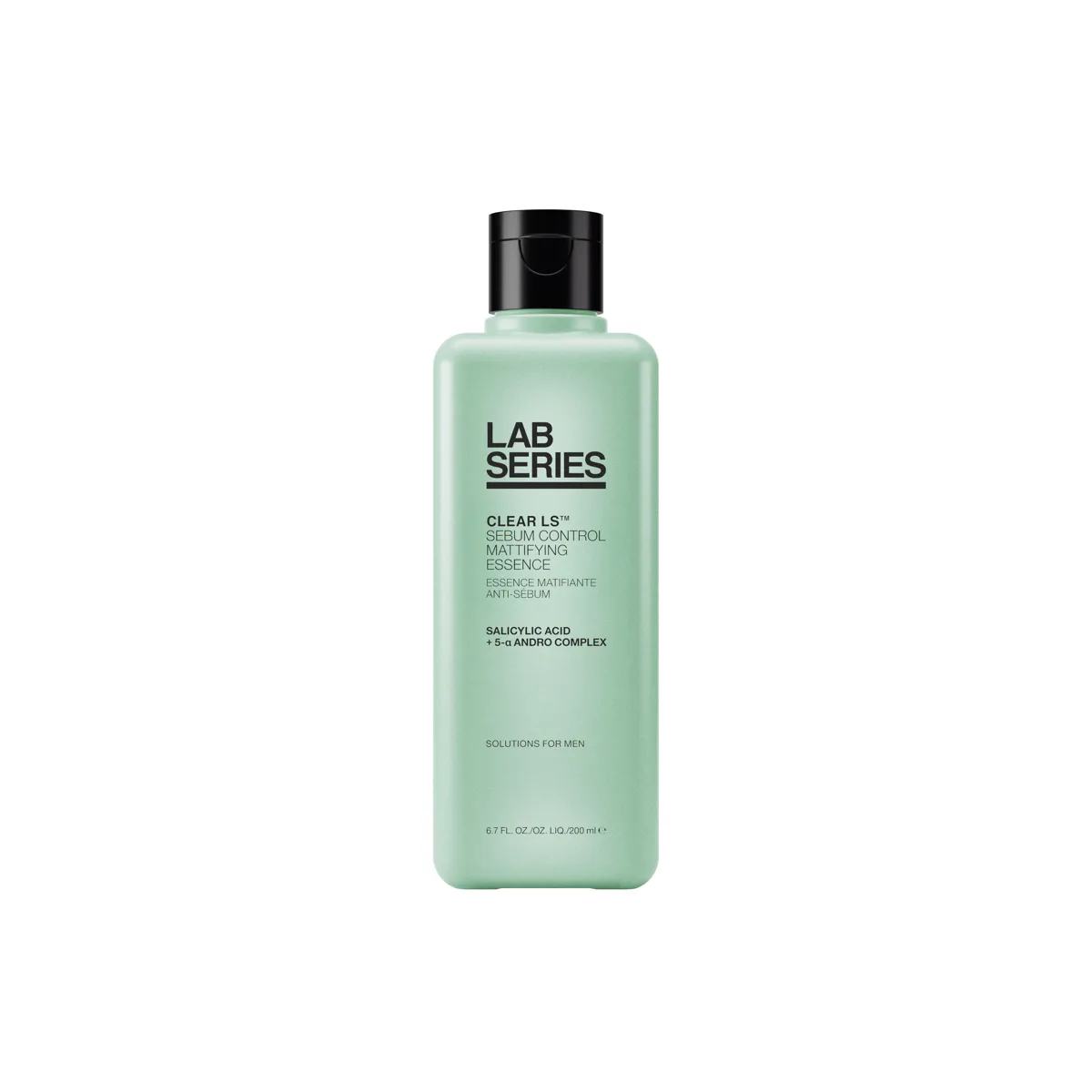
Demand that the toner justify itself as a treatment, the way a derm would. Skip anything built on stripping astringency and look instead for low-irritation actives that add real value: hyaluronic acid, panthenol, and ceramides for hydration and barrier support (EltaMD Skin Recovery, TSUDA Skin Repair, Winona), niacinamide for tone, or a gentle salicylic/lactic dose for congestion and smoothing (Kiehl's Milk-Peel, Lab Series). The hallmark is comfort — no sting, no tightness, nothing that undermines the barrier. Match it to your skin: barrier-repair lotions for dry or sensitive skin, lightly exfoliating or mattifying toners for oilier complexions. Texture is a thin, fast-absorbing fluid applied after cleansing. On price, the $13–$78 range here tracks brand positioning more than performance, so treat 'dermatologist-recommended' as a philosophy of restraint rather than proof of superiority — a gentle, well-formulated $20 toner can match a prestige one.
Frequently Asked Questions
Why are dermatologists often skeptical of toners?
Because the category was historically dominated by alcohol-heavy astringents marketed to 'remove leftover dirt' or 'rebalance pH' — claims that don't hold up, while the products themselves stripped and irritated skin. Dermatologists endorse a toner only when it delivers a genuine benefit gently, like hydration or barrier support. The toner has to earn its place as a treatment, not just a habit.
What makes a toner dermatologist-recommended?
A barrier-respecting formula with low-irritation actives that add real value — hyaluronic acid, niacinamide, panthenol, ceramides, or a gentle dose of salicylic acid — and the absence of stripping alcohols and harsh astringents. Picks like EltaMD Skin Recovery Essence and TSUDA Skin Repair exemplify this. The key sign is that it leaves skin calmer and more comfortable, never tight.
Are pricey dermatologist-brand toners worth it over cheaper ones?
Not automatically — 'dermatologist-recommended' reflects a gentle formulation philosophy, not a guarantee of superior results, and a $78 derm-brand toner can do similar work to a well-formulated $20 one like Genabelle PDRN. You may pay more for a refined texture or novel actives. Judge it on the ingredient list and how your skin feels, not the prestige label.
Should I use a dermatologist-recommended toner if I have sensitive skin?
Yes, these are often a good fit, since the whole point is low irritation and barrier support — look for soothing, hydrating formulas with allantoin, panthenol, ceramides, or probiotics, like EltaMD Skin Recovery or Winona. Avoid versions with exfoliating acids if your skin is reactive. Always patch test, and choose comfort-focused formulas over actively exfoliating ones.