Phospholipids
Products with Phospholipids
 Cleanest Baby Wash
 Baby Shampoo + Body Wash
A genuinely minimalist baby wash that backs up its clean credentials with only 13 transparent ingredients, EWG Verified status, and the biotech-derived squalane that made sister brand Biossance famous. It cleans gently, moisturizes during the wash, and earns trust through radical ingredient simplicity rather than marketing claims.
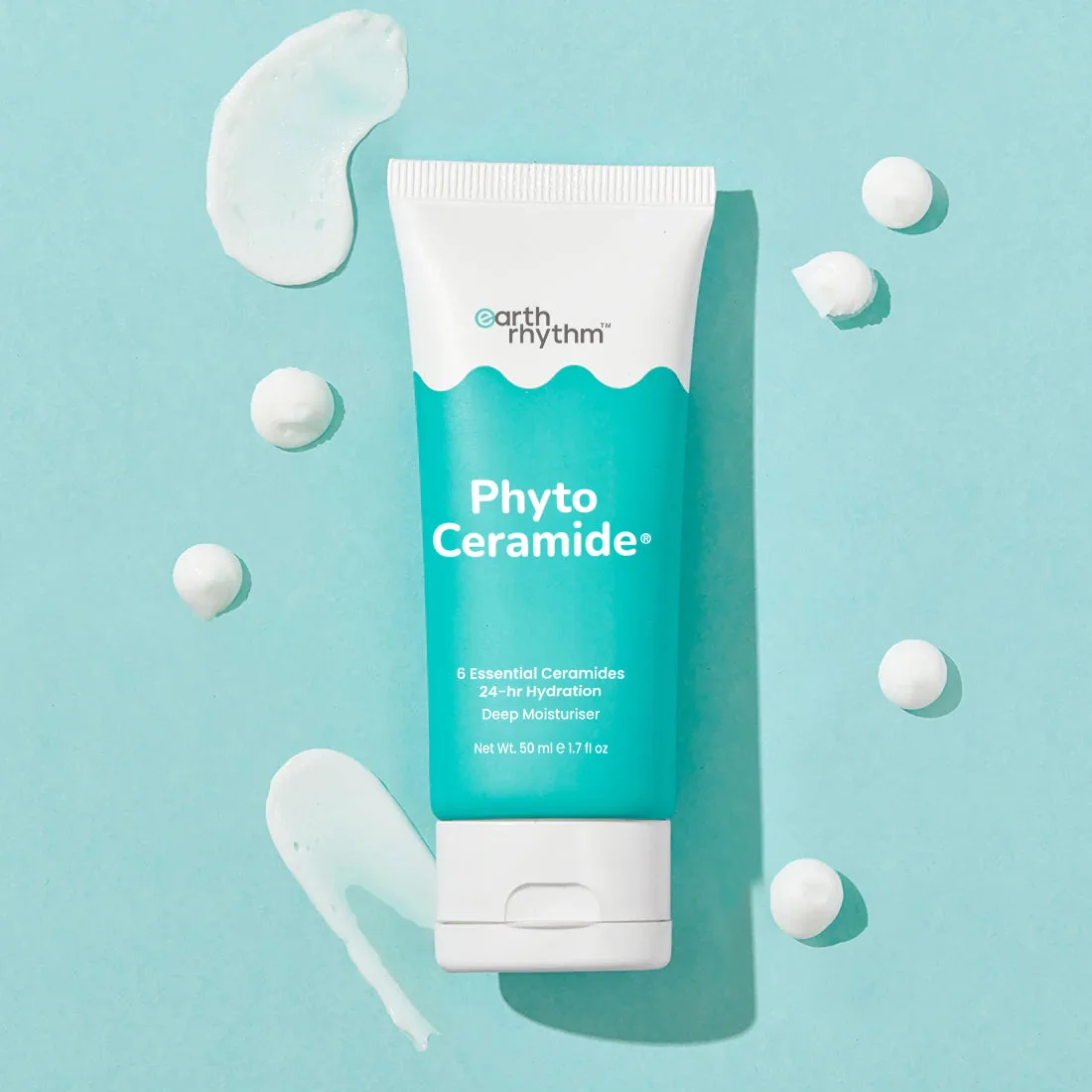 Minimalist Ceramide Cream
 Phyto Ceramide Deep Moisturiser
A focused, fragrance-free barrier cream that puts its money where it matters: a high level of Ceramide NG plus supporting lipids and cross-linked HA, in a short, no-frills formula for a few dollars. It genuinely repairs and hydrates dry, tight, compromised skin and pairs beautifully with actives — only very oily and fungal-acne-prone skin should look elsewhere.
 Light Fragrance-Free Baby Face Cream
 Soothing Moisturizing Face Cream
A light, fragrance-free baby face cream that gets the texture right — fast-absorbing esters and phospholipid emulsifiers instead of a waxy balm — and backs its 'soothing' name with a real anti-irritant in dipotassium glycyrrhizate. It calms chapped, drool-dried cheeks well and suits eczema-prone faces as a daily layer. The tube is small, the price is high, and a fragrance-free cream smells faintly of what it's made of, which not every parent expects.
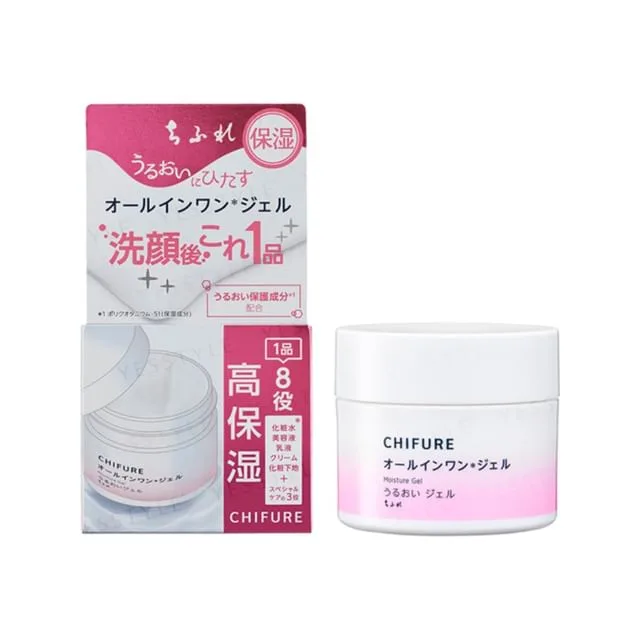 Lazy-Routine MVP
 Moisture Gel
A fragrance-free, oil-light all-in-one gel that genuinely collapses the hydrating steps of a routine into one cheap, generous jar, finishing dewy and primer-smooth without any stickiness. It hydrates rather than treats, and very dry skin will still want a cream on top — but for minimalist, normal-to-oily routines it is a near-perfect lazy-day workhorse.
 Comfort-First Eye Cream
 Hyaluronic Acid Eye Cream
The quietest eye cream in TruSkin's range: a light, fragrance-free, lecithin-and-squalane emulsion with a fruit-extract hydration complex that keeps under-eyes comfortable and takes concealer well, and with the hyaluronate it is named for sitting fifteenth on the list. Nothing to react to and nothing to expect beyond hydration — fair value for the sensitive and the cautious, a shrug for anyone wanting results.
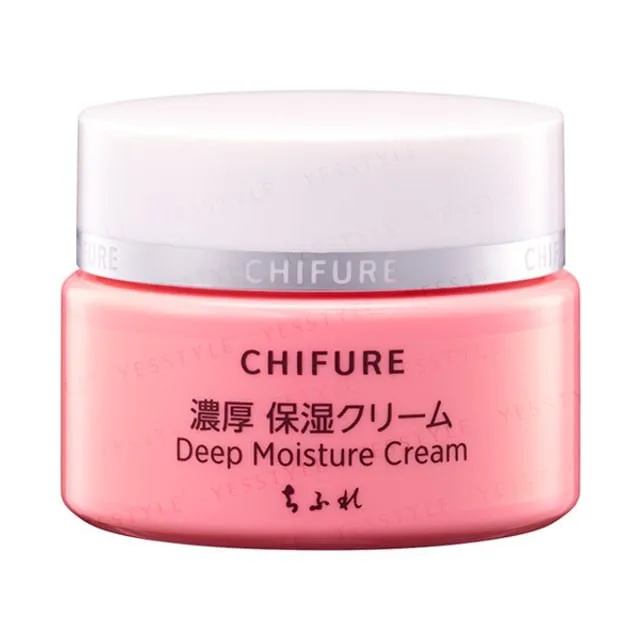 Cold-Weather Comfort Cream
 Rich Moisturizing Cream
The richer, more occlusive member of Chifure's cream family — olive oil, paraffin and skin-identical lecithin layered for serious anti-dryness comfort, still fragrance-free and still absurdly cheap. The "anti-aging" framing is really about softening dryness lines rather than erasing wrinkles, but as a cold-weather comfort cream for dry skin it over-delivers on price.
 Cooling Silicone Eye Gel
 Ceramide Eye Gel
A fragrance-free, oil-free glycerin-and-silicone eye gel that cools, tightens and blurs on application, hydrates lightly and takes concealer well, sold on ceramides that turn out to be a trace of glycolipids second from the end. Pleasant, cheap and sensible for oily and combination skin; a formaldehyde releaser, parabens and two dyes date it, and it treats nothing.
 Oil-Free Ceramide Workhorse
 Calendula Ampoule Moisture Cream
A quietly clever oil-free barrier cream: five ceramides and cholesterol in lecithin liposomes, suspended in 85 percent calendula water, for skin that wants lipid repair without a drop of oil. Excellent for dehydrated combination, oily and reactive faces, too light alone for dry ones, and hard to buy outside Korean export shops. At under twenty dollars it is one of Sidmool's best arguments.
 Sensitive Skin Staple
 SoonJung 10-Free Moist Emulsion
The Goldilocks moisturizer in the Soon Jung lineup — more substantial than the All In One Gel, lighter than a traditional cream. The squalane-lecithin base provides genuine barrier support in a silicone-free, fragrance-free format that works for almost everyone. At $20 for 130 mL, it's one of the most sensible everyday moisturizers for sensitive skin on the market.
 Oil-Control MVP
 Omega Water Cream Moisturizer
A smartly formulated oil-free moisturizer that delivers genuine barrier support in a weightless package. The combination of niacinamide, ceramide precursors, and betaine addresses oily skin's real problem — dehydration masquerading as excess oil — at a price that makes the competition look greedy.
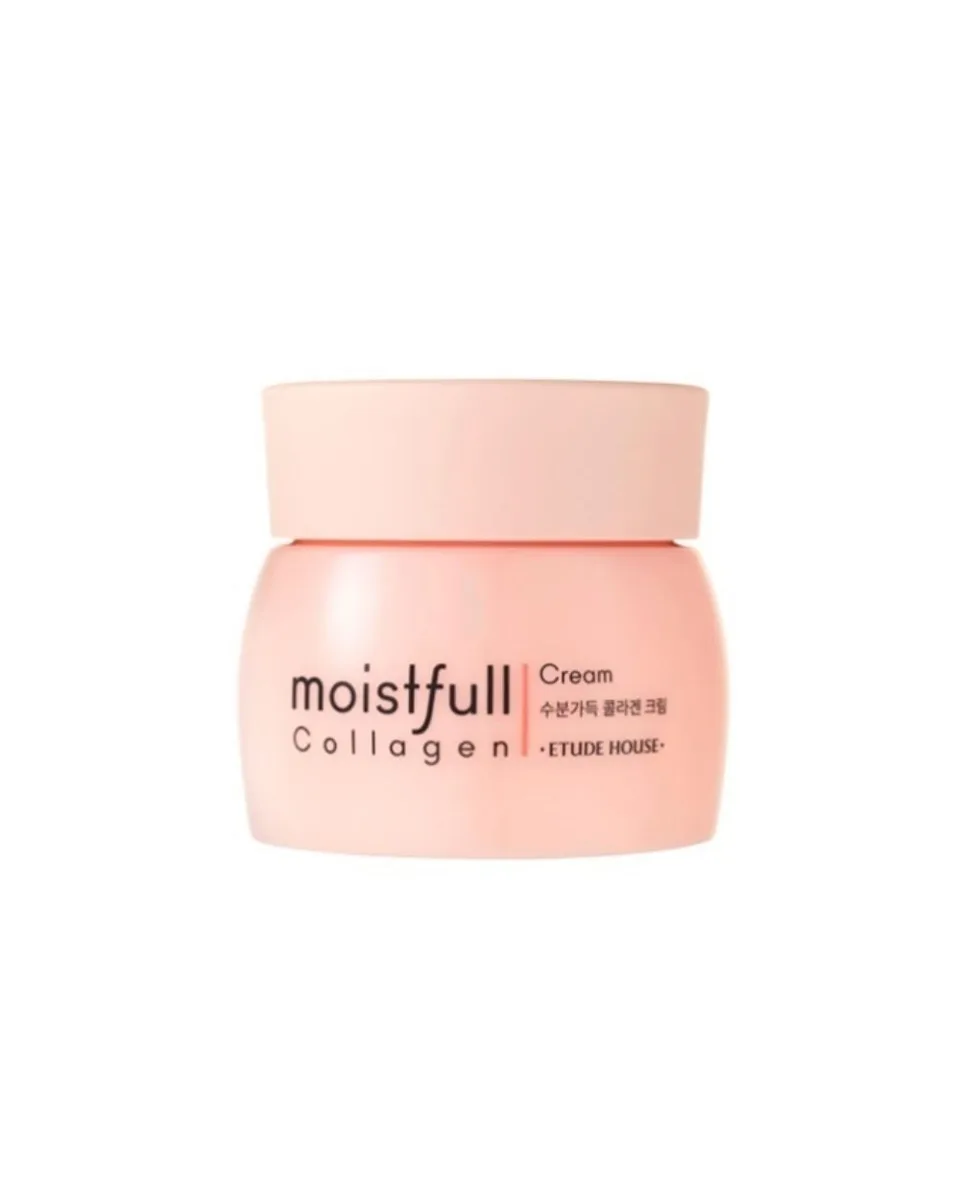 K-Beauty Cult Favorite
 Moistfull Collagen Cream
A delightful K-beauty moisturizer that delivers genuine hydration through its unique 63.4% hydrolyzed collagen water base and satisfyingly bouncy texture. The plumping effect is immediate and the price is accessible. Just manage your expectations — this cream hydrates beautifully but won't rebuild your skin's collagen structure. For what it actually does, it does it well.
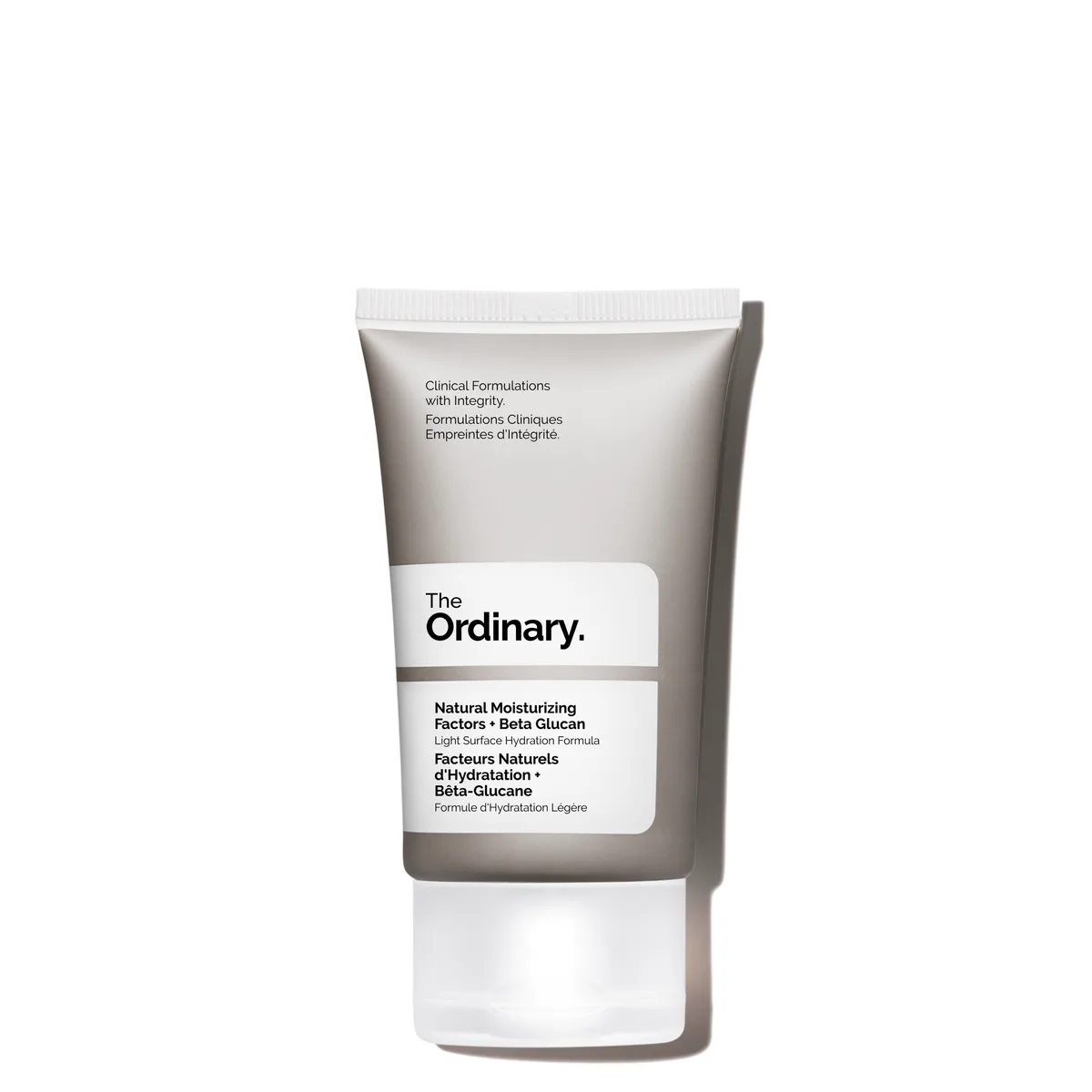 Oil-Free NMF for Oily and Reactive Skin
 Natural Moisturizing Factors + Beta Glucan
The oil-free member of The Ordinary's NMF trio, a fragrance-free, silicone-free gel-cream with beta-glucan fifth and the skin's own water-binders in the top half of the list, that hydrates and calms oily, combination, acne-prone and reactive skin for a day at six and a half dollars. It draws water superbly and seals nothing, which is exactly right for skin that makes its own oil and not enough for skin that does not.
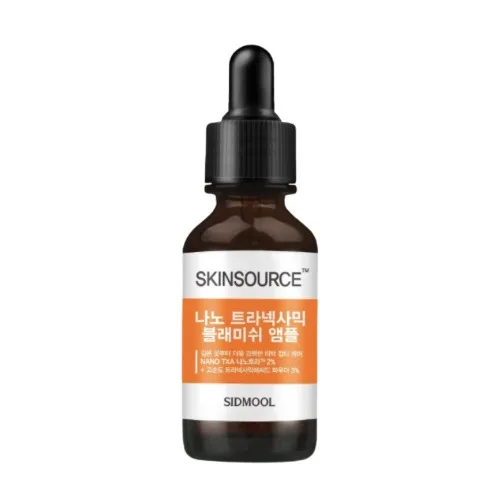 Budget Tranexamic Workhorse
 Skin Source Nano Tranexamic Blemish Ampoule
Three percent tranexamic acid and five percent niacinamide, both printed on the label, in a twelve-ingredient fragrance-free water base for about sixteen dollars. That is the study dose of a serious pigment active at a fraction of the usual price, and the formula is as gentle as it is plain. It is brand new and import-only, so patience is required on both fronts.
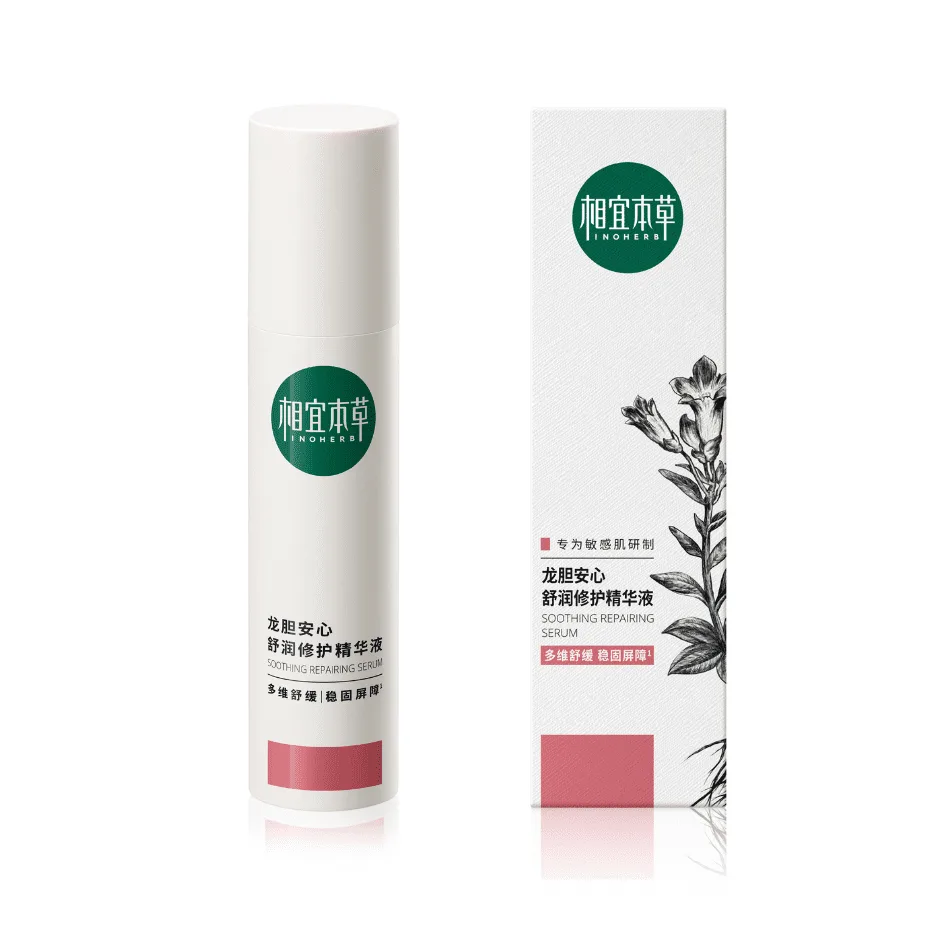 Lamellar Herbal Barrier Serum
 Gentiana Soothing Repairing Serum
The best-formulated product Inoherb sells abroad: a fragrance-free lamellar barrier serum with panthenol, betaine, lecithin-structured squalane, plant sterols and a synthetic pseudoceramide, wearing a five-herb gentian signature that is more decoration than driver. Reactive, dry and barrier-stressed skin will feel the difference within days; the converted price is the main thing to negotiate with.
 Sensitive-Skin Niacinamide Serum
 SKIN RESCUE Pure Smooth Serum
bareMinerals SKIN RESCUE serum with 5% niacinamide + Terminalia Chebula antioxidant platform, triple-microalgae pool, squalene, multi-component humectant pool, and phospholipid pool in fragrance-free sensitive-skin base. Strong suitability breadth and irritation risk scores due to the sensitive-skin positioning. One of the better-considered sensitive-skin niacinamide serums in the current market.
 5-Ceramide Eczema-Approved Body Cream
 The Body Cream
Nécessaire 5-ceramide + 5% niacinamide + free fatty acid + cholesterol body cream with shea butter + colloidal oatmeal + glycerin + panthenol + lecithin emulsion architecture. Comprehensive barrier-restoration body cream with National Eczema Association Seal of Approval. $48 for 200 mL is premium indie body cream pricing but supported by substantive multi-active loading.
 Oil-Free Gel for Oily Skin
 Apple Cider Vinegar Oil Free Moisturizer
WOW's ACV Oil Free Moisturizer is a perfectly decent lightweight gel for oily skin — humectant hydration from glycerin and hyaluronic acid with zero greasy occlusion. Just don't buy it for the apple cider vinegar, which is a marketing flourish that does little here. As a simple, affordable, genuinely oil-free daily gel it's fine; as the pH-balancing, acne-fighting treatment the branding implies, it isn't.
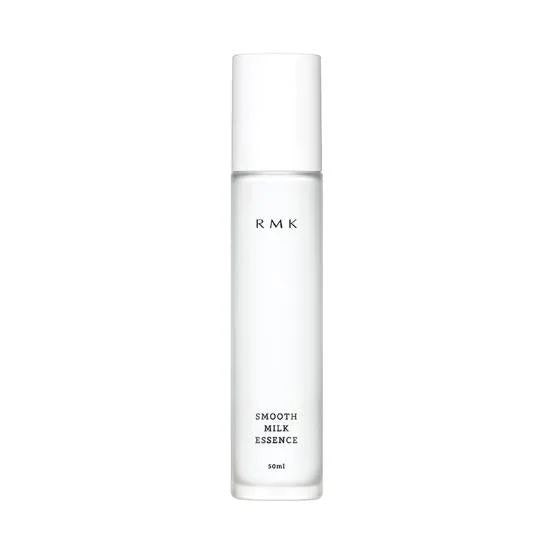 Lipid-Rich Milk Essence
 Smooth Milk Essence
A milk-type hydrating essence that stands out by carrying skin-identical barrier lipids, hydrogenated lecithin and cholesterol, alongside humectants and mango butter, wrapped in RMK's signature milk-tea scent. It's a genuinely comforting barrier-support layer for dry and normal skin, but the fragrance rules out sensitive types and grey-market pricing dents the value.
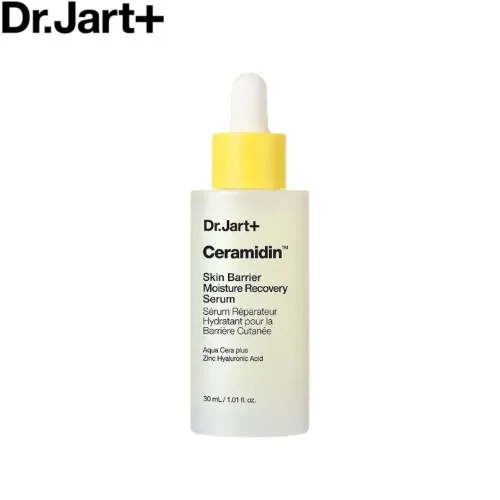 Olive Young Exclusive Barrier Serum
 Ceramidin Skin Barrier Moisture Recovery Serum
A lighter, cleaner-feeling take on Dr. Jart+'s barrier franchise that swaps the five-ceramide roll call for one ceramide dosed properly and a zinc-bound hyaluronic acid with genuine soothing intent. It is fragrance-free, gentle, and layers beautifully. The price for 30 mL and the fact that you still have to import it are the honest reasons to pause.
 Winter J-Beauty Pick
 Marshmallow Whip Rich Moisture
The pink-labeled Rich Moisture variant is the most ambitious humectant engineering in the Marshmallow Whip line, softening a traditional Japanese soap base with glycerin, lecithin, and honey to make it tolerable for dry skin. The result is a meaningfully gentler wash than the Fresh Clear flagship, though still fundamentally a soap-based, fragranced cleanser rather than a true barrier-respecting one.
 Balmy Herbal Eye Cream
 Ceramide Herbal Eye Cream
A balmy mineral oil, rosehip, safflower and petrolatum eye cream with silicones for slip that softens dry, crepey under-eyes overnight and costs twenty dollars, sold on ceramides that are a trace of glycolipids and a herbal name that is a trace of eyebright. The rosehip is a thoughtful touch and the comfort is real; a fragrance and a formaldehyde releaser in an eyelid product are the wrong decisions, and they cost it the sensitive skin it would otherwise suit.
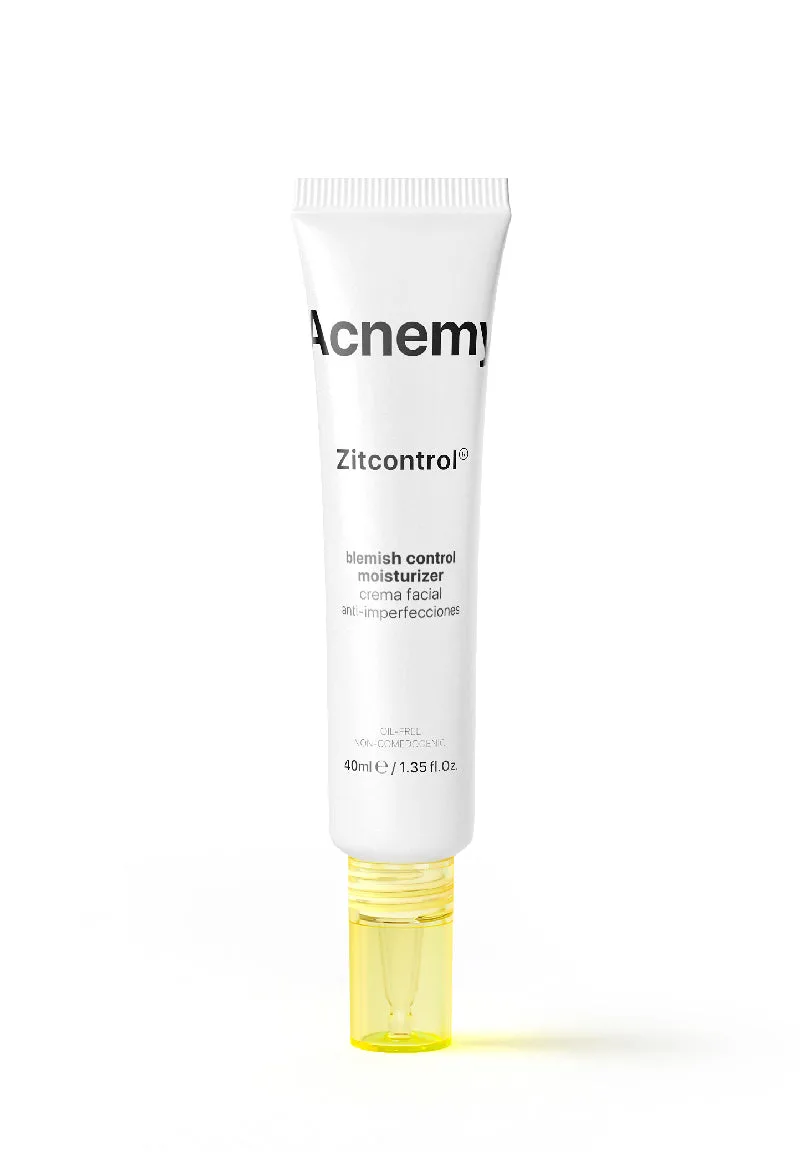 Daily Acne Workhorse
 Zitcontrol Draining Purifying Serum
Zitcontrol is the kind of daily acne treatment that quietly outperforms flashier products in the category. Meaningful niacinamide, liposomal salicylic acid, zinc PCA, and — most unusually for an acne serum — a ceramide-cholesterol-phosphatidylcholine lipid complex that supports the barrier while the actives do their work. At roughly $19 for 40ml it's fairly priced for the formulation depth. Not strong enough for severe acne, but for the mild-to-moderate majority, it's a legitimate workhorse.
 Old-School NYC Salon Staple
 AHA & Ceramide Moisturizer
A lightweight, functional moisturizer for oily and combination skin that does a decent job of hydrating without heaviness — but the product name is more aspirational than accurate. The 'AHA' is lemon extract, the 'ceramide' is glycolipids, and the formula contains several ingredients modern formulations have moved past.
 Eczema-Prone Skin Specialist
 Calming Relief A.I. Body Lotion
A quietly excellent body lotion that takes eczema-prone and reactive skin seriously. The combination of a physiological 3:1:1 lipid system with palmitamide MEA makes it one of the few mass-market body lotions that functions more like a prescription-adjacent emollient than a generic drugstore pump. Price and US availability are the main frictions.
 Beginner-Friendly Retinol
 Retinol & Rainbow Algae Repair Serum
A thoughtfully constructed retinol serum that genuinely earns its beginner-friendly claim. Phospholipid-encapsulated retinol at a meaningful 0.2 percent, stacked with 2 percent tranexamic acid for post-acne mark fading, in a fragrance-free vegan vehicle. If the last active you tried was The Ordinary and you are ready to move up, this is a sensible next step.
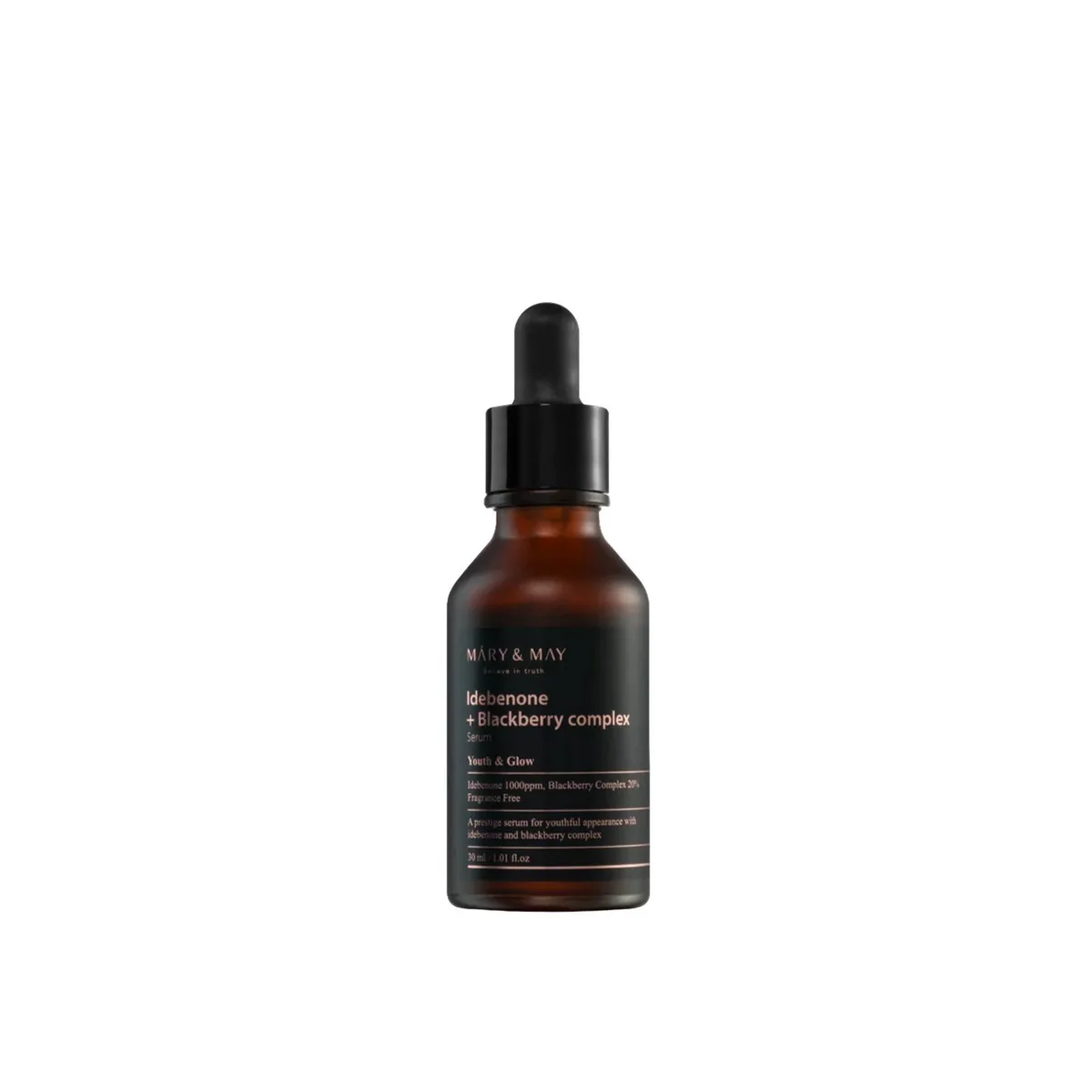 K-Beauty Idebenone Antioxidant Serum
 Idebenone + Blackberry Complex Serum
An antioxidant serum that puts a genuinely interesting active — idebenone — at a price that doesn't usually buy it. Backed by three berry extracts at meaningful 6.75% concentrations, it's a clean, fragrance-free, well-tolerated daily defense layer. Don't expect dramatic before-and-afters; antioxidant protection is preventive work, and on those terms it's a quietly excellent $23 buy.
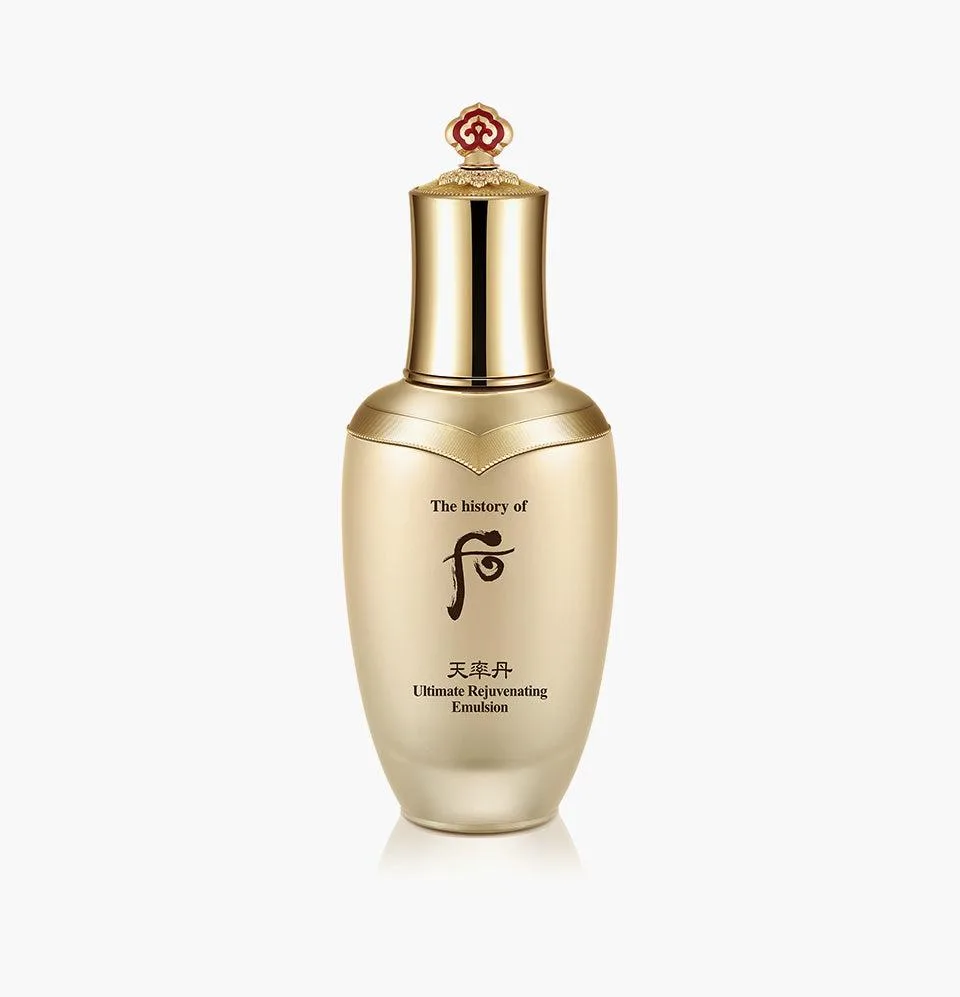 Imperial-Tier Lotion Step
 Cheonyuldan Hwayul Ultimate Rejuvenating Emulsion
The lotion step of LG's most expensive hanbang line is, under its fifty herbs and gold, a beautifully built lamellar emulsion, macadamia oil third, hydrogenated lecithin, panthenol high, squalane and silicones, that leaves normal and dry skin soft, cushioned and luminous with a feel most luxury lotions cannot match. The orchid it is named on sits eighty-fourth of eighty-nine, the ceramide trio is the last thing before the gold, the fragrance is strong and the alcohol real, and importers want well over a hundred dollars; superb as an object and a texture, unproven as a treatment, and not for sensitive skin.
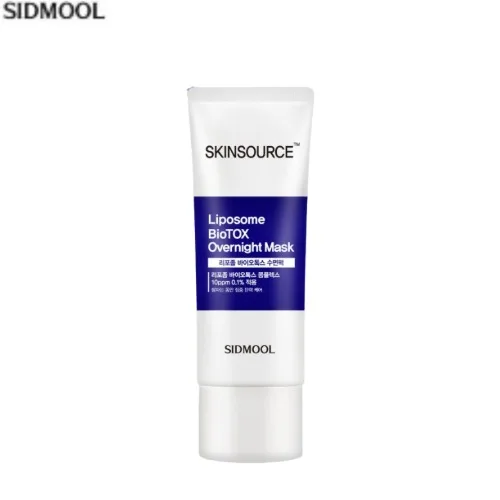 Growth-Factor Sleeping Mask, Modest Price
 Skin Source Liposome BioTOX Overnight Mask
A pleasant, fragrance-free hyaluronic sleeping gel that plumps skin overnight and costs under twenty dollars, wrapped in a story about a botulinum-mimetic peptide and three growth factors that no independent study supports. Buy it as a gentle hydrating mask with an intriguing ingredient list, not as Botox in a tube, and it is fair value.
 New Launch Barrier Cream
 Barrier Calming Cream
A genuinely well-built, fragrance-free buffering cream for retinoid users and post-procedure skin, with a strong niacinamide slot and a thoughtful lipid cluster. The calcium story is marketing dressed around an ordinary salt, and at $140 for 50 mL, weeks after launch, you are paying a physician-brand premium for evidence that so far comes only from the brand itself.
 Ampoule That Thinks It's a Cream
 Madecassoside Derma Ampoule Blemish Repair
A centella ampoule that is really a light barrier cream with niacinamide doing the heavy lifting — and it is better for that. At $25 for 50 ml it is a sensible pick for combination skin working through post-acne marks. Reactive skin should weigh the four essential oils before buying, and the '98% pure' claim on the box deserves a translation.
 ISDIN Night DNA-Repair Serum
 Eryfotona Night Serum
Ambitious nighttime serum extending ISDIN iconic Eryfotona DNA-repair platform from sunscreen format into nighttime treatment through proprietary Night Repairsomes complex (Micrococcus lysate + diosmin + Sphingomonas ferment) plus bakuchiol retinol alternative plus niacinamide plus melatonin plus phospholipid delivery system. Fragrance-free pregnancy-safe formulation addresses anti-aging concerns without retinol restrictions. $88 price reflects prestige clinical positioning.
 J-Beauty Overnight Cream
 Sekkisei Clear Wellness Overnight Cream
Kose Sekkisei's Overnight Cream extends Clear Wellness platform with skin-mimetic lipid system (phytosterol-based + rice bran wax + lecithin) and multi-Asian-botanical chemistry at $42 for 40ml. Fragrance-free distinguishes from typical Sekkisei. Vegan and fungal-acne safe.
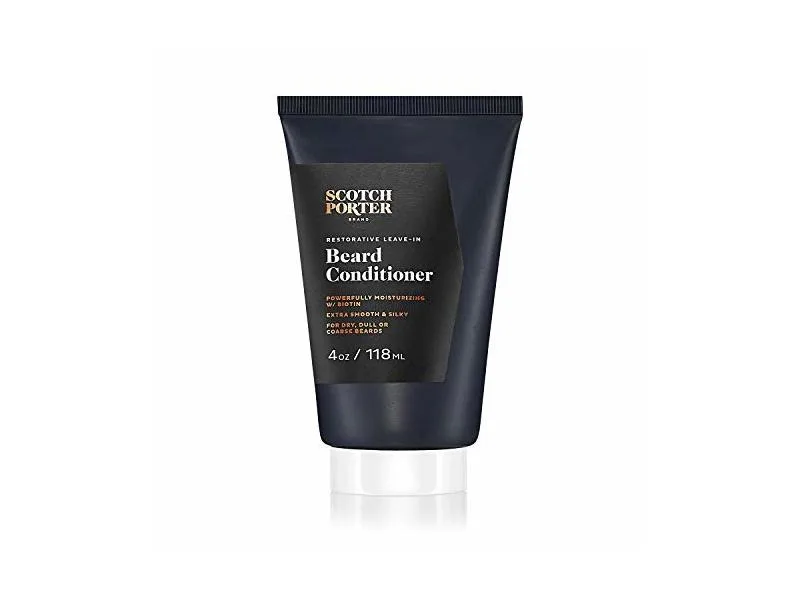 Lightweight Beard Softener
 Leave-In Beard Conditioner
A lightweight, no-rinse beard conditioner that softens, detangles, and adds shine to coarse, dry beards without the grease of a pure oil, thanks to a shea-and-Abyssinian-oil base with a proper detangling agent. It's well-built and a strong everyday softener, with an assertive fragrance and an oversold biotin-growth angle as the caveats.
 Oil-Balancing Lightweight Moisturizer
 Drying Cream with Niacinamide 4% & Hydrogenated Lecithin
Don't let the name fool you: this isn't a harsh mattifier but a gentle, lightweight niacinamide moisturizer that balances oil while conditioning the skin. For oily and combination types who want hydration without heaviness, it's a quietly good budget option — just know it's a daily moisturizer, not a spot treatment, and the ester content rules it out for fungal-acne-prone skin.
 Gentle Conditioning Cleanser
 The Multi-Peptide Advanced Body Wash
A genuinely gentle, creamy, fragrance-free body wash that leaves skin soft and comfortable rather than stripped, thanks to rice amino acids, phospholipids, and antioxidants. The headline peptide does little in a rinse-off, so think of it as an excellent conditioning cleanser, not a firming treatment. A strong everyday pick for dry and sensitive skin.
 Fifteen-Percent Overnight Vitamin C
 Vita C Plus Spot Correcting Sleeping Pack Cream
An overnight gel-cream that claims fifteen percent ethyl ascorbic acid, second on the list, with niacinamide, a PHA and an LHA behind it, which is a strong brightening formula for seventeen dollars and does leave a brighter, smoother face by morning. The dose is unverified, the brand's US page lists another product's ingredients, and a fragrance in an eight-hour mask for pigment-prone skin is the line's recurring mistake. Good for resilient skin on a few nights a week; too much for reactive faces.
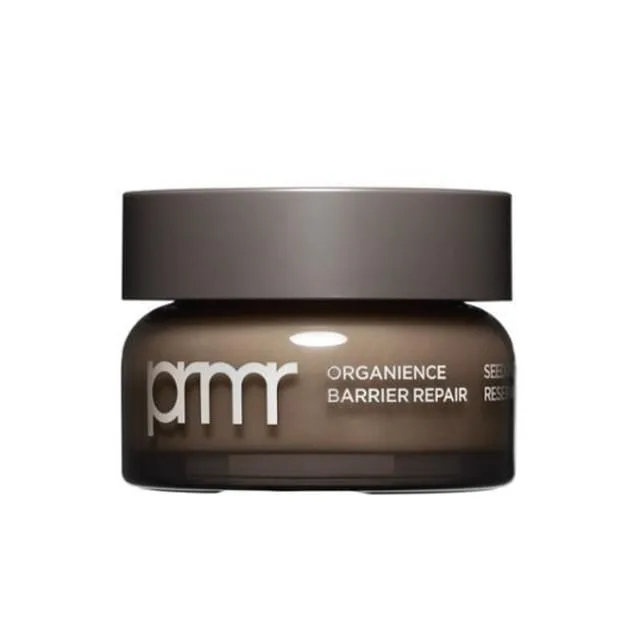 K-Beauty Premium Moisturizer
 Moisture Seed Moisturizing Cream
A legitimately well-formulated K-beauty moisturizer that combines a real barrier-repair lipid system with Primera's signature sprout and camellia seed extracts. The price reflects Amorepacific premium positioning, but unlike many plant-branded creams, this one earns its shelf space with actual formulation substance.
 J-Beauty Liposome Staple
 Liposome Advanced Repair Serum
This is one of the few serums on the market where the 'liposome' label is backed by four decades of actual research instead of marketing. The formula pairs phospholipid-encapsulated ceramides with ectoin, ferments, and low-molecular-weight hyaluronic acid to deliver genuine barrier repair and hydration in a genuinely silky texture. Fragrance is the one caveat; price is fair for what you get.
 J-Beauty Night Cream Staple
 Moisture Liposome Cream
A decade-old J-beauty night cream that still earns its place in dry-skin routines. The liposome delivery system is real, the lipid-focused formulation is sensibly built, and the texture is genuinely luxurious. Alcohol, fragrance, and a botanical-heavy INCI keep it from being a universal recommendation, but for dry mature skin it's one of the better value picks in the Decorté lineup.
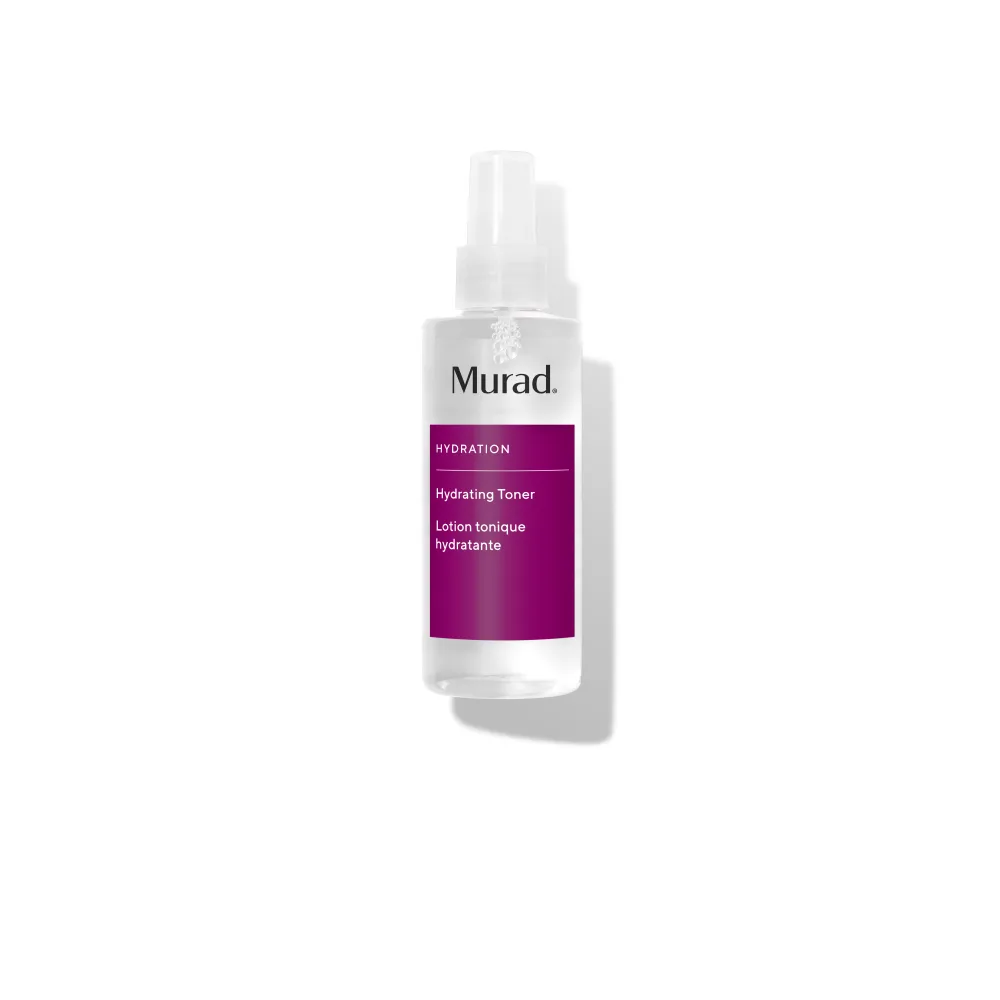 NMF Mist Toner
 Hydrating Toner
A hydrating mist with a genuinely good core, Murad's urea-and-amino-acid moisturising complex plus a stable vitamin C derivative, that leaves skin quenched rather than wet and takes moisturizer better. Around that core sit witch hazel, a fragrance with four declared allergens and two dyes, which are the reasons reactive skin should look elsewhere, and a $44 price that is a lot for a spray. Lovely for resilient dehydrated skin; over-dressed for the sensitive.
 Potent Minimalist Retinol
 Night Switch Retinol 1%
A potent, beautifully minimalist 1% retinol from a chemist who knows exactly what she's doing. Retinol in a phospholipid delivery system, a ferment preservative, and almost nothing else — no fragrance, no fillers, just an effective high-strength active delivered smartly. That purity is the appeal and the demand: it works, but it's strong and unbuffered, so it's for experienced retinol users with a good moisturizer, not beginners or sensitive skin. And, being a retinoid, it's off-limits in pregnancy.
 At-Home Filler Treatment Course
 12HA Densifying-Filler Treatment
The flagship that built the 'at-home filler' category — a sophisticated two-step kit of twelve hyaluronic acid weights, collagens, elastin, and a well-chosen peptide complex, dispensed precisely into wrinkles and sealed with a nourishing film over a 14-day course. It genuinely plumps and smooths the surface and is broadly gentle, but the steep price rides on an injectable comparison topicals can't fulfill.
 Beard-Softening Staple
 Conditioning Beard Balm
A conditioning-first beard balm that softens coarse, wiry hair and soothes beard itch with a shea-butter-and-oil base, rather than a stiff styling product. It's well-formulated, naturally-derived, and a deserved Scotch Porter flagship, though the fragrance is assertive and the biotin-growth angle is more marketing than mechanism.
 Tokyo Brightening Prestige
 White Shot Cream RXS
The only cream on earth carrying PCE-DP — the brightening active Pola pushed through Japan's drug-like approval gauntlet in 2018 — paired with tranexamic acid in a clever temperature-stabilized base. The mechanism is genuinely novel, the execution elegant, the evidence proprietary, and the imported price steep for a product whose results arrive on a four-month timetable.
 OG Cult Favorite
 Retinol Reform Treatment Serum
The original Shani Darden retinol — a deliberate retinol-plus-lactic-acid combination that delivers first-week glow while the retinol works slower underneath. A decade-long cult favorite that still earns its reputation, though the $88 price and the newer 1% version complicate the value calculus.
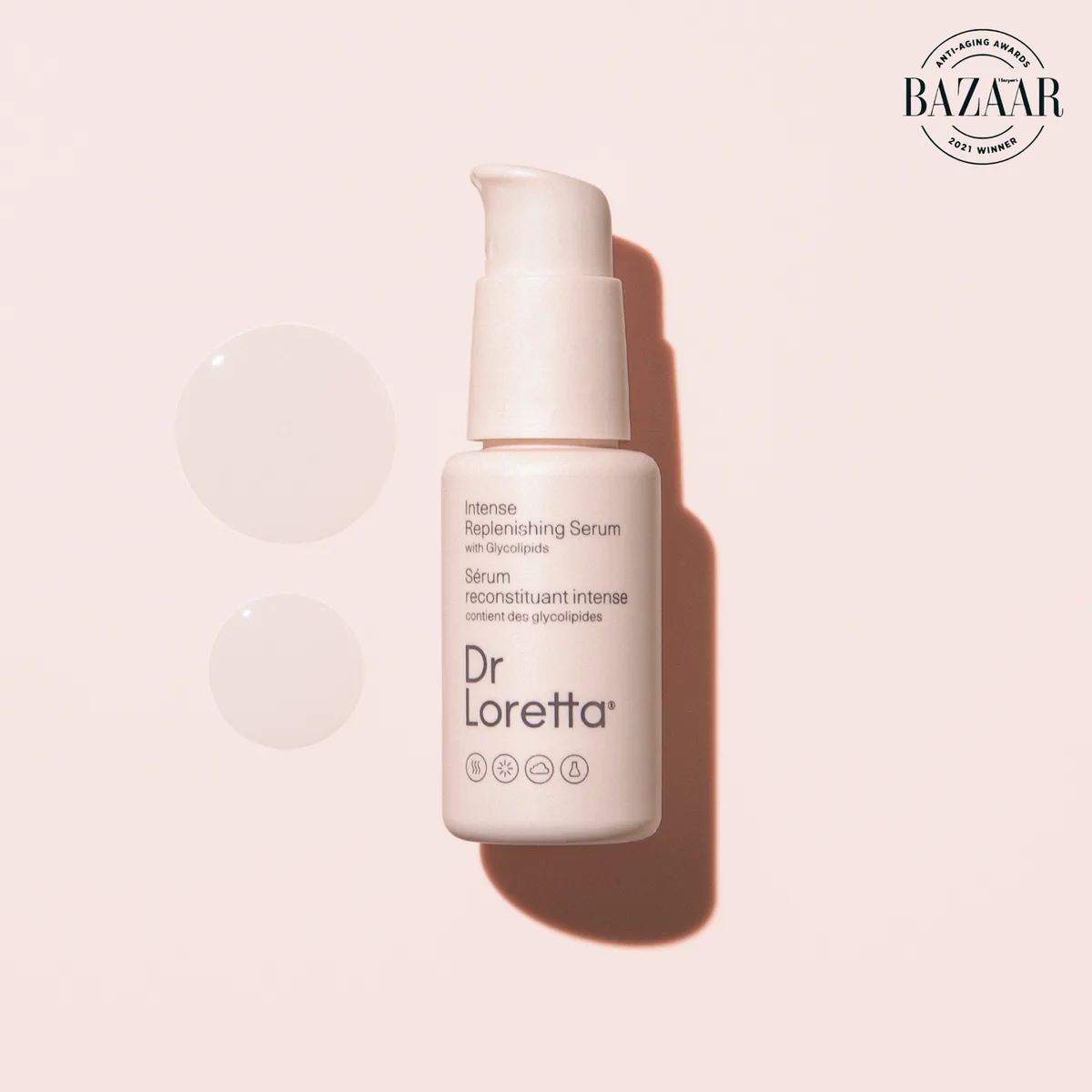 Barrier Repair Specialist
 Intense Replenishing Serum
A genuinely unusual barrier repair serum that bypasses the standard ceramide playbook in favor of a glycolipid and fatty acid blend, stabilized by one of the more potent synthetic antioxidants in cosmetic use. Expensive and not fungal-acne safe, but for dry, flaking, over-exfoliated skin it's one of the few serums that produces visible results in a week.
 Dermatologist-Brand 2-Step At-Home Peel
 Retinol Correxion Line Smoothing 2-Step Peel Pads
RoC's February 2026 launch is one of the more genuinely sophisticated at-home peel systems available — Step 1 5-acid peel pad (glycolic + lactic + mandelic + phytic + gluconolactone) followed by Step 2 Clinical Retinol pad with ectoin and allantoin soothing chassis. The sequential 2-step application maximizes retinol penetration through the freshly-exfoliated surface. At $38.99 for 20 treatments, the value is reasonable for the formulation depth. Pregnancy contraindication and aggressive active load require experienced retinol users.
 Salon Hydration Cream
 Hydra Beaute Comforting Moisturizing Cream
Guinot's Hydra Beaute is the brand's honest hydrator — a comforting, shea-and-hyaluronic-acid cream that genuinely relieves tight, dehydrated skin, without the elaborate 'cellular' marketing of its pricier siblings. It does its hydration job well. The drawbacks are familiar Guinot ones: added fragrance, a couple of questionable inclusions (benzophenone-3, dye), and a salon premium for a fairly basic formula.
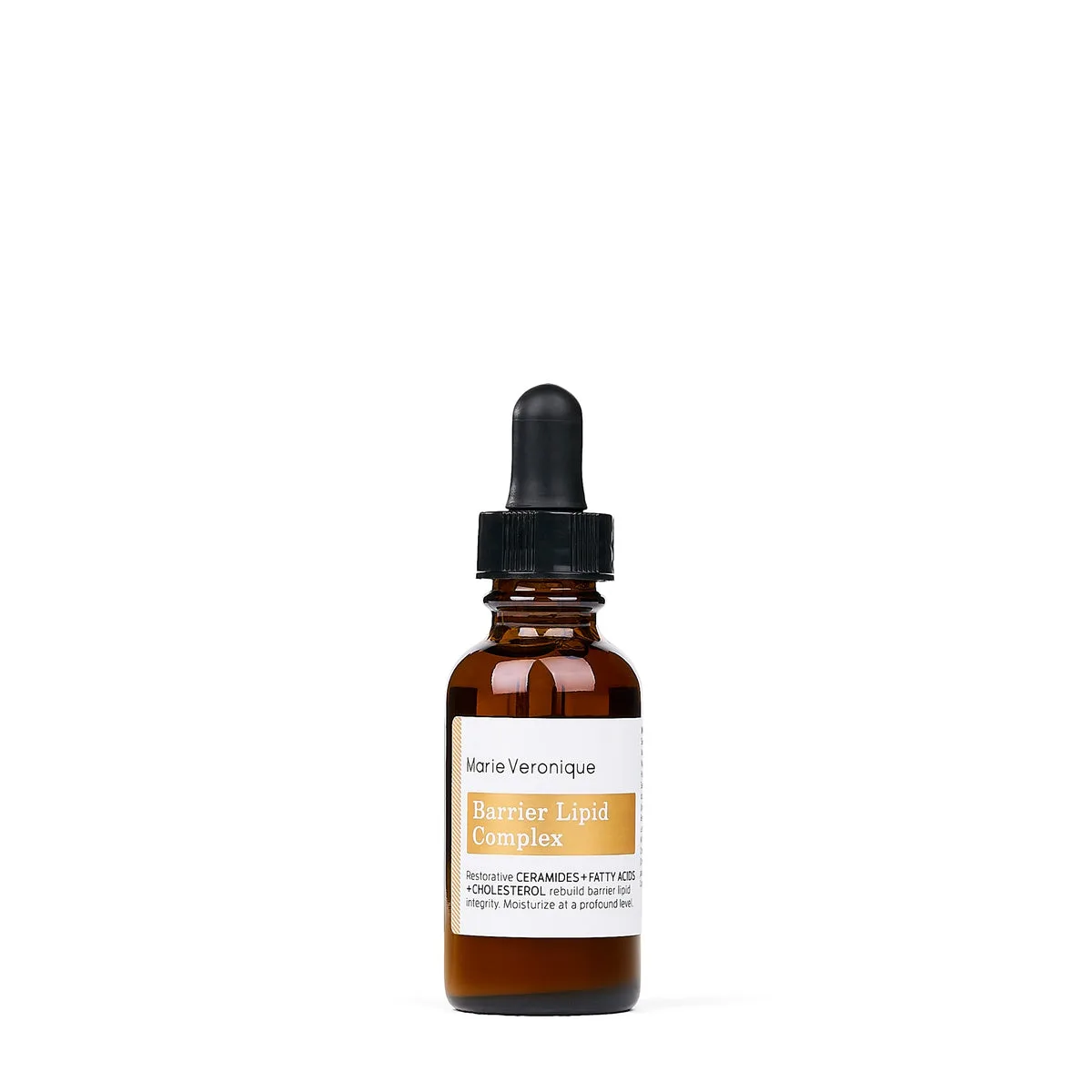 Skin-Mimicking Lipid Treatment
 Barrier Lipid Complex
A genuinely science-grounded barrier-lipid treatment that replicates the skin's own ceramide-cholesterol-fatty-acid ratio and layers in omega-rich seed oils, algae EPA/DHA, and phospholipids. It nourishes and repairs dry, compromised skin effectively, fragrance-free, and pairs beautifully with the brand's Restore Serum. The catch is the $95 price and a richness that's more than very oily skin needs.
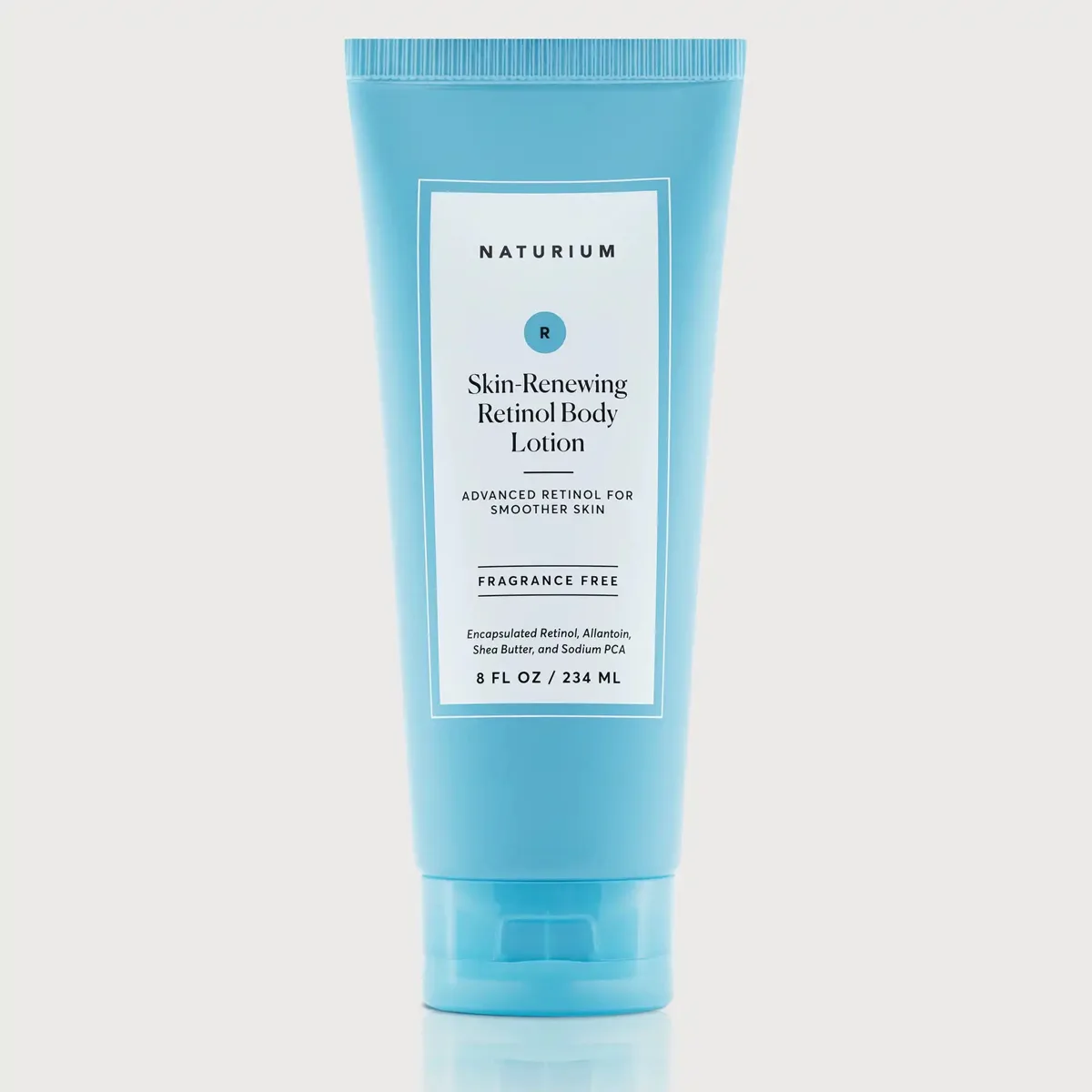 Body Retinol Done Right
 Skin-Renewing Retinol Body Lotion
A genuinely good body retinol that pairs stabilized encapsulated retinol with a barrier-first base of linoleic acid, phospholipids, and soothing allantoin, so it treats crepey, rough, bumpy skin while staying more tolerable than most. It is moisturizing enough to skip a separate cream. Not for sensitive skin or pregnancy, and it demands patience and sunscreen.
 Vanishing Act
 ProSpa Nail & Cuticle Oil
The cuticle oil for people who hate cuticle oil — synthetic esters and lecithin turn a heavy avocado base into something that vanishes in seconds, which is precisely why it gets used daily rather than admired in a drawer. The trade is a properly perfumed formula with five declared allergens and a dye, on skin that tears regularly. Excellent unless your hands are reactive.
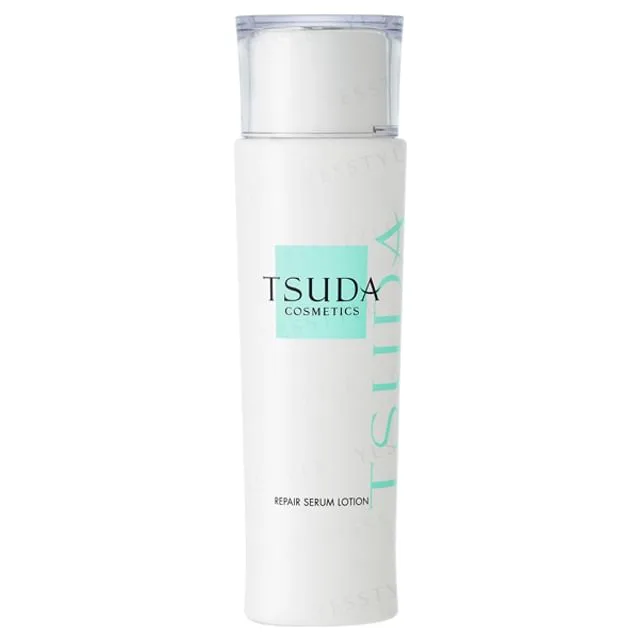 Dermatologist-Developed Barrier Lotion
 Skin Repair Serum Lotion
A genuinely well-formulated dermatologist-developed lotion combining three human-identical ceramides, multi-weight HA, niacinamide, sphingoglycolipids, and soothing botanicals in a barrier-repair-focused formulation. The dermatology-led approach delivers serious clinical formulation chemistry for sensitive-reactive skin. The $78 price for 130ml is the main caveat — substantial but defensible for the formulation depth and dermatologist development behind it.
 Best Clear Stick Sunscreen
 Ultimate Sun Protector Clear Stick SPF 60+
Shiseido's Ultimate Sun Protector Clear Stick delivers SPF 60+ broad-spectrum chemical filter protection in a clear glide-on stick format — no white cast, portable for reapplication, with licorice extract and lecithin adding tone-evenness function. Strong pick for travel, reapplication, and over-makeup use. The 33-dollar price reflects the premium positioning.
 Gentle Clay Daily Cleanser
 Ceramic Slip Clay Cleanser
A daily clay cleanser that actually understands what most clay products get wrong — it purifies pores without punishing the skin barrier. The dual kaolin-montmorillonite system draws out oil and impurities while phospholipids and oil esters keep the barrier intact. Thoughtful formulation at a premium price.
 Treatment-Room Luxury
 Phyto Nature Oxygen Cream
An undeniably pleasant, fast-absorbing liquid cream with a thoughtful squalane-and-antioxidant base, sold at a treatment-room price. It hydrates beautifully and finishes luminous, but the heavy load of citrus and herbal essential oils makes it a poor pick for sensitive or reactive skin, and the firming claims outrun the evidence.
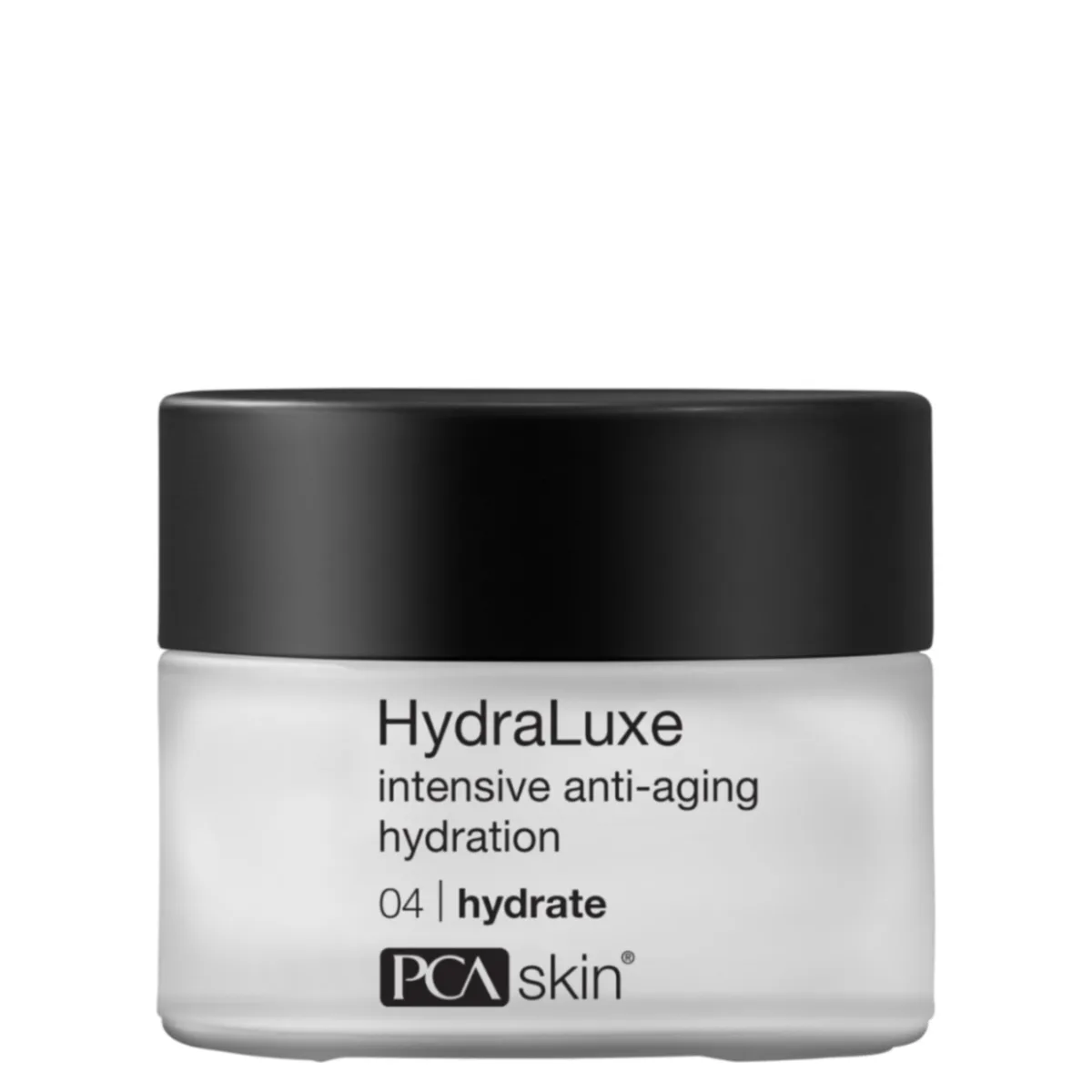 Rich Cream, Luxury Bill
 HydraLuxe Intensive Hydration
A genuinely well-engineered rich cream, with niacinamide in second position, real barrier lipids and a lamellar emulsion that lets a heavy formula absorb cleanly, sold at a price the trace botanicals on the label cannot justify. Dry, mature skin will love how it feels and will get a legitimate niacinamide benefit over months; nobody will get the firming and volume the jar promises, and the added fragrance is an odd choice from a clinical brand.
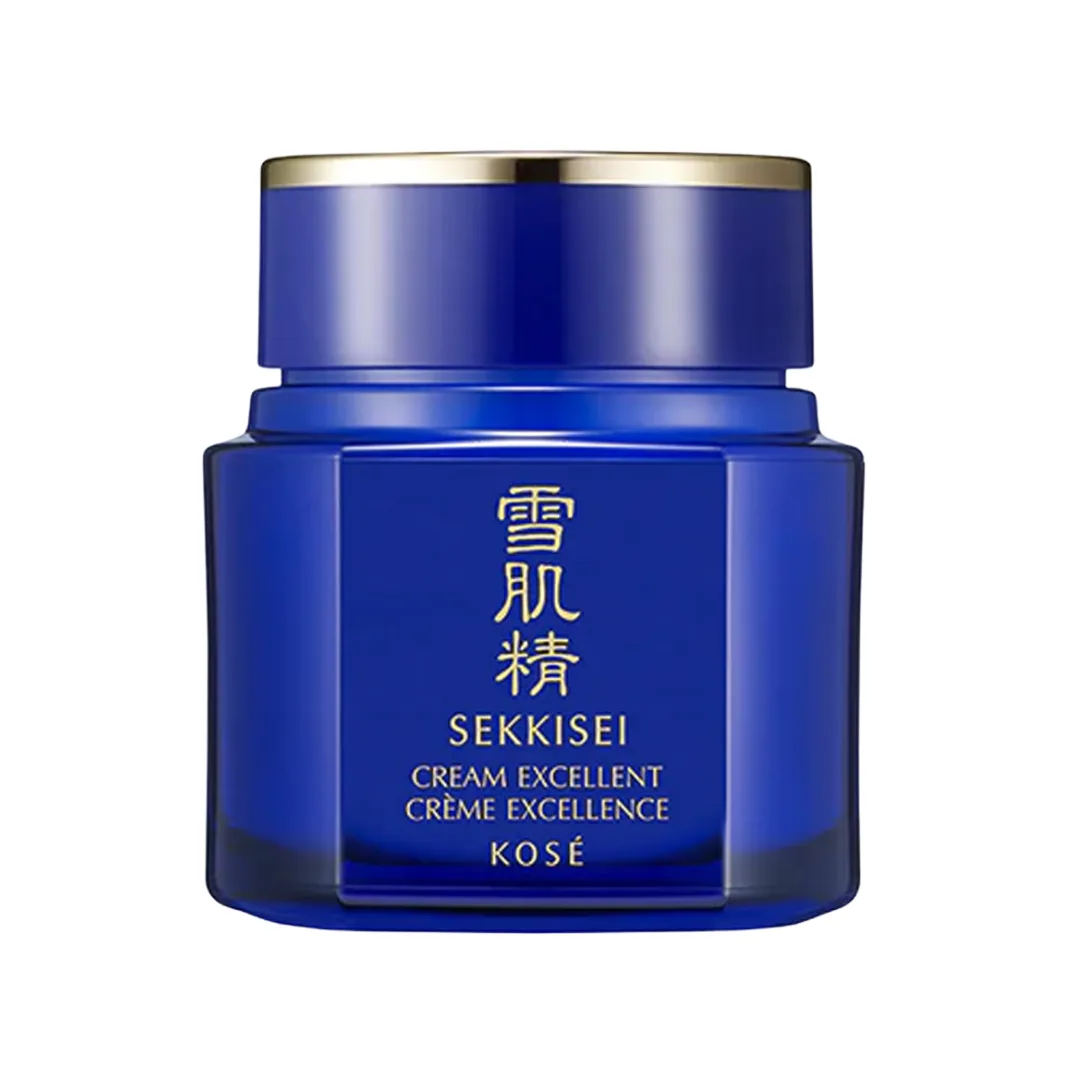 Rich J-Beauty Anti-Aging Cream
 Cream Excellent
Sekkisei's richest cream pairs a stable vitamin C derivative and skin-identical barrier lipids with a meadowfoam-and-squalane base, delivering immediate cushion and gradual brightening for dry, mature skin. But at $88 for 50ml — and with menthol, alcohol, fragrance, and a paraben trio onboard — it's a comfort-and-heritage purchase more than a value one.
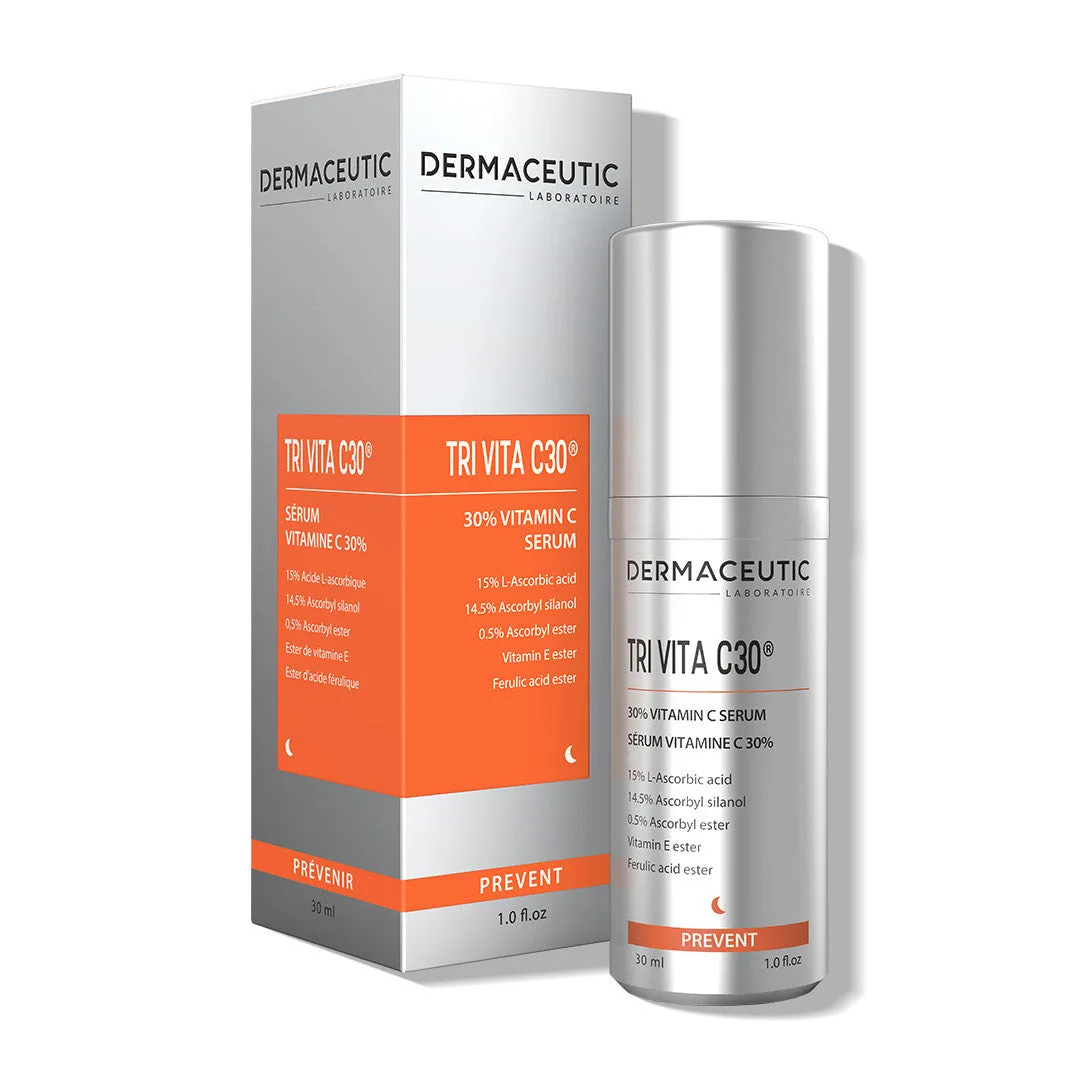 Pro-Strength Vitamin C
 Tri Vita C30
Dermaceutic's Tri Vita C30 is a serious, professional-channel vitamin C serum that stacks three forms of the vitamin to a combined 30% alongside the full ferulic-and-vitamin-E antioxidant system. For resilient skin chasing maximum brightening and antioxidant power, it delivers — but denatured alcohol, camphor and that sheer potency make it prone to irritation, and at $97 it asks a lot for benefits a gentler serum often largely matches.
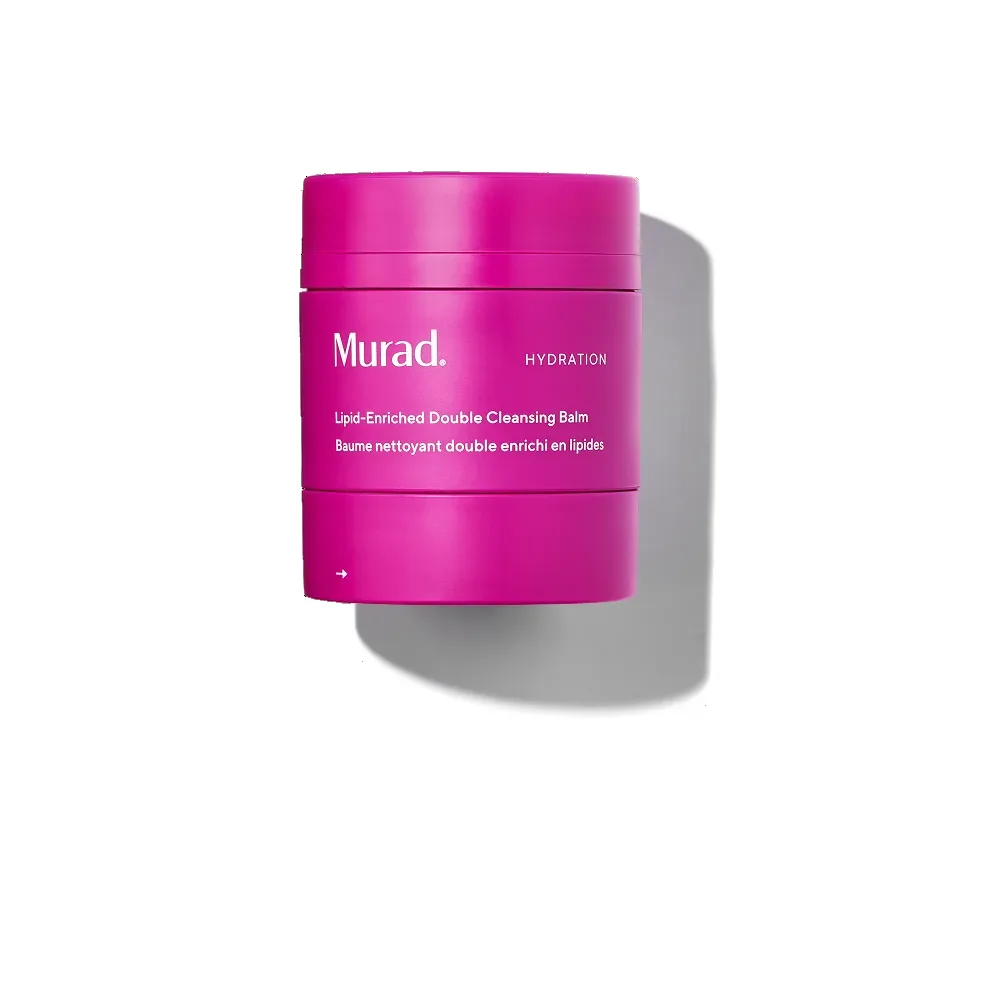 Lipid-Enriched Cleansing Balm
 Lipid-Enriched Double Cleansing Balm
Murad's first cleansing balm is meaningfully more than a basic plant-oil formula — the 'lipid-enriched' chemistry adds glycolipids and sphingolipids that support barrier integrity during the cleansing process, while the Camellia japonica oil and dual-ester cleansing base handle the makeup-removal work. At $35 for 50ml, the price is competitive within the prestige cleansing balm category. The fragrance and lemon peel oil inclusion is the one decision that limits sensitive-skin compatibility.
 Dewy Radiance Oil
 Radiant Multi Repair Oil
A genuinely lovely, surprisingly lightweight face-and-body oil that blends well-chosen botanical oils with a hydrating water phase and oil-soluble vitamin C for real dewy radiance. It is nicer to use than most oils — but at $182 for a blend of inexpensive plant oils, with a heavy fragrance load, it is a luxury indulgence whose 'repair' name promises more than any oil can deliver.
The full phospholipids guide
Every living cell membrane is built from them, yet phospholipids tend to do their work in the background while flashier actives collect the headlines.
They wear three hats at once: a structural lipid that echoes your skin's own membrane architecture, an emulsifier that holds a formula together, and a delivery vehicle that ferries fragile actives past the stratum corneum's defenses. Few cosmetic ingredients juggle that many roles in a single molecule.
How it's regulated in the US
FDA does not classify ingredients — it classifies products, by what they are sold to do. The same molecule can be a drug active in one product and a cosmetic ingredient in the next, and only the claim on the label decides which. What follows is a statement about that legal standing, not about whether it works — the evidence question is answered separately above.
Cosmetic Phospholipids is a cosmetic ingredient in the US: no OTC monograph covers it and it is not an active in any FDA-approved drug, so a product built around it is a cosmetic rather than a drug.
The research base for phospholipids spans decades of pharmaceutical and cosmetic work, which is why they sit in the well-established tier. Liposomal delivery systems built from phosphatidylcholine have been studied for enhancing the penetration of actives: a 2016 study in Clinical, Cosmetic and Investigational Dermatology found PC liposomes improved ascorbate diffusion into the dermis and showed antioxidant and anti-inflammatory effects on UV-irradiated ex vivo human skin. Their safety is exceptionally well-characterized — a 2020 Cosmetic Ingredient Review assessment of lecithin and 16 other phosphoglycerides concluded they are safe at current use levels (up to a reported 50%). One caveat that assessment raises is worth keeping in view: phospholipids exert clear physiologic effects in the body, but those are not automatically reproduced by topical application, so structural barrier claims should be read as mechanistically plausible rather than universally proven. Broader trials of physiological-lipid emollients in atopic-dermatitis-prone skin show real improvements in TEWL and hydration, though those formulas combine phospholipids with ceramides and other lipids rather than isolating them. In short: a genuinely well-supported ingredient class whose specific benefit depends entirely on whether it appears as an emulsifier, a liposomal carrier, or a concentrated barrier-repair lipid.
How it works
Picture a molecule with a split personality: a phosphate-linked head that loves water, and two fatty acid tails that repel it, joined by a glycerol backbone. That amphiphilic build — at home in both water and oil — is the engine behind nearly everything phospholipids do in a formula. Applied to skin, they can slot into the existing lipid matrix of the stratum corneum the way a missing piece fills a gap, integrating into the intercellular bilayers rather than simply sitting on top like a pure occlusive. In barrier-compromised skin this is thought to increase bilayer fluidity and structural coherence, helping curb transepidermal water loss without forming a heavy film. Worth noting: while this mechanism is well-described in lab and formulation studies, regulatory reviewers caution that topical phospholipids don't automatically replicate the body's internal phospholipid physiology. That same dual nature makes them natural emulsifiers, parking themselves at the boundary between oil droplets and water to keep a formula stable — which is why lecithin turns up on INCI lists from feather-light serums to rich creams. Their most studied trick is the liposome. Dispersed in water, phosphatidylcholine spontaneously folds into spherical bilayer vesicles that can cradle water-soluble actives in their core or lipid-soluble ones in their walls, shielding them from oxidation. On contact with skin the vesicle merges with or penetrates the stratum corneum, releasing its cargo at depths free-form actives often struggle to reach — a route demonstrated for ascorbic acid and various retinoids.
Key benefits
- Integrates into the stratum corneum's intercellular lipid bilayers, supporting reduced TEWL
- Acts as a liposomal carrier that protects and deepens delivery of vitamin C, retinoids, and peptides
- Skin-identical and biocompatible, with an exceptionally low sensitization profile across skin types
- Emulsifies formulas gently, without the irritation potential of harsher synthetic surfactants
- Linoleic-acid-rich grades may help rebalance disturbed epidermal lipid composition
- Associated with upregulated filaggrin synthesis in in vitro work, a barrier-relevant mechanism
Concentration & usage
Phospholipids show up under several INCI names depending on source and processing: Lecithin (the most common — a complex mixture that's typically around 30% phospholipids by weight), Phosphatidylcholine (a purified grade reaching 95%+ PC), Hydrogenated Lecithin (more oxidation-stable, often preferred in water-based formulas), and Hydrogenated Phosphatidylcholine. As a dedicated leave-on lipid, phosphatidylcholine is commonly used in the low single digits (roughly 1–2%); when phospholipids are present mainly to emulsify, levels run lower and you'll see lecithin nearer the bottom of the list. High-PC grades are used in more targeted barrier-repair treatments. There's no narrow pH window to worry about — phospholipids tolerate a wide formulation pH range. When they're functioning as a liposomal delivery shell, the concentration of the encapsulated active matters far more than the phospholipid percentage itself.
Who it's for & who should be cautious
Who it's for
Compromised-barrier and sensitive skin types, plus anyone using strong actives who wants gentler delivery.
Who should be cautious
Real contraindications are vanishingly uncommon. Soy-derived lecithin is the usual source, and while topical sensitization from highly purified cosmetic lecithin is documented only in rare cases, anyone with a severe soy food allergy can reasonably opt for sunflower-lecithin-sourced products instead. Beyond that, just calibrate expectations: phospholipids aren't an active treatment for acne, excess oil, or hyperpigmentation, so don't count on them to tackle those concerns — though they rarely cause trouble in acne-prone skin.
Pairs with & conflicts
Myths & facts
Myth: Phospholipids are just a fancy emulsifier with no real skin benefit.
Reality: Emulsifying is one of their jobs, but it's the least interesting one. Research shows phospholipids can integrate into the stratum corneum's lipid bilayers and, formulated as liposomes, measurably improve penetration of actives like ascorbic acid. That goes beyond what a conventional emulsifier does — even if the size of the structural barrier benefit varies with how a given formula uses them.
Myth: If a product says 'liposomal delivery,' the actives automatically reach deeper into the skin.
Reality: Phospholipid liposomes can enhance penetration relative to free-form actives, but the degree depends heavily on vesicle size, composition, and formulation stability. 'Liposomal' on packaging isn't a regulated term and doesn't guarantee intact, optimally sized vesicles at the moment of application. Favor formulas from brands with published delivery data or pharmaceutical-grade liposomal technology.
Myth: Phospholipids only belong in medical or pharmaceutical skincare, not everyday cosmetics.
Reality: Phospholipid-based topicals have appeared in commercial cosmetics for decades, and today lecithin and phosphatidylcholine turn up in moisturizers, serums, and barrier treatments across every price tier. Their cosmetic safety is well-characterized, confirmed by the 2020 Cosmetic Ingredient Review assessment of lecithin and related phosphoglycerides.
Frequently asked questions
On an ingredient label, what's the difference between lecithin and phosphatidylcholine?
Lecithin is the raw, complex mixture sourced from soy or sunflower, containing roughly 30% phospholipids by weight — mostly phosphatidylcholine alongside phosphatidylethanolamine, phosphatidylinositol, and other fats. Phosphatidylcholine is the purified grade, standardized to 95%+ of the active phospholipid. Both work, but pure PC gives formulators tighter control over dosing and shows up more often in liposomal delivery systems.
Does phospholipid-encapsulated vitamin C really outperform regular vitamin C?
A 2016 study in Clinical, Cosmetic and Investigational Dermatology found phosphatidylcholine liposomes improved ascorbate penetration into the dermis versus free-form ascorbic acid, with antioxidant and anti-inflammatory effects after UV exposure on ex vivo human skin. The trade-off is that liposomal vitamin C is often formulated at lower concentrations, so it may penetrate better while delivering less total antioxidant load than a high-strength free-acid serum. Neither format wins outright — it hinges on how much of the lower pH that free ascorbic acid needs your skin can tolerate.
Is soy-derived lecithin safe for people with a soy allergy?
Most topical soy lecithin is highly purified and stripped of the soy proteins that usually drive allergic reactions, so sensitization is rare. Still, documented cases of topical sensitization in people with severe soy allergy do exist. Sunflower lecithin is soy-free and structurally equivalent, so seeking out sunflower-sourced products is a sensible precaution if your allergy is confirmed and significant.
Do phospholipids help with eczema or a damaged skin barrier?
This is one of their better-supported uses. Controlled work on physiological-lipid emollients in adults prone to atopic dermatitis has shown improved TEWL and hydration, and phospholipids' skin-identical structure lets them integrate into the stratum corneum rather than just coating it. Bear in mind those study formulas pair phospholipids with ceramides and other lipids, so they're best thought of as one part of a barrier-repair team, not a solo fix.
Why do so many high-end serums list lecithin near the bottom of the ingredients?
INCI order tracks concentration, so lecithin low on the list usually means it's under 1% — a typical level when phospholipids are acting as an emulsifier or texture modifier rather than a headline active. At that dosage the barrier and delivery benefits are modest. Formulas that treat phospholipids as a central ingredient, like dedicated barrier-repair products or liposomal serums, tend to place lecithin or phosphatidylcholine higher up.
Can a phospholipid shell make retinol less irritating?
Liposomal retinol formulations generally show gentler tolerability, because the phospholipid vesicle releases retinol gradually rather than flooding the skin with it all at once. This controlled-release effect won't eliminate purging or sensitivity for everyone, but it's a real formulation advantage if conventional retinol has felt too aggressive on your skin.