Fatty Acids
Products with Fatty Acids
 Budget Ceramide MVP
 Ceramide Ato Concentrate Cream
A genuinely excellent ceramide cream that delivers the full physiologic lipid triad — ceramides, cholesterol, and fatty acids — in a 200ml tub for around $22. Rich enough to handle winter and atopic-prone skin, gentle enough for babies, and cheap enough that you don't have to ration it. One of the best value barrier creams in the entire K-beauty category.
 Low-pH Daily Workhorse
 Dokdo Cleanser
A low-pH potassium-soap cleanser that nails the tradeoff most Korean foaming cleansers blow — rich, satisfying lather without the tight, stripped aftermath. Fragrance-free, fungal acne safe, gentle enough for daily use, and priced well below its closest competitors.
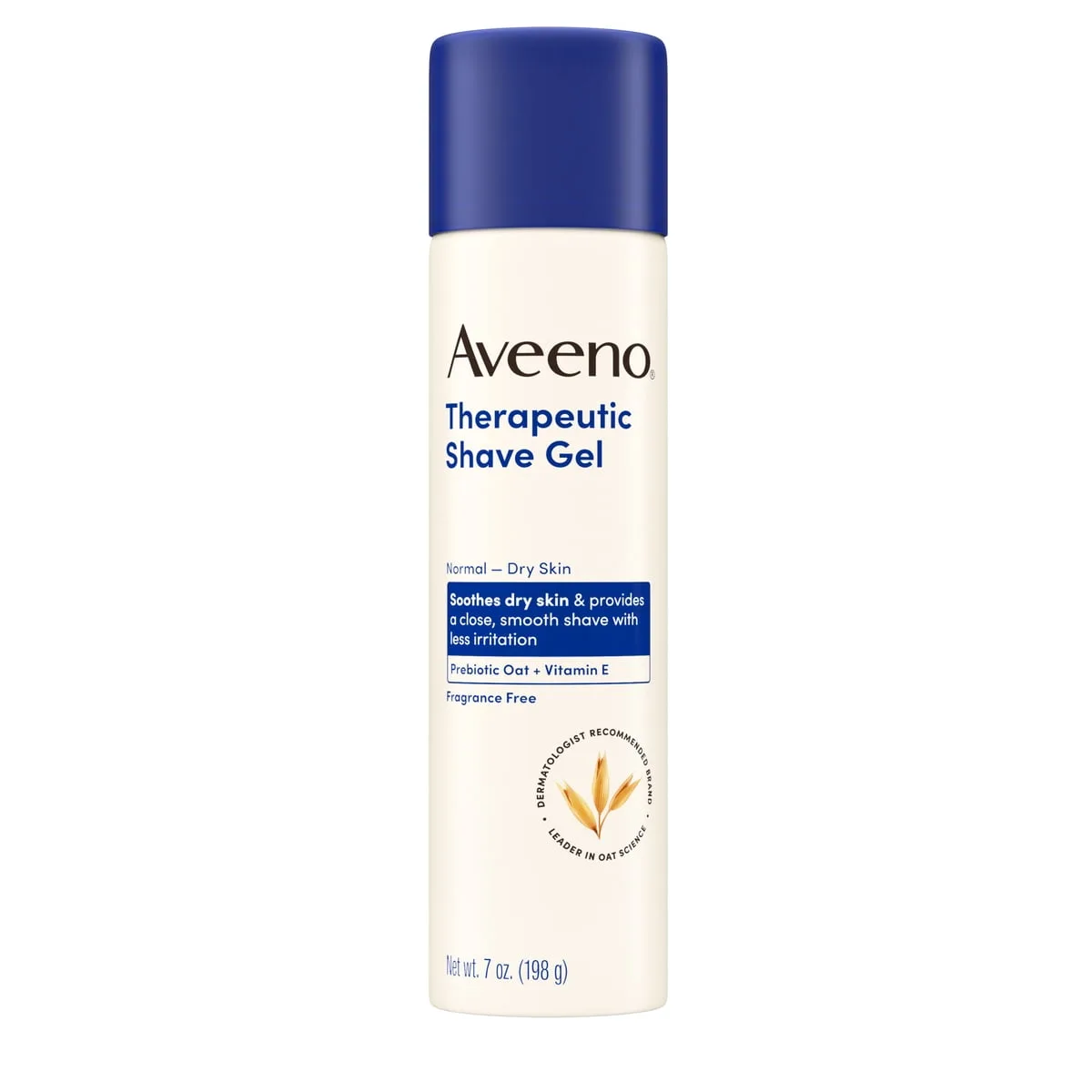 Sensitive-Skin Shave Standard
 Therapeutic Shave Gel
The shave gel to buy if every other one stings: no fragrance, no menthol, no alcohol, a thick fatty-acid lather with oat, aloe and allantoin, and a price under five dollars. Its only real compromises are a paraben-based preservative system and a can that rusts. For sensitive, dry and razor-burn-prone skin it has been the quiet default for years and deserves to be.
 Wellness-Framed Barrier Serum
 Multivitamin Serum for Face
A comfortable, fragrance-free barrier serum led by essential fatty acids and a modest dose of niacinamide, sold as a topical multivitamin — a metaphor that skin does not honour. It hydrates well, irritates nobody and suits almost everyone; it does not deliver vitamin D, vitamin K or electrolytes to anything, and the twenty-dollar price buys a pleasant base rather than a result.
 Oil-Control MVP
 Omega Water Cream Moisturizer
A smartly formulated oil-free moisturizer that delivers genuine barrier support in a weightless package. The combination of niacinamide, ceramide precursors, and betaine addresses oily skin's real problem — dehydration masquerading as excess oil — at a price that makes the competition look greedy.
 Derm Office Staple
 Ultra Nourishing Moisturizer
A sophisticated peptide moisturizer that delivers genuine comfort and hydration with promising anti-aging architecture underneath. The TriHex Technology peptides are more than marketing, but the $93 price tag demands patience — peptide benefits unfold over months, not days.
 Recovery-Day Acne Companion
 Zitcalm Anti-Redness Calming Moisturizer
Zitcalm is the recovery-day moisturizer that most acne brands forget to make. With 2% bisabolol, 2% allantoin, and a topical vitamin F complex addressing the linoleic acid deficiency documented in acne-prone sebum, it's purpose-built to sit between aggressive treatments like benzoyl peroxide or tretinoin and a stressed-out skin barrier — and it does that job with the kind of focused intent the category usually lacks.
 Everyday Essential
 Natural Moisturizing Factors + HA
A moisturizer that does exactly what moisturizers are supposed to do — replicate the skin's own hydration system — at a price that makes the entire prestige moisturizer category look like a money-laundering operation. NEA-certified, conflict-free, and genuinely effective for most skin types. Not glamorous. Not trying to be.
 The Patch Aftercare Essential
 Rescue Balm Post-Blemish Recovery Cream
A stripped-back, purposeful recovery cream for the overlooked post-blemish phase. The reformulated 17-ingredient formula proves that sometimes less really is more — panthenol, linoleic acid, and ginger root extract do the heavy lifting without any filler, and the non-comedogenic testing gives acne-prone skin one less thing to worry about.
 Light Everyday Lotion
 Ceramide Calming Ato Body Lotion
A light, well-made everyday body lotion with an honest label that undercuts its own headline: the five ceramides are declared at about fifteen thousandths of a percent in total, and the 'ato' name sits over a formula with added fragrance. Good for dry, intact skin that wants something fast-absorbing and pleasantly scented; wrong for the eczema-prone skin the name implies, and the brand's own facial range shows it knows the difference.
 Affordable Hydration Workhorse
 Ultra Hydrating Electrolyte Facial Moisturizer
A genuinely thoughtful affordable hydrator that builds its moisture story on layered humectants, skin-identical squalane, and essential fatty acids rather than a single hero ingredient. Fragrance-free, vegan, and under $20 — a rare combination that actually holds up on the face.
 Japanese Drugstore Body Wash Standard
 Perfect Bubble for Body
A solidly formulated Japanese drugstore body wash that delivers the dense voluminous lather Senka is known for, with the brand-signature silk sericin and hyaluronic acid making the post-shower skin feel notably softer than generic competitors. A fair pick for normal-to-oily body skin at an affordable price; less ideal for sensitive or eczema-prone body care needs.
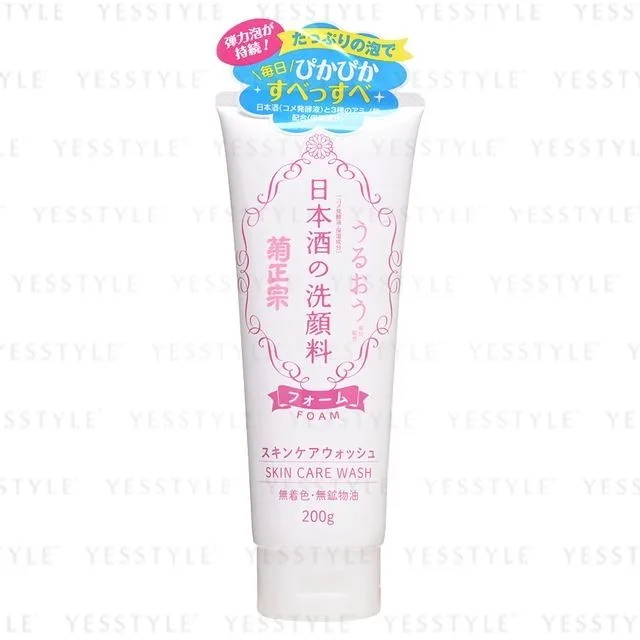 Glycerin-Rich Sake Wash
 Sake Skin Care Wash
A glycerin-rich sake foaming wash that delivers the dense, satisfying lather of a soap cleanser with markedly less of the stripping tightness, thanks to a softened soap-and-taurate base and the brand's amino-acid ferment. It cleans normal-to-oily skin beautifully and leaves it soft. The alkaline base and fragrance keep it off the table for very dry or sensitive skin, but otherwise it's a comfortable, good-value daily wash.
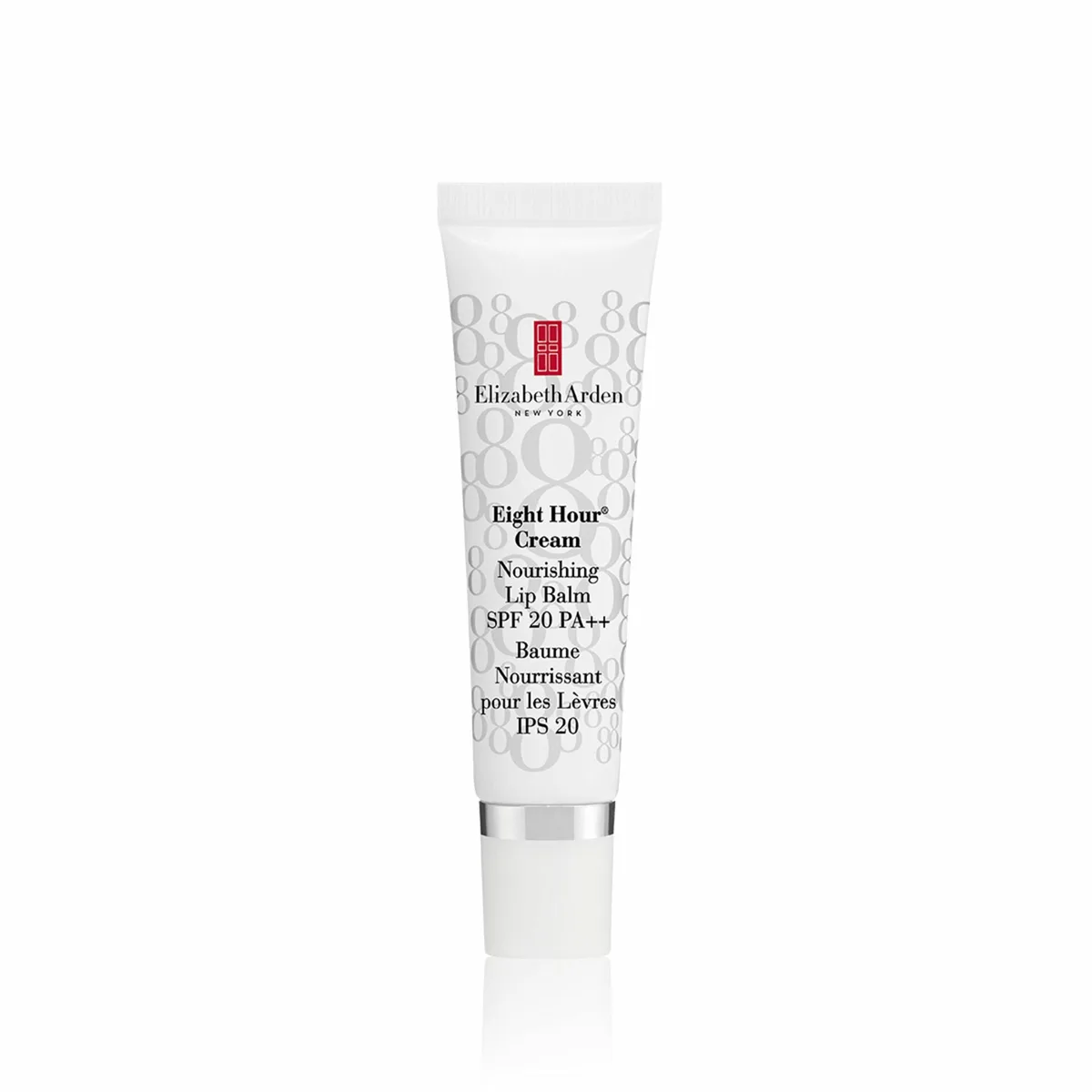 Best of the Eight Hour Lips
 Eight Hour Cream Nourishing Lip Balm SPF 20
The Eight Hour lip product to actually buy: a modern broad-spectrum SPF 20, a petrolatum-and-polybutene gloss that stays put, shea and murumuru butters, and no fragrance or parabens, in a tube that lasts months. Lanolin and two chemical filters are the only cautions for reactive lips, and the price is the only real objection, since $38 buys a very good lip balm rather than a remarkable one.
 The Jar of Coconut Oil
 100% Extra Virgin Coconut Oil
A jar of one honest ingredient: organic, Fair Trade virgin coconut oil, unfragranced, unpreserved, and priced around a dollar an ounce. It is excellent as a pre-shampoo hair mask and as a sealing layer on dry body skin, heels and elbows, with real evidence for both; it is one of the most pore-clogging plant oils on the face and acne-prone trunk, and SheaMoisture's head-to-toe label should not talk anyone into finding that out the hard way.
 Glazed-Skin Pick
 Cosmic Silk Hydrating Milky Toner
A genuinely clever milky toner that delivers the glazed-skin look through real hydration, layering four weights of hyaluronic acid with a full ceramide-and-fatty-acid blend. It's lightweight, comfortable, and great under makeup, but it needs a moisturizer on top to lock things in and runs a touch rich for oily skin.
 Deep-Clean Foam for Oily Skin
 Azulene Acne Foam Cleanser
A lavish, deep-cleaning saponified foam that oily skin will enjoy and that the label dresses as a soothing acne treatment it is not: the salicylic acid sits in an alkaline soap base, the tea tree is aromatic, and the azulene is declared at 0.3 parts per billion. Fine at $15 as a once-a-day degreaser for resilient oily skin; wrong for the sensitive, breakout-prone faces it is marketed to.
 Budget Hydrating Foam
 Softymo Hyaluronic Acid Cleansing Foam
An outstanding-value Japanese drugstore foaming cleanser that softens a classic soap base with dual hyaluronic acid, soy ferment, and silk, leaving skin cleaner and far less tight than a plain wash. Fragrance-free and satisfying to use for a few dollars. The honest caveats are the soap-based pH plus ethanol, which make it less ideal for dry or sensitive skin.
 Ginger Salicylic Foam
 Hydrating Ginger Water Foam Cleanser
A vegan, EWG Green Grade foam cleanser that pairs the brand's ginger water with a mild 0.5% salicylic acid, softening its potassium-soap base with gentler amino-acid co-surfactants. It cuts oil and gives a satisfying dense foam, making it a fine pick for oily, blemish-prone skin — but the soap component and a rose-and-jasmine flower-water scent keep it off dry and sensitive skin's list.
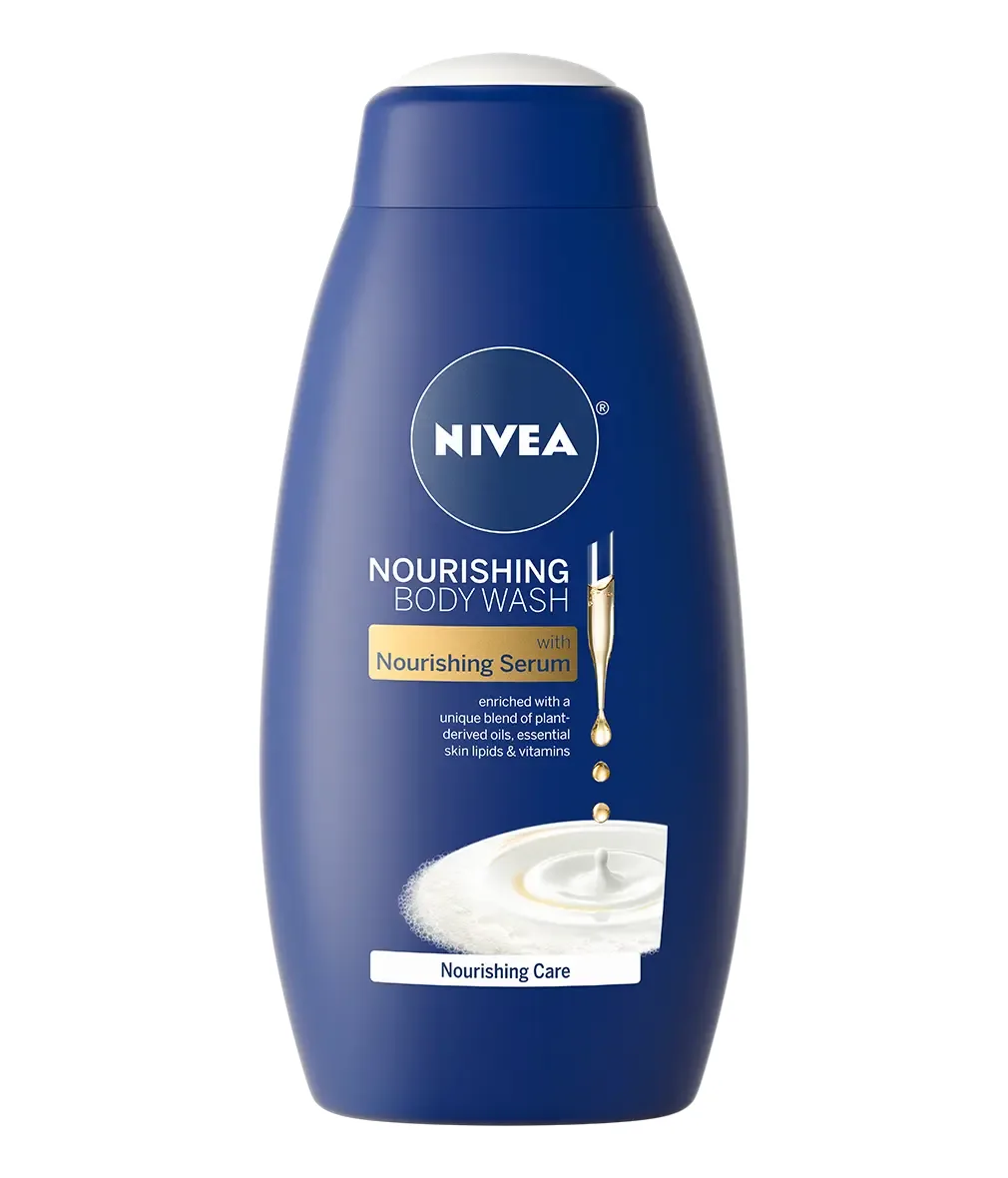 Cream-Oil Wash, Drugstore Price
 Nourishing Care Body Wash with Nourishing Serum
A properly engineered cream-oil body wash that puts soybean oil ahead of its sulfates and backs it with four more oils, panthenol, glycerin and a set of skin fatty acids, so dry skin rinses conditioned instead of tight, for about seven dollars per twenty ounces. It is still a fragranced sulfate wash and it leaves a film oily skin will dislike, but as a daily wash for dry limbs, and as a shaving cream, it is one of the better bargains in the drugstore aisle.
 Smooth Shave, Overstated Name
 Positively Smooth Shave Gel
A very good drugstore shave gel wearing a name it can no longer cash. The fatty-acid lather is dense, the aloe adds slip, nicks and razor bumps genuinely drop, and a can costs less than a coffee. The soy that gives the line its name does nothing measurable in a rinse-off, and the light fragrance makes it the wrong pick for reactive skin. Judge it as a shave gel and it earns its thousands of fans.
 Three-Dollar Soap Foam
 B5 HYA Moisturizing Cleansing Foam
A three-dollar potassium-soap foam that cleans thoroughly and lathers beautifully, but is not moisturizing in any meaningful sense. Panthenol sits at 100 ppm and nine hyaluronic acids at parts per billion, while the alkaline soap base can strip dry or sensitive skin. Good for oily, resilient skin only.
 Single-Ingredient Staple
 100% Organic Cold-Pressed Moroccan Argan Oil
A no-frills, bioactive-rich argan oil that delivers genuine cold-pressed quality at a price point that makes luxury oil brands look absurd. It won't wow you with fragrance or texture elegance, but it will quietly strengthen your moisture barrier, soften stubborn dry patches, and remind you that skincare doesn't need to be complicated to be effective.
 Budget Brightening Foam
 Softymo White Moist Face Wash
A great-value Japanese drugstore foam that dresses up a soap base with gentler amino-acid surfactants, a soothing licorice active, and the heritage pearl-barley brightening ingredient, leaving skin clean but comfortably soft. Fragrance-free and pleasant for a few dollars. Just know the 'white' brightening promise does little in a wash-off, and the soap pH and ethanol limit it for dry or sensitive skin.
 Oily-Skin Foam Pick
 Peach Punch Sweet Foam Cleanser
A cheerful, affordable potassium-soap foam that whips into a dense lather and rinses oily skin to a satisfying matte clean, all wrapped in a candy-peach scent. It cleanses genuinely well, but the alkaline base and fragrance make it a hard pass for dry, sensitive or barrier-compromised skin. A fun pick if your skin runs oily and tolerant.
 Viral Lip Treatment
 Pout Preserve Hydrating Peptide Lip Treatment
A genuinely excellent glossy, conditioning lip balm dressed up with a peptide plumping story. The kokum-and-mango butter base delivers real comfort, long wear, and a flattering non-sticky shine, and lips feel cared for. The fuller-lip claim is subtle at best, and citrus oils plus fragrance mean reactive lips should be cautious, but as a treat-yourself lip treatment it earns its viral love.
 K-Beauty Soap Foam Classic
 Baking Powder Pore Foam
A dense, whipped, sweetly scented soap foam with a cellulose polish and a pinch of baking soda for the name, sold in a tube big enough to last half a year for about twelve dollars. It cleans oily skin brilliantly and leaves everyone else tight and squeaky, because underneath the kitchen-cupboard branding it is an alkaline soap in a decade that has moved on to low-pH cleansers.
 Half-Litre Pump Foam
 Black Seed Therapy Foam Cleanser
A half-litre pump of rich soap foam for about ten dollars, and a quietly improved one: the current label no longer lists lilial in its fragrance. It cleans oily skin thoroughly and lasts months, but the black seed extracts are minor players and the alkaline soap base is too stripping for dry, sensitive or eczema-prone skin.
 Double-Detergent Horse Tube
 Horse Oil Foam Cleansing
A six-dollar tube that cleans very thoroughly, using both a potassium soap and sodium laureth sulfate, and leaves oily skin matte and refreshed. The horse oil, shea and macadamia sit far down the list and cannot soften that double-detergent base, so despite the no-tightness promise it suits only resilient oily skin; dry, sensitive or eczema-prone skin should look elsewhere.
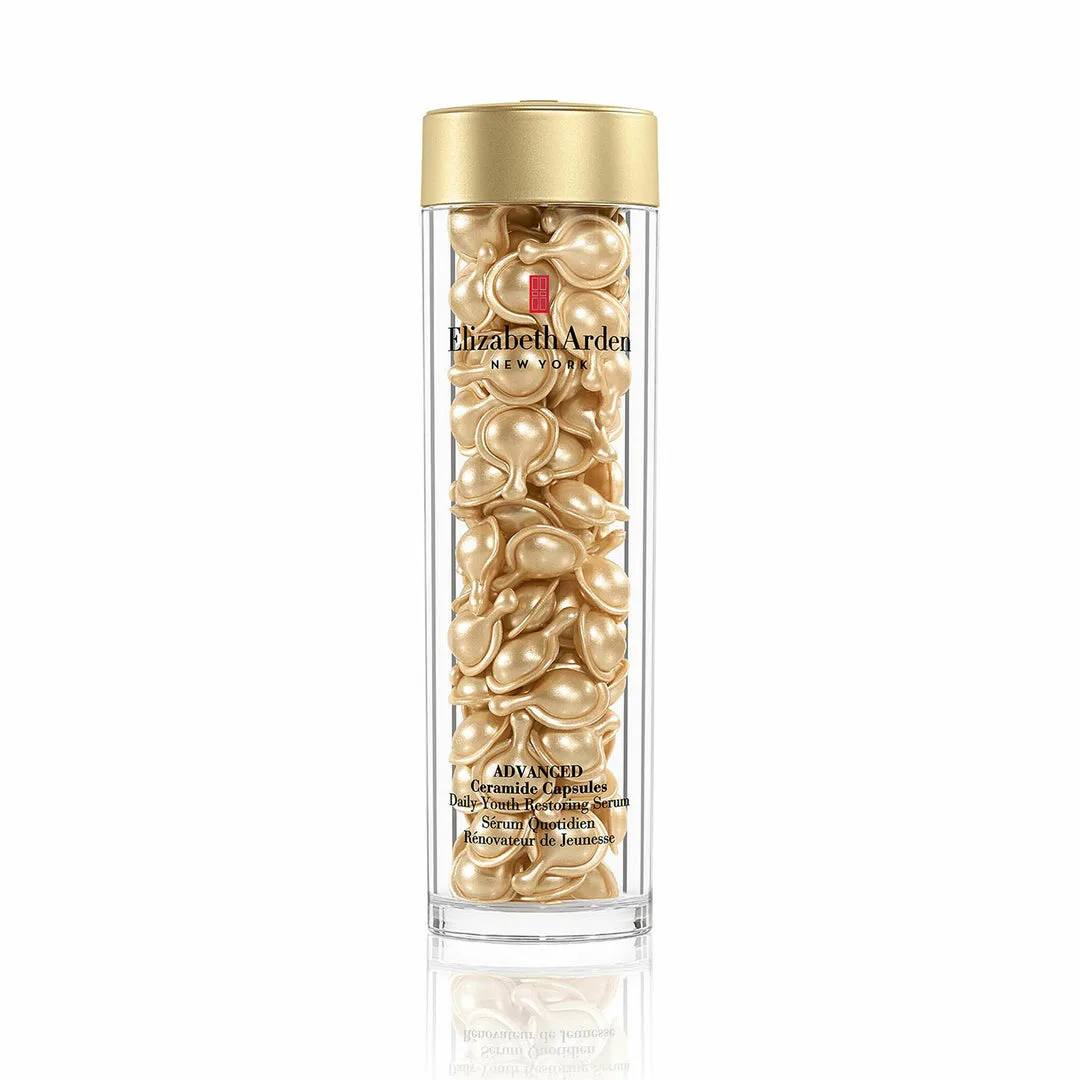 Prestige Capsule Classic
 Ceramide Capsules Daily Youth Restoring Serum
One of the few pieces of prestige skincare theater that's also legitimate barrier science. The biodegradable capsule format keeps the ceramide, cholesterol, and fatty acid blend stable for its whole shelf life, which most jarred ceramide creams can't match. The price is a lot to swallow for what is, mechanistically, a sophisticated lipid-replacement serum.
 Hydrating Senka Variant
 Perfect Whip Collagen
The hydration-focused entry in the Perfect Whip family — same saponified-soap base as the standard Senka, with the humectant load (water-soluble collagen, dual hyaluronic acid, silk sericin) turned up to soften the post-rinse skin feel. A sensible cleanser for mature or dry skin already running an aging-care routine, with the honest understanding that the 'anti-aging' positioning is more about hydration than genuine wrinkle correction.
 Budget Daily Cleanser
 Cleansing Foam
A classic soap-based foaming cleanser made better by the brand's soothing Saposhnikovia root and a generous dose of glycerin, so it cleans thoroughly without leaving skin stripped — all for a rock-bottom price. It's a dependable daily workhorse for normal, combination, and oily skin. The catches: it's fragranced and higher-pH, unlike the brand's fragrance-free heroes, so very dry and sensitive skin should look elsewhere.
 Creamy Collagen Cleanse
 White Collagen Cleansing Foam
A creamy, affordable collagen-cushioned soap foam that cleanses thoroughly while feeling noticeably less stripping than most potassium-soap washes, with a soft, faintly brightened afterfeel. The alkaline base and fragrance keep it off the table for sensitive or barrier-compromised skin, and the collagen conditions rather than treats — but for normal-to-combination skin it's a pleasant, good-value daily cleanse.
 Sensitive Skin Shield
 UltraCalming Barrier Repair
An unusual, genuinely soothing waterless moisturizer that suspends oat, bisabolol, and omega oils in a protective silicone film for reactive skin. It's fragrance-free, calming, and doubles as a smoothing primer, but the anhydrous base means it shields more than it hydrates, it's now discontinued by the brand, and $56 is steep for 1 oz.
 Rich Hand Cream, Modest Spot Claim
 Dark Spot Cream
A rich, soothing, stearic-acid hand-and-décolletage cream with one gentle vitamin C derivative and a licorice anti-inflammatory, sold for a job it cannot do. As a moisturiser for weathered, sun-exposed hands it is generous and good value; as a dark-spot treatment it is a slow, subtle tone-evener at best, and buyers should decide which of those they are paying for.
 Honest-Label Budget Foam
 Hyaluronic Acid with Peach Cleansing Foam
A cheerful, cheap potassium soap foam that lathers beautifully and suits oily and combination skin. Credit Esfolio for printing the doses on the tube, because they reveal the truth: the hyaluronic acid and peach are each 0.001 percent. Glycerin does the comfort work, fragrance is present, and dry or sensitive skin will be happier with a non-soap wash.
 K-Beauty Foam Favorite
 No. 2 Deep Clean Fresh Cream Cleansing Foam
A budget-friendly Korean foam cleanser that delivers impressively dense lather from a fatty acid base rather than harsh sulfates. It's a solid workhorse for oily and combination skin types, though the inclusion of fragrance and a somewhat basic ingredient profile keep it from standing out in an increasingly competitive K-beauty cleanser market.
 The Original Rosehip Oil
 Certified Organic Rosehip Oil
The original cult rosehip oil from the brand that pioneered the category in 1993: a pure, certified-organic, solvent-free single-ingredient oil that conditions, softens, and gradually improves tone, texture, and the look of scars. It's gentle, versatile, and genuinely good — the only real knocks are a small size, a per-ml premium, and the natural earthy scent.
 Old-School Budget Foam
 Snail Cleansing Foam
A cheap, effective, old-school foam cleanser whose snail-and-herbal marketing oversells a fundamentally traditional soap base. The snail mucin, at 100ppm in a rinse-off, does essentially nothing, and the high-pH formula plus added fragrance make it a fine pick for oily skin but a poor one for dry or sensitive complexions. Good value if you know what you're actually buying.
 Trouble-Care Foam
 Houttuynia Cordata + Tea Tree Cleansing Foam
A fresh, botanical-forward soap foam built for oily and blemish-prone skin, with a high houttuynia-and-tea-tree base that soothes congested skin as it deep-cleans. It's affordable, the foam is dense and satisfying, and the calming herbs are a genuine plus. The alkaline base and fragrance make it a poor fit for dry or sensitive skin, but for oily complexions that want a clean, calm cleanse it delivers.
 Barrier-Repair Hand Hero
 Squalane + Omega Repair Hand Cream
A genuinely barrier-repairing hand cream built like a good face cream — squalane, ceramide NP, and named omega fatty acids give chronically dry, washed-out hands real lipids to rebuild with. Fragrance-free, fast-absorbing, and gentle enough to reapply all day, it is one of the smarter hand creams around. The only quibbles are a modest tube size and frequent stock issues.
 Botanical Foam Cleanser
 SKINLONGEVITY Cushion Cloud Foaming Cleanser
bareMinerals SKINLONGEVITY cushion-foam cleanser with substantive 8-botanical Mineral Herb Complex, glycerin humectant pool, saponified soap base, and amphoteric surfactant moderation. The botanical depth combined with fragrance-free positioning supports the SKINLONGEVITY franchise cleansing offering. Saponified soap base limits very dry and sensitive demographics.
 Oily-Skin Drugstore Workhorse
 Egg White Pore Foam
A genuinely effective, affordable degreasing foam that earns its cult oily-skin following -- the dense, egg-white lather leaves skin matte and thoroughly clean. Just do not expect it to shrink pores, and steer clear if your skin runs dry or reactive, because the alkaline soap base and added fragrance are built for sebum, not sensitivity.
 Hanbang-Themed Budget Foam
 Collagen Cleansing Foam
A creamy, partly soap-free foam cleanser draped in collagen branding and a traditional 'six grain' theme. The grains and collagen are heritage marketing in a product you rinse off, but the milder surfactant base is a genuine, modest step up from a pure soap foam. A heavy fragrance load with four allergens, though, makes it strictly an oily-and-normal-skin pick.
 Classic Foaming Cleanser for Oily Skin
 The Chok Chok Green Tea Foam Cleanser
A classic, rich-lathering green tea foam cleanser that gives oily skin the deep, squeaky-fresh clean it craves at a budget-friendly $14. It's effective and satisfying, but it's a traditional higher-pH soap base with essential oils and a dated DEA surfactant, so dry and sensitive skin will likely find it stripping — this is a cleanser for oilier complexions, not a gentle daily wash for everyone.
 Budget Bubble Bath for Your Face
 Clean Dew Foam Cleanser
A $7.50 saponified foam with cartoon-fruit branding, a fantastic lather, a sweet perfume and no active worth mentioning: the aloe on the tube sits twenty-third on the list. It cleans oily skin thoroughly and enjoyably, strips everything else, and should be used once a day by people whose skin can take an alkaline wash and nobody else.
 Gold Snail in a Soap Foam
 Timeless Ferment Snail Foam Cleanser
A rich, citrus-scented soap-and-sulfate foam with 5 percent snail filtrate that rinses down the drain before it can do anything, sold at a premium price on the strength of the gold tube. Oily skin will enjoy the lather and the squeak; everyone else is paying $20 for a stripping wash with a nourishing label.
 Old-School Korean Soap Foam
 Green Tea Foam Cleansing
A traditional Korean soap-foam cleanser, fatty acids saponified with potassium hydroxide, dressed in green tea and cushioned with glycerin, beeswax and a couple of plant oils. The lather is superb and the price is tiny, and for oily skin as an evening second cleanse it is perfectly good. It is alkaline, fragranced and stripping on anything drier, which the brand's gentle botanical framing does not change.
 Budget Oily-Skin Foam
 Enzyme Foam Cleanser
An effective, very cheap oil-cutting foam with a lush lather that oily skin will enjoy, but the enzymes on the label are a minor garnish at the end of a traditional potassium-soap formula. The alkaline base and added fragrance make it a questionable pick for dry, sensitive or barrier-compromised skin, despite the gentle framing.
 Fragrance-Free Staple
 Take The Day Off Cleansing Mousse
Clinique's Take The Day Off Cleansing Mousse is a likeable, fragrance-free foaming cleanser that rinses spotlessly clean and leaves oily and combination skin feeling fresh. A high 10% glycerin-and-hyaluronic-acid load softens the dryness foaming soap usually causes. The catch: it is still a soap-based, alkaline-leaning system, so drier and sensitive skin may find it a touch tight. Fairly priced and well-made for the skin types it suits.
 Lighter Sibling to Stretchy Wash
 Refreshing Creamy Wash
The more universally tolerable sibling in the KANEBO foam-cleanser duo — same brand heritage and fragrance as the Comfort Stretchy Wash, but with a hybrid amino-acid-and-soap chemistry that rinses cleaner and skips the divisive tacky after-feel. Less distinctive, more accessible, same price.
 Old-School Oil Buster
 Anti-Blemish Foam Cleanser
A satisfyingly foamy, budget anti-blemish cleanser that deep-cleans oily skin with a fresh herbal-citrus kick and a fermented Sophora twist. It's effective at degreasing and beloved by oily-skinned users who want that squeaky-clean feel — but it's built on an older, high-pH soap base with a heavy essential-oil and dye load that can strip and irritate dry, sensitive, or barrier-compromised skin. Great for resilient oily skin; a poor match for everyone else.
 Serum-Blush Hybrid
 O-Bloos Rosi Glow Drops
A genuinely lovely mixable serum-blush that flushes skin with a believable peachy-pink using a vegan plant pigment, all on a gentle fragrance-free base with fatty acids, peptides, and antioxidants. It's forgiving to apply, lasts forever thanks to tiny doses, and flatters most light-to-medium skin — just treat it as a clever cosmetic blush with a skincare bonus, not a treatment serum.
 Gentle Luxury Exfoliating Mask
 Lucent Facial Refiner
Aesop's first acid product, six years in the making, is a gentle PHA-led rinse-off mask with a supporting dose of salicylic acid, real barrier lipids and vitamins B5 and E, and it leaves skin smoother and calmer than most exfoliants manage. It is also $97 for 60 mL and perfumed with six listed allergens, which keeps it a luxury indulgence rather than a smart buy for anyone who simply wants a good PHA mask.
 Trouble Care, Old-School Base
 Teatree Trouble Calming Cleanser
A dense, old-fashioned fatty-acid soap foam with a genuinely clever congestion trio — papain, bromelain and lipophilic salicylic acid — that oily, breakout-prone skin will get something from at $13.20. The 'sensitive' and 'calming' on the tube are harder to square with three essential oils and an alkaline pH, and 'zero-dryness' is a promise only oily skin will find kept.
 The Soap Foam With Scrub Beads
 Jeju Sparkling Mud Foam Cleanser
The plain Jeju Sparkling soap foam with fine silica scrub beads and a trace of French clay stirred in — an alkaline potassium-soap cleanser that polishes oily, congested skin a few nights a week and strips anything gentler, with a fragrance and a declared allergen on top. The clays are colour and the sparkling water is copy; the soap and the beads are the product. For resilient oily skin that likes a hard clean and knows to follow it with a toner, it is a satisfying occasional wash. For everyone else, it is too much cleanser wearing a mud mask's clothes.
 Prestige Barrier Builder
 Ice Ceramide Moisturizing Cream
A scientifically thoughtful ceramide-cholesterol-phytosphingosine barrier cream dressed in prestige packaging and priced accordingly. The lipid architecture is genuinely impressive, but the inclusion of fragrant essential oils and a $65 price tag in a market where pharmacy brands deliver comparable ceramide science make this a harder sell than it should be.
 Luxury Minimalist Cult Favorite
 Virgin Marula Luxury Facial Oil
A gorgeous, fast-absorbing facial oil that delivers on moisturization and glow, but at $72 for a single ingredient available elsewhere for under $15, you are paying almost entirely for the Drunk Elephant name and the pretty bottle it comes in.
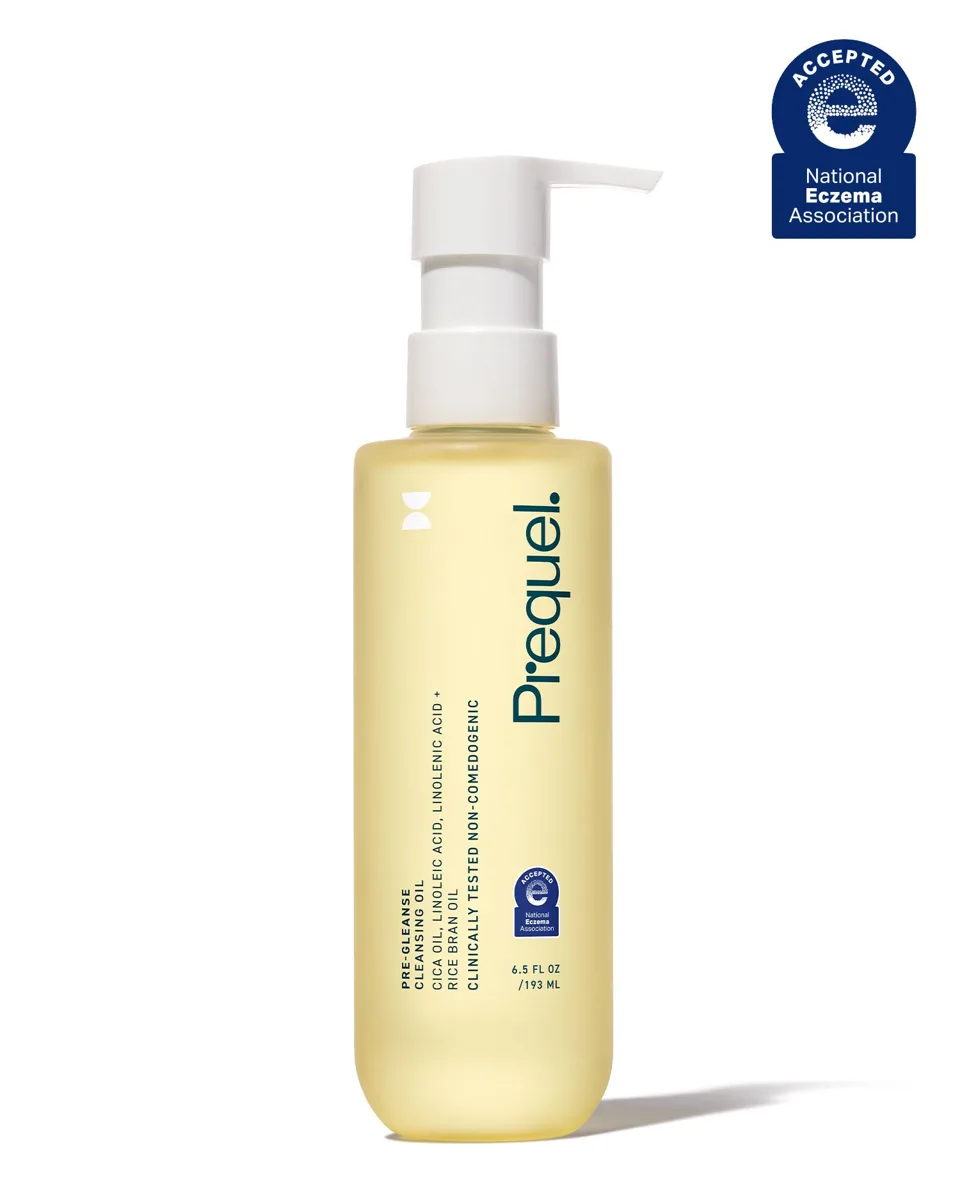 Indie Oil Cleanser
 Pre-Gleanse Oil Cleanser
Prequel Pre-Gleanse Oil Cleanser combines essential-fatty-acid-rich sunflower and rice bran oils with free linoleic and linolenic acids, centella asiatica, and vitamin E in a fragrance-free vegan double-cleanse first step at indie value pricing.
 Budget Deep-Clean Foam
 Bamboo Hyalu Hydrating Cleansing Foam
A cheap, effective, satisfyingly foamy deep-cleansing wash that oily skin will enjoy, but one whose hydrating bamboo-and-hyaluronic branding badly oversells what is really a conventional, slightly alkaline soap-based foam. Treat it as a clarifying cleanser, follow with proper hydration, and it earns its low price; expect moisture from it and you will be let down.
The full fatty acids guide
Picture the skin barrier as a brick wall: corneocyte cells are the bricks, and fatty acids are part of the mortar holding them together — the lipid matrix that decides whether water stays in and irritants stay out.
Not all fatty acids are equal, though. The ratio of linoleic to oleic acid in your products matters more than most labels let on, and getting it wrong is a surprisingly common reason an otherwise well-meaning face oil breaks you out.
How it's regulated in the US
FDA does not classify ingredients — it classifies products, by what they are sold to do. The same molecule can be a drug active in one product and a cosmetic ingredient in the next, and only the claim on the label decides which. What follows is a statement about that legal standing, not about whether it works — the evidence question is answered separately above.
Cosmetic Fatty Acids is a cosmetic ingredient in the US: no OTC monograph covers it and it is not an active in any FDA-approved drug, so a product built around it is a cosmetic rather than a drug.
The case for fatty acids as barrier ingredients is one of the more solid in topical skincare, though depth varies sharply by fatty acid type. Linoleic acid (omega-6) is an essential fatty acid the body cannot make, and its incorporation into stratum corneum ceramides is well-documented in human and ex vivo work. Acne-prone sebum is measurably lower in linoleic relative to oleic acid; one small, often-cited 1998 trial found topical 2.5% linoleic acid gel shrank microcomedones by roughly 25% over a month — promising but a single small study, not a settled therapeutic claim. Anti-inflammatory effects of omega-3 and omega-6 PUFAs are studied in atopic dermatitis and psoriasis, but optimal topical concentrations and delivery are still being worked out. Oleic acid (omega-9) hydrates yet can disrupt ceramide lamellar structure in excess — a nuance peer-reviewed research supports and product marketing tends to skip. Saturated fatty acids like palmitic and stearic acid have well-characterized occlusive and emollient roles, and a 2024 ex vivo study found free-fatty-acid formulations repaired tape-stripped skin more effectively than ceramide-only ones. The mechanism is well-established; the strength of efficacy claims depends on which fatty acid and which formulation.
How it works
The stratum corneum is held together by a precisely organized lipid matrix sitting between corneocytes — roughly 50% ceramides, 25% cholesterol, and 10–15% free fatty acids. That ratio isn't arbitrary. Disrupt the fatty acid portion and the matrix loses its stacked lamellar structure, water escapes faster, and the skin becomes more permeable to irritants. Linoleic acid (omega-6) is built directly into ceramide EOS, one of the ceramide types essential to that architecture. Because humans can't synthesize it, the skin depends on dietary and topical supply. When linoleic acid runs short, the body substitutes oleic acid into those ceramide structures, but oleic acid's bent molecular geometry loosens the tightly packed lipid layers, leaving the barrier leakier — part of why acne-prone and inflamed skin tends to show a lower linoleic-to-oleic ratio in sebum. Omega-3 fatty acids (alpha-linolenic acid and its derivatives EPA and DHA) work more on inflammatory signaling, competing with arachidonic acid for the enzymes that generate pro-inflammatory eicosanoids and nudging the balance toward calmer, resolving mediators. That's why omega-3-rich oils tend to settle reactive skin rather than simply rebuild the wall. Saturated fatty acids like palmitic and stearic acid behave differently again, acting as occlusives and emollients that lay a film across the surface, slow water loss, and soften texture. At typical levels they aren't inherently pore-clogging, though in predisposed skin a heavy load of saturated fats can contribute to follicular congestion.
Key benefits
- Helps rebuild the lamellar lipid structure of a compromised stratum corneum
- Correcting a linoleic acid deficit may reduce microcomedone formation in acne-prone skin
- Omega-3 fatty acids shift eicosanoid balance away from pro-inflammatory mediators, calming reactive skin
- Stearic and palmitic acids act as emollients and occlusives that slow transepidermal water loss
- Supplies the free fatty acid component that ceramides and cholesterol need to form the barrier's 3:1:1 lipid blend
- Improves softness and suppleness in dry, eczema-prone, and dehydrated skin
Concentration & usage
Fatty acids show up on INCI lists two ways: as standalone actives (Linoleic Acid, Palmitic Acid, Stearic Acid) and as the dominant fraction of plant oils listed under their botanical INCI names (Rosa Canina Fruit Oil is roughly half linoleic; Argania Spinosa Kernel Oil leans oleic). There's no standardized "active" percentage printed on labels. The 1998 acne research that showed a comedolytic effect used 2.5% linoleic acid in a gel — a useful reference point, not a universal target. In oils and moisturizers, what matters is the blend: for barrier repair, look for high-linoleic oils (rosehip, safflower, hemp seed, sea buckthorn) near the top of the ingredient list. For acne-prone skin, favor formulas where those high-linoleic oils appear before high-oleic ones (olive, marula). Because linoleic acid oxidizes readily, an antioxidant such as tocopherol (vitamin E) in the formula is a good sign the product is built to stay stable.
Who it's for & who should be cautious
Who it's for
Anyone with a compromised barrier — dry, eczema-prone, post-procedure, or chronically dehydrated skin — stands to gain the most from fatty acid-rich formulas. Acne-prone skin with a disrupted barrier (common after over-exfoliation or harsh cleansing) often does better with linoleic-dominant blends than with avoiding oils entirely. Sensitive and rosacea-prone skin tends to respond well to omega-3-rich, anti-inflammatory sources.
Who should be cautious
No skin type needs to avoid fatty acids outright, but the profile matters. Those prone to congested pores or fungal acne should go carefully with high-oleic and saturated-heavy products — thick balms and rich face oils with lauric or palmitic acids high on the list. Malassezia-sensitive skin should also confirm that specific oils in a formula aren't on the fungal-acne risk list, since some fatty acid-rich plant oils feed that organism. The problem is never fatty acids as a category — it's the wrong profile for your particular skin.
Pairs with & conflicts
Myths & facts
Myth: All face oils are basically the same — if it's natural, it's good for your barrier.
Reality: An oil's fatty acid composition determines almost everything about how it behaves on skin. A high-oleic oil like olive or marula can loosen ceramide organization in a compromised barrier, while a high-linoleic oil like rosehip or safflower tends to support it. 'Natural' tells you nothing about whether the fatty acid profile suits your skin.
Myth: Fatty acids clog pores, so oily and acne-prone skin should avoid them.
Reality: Acne-prone skin is characteristically low in linoleic acid — not awash in every fatty acid. The right ones (linoleic-rich, low-oleic blends) may actually reduce comedones, which is what a small 1998 trial on 2.5% linoleic acid gel suggested. Lumping all oils and fatty acids together conflates very different molecules.
Myth: If a moisturizer has ceramides, the fatty acids are already taken care of.
Reality: Ceramides perform best alongside cholesterol and free fatty acids in roughly a 3:1:1 blend that mirrors the skin's own lipid matrix. A ceramide-only formula is better than nothing, but the free fatty acid component fills a distinct structural role that ceramides can't cover on their own.
Frequently asked questions
What's the practical difference between omega-3, omega-6, and omega-9 fatty acids in my skincare?
Omega-3s (like alpha-linolenic acid, found in hemp seed and flaxseed oils) lean anti-inflammatory. Omega-6s (like linoleic acid) are the structural workhorses, built straight into ceramides and the most important for barrier repair. Omega-9s (oleic acid) are moisturizing and help other ingredients penetrate, but can disrupt barrier architecture in excess. For most people, a blend weighted toward omega-6 is the safest starting point.
Why would a face oil break me out if fatty acids are supposed to help my barrier?
Usually the culprit is a high-oleic oil (olive, marula, sweet almond) rather than a high-linoleic one. Elevated oleic acid can loosen the lipid lamellar structure and add to follicular congestion in predisposed skin. Switching to a high-linoleic oil like rosehip, safflower, or hemp seed often fixes it without giving up oils altogether.
Is there real evidence fatty acids help acne, or is that just marketing?
There's a genuine basis. Acne-prone skin consistently shows lower linoleic acid in sebum than non-acne skin. A small, frequently cited 1998 trial found topical 2.5% linoleic acid gel reduced microcomedone size by about 25% over a month — meaningful but modest, and from a single study. Linoleic acid acts more on the comedogenic side of acne than the bacterial side.
Are fatty acids safe to use while pregnant?
Topical fatty acids from plant oils and standard moisturizers are generally considered fine during pregnancy and are often suggested for supporting the barrier and easing dryness. There are no known teratogenic concerns with the fatty acid types used in cosmetics. That said, an oil ingredient may carry other considerations (for example, essential oils high in certain compounds), so assess those separately.
How can I tell if a product actually delivers fatty acids versus just listing an oil for show?
Position on the ingredient list is the tell. Oils sitting in the first third of an anhydrous formula (or ahead of water-phase ingredients in a moisturizer) contribute meaningfully; an oil parked below fragrance and silicone is mostly decorative. Look for high-linoleic oils like rosehip, hemp seed, or safflower leading the oil phase, plus an antioxidant such as vitamin E to keep those unstable polyunsaturated fats from oxidizing in the bottle.
- How We RateWhat 'Fungal-Acne Safe' Claims Are Actually WorthA real mechanism, a 1976 culture experiment, a community spreadsheet and no regulator anywhere — here is exactly how much weight that badge on the bottle can carry.
- Hydration & BarrierFermented Ceramides: New Delivery or New Label?The fermentation route to skin lipids is real, industrial, and about two decades old — which makes 2026's newest ingredient claim a description of the supply chain most ceramide products already use.
- Ingredient ScienceYour 'Skin Barrier' Is a Brick Wall — and Most 'Barrier Repair' Creams Don't Have the Mortar'Barrier repair' is the most over-used phrase in skincare, usually printed on products that contain none of the lipids a barrier is actually built from.