Fermented Ceramides: New Delivery or New Label?
The fermentation route to skin lipids is real, industrial, and about two decades old — which makes 2026's newest ingredient claim a description of the supply chain most ceramide products already use.
Read the preview
From the DermApproved blog, in Hydration and Barrier: fermented ceramides. The new label describes a supply chain that has quietly existed for years — the yeast is already in the drugstore moisturiser you own. And underneath the marketing sits an uncomfortable finding about what happens when ceramides arrive without the two lipids meant to come with them. For the full breakdown, visit dermapproved.com/blog.
The yeast has been there the whole time
Strip the word fermented back to what it describes in a factory and the claim gets much less exotic. Cosmetic ceramides are built on a sphingoid backbone, and the one the industry runs on is phytosphingosine. You cannot practically extract it from plants — the concentration in seeds is too low for the economics to work — so it is made instead by deacetylating tetraacetyl phytosphingosine, and TAPS is a fermentation product. It comes from Wickerhamomyces ciferrii, an unconventional yeast originally isolated from the pods of the tonka bean tree, and it remains the only microorganism known to naturally secrete the compound. A 2024 review in Synthetic and Systems Biotechnology traces the effort that has gone into making that yeast produce more of it: haploid breeding, mutagenesis, metabolic engineering. Separately, groups have engineered Yarrowia lipolytica to make TAPS de novo by expressing the W. ciferrii acetyl transferases in it, chasing better titres than the native organism gives.
None of that is a 2026 innovation. It is the established supply chain, and it has been feeding mainstream products for years. Look at the INCI list on a mass-market drugstore moisturiser and phytosphingosine is frequently sitting there in plain sight — CeraVe Moisturizing Lotion and CeraVe Daily Moisturizing Lotion both carry it, at prices nobody would describe as premium. The phytosphingosine in an expensive fermented-ceramide serum and the phytosphingosine in a supermarket lotion are, in the overwhelming majority of cases, the same molecule from the same kind of vat.
So the honest reading of the label is this: 'fermented' is accurate, and it is describing the default. Presenting the default as a differentiator is the move worth noticing.
What 'human-identical' does and doesn't buy you
The stronger version of the claim is that biosynthesis produces lipids structurally matched to the ones in human stratum corneum, rather than a plant-derived approximation. Structurally, that is largely fair — ceramide NP and its relatives can be made to the same specification as the ones your own skin builds, and there is a real argument that a molecule which slots into the existing lamellar architecture beats one that merely sits near it.
What the claim does not have is a body of clinical work showing that a fermentation-sourced ceramide outperforms an equivalent one from another route in the same formula, at the same level, on the same skin. That comparison is the study nobody has published, and until it exists the difference is a plausible mechanism rather than a demonstrated outcome. It is the classic shape of an ingredient claim that is true at the molecular level and unproven at the clinical one.
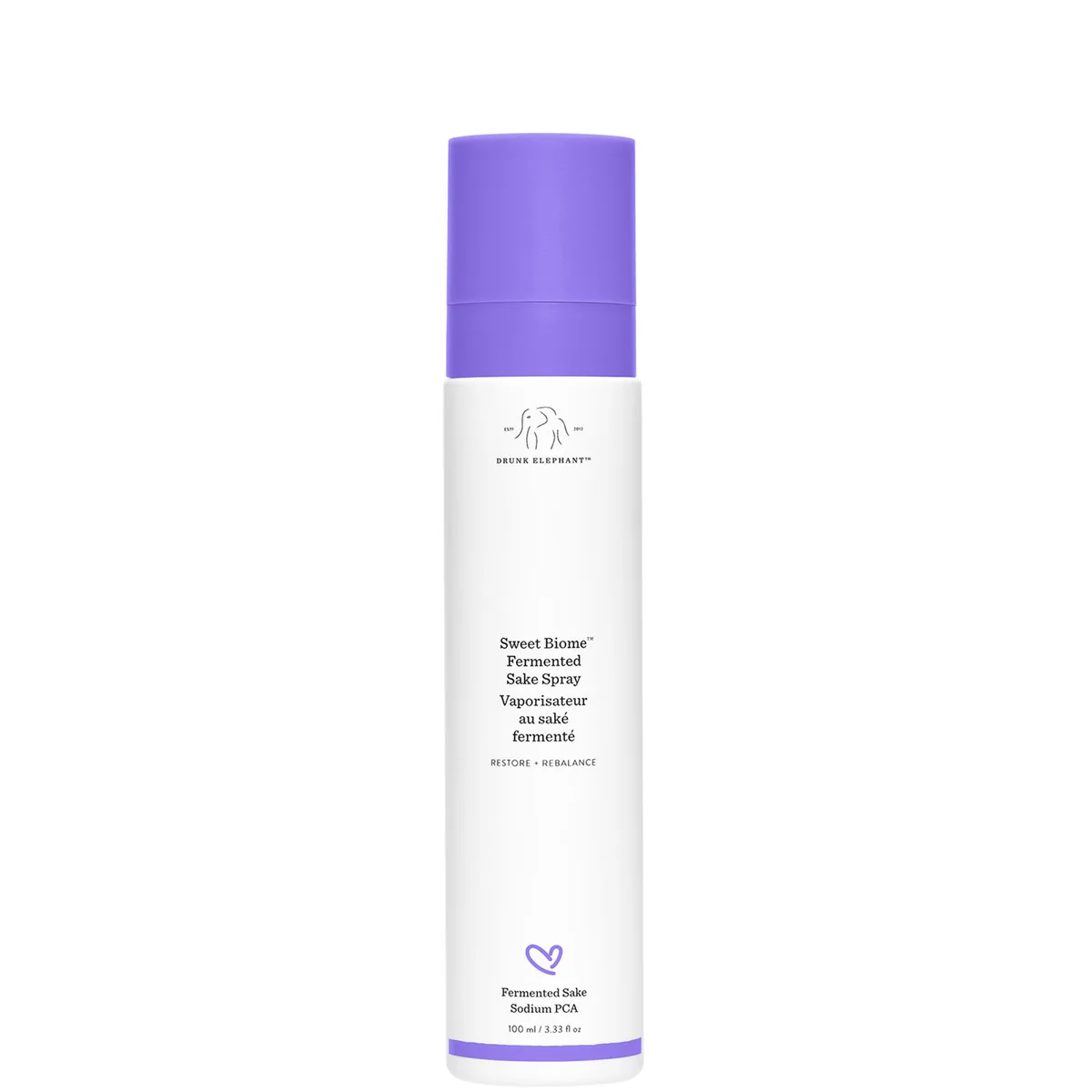
There is also a quiet ambiguity in how the word gets used. Some products are fermented in the sense described above — the lipid itself is a biosynthesis product. Others are fermented in the sense that a botanical extract elsewhere in the formula was cultured with a microbe, which tells you nothing about the ceramides at all. Benton Fermentation Essence and Drunk Elephant Sweet Biome Fermented Sake Spray are honest about being the second kind — they are ferment-led formulas, not ceramide-delivery claims. The ingredient-decoder is the fastest way to tell which sort of product you are holding, because the front label will not.
The finding underneath the marketing
The argument about sourcing distracts from a much more consequential piece of research, and it is nearly thirty years old.
Work published in the Journal of Investigative Dermatology in 1996 examined what physiological lipid mixtures actually do to barrier recovery. The headline result is counterintuitive enough that it should be on more packaging than it is: applying one or two of the three key stratum corneum lipids to perturbed skin delays barrier recovery. Only mixtures allowed normal repair. Ceramides alone were not neutral — they were worse than the incomplete state they were meant to fix.
From there the picture gets more useful. An equimolar mixture of ceramides, cholesterol and free fatty acids permitted normal recovery, and further acceleration occurred as the ratio of any one of the three was raised up to three-fold over the others. Not specifically ceramides — any of them. The popular shorthand that barrier creams must be ceramide-dominant is a simplification of a finding that explicitly says the dominant lipid can be cholesterol or a fatty acid instead. The same paper found that glycosyl ceramides and sphingomyelin substituted effectively for ceramides, while phospholipids and cholesterol esters did not substitute for fatty acids and cholesterol — so the substitution rules are specific, not general.
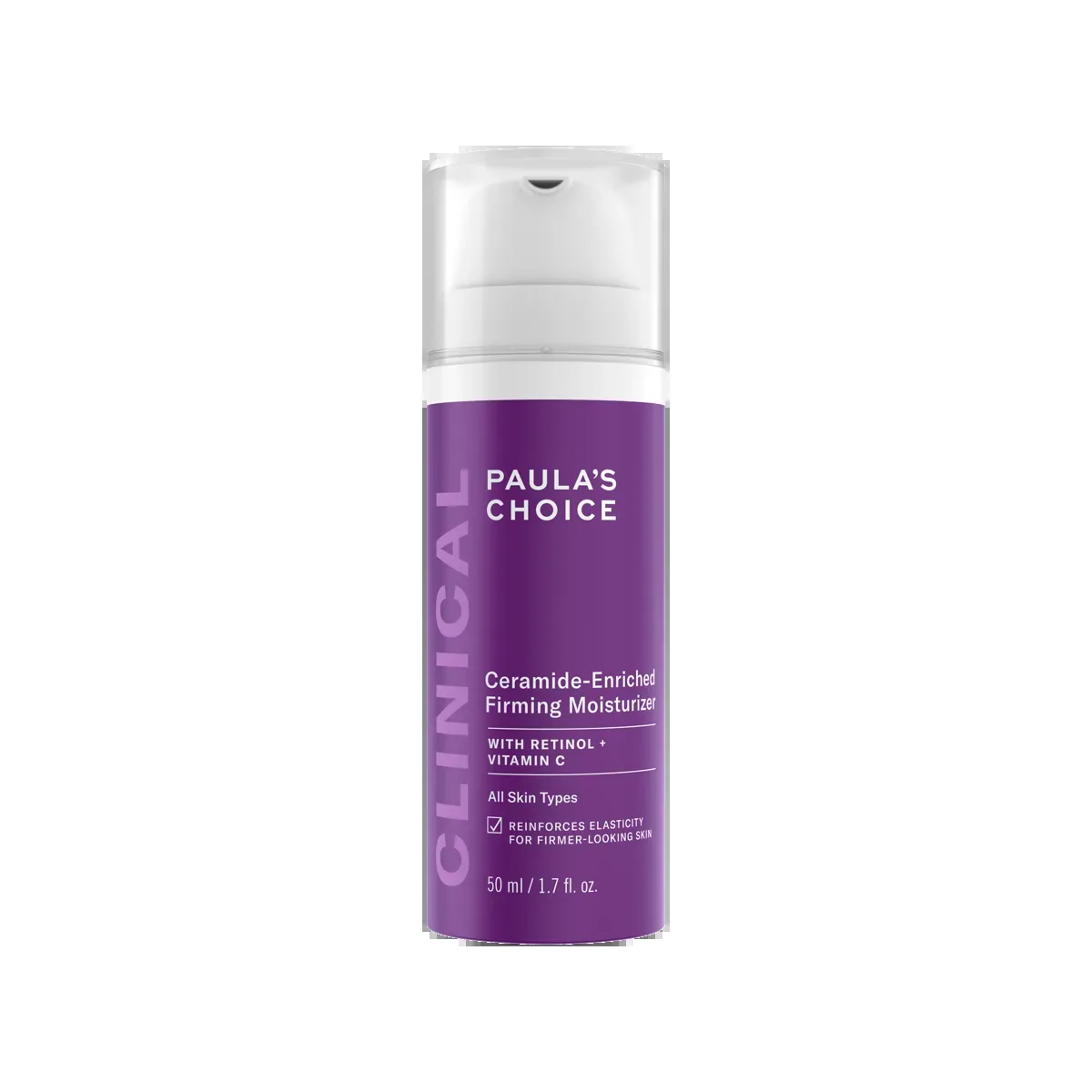
Read that against the shelf and the priority inverts. A formula that carries all three lipids in a sensible proportion is doing the thing the research supports, regardless of how its ceramides were manufactured. CeraVe Moisturizing Cream is the ubiquitous example — ceramides with cholesterol and an occlusive layer over the top. La Roche-Posay Toleriane Double Repair Face Moisturizer and Paula's Choice Clinical Ceramide-Enriched Firming Moisturizer take the same architecture in different textures. A ceramide-only serum with an impressive origin story is answering the wrong question.
What to actually check on the label
Three checks, in order of how much they change the outcome.
First: are all three lipid classes present? Look for a ceramide, something cholesterol-shaped, and a fatty acid or fatty alcohol. If only one is there, the 1996 work says you may be doing less than nothing on genuinely damaged skin. This single check outranks every sourcing claim on the box.
Second: where do they sit in the ingredient list? Ceramides are effective at low percentages, so they will never lead an INCI list — but they should appear before the point where everything is present at trace levels. The ceramides page covers what the different named types are and why the letter suffixes matter more than the count.
Third, and only then: does the sourcing claim change anything for you? For most people it will not. If you avoid animal-derived ingredients, biosynthesised lipids are a genuine advantage, and that is a real reason to prefer them. If you are paying a premium purely for the word, you are buying the standard industrial route with better copywriting. Our shortlist of barrier-repair creams and the wider ceramide moisturiser ranking are both built on formulation completeness rather than ingredient provenance, and the my-skin profile will narrow either list to what suits your skin type before price enters the picture.
Fermentation is not a gimmick. It is just not news.
Products mentioned
Independently reviewed and scored — the real products behind this piece.



- Ranked list Best Ceramide for a Compromised Barrier Ranked on formulation completeness, not ingredient provenance
- Ranked list Best Ceramide Moisturizers The wider ceramide shortlist across textures
- Ingredient Ceramides What the named ceramide types are and why the suffixes matter
- Ingredient Phytosphingosine The fermentation-derived backbone behind most cosmetic ceramides
- Ingredient Cholesterol One of the three lipids the ratio research is actually about
- Ingredient Fatty Acids The third lipid class, routinely left out of ceramide marketing
References
- Optimization of physiological lipid mixtures for barrier repair — Journal of Investigative Dermatology, 1996
- Advances in the biosynthesis of tetraacetyl phytosphingosine, a key substrate of ceramides — Synthetic and Systems Biotechnology, 2025
- Engineering Yarrowia lipolytica for de novo production of tetraacetyl phytosphingosine — Journal of Applied Microbiology, 2021
- Therapeutic implications of a barrier-based pathogenesis of atopic dermatitis — Clinical Reviews in Allergy & Immunology, 2011
Every cited link is verified to resolve to the paper named. Where a source could not be independently confirmed, it is listed without a link rather than pointing you somewhere wrong.
Frequently asked
Are fermented ceramides actually different from the ones in my old moisturiser?
Usually not. The industry standard route to phytosphingosine, the backbone most cosmetic ceramides are built on, already runs through yeast fermentation because plant extraction is not economically viable. Mass-market lotions have carried fermentation-derived phytosphingosine for years without advertising it.
Does 'human-identical' mean it works better?
It means the molecule matches the structure your skin makes, which is a reasonable mechanistic argument. What is missing is a controlled comparison of the same formula with a fermentation-sourced ceramide against another source. Until that exists, treat it as plausible rather than demonstrated.
Is a ceramide-only serum a bad idea?
On a genuinely damaged barrier, possibly. The lipid-mixture research found that applying one or two of the three key lipids to perturbed skin delayed recovery, while mixtures allowed normal repair. A serum with ceramides and nothing supporting them is not the formulation that research endorses.
Does the ceramide have to be the dominant lipid?
No, and this is the most widely misquoted part of the evidence. Acceleration beyond normal repair occurred when any one of ceramides, cholesterol or free fatty acids was raised up to three-fold over the others. A cholesterol-dominant or fatty-acid-dominant formula is equally consistent with the finding.
Is there any reason to prefer fermented ceramides?
One good one: biosynthesised lipids avoid animal-derived sourcing entirely, which matters if that is a constraint for you. Beyond that, the sourcing claim rarely changes what the formula does. Completeness of the lipid mix is the variable worth paying for.