Best Ceramide for a Compromised Barrier
Updated September 2026 · independently researched, no sponsored placements
Our top 39 picks, ranked from 796 reviewed products — ordered by each product's compromised skin barrier verdict, then evidence strength.


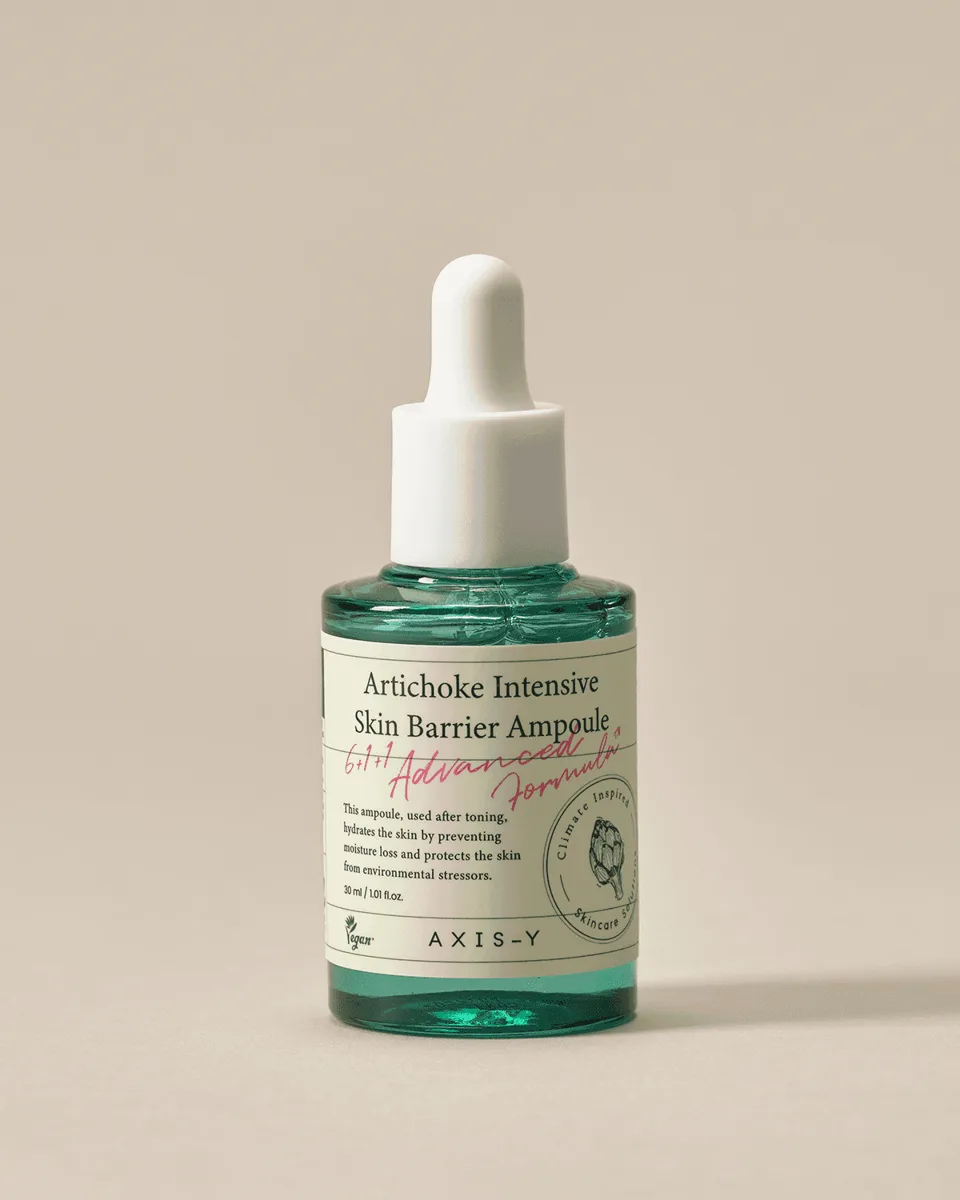



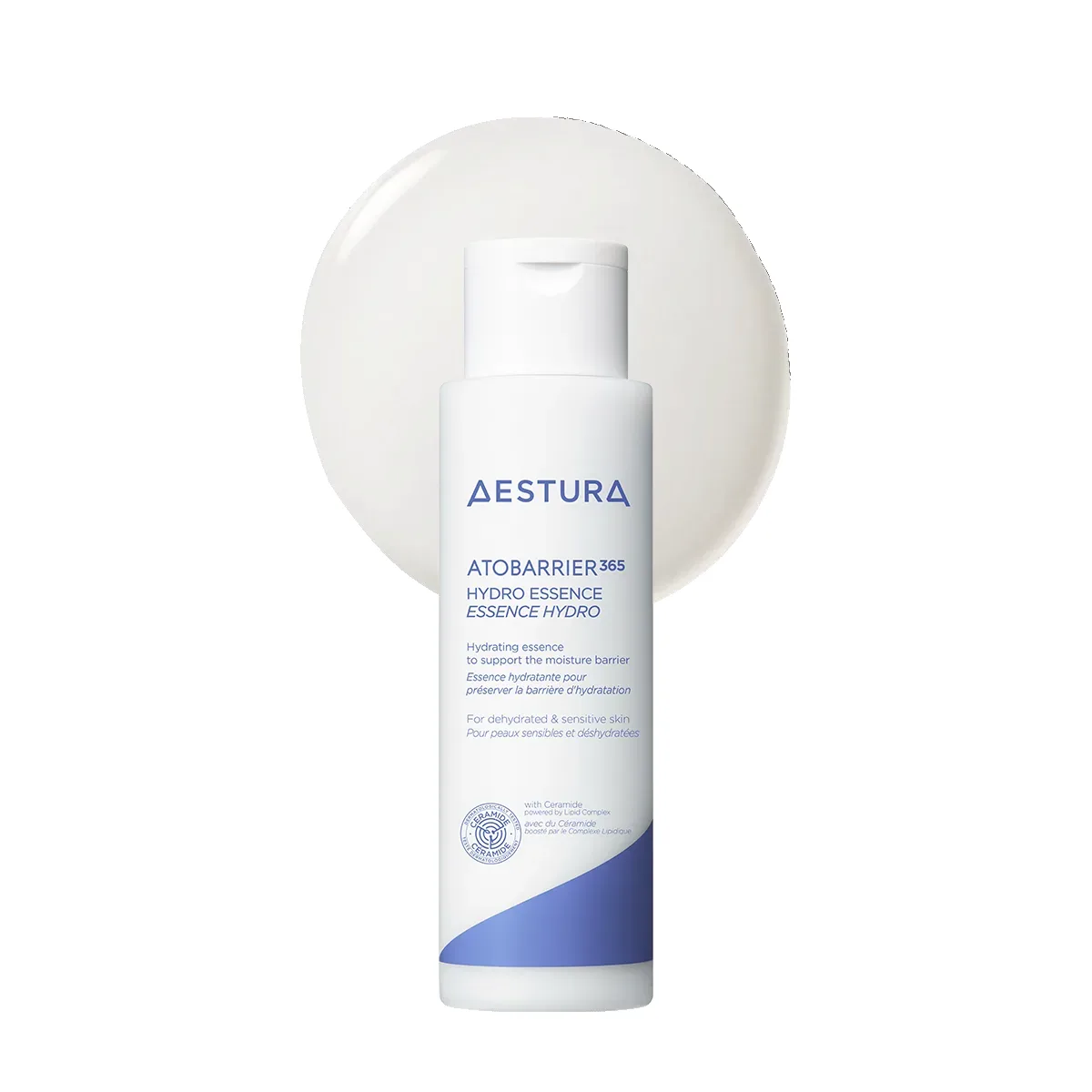


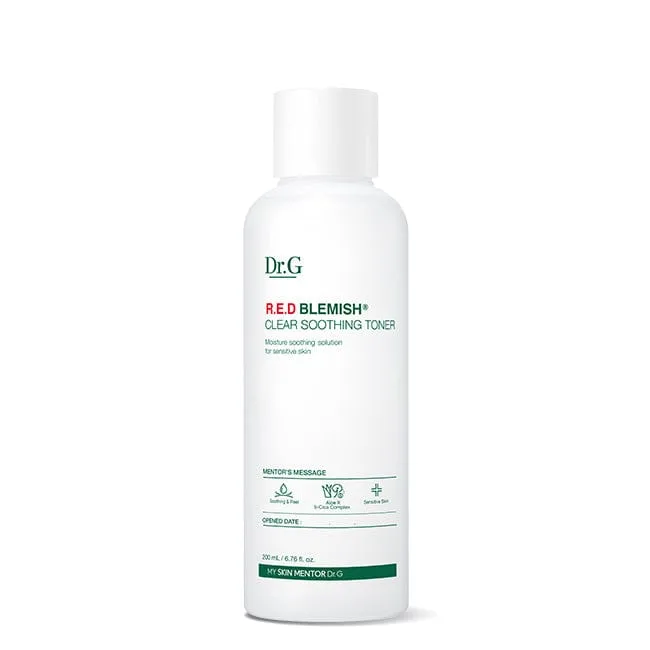


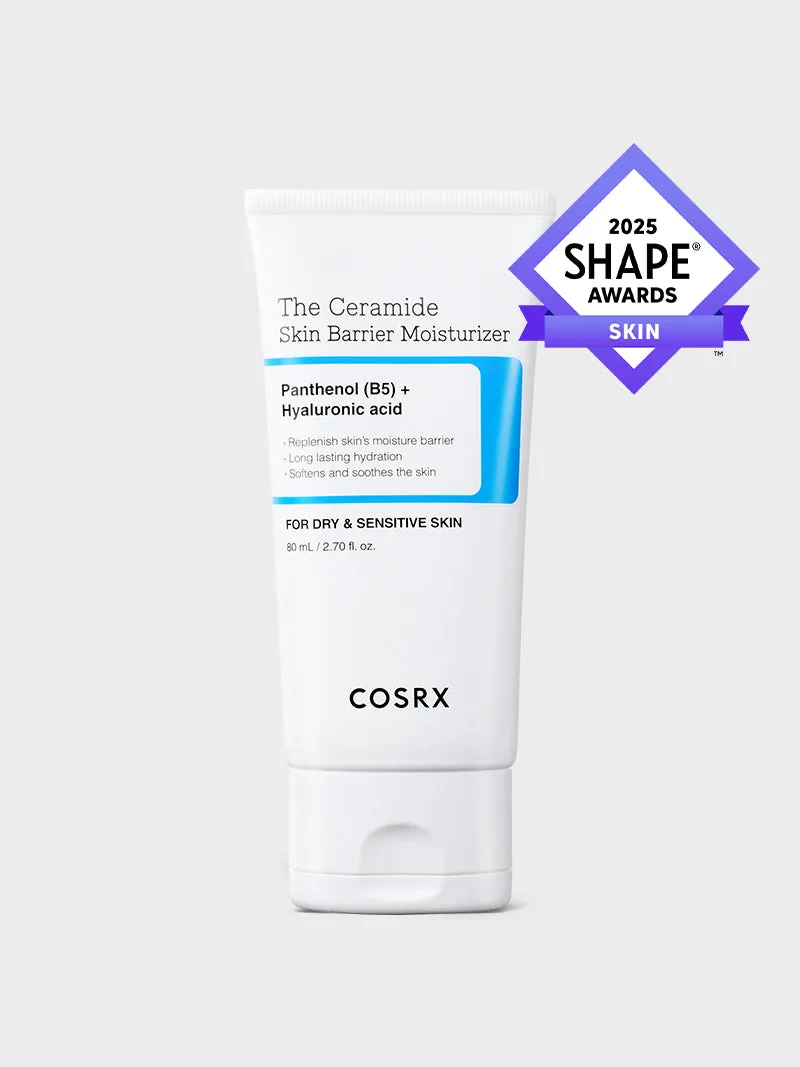




How to Choose
When a skin barrier is broken, ceramides are the patch, but the timing and the supporting cast are what decide whether they work. A compromised barrier — the stinging, red, suddenly reactive skin that follows a stretch of over-exfoliation or a too-strong retinol — isn't simply dry skin; it's inflamed skin that has lost the lipid seal between its cells.
Ceramides matter here because they're the exact lipid that gets stripped first, and topping them back up is what lets the barrier knit closed. The difference from ordinary moisturizing is that a damaged barrier also needs to be calmed while it rebuilds, which is why the standout products in this category pair ceramides with anti-inflammatory cica (centella asiatica) and panthenol: Atopalm Real Barrier ($26), Tocobo Multi Ceramide Cream ($24), and the SKIN1004 Hyalu-Cica Blue serum ($16) all run that combination. A smart move is to bring ceramides into more than one step — a ceramide cleanser like La Roche-Posay Toleriane ($16) that doesn't strip on the way in, then a ceramide serum or cream to rebuild — so the barrier isn't undone every time you wash. What to skip entirely until you're healed: foaming sulfate cleansers, acids, vitamin C, and fragrance, all of which re-injure a barrier mid-repair. The caveat worth stating plainly is that no ceramide product works if you keep using whatever broke the barrier; the lipids rebuild over two to four weeks only once the aggressors are paused. Get out of the skin's way and ceramides do the rest — for as little as $9.
Buying Guide
For a compromised barrier, ceramides alone aren't the whole answer — pair them with ingredients that reduce inflammation. The best products combine ceramides (preferably with cholesterol) and soothing actives like centella asiatica, panthenol, and bisabolol, so the barrier is calmed while it's resealed. Think across your whole routine rather than one product: a non-stripping ceramide cleanser prevents re-injury at the wash step, while a ceramide serum or cream does the rebuilding, and a light occlusive seals it. Avoid anything that re-damages the barrier mid-repair — sulfate foaming cleansers, exfoliating acids, vitamin C, retinoids, and added fragrance all belong on pause. Choose textures by comfort: if a product stings on application, the barrier isn't ready for it. Because this is acute repair rather than long-term maintenance, prioritize gentleness and lipid content over actives or anti-aging extras. Effective options span $9–$38, so cost should be the last thing you weigh.
Frequently Asked Questions
How are ceramides for a damaged barrier different from ceramides for dry skin?
Dry skin mainly needs lipids and occlusion to hold water, while a compromised barrier is also inflamed and reactive, so it needs ceramides combined with soothing ingredients like centella and panthenol. The same ceramide cream can help both, but for a damaged barrier the anti-inflammatory pairing and the removal of aggravating actives matter just as much as the lipids.
Should I use a ceramide cleanser and moisturizer, or just one?
Using ceramides at more than one step helps, because a stripping cleanser can undo barrier repair every time you wash. A gentle, non-foaming ceramide cleanser followed by a ceramide cream keeps the barrier supported throughout the routine rather than only at the moisturizing step.
Can ceramides repair a barrier if I keep using actives?
No — ceramides can't rebuild faster than ongoing damage tears down. To let them work, pause exfoliating acids, retinoids, and vitamin C until the skin feels calm, then reintroduce one active at a time once the barrier has recovered over a few weeks.
How quickly do ceramides heal a compromised barrier?
With the offending products paused and ceramides plus soothing ingredients used consistently, most barriers settle within two to four weeks. Stinging and redness usually ease first, while full resilience — the ability to tolerate actives again — returns more gradually.
- Hydration & BarrierFermented Ceramides: New Delivery or New Label?The fermentation route to skin lipids is real, industrial, and about two decades old — which makes 2026's newest ingredient claim a description of the supply chain most ceramide products already use.
- Skincare NewsGene Therapy for Genetic Skin Disease Is No Longer TheoreticalA gene therapy you squeeze out of a tube and a sheet of gene-corrected skin you suture onto a wound are both approved medicines now — and skin turned out to be the easiest place in the body to try this.
- Skin Barrier RepairThe Repair Routine Feels Like Doing Nothing. That Is Why People Abandon It.A wrecked barrier is the most common self-inflicted skin condition and the one with the clearest fix — the difficulty is that the routine which caused it feels productive and the one that repairs it feels like giving up.
- Eczema & DermatitisSteroid Phobia Is Costing People SkinThe fear of topical steroids is measurable, widespread, and mostly attached to a risk profile that ordinary use does not produce — while under-treatment quietly does its own damage.