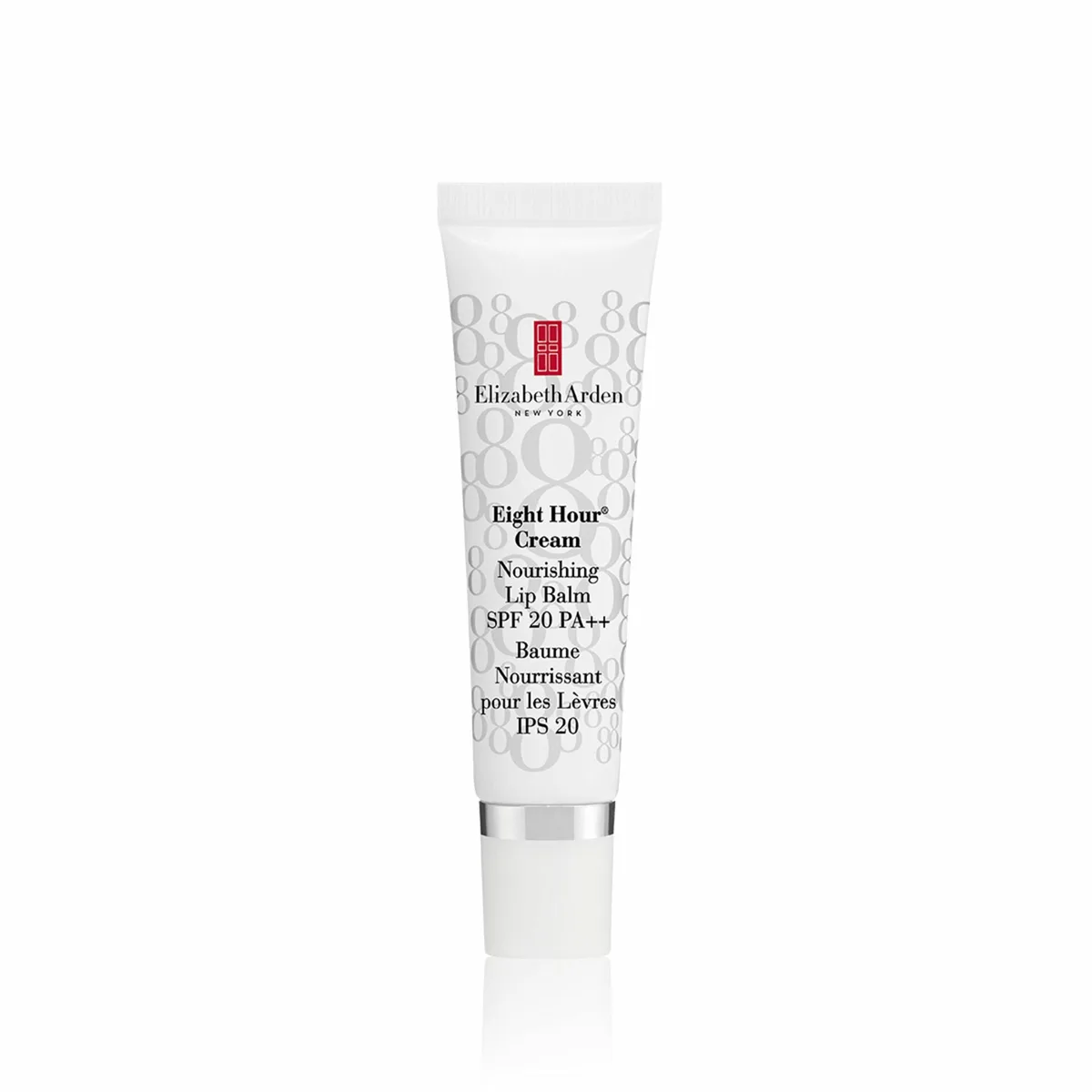
It takes the Eight Hour occlusive idea, petrolatum and wax, and rebuilds it as a modern lip product: polybutene for a non-migrating gloss, shea and murumuru butters for real emollience, essential fatty acids and honey, a broad-spectrum octinoxate-avobenzone SPF 20, and no fragrance or parabens. It is the Eight Hour lip product a formulator would make today, sold beside the one from decades ago.
The Eight Hour lip product to actually buy: a modern broad-spectrum SPF 20, a petrolatum-and-polybutene gloss that stays put, shea and murumuru butters, and no fragrance or parabens, in a tube that lasts months. Lanolin and two chemical filters are the only cautions for reactive lips, and the price is the only real objection, since $38 buys a very good lip balm rather than a remarkable one.
Strong choicefor DrynessIn your profileYou chose · Petrolatum is an approved or monograph active for dryness; this balm carries it.Moderate evidenceGentleNo reviews collected yet
The case for it
Petrolatum, Polybutene & Microcrystalline Wax is a first-line active — approved, monograph-listed or named in current guidelines — for this concern.
It is plausibly present at a working level, though the concentration is not declared.
The formula carries none of the triggers this concern is sensitive to.
What would change this: A declared concentration would move this to a firmer reading of the dose.
Same rule for everyone. “Strong choice” is the verdict on 1,459 of 45,024 concern verdicts across the catalog; rule R3 decided 567 of them.
As of September 25, 2026, engine 5.1.1.
R3 — Undeclared but plausibly dosed (top-third INCI position, or a potent sub-1% active) — the verdict stands, and the sentence says what disclosure would add. A declared figure below range would have been sub-threshold. · the full register
Strong choicefor Sun DamageIn your profileYou chose · Avobenzone is an approved or monograph active for sun damage; this balm carries it at 4%.Moderate evidenceGentleNo reviews collected yet
The case for it
Octinoxate 4% & Avobenzone 3% is a first-line active — approved, monograph-listed or named in current guidelines — for this concern.
It is present at an effective concentration, declared or high in the ingredient list.
The formula carries none of the triggers this concern is sensitive to.
Same rule for everyone. “Strong choice” is the verdict on 1,459 of 45,024 concern verdicts across the catalog; rule R2 decided 892 of them.
As of September 25, 2026, engine 5.1.1.
R2 — A regulator- or guideline-recognised first-line active, declared at an effective strength, in a form the claim supports. · the full register
Carrying active
Octinoxate 4% & Avobenzone 3%
Standing
first line — a regulator recognises it for this use; trials support it · per 21 CFR § 352.10 Sunscreen active ingredients (US FDA — 21 CFR Part 352 (Sunscreen Drug Products for Over-the-Counter Human Use), via Cornell Legal Information Institute; part heading marked [STAYED INDEFINITELY], effective date stayed at 66 FR 67485), opened September 1, 2026
Form
adequate (declared 4%) — studied range up to 3%, from the OTC monograph or label; needs leave-on contact
Tolerability
gentle
Row checked
against its sources on September 1, 2026 (evidence table ev-2026.09-r228)
21 CFR § 352.10 Sunscreen active ingredients — US FDA — 21 CFR Part 352 (Sunscreen Drug Products for Over-the-Counter Human Use), via Cornell Legal Information Institute; part heading marked [STAYED INDEFINITELY], effective date stayed at 66 FR 67485, opened September 1, 2026
Also listed for Winter Skin — the actives here (Avobenzone, Petrolatum, Fatty Acids, Retinyl Palmitate) are in our research queue for that concern; there is no verdict until their evidence rows are written. That is a gap in our table, not a mark against the product.
As a lip balmNot judged: what a lip balm is for — seals and protects, sun protection where it matters — cannot yet be measured from the ingredient list (only no sting-and-repeat ingredients, low allergen load can).
A verdict is DermApproved’s assessment of how well a product’s ingredients fit a concern — never a claim about what the product treats. Evidence dots and collected reviews sit beside it and are never blended in.
Rules 0.5.1 · evidence table ev-2026.09-r228 · how we decide
Assessment
Pros & Cons
Pros
✓ Broad-spectrum SPF 20 from octinoxate and avobenzone with a UVA claim
✓ Petrolatum plus polybutene gives a glossy, non-migrating occlusive film
✓ Shea and murumuru butters with essential fatty acids add real emollience
✓ Fragrance-free and paraben-free, unlike the Eight Hour stick
✓ Comfortable, non-sticky gloss that primes lipstick
✓ 14.8 ml tube lasts three to four months
✓ FDA OTC registration with a DailyMed label updated in late 2025
Cons
✗ Thirty-eight dollars is steep for a lip balm, however good
✗ Lanolin is a classic contact allergen for reactive lips
✗ Two chemical filters can sting or sensitise a minority of users
✗ Tube tip dispenses more than a lip needs
✗ Vitamin and omega content is at conditioning levels only
✗ Glossy finish may feel heavy on very oily lips
Review
Full Review
Elizabeth Arden sells two Eight Hour lip products with SPF at the same $38, and if you put them side by side you can watch a decade of formulation happen. The stick, a twist-up from another era, carries padimate O and oxybenzone at SPF 15, a fragrance declaring five allergens and two parabens. This balm, a squeeze tube from the mid-2010s, carries octinoxate and avobenzone at a broad-spectrum SPF 20, no fragrance and no parabens, and adds shea and murumuru butters to the petrolatum. Same franchise, same shelf, same price, and one of them is a museum piece while the other is a genuinely good modern lip product. This review is about the good one.
The base is where the Eight Hour idea gets updated most cleverly. Petrolatum is still here, third among the inactives, doing the occlusive work it has done since 1930, but the first ingredient is polybutene, a glossy, cushiony film-former that gives the balm its non-migrating sheen and stops it sliding off the way pure petrolatum can. Microcrystalline wax, beeswax and carnauba structure it just enough to hold in a tube. Then the emollients: castor oil for slip, shea butter fifth in the list, an Amazonian murumuru seed butter, sunflower oil, and free linoleic and linolenic acids, the essential fatty acids lips cannot make. Lanolin adds its softening magic and its small allergy risk. Honey and watercress extracts, retinyl palmitate and two forms of vitamin E sit near the end as the 'nourishing' flourish; they protect the oils and add a whisper of conditioning, and they are not why the balm works. It works because it is a very well-built occlusive.
The sunscreen is the other upgrade. Octinoxate at 4 percent and avobenzone at its full 3 percent make a broad-spectrum SPF 20, with butyloctyl salicylate in the base quietly helping to stabilise the avobenzone. Two chemical filters are still two chemical filters, and a small number of people react to octinoxate, but this is a modern, competent pairing with a real UVA claim, which the stick does not have. For daily incidental sun on the lips it is adequate; for a beach or a ski day, reapply every couple of hours and after eating, because no lip product survives a sandwich.
In use, it is simply nicer than its sibling. Squeeze a little from the angled tip, and it spreads with no drag into a glossy cushion that feels like a treatment, survives coffee, and sits under lipstick as a primer without the waxy heaviness of the stick. It is unscented, which for a product applied a dozen times a day is a kindness. Chapped, cracked lips settle within a day or two, which is what Arden's 15-minute and four-week panels reported and what several thousand reviews confirm. The tube dispenses generously, so a little restraint is needed, and very oily lips may find the polybutene gloss a touch much; a tissue blot after application solves both problems and leaves a softer, more natural sheen that still holds through the morning.
The cautions are real but small. Lanolin is a classic contact allergen and sits eleventh in the list; anyone who has reacted to lanolin balms before should skip. The two chemical filters occasionally sting or sensitise, and people who prefer mineral lip SPF have options elsewhere. BHT preserves the oils. That is the whole list, and for an Eight Hour product it is remarkably short.
Which leaves the price. Thirty-eight dollars for 14.8 ml is a lot for a lip balm, though the tube is nearly four times the size of the stick and lasts three or four months, which brings the monthly cost down to something ordinary. The formula is better than a drugstore petrolatum balm, more emollient, glossier and with a proper broad-spectrum filter, but it is not four times better, and excellent fragrance-free SPF lip balms exist for a third of the price. The premium buys the Eight Hour name, the figure-eight tube and the department-store counter. The value score is middling rather than low because, unlike the stick, this one earns part of its premium on the formula.
The balm has been in the line for about a decade, with a DailyMed OTC label refreshed at the end of 2025 and thousands of ratings that agree on the essentials: soft lips, long wear, good under lipstick, no scent, and a recurring grumble about the price and the over-generous tube.
If you are choosing between the two Eight Hour lip SPFs, choose this one; it is better in every measurable way. If you are choosing between this and the wider market, it is a very good fragrance-free SPF 20 balm that costs more than it needs to, and whether the name is worth the difference is a question only an Eight Hour loyalist can answer.
Formula
Key Ingredients
The hero actives that drive this product's performance.
A two-filter system that earns a broad-spectrum SPF 20, with avobenzone at its full 3 percent for UVA and butyloctyl salicylate in the base doing quiet photostabilising work; it is a far more modern pairing than the stick version's padimate O and oxybenzone.
Regulator-approvedfor Sun Damage · emerging certainty
The occlusive backbone: petrolatum third among the inactives, polybutene first for a glossy, cushioned, non-migrating film, and microcrystalline wax for body, giving a squeeze-tube balm that seals lips the way the Eight Hour name promises.
Regulator-approvedfor Dryness · established mechanism
The 'nourishing' half, shea fifth in the list with an Amazonian murumuru butter and castor oil, supplying the fatty acids and glossy slip that make this the softer, more emollient sibling of the waxier lip stick.
Established mechanismfor Dryness · established mechanism
Free essential fatty acids for barrier lipid support plus two humectant-and-antioxidant botanicals, positioned to justify the 'omega' and 'antioxidant-rich' language on the box at modest supporting levels.
A vitamin A ester and two forms of vitamin E near the end of the list, the 'vitamins' of the marketing; they protect the oils and add a whisper of conditioning rather than any renewing effect at these levels.
Not yet assessed
Ingredient standings describe the active at treatment-level doses and
vehicles; this product's own condition grades weigh its actual formula.
Squeeze a small amount from the angled tip and smooth over bare lips morning and through the day, reapplying after eating and every two hours in the sun; it also works as a glossy primer under lipstick. At night, use it or the brand's repair balm as the last step.
Results Timeline
Immediate softness and a cushioned gloss; the brand's panel reported softer-feeling lips at 15 minutes and locked-in moisture over four weeks. Chapping settles within a couple of days. Sun protection applies only while freshly applied and needs regular top-ups.
Pairs Well With
LipstickLip scrub (weekly)Eight Hour Cream Intensive Lip Repair Balm at night
Elizabeth Arden Eight Hour Cream Nourishing Lip Balm SPF 20
Sample PM Routine
Cleanser
Night moisturizer
Elizabeth Arden Eight Hour Cream Nourishing Lip Balm SPF 20
Evidence
Science & Expert Perspective
The Science
The balm combines well-evidenced occlusion with a modern lip sunscreen. Petrolatum is the most effective topical occlusive, reducing transepidermal water loss by around 98 percent in comparative studies, and lip tissue, lacking sebaceous glands and with a thin stratum corneum, benefits from occlusion more than facial skin; here it is paired with polybutene, a hydrophobic film-former widely used in lip gloss for its cushion and adhesion, which improves wear time over petrolatum alone. Shea and murumuru butters supply oleic, stearic and lauric acids and unsaponifiables with evidence for softening and supporting barrier lipids, and free linoleic and linolenic acids address the essential fatty acid deficit characteristic of chapped lips. Castor oil, sunflower oil and hydrogenated castor oil contribute slip and structure, and lanolin adds water-binding emollience with a documented contact-allergy rate of a few percent in patch-test populations. Honey extract has humectant and mild antimicrobial data, watercress extract antioxidant data in vitro, and retinyl palmitate and tocopherols are present at levels that stabilise the oils and offer minor conditioning rather than any renewing effect. The sunscreen system of octinoxate 4 percent and avobenzone 3 percent achieves a broad-spectrum SPF 20 under FDA testing, with avobenzone at its maximum permitted level for UVA and butyloctyl salicylate in the base acting as a photostabiliser; this is a substantially better UVA profile than the padimate O and oxybenzone system in the brand's lip stick. The practical limit is wear: lip products are removed by eating, drinking and licking within one to two hours, so protection depends on frequent reapplication, and no study has measured this balm's real-world protection. Octinoxate shows measurable systemic absorption in FDA pharmacokinetic studies and occasional contact sensitisation; avobenzone can sting. The brand's panels, 97 percent perceiving softer lips at 15 minutes and 94 percent perceiving locked-in moisture at four weeks, are self-assessed perceptions consistent with any effective occlusive. The fragrance-free, paraben-free base keeps the allergen load low for a leave-on lip product, with lanolin and the two filters the only components of note.
Dermatologist Perspective
A fragrance-free, petrolatum-based lip balm with a broad-spectrum sunscreen is close to what clinicians recommend for daily lip care, particularly for patients at risk of actinic cheilitis, and this balm's octinoxate-avobenzone system with a UVA claim is a meaningful improvement over older lip SPFs. Lanolin would be flagged for patients with a history of contact cheilitis, who are usually directed to plain petrolatum, and those with chemical-filter sensitivity to a zinc oxide lip product. SPF 20 is adequate for incidental exposure but for prolonged sun a broad-spectrum SPF 30 reapplied every two hours remains the advice. The vitamin and fatty-acid content is regarded as pleasant rather than therapeutic. For most people it is considered a comfortable, well-designed balm whose main drawback is price.
Guidance
Usage & Recommendations
How to Use
Squeeze a small amount from the angled applicator tip directly onto the lips and press them together to spread it; a little goes a long way, and the tube dispenses generously. Apply in the morning, reapply through the day whenever lips feel dry, and always before sun exposure, topping up every two hours and after eating or drinking, since lip products wear off quickly. It works alone or as a glossy base under lipstick; let it settle a minute before applying colour. At night it can be the last step, or swap in a richer repair balm. Keep the cap on and the tube out of heat. Stop use if the lip line tingles or peels, which usually points to lanolin or filter sensitivity.
Value Assessment
At $38 for 14.8 ml, this is expensive for a lip balm, though the tube is nearly four times the size of the Eight Hour stick at the same price and lasts three to four months of frequent use, which brings the monthly cost to roughly ten to twelve dollars. The formula earns part of its premium, with a better occlusive film, real butters and a modern broad-spectrum filter than a drugstore petrolatum balm offers, but comparable fragrance-free SPF lip balms exist at a third of the price. The rest of the premium is the Eight Hour name, the figure-eight tube and the department-store experience, and Arden's frequent promotions and sets soften it for regular buyers.
Who Should Buy
Anyone wanting a daily lip balm with real broad-spectrum sun protection and no fragrance, especially people with dry or chapped lips who like a glossy, cushioned finish and a lipstick-friendly base. It suits Eight Hour loyalists choosing between the range's lip products and anyone who found the classic stick too scented or waxy.
Who Should Skip
Those with a history of lanolin or chemical-filter reactions should choose a plain petrolatum or zinc oxide lip balm, and anyone needing serious sun protection for long outdoor days should reach for a broad-spectrum SPF 30. Budget shoppers can find similar fragrance-free SPF balms for far less.
Ready to try Elizabeth Arden Eight Hour Cream Nourishing Lip Balm SPF 20?
A thick, glossy, cushioned balm with a polybutene slip that squeezes from an angled tube tip, spreads without drag and sets to a soft, non-sticky sheen.
Scent
Unscented; a faint waxy-oily note from the base and a whisper of honey, with no fragrance added.
Packaging
A white 14.8 ml squeeze tube with an angled applicator tip and a silver band, patterned with the Eight Hour figure-eight motif.
Finish
glowyvelvety
What to Expect on First Use
The first application is softer and more comfortable than the Eight Hour stick: a glossy cushion with no drag, no scent and no tingle, that survives coffee and feels like a treatment rather than a wax. Chapped lips settle in a day or two. The only early notes are the tube's tendency to dispense more than a lip needs and, for the rare lanolin-sensitive user, mild irritation.
How Long It Lasts
About 3-4 months at several applications a day; the 14.8 ml tube is generous for a lip product.
Elizabeth Arden added the Nourishing Lip Balm to the Eight Hour franchise in the mid-2010s as the modern, fragrance-free counterpart to its long-serving lip stick, adopting a squeeze tube and a broad-spectrum filter system and marketing it on vitamins and omegas rather than nostalgia. Its DailyMed label was refreshed at the end of 2025.
About Elizabeth Arden Legacy Brand (20+ years)
Elizabeth Arden has sold skincare since 1910 and the Eight Hour petrolatum salve since 1930; the brand, owned by Revlon, registers its SPF lip products as OTC drugs on DailyMed and runs consumer panels on them. This balm's percentages come from brand-run 15-minute and 4-week perception studies rather than published research.
Brand founded: 1910 · Product launched: 2015
Myth vs. Reality
Common Myths
Myth
All Eight Hour lip products are the same formula in different packaging.
Reality
The stick uses padimate O and oxybenzone at SPF 15 with a fragrance and parabens; this balm uses octinoxate and avobenzone at a broad-spectrum SPF 20, adds shea and murumuru butters, and carries no fragrance or parabens. They share petrolatum and the name, and little else.
Myth
The vitamins and omegas in the balm repair lips from within.
Reality
Retinyl palmitate, vitamin E and the fatty acids sit near the end of the list at conditioning levels and mainly protect the oils and soften the surface. The repair you see comes from petrolatum and butters sealing in moisture, which is what any good occlusive balm does.
FAQ
Frequently Asked Questions
What sunscreen filters are in the Eight Hour Cream Nourishing Lip Balm SPF 20?
Octinoxate at 4 percent and avobenzone at 3 percent, per its DailyMed OTC label, giving a broad-spectrum SPF 20 with a genuine UVA claim. That is a more modern system than the padimate O and oxybenzone in the brand's Eight Hour lip stick.
Is the Eight Hour Nourishing Lip Balm fragrance-free?
Yes. Unlike the classic Eight Hour lip stick, this balm has no added fragrance and no parabens, with only a faint honey-and-wax note from the base. Lanolin is the main ingredient sensitive lips should be aware of.
Which is better, the Eight Hour Lip Protectant Stick or the Nourishing Lip Balm SPF 20?
The balm, on formulation: it has a broad-spectrum SPF 20 from modern filters, shea and murumuru butters, and no fragrance or parabens, while the stick uses dated filters at SPF 15 with a fragrance declaring five allergens. Both cost $38; the balm's tube is nearly four times larger.
Can I use the Eight Hour Nourishing Lip Balm under lipstick?
Yes. The polybutene-and-petrolatum base gives a glossy, cushioned layer that primes lipstick without the waxy heaviness of a stick. Apply a thin layer, wait a minute, then apply colour.
How often should I reapply the Eight Hour Lip Balm SPF 20 in the sun?
Every two hours and after eating or drinking, because lip products wear off quickly. For prolonged beach or ski exposure, a broad-spectrum SPF 30 lip product is the safer choice.
How long does a tube of the Eight Hour Nourishing Lip Balm last?
About three to four months at several applications a day. The 14.8 ml tube is generous for a lip product, which offsets some of the $38 price.
Reviews
What Reviewers Tend to Say
Recurring themes our editors read across retailer reviews of this product — summaries in our words, not quotations, and not a substitute for your own patch test.
Common Praise
Lips stay soft all day
Non-sticky gloss under lipstick
No scent, unlike the stick
Tube tip makes it easy to apply
Common Complaints
Pricey for a lip balm
Tube dispenses too much
Contains chemical sunscreen filters
Slightly greasy on very oily lips
Notable Endorsements
FDA OTC broad-spectrum sunscreen registrationBrand-run 15-minute and 4-week consumer panels
Occupational hand dermatitis is one of the most common work-related diseases on earth, it follows a script, and the cheapest fix works only if you start it before the skin splits.
Every post that dismantles a home remedy owes the reader a replacement. The honest replacement list is embarrassingly cheap, and one item on it is cheaper still — it is a bath.
Natural formulators swap shea, cocoa, mango and murumuru as though they were interchangeable. One carries roughly ten times the non-fat material of the others, and one is functionally a wax.
Products, answers, therapy guides, tools and articles in one search. Brand names,
slang and abbreviations all work — accutane finds isotretinoin, bacne finds truncal acne.