Rosehip Oil
Products with Rosehip Oil
 Botanical Barrier Booster
 Recovery Oil
A thoughtfully curated botanical oil that goes beyond basic emolliency by including ceramide NP and sphingolipids for genuine barrier repair. Eight antioxidant-rich plant oils led by sea buckthorn and rosehip deliver nourishment and glow. The only face oil at this price point with actual barrier-repair architecture.
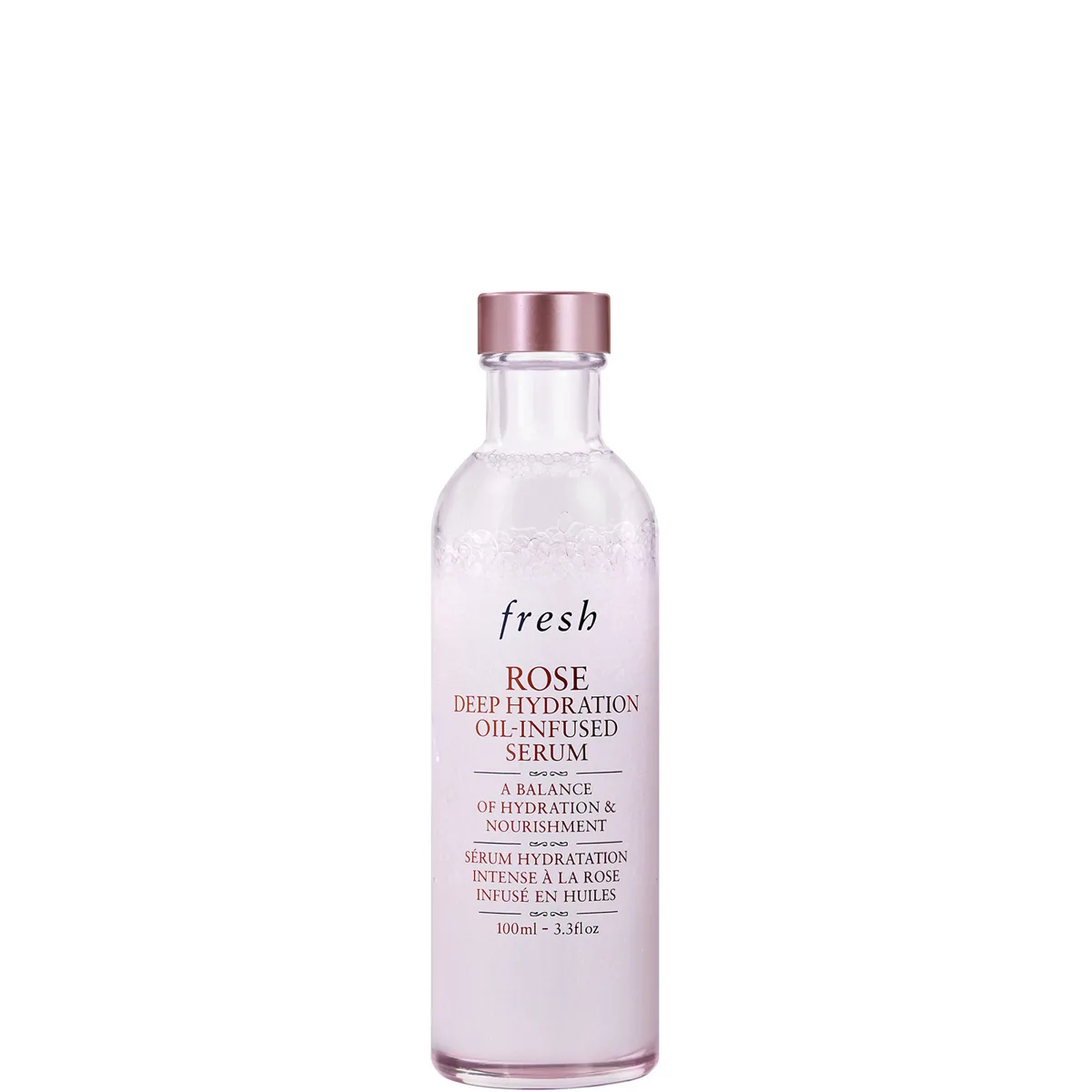 Bi-Phase Rose Ritual
 Rose Deep Hydration Oil-Infused Serum
A beautifully designed bi-phase serum that delivers more ritual than revolution. The camelina and rosehip oil blend is genuinely interesting, and the dewy glow is immediate, but the modest active concentrations and fragrance allergens make this a luxury experience product rather than a performance powerhouse.
 Pure Organic Rosehip Oil
 Organic Rosehip Oil
Juicy Chemistry's Organic Rosehip Oil is the real thing: a 100% pure, cold-pressed, ECOCERT-organic single-ingredient rosehip seed oil that nourishes, supports the barrier, and gently improves the look of scars, fine lines, and tone over time. It suits nearly every skin type, including acne-prone, and it's excellent value. The only caveats are the gradual results and the care any pure oil needs against oxidation.
 Indie Face Oil Pick
 Face Hero
The face oil that built a A$177 million skincare brand from scratch — and earned its place by being genuinely well-blended, deliberately light enough to layer under makeup, and priced where the average person can actually buy it. The nut-oil load is a hard no for nut allergies and the natural floral fragrance won't suit everyone, but for combination-to-dry skin wanting a multi-oil daily product with gentle vitamin-A pathway support, this is one of the cleverest indie blends on the market.
 Body Care Cult Favorite
 The Glow Getter Multi-Oil Hydrating Body Wash
A genuinely clever body wash that puts glycerin first — literally — and backs it up with four nourishing oils. It won't replace your body lotion in a Canadian winter, but for everyday cleansing that leaves skin soft and subtly glowing rather than tight and parched, it earns its cult following and then some.
 Tamanu Body Lotion
 Great Body Relief
Krave Beauty Great Body Relief combines 5% tamanu oil with a three-component ceramide complex (NP + AP + EOP), fermented oil blend, rosehip oil, panthenol, and soybean sterols in a fragrance-free body lotion at 25 dollars for 200ml. One of the most sophisticated K-beauty body lotions available.
 Plant-Based Bio-Oil
 Natural Skincare Oil
Bio-Oil's plant-based reinvention, and a genuinely nice one. The Natural version trades mineral oil and synthetic perfume for rosehip, jojoba, chia, and pomegranate oils with natural vitamin E, conditioning dry skin and scars beautifully. It costs noticeably more than the original and the essential-oil scent isn't risk-free, but as an all-natural body oil it delivers.
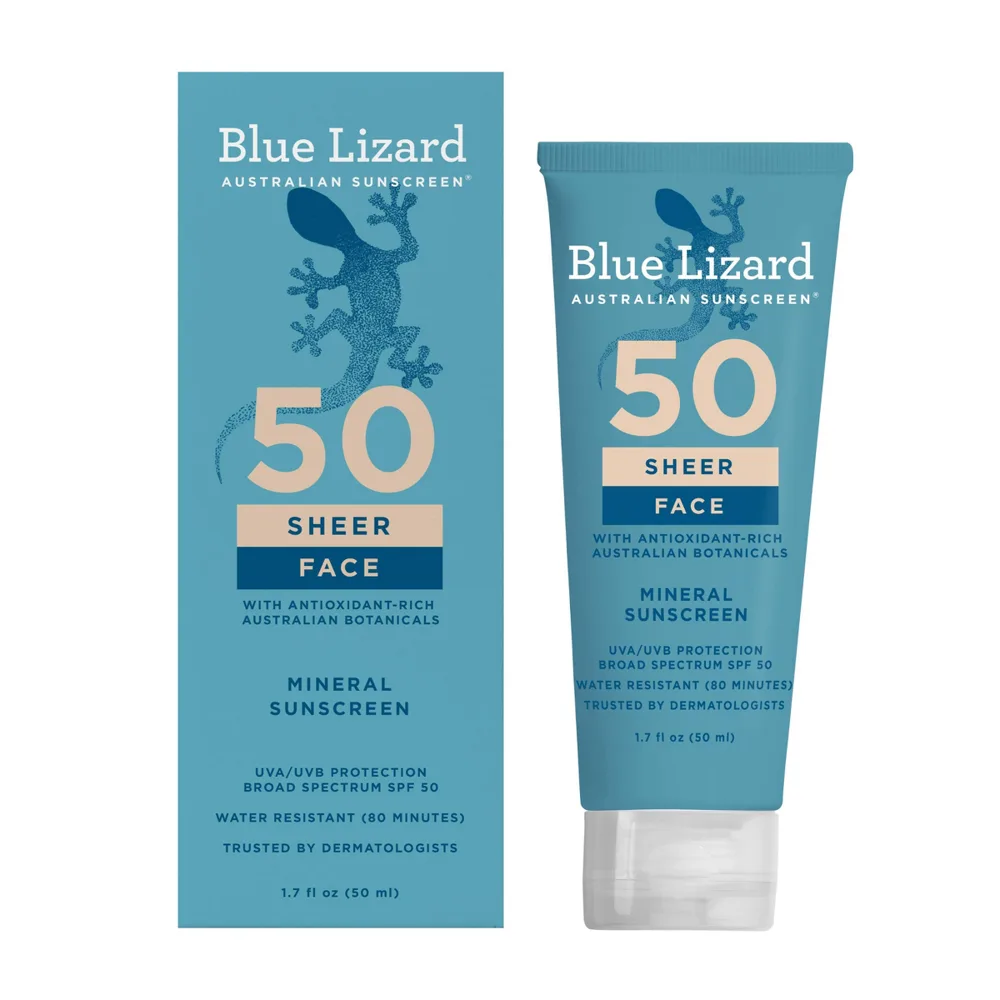 Daily Mineral Face SPF
 Face Mineral Sunscreen SPF 50+
Blue Lizard finally made a mineral sunscreen you'd actually want to wear on your face every day. The Sheer Face formula trades the brand's signature thick paste for a lightweight, botanical-enriched lotion that layers beautifully under makeup — all while maintaining the 100% mineral protection philosophy that earned three decades of dermatologist trust.
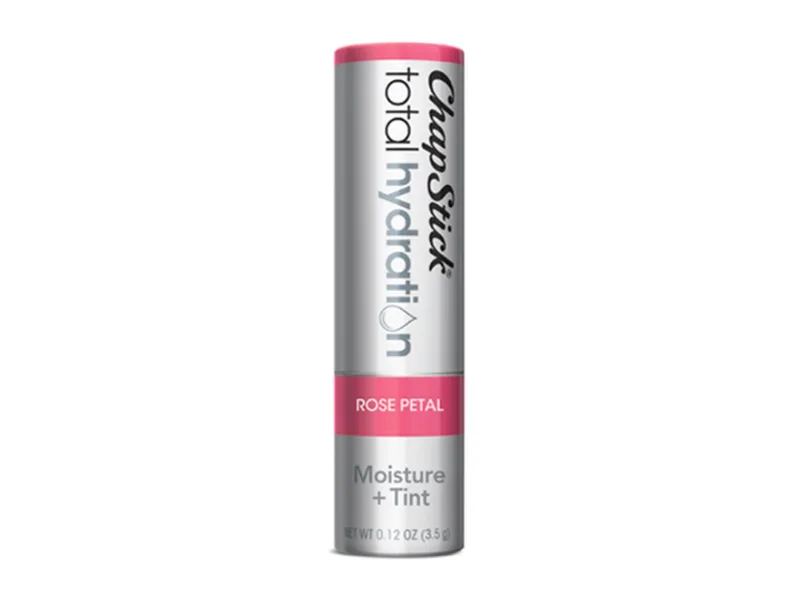 Everyday Tinted Lip Essential
 Total Hydration Moisture + Tint
The rare tinted lip balm that genuinely prioritizes moisture over color — a naturally sourced formula packed with rosehip, argan, and shea that happens to add a flattering sheer wash of tint. At under $5, it embarrasses products costing five times more.
 Botanical Dry-Skin Comfort Cream
 Rosehip Oil Facial Moisturiser
A warm, plant-forward moisturiser that does right by dry skin: certified-organic macadamia, avocado and shea butter make it genuinely nourishing, with rosehip along for the conditioning ride, all at an accessible price. The catch is the natural scent — geranium and sandalwood essential oils bring a stack of fragrance allergens, so sensitive and reactive skin should approach with caution. For tolerant dry skin that likes botanicals, it is a likeable, honest cream.
 Gentle Regenerating Body Lotion
 Cica Repair Regenerating Body Lotion
A gentle, oil-rich regenerating body lotion that nourishes and soothes very dry, sensitive skin without the sting of stronger formulas — shea, rosehip and black currant oils and panthenol doing genuine barrier work, at a budget supermarket price. It is the calmer, urea-free sibling to Mixa's urea cream. The quibbles are added fragrance and a 'Cica' name that, again, carries no actual centella.
 Budget Face Oil Icon
 100% Organic Cold-Pressed Rosehip Seed Oil
A no-frills, single-ingredient face oil that delivers the full nutrient profile of cold-pressed rosehip seeds at a price that makes luxury oils look absurd. Best suited for dry and normal skin types seeking a nourishing PM oil; acne-prone skin should approach with caution.
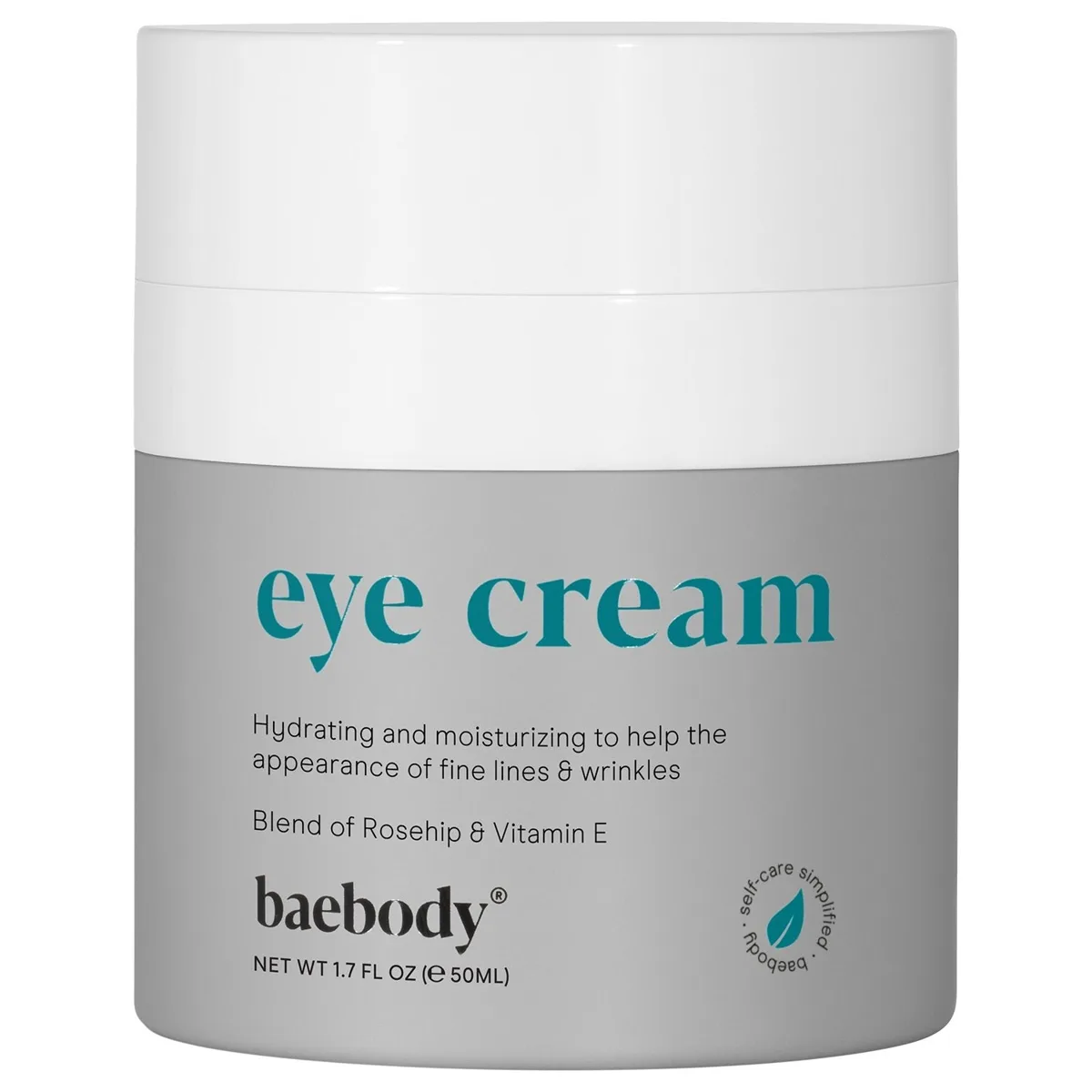 Nourishing Rosehip Eye Cream
 Eye Cream
The rich, rosehip-and-hibiscus counterpart to Baebody's famous eye gel — a nourishing botanical eye cream that's genuinely comforting for dry under-eyes and overnight use. But it's the plainer of the brand's two eye products: it lacks the gel's real peptide complex and any dedicated caffeine, and its 'botanical hyaluronic acid' is tara gum, not true HA. As a rich eye-area moisturizer it does its job; as a treatment for dark circles or puffiness, it falls short. Buy it for hydration on dry skin, and reach for the gel or a caffeine product if you want targeted results.
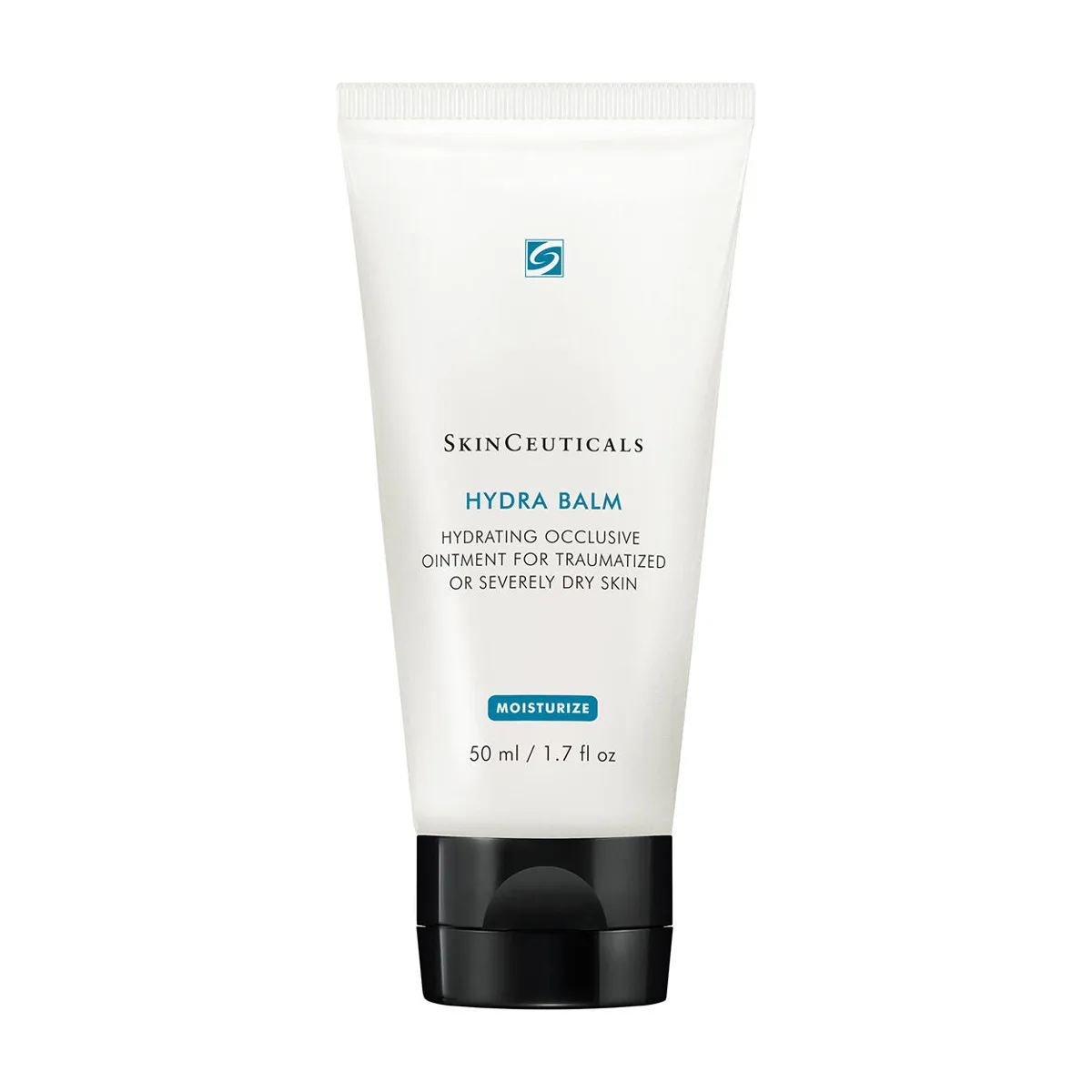 Post-Procedure Petrolatum
 Hydra Balm
The most honest product SkinCeuticals sells: a petrolatum ointment that seals peeled, lasered, chapped or eczematous skin overnight, thinned with squalane and enriched with rosehip and rice bran oils so it spreads better than the jelly it is mostly made of. Twenty-five dollars is a pharmacy price from a clinical brand, and the only real complaints are a jar where a tube belongs, esters that keep it off oily faces, and a farnesol the very reactive may want to avoid.
 Starter Retinol Night Cream
 Retinol Face Cream
A thirteen-dollar retinol night cream that gets the basics right — fragrance-free, alcohol-free, buffered with shea and rosehip, stabilised with ferulic acid — and asks only that you accept a low, undisclosed dose in a jar. As a first retinol for dry or normal skin it is a sensible buy; as a wrinkle treatment it is the gentle end of the scale.
 Barrier Repair Cult Classic
 Liquid Gold Moisturizer
The indie barrier repair moisturizer that Reddit made famous — and it earned every bit of that reputation. Three ceramides, cholesterol, niacinamide, and a deliberate lipid ratio based on actual dermatological research make this one of the most scientifically rigorous moisturizers you can buy at any price point.
 Romantic Shower Ritual
 Moroccan Rose Foaming Gel Body Wash
A surprisingly sophisticated drugstore body wash that pairs romantic rose fragrance with genuinely beneficial rosehip and argan oils. At under $10, it makes a daily shower feel like a minor luxury — as long as your skin tolerates fragrance.
 Drugstore Spa-Day Favorite
 Moroccan Rose Shea Sugar Scrub
A modestly upgraded version of Tree Hut's standard sugar scrub formula, distinguished by the addition of argan oil and rosehip oil — ingredients that typically appear in scrubs at three times the price. The contemporary rose scent skews fresh rather than powdery, the conditioning is genuine, and the $10 price for 18 oz remains the brand's best-in-class value proposition. Sensitive skin should still skip.
 Budget Retinol Starter
 0.5% Retinol Super Serum
Revolution Skincare's 0.5% Retinol Super Serum is an oil-based budget retinol that does exactly what it promises for dry skin users who want a true 0.5% concentration without paying $50 for it. The coconut and almond oil content makes it a hard no for acne-prone skin, but for the right match, it's one of the best cheap retinols you can buy.
 Single-Ingredient Rosehip Standard
 Organic Rose Hip Oil
Aromatica's Organic Rose Hip Oil is one of the few rosehip products on the market that delivers what the category claims — 100% certified-organic cold-pressed Rosa canina fruit oil with no fillers, no carriers, no fragrance. The result is the genuine rosehip experience: distinct earthy scent, fast absorption, and visible improvement in scars, pigmentation, and tone over consistent use.
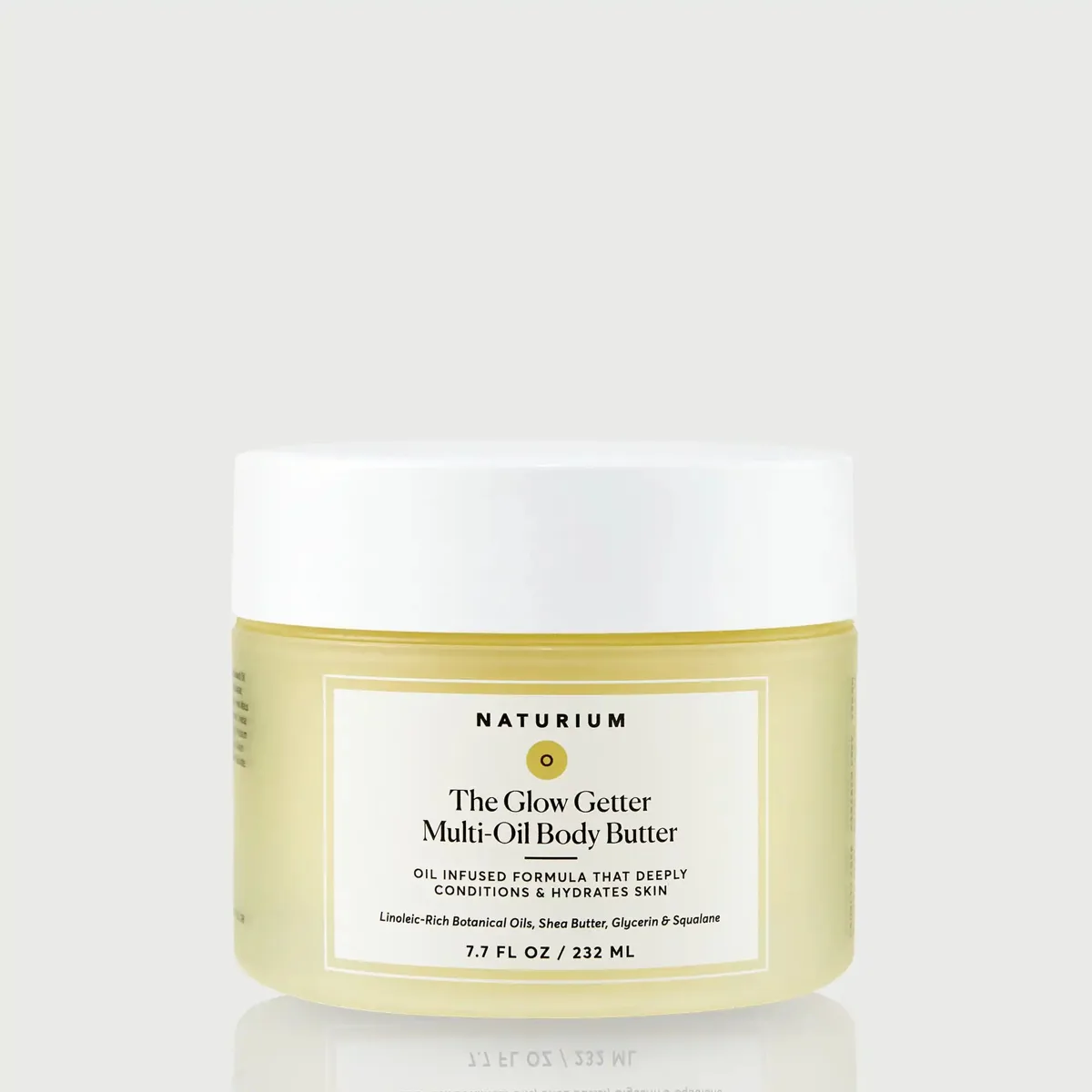 Cozy Glow Pick
 The Glow Getter Multi-Oil Body Butter
A genuinely thoughtful body butter that treats the body like the face deserves, stacking five botanical oils, shea and squalane into a whip that glows without sliming. The warm vanilla scent and comedogenic richness rule it out for the fragrance-averse and breakout-prone, but for dry skin in winter it punches above its $20 price.
 Rosehip in Name
 Rosehip Face Oil
A silky, sweet-smelling, thirteen-dollar ester oil with some rosehip in it, third on the list behind isopropyl myristate and a triglyceride, and a fragrance in fifth declaring six allergens. Dry, unreactive skin gets a pleasant night-time sheen for very little money. Anyone buying it for what rosehip oil is famous for, scars, lines and tone, is buying the name, and congestion-prone or sensitive skin should not buy it at all.
 The Honest Ten-Dollar Rosehip
 Pure Cold-Pressed Rosehip Seed Oil
A single-origin, unrefined, cold-pressed Chilean rosehip seed oil with the 100 percent printed on the label and a $10 price, which is the honest version of an ingredient that is usually sold diluted or overpriced. It softens dry skin, gives a warm glow and, over months, modestly helps post-blemish marks through its linoleic acid; it is not the natural retinol the label implies, it oxidises quickly enough that the small bottle is a virtue, and its evidence is real but small. For a cheap, plain rosehip, this is the one.
 Instant Glass Skin Shortcut
 Futuredew Oil Serum Hybrid
Futuredew delivers exactly what Glossier promises — instant, lit-from-within glow plus genuine long-term hydration from quality plant oils. It's a category-defining product that works beautifully on dry to normal skin, but the reliance on reflective particles for immediate impact and the rosemary essential oil limit its appeal for sensitive or oily skin types.
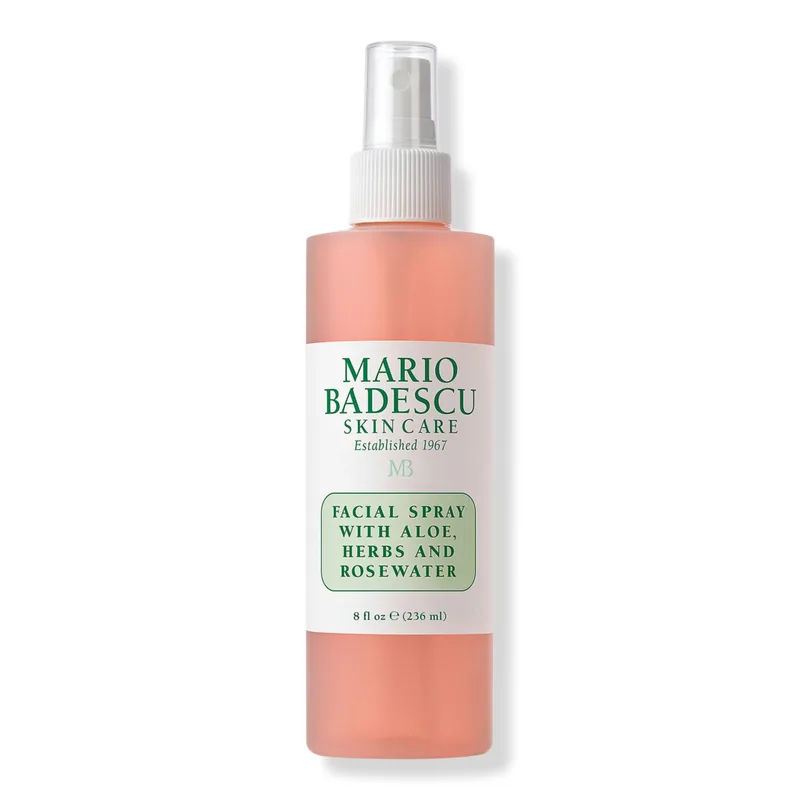 The OG Cult Mist
 Facial Spray with Aloe Herbs and Rosewater
The product that invented the cult facial mist — forty years of word-of-mouth from Martha Stewart to TikTok. A genuinely delightful sensory experience and versatile multi-use mist, though the formula itself is simpler than its reputation suggests, and the 'rosewater' name deserves an asterisk.
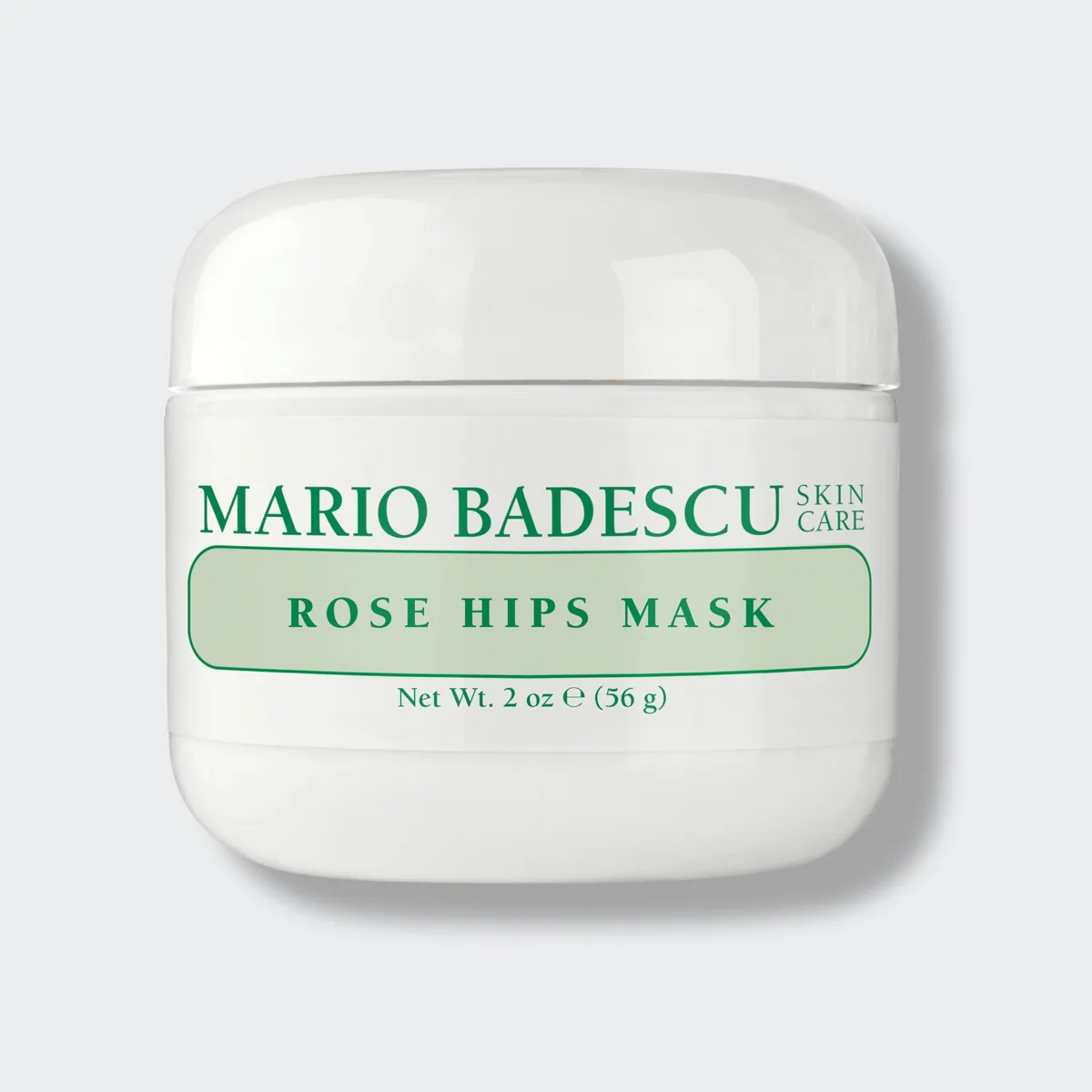 Dry-Skin Pampering Ritual
 Rose Hips Mask
A gentle cream-clay hybrid that inverts the typical clay mask formula by nourishing dry skin rather than stripping oily skin. The dual rosehip oil and extract approach delivers real emollient benefit, though fragrance allergens and comedogenic oils narrow its audience.
 Sensitive Skin Safe Cleanser
 Creamy Cleanser
A genuinely gentle cream cleanser that cleans without punishing your skin for it — exactly the kind of no-drama wash that dry and sensitive skin types reach for daily. The lavender oil is the one eyebrow-raiser in an otherwise exemplary formula.
 Budget Pure Rosehip Oil
 Rose Hip Seed Oil
A near-pure cold-pressed rosehip oil from a 50-plus-year natural-products brand, at a price that makes consistent use genuinely sustainable. Two ingredients — rosehip oil and vitamin E — deliver exactly what dedicated rosehip should: omega fatty acids, natural retinoic-acid precursors, and gentle multi-purpose action. The minimalism is the point, and the value is excellent.
 Dermatologist Daily SPF Moisturizer
 Daily Perfecting Moisturizer SPF 30
MDSolarSciences Daily Perfecting Moisturizer SPF 30 is a genuine two-in-one — broad-spectrum chemical sunscreen plus a real moisturizer carrying niacinamide, stable vitamin C, ceramide NP, and a botanical antioxidant complex. It absorbs cleanly with no white cast and suits dry-to-combination skin. The honest catch: SPF 30, when SPF 50 is increasingly the daily standard.
 Dry-Skin Comforter
 Signature Facial Moisturiser
A genuinely nourishing, oil-and-butter-rich daily moisturiser that brings real comfort to dry and normal skin for the price of a couple of coffees. The plant-oil blend is its strength and the natural citrus-vanilla scent its signature — but those same essential oils, plus its richness, rule it out for oily, acne-prone, and sensitive skin.
 Antioxidant Day Cream
 Rosehip Hydrating Day Cream
A nourishing, antioxidant-themed day cream that wraps rosehip oil, vitamin-C-rich kakadu plum, and pomegranate into a genuinely moisturising base for dry skin — all at a price that shames the 'clean beauty' shelf. Just remember what it isn't: there's no SPF here, and the citrus-lavender scent rules it out for sensitive skin. For dry, fragrance-tolerant faces, it's a quietly smart morning cream.
 Smooth-Skin Staple
 The Glow Getter Multi-Oil Body Scrub
A sugar scrub that finally remembers the moisturizing half of the job, pairing dissolvable crystals with 20% glycerin and a real multi-oil blend so skin rinses soft instead of stripped. The warm vanilla scent and oily-shower-floor factor are the trade-offs, but at $20 it is a genuinely good buff-and-nourish step for dry, rough skin.
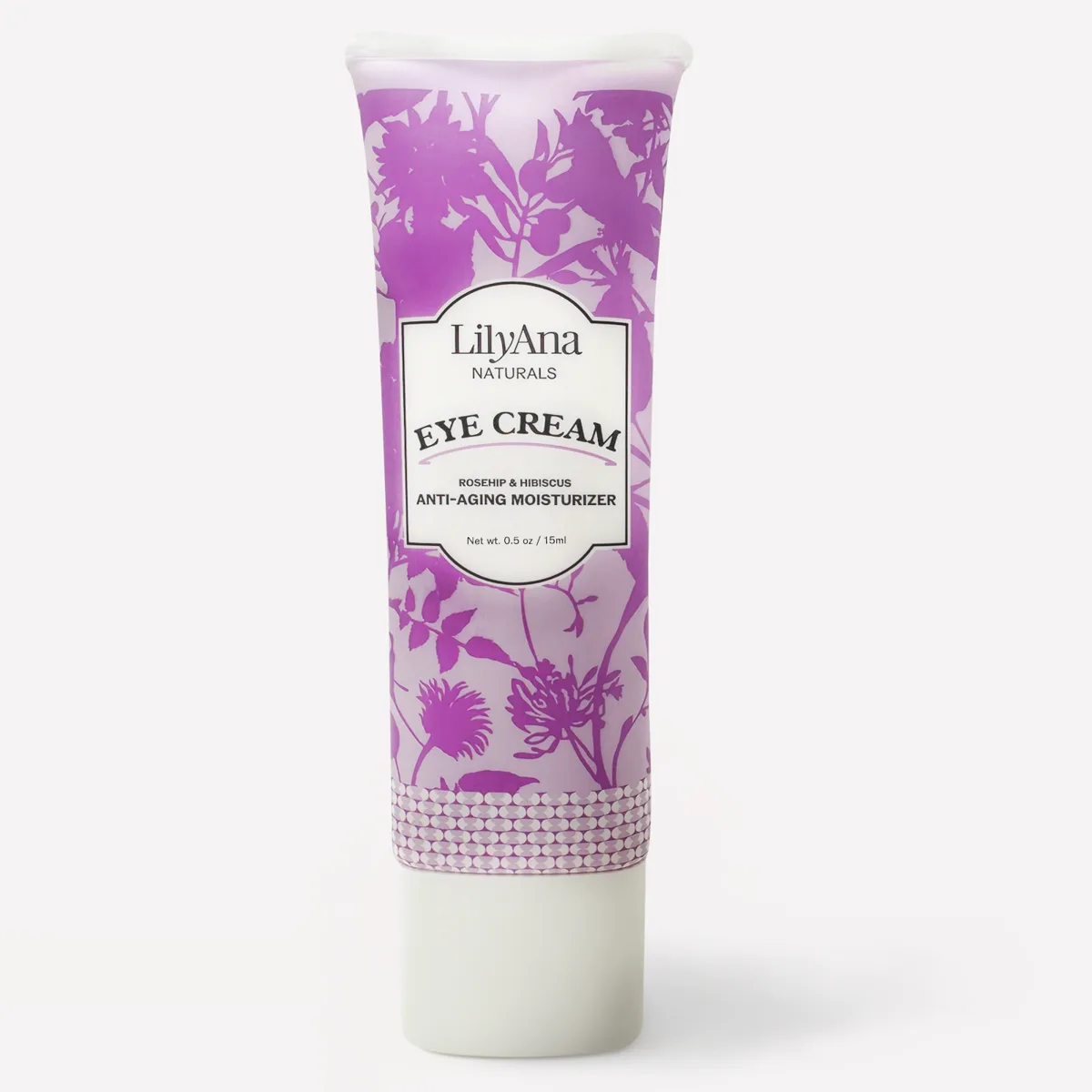 Gentle Trial-Size Eye Cream
 Little Lily Eye Cream
LilyAna's original botanical eye cream in a 0.5 oz travel-and-trial mini — a gentle, fragrance-free rosehip-and-hibiscus hydrator that's genuinely comfortable but lacks the caffeine, peptides, or retinol needed to actually address the puffiness and dark circles it advertises. As a soft, soothing eye moisturizer for sensitive skin it's fine, and the mini is a low-stakes way to trial or travel with it. Just know per ounce it costs more than the full jar, and if you want targeted results, the brand's caffeine or retinol eye creams are the smarter picks.
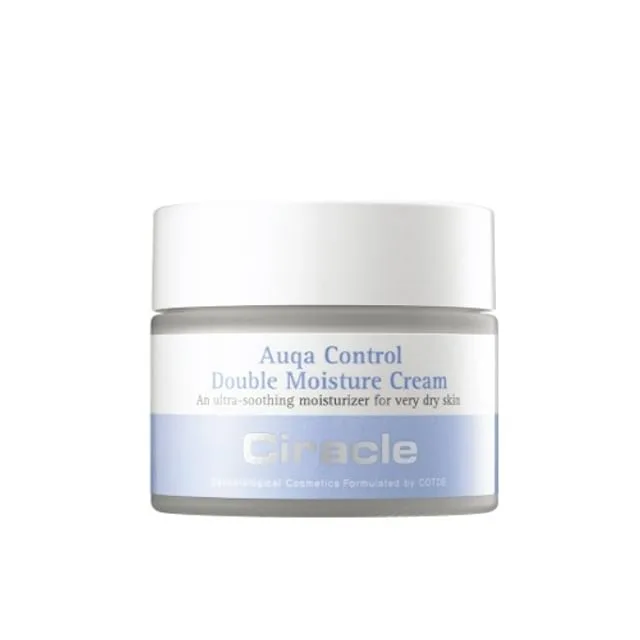 Budget Ceramide Cream
 Aqua Control Double Moisture Cream
There is a genuinely thoughtful lipid blend in this inexpensive jar, squalane, lecithin, rosehip, shea, ceramide NP and plant sterols, and for everyday dryness it softens skin nicely without feeling heavy. The catch is alcohol listed fourth plus fragrance, an odd pairing for a cream pitched at very dry skin, so compromised and sensitive barriers should approach it with care.
 The OG BB Cream
 M Perfect Cover BB Cream SPF 42
The BB cream that launched a thousand imitators — and still holds its own nearly two decades later. At under $15 for medium buildable coverage, SPF 42, and genuine skincare actives, the value proposition remains remarkable. The limited shade range and dated ingredient list (hello, parabens) show its age, but for the skin tones it does serve, this remains a gold-standard gateway product.
 Barrier Rescue Hero
 Great Barrier Relief
One of the most thoughtfully formulated barrier repair serums on the market. The tamanu oil, niacinamide, and ceramide combination addresses barrier damage from multiple angles, and the seven years of consistently glowing reviews confirm that the formula delivers on its promise. A genuine rescue product for over-exfoliated, over-retinol'd, or otherwise stressed skin.
 Budget Retinol Alternative
 Bakuchiol Oil for Oily Skin
A stripped-down, 3-ingredient face oil that delivers bakuchiol in the perfect carrier oil combination for oily skin. At $10, the value proposition is exceptional. The formula is simple to the point of elegance — no filler, no fragrance, nothing unnecessary. Anti-aging results will be modest at the low bakuchiol concentration, but as a gentle retinol alternative and skin-balancing oil, it punches well above its price.
 Gentle Retinoid Entry Point
 Night Shift Retinoid Night Oil
Night Shift stacks retinol, retinyl palmitate, and bakuchiol in a stable squalane-based oil, spreading retinoid activity across multiple pathways so you get meaningful results without the red, flaky adjustment period. For dry, normal, or mature skin that's been scared off retinoids by one bad serum, this is an unusually thoughtful re-entry point.
 Cult Rosehip Oil Pick
 Certified Organic Rosehip Oil
Twenty-three years on shelf and still the rosehip oil against which every other rosehip oil is measured — certified organic, properly cold-pressed to preserve the trans-retinoic acid content, and priced where it should be. The earthy natural scent and slower-than-retinoid results timeline are honest trade-offs for an uncompromised single-ingredient oil. For anyone treating scars, photoaging, or stretch marks, this is the category-defining product.
 Reef-Safe Mineral CC Cream
 1000 Roses CC Color + Correct Sheer Tint SPF 30
A pleasant surprise from a brand better known for marketing than substance: a genuinely high 20% zinc oxide CC cream that delivers real broad-spectrum SPF 30, tinted with iron oxides so the heavy mineral load actually wears as a sheer, tone-evening base. Reef-conscious, hydrating and gentle, it is excellent value. The limits are a two-shade range and a natural rose scent, but the sunscreen chemistry here is legitimate.
 Light Gourmand Body Oil
 Enrich Body Oil - Collagen
The lighter and cheaper of Olay's two new body oils, this is a well-built ester-and-sunflower blend that absorbs fast and smells like a vanilla-plum evening perfume. The argan, rosehip and collagen peptide on the front label are back-of-list garnish, and the coconut and olive oils rule it out for breakout-prone torsos, but for dry, normal arms and legs it is an easy, pleasant glow oil.
 Balmy Herbal Eye Cream
 Ceramide Herbal Eye Cream
A balmy mineral oil, rosehip, safflower and petrolatum eye cream with silicones for slip that softens dry, crepey under-eyes overnight and costs twenty dollars, sold on ceramides that are a trace of glycolipids and a herbal name that is a trace of eyebright. The rosehip is a thoughtful touch and the comfort is real; a fragrance and a formaldehyde releaser in an eyelid product are the wrong decisions, and they cost it the sensitive skin it would otherwise suit.
 Budget Retinol Powerhouse
 1% Retinol Night Oil
A potent 1% pure retinol in a clean, six-ingredient oil base of plum, rosehip, and jojoba — serious strength at a near-absurd twelve-dollar price. The nourishing oils cushion the retinol, but make no mistake: 1% is a high dose best left to experienced users. For seasoned retinol fans with dry-to-normal skin, it's a standout value; for beginners, it's a recipe for irritation.
 Cocoa-Butter Night Cream with a C Badge
 Vitamin C Deep Hydration Night Cream
A sixteen-dollar cocoa-butter night cream that hydrates dry winter skin properly and carries a stable vitamin C derivative high enough on the list to matter slowly. Rich, unscented and vegan, it is a good-value bedtime cream for dry and normal skin and a shine-and-congestion machine for anyone oily; treat the 'vitamin C' as a bonus, not the reason to buy.
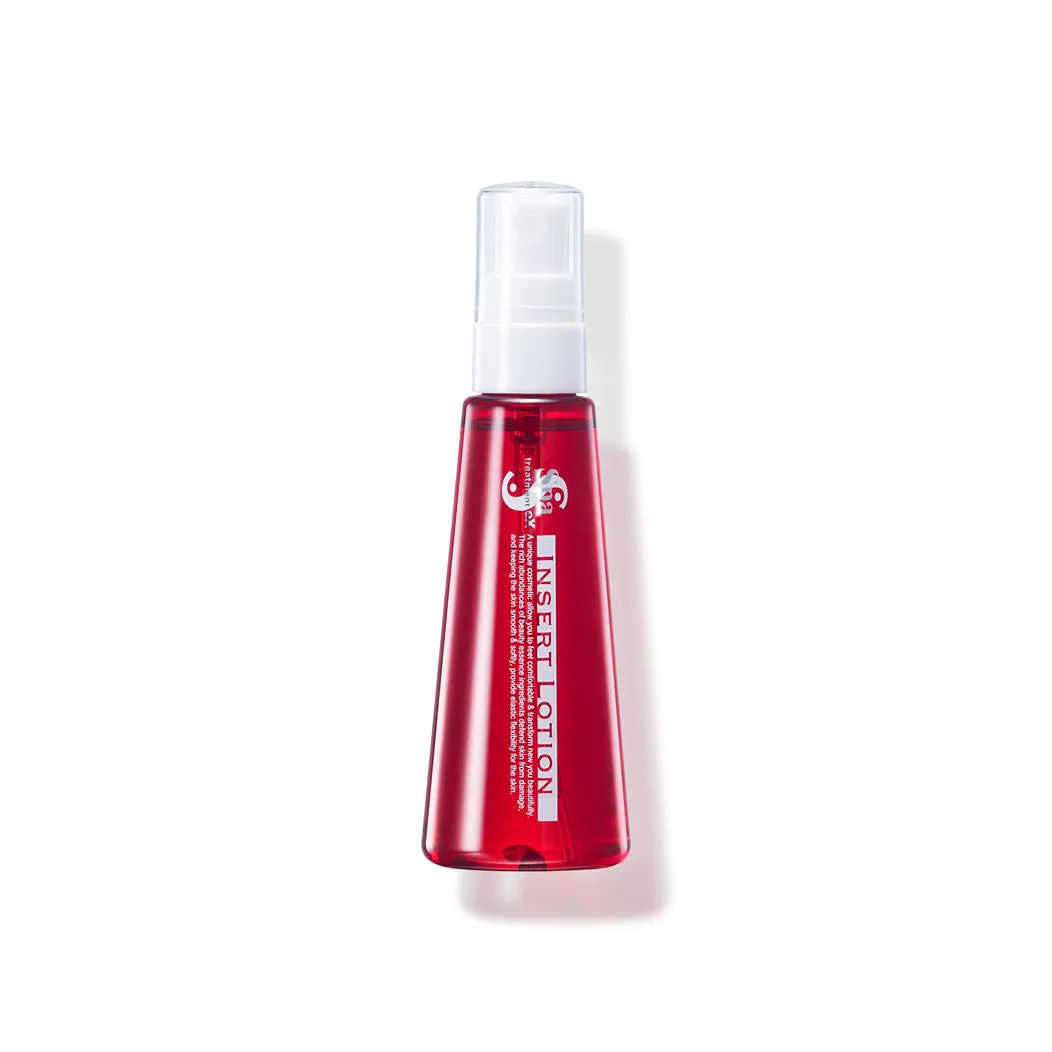 Jelly-to-Mist Companion Lotion
 eX Insert Lotion
A clever, gentle lotion whose jelly-to-mist texture is genuinely fun and whose formula, with two stable vitamin C derivatives, dipotassium glycyrrhizate and three hyaluronic acids, is solid. It was designed as the partner to the brand's spicule treatment, but it works well alone. The price is high for a 50ml toner, and a verified US price is hard to find.
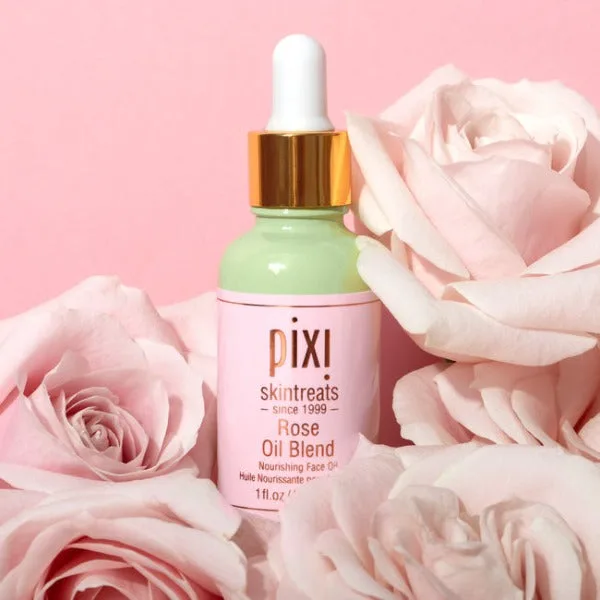 Botanical Beauty Basic
 Rose Oil Blend
A pleasantly minimalist botanical oil blend with quality rosehip and jojoba oils at an accessible price. The formula is simple and effective for dry, normal skin seeking extra nourishment, but the essential oils make it a no-go for sensitive or reactive skin types.
 Beginner-Friendly Retinol
 Press Restart Gentle Retinol Serum
A thoughtfully engineered entry point into retinol that pairs the real thing with bakuchiol and a cushion of soothing botanical oils. It will not match a prescription retinoid for potency, but for the retinol-curious and the irritation-averse, it delivers genuine results with remarkable gentleness.
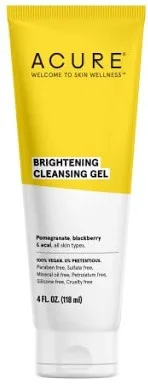 Drugstore Clean-Beauty Staple
 Brightening Cleansing Gel
A capable budget gel cleanser from one of the OG natural beauty brands. The plant-based surfactants clean without stripping, the price is hard to argue with, and the brightening story is more vibe than science. If you're not sensitive to fragrance, it's a fine everyday wash.
 Vitamin-Packed Lip Gloss
 Vita Glow Lip Oil
A quiet, fragrance-free lip treatment oil that takes the K-beauty lip-oil category more seriously than most. Stable vitamin C, rosehip oil, and a six-oil emollient blend deliver real skincare value under a glossy finish. Best for dry-lipped users who want substance instead of a fruity scent.
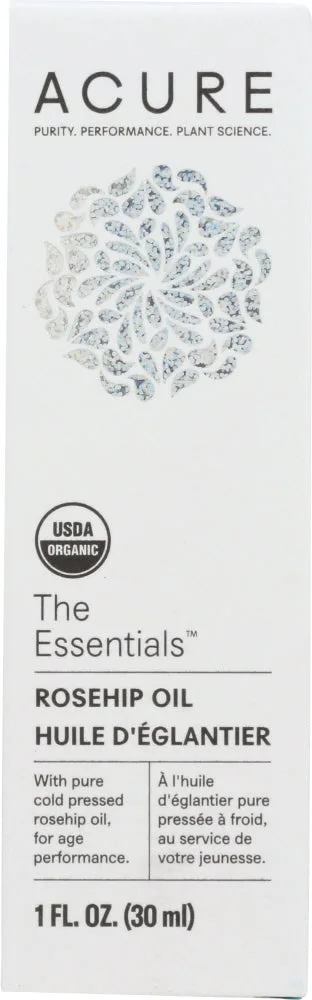 Budget Cold-Pressed Rosehip
 The Essentials Rosehip Oil
Acure's cold-pressed rosehip oil is the budget clean-beauty version of an ingredient that has earned its long reputation in dermatology. A single-ingredient amber-glass bottle of unrefined Rosa canina seed oil for under $20 — earthy in scent, real in bioactivity, and a reasonable starting point for anyone curious about adding a facial oil to a routine.
 Clean Single-Ingredient Oil
 Certified Organic Rosehip Oil
About as honest as skincare gets: a certified-organic, cold-pressed rosehip seed oil with a whisper of rosemary to keep it fresh, and nothing else. It nourishes dry skin, gently supports tone and the look of scars over time, and costs little — a clean, versatile single-ingredient oil that does exactly what rosehip oil does, no more and no less. Just keep your expectations oil-shaped and use it before it oxidizes.
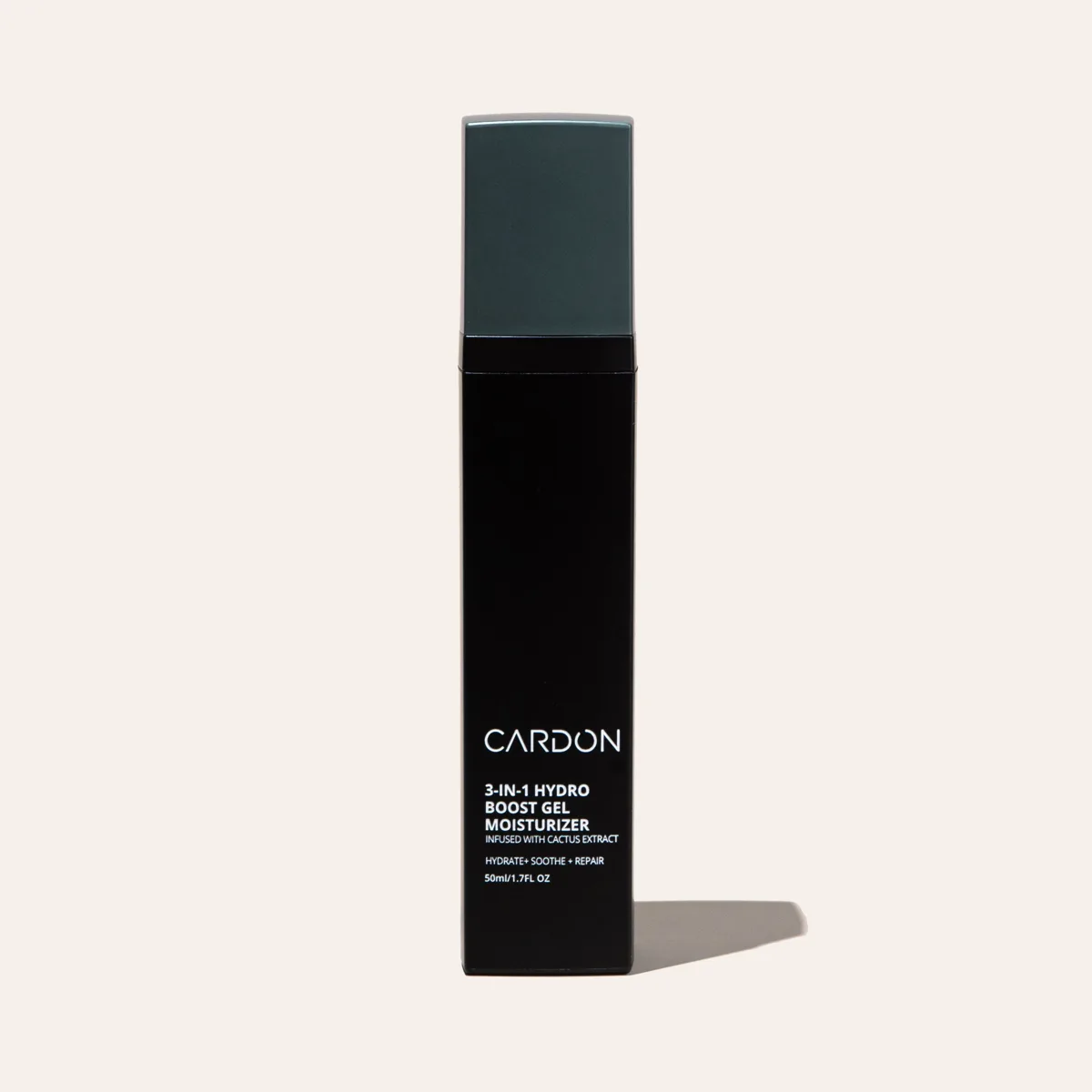 Oily-Skin Hydration MVP
 Hydro Boost Gel Moisturizer
Cardon's Hydro Boost is a genuinely smart gel moisturizer for oily and combination skin: a weightless, fragrance-free water-gel that backs its hydration with real actives in niacinamide and adenosine, plus the brand's signature cactus. It's gentle enough for sensitive skin and clean under SPF — just too light to fully satisfy very dry skin on its own.
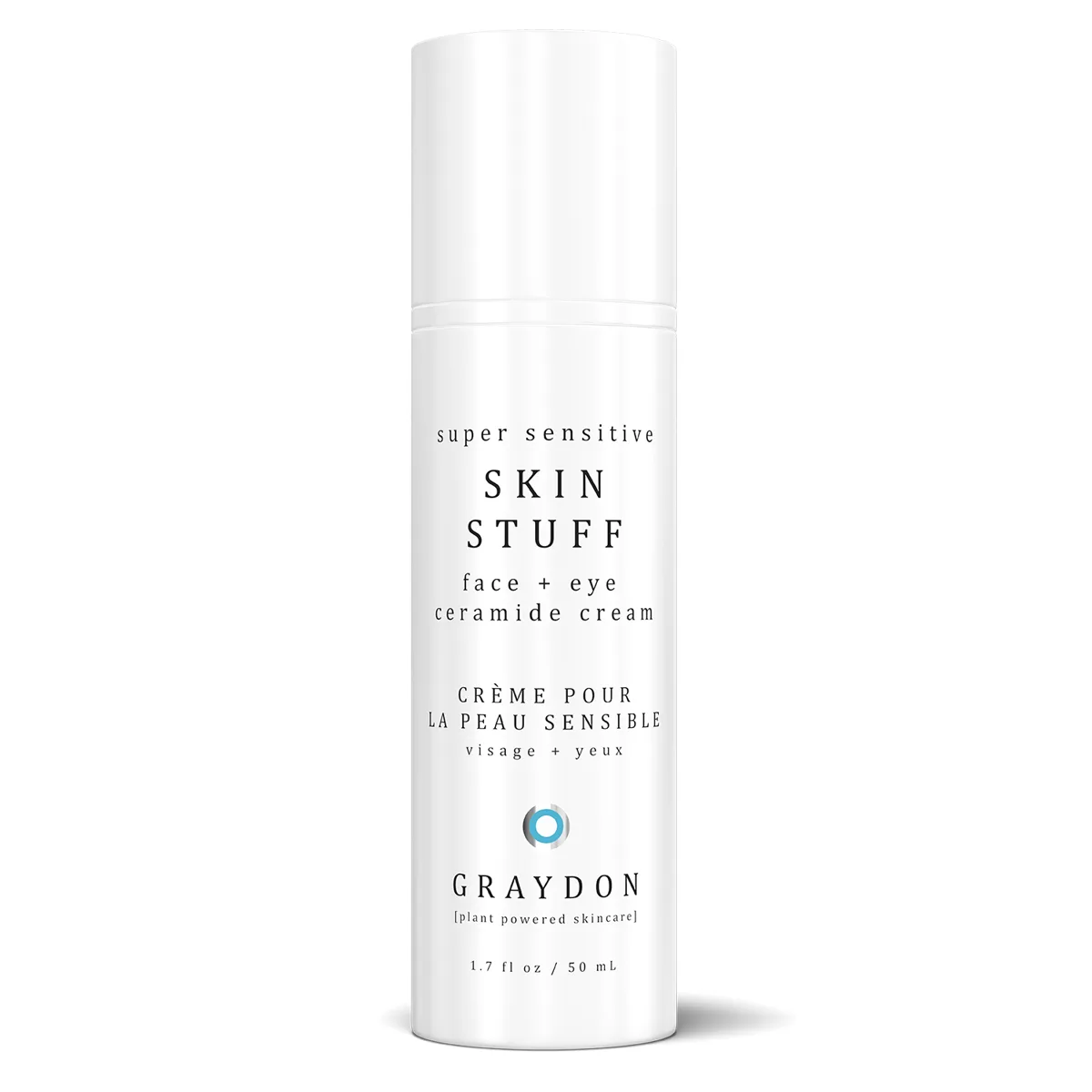 Sensitive-Skin Barrier Cream
 Super Sensitive Skin Stuff
Super Sensitive Skin Stuff is the Graydon product I'd hand to reactive skin without hesitation: a genuinely fragrance-free, essential-oil-free, lightweight ceramide-and-omega-oil cream that calms and reinforces a compromised barrier and doubles as an eye cream. In a brand built on aromatic botanicals, it's the deliberate gentle outlier — and arguably its most broadly useful moisturizer.
 Organic Antioxidant Face Oil
 Rejuvenating + Hydrating Serum
A genuinely quality botanical face oil that nourishes dry skin and lends a dewy glow, built on antioxidant-rich rosehip, pomegranate and sea buckthorn oils and a cabinet of cold-pressed seed oils, wrapped in a luxurious aromatherapy blend. For dry, tolerant skin it is lovely. The honest catch is a heavy essential-oil load — neroli, rose, frankincense, myrrh — that makes it a real risk for sensitive skin.
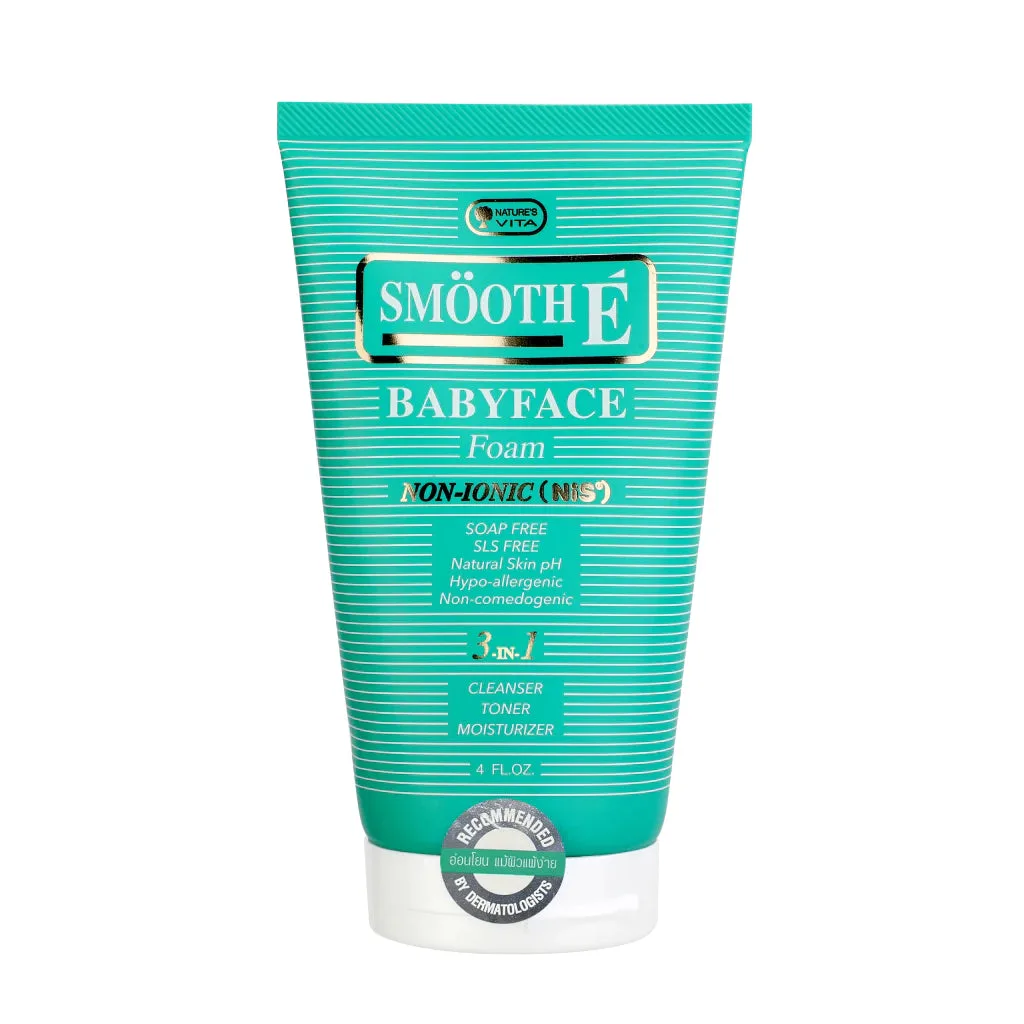 Sensitive-Skin Cult Classic
 Babyface Foam Non-Ionic
A cult Thai pharmacy cleanser that proves foam is overrated: this non-ionic, non-lathering wash cleans without a hint of stripping, soothed further by vitamin E, rosehip, and chamomile. It's a genuinely excellent gentle cleanser for sensitive, reactive, and acne-prone skin at a fair price -- just don't expect bubbles, and skip it if you're managing fungal acne.
 Refreshing Rose Gel
 Rose Water Gel Cream
A refreshing, alcohol-free gel cream built on 68.7% Damask rose water — a genuinely lovely lightweight hydrator for oily and combination skin that cools on contact and absorbs to nothing. The rose-water hero is more pleasant than potent and there's a soft fragrance to note, but for warm-weather, weightless hydration from a trusted line, it's an easy, affordable pick.
 Smooth-Skin Ritual
 Squalane + Enzyme Sugar Body Scrub
A genuinely conditioning body scrub that pairs dissolving sugar crystals with a pomegranate enzyme and cushions the whole thing in squalane and rosehip oil, so skin rinses off soft instead of stripped. The botanical scent and fragrance allergens make it a poor fit for very sensitive skin, and at $30 it is a mid-premium treat — but for smoothing rough arms and legs gently, it delivers.
 Adult-Acne Night Oil
 Retinoid Acne Clearing Oil
An original answer to adult acne: the full 2 percent salicylic acid dose carried in a cushioning oil so it clears without stripping, with a serious brightener for the marks and a retinyl ester gentle enough to sit beside the acid nightly. It works, and hundreds of reviews say so. The retinoid is the weakest form on the market, though, and eighty-nine dollars an ounce is a lot to pay for salicylic acid in nicer clothes.
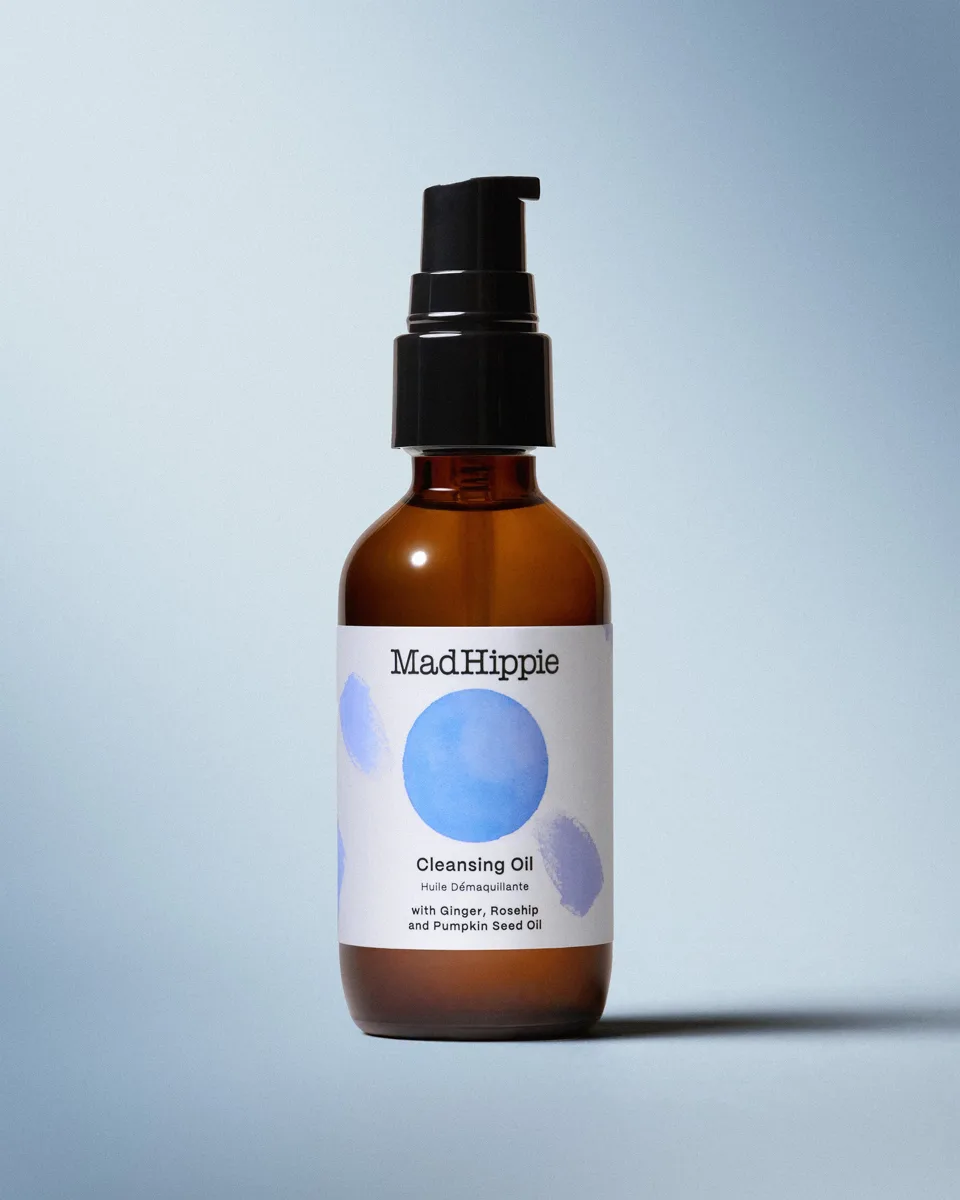 Old-School Cloth-Off Oil
 Cleansing Oil
Nine plant ingredients, no emulsifier, no rinse: a cleansing oil in the washcloth sense, built on high-linoleic safflower and squalane so it dissolves waterproof makeup without congesting. It works beautifully and asks for a cloth, a minute, and usually a second cleanser. Lightly scented with ginger and lime, small bottle, fair price — for makeup wearers with dry-to-combination skin who like the ritual.
 Men's Fluid With a Retinol Claim
 Revitalizing Global Anti-Aging Fluid
A genuinely well-textured men's moisturizer — squalane, avocado and shea in a dry-touch ether that disappears after a shave — wrapped in a claim it cannot keep: 'more effective than retinol', footnoted as an in-vitro test, for botanicals that sit below the preservatives. Good lotion, heavy woody fragrance, no SPF, fifty-eight dollars. Buy it for the feel and ignore the retinol line.
The full rosehip oil guide
Rosehip oil — squeezed from the seeds of wild rose bushes, primarily Rosa canina and Rosa rubiginosa — earned its cult status on one genuinely useful truth: its fatty acid profile is unusual enough to actually matter for skin.
The high proportion of linoleic acid — roughly 40–50% of total fatty acids depending on the source species — makes it one of the more skin-compatible plant oils available, particularly for acne-prone and barrier-compromised skin. The research is real, if narrower than the marketing suggests.
How it's regulated in the US
FDA does not classify ingredients — it classifies products, by what they are sold to do. The same molecule can be a drug active in one product and a cosmetic ingredient in the next, and only the claim on the label decides which. What follows is a statement about that legal standing, not about whether it works — the evidence question is answered separately above.
Cosmetic Rosehip Oil is a cosmetic ingredient in the US: no OTC monograph covers it and it is not an active in any FDA-approved drug, so a product built around it is a cosmetic rather than a drug.
Human evidence for rosehip oil exists but is modest in scale. A 2025 pilot study (27 participants, 5 weeks) published in MDPI Cosmetics reported visible wrinkle reduction and improved skin radiance measured via VISIA imaging, though it was unblinded and uncontrolled. A prospective trial in 108 post-surgical patients at University Hospital of Gran Canaria Dr. Negrín (Spain) reported less scar erythema, discoloration, and atrophy in the rosehip group versus untreated controls at 6 and 12 weeks. A 2015 randomized study in Clinical Interventions in Aging found that oral standardized rose hip powder improved crow's-feet wrinkles, skin moisture, and elasticity after 8 weeks — useful supporting context, though it tested an ingested powder, not topical oil. Most individual trials are small, and several are unblinded or industry-linked, which is why the overall picture reads as promising rather than settled. The popular claim that rosehip oil delivers meaningful retinoid activity via trans-retinoic acid is not supported: detectable levels sit in the trace range (around nanograms per gram), far below any functional threshold for receptor signaling. The better-evidenced mechanism is fatty acid–mediated: topical linoleic acid supports barrier function, and Letawe et al. (1998) documented roughly a 25% reduction in microcomedones at 2.5% concentration — though that work used free linoleic acid rather than the oil-bound triglycerides in rosehip oil, an important bioavailability caveat. Bottom line: genuinely useful, with real but limited human data, and hype that outruns the evidence on several specific claims.
How it works
Rosehip oil's primary action is structural rather than pharmacological. Skin that is acne-prone, compromised, or showing early aging signs often carries a relative deficit of linoleic acid in its surface lipids, shifting the sebum profile toward oleic acid and making both the barrier more permeable and the follicular environment more comedone-friendly. With around 40–50% linoleic acid and a meaningful share of alpha-linolenic acid (roughly 10–15%), topical rosehip oil appears to help partially correct that imbalance, supporting barrier cohesion and trimming transepidermal water loss over time. Skin enzymes can cleave fatty acids from their glycerol backbone to release free linoleic acid, the biologically active form — though this conversion is slower and less predictable than delivering free linoleic acid directly. The carotenoid fraction, including beta-carotene and lycopene, contributes antioxidant activity, quenching reactive oxygen species generated by UV exposure and helping shield cellular lipids from oxidative damage. Tocopherols (vitamin E) work alongside the carotenoids, helping regenerate oxidized antioxidants and extend the oil's protective capacity. Together these likely underpin the anti-redness and early anti-aging signals seen in the available clinical observations. One widely repeated claim — that rosehip oil works as a natural retinoid through trans-retinoic acid — does not hold up. Detectable amounts sit in the nanogram-per-gram range, while the threshold for retinoid activity is orders of magnitude higher. The skin benefits are real, but they arrive through lipid replenishment and antioxidant protection, not retinoid receptor signaling.
Key benefits
- High linoleic acid content supports skin barrier repair and helps reduce transepidermal water loss
- Carotenoid and vitamin E fraction provides antioxidant protection against UV-induced oxidative stress
- Generally well-tolerated across skin types including sensitive and acne-prone; low comedogenic rating (around 1–2)
- Trial data suggest improvement in post-surgical scar erythema, discoloration, and atrophy versus no treatment
- Lighter feel than oleic-acid-dominant oils; absorbs without heavy residue on most skin
- Small-scale clinical observation points to improved radiance and reduced wrinkle depth
Concentration & usage
Three label names cover it — Rosa Canina Fruit Oil, Rosa Canina Seed Oil, or Rosa Rubiginosa Seed Oil — all rosehip oil from slightly different species with similar fatty acid profiles. Rosa canina tends toward roughly 44% linoleic, 34% alpha-linolenic, and 14% oleic acid; Rosa rubiginosa seed oil runs closer to 51% linoleic. Products marketed as "cold-pressed and unrefined" retain more carotenoids and tocopherols but have a much shorter shelf life — often only 3–6 months once opened. Because polyunsaturated fatty acids oxidize quickly, favor opaque or dark glass packaging and check whether an antioxidant stabilizer (vitamin E, rosemary extract) is included; these meaningfully extend usable life. No minimum effective concentration has been established in human trials — the scar and anti-aging studies applied the oil neat or as the dominant component, not as a trace ingredient buried in a long INCI list.
Who it's for & who should be cautious
Who it's for
Rosehip oil suits people with dry, combination, or acne-prone skin who want an oil-phase barrier ingredient that isn't loaded with pore-clogging oleic acid. It's also a reasonable choice for anyone working on post-inflammatory marks, surgical scars, or early signs of photoaging, where the barrier-support and antioxidant angles can pull in the same direction. Sensitive skin types generally tolerate it well, especially cold-pressed formulas without added fragrance.
Who should be cautious
A rose-family (Rosaceae) allergy is the clearest reason to patch-test this carefully before applying it to larger areas. People with very oily or fungal-acne-prone skin should know that, despite the low comedogenic rating, a small subset of users still reports breakouts — the triglyceride structure means fatty-acid delivery into follicles isn't fully predictable. Oxidation is a genuine concern: if the oil smells sour, fishy, or metallic, it has gone rancid, and applying it introduces pro-inflammatory peroxides rather than any antioxidant benefit.
Pairs with & conflicts
Pairs well with: Vitamin C (L-Ascorbic Acid), Vitamin E (Tocopherol), Niacinamide (Vitamin B3), Ceramides, Peptides, Retinol, Hyaluronic Acid, Ferulic Acid, Squalane
Use with care alongside: Benzoyl Peroxide
Myths & facts
Myth: Rosehip oil is essentially a natural retinol — it delivers vitamin A activity to the skin.
Reality: Trans-retinoic acid shows up in rosehip oil only in trace amounts (roughly nanograms per gram), far below the level needed to activate retinoid receptors. The anti-aging benefits that do appear come from fatty-acid barrier support and antioxidant carotenoids, not retinoid signaling. Treating rosehip oil as a stand-in for a retinoid leaves your skin without the collagen stimulation and cell-turnover effects that prescription or cosmetic retinoids actually provide.
Myth: Cold-pressed, unrefined rosehip oil is always superior to refined versions.
Reality: Cold-pressed oil retains more carotenoids and tocopherols, but it also oxidizes much faster — sometimes within a few months of opening without careful storage. Rancid oil delivers pro-inflammatory lipid peroxides instead of antioxidants. A stabilized formula with added vitamin E or rosemary extract that stays fresh for a year can outperform a cold-pressed oil used past its prime. The condition of the oil you're applying matters more than the extraction label.
Myth: Rosehip oil clogs pores and should be avoided by anyone with acne.
Reality: Rosehip oil typically rates low on the comedogenic scale (around 1–2), and its high linoleic acid content is linked to reduced microcomedone formation — the opposite of pore-clogging behavior. Small-scale data suggest it may help normalize the sebum lipid profile in acne-prone skin. A minority of users do break out, likely from individual differences in follicular enzyme activity or an oxidized batch, but blanket avoidance isn't supported by the chemistry.
Frequently asked questions
Is it fine to use rosehip oil every single night?
Nightly use is well-tolerated by most people, and the clinical studies on scar and anti-aging benefits used once- or twice-daily application. If facial oils are new to you, starting with a few drops at night gives your skin room to adjust. Those with very oily skin often find every-other-night use is enough to keep the barrier supported without feeling heavy.
Will rosehip oil actually fade my dark spots and hyperpigmentation?
The evidence here is thinner than the marketing implies. The MDPI Cosmetics pilot showed modest and inconsistent changes in UV-induced spots, with a few participants even seeing slight increases. The antioxidant carotenoids may help slow new photodamage, but rosehip oil doesn't suppress melanin the way vitamin C, niacinamide, or azelaic acid do. For active discoloration, pair it with a proven brightening active rather than leaning on the oil alone.
What does rancid rosehip oil look and smell like?
Fresh cold-pressed rosehip oil has a faintly sweet, slightly seedy or grassy scent. A sour, metallic, fishy, or distinctly 'off' odor means the polyunsaturated fatty acids have oxidized. Some color darkening from pale gold toward deeper amber is normal over time, but a sudden orange-brown or greenish shift alongside an off smell is the clearest warning. Refrigerating after opening and keeping the cap tightly closed stretches its usable life considerably.
Can rosehip oil go on top of retinol, or do they cancel out?
They don't cancel each other — rosehip oil works nicely as a buffering layer over retinol, where its emollient fatty acids help soften the dryness and irritation retinoids can trigger. Apply retinol first, let it absorb, then press in a few drops of rosehip oil or stir a drop into your moisturizer. The barrier-supporting fatty acids complement retinol's turnover effects rather than interfering with them.
Are 'rosehip oil' and 'rosehip seed oil' the same, and does the rose species matter?
The terms are used more or less interchangeably commercially, but small differences exist. Rosa rubiginosa seed oil (sometimes labeled Rosa mosqueta) runs slightly higher in linoleic acid (~51%) than Rosa canina seed oil (~44%). A 'fruit oil' may include material from the hips, not just the seeds, and can carry more carotenoids. For everyday skincare, these distinctions matter far less than freshness, extraction quality, and storage.
Is rosehip oil considered safe to use while pregnant?
Topical rosehip oil is generally regarded as pregnancy-friendly — its fatty-acid and carotenoid makeup doesn't carry the concerns attached to retinoids and certain other actives, and the trace retinoic acid present isn't pharmacologically meaningful. Fragrance-free formulas are the smarter pick given heightened skin sensitivity in pregnancy, and it's always reasonable to run a new product past your OB-GYN first.
- Natural & BotanicalThe Seed-Oil Panic Jumped From Your Diet to Your Face. The Chemistry Doesn't Follow.Topically, the molecule the argument tells you to avoid is one the stratum corneum is structurally built from — and in acne-prone skin the documented finding is a shortage of it.
- Natural & BotanicalRosehip Oil Is Not 'Nature's Retinol.' It's Something Better at Its Own Job.The trace vitamin A that fuels the retinol comparison doesn't survive the arithmetic — but that's not why rosehip oil earns a place on your shelf.