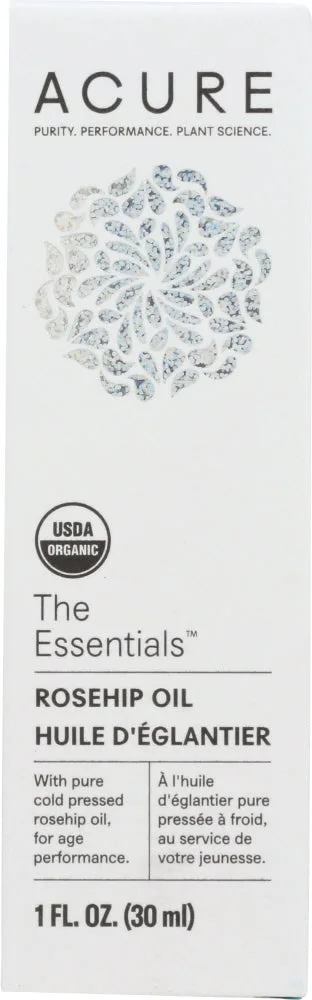
Most rosehip oils on the market are blends — rosehip mixed with carrier oils like jojoba or sunflower to extend shelf life and reduce cost. Aromatica's is 100% rosehip fruit oil, certified organic, with no fillers. The single-ingredient honesty matters for an oil where the bioactivity (natural retinoids, vitamin C, carotenoids) depends on the rosehip percentage. The trade-off is faster oxidation and shorter open-jar life — but the formula does what it says.
Aromatica's Organic Rose Hip Oil is one of the few rosehip products on the market that delivers what the category claims — 100% certified-organic cold-pressed Rosa canina fruit oil with no fillers, no carriers, no fragrance. The result is the genuine rosehip experience: distinct earthy scent, fast absorption, and visible improvement in scars, pigmentation, and tone over consistent use.
Supporting rolefor DrynessIn your profileYou chose · Nothing here targets dryness directly; occlusive emollience is the recognised companion to treating it, and this oil does that without known triggers.Not yet assessedGentleNo reviews collected yet
The case for it
Rosehip Fruit Oil has no evidence row yet for this concern — it is in the research queue.
The formula carries none of the triggers this concern is sensitive to.
What would change this: A researched evidence row for the lead active would replace this with a verdict.
Same rule for everyone. “Supporting role” is the verdict on 8,197 of 45,024 concern verdicts across the catalog; rule R8 decided 4,250 of them.
Unchanged since September 5, 2026, engine 5.1.1.
R8 — The category's job (barrier care, humectant hydration, gentle cleansing, photoprotection) is the documented supportive role for this concern. This is the honest verdict for a moisturizer on an acne page. · the full register
Also listed for Acne Scarring, Hyperpigmentation, Aging, Dullness and Acne — the actives here (Rosehip Oil) are in our research queue for those concerns; there is no verdict until their evidence rows are written. That is a gap in our table, not a mark against the product.
As a oilNot judged: what a oil is for — fatty-acid profile, seals moisture, resists going rancid — cannot yet be measured from the ingredient list (only pore and malassezia risk can).
A verdict is DermApproved’s assessment of how well a product’s ingredients fit a concern — never a claim about what the product treats. Evidence dots and collected reviews sit beside it and are never blended in.
Rules 0.5.1 · evidence table ev-2026.09-r228 · how we decide
Assessment
Pros & Cons
Pros
✓ 100% rosehip fruit oil — no carriers, no fillers, no fragrance
✓ USDA Organic certified and EWG Verified
✓ High linoleic acid content (around 51%) makes it well-tolerated by acne-prone skin
✓ Natural trans-retinoic acid and carotenoid content support cellular turnover
✓ Documented evidence for improving scars, post-inflammatory marks, and pigmentation
✓ Faster absorption than most facial oils due to the linoleic-dominant fatty acid profile
✓ Strong value at around twenty-eight dollars for 30ml of certified-organic single-source oil
✓ Amber glass dropper bottle protects the light-sensitive oil from oxidation
Cons
✗ Earthy, slightly nutty scent can be off-putting on first use
✗ Pure formula oxidizes faster than blended alternatives — 6 months from opening
✗ Glass dropper bottle is fragile in transit
✗ 30ml only — no larger size for committed nightly users
✗ Trace retinoid content is too low to substitute for dedicated retinol products
Review
Full Review
Walk through the rosehip oil section of any beauty retailer and read the ingredient lists. You'll find that most products labeled 'rosehip oil' are actually blends — rosehip mixed with jojoba or sunflower or a synthetic carrier oil to reduce cost, extend shelf life, and stabilize the formula. The percentage of actual rosehip in some popular 'rosehip oils' is under thirty percent. This is a category where the marketing has drifted significantly from the substance, and most consumers can't tell the difference because they're never told to look.
Aromatica's Organic Rose Hip Oil is the rare honest version. Its INCI consists of a single ingredient: Rosa canina fruit oil. No carrier, no preservative, no fragrance, no additive. Cold-pressed, USDA certified organic, single source. The certification stack goes further than most single-ingredient oils bother with — EWG Verified, vegan, and cruelty-free on top of the organic seal — which matters in a category where 'pure' is usually a marketing adjective rather than an audited claim. The price is around twenty-eight dollars for thirty milliliters, which is genuinely fair for a product of this purity and certification level.
The first thing you notice on use is the scent. Cold-pressed authentic rosehip oil has a distinctive earthy, slightly nutty smell that's very different from the floral or perfumed scents consumers tend to associate with rose-themed products. The first time you use the oil, the scent can be slightly surprising — it's the smell of actual fruit, not the smell of a rose perfume. It fades within a few minutes of application. The earthy scent is, somewhat counterintuitively, a sign of authenticity. Highly refined or solvent-extracted rosehip oils are scent-neutral because the processing strips out the volatile compounds along with much of the bioactivity.
The texture is the second pleasant surprise. Rosehip oil is unusually high in linoleic acid — about fifty-one percent of its fatty acid content, with another nineteen percent linolenic acid and twenty percent oleic acid. That fatty acid profile is the reverse of most facial oils, which are typically dominated by oleic acid. The high linoleic content gives this oil a drier, faster-absorbing feel than oleic-heavy oils like marula or argan, and it's part of why rosehip is well-tolerated by acne-prone skin — linoleic acid is the omega-6 that acne-prone skin tends to be deficient in. The oil disappears into the skin within thirty seconds, leaving a soft non-greasy glow rather than the slick, lingering film of richer oils. It also passes the fungal-acne safety screen, which very few facial oils can say.
The bioactive content is the part that matters for long-term results. Cold-pressed rosehip naturally contains trace amounts of trans-retinoic acid (the same molecule as prescription tretinoin), pro-vitamin A carotenoids, vitamin C, and a range of polyphenol antioxidants. The concentrations are much lower than dedicated retinol or vitamin C treatments, so this isn't a substitute for those products — but the natural retinoid content is real and contributes to rosehip's documented effects on hyperpigmentation, post-inflammatory marks, and superficial scarring. The clinical evidence for rosehip oil's effect on scars is one of the better-supported botanical claims in dermatology. Multiple small studies have shown improvement in surgical scar appearance, post-acne hyperpigmentation, and pregnancy stretch marks over treatment courses of six to twelve weeks. The mechanism is believed to involve the natural retinoids supporting cellular turnover combined with the linoleic acid supporting barrier function and the antioxidants reducing inflammation. This product is well-suited to deliver those benefits because of its purity — and because it's pregnancy-safe, it's one of the few scar-and-mark treatments available to the stretch-mark-prevention audience that has had to shelve its retinoids.
In a routine, this is an evening product. Two to four drops warmed between the fingertips and pressed — not rubbed — into skin as the final or near-final step, ideally over a hydrating serum or onto slightly damp skin to speed absorption. It coexists happily with niacinamide, peptides, ceramides, and bakuchiol; give strong AHAs and vitamin C their own nights. Skip it under morning sunscreen, where any facial oil can interfere with the SPF film. Used this way, the 30ml bottle lasts three to four months, conveniently pacing out just ahead of the oil's shelf life.
The honest catches are short. The pure formula oxidizes faster than blended alternatives — about six months from opening rather than the twelve to eighteen months you'd get from a stabilized blend. Store it in a cool dark place, keep the dropper cap tight, and discard if the scent turns rancid (which is unmistakable when it happens). The earthy scent on first use can be off-putting to users expecting a perfumed product. The amber glass bottle is fragile in transit, so handle the package carefully when it arrives. None of these are deal-breakers — they're the trade-offs of choosing an honest single-ingredient formula over a stabilized blend. The thousands of reviews the oil has accumulated across iHerb, YesStyle, and the brand's own site tell the same story from the user side: consistent reports of scar and mark improvement, repeated surprise at how quickly it sinks in, and the same two complaints about the smell and the breakable bottle that this review just made.
The performance over time is exactly what the rosehip oil category promises and rarely delivers. Skin looks immediately glowier and feels softer after the first application. Visible improvement in scar appearance and texture at four to six weeks of consistent nightly use. Cumulative pigmentation lightening from the natural carotenoids and trace retinoids at eight to twelve weeks. For users with post-inflammatory marks, mild hyperpigmentation, surgical or acne scars, or general dullness — this is one of the better single-ingredient treatment oils on the market and an obvious upgrade over the blended alternatives that dominate the category.
Formula
Key Ingredients
The hero actives that drive this product's performance.
The entire formula. Cold-pressed certified-organic rosehip fruit oil contains roughly 51% linoleic acid, 19% linolenic acid, and 20% oleic acid — an essential fatty acid profile that's unusually rich in linoleic acid, the omega-6 that acne-prone skin tends to be deficient in. The oil also naturally contains trace amounts of trans-retinoic acid (tretinoin) along with vitamin C and pro-vitamin A carotenoids, which together support cellular turnover and pigmentation regulation.
Apply 2-4 drops as the final or near-final step of your evening routine. Press into damp skin or layer over a hydrating serum to help with absorption. Avoid using under SPF in the morning — facial oils can interfere with sunscreen film formation.
Results Timeline
Immediate softening and improvement in skin glow on first use. Visible improvement in scar appearance and texture at 4-6 weeks of consistent use. Cumulative pigmentation lightening from the natural carotenoids and trace retinoids becomes visible at 8-12 weeks.
Rosehip oil from Rosa canina has one of the better evidence bases of any single-ingredient botanical oil in cosmetic dermatology. Its fatty acid composition is unusually rich in linoleic acid (approximately 51%), with linolenic acid (around 19%) and oleic acid (around 20%) making up most of the remainder. This linoleic-dominant profile is part of why rosehip is well-tolerated by acne-prone skin — research has documented that acne-prone sebum tends to be deficient in linoleic acid, and topical linoleic supplementation can help normalize the lipid profile. Cold-pressed rosehip naturally contains trace amounts of trans-retinoic acid (the same molecule as prescription tretinoin) and pro-vitamin A carotenoids including beta-carotene and lycopene. The concentrations are far lower than dedicated retinoid treatments, but they contribute to rosehip's documented effects on cellular turnover and pigmentation regulation. Multiple small clinical studies have shown improvement in surgical scar appearance, post-inflammatory hyperpigmentation, and pregnancy stretch marks following 6-12 weeks of consistent topical rosehip application. The vitamin C content adds antioxidant supporting activity, and the polyphenol fraction contributes additional anti-inflammatory effects. The cold-pressing process preserves these bioactives, while solvent extraction degrades them — which is why processing method matters as much as source for rosehip oil performance.
Dermatologist Perspective
Dermatologists generally view rosehip oil favorably as a supporting treatment for post-inflammatory marks, superficial scars, and mild hyperpigmentation. Clinical dermatologists frequently point out that rosehip's natural fatty acid profile makes it one of the few facial oils appropriate for acne-prone skin — most other oils are oleic-dominant and can worsen acne. The trace retinoid content is acknowledged but not considered a substitute for dedicated retinol or tretinoin treatment. Dermatologists recommending rosehip oil typically frame it as a complementary treatment alongside retinoids and sunscreen, particularly for patients dealing with post-acne scarring or pregnancy stretch mark prevention. The single-ingredient certified-organic format of this Aromatica product is consistent with the recommendation to choose pure cold-pressed rosehip over blended or stabilized versions when bioactivity matters.
Guidance
Usage & Recommendations
How to Use
Apply two to four drops as the final or near-final step of your evening skincare routine. Warm the drops between fingertips and press into face and neck rather than rubbing — pressing helps the oil absorb without disturbing underlying products. For best absorption, apply on slightly damp skin or layer over a hydrating serum. Avoid combining in the same routine with strong actives like high-percentage AHAs or vitamin C — alternate them on different nights. Skip morning use under sunscreen, since facial oils can interfere with SPF film formation. Store in a cool dark place and discard within six months of opening or sooner if the scent turns rancid.
Value Assessment
At around twenty-eight dollars for thirty milliliters of 100% certified-organic single-source rosehip oil, this is one of the better values in the facial oil category. Comparable certified-organic rosehip oils from Western brands typically cost forty to sixty dollars for the same volume, while the cheaper alternatives are usually blended formulations with lower actual rosehip concentrations. The 30ml size lasts approximately three to four months at nightly use of two to four drops, which works out to roughly seven to nine dollars per month. The trade-off versus blended alternatives is shorter open-jar life — about six months versus twelve to eighteen — but the bioactive payoff of the pure formula is meaningful. Strong value for users who specifically want authentic rosehip rather than a rosehip-themed blend.
Who Should Buy
Anyone seeking a genuinely pure single-ingredient rosehip oil — particularly users dealing with post-inflammatory marks, acne scarring, mild hyperpigmentation, surgical scar recovery, or pregnancy stretch mark prevention. Strong choice for acne-prone skin looking for a facial oil that won't worsen breakouts. Buyers who value organic certification and ingredient transparency over stabilized convenience.
Who Should Skip
Users who specifically dislike earthy or nutty scents and want a perfumed facial oil. Anyone unwilling to use up the bottle within six months of opening. Users looking for a facial oil with broader botanical actives — this is rosehip and only rosehip. Anyone expecting it to substitute for dedicated retinol or vitamin C treatments.
Lightweight golden-orange oil with fast absorption — drier feel than most facial oils
Scent
Distinct earthy, slightly nutty rosehip scent that fades within minutes
Packaging
Amber glass bottle with dropper — protects the light- and oxygen-sensitive oil
Finish
dewynaturalnon-greasyfast-absorbing
What to Expect on First Use
On first use the oil's earthy, slightly nutty scent is noticeable and may surprise users expecting something floral or perfumed. The scent fades within minutes of application. The oil itself absorbs faster than most facial oils — its high linoleic acid content gives it a drier feel than oleic-heavy oils like marula or argan. Skin looks immediately glowier and feels softer. There is no purging or adjustment period; this is a gentle treatment oil tolerable from day one.
How Long It Lasts
Approximately 3-4 months with nightly application using 2-4 drops on face and neck
Aromatica launched its Organic Rosehip Oil in the early 2010s as one of the brand's foundational single-ingredient facial oils. The decision to release a 100% rosehip product (rather than the cheaper blended approach most brands take) was a brand-identity statement about ingredient transparency. The oil has been continuously sold without reformulation for over a decade and remains one of Aromatica's bestsellers.
About Aromatica Established Brand (5–20 years)
Aromatica was founded in South Korea in 2003 and built early brand recognition through its single-ingredient organic facial oils. The Organic Rosehip Oil has been part of the brand's range for over a decade and is one of the few certified-organic, single-source rosehip oils on the K-beauty market.
Brand founded: 2003 · Product launched: 2014
Myth vs. Reality
Common Myths
Myth
All rosehip oils are essentially the same.
Reality
There's a meaningful difference between cold-pressed single-source rosehip and blended or solvent-extracted versions. Cold pressing preserves the natural retinoids and vitamin C that give rosehip its skincare credentials; solvent extraction degrades them.
Myth
Rosehip oil contains enough retinol to act like a retinol treatment.
Reality
Rosehip contains trace amounts of trans-retinoic acid and pro-vitamin A carotenoids, but the concentration is far too low to substitute for a dedicated retinol or tretinoin product. It's a supportive ingredient, not a primary anti-aging active.
FAQ
Frequently Asked Questions
Is Aromatica Organic Rose Hip Oil 100% rosehip?
Yes. The INCI consists of a single ingredient — Rosa canina fruit oil — with no carrier oils, preservatives, or additives. This is one of the few rosehip oils on the K-beauty market that delivers genuinely undiluted product.
Will rosehip oil clog pores?
Generally no. Rosehip oil is unusually high in linoleic acid (around 51%), which is the omega-6 that acne-prone skin tends to be deficient in. It has a low comedogenicity rating and is well-tolerated by most skin types, including oily and acne-prone.
Can rosehip oil help with acne scars?
Yes — rosehip oil has documented evidence for improving the appearance of post-inflammatory marks and superficial scarring through its trans-retinoic acid content and essential fatty acid profile. Visible improvement typically takes 4-8 weeks of consistent use.
Why does this oil have such a strong earthy scent?
The scent is from the natural rosehip fruit oil itself. Cold-pressed organic rosehip has a distinctive earthy, slightly nutty smell that's very different from the perfumed rosehip products most consumers expect. The scent fades within minutes of application and is a sign of authenticity, not a defect.
How long does the oil last after opening?
About six months. Pure rosehip oil oxidizes faster than synthetic alternatives because of its high polyunsaturated fatty acid content. Store in a cool dark place, keep the cap tightly closed, and discard if the scent turns rancid or the color darkens significantly.
Can I use this oil under sunscreen?
Better to apply it at night. Facial oils can interfere with sunscreen film formation in the morning, reducing the SPF performance. The oil's linoleic acid content also works better at night when skin is in repair mode.
Is rosehip oil safe during pregnancy?
Yes. The trace retinoid content is far too low to be a pregnancy concern, and rosehip oil is widely recommended for pregnancy stretch mark prevention and post-partum skin recovery. Confirm with your prescribing doctor if uncertain.
Reviews
What Reviewers Tend to Say
Recurring themes our editors read across retailer reviews of this product — summaries in our words, not quotations, and not a substitute for your own patch test.
Common Praise
Visible scar and stretch mark improvement over time
Lightweight oil that absorbs faster than expected
Natural earthy scent that fades quickly
Genuine certified-organic single-ingredient formula
Common Complaints
Strong earthy scent that some users find off-putting on first use
Glass dropper bottle is fragile in transit
Oxidizes faster than synthetic oils — needs to be used within 6 months of opening
The squeeze feels productive. Under the skin, it's rupturing the follicle wall and driving inflammation deeper — which is exactly how a three-day blemish becomes a three-month mark.
The standard product post opens with a percentage rather than a lifestyle photo, and the regulator makes brands publish their evidence. Both of those are ahead of the West. The metric they created is the problem.
The tradition produced a Nobel Prize, so blanket dismissal is not available. Neither is blanket acceptance — and the best human trial on ginseng and wrinkles tested a pill, not a cream.
Aug 28, 2026· 10 min
Questions people ask about Acne Scarring
Verified answers from our questions library — the nuance a product page cannot carry.
Products, answers, therapy guides, tools and articles in one search. Brand names,
slang and abbreviations all work — accutane finds isotretinoin, bacne finds truncal acne.