

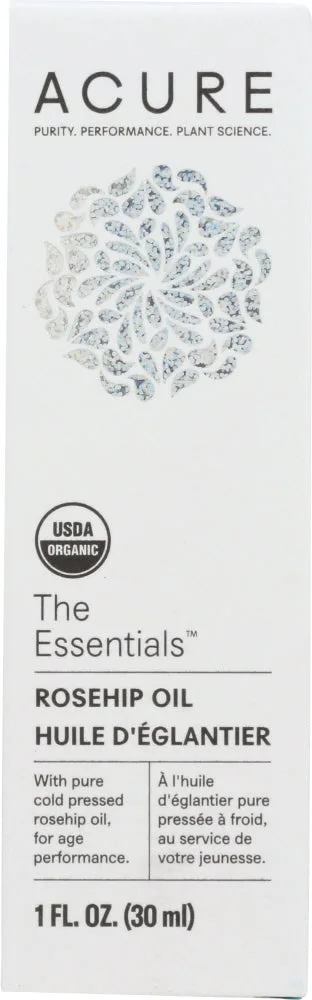


Rosehip Oil Is Not 'Nature's Retinol.' It's Something Better at Its Own Job.
The trace vitamin A that fuels the retinol comparison doesn't survive the arithmetic — but that's not why rosehip oil earns a place on your shelf.

Single-ingredient purity — 100% organic cold-pressed rosehip seed oil with nothing added. While most face oils blend multiple oils and add vitamin E or fragrance, this delivers the full, unaltered fatty acid and vitamin profile of Rosa canina seeds. The cold-pressing method preserves heat-sensitive compounds like trans-retinoic acid that conventional extraction destroys.
A no-frills, single-ingredient face oil that delivers the full nutrient profile of cold-pressed rosehip seeds at a price that makes luxury oils look absurd. Best suited for dry and normal skin types seeking a nourishing PM oil; acne-prone skin should approach with caution.
The case for it
What would change this: A researched evidence row for the lead active would replace this with a verdict.
Same rule for everyone. “Supporting role” is the verdict on 8,197 of 45,024 concern verdicts across the catalog; rule R8 decided 4,250 of them. Unchanged since September 5, 2026, engine 5.1.1.
Brand or formulator? Disclose a concentration or correct a fact →
Also listed for Dullness, Aging, Acne Scarring and Hyperpigmentation — the actives here (Rosehip Oil) are in our research queue for those concerns; there is no verdict until their evidence rows are written. That is a gap in our table, not a mark against the product.
As a oilNot judged: what a oil is for — fatty-acid profile, seals moisture, resists going rancid — cannot yet be measured from the ingredient list (only pore and malassezia risk can).
A verdict is DermApproved’s assessment of how well a product’s ingredients fit a concern — never a claim about what the product treats. Evidence dots and collected reviews sit beside it and are never blended in. Rules 0.5.1 · evidence table ev-2026.09-r228 · how we decide
Rosehip oil occupies a curious place in skincare history. It has been used for centuries in Chilean and Andean folk medicine for wound healing and skin repair, long before the beauty industry discovered it, repackaged it, and charged a premium for it. By the time The Ordinary launched in 2016 with this product among its original lineup, rosehip oil had already enjoyed a revival driven by celebrity endorsements and the clean beauty movement. What The Ordinary did was remove the mystique — and the markup.
The product itself is almost comically simple. The ingredient list is one item long: Rosa Canina Seed Oil. That is it. No preservatives, no emulsifiers, no added vitamins, no fragrance. Just cold-pressed, organic rosehip seeds in a brown glass bottle. The cold-pressing matters because heat extraction destroys the oil's most interesting compounds — the trace amounts of trans-retinoic acid, the carotenoids that give it its amber color, and the delicate balance of linoleic and linolenic acids that distinguish rosehip from the dozens of other face oils on the market.
The texture surprises people who expect all face oils to feel heavy. This is a thin, runny oil that spreads easily and absorbs within about ten minutes — light-years from the thick, occlusive feel of something like argan or marula oil. Two to three drops is enough for a full face. It leaves a visible sheen, yes, but not the greasy film that makes some oils feel like you fell asleep on a pizza box.
Then there is the scent. There is no polite way to put this: it smells like walnuts. Strongly. The nutty aroma is a direct consequence of the cold-pressing and the high omega fatty acid content — it is literally the smell of those beneficial compounds — and it fades within a few minutes of application. But if you are sensitive to scents, the first encounter can be startling. It is not unpleasant, exactly, but it is assertive in a way that odorless face oils are not.
The research on rosehip oil for skin is genuinely encouraging, if not quite definitive. Clinical studies have demonstrated meaningful improvements in scar healing — one trial showed treatment groups healing in roughly half the time of control groups. The oil's linoleic acid content is particularly relevant for barrier repair and hydration, while the trace retinoids and vitamin C precursors contribute to gentle cell turnover and brightening over time. A 2015 study published in Clinical Interventions in Aging found that rosehip powder (containing the same active compounds) improved wrinkle depth and skin moisture in a randomized controlled trial.
What this oil does well, it does quietly. Users who stick with it for two to three months consistently report improvements in skin texture, reduced dullness, and gradual fading of post-inflammatory hyperpigmentation. The key word is gradual. It's not a dramatic overnight transformer. It is a slow-working nourisher that deposits vitamins and fatty acids into your skin night after night until the cumulative effect becomes visible.
The limitations are real and worth stating plainly. This oil is not universally suitable. Oily and acne-prone skin types have a meaningful risk of breakouts — rosehip oil scores low on comedogenicity scales, but the reality is that some skin simply does not tolerate pure face oils well, regardless of their technical comedogenic rating. If you have a history of oil-triggered breakouts, patch test diligently.
Shelf stability is the other practical concern. Cold-pressed rosehip oil oxidizes. It is rich in polyunsaturated fatty acids that degrade when exposed to air, light, and heat. The brown glass bottle helps with light, but once you break the seal, the clock is ticking on a six-month window. Refrigeration extends this, and if your bottle develops a distinctly rancid smell, it has gone off and applying it to your face will do more harm than good.
The Ordinary has been selling this product for nearly a decade now, which itself is a testament to its staying power. In a brand portfolio known for rapid innovation and reformulation, the rosehip oil has remained unchanged — same formula (there is only one formula to speak of), same packaging, same philosophy. It is one of the few skincare products where the ingredient list on the back of the bottle fits in a single glance.
At under ten dollars, the value calculation is almost unfair to the competition. Premium cold-pressed rosehip oils from boutique brands run $30-60 for the same volume, and the ingredient inside is functionally identical. You are paying for organic certification, cold-pressing, and brown glass — the same things those expensive bottles deliver, minus the artisanal branding and the origin story printed in calligraphy on the label.
This oil is best understood not as a treatment but as nourishment. It feeds your skin the fatty acids and vitamins it needs to maintain itself, and it does so with the kind of bare-bones honesty that The Ordinary built its entire brand around. For dry, normal, and combination skin types looking to add a simple, effective oil step to their nighttime routine, it remains one of the smartest buys in skincare.
The hero actives that drive this product's performance.
| Ingredient | Function | Evidence |
|---|---|---|
| Rosa Canina Seed Oil (100%) | The sole ingredient in this formula, cold-pressed rosehip seed oil delivers a naturally rich profile of linoleic acid (omega-6), linolenic acid (omega-3), and pro-vitamin A (trans-retinoic acid) directly to the skin. The cold-pressing preserves the oil's full spectrum of carotenoids, tocopherols, and phenolic compounds that would be destroyed by heat extraction. | Not yet assessed |
Rosa Canina Seed Oil
serum
PM
Apply 2-3 drops as the last step in your PM routine, after all water-based serums and moisturizers. Oils sit on top of water-based products and help seal in hydration. Can also be mixed into moisturizer for a lighter application.
Immediate skin softening and a healthy-looking sheen from the first application. Within 2-3 weeks, improvements in skin hydration and texture become noticeable. Visible reduction in hyperpigmentation and scar appearance typically requires 6-12 weeks of consistent nightly use.
Rosehip seed oil from Rosa canina is distinguished by its fatty acid profile — it is unusually high in linoleic acid (44-49%) and alpha-linolenic acid (33-38%), polyunsaturated fatty acids that are essential for skin barrier integrity and moisture retention. This linoleic acid dominance is clinically relevant because acne-prone and barrier-compromised skin has been shown to be deficient in linoleic acid, making rosehip oil theoretically well-suited for replenishing this deficit.
A 2015 randomized, double-blind, controlled trial published in Clinical Interventions in Aging evaluated rosehip powder (containing the same active compounds as the oil) and found statistically significant improvements in crow's feet wrinkle depth, skin moisture, and elasticity after eight weeks of use. While this study used an oral supplement rather than topical application, the active compounds — carotenoids, tocopherols, and essential fatty acids — are the same.
The oil's trace content of trans-retinoic acid (tretinoin) and its precursors is frequently cited as a benefit, though the concentrations present in cold-pressed rosehip oil are orders of magnitude lower than therapeutic retinoid preparations. A 2024 review published in Molecules examined mechanisms for developing rosehip-based dermatological products and confirmed applications in scarring, anti-aging, and hyperpigmentation, while noting that most clinical evidence remains preliminary.
For scar healing specifically, two clinical trials cited in the dermatological literature demonstrated that topical rosehip oil application significantly accelerated wound closure times. The proposed mechanism involves linoleic acid's role in prostaglandin synthesis and the anti-inflammatory effects of the oil's phenolic compounds, which together support faster tissue remodeling.
Dermatologists generally view cold-pressed rosehip oil as a reasonable botanical option for skin nourishment, particularly for dry and normal skin types. Practicing dermatologists frequently note its favorable linoleic-to-oleic acid ratio, which distinguishes it from oils like coconut or olive that are higher in oleic acid and more likely to contribute to comedone formation. For patients with post-inflammatory hyperpigmentation or recent scarring, dermatologists may suggest rosehip oil as a gentle adjunct to more targeted treatments, though they emphasize that its effects are modest compared to prescription retinoids or hydroquinone. The single-ingredient formula is appreciated from an allergen standpoint — when a patient reacts, there is exactly one potential culprit to evaluate.
Apply 2-3 drops to clean skin as the final step of your PM routine, after all water-based serums and moisturizers. Press gently into the face and neck — patting rather than rubbing distributes the oil more evenly. Allow 5-10 minutes to absorb before lying on pillows. Can be mixed into night cream for a lighter application. Store in a cool, dark place; refrigeration extends shelf life. Use within 6 months of opening.
At approximately $9.80 for 30ml of certified organic, cold-pressed rosehip seed oil, this is among the most affordable face oils available from a reputable skincare brand. Comparable organic cold-pressed rosehip oils from boutique and prestige brands typically cost $30-60 for the same volume. The bottle lasts 4-6 months with nightly use, bringing the per-use cost to approximately $0.05-0.08. For a brand with nearly a decade of market presence and consistent quality, the price reflects The Ordinary's commitment to accessible skincare rather than any compromise in sourcing or processing.
Those with dry, normal, or combination skin looking for a simple, affordable face oil to seal in nighttime hydration and provide gentle nourishment. Particularly well-suited for users dealing with dull skin, post-inflammatory marks, or early signs of aging who want a single-ingredient product with no additives.
Those with oily or acne-prone skin should be cautious, as pure face oils can trigger breakouts regardless of individual comedogenic ratings. Anyone who dislikes strong natural scents may find the pronounced nutty aroma off-putting, and those seeking rapid, dramatic anti-aging results should look to dedicated retinoids or vitamin C treatments instead.
Ready to try The Ordinary Rosehip Seed Oil?
Buy at Amazon ♥A light, thin oil with a rich amber-gold color. Absorbs within approximately 10 minutes, leaving a soft, non-sticky finish. Lighter than many face oils but still distinctly oily.
No added fragrance. Has a natural, pronounced nutty scent — often described as walnut-like — due to the unrefined, cold-pressed nature and high omega fatty acid content. The scent dissipates after application.
Semi-transparent dark brown UV-protective glass bottle with screw-on pipette cap. The tinted glass helps protect the photosensitive oil from light degradation. Recyclable packaging.
Expect a thin, amber-colored oil that spreads easily with just 2-3 drops. The nutty scent is immediately noticeable but fades within minutes. Skin feels softened and hydrated right away, with a visible healthy sheen. No tingling, adjustment period, or purging — this is a gentle, nourishing oil from the first use.
4-6 months with nightly use of 2-3 drops
fall winter
This was part of The Ordinary's original 27-product launch in 2016, representing the brand's belief that effective skincare doesn't need complex formulations or premium pricing. Rosehip oil has centuries of traditional use in South American folk medicine for skin healing, and its modern resurgence was partly driven by celebrity endorsements that brought it into mainstream skincare consciousness.
The Ordinary launched in 2016 under DECIEM and rapidly became one of the most influential skincare brands by offering clinical-grade ingredients at transparent, accessible price points. This rosehip oil was part of the brand's original 27-product debut lineup.
Rosehip oil is a replacement for retinol
While rosehip oil contains trace amounts of trans-retinoic acid (a natural retinoid), the concentration is far too low to deliver retinol-equivalent results. It provides gentle, supportive pro-vitamin A activity but should not be relied upon as a substitute for dedicated retinoid treatments.
All rosehip oils are the same
Extraction method matters significantly. Cold-pressed rosehip oil retains heat-sensitive vitamins, carotenoids, and essential fatty acids that are destroyed in solvent-extracted or refined versions. The organic certification also ensures no pesticide residues are present in the oil.
Rosehip oil is high in linoleic acid, which is generally well-tolerated, but pure face oils can trigger breakouts in acne-prone skin. This oil scores low on comedogenicity scales but individual reactions vary. If you have oily or acne-prone skin, patch test on a small area for a week before applying to your full face.
You can, but it pairs better with PM routines. The oil creates a visible sheen that may interfere with makeup application and sunscreen layering. If you use it in the AM, apply just 1-2 drops and allow full absorption before sunscreen. It offers no SPF protection.
Store in a cool, dark place away from direct sunlight and heat. Refrigeration can extend shelf life and slow oxidation of the omega fatty acids. If the oil develops a strong, unpleasant rancid smell or changes significantly in color or consistency, it has oxidized and should be discarded.
Clinical studies show rosehip seed oil can improve scar healing and reduce post-inflammatory hyperpigmentation over time. The linoleic acid and natural pro-vitamin A content support cell turnover and skin repair. However, results for established scars take 2-3 months of consistent use and are modest compared to dedicated scar treatments.
The nutty scent comes from the unrefined, cold-pressed extraction process that preserves the oil's full natural compound profile. This is a sign of quality — heavily refined rosehip oils lose their scent along with their beneficial vitamins and fatty acids. The smell fades within minutes of application.
Yes — mixing 2-3 drops into your night cream is an effective way to apply it, especially if you find pure oil application too greasy. This dilutes the texture while still delivering the oil's fatty acids and antioxidants. Just avoid mixing with water-based serums, as oil and water won't blend properly.
Recurring themes our editors read across retailer reviews of this product — summaries in our words, not quotations, and not a substitute for your own patch test.
Exceptional value for 100% organic cold-pressed oil
Noticeable improvement in skin glow and radiance
Effective for fading dark marks and post-inflammatory hyperpigmentation
Quick absorption despite being a pure oil
A little goes a long way — bottle lasts months
Strong nutty scent that some users find unpleasant
Can cause breakouts in acne-prone or oily skin types
Requires careful storage to prevent oxidation and rancidity
Results vary widely — some users see no noticeable benefit
Texture may feel heavy for those unaccustomed to face oils
Verified answers from our questions library — the nuance a product page cannot carry.