Shea Butter Is Doing a Different Job Than You Think
It is sold as deeply nourishing. What it measurably does is seal — and the difference decides whether you should apply it to damp skin or not at all.
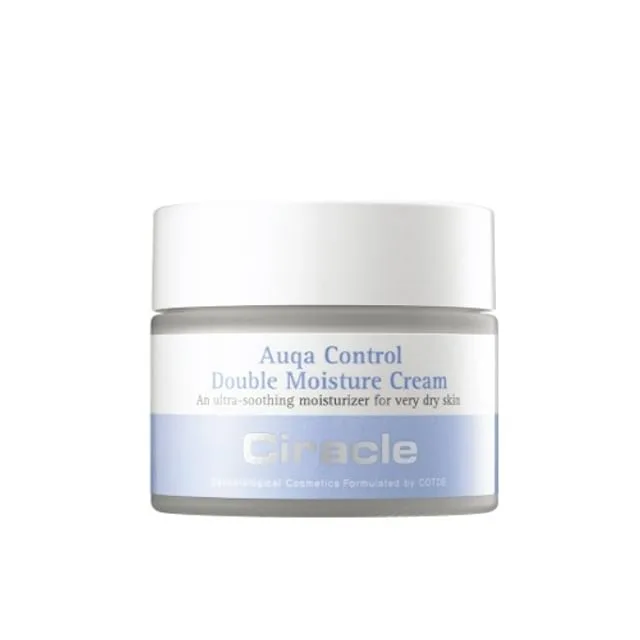
It builds a genuinely thoughtful lipid system on a budget, squalane, hydrogenated lecithin, rosehip oil, shea, ceramide NP and soybean sterols, then places ethanol fourth in the same formula. The result is a dry-skin cream that feels unusually light and quick-drying, which some will love and a truly compromised barrier may not.
There is a genuinely thoughtful lipid blend in this inexpensive jar, squalane, lecithin, rosehip, shea, ceramide NP and plant sterols, and for everyday dryness it softens skin nicely without feeling heavy. The catch is alcohol listed fourth plus fragrance, an odd pairing for a cream pitched at very dry skin, so compromised and sensitive barriers should approach it with care.
Scoring here rests mainly on the full ingredient list Ciracle publishes and the brand's long retail history, because no substantial product-level review count could be verified. How well this particular blend repairs a barrier over months, and how often the alcohol and fragrance cause reactions, are not documented beyond general ingredient evidence.
The case for it
Cautions: fragrance.
Same rule for everyone. “Good choice” is the verdict on 9,564 of 45,024 concern verdicts across the catalog; rule R5 decided 9,072 of them. As of September 25, 2026, engine 5.1.1.
Brand or formulator? Disclose a concentration or correct a fact →
The studies behind the evidence row
The case for it
What would change this: A concentration inside the studied range would raise this a step.
Same rule for everyone. “Supporting role” is the verdict on 8,197 of 45,024 concern verdicts across the catalog; rule R7 decided 258 of them. As of September 25, 2026, engine 5.1.1.
Brand or formulator? Disclose a concentration or correct a fact →
The studies behind the evidence row
The case for it
What would change this: Removing the trigger named above would let the actives be judged on their own.
Same rule for everyone. “Avoid” is the verdict on 1,909 of 45,024 concern verdicts across the catalog; rule R1 decided 1,304 of them. As of September 25, 2026, engine 5.1.1.
Brand or formulator? Disclose a concentration or correct a fact →
The studies behind the evidence row
The case for it
What would change this: A researched evidence row for the lead active would replace this with a verdict.
Same rule for everyone. “Supporting role” is the verdict on 8,197 of 45,024 concern verdicts across the catalog; rule R8 decided 4,250 of them. As of September 25, 2026, engine 5.1.1.
Brand or formulator? Disclose a concentration or correct a fact →
Does the jobDoes what a moisturizer is for: draws in water, softens and smooths.
A verdict is DermApproved’s assessment of how well a product’s ingredients fit a concern — never a claim about what the product treats. Evidence dots and collected reviews sit beside it and are never blended in. Rules 0.5.1 · evidence table ev-2026.09-r228 · how we decide
Reading this ingredient list is a bit like listening to two people describe the same cream. One of them, clearly a formulator who cares about skin barriers, has assembled squalane, hydrogenated lecithin, rosehip oil, shea butter, ceramide NP and soybean sterols into what Ciracle calls a skin barrier reinforcing system. The other has put alcohol in fourth position, added fragrance with linalool and limonene, and preserved the whole thing with both methyl- and propylparaben. Which voice dominates depends a great deal on the state of the skin it lands on.
Start with the good half, because it is genuinely good for the price. Squalane sits sixth, a light, stable emollient that mimics a component of human sebum and softens rough dry patches without greasiness. Hydrogenated lecithin, seventh, does double duty as an emulsifier and a phospholipid that helps the other lipids organise into a more skin-like structure. Rosehip oil brings linoleic-rich fatty acids, the kind depleted skin draws on to rebuild its outer lipid layer. Shea butter adds richness, and ceramide NP, tenth on the list, is followed immediately by soybean sterols, a plant stand-in for the cholesterol that normally accompanies ceramides in the stratum corneum. That trio of ceramide, sterol and fatty acids is the combination barrier science points to, rather than ceramides in isolation, and it is pleasing to see a budget Korean cream reach for it.
The brand's own claim of high-concentration ceramide deserves a gentle asterisk. No percentage is published, and ceramide NP falls after shea butter and before the thickeners, which suggests a supporting rather than dominant amount. That is not unusual; ceramides are expensive and often effective at modest levels when paired with other lipids. It simply means this is a well-rounded lipid cream rather than a ceramide treatment, and buyers should calibrate accordingly.
Now the other voice. Alcohol listed fourth, ahead of every lipid in the formula, is a deliberate texture choice. It makes the cream feel light, cool and quick-setting, and it helps the formula absorb without the lingering slickness some people hate in barrier creams. For intact, merely dry skin that dislikes heaviness, that is a real advantage. For a barrier that is already cracked, windburned, eczema-prone or over-exfoliated, ethanol at this position is a gamble: it can sting on application and, over time, pull against the very repair the lipids are trying to do. It is an odd decision in a product whose own description says it is for very dry skin.
Fragrance compounds the point. The scent is soft and fades within minutes, but fragrance mixtures and their listed allergens, linalool and limonene here, remain among the most common triggers of cosmetic contact dermatitis. Combined with two parabens that some shoppers avoid on principle, the supporting cast undercuts the gentle, restorative image the lipid blend sets up. None of these ingredients is dangerous at cosmetic levels, but together they narrow the audience.
In use, the cream is lighter than you might expect from a dry-skin jar. It spreads easily, releases a brief cool sensation, and sets to a satin, non-greasy finish within a minute or two. Skin feels soft and cushioned rather than coated. On normal-to-dry skin through spring and autumn, it can comfortably be the only moisturizer in a routine. In deep winter, or on skin that flakes around the nose and mouth, many people will find it needs help from a face oil or a thin balm layered on top at night, which the light texture accommodates without pilling.
Packaging is a basic screw-top jar. It is easy to scoop, but open-jar packaging exposes the formula to air and fingers every time, which matters more for the antioxidant tocopheryl acetate than for the robust lipids. Using a clean spatula is a small habit that helps.
Real-world feedback on this cream is scattered rather than abundant; the product has been sold for years through Korean and export retailers without building a large, product-specific review trail. What does surface tends to praise the light-but-softening texture and the price, and to grumble about the scent and about it not being quite enough on its own in cold weather. That aligns with what the formula would predict.
Value is where the cream makes its strongest case. Around nineteen dollars for 50ml buys a lipid blend with real barrier logic behind it, a combination often reserved for pricier products. If your skin tolerates alcohol and fragrance without complaint, that is a fair deal for everyday dryness, and the vegan reformulation will appeal to shoppers who look for that.
The recommendation, then, depends on the skin in question. Normal and dry skin that is basically healthy, just thirsty, and that prefers a light, fast-absorbing cream over a heavy balm is the ideal user, and will likely be pleased. Combination skin can use it on the drier zones. Sensitive, rosacea-prone, eczema-prone or freshly irritated skin, the very skin that most needs barrier repair, is the group most likely to be bothered by the alcohol and perfume, and would do better with an unscented, alcohol-free ceramide formula. It is a good cream wearing one unnecessary accessory too many, and knowing that ahead of time is most of what a buyer needs.
The hero actives that drive this product's performance.
| Ingredient | Function | Evidence |
|---|---|---|
| Ceramide NP | The cream's headline lipid, placed tenth right after shea butter, where it joins the soybean sterols and lecithin in a skin-mimicking lipid mix meant to patch the gaps in a dry, leaky barrier. | Established mechanism for Dryness · established mechanism |
| Squalane | Sixth in the formula, squalane supplies most of the cream's cushioning emollience, softening rough dry patches and offsetting some of the tightness the alcohol higher up the list could otherwise cause. | Established mechanism for Dryness · established mechanism |
| Hydrogenated Lecithin | A phospholipid that works as both emulsifier and barrier lipid here, helping the squalane, rosehip oil and ceramide organise into the lamellar-style structure the brand describes as its barrier system. | Not yet assessed |
| Rosa Canina Fruit Oil | Rosehip oil adds linoleic-rich fatty acids that dry, depleted skin uses to rebuild its lipid layer, giving the cream more nourishing depth than its light texture suggests. | Not yet assessed |
| Panthenol | Sitting low in the list, provitamin B5 contributes a modest humectant and soothing effect that complements the glycerin up top. | Established mechanism for Dehydration · established mechanism |
Ingredient standings describe the active at treatment-level doses and vehicles; this product's own condition grades weigh its actual formula.
Water, Glycerin, Butylene Glycol, Alcohol, Hydrogenated Polyisobutene, Squalane, Hydrogenated Lecithin, Rosa Canina Fruit Oil, Butyrospermum Parkii (Shea) Butter, Ceramide NP, Glycine Soja (Soybean) Sterols, Glyceryl Polyacrylate, Polyvinyl Alcohol, Polyacrylate-13, Dimethicone, Methylparaben, Polyisobutene, Propylparaben, Phenoxyethanol, 1,2-Hexanediol, Tocopheryl Acetate, Panthenol, Fragrance, Polysorbate 20, Sorbitan Isostearate, Beta-Glucan, Linalool, Limonene
moisturizer
AM & PM
Best as the final cream step over hydrating toner or serum; on very dry evenings a thin layer of facial oil or balm pressed on top helps offset the drying edge of the alcohol, while in the morning let it set a minute before sunscreen.
Softer, more supple skin is noticeable from the first application. Rough, flaky patches usually calm within one to two weeks of twice-daily use, and a less reactive, less tight feel builds over four to six weeks as the lipids are replenished.
The logic behind this cream is the lipid composition of the stratum corneum, where ceramides, cholesterol and free fatty acids sit in roughly equimolar proportions and organise into lamellar sheets that slow water loss. Research on barrier repair has repeatedly found that supplying one of these lipids alone tends to be less effective than supplying all three together, because the skin needs the full set to rebuild those ordered layers. This formula approximates that set with plant materials: ceramide NP provides the ceramide, soybean sterols stand in for cholesterol, and rosehip oil and shea butter contribute fatty acids, including linoleic acid, which dry and acne-prone skin is often low in.
Hydrogenated lecithin matters more than its humble role suggests. As a phospholipid it can help form lamellar or liposome-like structures in an emulsion, which is one reason lecithin-based creams are often described as barrier-friendly. Squalane, a hydrogenated form of a lipid found naturally in sebum, adds emollience and a light occlusive effect with very low irritation potential.
The humectant side, glycerin near the top plus panthenol and beta-glucan lower down, draws water into the outer skin layers for the lipids to hold. Glycerin in particular has a strong evidence base for improving stratum corneum hydration.
The alcohol is the counterweight. Ethanol at modest concentrations in leave-on products is generally tolerated on healthy skin and can aid texture and absorption, but in barrier-impaired skin it has been associated with stinging and increased irritation, and fragrance allergens such as linalool and limonene become more sensitising as they oxidise. Those factors do not cancel the lipid benefits, but they mean the formula's evidence-based advantages apply most cleanly to intact, dry skin rather than to damaged or inflamed barriers.
Clinicians tend to favour moisturizers that combine ceramides, cholesterol-like sterols and fatty acids for dry skin, and the lipid core of this cream follows that principle reasonably well for an inexpensive product. Where dermatology practice would part ways with the formula is on the extras. For eczema, rosacea and irritant dermatitis, standard guidance is to choose fragrance-free products and to avoid alcohol high in the ingredient list, since both can provoke stinging and flares on an impaired barrier. A dermatologist would therefore see this as a reasonable option for routine dryness in otherwise healthy skin, and a second-line choice at best for patients with a diagnosed barrier disorder, who are usually steered toward bland, unscented ceramide creams or petrolatum-based emollients during flares.
Once toner and any serum have absorbed, scoop a small almond-sized amount with a clean spatula and warm it between the fingertips. Press it over the cheeks, forehead and chin first, then smooth outward to the neck. Morning use works well because it sets quickly; allow a minute before sunscreen. At night, extra-dry areas can take a second thin layer, or a drop of facial oil pressed over the top. Anyone with eczema, rosacea or a recently irritated barrier should patch test along the jaw for several days first, since the alcohol and fragrance are the likeliest sources of stinging.
At roughly nineteen dollars for a 50ml jar, the cream delivers a multi-lipid barrier blend at a price well below most products that attempt the same ceramide-sterol-fatty-acid logic. A jar lasts six to eight weeks with twice-daily use, which keeps the monthly cost low. Ciracle has a long retail history, so this is not an unproven newcomer, though it has no published clinical testing for this specific formula. The value case holds for people whose skin tolerates alcohol and fragrance; for sensitive skin, a slightly pricier unscented alternative may prove cheaper in the long run than a cream that has to be abandoned. It is sold in a single 50ml size.
Normal-to-dry skin that is healthy but thirsty will get the most from this cream, particularly people who dislike heavy balms and want barrier lipids in a light, fast-setting texture. Budget shoppers looking for a ceramide cream with a thoughtful supporting lipid mix will find it good value.
Eczema-prone, rosacea-prone or freshly over-exfoliated skin should look for an unscented, alcohol-free ceramide cream, as ethanol and fragrance here can sting a damaged barrier. Fungal-acne sufferers and anyone strictly avoiding parabens should also pass on this jar and choose accordingly.
Ready to try Ciracle Aqua Control Double Moisture Cream?
Buy at Amazon ♥A soft, whipped-feeling white cream that is lighter than its dry-skin billing suggests, melting quickly with a brief cool sensation from the alcohol.
A gentle floral-citrus perfume, with linalool and limonene listed, that lingers for a few minutes.
A 50ml jar with a screw lid; convenient to scoop, though open-jar packaging exposes the cream to air and fingers with every use.
Expect an immediate softening and a brief cool, almost evaporative feel as it spreads. Compromised or eczema-prone patches may sting slightly in the first days because of the alcohol and fragrance; if that persists beyond a patch test, it is a signal to stop.
About six to eight weeks for the 50ml jar at morning and evening use on the face and neck.
fall winter
Ciracle created the Aqua Control line as the dry-skin counterpart to its oil-control and blemish products, and the brand now describes this cream as a 'skin barrier reinforcing system' built on lipid analogues. It has been reformulated to a vegan base in recent years while keeping its ceramide positioning.
Ciracle is a Seoul-based cosmeceutical label made by Mitochondria Co., which runs its own R&D centre and factory in Cheonan. The brand is best known for blemish and redness care; this ceramide cream is a long-running member of its dry-skin line, with no product-specific clinical data published.
Any cream that lists ceramides is automatically gentle enough for a damaged barrier.
This one also contains alcohol near the top and added fragrance with linalool and limonene. The lipids help, but for eczema-prone or freshly irritated skin, those extras can outweigh the barrier benefits.
A 'double moisture' cream must be heavy and greasy.
The quick-evaporating alcohol and polymer thickeners make it feel light and fast-setting; the moisture comes from glycerin plus the lipid blend rather than from a thick occlusive layer.
Yes, alcohol is the fourth ingredient, ahead of the squalane and ceramide. It gives the cream its quick-setting, light feel, but can sting or dry out a badly compromised barrier, so patch test first if your skin is cracked or eczema-prone.
Ciracle calls it high-concentration, but no percentage is published and Ceramide NP sits tenth, after shea butter. It works as part of a lipid blend with squalane, lecithin, rosehip oil and soybean sterols rather than as a standalone high dose.
For ordinary dryness it performs well, softening flakes and tightness. In harsh winter conditions or with a very damaged barrier, most people will want an oil or balm layered on top, since the formula is lighter than a true repair ointment.
The formula has no retinoids, hydroquinone or high-strength acids; it is a lipid-and-humectant moisturizer. It is generally regarded as compatible with pregnancy, though checking any product with your prenatal clinician is sensible.
No. Fragrance is listed along with the allergens linalool and limonene. The scent is soft, but people with fragrance allergy or rosacea may prefer an unscented ceramide cream.
It does not contain classic heavy pore-cloggers, and the alcohol and polymers keep it light. Combination skin can often use it on dry cheeks, though polysorbate 20 and the oils make it a poor choice for fungal acne.
Recurring themes our editors read across retailer reviews of this product — summaries in our words, not quotations, and not a substitute for your own patch test.
Light cream texture that still softens dry patches
Absorbs without a greasy film
Good value for a ceramide cream
Scent is noticeable for a barrier cream
Not rich enough for very dry skin on its own in winter