Plant Butters
Products with Plant Butters
 Beach Day Budget Pick
 Everyday Active Lotion SPF 30
A solid everyday sunscreen that does what it promises at a price that makes daily reapplication financially painless. The oxybenzone-free formula delivers reliable SPF 30 protection with Hawaiian Tropic's signature tropical vibe, though the fragrance and older-generation chemical filters will not win over the sensitive-skin or cosmetically elegant SPF crowd.
 Overnight Lip Seal, Vanilla Edition
 Phyto-Glow Lip Mask
A thick, glossy, stay-put overnight lip seal that does exactly what the category promises — softer, less flaky lips by morning — for thirteen dollars, with a plant-oil blend riding on a synthetic base that does the real work. The one honest caveat is the natural vanilla flavour, which makes it a pleasure for most and the wrong choice for eczema-prone or fragrance-reactive lips.
 Lip SPF You'll Reapply
 Sun Bouncy Glow Lip Balm SPF30
A zinc-only, FDA-registered SPF 30 in a tinted, glossy, cushiony balm with no white cast and no filter taste, which is rarer than it sounds and the reason to buy it. The plumping peptide story is decoration; the cooling agent and fragrance are real and worth weighing on chapped or reactive lips. Twenty dollars for 15 ml is the price of getting people to reapply.
 Barrier-Repair Workhorse
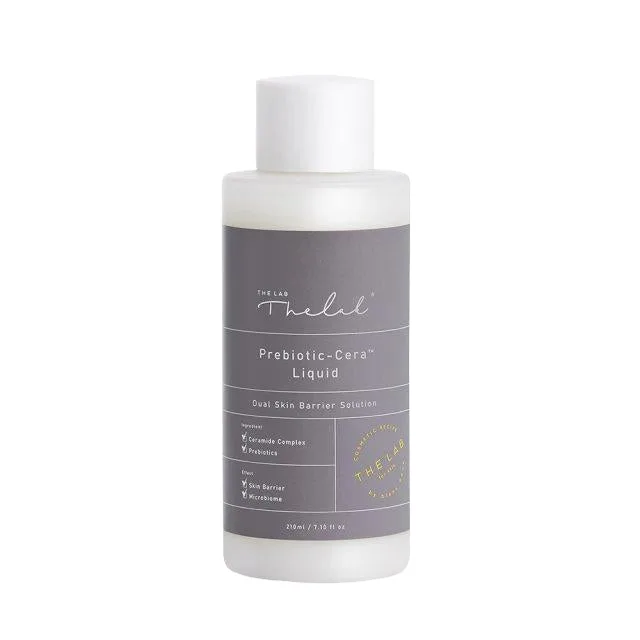
 Prebiotic-Cera Liquid
A milky, almost dessert-light toner that smuggles the entire barrier-lipid trio into a step most people treat as an afterthought. With all five ceramides, cholesterol, phytosphingosine and a postbiotic ferment, it punches well above its sub-$35 price for dry and reactive skin. Oily types may find it a touch much, but as a daily barrier primer it is hard to fault.
 Budget Cushion Cream
 Advanced Peptide Recovery Cushion Cream with Adaptogens
A bouncy, genuinely hydrating glycerin-urea-niacinamide cream with an olive-ester and mango-butter base, at eighteen dollars for two ounces, which is the real news. The peptides sit at the very end of the list and the six adaptogens are a word without a topical meaning, so buy it as a good cheap cushion moisturizer with a niacinamide bonus and ignore the name. Fragrance and lavender keep it off reactive skin.
 Vegan Lip Essential
 Vegan Melting Lip Balm
mixsoon's Vegan Melting Lip Balm brings the brand's minimalist, plant-based philosophy to lip care with a genuinely unique melting texture and clean ingredient list. It's a comfortable, fragrance-free lip treatment that softens dry lips effectively, though the $16 price and need for frequent reapplication are honest limitations in a crowded lip balm market.
 Daily Hand SPF Habit
 Anti-Aging Hand Cream
A real SPF 30 with a stabilised avobenzone system inside a rice-bran, mango-butter hand cream that people will actually reapply, which is the only kind of hand sunscreen that works. It prevents rather than repairs, the natural neroli fragrance and arnica rule it out for reactive hands, and $25 for two ounces is fair for what is in it.
 C-Beauty Retinol Eye Cream
 Advanced Firming Nourishing Eye Cream 2.0
A seriously loaded eye cream: encapsulated retinol, six peptides, three ceramides and a fridge-friendly metal head, at a price that undercuts most Western retinol eye creams. The retinol is gentler than the 0.4% headline suggests, and the fragrance is an unforced error, but as a nightly under-eye retinoid for beginners this is one of the better-built options going.
 Natural Night Nourisher
 Intense Hydration Night Cream
A creative, nature-first night cream that earns its place with an unusual triple-butter system and genuine probiotic technology — delivering meaningful overnight hydration for dry and normal skin at an accessible price. The fragrance allergens remain a frustrating blind spot in an otherwise thoughtfully formulated product.
 Mango-Shaped, Actually Mango
 Magic Food Mango Hand Butter
A mango-shaped tub that, unusually for the genre, is full of mango: seed oil and seed butter in the top eight ingredients, backed by shea and sunflower oil and floated on volatile silicones so it sets dry in two minutes. A genuinely good rich hand cream for dry and winter hands, sold in a small, unhygienic pot with fragrance, citrus extracts and dyes it does not need, at a price the packaging sets.
 Luxury Splurge
 The Blue Cocoon
The Blue Cocoon is a gorgeously made, deeply sensory balm whose vivid blue comes from genuinely anti-inflammatory blue tansy. As an experience and as a softening treatment for dry skin, it delivers. But it is built on a heavy load of fragrant essential oils, an awkward fit for an anti-inflammatory product, and at its price you are paying largely for ritual and reputation. Lovely if your skin tolerates it and the splurge appeals; risky and overpriced if not.
 Luxury Cleansing Ritual
 Goddess Cleansing Ritual Cleansing Balm
A genuinely luxurious cleansing balm with interesting exotic oils and a spa-like citrus scent that makes evening cleansing feel like self-care — but the $55 price tag for a wash-off product with minimal active benefit is a lot to ask, even in the luxury lane.
 Aromatherapeutic Repair Balm
 Nourishing Repair Treatment
Sodashi's Nourishing Repair Treatment is a genuinely rich, well-built night treatment — avocado and shea feeding the barrier, centella asiatica oil giving it real repair credentials, rosehip and carrot adding antioxidant polish. It nourishes dry, depleted skin beautifully, but an intense aromatherapy essential-oil load and a luxury price make it a treat for fragrance-loving dry skin, not a gentle barrier fix for the reactive.
 Rich Winter Balm
 Lip Balm
A dense, herbal, winter-grade soft balm with a genuinely luxurious oil-and-butter base and unusual touches like silk powder and St. John's wort. It conditions very dry lips beautifully, but a long fragrance-allergen list plus peanut oil makes it risky for sensitive or allergy-prone users, and seventeen dollars for a tiny tube is a steep ask.
 Premium Caviar Eye Balm
 Eye Balm CV
The premium caviar eye balm in KAHI's CV line, stacking a caviar ferment, a buzzy longevity NAD complex and de-puffing escin onto a cupuacu-and-bisabolol base that is gentler than the salmon eye balm. It feels rich and plumping under the eye, but the trendy longevity actives are mostly marketing, seven fragrance allergens sit at the delicate eye area, and the price is steep.
 Spa-Luxe Botanical Cream
 Rejuvenating Face & Neck Moisturiser
Sodashi's Rejuvenating Face & Neck Moisturiser is a genuinely lovely, well-sourced botanical cream — cold-pressed macadamia, avocado and rosehip oils over shea butter, no synthetic preservatives, and a natural aroma that turns nightly moisturising into a small ritual. It's rich, nourishing, and ideal for dry skin, but the luxury price and assertive essential-oil fragrance mean it's a want, not a need.
The full plant butters guide
Solid in the jar but melting the instant they touch warm skin, plant butters straddle the line between emollient and occlusive — they soften the surface while laying down a lipid-rich film that slows moisture from escaping.
What separates them from the broader "plant oils" family is texture: butters carry a higher share of saturated fatty acids (mostly stearic, palmitic, and lauric), which is why they stay semi-solid and why they show up so often in barrier creams, body butters, and lip care. The strongest data sits with shea butter, where clinical work points to meaningful drops in water loss and gains in hydration; newer butters like cupuaçu and murumuru lean more on compositional analysis than on dedicated trials.
How it's regulated in the US
FDA does not classify ingredients — it classifies products, by what they are sold to do. The same molecule can be a drug active in one product and a cosmetic ingredient in the next, and only the claim on the label decides which. What follows is a statement about that legal standing, not about whether it works — the evidence question is answered separately above.
Mixed Cocoa butter is a skin protectant drug active from 50 percent up. Shea, mango and the rest are cosmetic ingredients at any strength.
The clinical record is solid for the most-studied members of this family — shea and cocoa butter — and thinner for newer entrants like cupuaçu and murumuru. A 2022 review in Frontiers in Pharmacology (Poljšak and Kočevar Glavač) synthesized 27 clinical studies across vegetable butters and oils, reporting consistent improvements in hydration, water-loss reduction, and skin condition in settings such as xerosis, atopic dermatitis, and psoriasis. A separate 2019 real-world study in Dermatology and Therapy found a shea-mango-cocoa butter cream reduced dryness and improved quality of life in psoriasis over four weeks. For shea specifically, cell-model and animal studies describe anti-inflammatory activity tied to triterpene constituents (cinnamate esters, alpha- and beta-amyrin), and a small 2021 pediatric trial reported a shea butter–ceramide cream performed comparably to low-potency topical corticosteroid for mild-to-moderate atopic dermatitis. For cupuaçu and murumuru, evidence is largely compositional and in-vitro — trials isolating these specific butters are scarce, so their use rests on plausible fatty-acid and phytosterol rationale rather than direct clinical proof. The comedogenic worry around cocoa butter (conventionally rated 4/5) is likely overstated: human testing has questioned whether it meaningfully drives microcomedones, and the original comedogenic scale has drawn substantial methodological criticism.
How it works
Two mechanisms run in parallel at different depths of the skin. At the surface, the semi-solid lipid matrix forms a physical film — not a full seal the way petrolatum is, but a substantial barrier — that slows the rate at which water evaporates (transepidermal water loss). That is the occlusive contribution. The emollient half is subtler: the long-chain fatty acids in butters, predominantly oleic and stearic with smaller amounts of linoleic depending on the source, slot between corneocytes, the flattened cells of the outer stratum corneum. This smooths surface roughness and delivers the softened feel you notice almost immediately after application. Shea brings something plain triglyceride fats lack. Its unsaponifiable fraction (roughly 6–17% of unrefined shea, versus about 1% in most vegetable oils) is rich in triterpene alcohols and their esters — lupeol, alpha-amyrin, beta-amyrin. In cell and animal models these compounds appear to dampen inflammatory signaling, including NF-κB activity and COX-2 and iNOS expression in macrophages. That suggests shea-containing products may offer genuine soothing potential beyond simple lubrication, though how much survives into a finished formula depends heavily on the grade used and its concentration. Butters also carry fat-soluble vitamins, particularly tocopherols, which contribute antioxidant activity that helps protect surface lipids from oxidative degradation.
Key benefits
- Slows transepidermal water loss through a semi-occlusive lipid film
- Softens rough or scaly patches by filling gaps between skin cells
- Shea's triterpene fraction shows soothing potential in lab and animal models
- Supplies fat-soluble antioxidants like tocopherols alongside barrier support
- Melts at skin temperature for a rich feel without heavy residue at moderate levels
- Earns its place where lighter emollients fall short: lips, heels, elbows, knuckles
Concentration & usage
There is no fixed dose for plant butters the way there is for retinol or niacinamide — they work across a wide range depending on the goal. In a lightweight face moisturizer you might see shea or mango butter around 2–8%, adding emolliency without occlusive weight. Body butters and lip products often run 20–60% or higher, where the thicker film is the whole point. On an INCI list, look for the full botanical names: Butyrospermum Parkii (Shea) Butter, Theobroma Cacao (Cocoa) Seed Butter, Mangifera Indica Seed Butter (mango), Astrocaryum Murumuru Seed Butter, and Theobroma Grandiflorum Seed Butter (cupuaçu). Higher placement signals higher concentration. If you specifically want shea's triterpene benefit, raw or minimally refined shea retains more of the unsaponifiable fraction than ultra-refined grades, which strip much of it and tend to read as a pale, near-odorless ingredient.
Who it's for & who should be cautious
Who it's for
Dry, very dry, and compromised skin tends to get the most from plant butters — especially in cold weather, during post-procedure recovery, or with chronic conditions like eczema and psoriasis where the barrier benefits from both occlusion and soothing support. They suit lip care and body formulas where a richer texture is welcome rather than a downside. Anyone seeking a lanolin alternative for allergy or vegan reasons will find cupuaçu butter is often cited as a functional stand-in.
Who should be cautious
Acne-prone skin, particularly oily acne-prone skin, has reason to be cautious: cocoa and cupuaçu butter carry higher conventional comedogenic ratings (around 4/5), and even though the science behind those numbers is shaky, leaning on heavy butters as a primary face moisturizer is worth patch-testing first. Those with tree-nut sensitivities should note that many butters are tree-derived (shea from the shea tree, mango butter from mango seed kernels); topical sensitization risk differs from ingestion risk, but anyone with known allergies should check with a physician. Thick body butters are generally a poor fit as a standalone facial moisturizer for normal-to-oily skin.
Pairs with & conflicts
Myths & facts
Myth: All plant butters are interchangeable — shea, cocoa, and mango all do the same thing.
Reality: They share a broad emollient and occlusive role, but their fatty-acid profiles and bioactive fractions diverge. Shea's high unsaponifiable content makes it the one mainstream butter with documented anti-inflammatory triterpene activity in lab models. Cocoa butter is markedly more occlusive and carries a higher comedogenic rating. Mango butter sits near shea in texture but lacks the triterpene research. Which one you pick matters, especially for acne-prone or sensitive skin.
Myth: Cocoa butter definitively clogs pores and anyone with acne should avoid it.
Reality: The conventional 4/5 comedogenic rating traces back to rabbit-ear assays that have been widely criticized for poor real-world relevance. Human testing has questioned whether cocoa butter meaningfully increases microcomedone formation. Context still matters: a thick body butter on the face is a different situation from a face cream with a small percentage of cocoa butter. A short patch test on your own skin is more informative than the number on a chart.
Myth: Plant butters only sit on top and soften skin — they have no biological activity.
Reality: Shea in particular holds a substantial unsaponifiable fraction (6–17% in unrefined forms) rich in lupeol, alpha-amyrin, and beta-amyrin — triterpenes that show anti-inflammatory activity in cell and animal studies, including effects on NF-κB, iNOS, and COX-2 pathways. The clinical signal is suggestive enough that a shea-ceramide cream matched low-potency hydrocortisone in a small pediatric atopic dermatitis trial, which a purely mechanical moisturizer would not be expected to do.
Frequently asked questions
How do plant butters differ from plant oils in a moisturizer?
It comes down to physical state at room temperature: butters are semi-solid because they're richer in saturated fatty acids like stearic and palmitic, while oils stay liquid thanks to more unsaturated fats. Butters therefore give a thicker emollient feel and a stronger occlusive effect, slowing water loss more aggressively, whereas oils tend to absorb faster and feel lighter. How much occlusion you want, plus your skin type and climate, decides which is the better fit.
Is shea butter genuinely anti-inflammatory, or is that just marketing?
For raw and minimally refined shea, it's a legitimate claim rather than pure marketing — though the strongest evidence is from lab and animal models, not large human trials. Shea's 6–17% unsaponifiable fraction (versus about 1% in most oils) carries triterpene alcohols like lupeol, alpha-amyrin, and beta-amyrin that have shown anti-inflammatory activity in macrophage models via NF-κB inhibition. A small pediatric trial found a shea-ceramide cream comparable to low-potency corticosteroid for mild-to-moderate atopic dermatitis. Ultra-refined shea loses much of that fraction, so the grade matters.
Can I use products with plant butters if I'm acne-prone?
It depends on which butter and how it's formulated. Mango butter (comedogenic rating around 2) is usually better tolerated by acne-prone skin than cocoa butter (around 4), with shea sitting in between (roughly 0–2 depending on refinement). The bigger factor is the whole formula — 5% shea in a lightweight gel-cream behaves very differently from a heavy body butter on the face. Patch-testing one area for a week or two is the most reliable way to judge your own tolerance.
Why do lip balms rely on plant butters so heavily?
Lip skin has no sebaceous glands and a thinner outer layer, so it loses water faster than facial skin. Butters suit this well: their semi-solid consistency stays in place better than a liquid oil, their lipid film slows evaporation, and their fatty acids smooth the flaky surface that develops when lips dry out. Mango butter is a lip-care favorite for its moderate comedogenic rating and its smooth, non-waxy texture without the tackiness some waxes bring.
What should I look for on an INCI list to know I'm getting real plant butter?
Look for the full botanical names: Butyrospermum Parkii (Shea) Butter, Theobroma Cacao (Cocoa) Seed Butter, Mangifera Indica Seed Butter, Astrocaryum Murumuru Seed Butter, or Theobroma Grandiflorum (Cupuaçu) Seed Butter. Where they fall on the list signals concentration — butters in the first third are present at meaningful levels. Entries like "shea butter extract" or "shea butter unsaponifiables" are fractionated versions targeting the triterpene fraction specifically rather than the whole butter.