Four Kitchen Masks, Graded: One Is a Drug, One Stains, Two Are Just Nice
The blanket dismissal of DIY masks is lazy, because these four grade completely differently once you look at what is actually in them and at what dose.
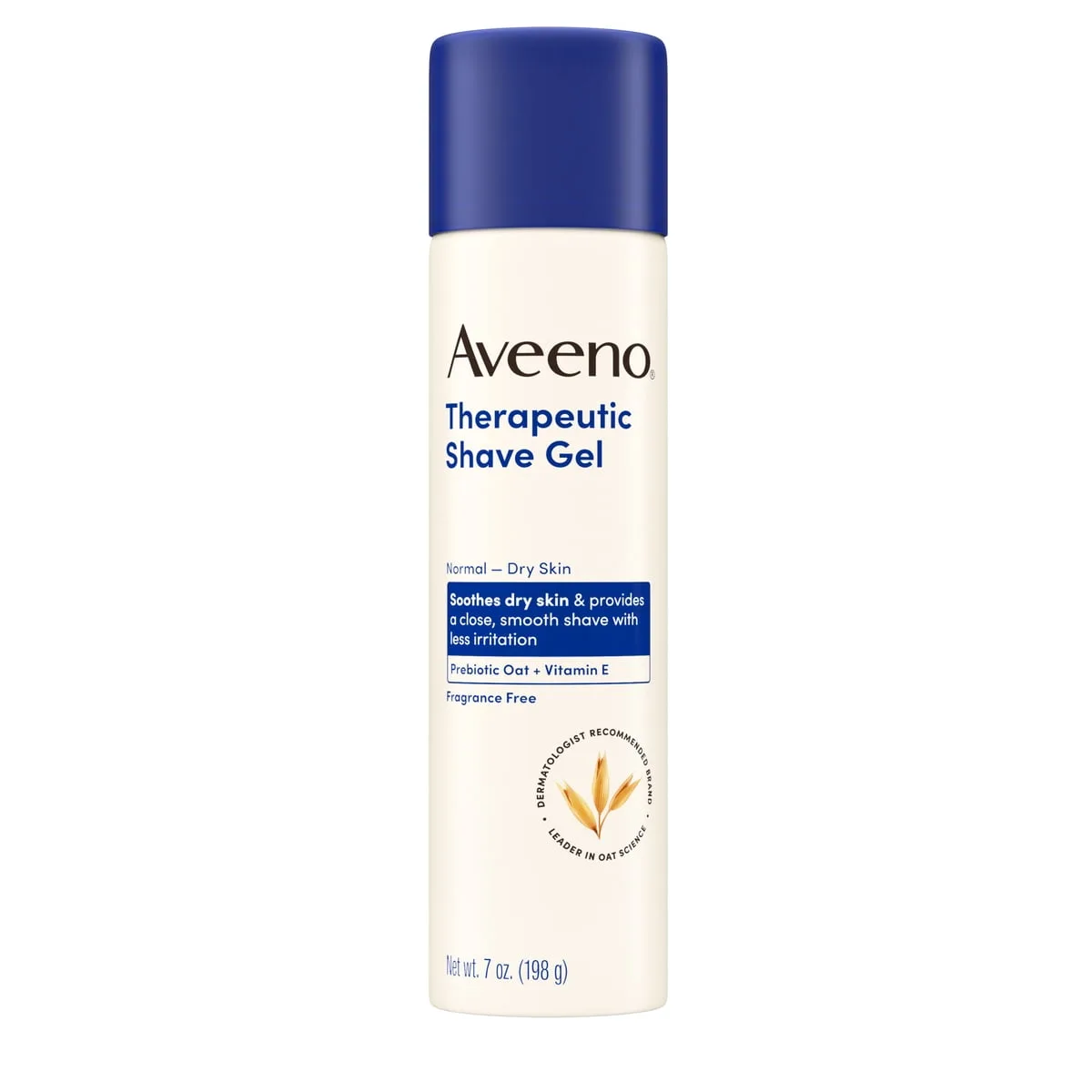
Most mass-market shave gels are fragranced and rely on menthol or alcohol for a 'cooling' sensation that sensitive skin reads as sting; this one is fragrance-free and menthol-free, uses a dense fatty-acid lather with oat flour, aloe, allantoin and panthenol for slip and soothing, and costs under five dollars. It is one of very few drugstore shave gels that dermatologists name without a caveat.
The shave gel to buy if every other one stings: no fragrance, no menthol, no alcohol, a thick fatty-acid lather with oat, aloe and allantoin, and a price under five dollars. Its only real compromises are a paraben-based preservative system and a can that rusts. For sensitive, dry and razor-burn-prone skin it has been the quiet default for years and deserves to be.
The case for it
Same rule for everyone. “Good choice” is the verdict on 9,564 of 45,024 concern verdicts across the catalog; rule R5 decided 9,072 of them. As of September 25, 2026, engine 5.1.1.
Brand or formulator? Disclose a concentration or correct a fact →
The studies behind the evidence row
The case for it
What would change this: A researched evidence row for the lead active would replace this with a verdict.
Same rule for everyone. “Good choice” is the verdict on 1,938 of 45,024 concern verdicts across the catalog; rule F2 decided 1,938 of them. As of September 25, 2026, engine 5.1.1.
Brand or formulator? Disclose a concentration or correct a fact →
Also listed for Rough Texture — the actives here (Fatty Acids, Glycerin, Colloidal Oatmeal, Allantoin) are in our research queue for that concern; there is no verdict until their evidence rows are written. That is a gap in our table, not a mark against the product.
As a body productNot judged: what a body product is for — real substance, not just slip, realistic to use daily — cannot yet be measured from the ingredient list (only fragrance load can).
A verdict is DermApproved’s assessment of how well a product’s ingredients fit a concern — never a claim about what the product treats. Evidence dots and collected reviews sit beside it and are never blended in. Rules 0.5.1 · evidence table ev-2026.09-r228 · how we decide
Walk down the shaving aisle and almost every can promises a sensation: cooling, tingling, a burst of some scent named after an ocean or a mountain. Menthol and fragrance are cheap ways to make a product feel like it is working. Aveeno's Therapeutic Shave Gel makes the opposite bet, that a meaningful number of people would rather feel nothing at all, and the roughly 2,800 reviews pooled across Walmart and the brand site suggest it was a good bet. The product is unexciting by design, and that is exactly the point.
The base is a conventional post-foaming shave gel, the same technology the big shaving brands use: palmitic and stearic acids neutralised by triethanolamine into a soap, isopentane and isobutane as the propellant that expands the gel into lather on contact with warm, wet skin, cellulose thickeners to hold the cushion together. It is a dense, slow-breaking foam, thick enough to stand hair up for the blade and stable enough to survive a shower without vanishing. So far, so ordinary. What Aveeno changes is everything around that base. There is no fragrance. There is no menthol. There is no ethanol. The 'cooling' that other gels manufacture is absent, and in its place are oat kernel flour, glycerin and sorbitol for slip and softness during the pass, and a trio of allantoin, panthenol and aloe at the tail of the list to calm the skin the blade has just scraped.
On the skin, the effect is that a shave feels like a shave and not like an event. The razor moves with less drag than through a foam, skin rinses clean without the tight, squeaky feeling a soap-heavy gel can leave, and there is no post-shave sting or scent trail. Reviewers who have switched from mainstream gels describe fewer red bumps on legs, underarms and the bikini line within a week or two, and the formula makes that plausible: razor burn is partly friction and partly irritation, and the gel addresses both without asking the skin to tolerate anything extra. What it will not do is fix ingrown hairs, which are a matter of hair curl and shaving technique more than of the gel, and it will not moisturize, because everything in it goes down the drain; a lotion afterwards is still the job. It is also worth saying that the lather is thick rather than slick, so a razor needs rinsing more often than with a thin gel, and a clogged blade is the usual explanation when someone reports it 'stopped working' halfway through a leg.
Now the honest limitations, and there are two that matter. The first is the preservative system. This is a paraben gel, with methylparaben, propylparaben and ethylparaben near the end of the list, plus benzaldehyde, which is an almond-scented compound used here as a masking agent below the level you can smell. Parabens are among the least allergenic preservatives in use and the exposure from a rinse-off product is small, and I do not think they are a reason for most people to avoid the gel. But a fragrance-free product with a declared fragrance material in it and three parabens is not quite the blank slate the front of the can implies, and anyone with a confirmed paraben or benzaldehyde allergy should read the back. The second limitation is the can. The base rim is bare metal, and left standing on a wet shower shelf it rusts within weeks and leaves an orange ring. It is a packaging problem the brand has never fixed, and it is the most common complaint by a wide margin. A soap dish with drainage solves it, but a product this well designed should not need a workaround for its own can.
The gel is sold for body shaving, and that is where most people use it, but there is nothing in the formula that is body-specific. People with sensitive facial skin who find conventional shave gels sting report that this one works well for the face too, and I see no reason to argue; a fragrance-free, menthol-free lather is exactly what a reactive face wants. It also suits skin with keratosis pilaris on the legs, where a rough surface and a razor are a bad combination and every reduction in drag counts.
At under five dollars for a 7-ounce can that lasts two to three months of regular shaving, the price is almost beside the point. Aveeno has been an oat brand since 1945, and its habit of using the oat platform to make an ordinary category gentler is on full display here: this is a standard shave gel with the irritants removed and a few soothing agents added, and it costs the same as the gels that keep them in. For dry, sensitive or razor-burn-prone skin it is one of the easiest recommendations in the drugstore. For anyone who enjoys the tingle, there are other cans; this one will feel like nothing, and that is what it is for.
The hero actives that drive this product's performance.
| Ingredient | Function | Evidence |
|---|---|---|
| Avena Sativa (Oat) Kernel Flour | Oat flour is the ingredient that turns a standard palmitic-acid shave gel into an Aveeno product; in a rinse-off with a two-minute contact time its job is to soothe during the pass rather than to leave anything behind, and its slip on the skin is part of why the razor drags less. | Not yet assessed |
| Palmitic Acid and Stearic Acid with Triethanolamine | These fatty acids neutralised in situ by triethanolamine form the soap that gives the gel its dense, slow-breaking lather once the isopentane propellant expands it; they are the reason the cushion is thick enough to lift hair for the blade. | Not yet assessed |
| Glycerin and Sorbitol | A humectant pair that keeps the lather from drying on the skin mid-shave and leaves a hint of softness after rinsing, offsetting the stripping tendency of the fatty-acid soap. | Established mechanism for Dryness · established mechanism |
| Allantoin, Panthenol and Aloe Barbadensis Leaf Juice Powder | Three soothing agents sit at the tail of the list, present in small amounts but useful in a product whose entire purpose is to reduce the micro-abrasion of a blade; allantoin in particular has a long record as a skin-calming additive in shave products. | Not yet assessed |
Ingredient standings describe the active at treatment-level doses and vehicles; this product's own condition grades weigh its actual formula.
Water, Palmitic Acid, Triethanolamine, Isopentane, Sorbitol, Stearic Acid, Glycerin, Sorbitan Stearate, Isobutane, Sunflower Seed Oil Glyceride, Hydroxyethylcellulose, PEG-12 Dimethicone, Avena Sativa (Oat) Kernel Flour, Phenoxyethanol, Hydroxypropyl Methylcellulose, Methylparaben, Propylparaben, Ethylparaben, Benzaldehyde, Panthenol, Tocopheryl Acetate, Aloe Barbadensis Leaf Juice Powder, Allantoin
cleanser
AM & PM
Shave on skin that has already been softened by a couple of minutes of warm water, rinse completely, and follow with an unscented moisturizer while the skin is still damp; the gel leaves a little slip but no real hydration behind.
The difference is felt on the first shave, as less drag and less post-shave tightness; people prone to razor burn typically notice fewer red bumps within a week of switching, though the gel does nothing for ingrown hairs that were already forming.
The mechanics of a shave gel are well understood even if rarely studied as a finished product. A blade removes not just hair but the outermost corneocyte layers, and a 2023 study in Frontiers in Medicine that combined tape stripping with an in vitro skin model to measure the impact of shaving found that the mechanical insult raises transepidermal water loss and inflammatory signalling in proportion to friction, which is the rationale for a lubricating cushion. The lather here is built from palmitic and stearic acids saponified with triethanolamine, a system that produces a dense foam with a high lubricity, while the cellulose thickeners and PEG-12 dimethicone keep the film intact through the stroke; the glycerin and sorbitol reduce the drying pull of the soap. The oat flour is the ingredient with a published rationale of its own: a 2015 review in the Journal of Drugs in Dermatology summarised colloidal oatmeal's anti-inflammatory and anti-itch activity, attributed to the avenanthramides, and although those data come from leave-on products, the same actives are present during the two minutes the lather sits on freshly scraped skin. The stronger argument for the formula is what it omits. A 2016 review in the International Journal of Cosmetic Science on pseudofolliculitis barbae and the role of grooming identified irritation from shaving preparations, along with blade technique, as contributors to post-shave inflammation, and fragrance and cooling agents are the components most often implicated in stinging on compromised skin. Removing them is a subtraction with more evidence behind it than any single soothing additive. The parabens deserve a factual note: they remain among the least sensitizing preservatives in patch-test series despite their public reputation, and rinse-off exposure is brief, but they are listed allergens and the formula does not qualify as preservative-minimal. Allantoin, panthenol and aloe at the tail of the list are supported mainly by long use in the category rather than by trials of this gel, and their contribution is likely modest at the concentrations implied by their position.
When patients with atopic skin, keratosis pilaris or recurrent razor burn ask what to shave with, this gel is one of the few drugstore products that gets named without qualification, and the reasoning is the same across clinics: the irritants that cause most post-shave complaints, fragrance, menthol and alcohol, are absent, and the lather is thick enough to reduce the friction that drives folliculitis and razor bumps. The standard advice around it is about technique rather than the gel itself, namely to soften hair with warm water first, shave with the grain using a sharp blade, rinse thoroughly and moisturize immediately. Two caveats come up. The paraben preservative system is rarely a problem in a rinse-off product but matters for the small number of patients with a documented paraben allergy, and shaving over active eczema plaques is discouraged with any product. For everyone else, it is regarded as a sensible, low-risk choice.
Let warm water run over the area for a minute or two to soften the hair, then press a coin-sized dab of gel into the palm and work it over wet skin, where it expands into a dense lather within seconds; a little goes further than with a foam. Shave with the grain using a sharp blade, rinsing the razor often so the thick lather does not clog it, and go over any area a second time only after re-lathering. Rinse the skin completely and apply a fragrance-free moisturizer while it is still damp. Store the can upright on a dry surface rather than on the shower floor to stop the base rim from rusting, and run the nozzle under warm water if it starts to clog near the end of the can.
At under five dollars for 7 ounces, the gel is priced level with or below mainstream shave gels that carry fragrance and menthol, and a coin-sized dose per limb means one can covers two to three months of regular shaving. There is only one size, so there is no bulk economy, but the price is low enough that it hardly matters. What you get for the money is a standard post-foaming gel base with the irritants removed and soothing additives put in, from a legacy brand that has used oat this way for eighty years; that is unusually good value for sensitive skin, which normally pays a premium for the same subtraction. The one thing you are not paying for is a paraben-free preservative system, which some competitors offer at a higher price.
Anyone whose skin stings, reddens or bumps after shaving with conventional gels, people managing eczema or keratosis pilaris on areas they shave, and anyone who simply prefers a fragrance-free bathroom; it suits face and body alike and costs less than most of the gels it replaces.
People with a confirmed paraben or benzaldehyde allergy should pick a differently preserved gel, since this one carries three parabens and a trace masking agent. Skip it too if you actively enjoy a cooling, scented shave, because this can delivers neither by design.
A translucent, stiff gel that expands into a dense, creamy white lather within seconds of contact with wet skin.
None beyond a faint waxy, soap-like note from the fatty acids; the benzaldehyde is at masking level and does not read as almond.
Slim white 7 oz aerosol can with a dark blue cap and a blue Therapeutic Shave Gel band; the base rim is bare metal and will rust if left standing in water.
The first shave is mostly a lesson in how little gel is needed: a coin-sized dab per leg turns into a full lather, and the blade glides with noticeably less drag than a foam. Skin rinses clean without tightness, and there is no scent trail in the bathroom. Over the first couple of weeks the main change people report is fewer red bumps, and the main annoyance is the ring of rust the can leaves on a shower shelf.
Two to three months of shaving legs and underarms three times a week from one 7 oz can.
All Year
Aveeno extended its oat platform into shaving in the 2000s with two gels, this fragrance-free Therapeutic version for dry and sensitive skin and a lightly scented Positively Smooth version with soy, using the same post-foaming gel base as the big shaving brands but stripping out the fragrance and cooling agents. It has become a quiet fixture in the routines of people with eczema, keratosis pilaris and razor-burn-prone skin, and its reviews skew heavily toward repeat buyers.
Aveeno has sold oat-based skin products since 1945 and remains one of the pharmacy brands US dermatologists most often name for sensitive skin, now under Kenvue following the 2023 spin-off from Johnson & Johnson. Its colloidal oat is an FDA-monograph skin protectant, and the brand's shave gel has been in continuous distribution long enough to accumulate thousands of retailer reviews.
Fragrance-free means nothing in it can irritate.
The gel contains three parabens and benzaldehyde as a masking agent, all of which are rare but documented sensitizers; for a rinse-off product the exposure is small, but a known paraben allergy is a reason to check the label.
A moisturizing shave gel replaces lotion afterwards.
Everything in this gel is rinsed off; the glycerin and oat reduce stripping during the shave but leave no meaningful film, so freshly shaved skin still wants a moisturizer.
Yes. The INCI lists no fragrance and no menthol, which is why it does not sting on freshly shaved skin. It does contain a trace of benzaldehyde, an almond-scented masking agent, at a level too low to smell.
Most users say so, and the formula supports it: a dense fatty-acid lather reduces blade drag, oat flour and allantoin soothe during the pass, and the absence of fragrance and alcohol removes the two most common post-shave irritants. It will not fix existing ingrown hairs.
It is sold for body shaving but nothing in it is body-specific, and a fragrance-free, menthol-free gel suits facial shaving well for people who find conventional gels sting. Rinse fully before applying aftershave or moisturizer.
Yes. Methylparaben, propylparaben and ethylparaben appear near the end of the list as preservatives. In a rinse-off product the exposure is minimal, but anyone with a confirmed paraben allergy should choose a paraben-free gel.
It is one of the better drugstore options because it drops fragrance, menthol and alcohol and adds oat, but shaving over active eczema is best avoided regardless of the gel, and a moisturizer afterwards is essential.
The base rim is bare metal and sits in water on a shower shelf. Storing the can upright on a dry surface or a soap dish with drainage prevents the rust ring.
Recurring themes our editors read across retailer reviews of this product — summaries in our words, not quotations, and not a substitute for your own patch test.
No razor burn on legs, underarms or bikini line
Thick lather that does not disappear in the shower
Genuinely fragrance-free
Very cheap for how long a can lasts
Can rusts on the rim in a wet shower
Hard to find in some regions
Gel is stiff to dispense when the can is cold
Nozzle clogs near the end of the can