




Beta-Glucan Does Niacinamide's Job Without the Marketing Budget
It hydrates, calms, and quietly supports the barrier with one of the better safety records in skincare. So why has almost nobody heard of it?
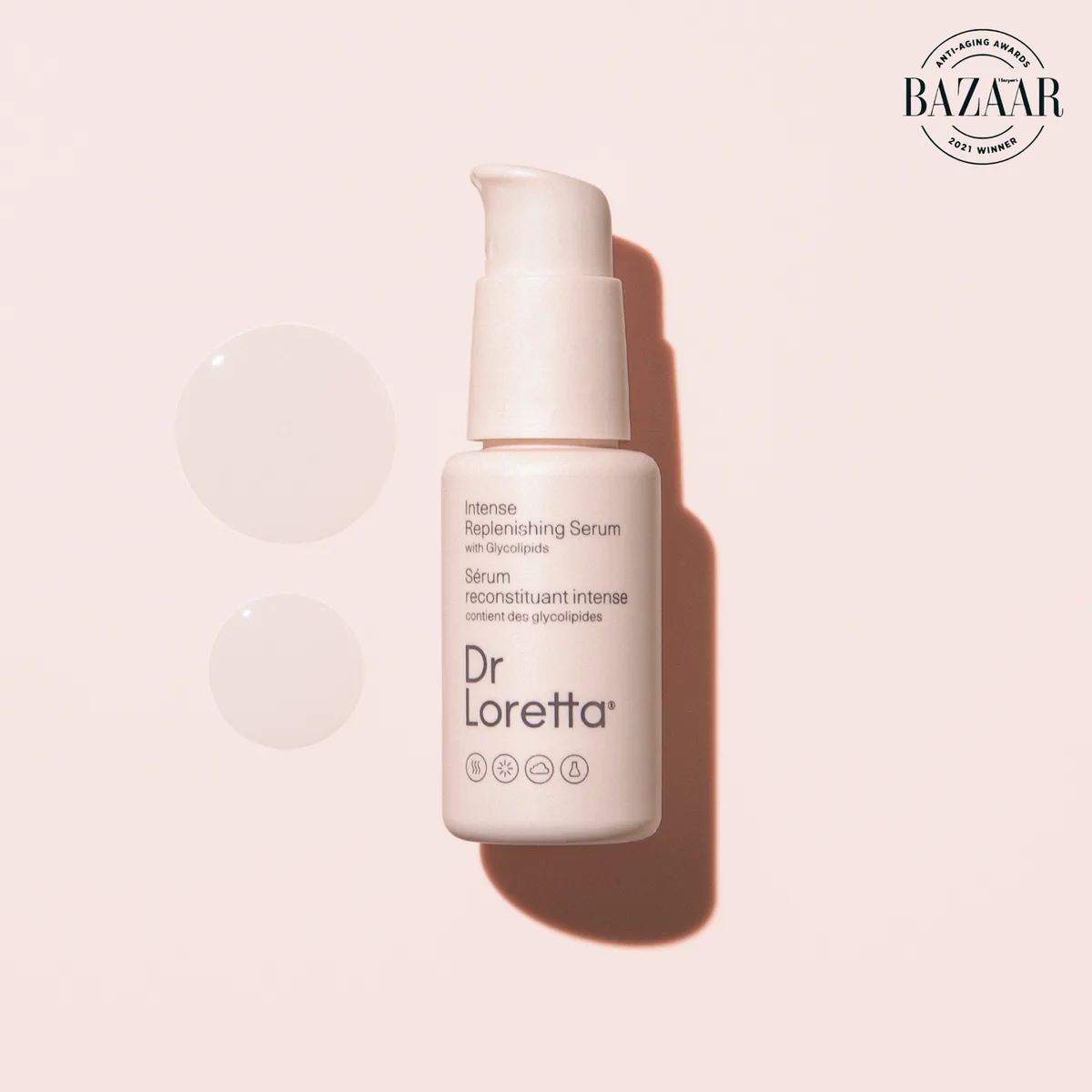
Most 'barrier repair' serums lean on ceramides. This one rebuilds the barrier with glycolipids and free fatty acid esters instead — mimicking the intercellular lipid matrix from a different angle — and wraps it in a dimethylmethoxy chromanol antioxidant system that keeps those oils from oxidizing. The mechanism is genuinely distinct from the ceramide-heavy pack.
A genuinely unusual barrier repair serum that bypasses the standard ceramide playbook in favor of a glycolipid and fatty acid blend, stabilized by one of the more potent synthetic antioxidants in cosmetic use. Expensive and not fungal-acne safe, but for dry, flaking, over-exfoliated skin it's one of the few serums that produces visible results in a week.
The case for it
What would change this: A researched evidence row for the lead active would replace this with a verdict.
Same rule for everyone. “Supporting role” is the verdict on 8,197 of 45,024 concern verdicts across the catalog; rule R8 decided 4,250 of them. Unchanged since September 5, 2026, engine 5.1.1.
Brand or formulator? Disclose a concentration or correct a fact →
The case for it
What would change this: A researched evidence row for the lead active would replace this with a verdict.
Same rule for everyone. “Supporting role” is the verdict on 8,197 of 45,024 concern verdicts across the catalog; rule R8 decided 4,250 of them. Unchanged since September 5, 2026, engine 5.1.1.
Brand or formulator? Disclose a concentration or correct a fact →
The case for it
What would change this: A researched evidence row for the lead active would replace this with a verdict.
Same rule for everyone. “Supporting role” is the verdict on 8,197 of 45,024 concern verdicts across the catalog; rule R8 decided 4,250 of them. Unchanged since September 5, 2026, engine 5.1.1.
Brand or formulator? Disclose a concentration or correct a fact →
The case for it
What would change this: A concentration inside the studied range would raise this a step.
Same rule for everyone. “Unproven” is the verdict on 1,111 of 45,024 concern verdicts across the catalog; rule R9 decided 1,111 of them. Unchanged since September 5, 2026, engine 5.1.1.
Brand or formulator? Disclose a concentration or correct a fact →
The studies behind the evidence row
The case for it
What would change this: A researched evidence row for the lead active would replace this with a verdict.
Same rule for everyone. “Good choice” is the verdict on 1,938 of 45,024 concern verdicts across the catalog; rule F2 decided 1,938 of them. Unchanged since September 5, 2026, engine 5.1.1.
Brand or formulator? Disclose a concentration or correct a fact →
Also listed for Post-Procedure and Winter Skin — the actives here (Antioxidants, Phospholipids, Vitamin E) are in our research queue for those concerns; there is no verdict until their evidence rows are written. That is a gap in our table, not a mark against the product.
Where our review and the verdict differ. The review below was written on the formulation and the published trials; the verdicts above apply the stricter standing test in our methodology — an active earns a recommendation only with guideline or regulatory standing for the concern. Where the two disagree, the verdict is DermApproved’s position.
A verdict is DermApproved’s assessment of how well a product’s ingredients fit a concern — never a claim about what the product treats. Evidence dots and collected reviews sit beside it and are never blended in. Rules 0.5.1 · evidence table ev-2026.09-r228 · how we decide
Most of the barrier repair conversation in skincare revolves around ceramides. That's for good reason — ceramides are one of the three major lipid classes in the skin's intercellular matrix and they've been extensively validated by decades of research. But ceramides aren't the only lipid that matters. The healthy barrier is built from ceramides, cholesterol, and free fatty acids in roughly equal measure, and if your barrier problem is a fatty acid deficit rather than a ceramide deficit, a ceramide cream isn't going to solve it the way you expected. This is the exact gap the Intense Replenishing Serum was built to fill, and once you know that, the ingredient list reads like a straightforward clinical thesis statement.
The upper half of the formula is dominated by a blend of glyceryl linoleate, glyceryl oleate, glyceryl palmitate, glyceryl linolenate, glycolipids, and soybean oil — collectively, a supply of the specific fatty acids and esterified lipids that make up the intercellular matrix on the non-ceramide side. These aren't sitting on top of the skin the way a heavy facial oil would. Lecithin phospholipids and the silicone carrier system help them distribute into the upper epidermis, where they integrate with the existing lipid structure and functionally replace what's been stripped out by age, over-exfoliation, or sun damage. The effect is more like a transplant than a coating. That's why dry, flaking, chronically tight skin often responds to this serum within a week or two when heavier creams hadn't been making progress — you're giving the skin something different, not just more of the same.
The reflex to keep oils off a face that breaks out is understandable and, in this particular case, backwards. The fatty acid doing most of the work here is linoleic acid, and the interesting finding from the acne literature is that acne-prone sebum tends to be *low* in linoleic acid, not high — the fatty acid profile is skewed rather than merely abundant. Topping it back up is associated with better behavior from the follicle, not worse. That is not a licence to slather this on oily skin with no lipid deficit, and it emphatically does not extend to fungal acne, where the glyceryl esters are exactly what Malassezia would order from a menu. But 'oil equals clogged pore' is the wrong mental model for what this bottle is doing.
The second detail worth knowing is the antioxidant system. The formula includes dimethylmethoxy chromanol, marketed under the trade name Lipochroman, which is a synthetic chromanol with free radical scavenging capacity significantly higher than tocopherol in head-to-head comparisons. Pairing that with traditional vitamin E and the palmitate-bound form of the same chromanol gives the serum a multi-layer antioxidant stabilization system that protects the fatty acid components from oxidation both in the bottle and on the skin. This isn't a trivial addition — unstabilized lipid blends in a silicone base can go rancid in months, and the fact that this product has been on the market for nearly a decade with no reformulation complaints points to the antioxidant system doing its job.
The texture is where the formula surprises first-time users. Given the ingredient list, you'd expect something heavy, greasy, or slow-absorbing. It's the opposite — the cyclopentasiloxane and dimethiconol base gives the serum a silky, almost watery slip that disappears into the skin within a minute, leaving a velvety soft finish that layers cleanly under sunscreen or makeup. Many users end up treating it as a lightweight all-in-one step, skipping their usual moisturizer entirely and finding that their skin is actually more comfortable for it. In dry climates you'll still want a moisturizer over the top, but in humid environments this can be your only leave-on.
Its most valuable trick may be as a retinoid's partner. Apply the retinol first, give it a minute or two to settle, then press this over the top: the lipids repair the collateral damage without forming a wall between the active and the skin it is supposed to be reaching. That is a genuinely difficult thing for a product to do, and it is the reason this serum keeps a place in routines that have no other room for a seventy-five-dollar bottle.
The limitations are focused. It is not fungal-acne safe. The silicone-heavy finish is polarizing; a minority of users who dislike silicones in skincare will find the slip off-putting on first application. It is priced like a treatment serum, at seventy-five dollars for thirty milliliters, and you can assemble a functional barrier repair routine for less money if you're willing to combine a cheap linoleic-rich oil like safflower with a separate antioxidant. What you're paying for here is the integration — the lipid blend is pre-balanced, pre-stabilized, and delivered in a texture that makes the whole thing actually wearable. That's a real engineering accomplishment, not just brand premium, but it is still a premium. A 10 ml size exists, and for a mechanism this specific it is the sensible way to discover whether your barrier problem is the one this serum solves.
Where this serum earns its keep is the specific patient profile Ciraldo originally designed it for: over-exfoliated skin that won't calm down, aging skin with chronic flakiness that hasn't responded to ceramide creams, post-procedure skin rebuilding after laser or peel work, and retinol users whose barrier needs a buffer that doesn't undo the retinol's job. For those scenarios, this is one of the most targeted serums on the market, and the visible difference within a week of consistent use is unusual enough to make the price feel reasonable. Among the several hundred reviews on record, the flake-reduction claim is the one people return to again and again, usually with a note of surprise. For healthy, balanced skin that doesn't have a lipid deficit, you're overpaying for a problem you don't have.
What this amounts to is a specialist tool rather than a general-purpose serum — narrow in its aim, and unusually good at hitting it for the people who actually need what it does.
The hero actives that drive this product's performance.
| Ingredient | Function | Evidence |
|---|---|---|
| Glycolipids and Glyceryl Linoleate/Oleate/Linolenate | The backbone of this serum — a bioidentical blend of the fatty acid esters and glycolipids that make up the skin's own lipid matrix. Rather than hydrating at the surface, they sink into the upper epidermis and functionally replace lipids lost to aging, over-exfoliation or environmental damage. | Not yet assessed |
| Dimethylmethoxy Chromanol | A potent synthetic antioxidant (trade name Lipochroman) with free radical quenching ability significantly higher than vitamin E in comparative studies — a carefully chosen addition that protects the delicate lipid blend from oxidation both in the bottle and on the skin. | Not yet assessed |
| Tocopherol (Vitamin E) | Works alongside Lipochroman to stabilize the fatty acid components and adds a layer of membrane-level antioxidant support that complements the daytime vitamin C companion in the rest of the Dr. Loretta line. | Limited for Aging |
| Lecithin | A phospholipid that acts as a natural emulsifier and a delivery vehicle for the oil-soluble actives in the formula, helping the lipid components distribute evenly across the skin surface in a thin, non-greasy film. | Not yet assessed |
| Soybean Oil | Contributes additional linoleic and alpha-linolenic acids to the lipid repair blend, reinforcing the barrier-replenishment thesis alongside the synthetic glyceryl esters near the top of the list. | Not yet assessed |
Cyclopentasiloxane, Ethylhexyl Cocoate, Dimethiconol, Phenoxyethanol, Dimethylmethoxy Chromanyl Palmitate, Glyceryl Linoleate, Glyceryl Oleate, Dimethylmethoxy Chromanol, Tocopheryl Acetate, Glyceryl Palmitate, Glycolipids, Aqua (Water/Eau), Glyceryl Linolenate, Glyceryl Stearate, Lecithin, Tocopherol, Glycine Soja (Soybean) Oil, Caprylyl Glyceryl Ether
serum
AM & PM
Apply after water-based serums and before moisturizer, or use on its own over damp skin if you find cream moisturizers too heavy. Especially effective as a nighttime barrier repair step.
Immediate softening and reduction in tightness within minutes. Visible flake reduction and improved barrier resilience within 7-10 days. Long-term strengthening of barrier function at 4-8 weeks.
The clinical case for this serum rests on the model of the stratum corneum as a 'brick and mortar' structure in which corneocytes are embedded in an intercellular lipid matrix composed of ceramides, cholesterol, and free fatty acids in roughly equimolar proportions. Published research has demonstrated that disruption of the free fatty acid component of this matrix — whether from aging, photodamage, detergent exposure, or over-exfoliation — produces measurable increases in transepidermal water loss and a characteristic pattern of dryness that doesn't fully respond to ceramide-only replacement. Linoleic acid in particular is consistently found to be depleted in both aging and acne-prone skin, and topical linoleic acid delivery has been shown to improve barrier parameters in controlled trials. This serum's delivery strategy — glycolipids plus esterified fatty acids in a phospholipid-assisted silicone carrier — is designed to deposit those lipids into the upper epidermis rather than leaving them to sit on the surface as a traditional facial oil would. The antioxidant system is the second layer of the scientific story. Dimethylmethoxy chromanol (Lipochroman) has been reported in manufacturer-sponsored and some independent comparative studies to have free radical scavenging capacity several times that of alpha-tocopherol, with documented stability against oxidative degradation of polyunsaturated fatty acids. Combined with vitamin E and the palmitate-bound chromanol derivative, the serum carries an unusually robust stabilization package for a lipid-heavy formula, which matters both for shelf stability and for in-use efficacy during the hours after application when environmental oxidants would otherwise be attacking the fresh lipid blend. The take-home: this is a scientifically coherent lipid-replacement therapy in a wearable delivery system, not a hydration serum dressed up with oils.
Dermatologists frequently recommend lipid replacement therapies for patients with chronically compromised barriers, post-procedure recovery, and cases of over-exfoliation or retinoid dermatitis. Most dermatologists emphasize that while ceramide-based creams are the most common first-line recommendation, a subset of patients experiences incomplete improvement and benefits from free fatty acid delivery as a complementary mechanism. This serum's approach is consistent with that clinical framework, and the robust antioxidant stabilization system is the kind of formulation detail dermatologists tend to value because it ensures the lipid components remain active rather than oxidizing on the skin. Dermatologists do point out that patients with oily or acne-prone skin without a clear lipid deficit are generally not the ideal candidates for this type of treatment, and that alternative ceramide-dominant formulations are more widely tolerated across skin types.
Apply 3-4 drops to clean skin after any water-based serums and before moisturizer. Press gently into the face and neck and allow about a minute to absorb before the next step. Can be used morning and night. For retinol routines, apply retinol first, wait 1-2 minutes, then layer this over top to buffer dryness. In humid climates, many users find this functions as a complete last step and skip a heavier moisturizer. In dry or cold climates, follow with an occlusive cream to seal in the lipid blend. Safe for twice-daily use.
At $75 for 30 ml, this is priced firmly in the luxury treatment tier. You can assemble a rough functional equivalent from a cheap linoleic-rich oil plus a separate antioxidant serum for a fraction of the cost, but you lose the integration, the stable delivery system, and the wearable silky texture that makes this formula actually usable under makeup and sunscreen. A smaller 10 ml trial size is offered, which is a reasonable way to test the mechanism without committing to the full purchase, and a subscription option provides a modest discount. For the specific barrier-compromised, dry, flaking, post-retinol, or mature-skin audience this product is designed for, the price is defensible. For general dry-skin users without a specific barrier issue, cheaper options do most of the job.
People with chronically dry, flaking, or over-exfoliated skin who haven't responded fully to ceramide creams, retinol users needing a barrier buffer, post-procedure recovery cases, and mature skin types with age-related lipid depletion looking for a wearable non-greasy repair serum.
Oily and acne-prone skin types without a lipid deficit, fungal-acne sufferers, users who dislike silicone textures, and budget-conscious shoppers who can address most dry-skin concerns with cheaper ceramide creams or facial oils.
Ready to try Dr. Loretta Intense Replenishing Serum?
Buy at Amazon ♥Silky clear-to-pale-yellow fluid with a pronounced silicone-lipid slip
Fragrance-free with a very faint natural oil note
Glass dropper bottle
Immediate softening of dry patches and tightness. No tingling or purging. Flaking and roughness noticeably decrease within the first week for most users with compromised barriers.
Around 2-3 months when applied morning and night
All Year
Created as part of the original 2016 Dr. Loretta launch, this was Ciraldo's answer to the problem of patients whose skin had been over-exfoliated or dried out by decades of sun exposure and needed a lipid replacement therapy rather than a humectant.
Dr. Loretta was founded in 2016 by Dr. Loretta Ciraldo, a board-certified Miami dermatologist with over forty years of clinical practice. Her line emphasizes environmental damage defense and barrier support.
Barrier repair products must contain ceramides
Ceramides are one type of skin lipid, but the intercellular matrix also depends on free fatty acids and cholesterol in a roughly 1:1:1 ratio. This serum supplies the fatty acid side of that equation via glycolipids and glyceryl linoleate/oleate/linolenate — a different but valid mechanism.
Oil-containing serums clog pores
Linoleic-rich fatty acids like those in this formula are associated with less acne, not more — research has linked low linoleic acid in sebum to acne-prone skin. That said, silicones and esters here mean it isn't suitable for fungal-acne sufferers.
For some people, yes. If your main issue is barrier dysfunction and lipid loss rather than water loss, this serum can function as a standalone treatment that bypasses the need for a heavy occlusive cream. Dry climates may still require a sealing moisturizer on top.
Yes — it's a near-ideal retinol partner. Apply retinol first, let it absorb for a minute, then layer this over top. The lipid blend specifically helps buffer retinol's characteristic dryness and flaking.
No. The cyclopentasiloxane and dimethiconol base gives it a silky, fast-absorbing texture despite the high oil content. It settles into a soft velvet finish within a minute or two.
No — the glyceryl esters may feed Malassezia. If you're managing fungal acne, look for a ceramide-forward alternative instead.
Yes, and many users prefer it to a traditional primer because the lipid-silicone finish smooths fine lines and creates a soft base for foundation. Wait a minute or two before applying SPF.
Facial oils are typically triglyceride-heavy and sit on the surface. This serum breaks down those triglycerides into specific free fatty acid esters and glycolipids that penetrate and integrate into the skin's own barrier, which is a functionally distinct mechanism.
Recurring themes our editors read across retailer reviews of this product — summaries in our words, not quotations, and not a substitute for your own patch test.
Dramatic reduction in flaking
Non-greasy despite oil content
Soothes after retinol
Lasts on dry skin
Expensive for 30 ml
Silicone finish isn't for everyone
Not oil-free
Verified answers from our questions library — the nuance a product page cannot carry.