Best Dermatologist-Recommended Serums
Updated September 2026 · independently researched, no sponsored placements
Our top 40 picks, ranked from 101 reviewed products — ranked by our overall assessment of formula, safety and value.












How to Choose
"Dermatologist-recommended" is less a stamp of approval than a description of a certain kind of serum — one that favors proven, gentle, well-tested formulas over whatever's trending on TikTok this month. The serums dermatologists actually reach for tend to come from pharmacy and derm-developed brands like Avène, Vichy, Bioderma, La Roche-Posay, and Cetaphil, which built their reputations in European pharmacies on tolerability and clinical backing rather than viral marketing.
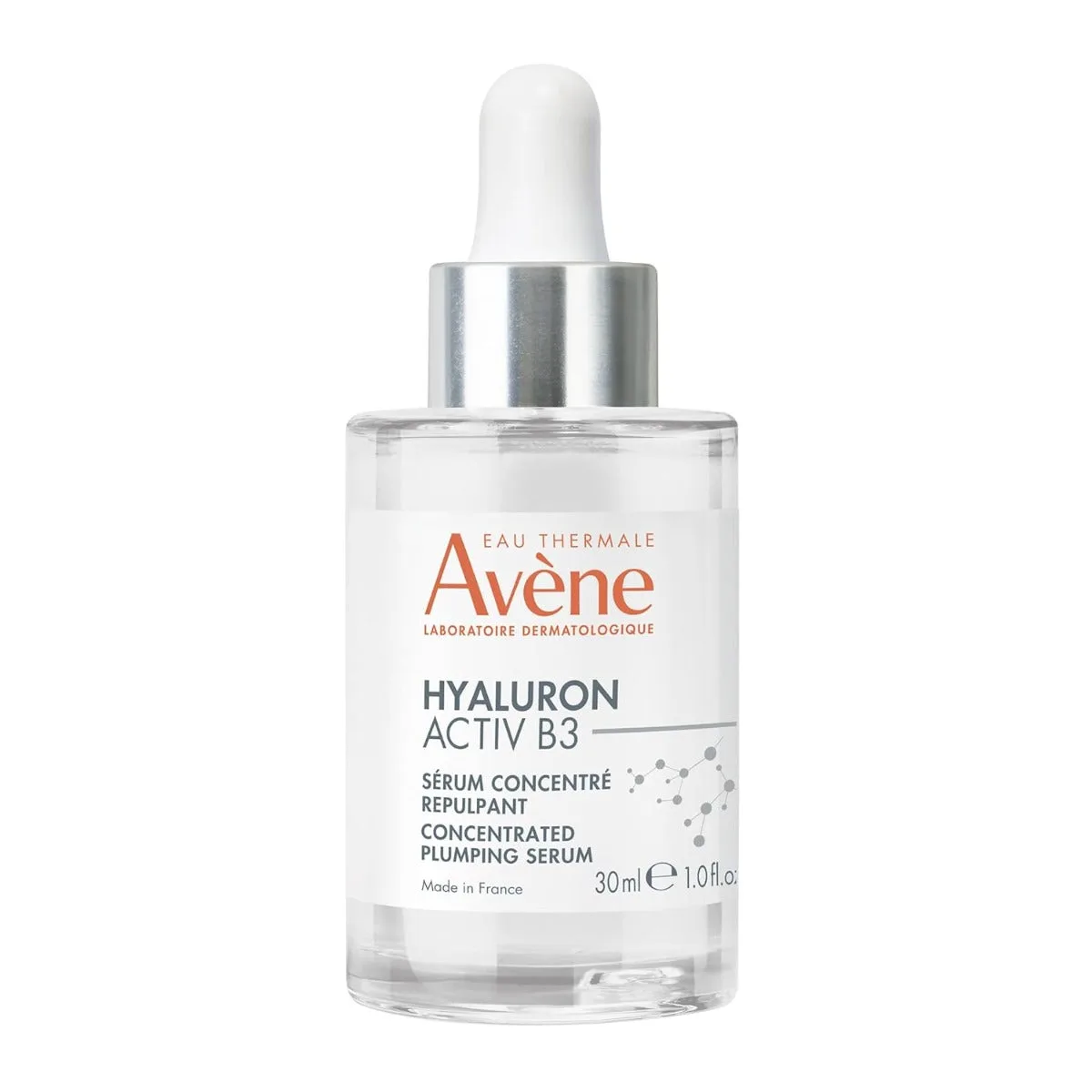
What unites them isn't a secret ingredient; it's a philosophy: established actives at sensible concentrations, short and thoughtful ingredient lists, minimal fragrance, and formulas designed not to provoke the skin they're meant to help. That's why a $20 Cetaphil PM Antioxidant Serum earns as much clinical respect as options three times the price — it does one job, gently, with evidence behind it. When you shop this category, look for the workhorse actives derms trust most: niacinamide for barrier support and tone, hyaluronic acid for hydration, vitamin C for antioxidant protection. Avène's Hyaluron Activ B3 and Vichy's Minéral 89 are textbook examples of doing the basics impeccably. The honest caveat worth keeping in mind: "dermatologist-recommended" and "dermatologist-tested" are unregulated marketing phrases on their own — the real signal is the formula and the brand's clinical track record, not the badge on the box. A serum from a brand with decades of pharmacy credibility and a sensible ingredient list is the safe, effective bet — flashy claims optional.
Buying Guide
Read past the badge: 'dermatologist-recommended' isn't regulated, so judge the formula and the brand's clinical heritage instead. Pharmacy and derm-developed lines — Avène, Vichy, Bioderma, La Roche-Posay, Cetaphil — earn the label by prioritizing tolerability, short ingredient lists, and proven actives. Pick the active to your goal: niacinamide for barrier and tone, hyaluronic and polyglutamic acid for hydration, vitamin C for antioxidant defense, peptides for support. Favor fragrance-free or low-fragrance formulas, which is part of why these brands are trusted for sensitive and reactive skin. Texture should be lightweight and layer cleanly under moisturizer and sunscreen. On price, the category spans $6 to $165, but the clinical respect doesn't scale with cost — a $20 Cetaphil serum holds its own against the premium tier, so spend based on the specific active and texture you want, not the size of the price tag.
Frequently Asked Questions
What makes a serum 'dermatologist-recommended'?
In practice it describes serums from brands dermatologists trust — typically pharmacy and derm-developed lines that emphasize proven actives, gentle formulation, and clinical testing over trend-driven ingredients. It's not a single official endorsement, and the phrase itself isn't regulated, so the meaningful signal is the brand's clinical track record and the formula. Brands like Avène, Vichy, La Roche-Posay, Bioderma, and Cetaphil typify the category.
Are pharmacy-brand serums really better than trendy ones?
Not automatically better, but they tend to be safer bets — pharmacy and derm brands prioritize tolerability, short ingredient lists, and well-studied actives over novelty. That makes them especially reliable for sensitive or reactive skin and for people who want results without experimentation. A trendy serum can be excellent too, but it should be judged on the same criteria: proven actives, sensible concentration, minimal irritants.
Which active should I look for in a dermatologist-recommended serum?
Match it to your goal: niacinamide supports the barrier and evens tone, hyaluronic and polyglutamic acid hydrate, vitamin C provides antioxidant and brightening benefits, and peptides offer gentle support. Derm-favored serums usually feature one or two of these at sensible concentrations rather than a long, crowded actives list. Choosing the active for your specific concern matters more than chasing the longest ingredient deck.
Does a higher price mean a more effective derm serum?
No — the category runs from about $6 to $165, and clinical respect doesn't track with cost. A $20 Cetaphil or $30 Vichy serum delivers the same evidence-backed actives as far pricier options, with the premium usually reflecting packaging, texture, or thermal-water extras. Choose based on the active and feel you want, not the assumption that expensive equals more effective.