

Beta-Glucan Does Niacinamide's Job Without the Marketing Budget
It hydrates, calms, and quietly supports the barrier with one of the better safety records in skincare. So why has almost nobody heard of it?
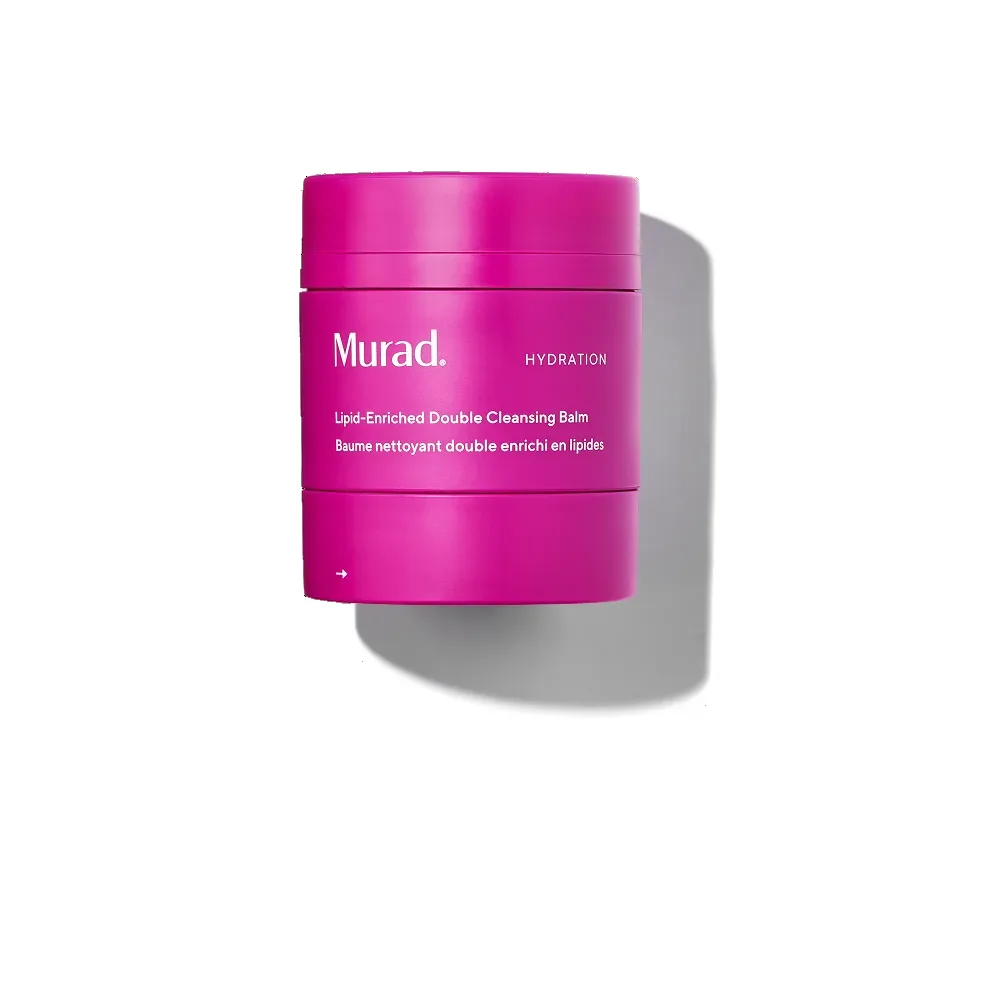
Most cleansing balms are basic plant-oil formulations that remove makeup but don't support barrier integrity during the cleansing process. Murad's Lipid-Enriched approach includes glycolipids and sphingolipids — components of the stratum corneum's natural lipid matrix — that deposit barrier-supportive chemistry during cleansing rather than just removing lipids. Combined with the traditional Camellia japonica oil and dual-ester cleansing oil base, this is genuinely engineered cleansing balm chemistry.
Murad's first cleansing balm is meaningfully more than a basic plant-oil formula — the 'lipid-enriched' chemistry adds glycolipids and sphingolipids that support barrier integrity during the cleansing process, while the Camellia japonica oil and dual-ester cleansing base handle the makeup-removal work. At $35 for 50ml, the price is competitive within the prestige cleansing balm category. The fragrance and lemon peel oil inclusion is the one decision that limits sensitive-skin compatibility.
Murad Lipid-Enriched Double Cleansing Balm has been distributed for approximately one and a half years across Sephora, Ulta, and Murad direct channels with several hundred independent reviews accumulated. Scoring leans on the well-validated cleansing oil and sphingolipid chemistry plus Murad's broader brand track record. The specific cleansing balm formulation has moderate independent track record.
The case for it
What would change this: Removing the trigger named above would let the actives be judged on their own.
Same rule for everyone. “Avoid” is the verdict on 1,909 of 45,024 concern verdicts across the catalog; rule R1 decided 1,304 of them. Unchanged since September 5, 2026, engine 5.1.1.
Brand or formulator? Disclose a concentration or correct a fact →
Also listed for Dehydration and Compromised Skin Barrier — the actives here (Caprylic/Capric Triglyceride, Phospholipids, Camellia (Tsubaki) are in our research queue for those concerns; there is no verdict until their evidence rows are written. That is a gap in our table, not a mark against the product.
As a cleanserNot judged: what a cleanser is for — surfactant mildness, pH match to skin, rinses clean without stripping — cannot yet be measured from the ingredient list (only puts something back can).
A verdict is DermApproved’s assessment of how well a product’s ingredients fit a concern — never a claim about what the product treats. Evidence dots and collected reviews sit beside it and are never blended in. Rules 0.5.1 · evidence table ev-2026.09-r228 · how we decide
Cleansing balms occupy a particular niche in modern skincare. The K-beauty-popularized format combines the efficacy of oil-based cleansers (effective for removing makeup, sunscreen, and oil-soluble impurities) with the convenience of solid texture that's portable and feels luxurious during use. Most commercial cleansing balms commit to basic plant-oil formulations — coconut-derived esters, sunflower seed oil, sometimes camellia oil — with surfactant systems for water emulsification. The category does its primary job well: makeup removal, sunscreen removal, oil-soluble impurity dissolution. What most cleansing balms don't do is actively support skin barrier integrity during the cleansing process. The cleansing action by definition removes lipids from the skin surface, and most balms don't replace what they're removing. Murad's Lipid-Enriched Double Cleansing Balm is one of the rare commercial products that explicitly addresses this barrier-integrity gap.
The 'lipid-enriched' positioning refers to the inclusion of glycolipids and sphingolipids in the formula. These are components of the stratum corneum's natural lipid matrix — the same lipid classes that healthy skin uses for barrier function. Including them in a cleansing balm means the cleansing process deposits barrier-supportive chemistry rather than just removing lipids. The mechanism is subtle but real: over weeks of consistent use, the lipid replacement compounds with the natural skin renewal process, supporting barrier integrity in ways that basic plant-oil cleansing balms cannot achieve.
The primary cleansing chemistry is conventional and well-engineered. Caprylic/Capric Triglyceride sits in the first INCI position — a coconut-derived light ester that's the workhorse of modern cleansing balms. Coco-Caprylate/Caprate provides additional cleansing efficacy with non-greasy feel. Together they handle the primary makeup-dissolution and oil-soluble impurity removal work efficiently and without leaving heavy residue.
Camellia Japonica seed oil (Tsubaki oil) is the traditional Japanese beauty oil included for its skin-supportive chemistry beyond just cleansing. High in oleic acid with naturally occurring vitamin E content, Tsubaki has been used in Japanese skincare for centuries and remains a staple of premium Japanese cleansing oils. Its inclusion connects Murad's formulation to the broader K-beauty and J-beauty cleansing balm tradition while adding skin-supportive emollient chemistry.
Sunflower seed wax provides the formula's balm-like texture — solid at room temperature, melting to oil consistency on skin contact, then emulsifying into milky lather when water is added during the rinse. The texture transformation is part of the cleansing balm sensorial experience that defines the category, providing clear feedback that the cleansing process is working through each stage.
Tocopherol (vitamin E) adds antioxidant protection that's particularly relevant in an oil-cleanser context — preventing oxidation of the formula's oil-soluble components on shelf and depositing antioxidant chemistry onto skin during cleansing. The combination with the lemon peel oil's natural antioxidants creates a layered antioxidant story.
What reads on the skin is a satisfying texture progression — solid balm melts to clear oil during palm-warming, dissolves makeup and impurities during massage, then transforms to milky lather when water is added. The cleansing efficacy is genuine: waterproof mascara, long-wear foundation, and oil-soluble sunscreens all dissolve cleanly. Post-rinse skin reads soft and clean without the tightness traditional foaming cleansers produce. The lipid-supportive chemistry's effects accumulate over 2–4 weeks of consistent use, with cumulative barrier-integrity improvements becoming noticeable particularly for users transitioning from drying cleanser routines.
The formula's limitations are mostly contextual. The fragrance and lemon peel oil inclusion is the one decision that limits compatibility — fragrance-reactive and rosacea-prone users should patch-test before full-face use, and the lemon peel oil specifically is on the standard cosmetic-allergen list. The lemon peel scent is moderate by cleansing balm standards (not as heavy as Banila Co Clean It Zero's distinctive scent), but it's present and meaningful for users who actively avoid fragrance.
The formula isn't strictly fungal-acne safe — the lauric acid, myristic acid, and palmitic acid content creates borderline conditions for malassezia-prone users. The jar packaging is the standard cleansing balm format but introduces the typical jar-product hygiene concerns; the included spatula helps but doesn't fully address the issue.
Value is reasonable for the lipid-enriched chemistry. At $35 for 50ml, the per-milliliter cost is approximately $0.70 — competitive within the prestige cleansing balm category. Comparable cleansing balms include Then I Met You Living Cleansing Balm at $40 for 90ml (better value but basic chemistry), Banila Co Clean It Zero at $20 for 100ml (much better value, basic K-beauty workhorse), DHC Deep Cleansing Oil at $30 for 200ml (cleansing oil format, much better value per ml). Murad sits in the middle-upper range — the lipid-enriched chemistry justifies part of the premium but the higher per-ml cost vs. category benchmarks like Banila Co reflects the brand's prestige positioning.
Results follow the cleansing balm timeline. Immediate effective makeup removal on first use. Cumulative barrier-supportive benefits from the glycolipid and sphingolipid chemistry compound over 2–4 weeks. The long-term effects (more consistent barrier function during weeks of nightly use) become apparent through improved morning skin texture and reduced post-cleansing tightness.
Who should buy: normal, dry, combination, or sensitive (with fragrance caveat) skin who want a cleansing balm that supports barrier integrity during the cleansing process rather than just removing makeup. Particularly recommended for users running active treatment routines (retinoids, AHAs/BHAs) where barrier support during cleansing matters more, and double-cleanse routine users who appreciate the K-beauty-inspired format with dermatology-developed formulation discipline.
Who should skip: confirmed fragrance-reactive or rosacea-prone users — the lemon peel oil and parfum are meaningful. Confirmed fungal-acne sufferers — the fatty acid content is borderline. Users seeking maximum cleansing balm value per dollar — Banila Co Clean It Zero delivers basic cleansing balm chemistry at one-third the per-ml price. Anyone preferring cleansing oils to balms — the texture format is personal preference.
The hero actives that drive this product's performance.
| Ingredient | Function | Evidence |
|---|---|---|
| Caprylic/Capric Triglyceride + Coco-Caprylate/Caprate | The primary cleansing oils — both derived from coconut oil and palm oil with high oleic acid content, providing efficient makeup and oil-soluble impurity dissolution. These light, non-greasy esters are the workhorses of modern cleansing balms, replacing heavier mineral oil bases that older balm formulations relied on. The combination provides thorough cleansing without leaving a heavy residue. | Not yet assessed |
| Glycolipids + Sphingolipids (Lipid-Enriched Complex) | The formula's 'lipid-enriched' anchor — glycolipids and sphingolipids are components of the stratum corneum's natural lipid matrix, providing barrier-supportive deposition during the cleansing process. Most cleansing balms remove lipids without replacing them; this formula's inclusion of glycolipids and sphingolipids means the cleansing step actively supports barrier integrity rather than depleting it. | Not yet assessed |
| Camellia Japonica Seed Oil (Tsubaki Oil) | The traditional Japanese beauty oil — high in oleic acid with naturally occurring vitamin E content. Tsubaki oil has been used in Japanese skincare for centuries and is the staple plant oil in many premium Japanese cleansing oils. Its inclusion adds skin-supportive emollient chemistry beyond the cleansing function. | Not yet assessed |
| Sunflower Seed Wax | Provides the formula's balm-like solid-to-liquid texture transformation — solid at room temperature, melting on skin contact and emulsifying during the cleansing process. The wax also adds emollient support and helps create the satisfying balm-to-oil-to-milk texture progression that defines premium cleansing balms. | Not yet assessed |
| Tocopherol (Vitamin E) | Lipid-soluble vitamin E provides antioxidant protection that's particularly relevant in an oil-cleanser context — preventing oxidation of the formula's oil-soluble components and depositing antioxidant chemistry onto skin during cleansing. The combination with the lemon peel oil's natural antioxidants creates a layered antioxidant story. | Not yet assessed |
Ingredient standings describe the active at treatment-level doses and vehicles; this product's own condition grades weigh its actual formula.
Caprylic/Capric Triglyceride, Coco-Caprylate/Caprate, Polyglyceryl-6 Distearate, Isoamyl Laurate, Helianthus Annuus (Sunflower) Seed Wax, Polyhydroxystearic Acid, Polyglyceryl-10 Dioleate, Water/Aqua/Eau, Glycolipids, 1,2-Hexanediol, Camellia Japonica Seed Oil, Candida Bombicola/Glucose/Methyl Rapeseedate Ferment, Cetyl Stearate, Palmitic Acid, Potassium Cetyl Phosphate, Isostearyl Isostearate, Cetyl Alcohol, Stearic Acid, Tocopherol, Myristic Acid, Lauric Acid, Chlorphenesin, Sodium Benzoate, Citrus Limon (Lemon) Peel Oil, Fragrance (Parfum)
cleanser
PM
Use as the first step in a double-cleanse routine — scoop a quarter-sized amount onto dry fingertips, warm in palms until it melts to oil consistency, then massage onto dry face for 30-60 seconds. Add small amounts of water to emulsify into a milky lather before rinsing thoroughly. Follow with a water-based gentle cleanser. The balm format excels at removing waterproof makeup and oil-soluble sunscreens.
Immediate effective makeup removal on first use. Barrier-supportive lipid deposition benefits accumulate over 2–4 weeks of consistent use as the glycolipid and sphingolipid chemistry compounds.
The Lipid-Enriched Double Cleansing Balm's design rests on three converging evidence bases. The primary cleansing chemistry uses caprylic/capric triglyceride and coco-caprylate/caprate — both supported by extensive cosmetic-chemistry research as efficient cleansing oils with non-greasy emulsification profiles. The combination with appropriate surfactant systems (polyglyceryl-6 distearate, polyglyceryl-10 dioleate, isoamyl laurate) provides effective oil-to-water emulsification for clean water-rinse removal.
The lipid-enriched chemistry (glycolipids and sphingolipids) reflects cosmetic-chemistry research on barrier-supportive deposition during cleansing. Stratum corneum function depends on intact lipid matrix; cleansing processes that remove lipids without replacement compromise barrier function over time. Glycolipids and sphingolipids are well-supported in cosmetic-chemistry research as deposit-friendly components that integrate into the skin's natural lipid matrix during the cleansing window — even brief contact time allows for meaningful lipid replacement.
The Camellia japonica seed oil chemistry has well-established cosmetic-chemistry support backing its traditional Japanese beauty use. Tsubaki oil's high oleic acid content and natural vitamin E concentration provide both cleansing efficacy and skin-supportive benefits during the wash window.
The sunflower seed wax provides the formula's texture transformation chemistry — supported by mainstream cosmetic-chemistry research on solid-to-liquid emulsifier systems in balm formulations.
From a dermatological standpoint, the Lipid-Enriched Double Cleansing Balm sits in the category of barrier-supportive cleansing products that dermatologists frequently recommend for patients running active treatment routines or those with compromised barriers. The glycolipid and sphingolipid chemistry addresses a real gap in the cleansing balm category — most balms remove lipids without replacing them. Clinical guidance commonly emphasizes that for patients on retinoids or other barrier-disrupting actives, the choice of cleanser matters significantly — barrier-supportive cleansing during the wash process supports the broader treatment efficacy. The Murad formulation is particularly well-suited for the double-cleanse routine that K-beauty popularized and that's now mainstream in dermatology recommendations. The fragrance caveat applies for sensitive patient populations. Murad's dermatology-practice positioning gives the product solid recommendation backing for non-fragrance-sensitive patients.
Apply to dry skin (not wet) — this is essential for cleansing balm efficacy. Scoop approximately a quarter-sized amount with the included spatula or clean fingertips. Warm in palms until the balm melts to clear oil consistency. Massage onto dry face for 30–60 seconds, dissolving makeup, sunscreen, and oil-soluble impurities. Add small amounts of water gradually while continuing to massage — the oil will emulsify into a milky lather, signaling the surfactant chemistry has activated. Rinse thoroughly with lukewarm water. Use as the first step in a double-cleanse routine for makeup-wearing nights; the balm alone is often sufficient for non-makeup PM cleansing.
At $35 for 50ml from Murad and authorized retailers (Sephora, Ulta, Murad direct), the per-milliliter cost is approximately $0.70 — competitive within the prestige cleansing balm category. Monthly cost at daily PM use comes to roughly $17. Comparable cleansing balms include Then I Met You Living Cleansing Balm at $40 for 90ml (better value but more basic chemistry), Banila Co Clean It Zero at $20 for 100ml (much better value, K-beauty benchmark), DHC Deep Cleansing Oil at $30 for 200ml (different format, much better value per ml). Murad sits in the middle-upper range, justified by the lipid-enriched chemistry and dermatology-developed formulation discipline. For users seeking barrier-supportive cleansing balm chemistry specifically, the value works; for users seeking maximum cleansing balm value per dollar, basic K-beauty alternatives deliver comparable cleansing at meaningfully lower cost.
Normal, dry, combination, or sensitive (with fragrance caveat) skin who want a cleansing balm that supports barrier integrity during cleansing rather than just removing makeup. Particularly recommended for users running active treatment routines (retinoids, AHAs/BHAs) where barrier support during cleansing matters more, and double-cleanse routine users who appreciate the K-beauty-inspired format with dermatology-developed formulation discipline.
Confirmed fragrance-reactive or rosacea-prone users — the lemon peel oil and parfum are meaningful. Confirmed fungal-acne sufferers — the fatty acid content is borderline. Users seeking maximum cleansing balm value per dollar — Banila Co Clean It Zero delivers basic cleansing balm chemistry at one-third the per-ml price.
Ready to try Murad Lipid-Enriched Double Cleansing Balm?
Buy at Amazon ♥Solid balm at room temperature that melts to clear oil on skin contact, then emulsifies into a milky lather with water
Light citrus-lemon note from the lemon peel oil — present but moderate
Murad's signature jar with included spatula — traditional cleansing balm packaging that's beautiful but not airless
First use is satisfying — the balm-to-oil-to-milk texture progression provides clear sensory feedback that the cleansing process is working. Effective makeup removal even on waterproof formulas. Skin reads soft and clean post-rinse without the tightness that traditional foaming cleansers produce.
Approximately 2 months at daily PM use
All Year
Murad's Lipid-Enriched Double Cleansing Balm reflects the brand's extension into the cleansing balm category that K-beauty popularized over the past decade. The 'lipid-enriched' chemistry differentiates the formula from competing cleansing balms — applying Murad's dermatology-developed formulation discipline to a category that often prioritizes texture and sensory experience over genuine ingredient chemistry.
Murad designed the Lipid-Enriched Double Cleansing Balm as the brand's first cleansing balm format, applying the dermatology-developed formulation discipline to the K-beauty-inspired cleansing balm category. The 'lipid-enriched' positioning refers to the inclusion of glycolipids and sphingolipids alongside the standard plant-oil chassis — supporting barrier integrity during the cleansing process rather than just removing makeup.
Cleansing balms are just expensive versions of basic plant oils.
Quality cleansing balms include surfactant chemistry that emulsifies oil-based makeup and impurities for clean water-rinse removal. Murad's version adds glycolipid and sphingolipid chemistry that supports barrier integrity during cleansing — a meaningful upgrade over basic plant-oil approaches.
You shouldn't use a cleansing balm if you have oily skin — it'll cause breakouts.
Modern cleansing balms with proper emulsification systems are generally well-tolerated by most oily and combination skin. The cleansing balm format actually removes excess sebum and oil-soluble impurities more effectively than water-based cleansers. Fungal-acne-prone users specifically should patch-test due to certain plant oil sensitivities, but for general oily skin, cleansing balms are well-suited to the double-cleanse routine.
The formula includes glycolipids and sphingolipids — components of the stratum corneum's natural lipid matrix — that deposit barrier-supportive chemistry during the cleansing process. Most cleansing balms remove lipids without replacing them; the 'lipid-enriched' positioning means this cleansing step actively supports barrier integrity rather than depleting it.
Generally yes — the substantial emollient base and lipid-supportive chemistry suits most sensitive skin types. The fragrance and lemon peel oil inclusion is the meaningful consideration for confirmed fragrance-reactive or rosacea-prone users, who should patch-test before full-face use.
Yes — the substantial oil chassis (caprylic/capric triglyceride, coco-caprylate, Camellia oil) efficiently dissolves waterproof mascara, long-wear foundation, and oil-soluble sunscreens. This is one of the cleansing balm's primary use cases.
Yes — the cleansing balm chemistry doesn't carry pregnancy contraindications. The lemon peel oil and fragrance may be off-putting to pregnancy noses but doesn't represent a safety concern. Consult your obstetrician for personalized guidance.
Banila Co Clean It Zero is the K-beauty cleansing balm category benchmark — basic plant-oil chassis with effective cleansing at around $20 for 100ml. Murad's Lipid-Enriched version adds the glycolipid and sphingolipid barrier-supportive chemistry that Banila Co's basic formula doesn't include, justifying the higher per-ml pricing. Banila Co is the better value choice; Murad is the better choice for barrier-conscious cleansing.
For makeup-wearing nights, yes — the second water-based cleanse removes any remaining residue and ensures complete cleansing. For non-makeup PM routines or AM cleansing, the balm alone is often sufficient. The 'double cleansing' in the product name reflects the K-beauty origins of the cleansing balm format.
Recurring themes our editors read across retailer reviews of this product — summaries in our words, not quotations, and not a substitute for your own patch test.
Users consistently note effective waterproof makeup removal
Reviewers appreciate the satisfying balm-to-oil-to-milk texture transformation
The lipid-enriched chemistry differentiates from basic plant-oil-only cleansing balms
The lemon peel oil fragrance bothers fragrance-reactive users
Some users with very oily skin find the formula leaves a slight residue if not emulsified properly
A few reviewers find the cetyl alcohol content too rich for combination skin