Best Dermatologist-Recommended Cleansers
Updated September 2026 · independently researched, no sponsored placements
Our top 40 picks, ranked from 83 reviewed products — ordered by how well each product does its category’s job.















How to Choose
The best dermatologist-recommended cleansers are united by what they leave out, not what they show off — and that's exactly why they tend to look boring on the shelf. A cleanser is a rinse-off product; it's on your skin for thirty seconds before it goes down the drain, so derms don't expect it to treat anything.
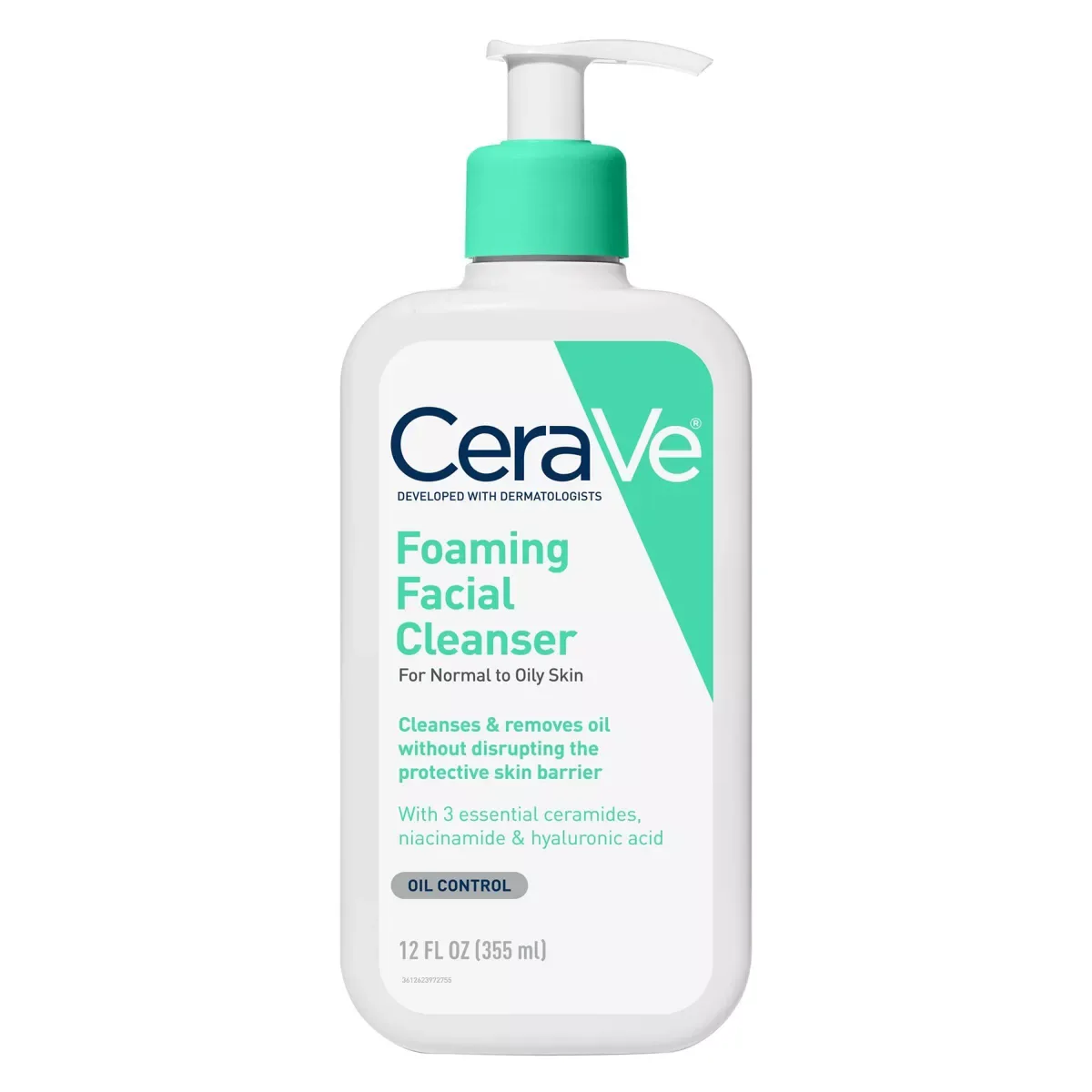
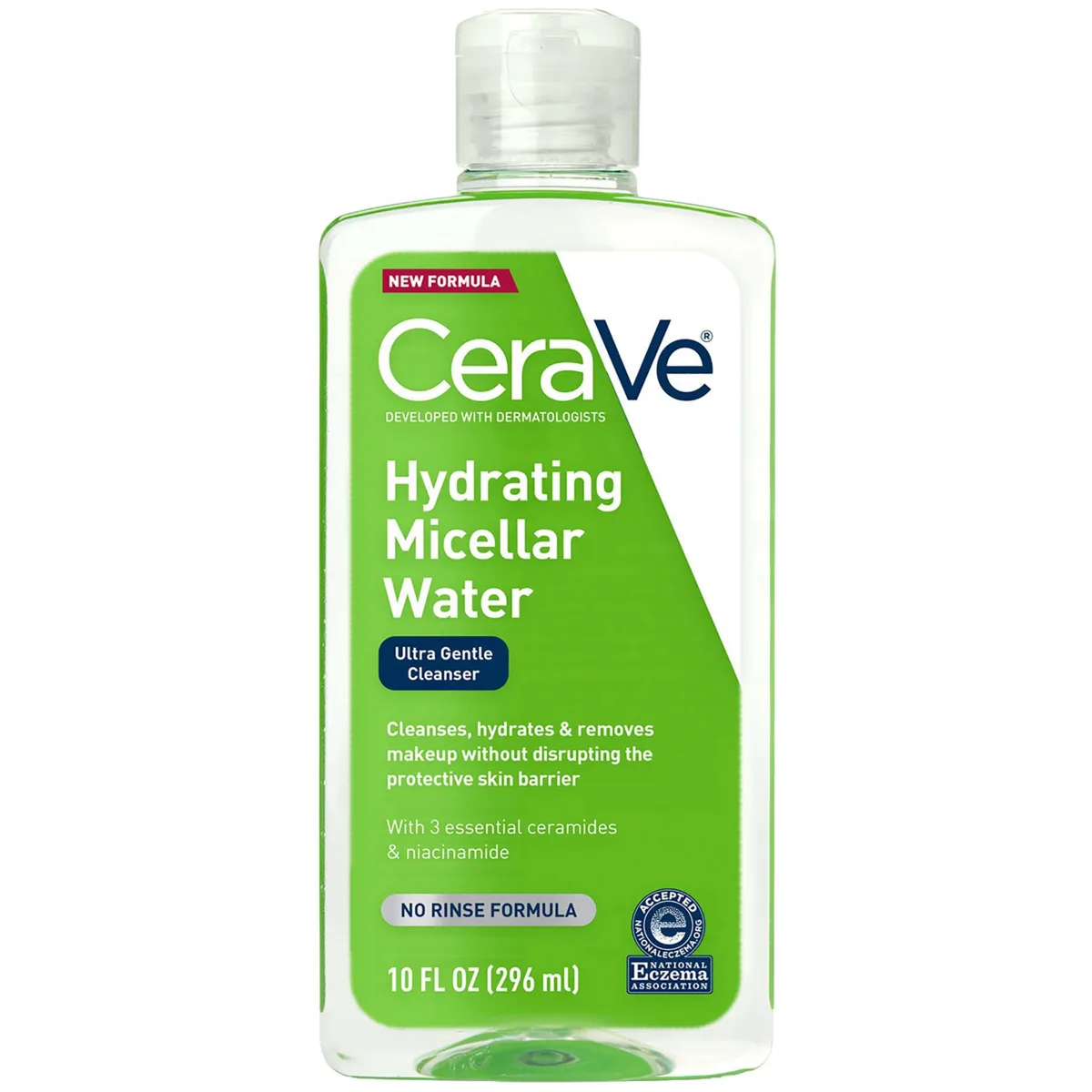
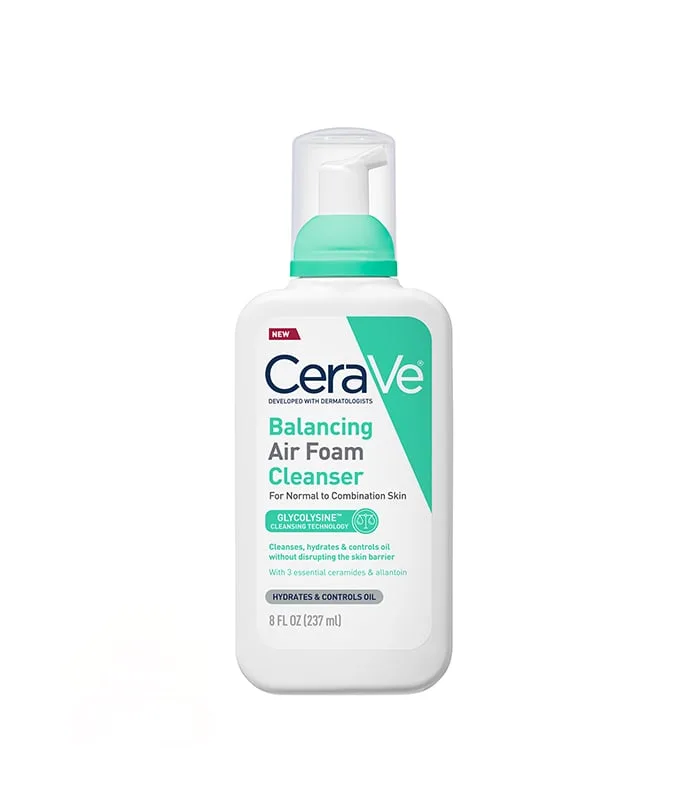
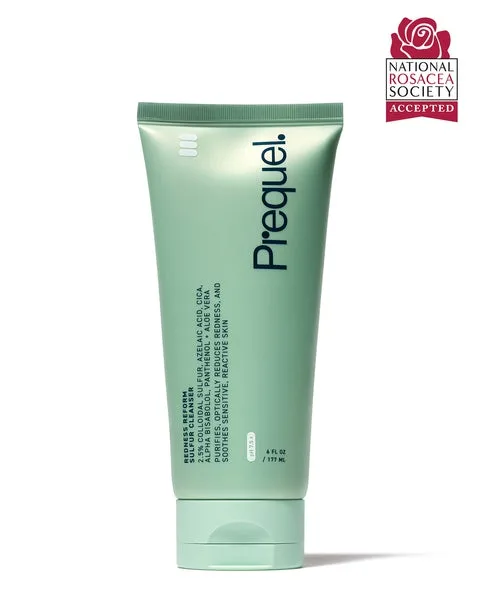
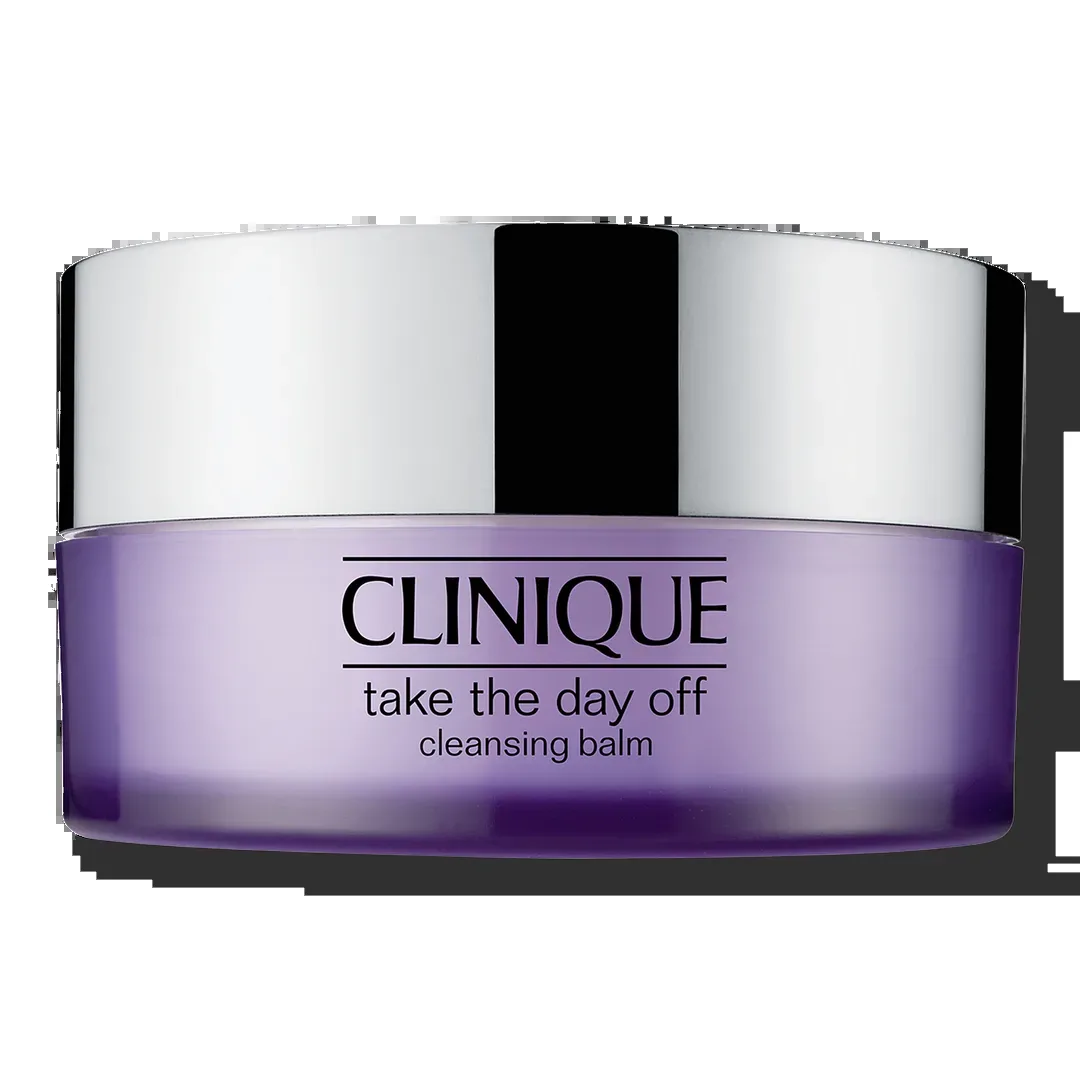
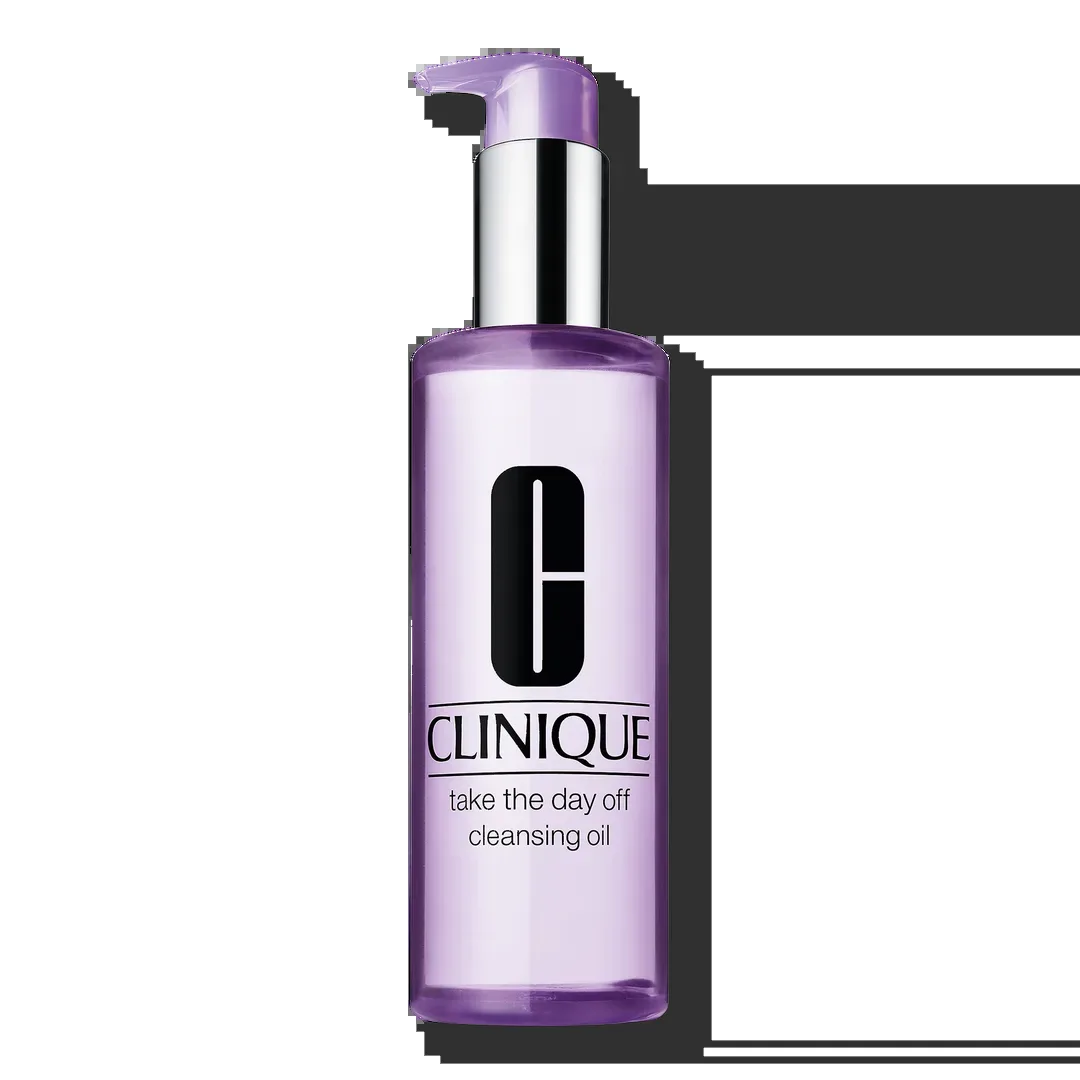
They expect it to clean without wrecking the barrier on the way out. That single priority explains why the same names keep coming up in clinics: CeraVe Hydrating at $16 deposits ceramides and cholesterol as it cleanses, and the CeraVe Foaming version adds niacinamide for oilier skin without harsh sulfates. What earns a dermatologist's nod is a short, sensible surfactant system plus barrier ingredients — ceramides, glycerin, hyaluronic acid — and the absence of the things that quietly cause trouble: high fragrance loads, denatured alcohol, and aggressive foaming agents that strip lipids. Texture is matched to skin, not trend: cream and balm cleansers like Clinique's Take the Day Off for makeup and sunscreen, gentle foams like ISDIN for oilier complexions. The honest caveat worth internalizing: 'dermatologist-recommended' is a formulation philosophy, not a magic phrase, and plenty of $40 derm-brand cleansers do nothing a $16 CeraVe doesn't — the Prequel Gleanser at $16 holds its own against options costing twice as much. Don't pay for the white-coat halo. Pick the gentle, barrier-friendly formula that suits your skin type and save your money and your actives for the steps that actually stay on your face.
Buying Guide
Judge a derm-grade cleanser by restraint. The hallmark is a mild surfactant system that cleans without that tight, stripped feeling, paired with barrier ingredients like ceramides, glycerin, and hyaluronic acid — the formula behind CeraVe Hydrating and Foaming. Match the texture to your skin: cream and balm cleansers (Clinique Take the Day Off, Dr. Loretta) suit dry or makeup-heavy routines, while a gentle foam (CeraVe Foaming, ISDIN) handles oilier skin without sulfate harshness. Scan the label for what to avoid — denatured alcohol high on the list, heavy fragrance, and the aggressive lathering agents that dissolve your own lipids. On price, set expectations: this category runs $9 to $44, but cost tracks brand prestige far more than performance, and a $16 staple frequently outcleans a $40 one. Buy the gentlest formula your skin type tolerates and spend nothing extra for the label.
Frequently Asked Questions
What makes a cleanser dermatologist-recommended?
It comes down to a gentle, barrier-respecting formula rather than any official seal — derms favor cleansers with mild surfactants and supportive ingredients like ceramides and glycerin, and without strong fragrance or stripping alcohols. Because a cleanser rinses off in seconds, they don't expect it to treat skin, just to clean it without damage. CeraVe Hydrating is a textbook example of this philosophy.
Why do dermatologists so often recommend CeraVe?
CeraVe was developed with dermatologists and built its formulas around three barrier-repairing ceramides plus hyaluronic acid, delivered through a gentle cleansing system at an accessible price. That combination of barrier support, low irritation potential, and roughly $16 cost makes it easy to recommend across nearly every skin type. Both the Hydrating and Foaming versions show up constantly in clinical settings.
Are pricier dermatologist-brand cleansers worth it?
Usually not for cleansing performance alone — a $40 derm-brand foam rarely cleans better than a $16 CeraVe or Prequel Gleanser, since gentle surfactants and barrier ingredients aren't expensive to formulate. You might pay more for a luxurious texture or makeup-dissolving oils like Clinique's. But the white-coat positioning itself doesn't justify the premium.
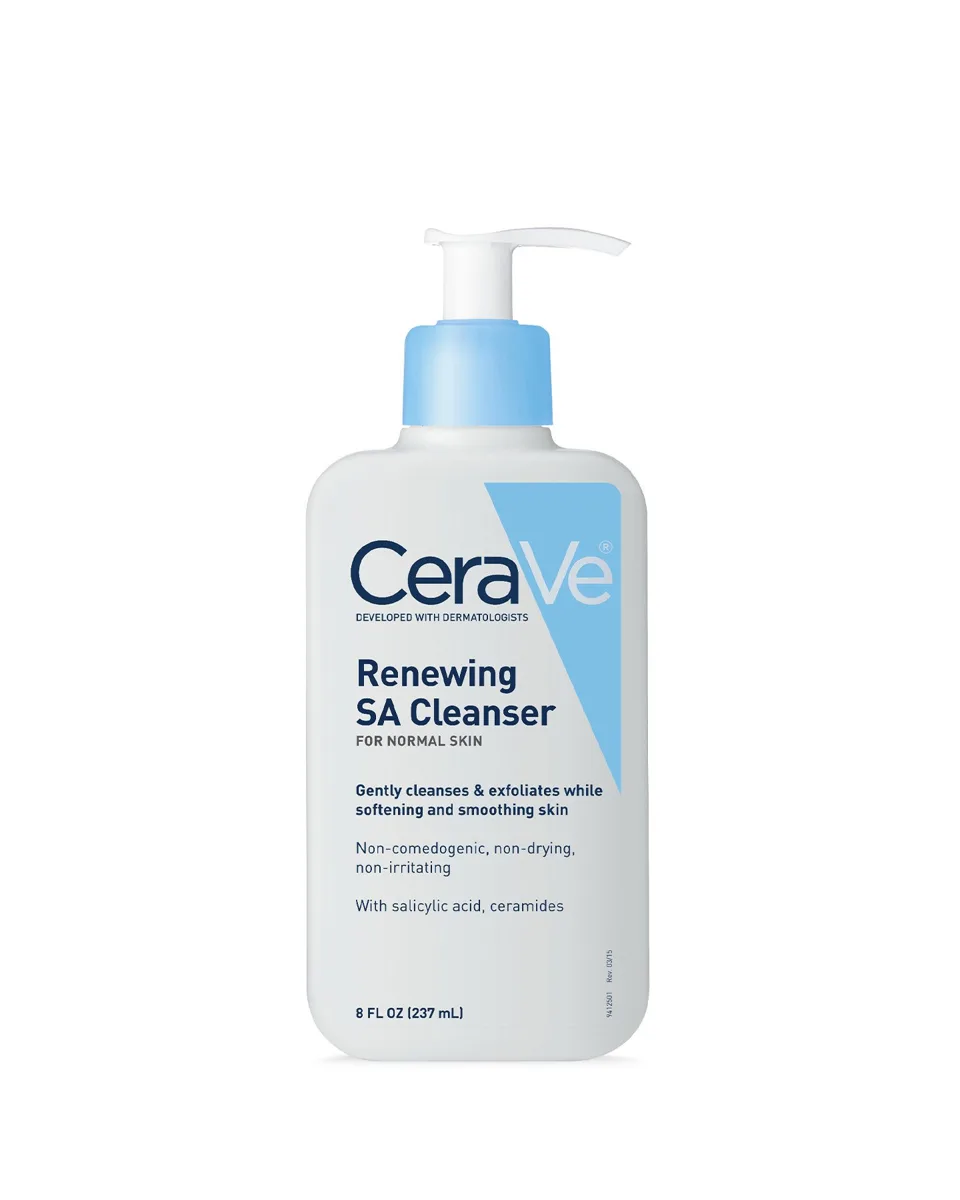
Should I use a cleanser with active ingredients like acids or retinol?
Generally no — most dermatologists prefer to keep treatment actives in leave-on products, since a cleanser rinses away before acids or retinoids can do meaningful work. A gentle cleanser that protects your barrier lets your serums and treatments perform better afterward. Save the actives for the steps that stay on your skin.