




Double Cleansing: Necessary Ritual or Clever Marketing?
K-beauty's two-step gospel is real chemistry for some faces and a nightly barrier-stripping own-goal for others — the answer depends entirely on what you're washing off.
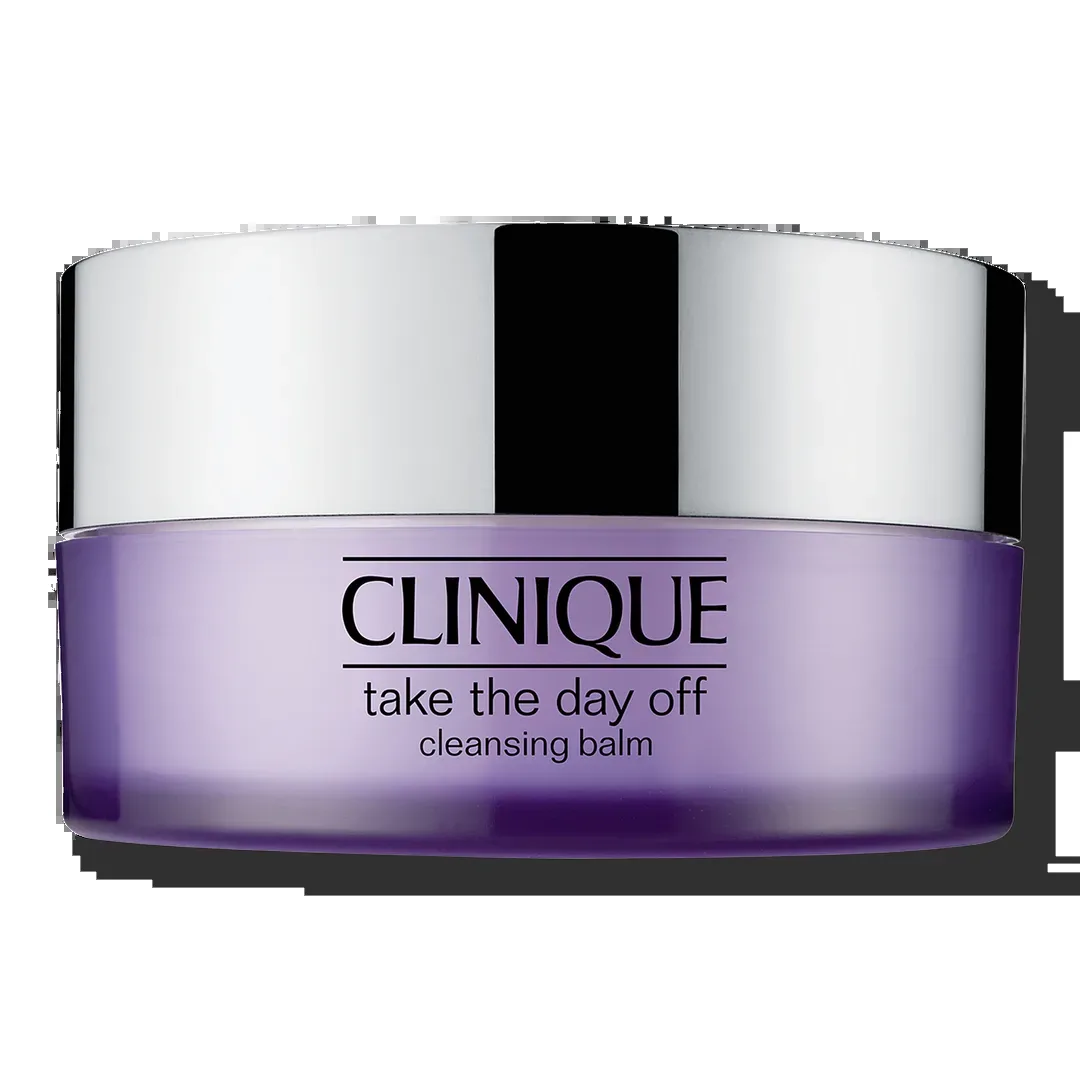
Nine ingredients. That is the entire formula. In a category where competitors routinely list 20-40 ingredients, the Take the Day Off Cleansing Balm achieves its cult status through radical minimalism. No fragrance, no essential oils, no botanical extracts, no active acids — just the exact ingredients needed to dissolve oil-based impurities, emulsify with water, and rinse clean. This restraint is what makes it safe for virtually every skin type and condition, from post-laser skin to active eczema flares.
The cleansing balm that earned its cult status through radical restraint — nine ingredients, zero fragrance, and the ability to dissolve anything from waterproof mascara to SPF 50 without disturbing even the most reactive skin. Not the most glamorous product in any routine, but possibly the most universally reliable.
The case for it
What would change this: The same active in a leave-on form would be judged on its evidence rather than its contact time.
Same rule for everyone. “Supporting role” is the verdict on 8,197 of 45,024 concern verdicts across the catalog; rule R6 decided 2,017 of them. Unchanged since September 5, 2026, engine 5.1.1.
Brand or formulator? Disclose a concentration or correct a fact →
The studies behind the evidence row
The case for it
What would change this: A researched evidence row for the lead active would replace this with a verdict.
Same rule for everyone. “Good choice” is the verdict on 1,938 of 45,024 concern verdicts across the catalog; rule F2 decided 1,938 of them. Unchanged since September 5, 2026, engine 5.1.1.
Brand or formulator? Disclose a concentration or correct a fact →
Also listed for Compromised Skin Barrier — the actives here (Emollient Esters, Safflower Oil, Caprylic/Capric Triglyceride, Vitamin E) are in our research queue for that concern; there is no verdict until their evidence rows are written. That is a gap in our table, not a mark against the product.
As a cleanserNot judged: what a cleanser is for — surfactant mildness, pH match to skin, rinses clean without stripping — cannot yet be measured from the ingredient list (only puts something back can).
A verdict is DermApproved’s assessment of how well a product’s ingredients fit a concern — never a claim about what the product treats. Evidence dots and collected reviews sit beside it and are never blended in. Rules 0.5.1 · evidence table ev-2026.09-r228 · how we decide
There are products that earn their cult status through glamour — beautiful packaging, intoxicating scents, the kind of sensory experience that makes skincare feel like self-care. And then there are products that earn it by being relentlessly, unglamorously reliable. The Clinique Take the Day Off Cleansing Balm is aggressively the second kind.
The ingredient list tells you everything you need to know about the philosophy. Nine ingredients. Nine. In a category where competitors routinely list thirty or forty — layering botanical extracts, essential oils, vitamin complexes, and proprietary blends — Clinique's formulators looked at the chemistry of dissolving makeup and said: what is the minimum number of ingredients that does this perfectly, and can we stop there?
The answer, apparently, is nine. Ethylhexyl palmitate and safflower seed oil dissolve oil-based impurities. Caprylic/capric triglyceride adds texture and additional dissolving power. A couple of emulsifiers ensure everything rinses clean with water. Tocopherol protects the formula from oxidation. Phenoxyethanol keeps it preserved. That is the entire formula. No fragrance because fragrance serves the product's aesthetics, not its function. No essential oils because they add complexity without improving cleansing efficacy. No trendy botanical extracts because they would be washed down the drain along with your mascara.
This minimalism is not laziness. It is the reason this balm is safe for virtually every skin type and condition on the planet. Rosacea patients use it without flares. Eczema sufferers use it during active outbreaks. Post-laser, post-peel, post-microneedling skin tolerates it without complaint. Contact dermatitis-prone skin encounters nothing to react to. The fewer ingredients in a formula, the fewer potential triggers — and at nine ingredients, the trigger risk approaches zero.
Clinique launched the Take the Day Off line well before the K-beauty cleansing balm trend brought oil-based cleansing to mainstream consciousness. While Banila Co's Clean It Zero and Farmacy's Green Clean would eventually popularize the category with Instagrammable jars and herbal fragrances, Clinique was already there — doing the same thing with less fanfare and less fragrance. The TDOF Cleansing Balm predates its trendier competitors by years and has quietly outlasted many of them.
The texture experience is functional rather than luxurious. The balm sits in the jar as a dense white paste that scoops easily with dry fingers. On contact with warm skin, it transforms into a clear, slippery oil that glides across the face with almost no friction. You can feel it working immediately — foundation lifts, sunscreen dissolves, mascara surrenders. A dime-sized amount covers the entire face with room to spare, which is why a single 3.8 oz jar lasts four to six months of nightly use. The economics are genuinely excellent for a prestige product.
The rinse step is where this formula shows its emulsification engineering. Add a splash of water and the clear oil transforms into a milky emulsion that rinses clean away. No oily residue. No film. No second-guessing whether you need to wash again. This clean rinse is what distinguishes it from oil cleansers that leave a slippery coating — the emulsifier system (sorbeth-30 tetraoleate and PEG-5 glyceryl triisostearate) is precisely calibrated to bind with water and carry every trace of oil and dissolved impurity down the drain.
The safflower seed oil choice is worth noting for acne-prone users who are understandably nervous about an oil-based cleanser. Safflower oil is high in linoleic acid — the fatty acid that acne-prone skin tends to be deficient in. Research has shown that topical linoleic acid can actually improve sebum composition and reduce comedone size. The non-acnegenic testing confirms what the chemistry predicts: this balm does not cause breakouts when used as directed.
Honest limitations exist, and they are worth naming. The texture, while effective, is noticeably more waxy and utilitarian than newer Korean and Japanese cleansing balms that have optimized for sensory pleasure. If you want your evening cleanse to feel like a spa ritual, this balm will disappoint — it is efficient, not indulgent. The jar packaging requires scooping with fingers, which is less hygienic than a pump or spatula design. And the formula contains polyethylene — a microplastic — which is a legitimate environmental concern for consumers who prioritize sustainability.
The polyethylene issue deserves a direct mention because it matters to an increasingly informed consumer base. Polyethylene serves as a texture agent maintaining the balm's solid consistency, but it is classified as a microplastic that enters waterways after rinsing. For consumers who want the same brand's cleansing efficacy without microplastics, the Clinique Take the Day Off Cleansing Oil provides similar performance in a liquid format without polyethylene.
But here is why this product maintains its cult status despite a decade-plus of competition: nothing has replicated the specific combination of minimalist safety, universal tolerability, efficient cleansing, and clean rinsing in exactly this way. Products have come closer in one or two of these dimensions — some balms feel nicer, some have shorter ingredient lists — but the total package remains unmatched. When dermatologists need to recommend a first cleanser for a patient with reactive skin, this is the product they name. When estheticians strip the makeup before a facial, this is what they reach for. When beauty editors compile their 'products that actually work' lists, this appears with monotonous regularity. It has earned its position not through marketing but through the simple, persistent reality that nine ingredients, thoughtfully chosen, can outperform forty.
The hero actives that drive this product's performance.
| Ingredient | Function | Evidence |
|---|---|---|
| Ethylhexyl Palmitate | The primary solvent base of this formula — a lightweight ester that dissolves makeup, sunscreen, and sebum on contact. Its ability to break down oil-soluble impurities without stripping the skin's own lipids is what makes this balm so effective at cleansing while leaving skin feeling soft rather than stripped. | Not yet assessed |
| Carthamus Tinctorius (Safflower) Seed Oil | The plant oil backbone of this formula, rich in linoleic acid which is actually beneficial for acne-prone skin — it helps regulate sebum composition. This is why the balm, despite being oil-based, doesn't trigger breakouts for most users. The safflower oil also provides antioxidant and emollient properties during the cleansing process. | Not yet assessed |
| Caprylic/Capric Triglyceride | A coconut-derived medium-chain triglyceride that contributes to the balm's silky, melt-on-contact texture. It enhances the dissolution of stubborn, waterproof makeup formulas while providing a lightweight emollient feel that distinguishes this from heavier oil cleansers. | Established mechanism for Dryness · established mechanism |
| Tocopherol | Natural vitamin E positioned as the formula's antioxidant — protecting both the product itself from oxidation and providing mild antioxidant benefit to skin during the cleansing process. In this minimalist formula, every ingredient serves a clear purpose. | Not yet assessed |
Ingredient standings describe the active at treatment-level doses and vehicles; this product's own condition grades weigh its actual formula.
Ethylhexyl Palmitate, Carthamus Tinctorius (Safflower) Seed Oil, Caprylic/Capric Triglyceride, Sorbeth-30 Tetraoleate, Polyethylene, PEG-5 Glyceryl Triisostearate, Water, Tocopherol, Phenoxyethanol
cleanser
PM
Use as the first step of a double-cleanse routine in the evening. Massage onto dry skin to dissolve makeup, sunscreen, and excess sebum. Add water to emulsify, then rinse. Follow with a water-based second cleanser to remove any residual traces. Not typically needed in the morning unless skin is very oily.
Immediate — dissolves makeup and sunscreen within 60 seconds of massaging. Skin feels clean, soft, and hydrated immediately after rinsing. Long-term consistent double-cleansing supports clearer pores and improved skin texture over weeks.
The dissolution mechanism in this balm relies on the fundamental chemistry principle that 'like dissolves like.' Makeup, sunscreen, and sebum are primarily oil-based formulations — they contain lipids, waxes, and silicones that bind to skin through hydrophobic interactions. The ethylhexyl palmitate and safflower seed oil in this formula are chemically compatible with these impurities, dissolving them on contact through intermolecular force disruption.
The linoleic acid content of safflower seed oil is particularly relevant for acne-prone skin. A foundational 1998 study published in the Journal of Investigative Dermatology by Downing et al. demonstrated that the sebum of acne-prone individuals is relatively deficient in linoleic acid compared to non-acne skin. Subsequent research has shown that topical application of linoleic acid can help normalize sebum composition, and a 1998 study published in Clinical and Experimental Dermatology found that topical linoleic acid reduced comedone size by approximately 25% over one month.
The emulsification system — sorbeth-30 tetraoleate and PEG-5 glyceryl triisostearate — creates the self-emulsifying property that distinguishes cleansing balms from simple oils. When water is added, these emulsifiers form micelles around the dissolved oil-and-impurity mixture, encapsulating the oil phase within a water-soluble shell that rinses clean. This prevents the residual film that pure oil cleansers leave behind and eliminates the need for harsh surfactants to achieve a clean rinse.
Caprylic/capric triglyceride, derived from coconut oil, contributes medium-chain fatty acids that enhance the dissolution of particularly stubborn formulations like waterproof mascaras and long-wear foundations. Its molecular weight and polarity are optimized for penetrating the cross-linked polymer films used in waterproof cosmetics.
Dermatology practitioners consistently rank this among the most recommended first cleansers for patients with sensitive or reactive skin conditions. The minimal ingredient list is the primary reason — with only nine ingredients and no fragrance, essential oils, or botanical extracts, the risk of allergic contact dermatitis or irritant reactions is extremely low. Dermatologists frequently prescribe this as the first step of a double-cleansing routine, particularly for patients with rosacea, atopic dermatitis, or compromised skin barriers who need effective makeup and sunscreen removal without any additional inflammatory burden. The ophthalmologist-tested credential is especially valued for patients with ocular rosacea or blepharitis.
Scoop a dime-sized amount of balm from the jar using dry fingers. Warm the product between your palms for a few seconds until it begins to melt into an oil. Apply to dry skin — this step is critical, as water prevents the oil from effectively dissolving makeup. Massage gently across the entire face for 60 seconds using circular motions, spending extra time on the eye area and wherever heavy makeup or sunscreen was applied. Splash a small amount of lukewarm water onto your face and continue massaging — the product will emulsify into a milky liquid. Rinse thoroughly with lukewarm water. Follow with a water-based second cleanser for a complete double cleanse.
At $44 for the standard 3.8 oz jar, the upfront cost is moderate for a prestige cleanser. The true value emerges in longevity — with nightly use, the jar lasts four to six months, making the per-use cost approximately 25-35 cents. The 1.0 oz travel size at $16 is useful for trials and travel but has worse per-ounce economics. The 6.7 oz jumbo size offers the best per-ounce value when available. Compared to K-beauty competitors at similar or lower prices, the Clinique balm justifies its positioning through the allergy-tested, dermatologist-tested, ophthalmologist-tested credentials and the decade-plus track record of safety on reactive skin.
Anyone who wears makeup, sunscreen, or both and wants a gentle, thorough first cleanser that works without irritation. Especially valuable for sensitive, rosacea-prone, eczema-prone, or post-procedure skin. An excellent choice for anyone who has reacted to fragrant or heavily formulated cleansing balms. First-time oil cleansing converts who want a reliable, low-risk introduction to the double-cleansing method.
Those who prioritize environmental sustainability and want to avoid microplastics — the polyethylene content is a valid concern. Anyone who wants their cleansing step to be a luxurious sensory experience rather than a purely functional one. Users who prefer pump or tube packaging for hygiene reasons.
Ready to try Clinique Take the Day Off Cleansing Balm?
Buy at Amazon ♥Appears as a white, semi-solid paste in the jar with an almost whipped consistency. Lighter and thinner than most cleansing balms. Scoops easily, melts into a transparent, silky oil on contact with warm skin that spreads effortlessly across the face. A dime-sized amount covers the entire face.
Fragrance-free. Virtually unscented during use — the faintest neutral oil scent detectable only if you put your nose directly in the jar.
White plastic jar with screw-top lid. Clean, clinical Clinique design. Available in 1.0 oz travel size, 3.8 oz standard, and 6.7 oz jumbo size. The jar format requires scooping with fingers, which is less hygienic than a pump but allows easy access to the thick balm texture.
First use is revelatory for many users. Scoop a small amount, warm between fingers, and massage onto dry skin. The solid balm instantly transforms into a clear, silky oil that glides across skin, visibly dissolving foundation, mascara, and sunscreen within seconds. Add a splash of water and the oil emulsifies into a milky liquid that rinses cleanly away. Skin feels soft, clean, and hydrated — not stripped. No residue, no tightness, no irritation. Even waterproof mascara surrenders without rubbing.
4-6 months with nightly use (3.8 oz standard size)
All Year
The Take the Day Off line emerged from Clinique's recognition that the most critical skincare step — removing the day's accumulation of makeup, sunscreen, and environmental debris — was being overcomplicated. While the market was filled with cleansers competing on exotic ingredients and luxurious textures, Clinique went the opposite direction: strip the formula down to the essential chemistry of dissolution and rinsing. The result was a product that predated the K-beauty cleansing balm trend by several years and has outlasted many of the trendier competitors it inspired.
Clinique was founded in 1968 as the first dermatologist-developed prestige skincare brand. The Take the Day Off line is one of Clinique's most universally praised ranges, with the Cleansing Balm becoming a cult-status product recommended by dermatologists, estheticians, and beauty editors globally.
Oil-based cleansers cause breakouts
This balm's primary oil — safflower seed oil — is rich in linoleic acid, which research suggests actually benefits acne-prone skin by helping normalize sebum composition. The emulsifier system ensures the oils rinse completely clean, leaving no pore-clogging residue. The non-acnegenic testing and thousands of positive reviews from acne-prone users confirm the formula's safety.
You need a separate eye makeup remover before using a cleansing balm
This balm is ophthalmologist tested and designed to dissolve eye makeup, including waterproof formulas, during the same cleansing step. Massage gently over closed eyes — the oils dissolve mascara and eyeliner without the tugging that dedicated eye makeup removers on cotton pads require.
Yes — this is one of its most celebrated capabilities. The ethylhexyl palmitate and safflower seed oil base dissolves waterproof formulas on contact. Massage gently over closed eyelids for 30-60 seconds and the mascara breaks down completely. No rubbing or tugging required. The ophthalmologist-tested formula is safe for the eye area.
Despite being oil-based, this formula is non-acnegenic (tested to not cause acne). The safflower seed oil is linoleic acid-rich, which research suggests benefits acne-prone skin. The emulsifier system ensures the oils rinse completely clean. Among nearly 9,000 reviews, the vast majority of acne-prone users report no breakout issues when used as the first step of a double-cleanse followed by a water-based cleanser.
Dermatologists recommend following any oil-based first cleanser with a water-based second cleanser to ensure complete removal of dissolved impurities and any residual product. While this balm rinses cleaner than most oil cleansers, a gentle gel or foam cleanser afterward ensures your treatment products can penetrate effectively.
The nine-ingredient, fragrance-free, alcohol-free formula makes this one of the safest cleansing options for reactive skin conditions. The absence of essential oils, botanical extracts, and acids means there's virtually nothing to trigger a rosacea flare or irritate eczematous skin. Dermatologists frequently recommend it for patients with these conditions.
The 3.8 oz standard jar at $44 lasts 4-6 months with nightly use, making it the practical sweet spot. The 6.7 oz jumbo size offers better per-ounce value when available. The 1.0 oz travel size at $16 is convenient for travel but has the worst per-ounce economics — best used as a trial size before committing to the full jar.
Yes — the formula contains polyethylene, which is classified as a microplastic. This is a legitimate environmental concern for some consumers. The polyethylene serves as a texture agent that helps maintain the balm's solid consistency. If microplastic-free formulations are a priority, the Clinique Take the Day Off Cleansing Oil offers similar cleansing performance without polyethylene.
Recurring themes our editors read across retailer reviews of this product — summaries in our words, not quotations, and not a substitute for your own patch test.
Removes all makeup including waterproof mascara effortlessly
Extraordinarily gentle — no stinging, burning, or irritation
Leaves skin feeling clean and soft, never stripped
A little goes a long way — extremely economical
Works for virtually every skin type including very sensitive and acne-prone
Rinses off completely with no oily residue
Lacks a luxurious sensory experience — utilitarian rather than pampering
Can cause temporary blurry vision if not rinsed thoroughly from eye area
Contains polyethylene (microplastic beads) — environmental concern
Jar packaging is less hygienic than a pump or tube
Some find texture more waxy than newer K-beauty cleansing balms
Verified answers from our questions library — the nuance a product page cannot carry.