



Hyaluronic Acid Can Actually Dehydrate Your Skin (Here's When)
The internet's favorite hydrator has a counterintuitive dark side — in dry air, a humectant with nothing to seal it can pull water out of your skin instead of into it.
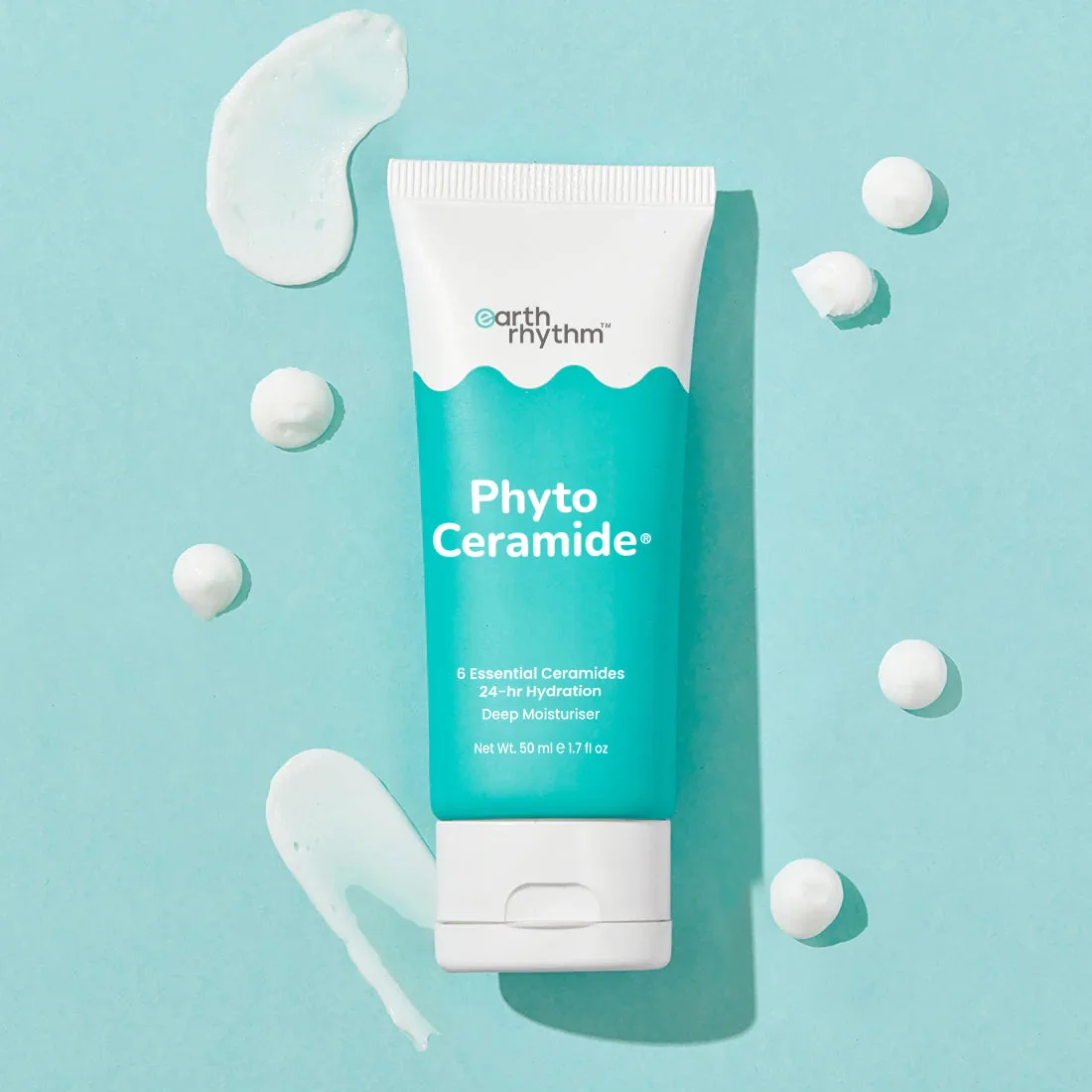
It keeps the ingredient list short and pours its budget into the barrier: a high level of Ceramide NG plus supporting phospholipids, sphingolipids, and cross-linked HA, fragrance-free, doing one job — repair and hydrate — exceptionally well for the price, without filler or sensory frills.
A focused, fragrance-free barrier cream that puts its money where it matters: a high level of Ceramide NG plus supporting lipids and cross-linked HA, in a short, no-frills formula for a few dollars. It genuinely repairs and hydrates dry, tight, compromised skin and pairs beautifully with actives — only very oily and fungal-acne-prone skin should look elsewhere.
This moisturizer comes from a young Indian clean-beauty brand with a moderate but growing review base, so real-world data is solid if not vast. The score leans on the strong, well-established science behind ceramides and hyaluronic acid, with the brand's shorter track record and lack of product-specific clinical studies tempering certainty somewhat.
The case for it
Same rule for everyone. “Good choice” is the verdict on 9,564 of 45,024 concern verdicts across the catalog; rule R5 decided 9,072 of them. Unchanged since September 5, 2026, engine 5.1.1.
Brand or formulator? Disclose a concentration or correct a fact →
The studies behind the evidence row
The case for it
Same rule for everyone. “Good choice” is the verdict on 9,564 of 45,024 concern verdicts across the catalog; rule R5 decided 9,072 of them. Unchanged since September 5, 2026, engine 5.1.1.
Brand or formulator? Disclose a concentration or correct a fact →
The studies behind the evidence row
The case for it
What would change this: A declared concentration would move this to a firmer reading of the dose.
Same rule for everyone. “Good choice” is the verdict on 9,564 of 45,024 concern verdicts across the catalog; rule R5 decided 9,072 of them. Unchanged since September 5, 2026, engine 5.1.1.
Brand or formulator? Disclose a concentration or correct a fact →
The studies behind the evidence row
The case for it
Cautions: a declarable fragrance allergen.
What would change this: A researched evidence row for the lead active would replace this with a verdict.
Same rule for everyone. “Supporting role” is the verdict on 8,197 of 45,024 concern verdicts across the catalog; rule F3 decided 183 of them. Unchanged since September 5, 2026, engine 5.1.1.
Brand or formulator? Disclose a concentration or correct a fact →
Does the jobDoes what a moisturizer is for: draws in water, softens and smooths.
A verdict is DermApproved’s assessment of how well a product’s ingredients fit a concern — never a claim about what the product treats. Evidence dots and collected reviews sit beside it and are never blended in. Rules 0.5.1 · evidence table ev-2026.09-r228 · how we decide
There's a reflex, when scanning a moisturizer's ingredient list, to equate length with value — to assume that the cream boasting two dozen botanical extracts must be doing more than the one with a dozen plain entries. Earth Rhythm's Phyto Ceramide Deep Moisturiser is a useful corrective to that instinct. Its ingredient list is short and almost austere, and that's precisely the point: it spends its modest budget on the barrier lipids that dry and compromised skin actually needs, and skips the filler and frills that pad out flashier formulas. It does one job, and does it well.
That job is barrier repair, and the formula is built around it. The standout is Ceramide NG at a notably high level — most creams include a token whisper of ceramide; this one makes a single ceramide species a genuine hero, directly replenishing the lipids a depleted barrier has lost. This is the living rebuttal to the assumption that a ceramide cream needs a long ingredient list to work: barrier repair is about supplying the right lipids, not the most ingredients. Backing the ceramide up are phospholipids and sphingolipids, additional skin-native lipids that help rebuild the lamellar structure of the barrier rather than just resting ceramide on top of struggling skin. A cross-linked sodium hyaluronate adds long-lasting surface hydration, an aloe base soothes, rice bran extract lends light antioxidant support, and vitamin E rounds it out. That's essentially the whole formula — and for barrier repair, that's enough. It's buffered to a healthy pH of 4.5-5.5, too.
In use it's a quiet workhorse. The texture is creamy going on but absorbs to a soft, non-greasy finish that doesn't sit heavy, which makes it comfortable for dry, normal, and sensitive skin alike. There's no fragrance and no sting — nothing to react to — and dry, tight, or irritated skin tends to feel relief quickly, with the deeper barrier benefits (less flaking, less redness, more resilience) building over a few weeks. It's also an excellent partner for actives: layered with or over retinol or exfoliating acids, its lipids help buffer the dryness and irritation those treatments cause. This is the kind of unglamorous, dependable cream that earns a permanent spot in a routine precisely because it doesn't try to be exciting. A 50ml tube lasts roughly six to eight weeks of twice-daily use, and it's pregnancy-safe.
The main caveats are about fit, not quality. The lightweight finish that sensitive and normal skin appreciates means very oily skin may find it unnecessary and very dry winter skin may want to layer something richer on top — it's a 'deep' moisturizer in terms of barrier work, not in terms of heavy occlusion. It contains caprylic/capric triglyceride, which can feed malassezia, so it isn't fungal-acne safe despite being otherwise gentle. And there's benzyl alcohol as a preservative, a possible allergen for a small minority, though it's well-tolerated by most. None of these undercut the core value for its intended user.
Value is, frankly, excellent. At roughly four dollars for 50ml, a genuinely high-ceramide barrier cream with supporting lipids is a steal — this is the sort of formula that costs several times more from Western 'barrier repair' brands, often with no better ingredient logic. The short list isn't cost-cutting so much as focus, and the money clearly went into the lipids. The main practical frustration is that it sells out frequently, a sign the value isn't lost on its market — and its roughly 1,500 reviewers (averaging 4.4 stars) reliably credit it with genuinely repairing dry, tight skin at a fraction of the usual cost.
A fair word on the brand: Earth Rhythm is a young Indian clean-beauty indie, founded in its current form in 2019, with a minimalist, ingredient-led philosophy and a strong domestic following. It doesn't carry the dermatologist pedigree of some peers or a deep file of clinical studies, so confidence is best anchored in the well-established science of ceramides and HA rather than in product-specific trials — but the formulation logic here is sound and the ingredients are proven, which is enough.
The ideal buyer is dry, normal, sensitive, or barrier-compromised skin that wants an effective, fragrance-free ceramide cream without paying a premium, plus anyone using retinol or acids who needs a supportive moisturizer to buffer them. The wrong buyer is very oily skin that won't need the richness, very dry winter skin wanting heavier occlusion alone, and the fungal-acne-prone. For the large group whose skin just needs its barrier looked after, though, this is one of the smartest budget buys around — proof that a short ingredient list, aimed well, beats a long one aimed at nothing in particular. It's the kind of product that reframes what you should be paying for: not the number of trendy actives on the label, but whether the money went where the skin actually uses it. Here it went into the ceramide and the supporting lipids, and almost nowhere else, which is exactly why it works. The one genuine risk is availability — it sells out often enough that fans stockpile it — but if you can get it, a fragrance-free, high-ceramide barrier cream for a few dollars is close to unbeatable, and it does the unglamorous work of keeping a barrier intact better than creams costing many times more.
The hero actives that drive this product's performance.
| Ingredient | Function | Evidence |
|---|---|---|
| Ceramide NG (5%) | An unusually high level of a single ceramide species sits at the heart of this pared-back cream, directly replenishing the barrier lipids that dry and compromised skin loses — the formula is essentially built to do this one thing well. | Established mechanism for Dryness · established mechanism |
| Sodium Hyaluronate Crosspolymer | A long-lasting, cross-linked form of hyaluronic acid that holds water at the surface, pairing humectant hydration with the ceramide's barrier repair so skin feels both quenched and sealed. | Established mechanism for Dehydration · established mechanism |
| Phospholipid & Sphingolipid Complex | Additional skin-native lipids that complement the ceramide, helping rebuild the lamellar structure of the barrier rather than just laying ceramide on top of depleted skin. | Not yet assessed |
| Rice Bran Extract | An antioxidant-rich botanical that rounds out the simple formula with light free-radical defense and conditioning, keeping the ingredient list short and barrier-focused. | Not yet assessed |
Ingredient standings describe the active at treatment-level doses and vehicles; this product's own condition grades weigh its actual formula.
Distilled Water, Aloe Barbadensis Leaf Juice, Ceramide NG, Caprylic/Capric Triglyceride, Sodium Hyaluronate Crosspolymer, Cetearyl Alcohol, Cetearyl Glucoside, Acetamidoethoxyethanol, Butylene Glycol, Oryza Sativa (Rice) Bran Extract, Phospholipids, Sphingolipids, Tocopherol, Benzyl Alcohol, Glycerin, Sorbic Acid
moisturizer
AM & PM
Apply as your moisturizer after serums, morning and night. Its short, barrier-focused formula layers cleanly under sunscreen and pairs well with actives like retinol or acids, helping buffer their drying potential.
Skin feels more comfortable and hydrated immediately; barrier improvement — less tightness, redness, and flaking — builds over 1-4 weeks of consistent use.
The cream is a textbook barrier-repair formulation built on strong evidence. Ceramides are essential structural lipids of the stratum corneum, and topical ceramide replacement is well supported for improving barrier function and reducing transepidermal water loss in dry and compromised skin; the notable feature here is the high level of Ceramide NG, a single ceramide species, delivered prominently rather than as a trace. The supporting phospholipids and sphingolipids extend this logic — barrier repair research, including classic work on stratum corneum lipid ratios, indicates that supplying a spectrum of physiological lipids supports lamellar reassembly more effectively than ceramide alone, though the specific phospholipid/sphingolipid evidence is somewhat less robust. The cross-linked sodium hyaluronate is a well-validated humectant whose cross-linked form offers more durable surface hydration. Rice bran extract contributes antioxidants (including tocols and ferulic acid derivatives) with promising but modest topical data, and tocopherol adds antioxidant stabilization. The slightly acidic pH of 4.5-5.5 is appropriate for supporting the skin's acid mantle and enzymatic barrier function. The caprylic/capric triglyceride that provides emolliency is also why the formula is not fungal-acne safe. The reasonable scientific summary is that this is a focused, evidence-aligned barrier cream whose core lipids and humectant are strongly supported and whose simplicity is a rational design choice.
Dermatologists routinely recommend ceramide-containing moisturizers for dry, sensitive, eczema-prone, and barrier-compromised skin, and they value formulas that supply ceramides alongside other physiological lipids, since the combination supports more complete barrier repair. Clinicians also frequently advise a fragrance-free barrier cream as a companion to retinoids and exfoliating acids, precisely the supportive role this product is suited to. The clinical caveats are minor: the caprylic/capric triglyceride makes it unsuitable for patients specifically managing fungal acne, and benzyl alcohol is an occasional contact allergen. The actives are considered pregnancy-compatible. For dry or compromised skin seeking an affordable, fragrance-free barrier moisturizer, dermatologists would consider this a sound, evidence-aligned option, with the usual note that very dry skin may need additional occlusion.
Apply as your moisturizer after any serums, morning and night, smoothing a small amount over the face until it absorbs. It layers cleanly under sunscreen in the morning and pairs especially well with retinol or exfoliating acids, where its ceramides and lipids help buffer dryness and irritation — apply it after those treatments. If your skin is very dry or it's cold weather, layer a richer occlusive on top at night, since this absorbs lightweight.
At around $4 for 50ml, this is exceptional value — a genuinely high-ceramide barrier cream with supporting lipids and cross-linked HA for a fraction of what comparable Western 'barrier repair' moisturizers cost. The short ingredient list reflects focus rather than corner-cutting; the budget clearly went into the lipids that matter. A tube lasts six to eight weeks of twice-daily use. The main practical drawback is availability, as it sells out often. The only buyers who won't capture full value are very oily skin that doesn't need it and the fungal-acne-prone who can't use the triglyceride. For dry and compromised skin, it's about as cost-effective as barrier repair gets.
This is ideal for dry, normal, sensitive, or barrier-compromised skin wanting an effective, fragrance-free ceramide cream without a premium price, and for anyone using retinol or acids who needs a supportive moisturizer to buffer them. Minimalists who prefer a short, focused formula will appreciate it.
Very oily skin may find it unnecessary, and very dry winter skin may want heavier occlusion than this lightweight cream provides alone. Anyone specifically managing fungal acne should avoid the caprylic/capric triglyceride, and the rare few sensitive to benzyl alcohol should patch test.
Ready to try Earth Rhythm Phyto Ceramide Deep Moisturiser?
Buy at Amazon ♥Creamy but lightweight, absorbs without heaviness
Fragrance-free with a faint neutral base note
Tube or pump
It feels like a straightforward, no-drama cream — creamy going on but absorbing to a soft, non-greasy finish that doesn't sit heavy. Dry, tight, or irritated skin tends to feel relief quickly, and there's no fragrance or sting to react to. It's a quiet workhorse rather than a sensory experience.
About 6-8 weeks of morning and evening use facial use per 50ml
All Year
Earth Rhythm built its reputation on stripped-back, ingredient-led formulas at accessible prices, and this moisturizer is a clear example: rather than chasing a dozen trendy actives, it concentrates on barrier lipids, the unglamorous foundation that dry and compromised skin actually needs.
Earth Rhythm is an Indian clean-beauty brand that took its current form in 2019, founded by Harini Sivakumar, with a minimalist, ingredient-led approach and budget pricing. It has grown a strong domestic following, though as a young, fast-scaling indie it has limited long-term independent clinical validation.
Ceramide creams need a long ingredient list to work.
Barrier repair is about supplying the right lipids, not the most ingredients. A short, focused formula with a high ceramide level plus supporting phospholipids can outperform a crowded one — simplicity here is a feature, not a shortcoming.
Yes — it's built around a high level of Ceramide NG plus supporting phospholipids and sphingolipids, the lipids a compromised barrier loses, making it a strong, fragrance-free choice for tight, flaky, or irritated skin.
It's creamy but absorbs to a lightweight, non-greasy finish, so it suits dry, normal, and sensitive skin without feeling heavy. Very oily skin may still prefer a gel, and very dry winter skin may want a richer layer on top.
No — it's fragrance-free, which alongside its barrier focus makes it well-suited to sensitive and reactive skin. It does contain benzyl alcohol as a preservative, a possible allergen for a small few.
Yes — its ceramides and lipids make it a good partner for buffering the dryness and irritation that retinol and exfoliating acids can cause, so it layers well over or alongside those treatments.
Not strictly — it contains caprylic/capric triglyceride, which can feed malassezia, so those specifically managing fungal acne should be cautious despite its otherwise gentle, barrier-friendly formula.
Yes to both — the ceramides and lipids are synthetically or plant-derived, and Earth Rhythm is a cruelty-free, vegan-focused clean-beauty brand.
Recurring themes our editors read across retailer reviews of this product — summaries in our words, not quotations, and not a substitute for your own patch test.
Genuinely repairs dry, tight skin
Lightweight yet effective
Fragrance-free and gentle
Excellent value
Too light for very dry winter skin to some
Often sold out
Not fungal-acne safe
Plain, no-frills experience
Verified answers from our questions library — the nuance a product page cannot carry.