Best Fragrance-Free Toners
Updated September 2026 · independently researched, no sponsored placements
Our top 40 picks, ranked from 360 reviewed products — ordered by how well each product does its category’s job.








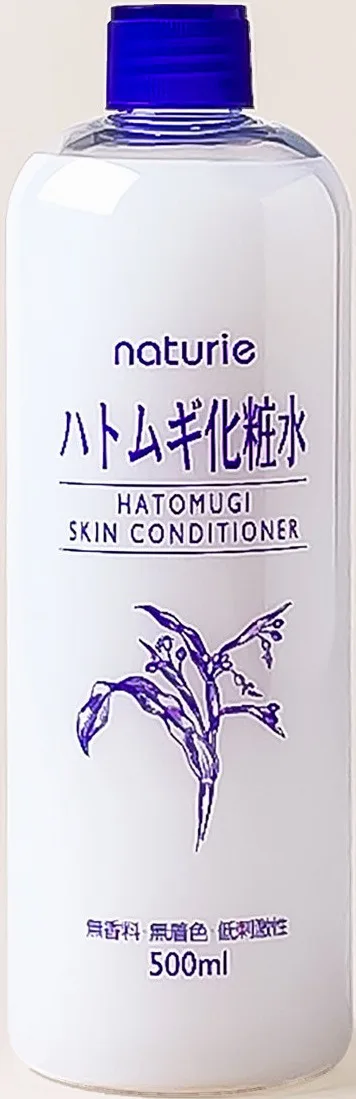


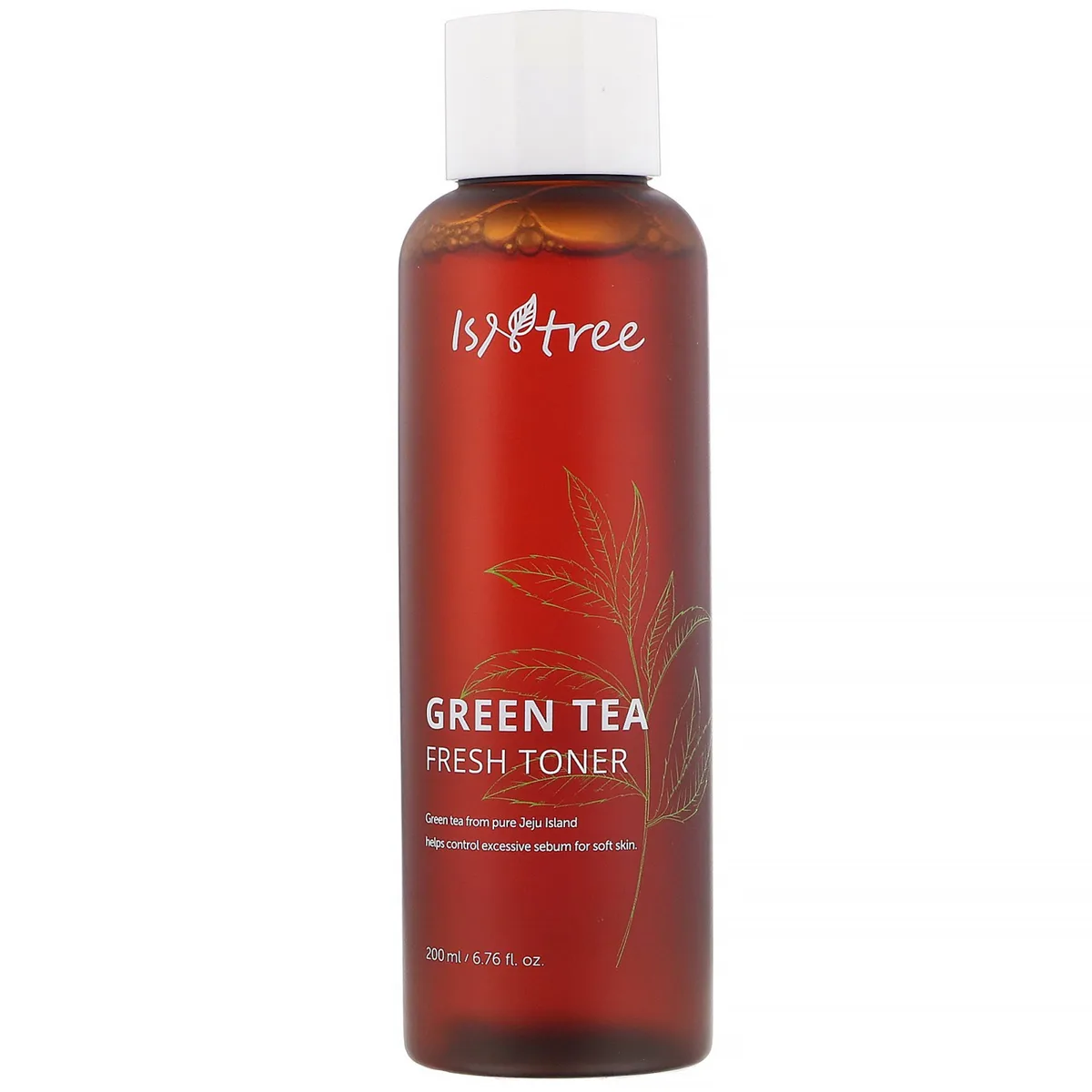



How to Choose
The best fragrance-free toners are hydrating prep layers, not the stinging astringents of decades past — and going fragrance-free matters more here than in almost any other product, because a toner is spread across the entire face and often layered several times. Modern toners bear little resemblance to the alcohol-soaked pads that once "tightened" pores while quietly stripping the skin.
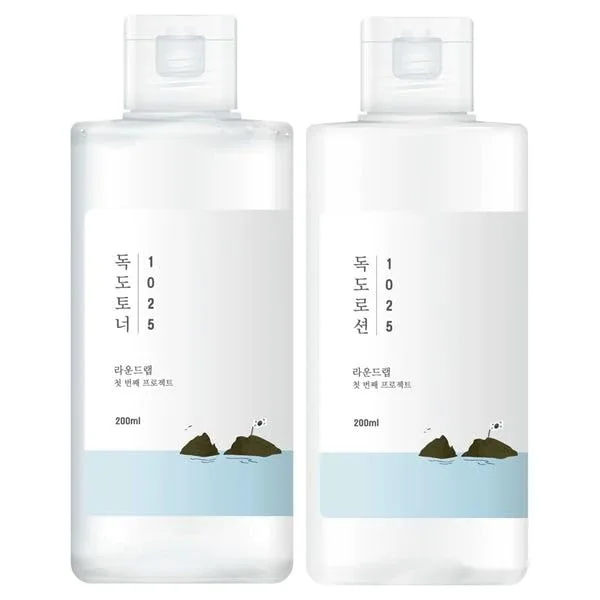
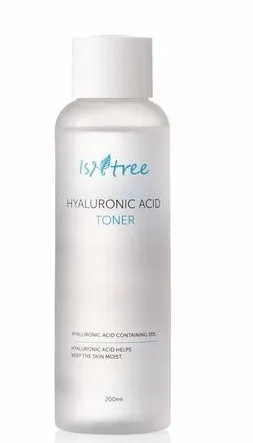
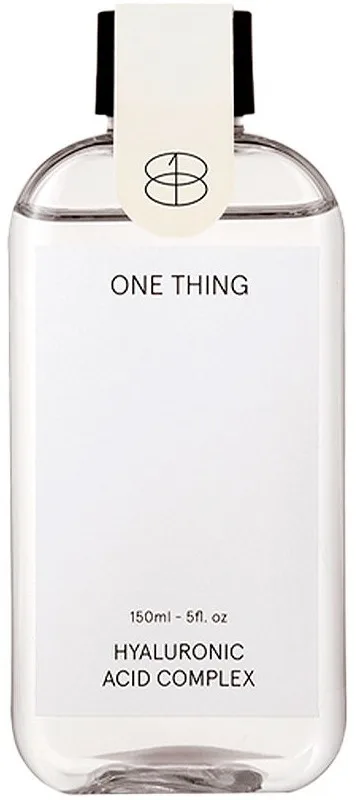
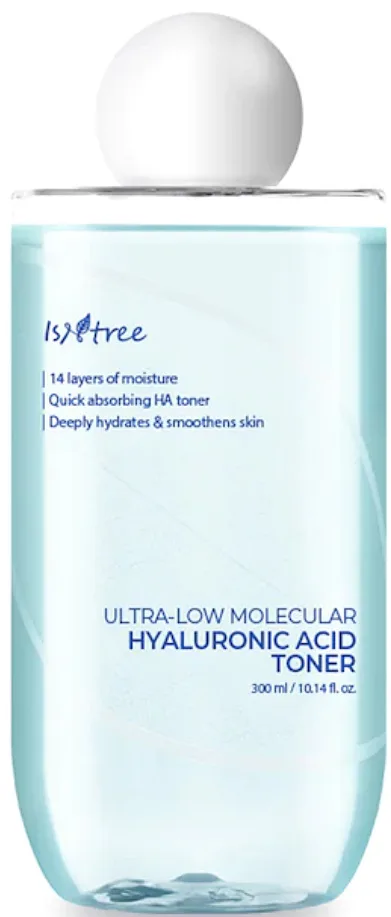
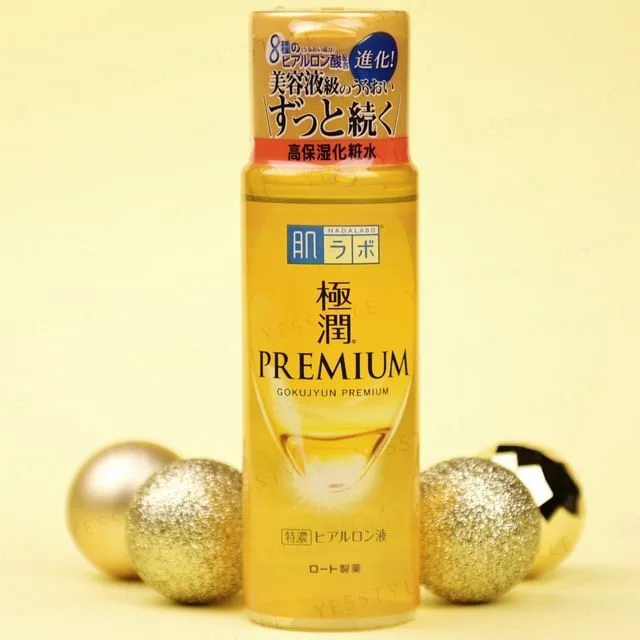
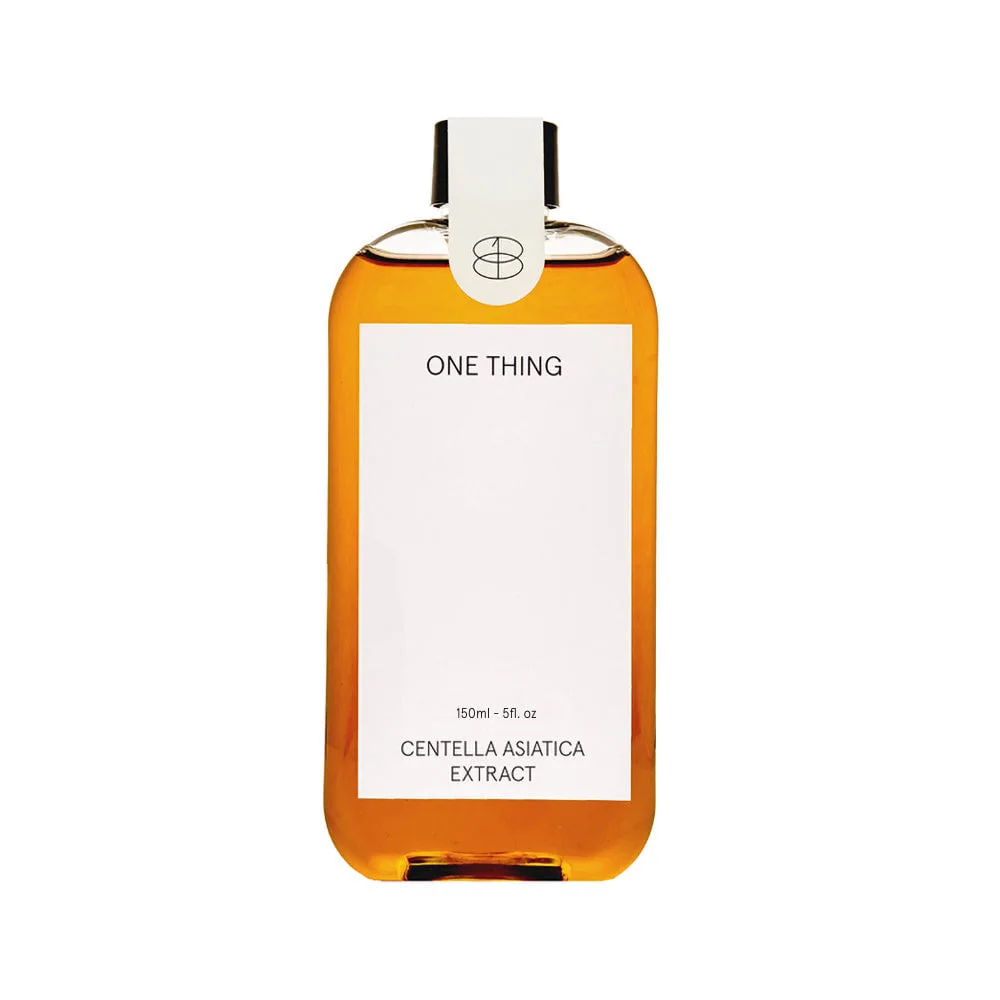
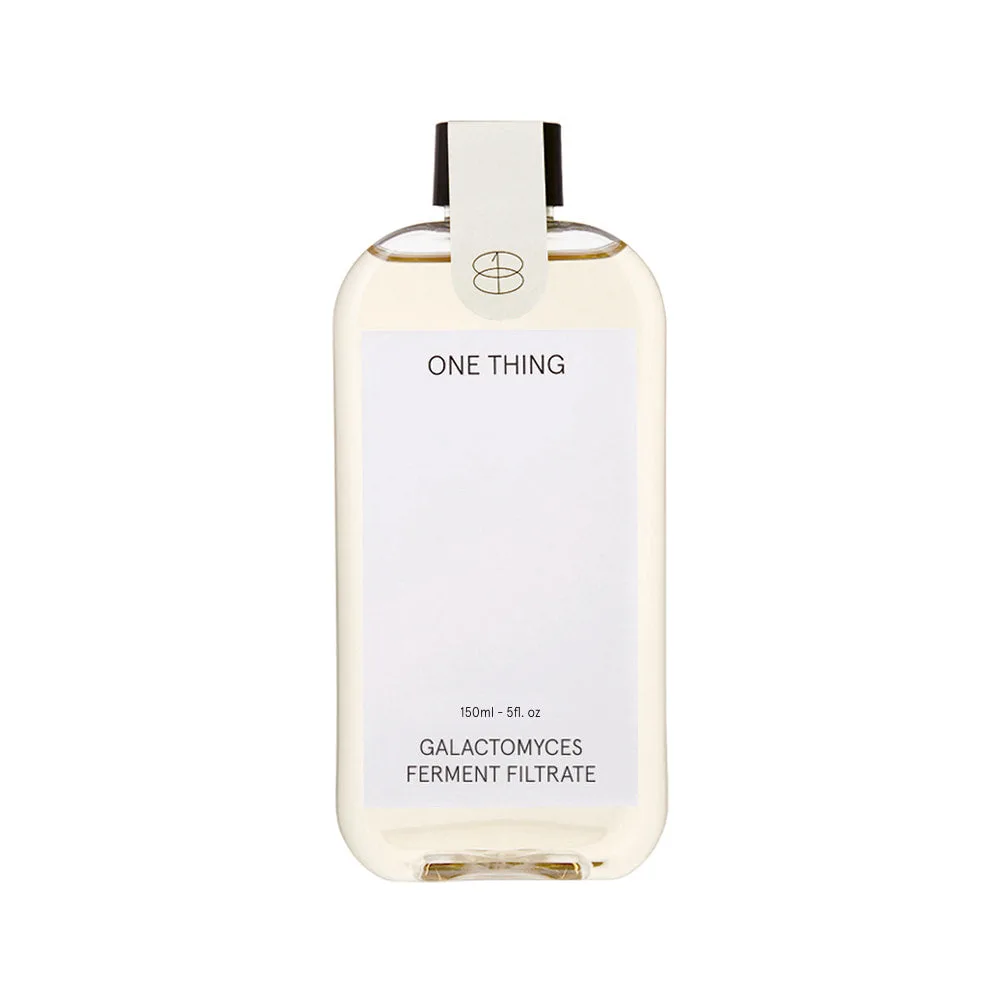
Today's best are closer to lightweight essences: watery layers of hydration and soothing actives that prep skin to absorb what follows. That format is exactly why fragrance is worth removing. Toners cover a large surface area, frequently in generous or repeated applications, so any added fragrance gets ample contact to irritate reactive skin — and fragrance is among the most common triggers in skincare. A clean, fragrance-free toner sidesteps that entirely while still delivering benefits. Look for humectants and barrier-friendly soothers: hyaluronic acid (Isntree's HA Toner, $20, and Hada Labo Gokujyun, $15, are cult hydrators), centella (One Thing's single-ingredient extract, $14, is beloved for sensitive skin), panthenol, ceramides, and niacinamide. The trap is assuming "toner" still means astringent — skip anything alcohol-forward or marketed to "deep clean" pores, which undoes the hydration you're after. The honest caveat: a toner is an optional, additive step, not a requirement; if your routine works without one, you don't need it. But if you like the extra hydration and slip, a fragrance-free formula is the lowest-risk way to add it. The best value here is genuine — nearly everything worth buying sits between $13 and $25.
Buying Guide
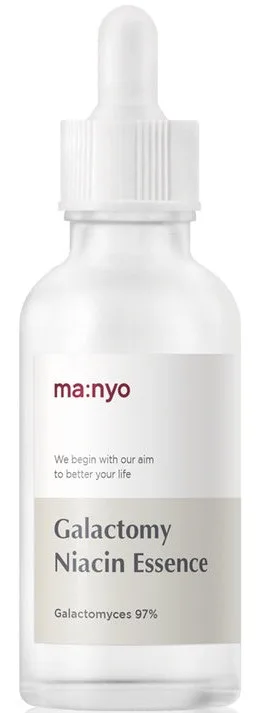
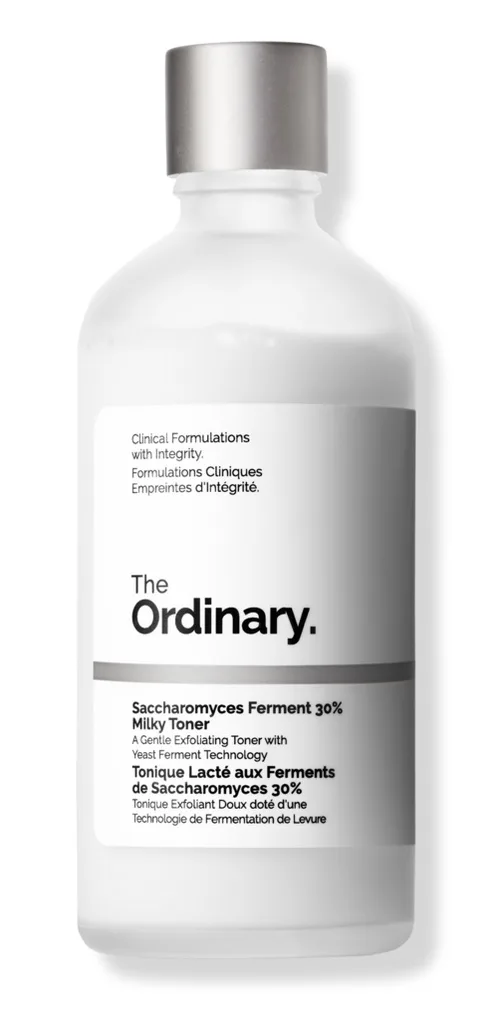
Decide what you want the toner to do, since "toner" now spans hydrating, soothing, and gently exfoliating formats. For most people seeking a fragrance-free option, a hydrating toner built on humectants (hyaluronic acid, glycerin) and barrier soothers (centella, panthenol, ceramides, niacinamide) is the safest, most broadly useful pick. Confirm the fragrance-free claim covers essential oils too, which count as fragrance and can irritate. Avoid alcohol-forward astringent toners that strip and tighten — that older style undermines the hydration modern toners are prized for. Texture is a preference: thin, watery toners absorb fast and layer well, while milky or essence-style toners feel more nourishing for drier skin. If you want a mild functional boost, look for gentle additions like galactomyces or low-level brightening actives, but keep exfoliating-acid toners as a separate, less-frequent step rather than a daily fragrance-free hydrator. Price is refreshingly low across the board — the best fragrance-free toners cluster between $13 and $25, so there's no reason to overspend; choose based on the soothing active profile and texture you like, not the price.
Frequently Asked Questions
Why choose a fragrance-free toner specifically?
Because toner is applied across the whole face, often in generous or repeated layers, giving any added fragrance plenty of contact to irritate sensitive or reactive skin. Fragrance is one of the most common triggers in skincare, so removing it lowers the risk while you still get the hydration and soothing benefits. It's an easy way to keep a toner step low-risk.
Do toners actually do anything, or are they an unnecessary step?
Modern toners aren't essential, but they're not useless either — hydrating, fragrance-free ones add a layer of moisture and soothing actives that prep skin for serums and moisturizer. The outdated astringent toners that stripped skin are the ones worth skipping. If your routine works without a toner, you don't need one; if you enjoy the extra hydration and slip, a gentle fragrance-free formula is a pleasant, low-risk addition.
Are alcohol-free and fragrance-free toners the same thing?
No — alcohol-free means no drying alcohols that can strip the skin, while fragrance-free means no added scent or essential oils that can irritate. A toner can be one without the other, so check both labels if you want a gentle, hydrating formula. For reactive skin, ideally choose a toner that is both fragrance-free and free of drying alcohol.
When should I apply a fragrance-free toner in my routine?
Apply it right after cleansing and before serums and moisturizer, patting it onto damp skin so it boosts hydration and helps the next steps absorb. Hydrating toners can be layered a few times for extra moisture if your skin is dry. If you use an exfoliating toner instead, treat that as a separate, less-frequent step rather than a daily hydrator.