Best Moisturizers for Dehydrated Skin
Updated September 2026 · independently researched, no sponsored placements
Our top 39 picks, ranked from 1065 reviewed products — ordered by each product's dehydration verdict, then evidence strength.















How to Choose
The best moisturizers for dehydrated skin solve a water problem, not an oil problem — which is why an oily, breakout-prone face can be just as parched as a flaky one. Dehydration is a condition, not a skin type: it's a shortage of water in the upper layers, often triggered by over-cleansing, winter air, retinoids, or one too many acids.
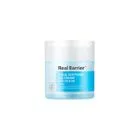
That distinction changes what you should buy. You want humectants up front — hyaluronic acid, glycerin, panthenol — to pull water into the skin, then something to seal it so the water doesn't evaporate within the hour. A humectant alone, applied to thirsty skin in a dry room, can actually draw moisture out of deeper layers and leave you tighter than before. The seal is the part people skip. That's why the standouts here pair the two: Isntree's Hyaluronic Acid Aqua Gel Cream ($24) layers multiple HA weights under squalane for a weightless finish, while CeraVe Moisturizing Cream ($19) backs its glycerin and HA with ceramides and petrolatum for a near-occlusive lock. Look for that one-two punch. The trap to avoid is a watery "hydrating" gel that's all humectant and no occlusion — refreshing for ten minutes, useless by noon. You don't need to spend much: most of the picks here sit between $9 and $38, and the cheapest are among the best. Hydration also isn't a one-application fix — give a genuinely well-built formula a week of consistent use before you judge it. Match the texture to your skin's oiliness, get the seal right, and dehydration is one of the easiest skin complaints to actually solve.
Buying Guide
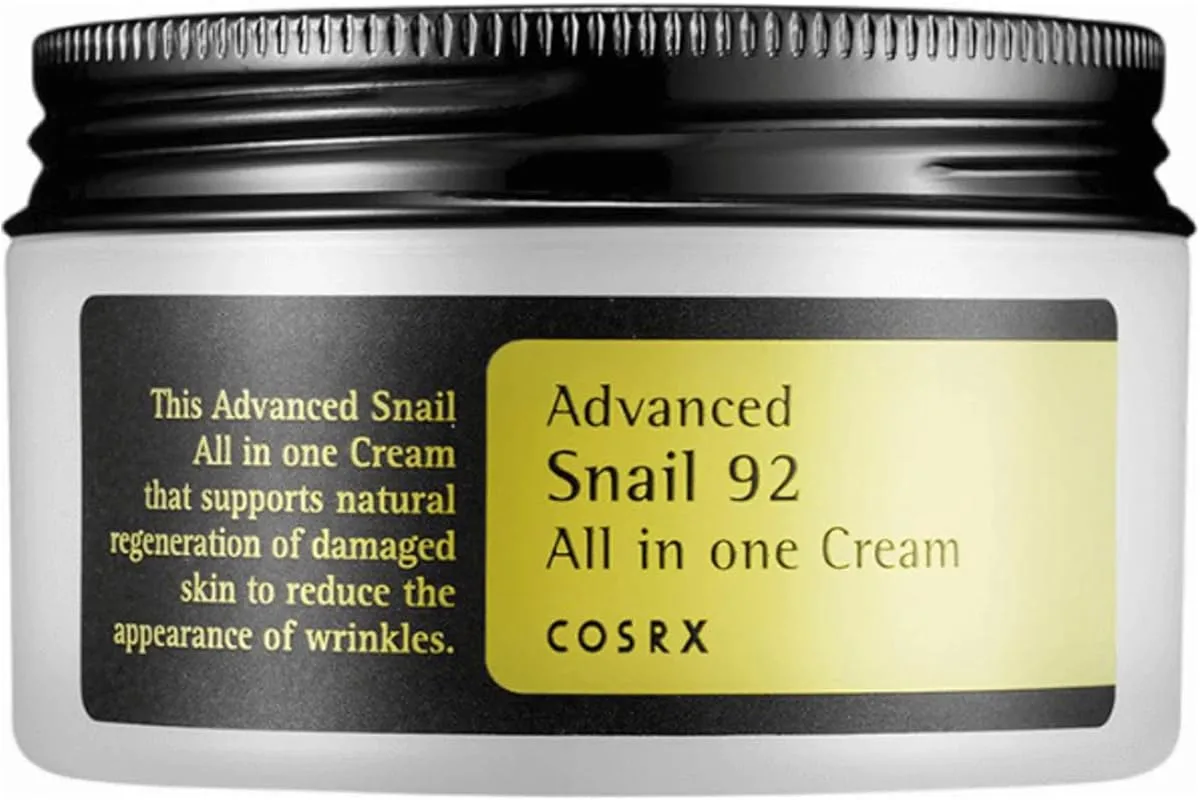
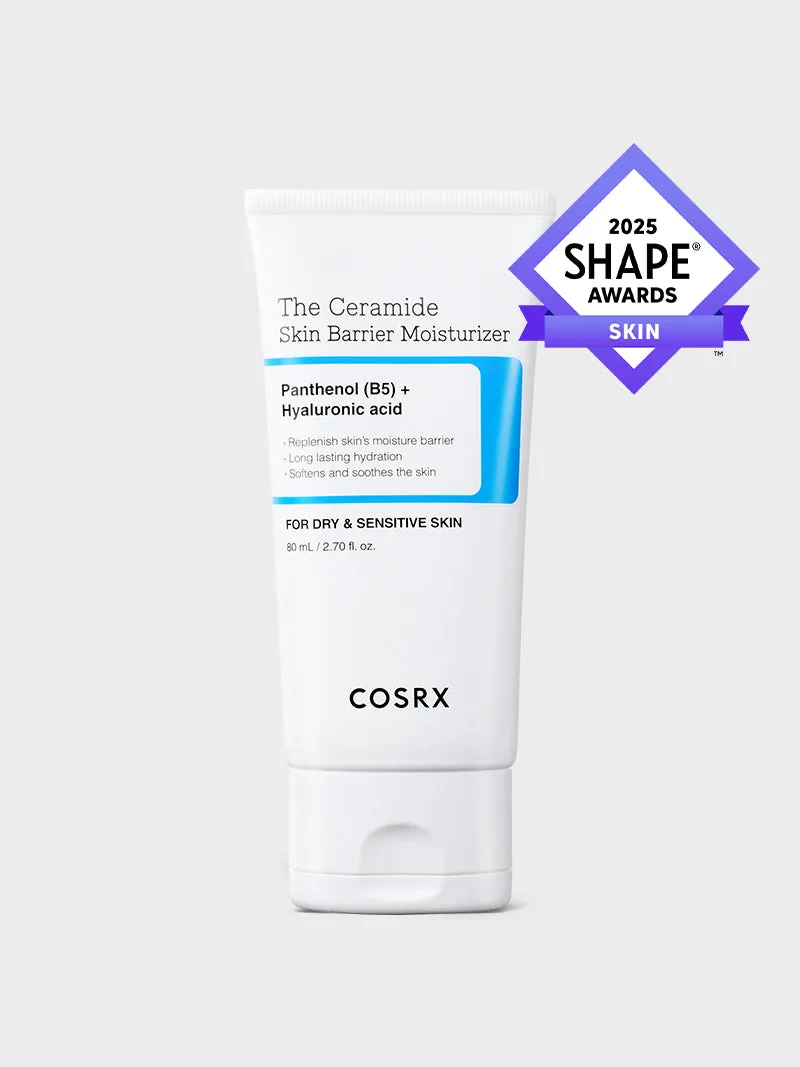
Start with the humectant load: hyaluronic acid, glycerin, and panthenol are the workhorses that draw water into the skin, and the best formulas use more than one. Then check for the seal — ceramides, squalane, petrolatum, or plant oils that stop that water from flashing off into dry air. A moisturizer with humectants but no occlusive element is the single most common dehydration mistake, especially in winter or air conditioning. Match texture to your own oil levels rather than to the word on the jar: oilier skin does well with a gel-cream like Isntree's or Torriden's DIVE-IN, while drier or compromised skin wants the richer barrier creams from CeraVe, Versed, or COSRX. Fragrance-free is the safer call if your barrier is already stressed from acids or retinoids. On price, this is a category where spending more buys very little — Vanicream at $16 and Geek & Gorgeous at $12 outperform plenty of luxury jars, so let the formula, not the price tag, decide.
Frequently Asked Questions
What's the difference between dehydrated and dry skin?
Dry skin lacks oil and is a skin type you're largely born with; dehydrated skin lacks water and is a temporary condition anyone can get, including oily and acne-prone skin. That's why a greasy T-zone can still feel tight — it has plenty of oil but not enough water. The fix for dehydration is humectants plus a seal, not necessarily a heavier oil-based cream.
Can oily skin be dehydrated?
Absolutely — oily skin is one of the most commonly dehydrated, partly because people strip it with harsh cleansers and skip moisturizer, which pushes oil glands to overproduce. A lightweight gel-cream with hyaluronic acid and glycerin, like the Isntree or Torriden picks here, hydrates without adding the grease oily skin doesn't need.
Why does my skin feel tighter after using a hyaluronic acid moisturizer?
Hyaluronic acid is a humectant, so in a dry environment it can pull water from deeper in your skin to the surface, where it evaporates — leaving you tighter than before. The solution isn't to ditch HA but to layer something occlusive over it, or choose a formula that already pairs it with ceramides or squalane to lock the water in.
How long does it take to fix dehydrated skin?
Surface hydration improves within a day or two, but rebuilding the barrier so skin holds water on its own usually takes one to two weeks of consistent twice-daily use. If you're also cutting back on the over-exfoliation or harsh cleansing that caused it, expect the fuller recovery toward the two-week mark.
Do I still need a separate moisturizer if I use a hydrating serum?
Usually yes — most hydrating serums are humectant-heavy and lack the occlusive layer that keeps that water from evaporating. A moisturizer applied over the serum provides the seal; on oily skin even a thin gel-cream on top makes the serum's hydration last meaningfully longer.