


Beta-Glucan Does Niacinamide's Job Without the Marketing Budget
It hydrates, calms, and quietly supports the barrier with one of the better safety records in skincare. So why has almost nobody heard of it?
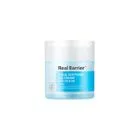
Most gel-creams prioritize texture over function, delivering a pleasant skin feel with minimal active ingredients. Real Barrier's proprietary MLE (Multi-Lamellar Emulsion) technology — developed by dermatological lab Neopharm — layers ceramide NP with the full free fatty acid spectrum and cholesterol in the ratio found in healthy stratum corneum. That lipid-physiology approach is usually found in prescription-grade creams, not lightweight K-beauty gel-creams.
Real Barrier's Aqua Soothing Gel Cream is one of the most technically impressive gel-creams in K-beauty, built on a patented lipid-matrix system developed by a Korean dermatological lab for atopic dermatitis patients. It delivers prescription-adjacent barrier repair in a texture light enough for oily and combination skin — a genuinely rare combination.
The case for it
What would change this: A declared concentration would move this to a firmer reading of the dose.
Same rule for everyone. “Good choice” is the verdict on 1,938 of 45,024 concern verdicts across the catalog; rule F2 decided 1,938 of them. Unchanged since September 5, 2026, engine 5.1.1.
Brand or formulator? Disclose a concentration or correct a fact →
The studies behind the evidence row
The case for it
Same rule for everyone. “Good choice” is the verdict on 9,564 of 45,024 concern verdicts across the catalog; rule R5 decided 9,072 of them. Unchanged since September 5, 2026, engine 5.1.1.
Brand or formulator? Disclose a concentration or correct a fact →
The studies behind the evidence row
The case for it
What would change this: A declared concentration would move this to a firmer reading of the dose.
Same rule for everyone. “Supporting role” is the verdict on 8,197 of 45,024 concern verdicts across the catalog; rule R8a decided 1,489 of them. Unchanged since September 5, 2026, engine 5.1.1.
Brand or formulator? Disclose a concentration or correct a fact →
The studies behind the evidence row
The case for it
What would change this: A concentration inside the studied range would raise this a step.
Same rule for everyone. “Supporting role” is the verdict on 8,197 of 45,024 concern verdicts across the catalog; rule R7 decided 258 of them. Unchanged since September 5, 2026, engine 5.1.1.
Brand or formulator? Disclose a concentration or correct a fact →
The studies behind the evidence row
The case for it
What would change this: A declared concentration would move this to a firmer reading of the dose.
Same rule for everyone. “Supporting role” is the verdict on 8,197 of 45,024 concern verdicts across the catalog; rule R8a decided 1,489 of them. Unchanged since September 5, 2026, engine 5.1.1.
Brand or formulator? Disclose a concentration or correct a fact →
The studies behind the evidence row
Does the jobDoes what a moisturizer is for: supplies barrier lipids, draws in water.
A verdict is DermApproved’s assessment of how well a product’s ingredients fit a concern — never a claim about what the product treats. Evidence dots and collected reviews sit beside it and are never blended in. Rules 0.5.1 · evidence table ev-2026.09-r228 · how we decide
To understand why this gel-cream is quietly one of the best in its category, you have to understand where it comes from. Real Barrier is a product line from Neopharm, a Korean dermatological laboratory that's been developing patented lipid-matrix technology since the mid-1990s under the name MLE — Multi-Lamellar Emulsion. MLE was originally commercialized through the laboratory's clinical atopic-dermatitis line, a formulation family used in Korean pediatric dermatology practices for decades. Real Barrier is what happens when that clinical lineage gets repackaged for a consumer K-beauty aesthetic: same lipid science, same laboratory, different branding and a prettier tube. That context matters because gel-creams as a category are usually optimized for texture rather than function. Most K-beauty gel-creams exist to deliver a pleasant, lightweight, plumped feeling to combination skin without worrying about deeper formulation work. Real Barrier's version flips that — the texture is engineered to be lightweight specifically because the brand's target audience includes people with oily-but-compromised or combination-but-sensitive skin who've been failed by both heavy creams and minimal gels. The MLE core is what makes the difference. Look past the first few ingredients and you find ceramide NP alongside the full spectrum of free fatty acids — palmitic, myristic, lauric, oleic, stearic — plus cholesterol and phytosterols. That's the physiologic lipid triangle: ceramides, fatty acids, and cholesterol, the three lipid classes that make up healthy stratum corneum lipids, arranged in a multi-lamellar structure that's designed to slot into the skin's own lipid matrix. This is the architecture that barrier-repair research since the 1990s has shown to be more effective than any single lipid class alone, and it's the same principle behind prescription lipid creams like EpiCeram. Finding it in a $25 K-beauty gel-cream is, frankly, an unusual deal. The supporting cast is the clean, calm version of K-beauty skincare. Madecassoside — the purified active from centella asiatica — provides the anti-inflammatory work. Hydrogenated lecithin and phytosterols add membrane-support lipids. Sodium hyaluronate and propanediol handle the humectant layer. Beta-glucan adds a mild immunomodulatory note relevant to reactive skin. There's panthenol, allantoin, a drop of niacinamide, and the fruit extract of Elaeagnus umbellata (autumn olive) — an antioxidant that Neopharm seems to like. What you don't see is the stuff that causes problems. No added fragrance, no essential oils, no alcohol, no silicones, no pigments that could irritate acutely sensitive skin. The list is clean in the most meaningful sense: it's clean because the brand is formulating for patients who can't afford to react, not because 'clean' polls well in marketing. The chemistry backs the restraint: the formula is balanced to pH 5.5, matching the acid mantle it is trying to rebuild, and arginine handles the pH adjustment where cheaper formulas reach for stronger bases. One labeling note: the cholesterol that completes the lipid triad keeps this from being vegan, and the fatty-acid spectrum places it on the fungal-acne caution list — the same lipids that feed your barrier can, in the unlucky, feed malassezia. On application, the texture is where the engineering work shows. It's a bouncy, slightly gelled cream that feels closer to a thick essence than a traditional moisturizer. It spreads without drag, absorbs within about a minute, and leaves a cushioned but not tacky finish. For oily or combination skin that normally finds ceramide creams too heavy, this format is genuinely revelatory — you get the functional benefits of a lipid-matrix repair cream without the occlusive weight that would trigger congestion or midday shine. For drier skin, it can work as a base layer under a richer occlusive at night, or as a lighter AM option. The results curve is quieter than a richer barrier cream but, for the right skin, more convincing in the long run. Most users notice reduced reactivity and calmer redness within the first few applications — particularly obvious on post-procedure skin, windburn, or over-exfoliation damage. Over two to four weeks, the cumulative effect of the lipid matrix rebuilding shows up as improved tolerance to other actives, less flaring from sensitivity triggers, and the kind of settled, resilient skin that's hard to achieve with gel-creams that rely on humectants alone. That improved tolerance has a practical use case worth naming: this is an ideal companion moisturizer during a retinoid adjustment period, when the barrier needs reinforcement most and anything heavier would feel like an apology. It also passes the pregnancy audit without a footnote. Honest limits: it's not the right pick for severely dry skin in winter, where a richer barrier cream or the brand's Extreme Cream variant is a better match. The 50ml tube is small for the price, and heavy daily users will repurchase more often than they'd like. But for the specific lane this product is trying to fill — clinical-grade barrier repair in a lightweight, comfortable format — it's one of the best options on the market, and its clinical heritage gives it a credibility that most K-beauty gel-creams simply don't have. The 5,200 reviews averaging 4.5 stars supply the field data: consistent reports of genuinely calmer, less reactive skin, hydration without weight, and — the telling detail — users with opposite skin types both claiming it works for them, which is exactly what a lipid-matrix moisturizer in a light vehicle should achieve. The complaints are practical rather than damning: the fast-emptying 50ml flip-cap tube, a price above drugstore gel-creams, and honest acknowledgment that severely dry winter skin needs something richer.
The hero actives that drive this product's performance.
| Ingredient | Function | Evidence |
|---|---|---|
| Ceramide NP + Fatty Acid Complex (Palmitic, Myristic, Lauric, Oleic, Stearic) | Real Barrier's signature MLE (Multi-Lamellar Emulsion) technology layers ceramide NP with the full free fatty acid spectrum and cholesterol, mimicking the stratum corneum's native lipid matrix. This is the reason this gel-cream performs more like a barrier cream than its lightweight texture suggests. | Established mechanism for Compromised Skin Barrier · established mechanism |
| Cholesterol | Completes the third corner of the physiologic lipid triad alongside ceramides and fatty acids. Published barrier-repair research consistently shows that replacing all three lipid classes is more effective than ceramides alone. | Not yet assessed |
| Madecassoside | The purified active compound from centella asiatica that provides the anti-inflammatory and wound-healing benefits most K-beauty soothing formulas rely on. Relevant here for reactive or post-procedure skin. | Limited for Post-Procedure |
| Squalane | Mimics the skin's native sebum lipid, adding emollience without the heaviness of plant oils. In this gel-cream base it contributes to the cushion without tipping the texture into cream-weight territory. | No qualifying study for Post-Procedure |
| Panthenol | Provitamin B5 that adds hydration and calming support, reinforcing the barrier-repair effect of the lipid matrix with humectant cushioning. | Established mechanism for Dehydration · established mechanism |
Ingredient standings describe the active at treatment-level doses and vehicles; this product's own condition grades weigh its actual formula.
Water, Propanediol, Glycerin, Methylpropanediol, Dicaprylyl Carbonate, Squalane, 1,2-Hexanediol, Ceramide NP, Cetyl Alcohol, Stearic Acid, Hydrogenated Lecithin, Cholesterol, Palmitic Acid, Myristic Acid, Lauric Acid, Polyglyceryl-10 Stearate, Behenyl Alcohol, Arachidyl Alcohol, Oleic Acid, Elaeagnus Umbellata Fruit Extract, Hydrogenated Phosphatidylcholine, Sodium Hyaluronate, Centella Asiatica Extract, Panthenol, Allantoin, Madecassoside, Phytosterols, Beta-Glucan, Niacinamide, Tocopherol, Carbomer, Arginine, Disodium EDTA
moisturizer
AM & PM
Apply as the moisturizer step over serums and essences. Layers cleanly under sunscreen and makeup. Pairs well with active treatments during adjustment phases.
Immediate: calmed, hydrated feel. 1-2 weeks: reduced reactivity and redness. 4-6 weeks: visible barrier strengthening with improved tolerance of other actives.
The Multi-Lamellar Emulsion (MLE) technology behind Real Barrier has a published research record tied to its parent brand Atopalm and the parent company Neopharm. A paper published in the Journal of Dermatological Science has examined MLE-based formulations in patients with atopic dermatitis, showing improvements in transepidermal water loss, stratum corneum hydration, and SCORAD severity scores over 4-8 weeks of consistent use. The formulation principle is grounded in foundational barrier-repair research: a landmark study in the Journal of Investigative Dermatology demonstrated that topical application of physiologic lipids in approximately a 3:1:1 ratio of ceramides to cholesterol to free fatty acids accelerated barrier recovery after acute disruption, while incorrect ratios could actually impair recovery. MLE is engineered to deliver those lipids in a lamellar structure that mimics the intercellular lipid organization of healthy stratum corneum, rather than as a simple emulsion of individual ingredients. Subsequent work has explored the role of the full free fatty acid spectrum in barrier restoration, with research showing that palmitic, stearic, oleic, linoleic, and related fatty acids contribute distinct structural roles to the lipid matrix. The specific relevance to this product is that it's one of the few commercially available K-beauty formulations to include the full fatty acid spectrum alongside ceramides and cholesterol — most competing products include one or two of these components, not all three classes. The madecassoside, centella asiatica extract, and beta-glucan supporting ingredients have their own evidence bases for anti-inflammatory and immunomodulatory activity in reactive skin, layered on top of the core lipid-repair architecture.
Dermatologists commonly recognize physiologic lipid replacement as a gold-standard approach for barrier repair in atopic, rosacea-prone, and post-procedure skin. Clinical dermatologists acknowledge that products combining ceramides with cholesterol and free fatty acids in appropriate ratios outperform single-ingredient barrier creams for compromised skin. Neopharm's MLE technology is often referenced in Korean dermatological practice and has been discussed in international dermatology conferences as an example of over-the-counter formulation reaching clinical-grade lipid physiology. Dermatologists also note that the gel-cream format makes this kind of lipid-repair technology accessible to patients whose skin can't tolerate heavier traditional barrier creams, broadening the clinical utility of the approach.
Apply morning and night as the moisturizer step over serums or essences. A moderate amount — about the size of a large pea — is enough for full face and neck coverage. Let it absorb for a minute or two before applying sunscreen or subsequent products. Can be used as a buffering layer during retinoid or acid adjustment, or layered under a richer occlusive at night for dry winter conditions. Store upright with the cap sealed; the formulation is stable but benefits from consistent storage conditions.
At $25 for 50ml, this gel-cream sits in the mid-range of K-beauty pricing and is notably more expensive per ounce than standard drugstore gel-creams. The value story rests entirely on the formulation sophistication: comparable lipid-matrix creams from prescription or clinical lines often run $40-80 for similar ingredient density. For anyone whose skin has failed with simpler gel-creams or who's been looking for a lightweight alternative to rich barrier creams, the price reflects the formulation rigor and delivers genuine clinical benefit. The 50ml tube lasts roughly 1.5-2 months with twice-daily use, which puts the monthly cost in a reasonable range for a specialty moisturizer.
Anyone with combination, oily, sensitive, or reactive skin looking for a legitimate barrier-repair moisturizer in a lightweight format. Particularly valuable for people with rosacea, post-procedure skin, acute sensitivity episodes, or anyone whose skin has been failed by both heavy creams and minimal gels.
Severely dry skin will find this underwhelming — reach for the Extreme Cream or another richer option. Fungal-acne-prone users should be aware of the fatty acid content, and anyone strongly preferring ultra-simple formulations may find the ingredient list too long for their comfort.
Ready to try Real Barrier Aqua Soothing Gel Cream?
Buy at Amazon ♥Light, bouncy gel-cream that melts into a slightly cushioned finish
None
Frosted plastic tube with flip cap
Feels like a serum-cream hybrid going on — light but cushioned. Most users notice reduced reactivity within the first few applications, and the calming effect on post-treatment or windburn-damaged skin is often striking.
1.5-2 months applied morning and evening facial use
All Year
Real Barrier is part of Neopharm, the Korean dermatological laboratory behind Atopalm, a brand developed specifically for atopic dermatitis patients using patented MLE (Multi-Lamellar Emulsion) technology. Real Barrier launched in 2017 as a consumer-facing spin-off that applies the same lipid science to a K-beauty-aesthetic product line. The Aqua Soothing Gel Cream was one of the original launches and remains the brand's most-requested product internationally.
Real Barrier is a K-beauty line from Atopalm's parent company, Neopharm, a Korean dermatological laboratory known for its MLE (Multi-Lamellar Emulsion) technology originally developed for atopic dermatitis. Real Barrier launched in 2017 as a consumer-facing extension of that clinical heritage.
Gel-creams are only for oily skin and can't deliver real barrier repair
Texture and function aren't the same thing. This formula packs a clinical-grade lipid matrix into a gel-cream base, delivering ceramide-and-fatty-acid barrier repair in a texture light enough for combination or oily skin.
MLE stands for Multi-Lamellar Emulsion — a patented delivery system from Korean dermatological lab Neopharm that arranges ceramides, fatty acids, and cholesterol in the same lipid layer structure found in healthy skin. The goal is to more closely mimic the stratum corneum's native lipid matrix than simpler emulsions can.
Yes. The gel-cream texture is light enough for oily and combination skin despite delivering a clinical-grade lipid matrix. Many users with oily-but-sensitive skin find this one of the few gel-creams that genuinely calms reactivity without feeling heavy.
Yes — the formula is designed for compromised barriers and is commonly used for post-procedure recovery in K-beauty routines. The lack of fragrance and the soothing centella derivatives make it gentle on acutely sensitive skin.
The Aqua Soothing Gel Cream is lighter and better suited for normal, combination, oily, or warm-weather use. The Extreme Cream is richer and better for dry skin or winter conditions. Both use the same MLE lipid technology.
Yes — the formula contains no added fragrance, essential oils, or masking scents, which is one of the reasons it's so well-tolerated on reactive skin.
Yes — in fact, it's one of the more useful gel-creams to pair with retinol during the adjustment phase. The lipid matrix helps buffer retinol-induced dryness without feeling heavy enough to interfere with the active.
Recurring themes our editors read across retailer reviews of this product — summaries in our words, not quotations, and not a substitute for your own patch test.
Genuinely calms sensitive and reactive skin
Hydrates without feeling heavy or greasy
MLE technology delivers real barrier improvement over weeks
Works for both oily and dry skin types
50ml tube disappears fast
Higher price than drugstore gel-creams
Subtle results compared to richer barrier creams for severely dry skin
Verified answers from our questions library — the nuance a product page cannot carry.