'Soothing' Is a Vague Word — Here's What Centella, Panthenol, and Allantoin Actually Do
Every cica, calming, and barrier product leans on the same three ingredients, and the real mechanisms are far more specific — and more limited — than 'soothing' lets on.
Read the preview
From the DermApproved blog, in Ingredient Science: the soothing actives — Centella, panthenol, and allantoin. Look at any calming, cica, or barrier product and you'll find the same three names, all promising to 'soothe.' But soothing is a wonderfully slippery word — it can mean almost anything, which is exactly why the marketing loves it. So let's get specific. These three ingredients do not do the same thing, even though they share a shelf and a vibe. One has genuine wound-healing research behind it. One is a quiet barrier helper hiding in plain sight. One is the oldest trick in the jar, in almost everything you own, and almost never credited. And there's one crucial thing that not a single one of them can do — the thing people keep buying them hoping for. What's real, what's a garnish, and what you're wasting money expecting — at dermapproved.com/blog.
The word doing too much work
Pick up any 'calming,' 'cica,' or 'barrier' product and you'll find the same short roster on the label: Centella asiatica, panthenol, allantoin, sometimes in all three. The packaging promises to 'soothe,' and that word gets to be gloriously vague — it could mean anything from reducing redness to numbing a sting to repairing a damaged wall. That vagueness is convenient for marketing and useless for you, because these three ingredients don't do the same thing. They just get filed under the same feeling.
Break 'soothing' into its actual components and it splits into at least three separate jobs. One is genuinely quieting inflammation — interrupting the biochemical signals (cytokines, prostaglandins) that make skin red and reactive. Another is supporting the barrier so it stops leaking and over-reacting in the first place. A third is the immediate, superficial comfort of a protective film over irritated nerve endings. Centella leans hardest on the first, panthenol on the second, allantoin on the third — with overlap. Once you can see which lever a product is actually pulling, you can tell whether a formula is built to calm angry, compromised skin or just to feel nice for ten minutes. The [ingredient-decoder] is handy for spotting which of the three is actually present and which is a garnish.
Centella: the one with real evidence
Centella asiatica — gotu kola, 'cica,' tiger grass — is the soothing active with the deepest research file, and it earns it. Its activity comes from a group of triterpenoid compounds: asiaticoside, madecassoside, madecassic acid, and asiatic acid. These aren't just antioxidants coasting on a plant story. A 2024 review in Pharmaceutics on topical Centella in wound healing lays out the mechanism: the triterpenes inhibit the release of pro-inflammatory mediators while stimulating fibroblast proliferation and collagen synthesis, which is why it shows up in genuine tissue-repair contexts, not just cosmetics. A 2023 review in the Journal of Cellular and Molecular Medicine on asiaticoside and madecassoside specifically documents anti-inflammatory, antioxidant, and angiogenic (blood-vessel-supporting) activity behind the healing effect.
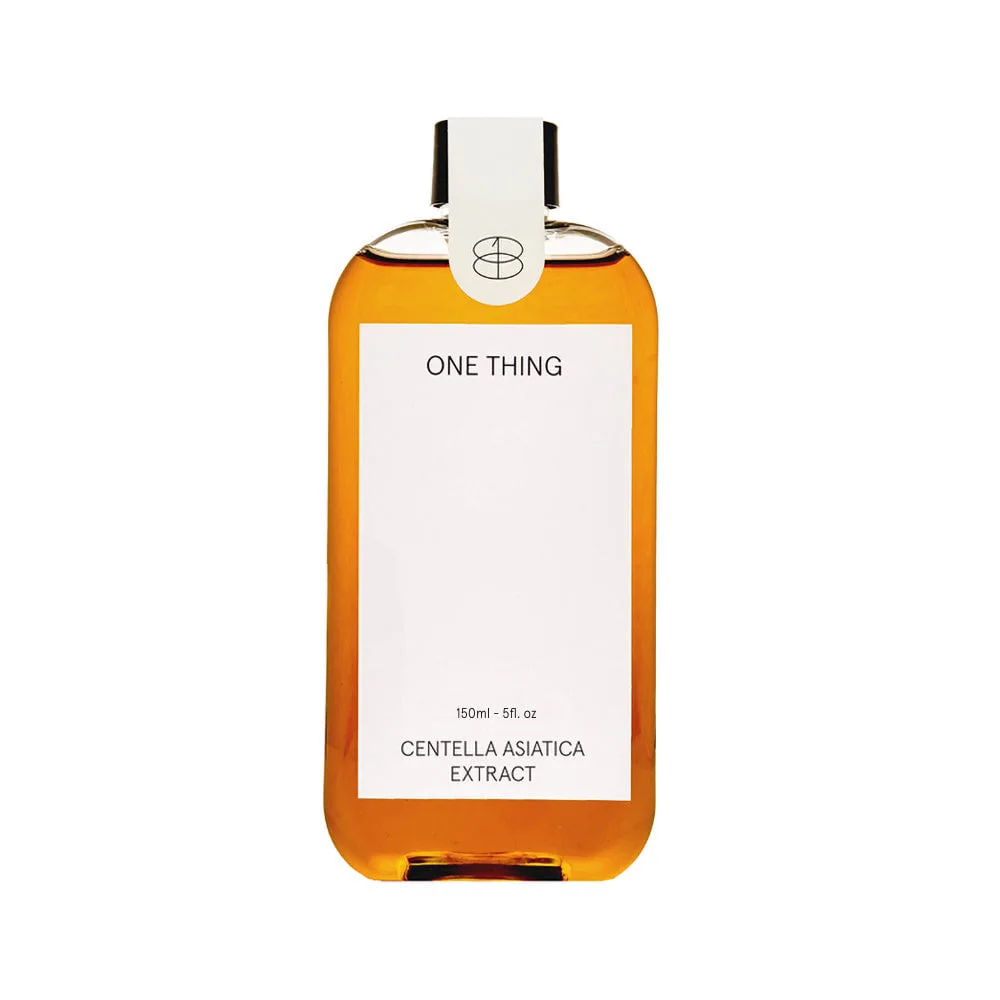
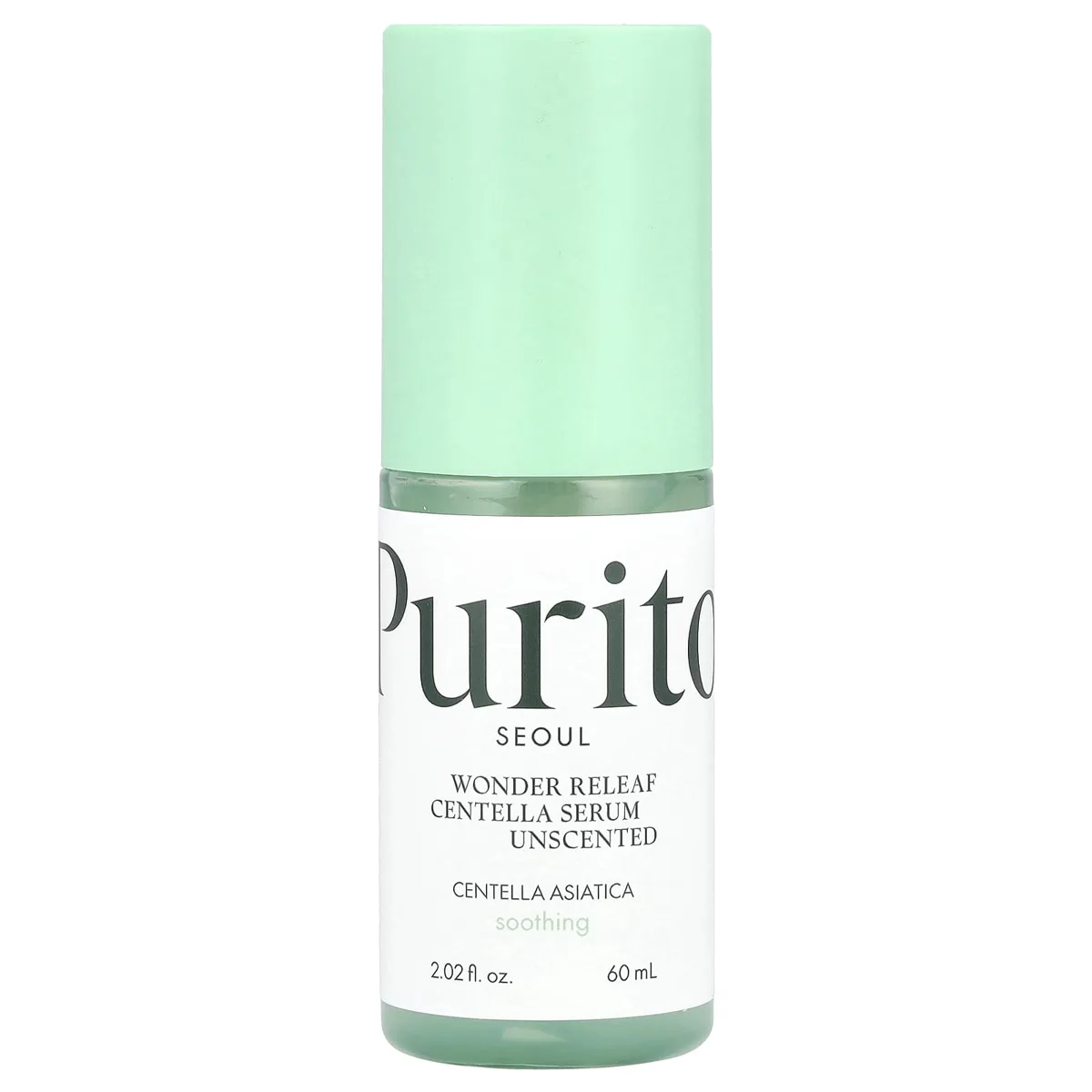
In practice that makes Centella the pick when skin is genuinely inflamed or recovering, not merely dry. A pared-back option like One Thing Centella Asiatica Extract delivers the extract with almost nothing else, while a serum such as Purito Centella Unscented Serum pairs it with niacinamide and ceramides for a fuller calming-and-supporting play. The honest caveat: much of the strongest data comes from concentrated extracts, wounds, and animal or in-vitro models, so a splash of Centella near the bottom of an ingredient list is doing far less than a formula built around a meaningful concentration.
Panthenol: the quiet barrier helper
Panthenol — provitamin B5, dexpanthenol in its topical form — is the least glamorous and arguably the most reliable of the three, because its job is barrier and water, not drama. Once on the skin it's absorbed and converted to pantothenic acid, a component of coenzyme A that epithelial cells genuinely need. A 2020 review in Pharmaceuticals on dexpanthenol in post-procedure wound healing describes what it does at the surface: it acts as a humectant, raising the water content of the stratum corneum, and it beneficially influences the molecular mobility of the lipid lamellae — the same ordered lipid layers that make up the barrier's mortar — while supporting re-epithelialisation after injury.
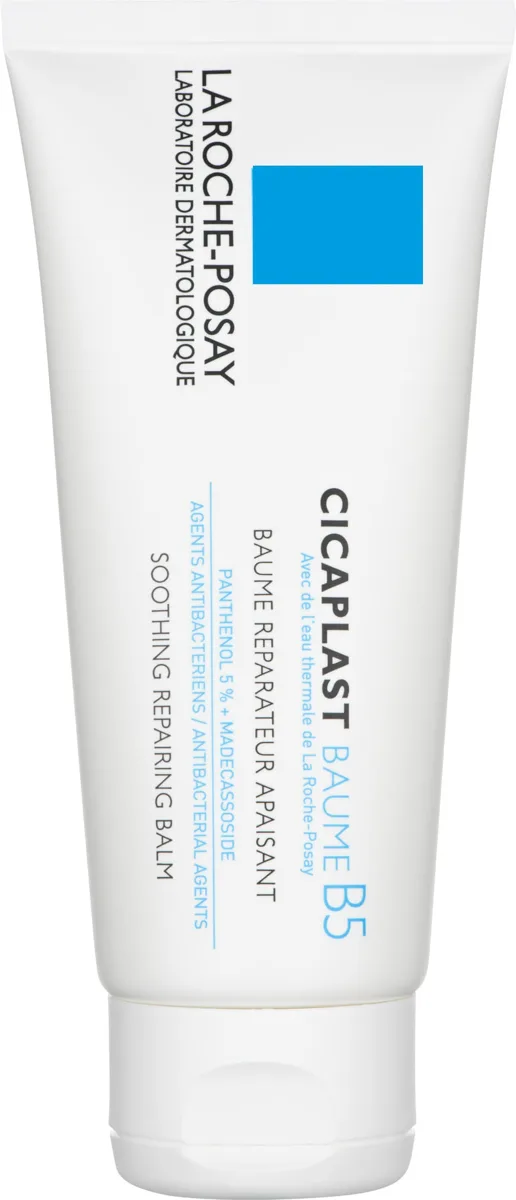
Translated: panthenol pulls in and holds water, and helps the barrier knit itself back together, which is exactly the profile you want after a peel, a laser, over-exfoliation, or a rough winter. It's not a potent anti-inflammatory in the way Centella is — its calming reputation comes largely from better hydration and a better-functioning barrier, which secondarily makes skin less reactive. That's why it's the backbone of so many post-procedure balms. La Roche-Posay Cicaplast Baume B5+ is essentially this thesis in a tube: a high load of panthenol plus Centella (madecassoside) in a rich, occlusive base, built for compromised and freshly-treated skin. If you're slotting a recovery product into an active-heavy routine, the [conflict-checker] will flag what to pause while skin rebuilds.
Allantoin: the oldest trick in the jar
Allantoin is the one people rarely think about, partly because it's quietly in almost everything. It's an old skin-protectant — recognised in over-the-counter monographs and used in wound and burn care long before modern cosmetic science — and its role is comfort and texture rather than active repair. At the low concentrations used in skincare it does two useful things. First, it's a mild keratolytic: it gently loosens the bonds between dead surface cells and softens keratin, so it smooths rough, flaky texture without the sting of an acid, which suits reactive skin. Second, it's a genuine soother — it's described as forming complexes with irritants and creating a light protective layer over the skin, calming the sensation of irritation and supporting the skin's own repair.
What allantoin is not is a powerhouse. You will not clear a breakout or fade a dark spot with it; its contribution is to make a formula gentler and more comfortable, and to nudge rough skin smoother over time. That's precisely why it pairs so well with stronger actives — it takes some of the edge off. A cica-style cream like Aestura A-Cica 365 Calming Cream uses this logic, combining panthenol and Centella with a soothing, barrier-supporting base for reactive and sensitized skin. Allantoin is the supporting actor who makes the whole cast look better, and almost never gets a credit.
What none of them can do
Here's the frame that makes these ingredients genuinely useful instead of magical: they are support, not treatment. Soothing actives help skin that is inflamed, compromised, post-procedure, or reactive to recover and stay comfortable. They do not treat the underlying condition that made it that way. Centella will calm the redness around a breakout; it will not clear the acne — that's a job for benzoyl peroxide, a retinoid, or a real exfoliant. Panthenol will help a barrier stripped by over-exfoliation heal; it won't undo sun damage or build collagen the way a retinoid does. Allantoin will make rough skin feel smoother; it won't fade hyperpigmentation.
The practical upshot is that cica and calming products are best understood as the recovery lane of a routine, not the whole race. They shine when your skin is angry — after a procedure, during a barrier repair, in reactive or rosacea-prone skin, or as the gentle base layer under a course of actives. They underperform when people use them expecting transformation and get, correctly, only comfort. Use them to buffer and recover, not to treat, and pair them intelligently — the [routine-finder] can help you build a routine where the soothing layer supports the working actives instead of standing in for them. Knowing the difference is what turns a vague 'soothing' promise into an ingredient you can actually deploy on purpose.
Products mentioned
Independently reviewed and scored — the real products behind this piece.

References
- Topical Application of Centella asiatica in Wound Healing: Recent Insights into Mechanisms and Clinical Efficacy — Pharmaceutics, 2024
- Therapeutic properties and pharmacological activities of asiaticoside and madecassoside: A review — Journal of Cellular and Molecular Medicine, 2023
- Dexpanthenol in Wound Healing after Medical and Cosmetic Interventions (Postprocedure Wound Healing) — Pharmaceuticals, 2020
Every cited link is verified to resolve to the paper named. Where a source could not be independently confirmed, it is listed without a link rather than pointing you somewhere wrong.
Frequently asked
What's the difference between Centella, panthenol, and allantoin?
They're often lumped together as 'soothing,' but they work differently. Centella asiatica has the strongest evidence, with triterpenes that reduce inflammatory signalling and support wound healing. Panthenol (provitamin B5) is mainly a humectant and barrier-repair helper that boosts hydration. Allantoin is a gentle protectant and mild keratolytic that softens texture and calms irritation. Centella quiets inflammation, panthenol supports the barrier, allantoin comforts the surface.
Does cica skincare actually work, or is it hype?
The Centella (cica) component has real research behind it — reviews document anti-inflammatory activity and stimulation of collagen and fibroblasts, with genuine wound-healing evidence. But much of the strongest data uses concentrated extracts on wounds, so a trace of Centella far down an ingredient list does much less than a formula built around a meaningful amount. It's real, but concentration and formulation matter.
Can soothing ingredients treat acne or hyperpigmentation?
No. Centella, panthenol, and allantoin are support ingredients, not treatments. They can calm the redness and irritation around a breakout or buffer the harshness of active ingredients, but they won't clear acne, fade dark spots, or build collagen. Those jobs belong to actives like benzoyl peroxide, retinoids, and exfoliating acids. Think of soothing actives as the recovery lane, not the treatment.
Is panthenol good for a damaged skin barrier?
Yes — it's one of the better-supported choices. Panthenol converts to pantothenic acid in the skin, raises stratum-corneum water content, and beneficially influences the barrier's lipid layers while supporting re-epithelialisation after injury. That makes it especially useful after peels, lasers, over-exfoliation, or in harsh weather, which is why it's the backbone of so many post-procedure recovery balms.
When should I actually reach for a cica or calming product?
When your skin is inflamed, compromised, post-procedure, or generally reactive — after a treatment, during barrier repair, or in rosacea- and sensitivity-prone skin. They're the recovery layer of a routine. They're less useful if you're expecting them to transform your skin, since their job is comfort and support, not active treatment.